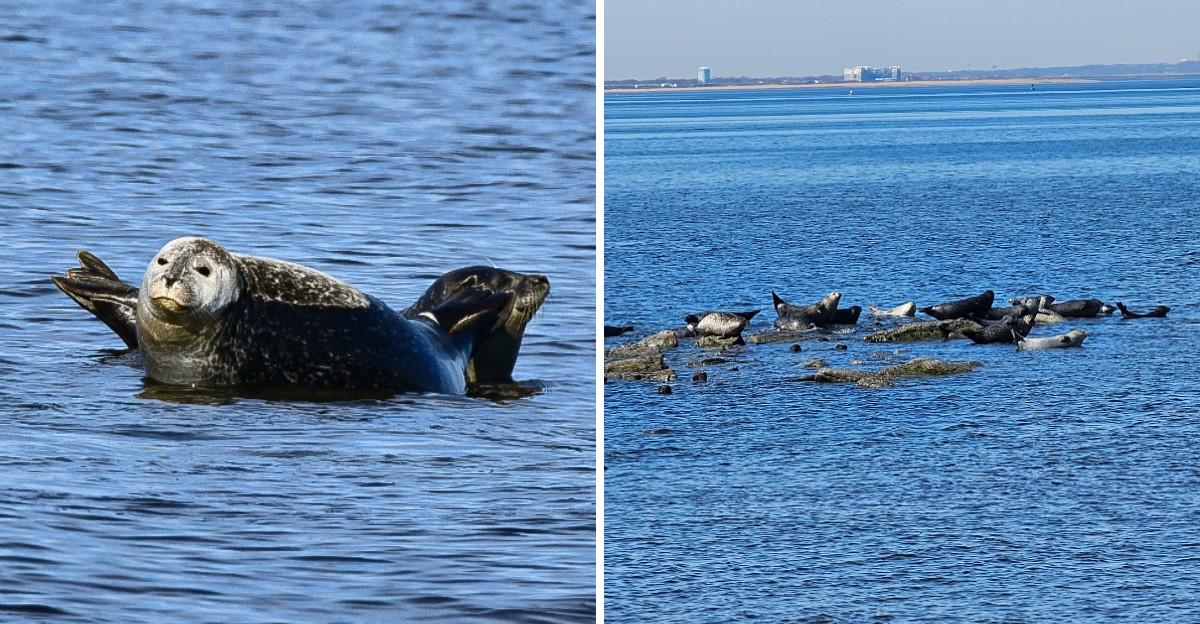
Wild seals spend their winters lounging on rocks within sight of the New York City skyline. Yep, actual seals, hauled out like sunbathers in January.
They swim down from colder waters off Canada and New England. Most are harbor seals, but gray seals show up too, and rarer harp seals occasionally make a cameo.
What gets me is the setting. These animals nap near old military buildings, a historic lighthouse, and a bay full of fishing spots, all on a skinny spit of New Jersey sand.
I’d absolutely make a detour for that. Bundle up, grab binoculars, and time the tide just right.
The summer crowds are long gone, but the most charming guests of the year are just getting comfortable. Honestly, it feels like a secret the whole state should know.
The Seals Pick Winter, Not Summer, For Their Beach Trip
Most beachgoers pack up by Labor Day. The seals show up right about when everyone else leaves.
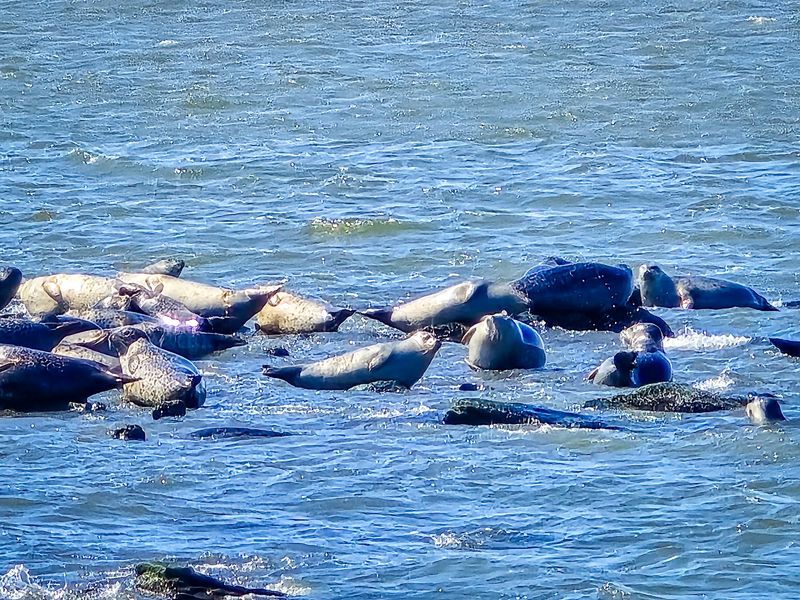
At Gateway National Recreation Area, Sandy Hook Unit, winter is prime seal season. These marine mammals typically appear from around November through April along the New Jersey coast.
Scientists call them pinnipeds, a fancy word meaning fin-footed. That name fits perfectly once you see them wiggle across a rock like a sleeping bag with whiskers.
Harbor seals make up most of the winter crowd. Gray seals also visit, and they’re noticeably bigger with longer, horse-like snouts.
Every so often, a rarer species drops by. Harp, hooded, and ringed seals have all been recorded along the state’s shoreline over the years.
Why travel south at all? Northern waters get brutally cold, and the bays here offer milder conditions plus plenty of fish to eat.
So think of Sandy Hook as a seasonal resort with very specific guests. They don’t need towels, umbrellas, or snack bars.
They just need a dry place to rest between meals. The rocks and sandbars here deliver exactly that, winter after winter.
A Seal Nap Is Serious Business, Not Laziness
Call it the world’s most important nap. When a seal climbs out of the water and flops onto a rock, it’s doing something biologists call hauling out.
Hauling out isn’t just lounging around. Seals use this dry time to warm up, rest, digest their meals, and recover from scrapes.
Cold water steals body heat fast. After hours of hunting fish, a seal needs time out of the water to save energy.
That’s why the rocks and sandbars around Sandy Hook matter so much. They give these animals a safe spot to recharge during the coldest months.
Watch for a funny posture while you’re there. Seals often curl their heads and tail flippers upward into a shape people call the banana pose.
It looks a little silly, sure. But it actually helps them balance and keep warm while resting on uneven surfaces.
Once you know what’s happening, the whole scene feels different. You’re not watching lazy animals at all.
You’re watching tired swimmers catch their breath. And giving them room to do that is the kindest thing a visitor can offer.
Check The Tide Chart Before You Even Grab Your Keys
Timing beats luck here. The tide chart might be the most useful thing you check before heading to Sandy Hook.
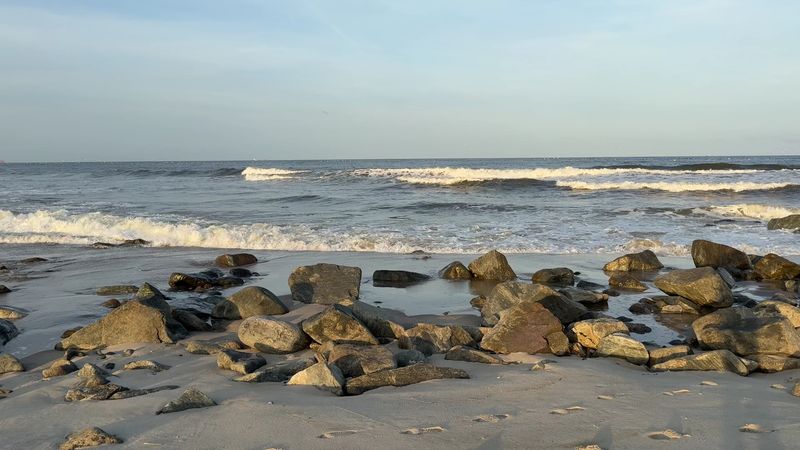
Seals are most often spotted around low tide. That’s when more rocks and sandbars poke above the water, giving them extra room to stretch out.
A good rule is to arrive within an hour or two of low tide. That window gives you the best shot at seeing several seals resting at once.
Weather matters too. Calmer, sunnier days tend to bring more seals out of the water to warm up.
Windy, stormy afternoons can be a different story. The seals may stay in the water, and honestly, you’ll probably want to stay in your car.
Dress for the coast in winter, not for the forecast in town. Breezes off the bay can feel much colder than you’d expect.
Layers, a hat, and gloves will keep you happy longer. Warm boots help if you plan to walk the shoreline.
Remember that wild animals keep their own schedules. Even with perfect planning, sightings are never guaranteed, which makes a good day feel even sweeter.
Head Toward Officers’ Row, Where Even The Signs Talk Seal

Few parks bother to make seal-themed signs. Sandy Hook does, and that tells you plenty about how reliable the viewing spots are.
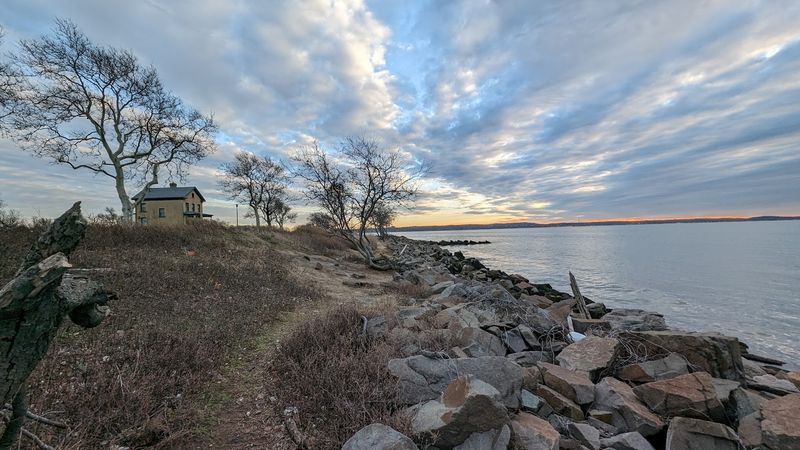
The area near Officers’ Row in historic Fort Hancock is a favorite starting point. A row of stately old homes faces Sandy Hook Bay, and the rocky shoreline below attracts resting seals.
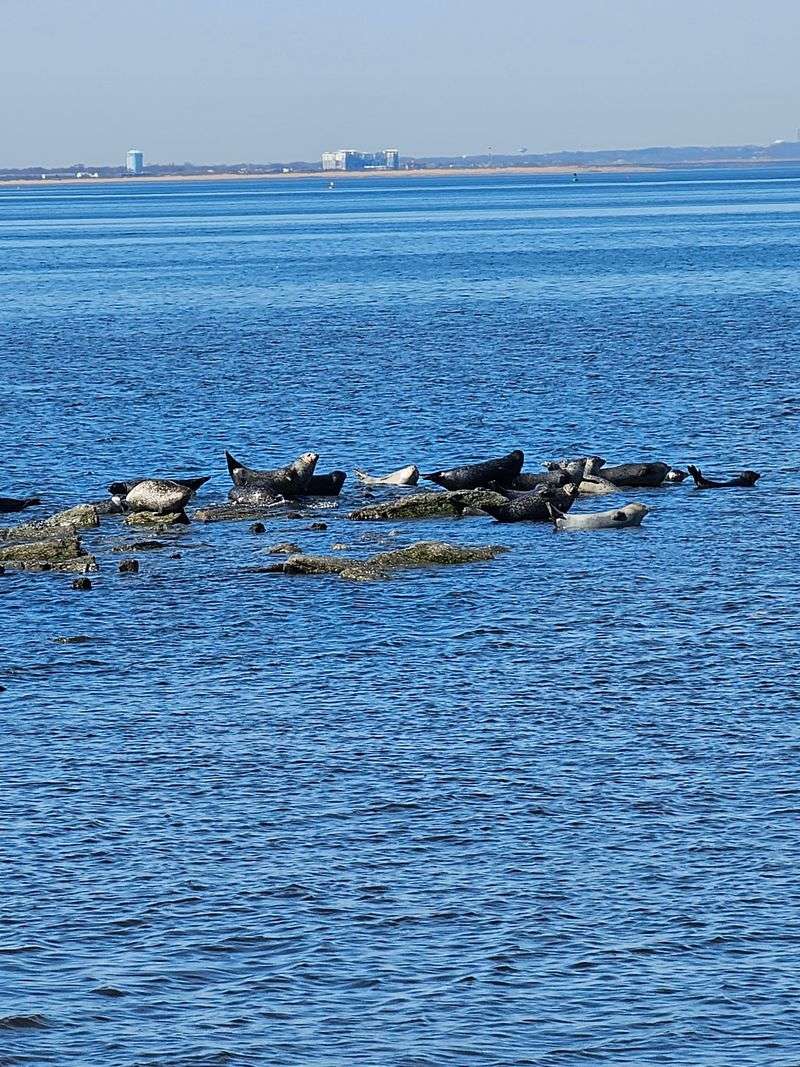
Look out into the bay toward Skeleton Hill Island. It’s a well-known haul-out spot where seals often gather when the tide drops.
The National Park Service has even posted seal parking signage in the Officers’ Row area. It’s a small, playful touch that helps visitors know where to stop.
Bring binoculars, because the seals are often a good distance offshore. At first, they can look like gray lumps on the rocks.
Then one lifts its head or scratches with a flipper. Suddenly that boring rock becomes the most interesting thing in New Jersey.
Scan slowly along the waterline rather than searching one spot. Seals blend in surprisingly well with wet stone.
And keep your eyes on the water too. A round head bobbing in the waves is often a seal checking you out.
Fifty Yards Is The Magic Number For Happy Seals
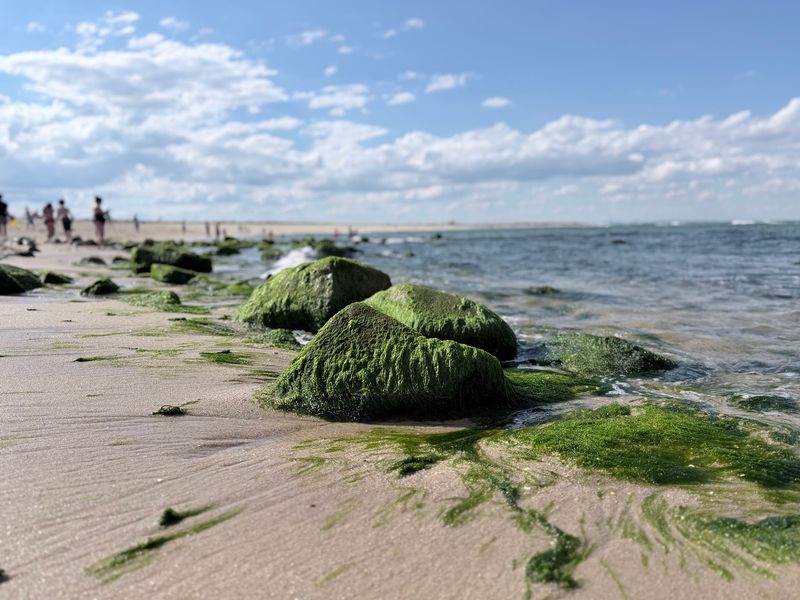
Here’s a number worth memorizing: 50 yards. That’s roughly 150 feet, and it’s the minimum distance wildlife experts recommend keeping from seals.
If a seal lifts its head and stares at you, you’re probably too close. Back up slowly and give it more space.
Why so careful? A startled seal may rush back into the water, burning energy it badly needs during winter.
Every unnecessary splash costs them. Do that to a seal often enough, and its precious rest time disappears.
Seals are also protected under the federal Marine Mammal Protection Act. Touching, feeding, or harassing them is against the law.
Selfies with seals are a firm no as well. No photo is worth stressing out an animal that traveled hundreds of miles to relax.
Keep your voice low and your movements calm. Try to limit your viewing to about 30 minutes so the seals aren’t watched all day.
Think of it like visiting a friend who just finished a long shift. You can say hello, but you shouldn’t hang around their couch forever.
Thirty Years Ago, Spotting Even One Seal Here Was Big News
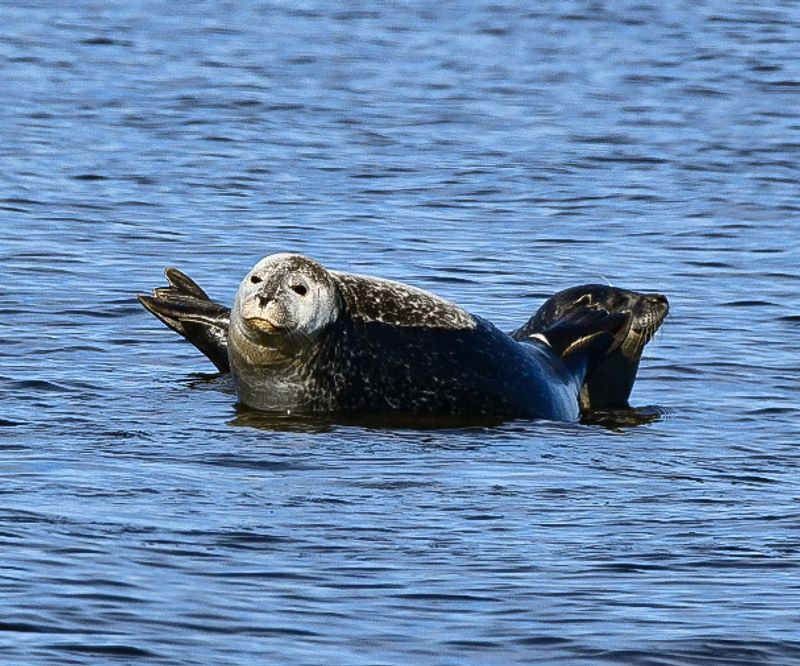
Seal sightings weren’t always this easy. Only about three decades ago, finding a seal around Sandy Hook was a genuinely rare event.
Today, seeing a group of them sprawled on the rocks is a regular winter treat. That shift ranks among the happiest wildlife stories on the East Coast.
So what changed? Experts point to a mix of reasons, starting with an end to widespread seal hunting.
The Marine Mammal Protection Act of 1972 was a turning point. It gave seals and other marine mammals strong legal protection across the United States.
Cleaner coastal waters helped too. Healthier bays mean healthier fish, and more fish means more meals for hungry seals.
Put those pieces together, and seals had a reason to return. They’ve been coming back to the New Jersey shore in growing numbers ever since.
That gives every sighting a little extra meaning. You’re not just seeing a cute animal sunbathing.
You’re seeing proof that protecting nature actually works. Honestly, that might be the most heartwarming detail of the whole trip.
It’s a comeback story that’s still being written each winter.
After The Seals, Climb Into Some Serious American History
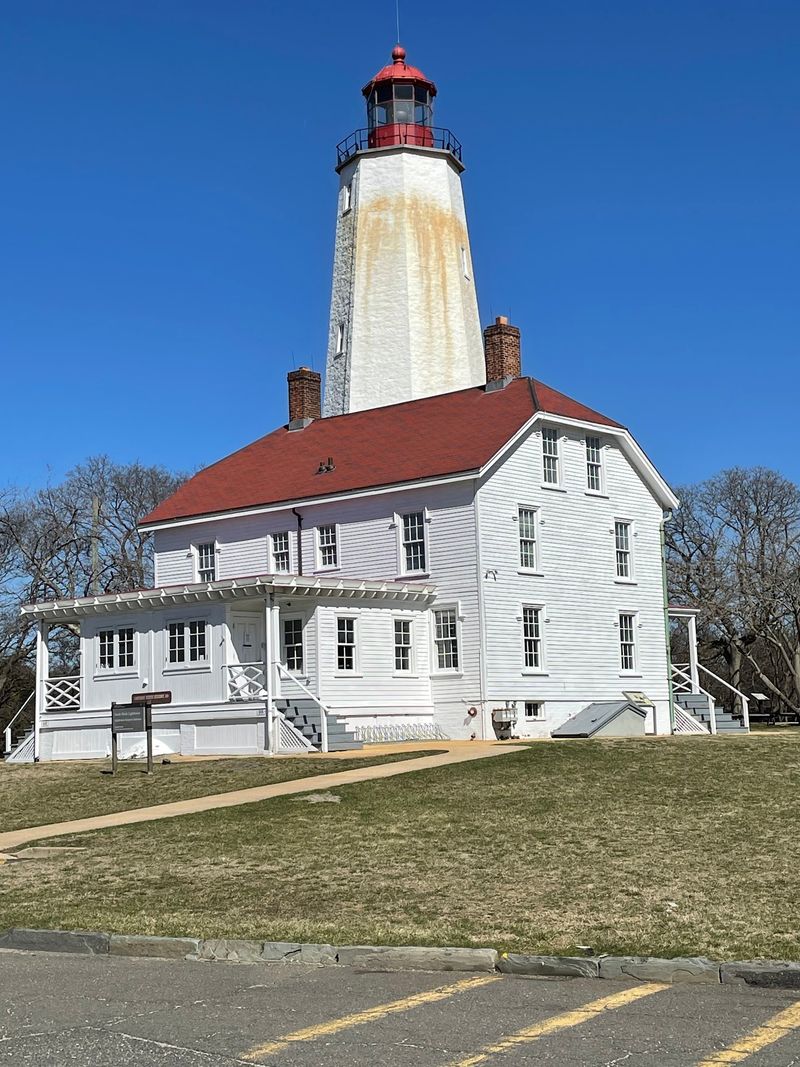
Seal watching works up a curiosity streak. Luckily, Gateway National Recreation Area, Sandy Hook Unit, has plenty more to explore once you lower the binoculars.
Start with the Sandy Hook Lighthouse. First lit in 1764, it’s the oldest operating lighthouse in the United States.
That means it was shining before the country even declared independence. Not bad for a tower that still does its job.
Nearby, Fort Hancock tells a different story. This former Army post helped guard the entrance to New York Harbor for decades.
Its brick buildings, gun batteries, and old military structures make the park feel like a time capsule. The mix of history and wildlife is part of what makes this spot so unusual.
Nature lovers should also look for the maritime holly forest. It’s a rare coastal woodland that has survived wind, salt, and storms on this narrow peninsula.
On a clear day, you can see the New York City skyline across the water. It’s a strange, wonderful view with seals in the foreground.
Few places manage skyscrapers, colonial history, and wild marine mammals in one glance.
Winter Visits Come With A Nice Little Parking Bonus
Good news for budget-minded seal fans. Beach parking fees at Sandy Hook only apply in the summer season, from Memorial Day weekend through Labor Day.
Seal season falls well outside that window. So your winter trip comes with one less thing to worry about.
Plug 128 S Hartshorne Dr, Highlands, NJ 07732 into your GPS. That address will guide you to the park on the northern tip of the Jersey Shore.
Bringing your dog? Pets are welcome on bayside beaches year-round, as long as they stay leashed.
Oceanside beaches allow leashed pets from September 15 through March 15. Leashes can’t be longer than six feet.
Those rules protect wildlife, including the threatened piping plover that nests here in spring and summer. Seals also deserve a dog-free zone.
Keep your pup close and well away from any resting seal. Even a friendly sniff can send a seal scrambling into cold water.
Check park conditions before heading out, since winter weather can affect access. A little planning keeps the whole day smooth for you, your dog, and the locals with flippers.
Spot A Seal In Trouble? You Can Be The One Who Helps
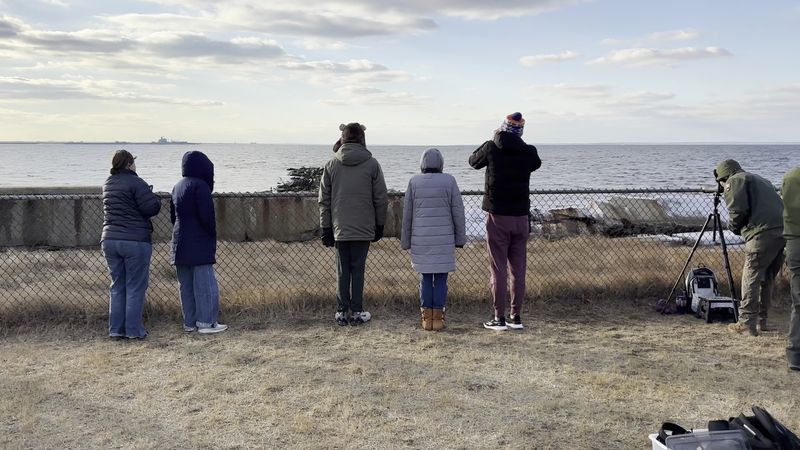
Not every seal on the beach needs rescuing. In fact, a lone seal resting on the sand is usually perfectly fine.
Young seals especially haul out on their own to rest. Pushing them back into the water or crowding them can do real harm.
Still, some situations call for experts. Watch for signs like visible wounds, fishing line or netting wrapped around the body, or obvious illness.
People bothering a seal also count as a problem. In any of those cases, keep your distance and reach out for help.
The Marine Mammal Stranding Center handles these calls in New Jersey. Its trained team responds to sick, injured, and stranded marine mammals along the state’s coast.
Save their contact info in your phone before your visit. That way you’re ready if something seems off.
Note the location, the seal’s condition, and the time you saw it. Photos taken from a safe distance can help responders, too.
Being a good seal neighbor isn’t complicated. Watch quietly, give space, and speak up when something’s wrong.
Do that, and you’re part of why these seals keep coming back.
