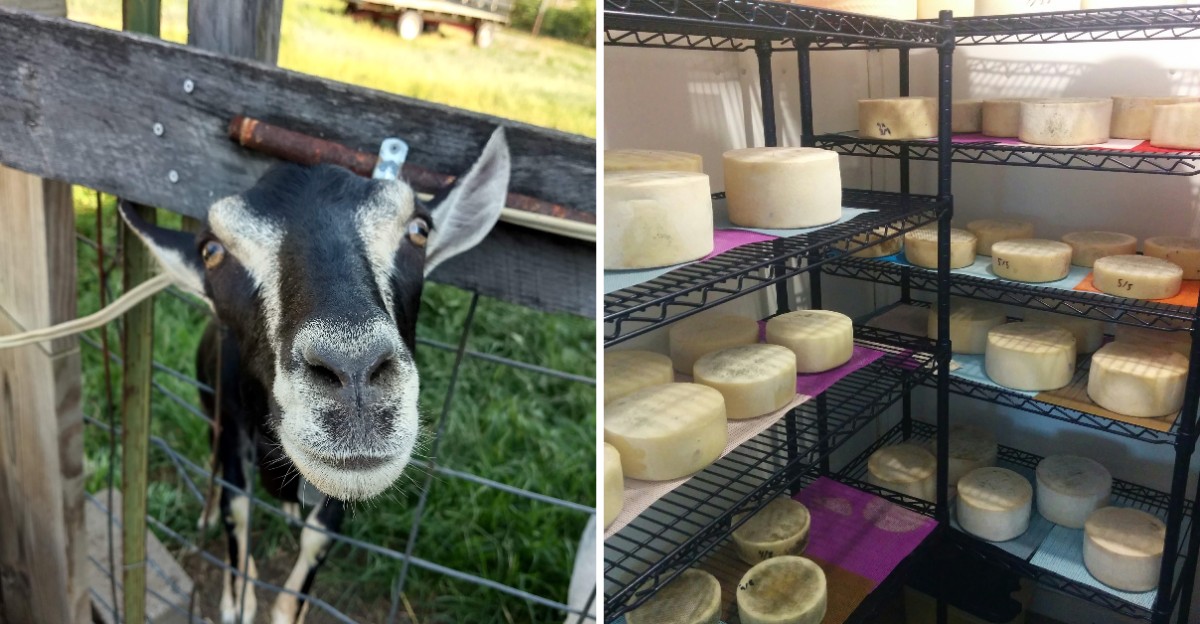
Every goat on one small farm has a name. Their milk becomes chevre, feta, and wheels aged up to 18 months in a cheese cave on the property.
The whole thing started with two goats and a family that just wanted fresh milk. Then the milk kept coming, and a teenage daughter suggested they learn to make cheese.
I love that a kitchen-table idea turned into what the farm calls the only registered goat creamery in West Virginia. I also like that you can buy straight from the people who milk the herd.
No warehouse, no mystery label, no long truck ride.
So what does cheese taste like when it travels a few steps instead of a few states? I can’t imagine a better reason to skip the dairy aisle at least once.
The Only Goat Creamery Of Its Kind In The Mountain State
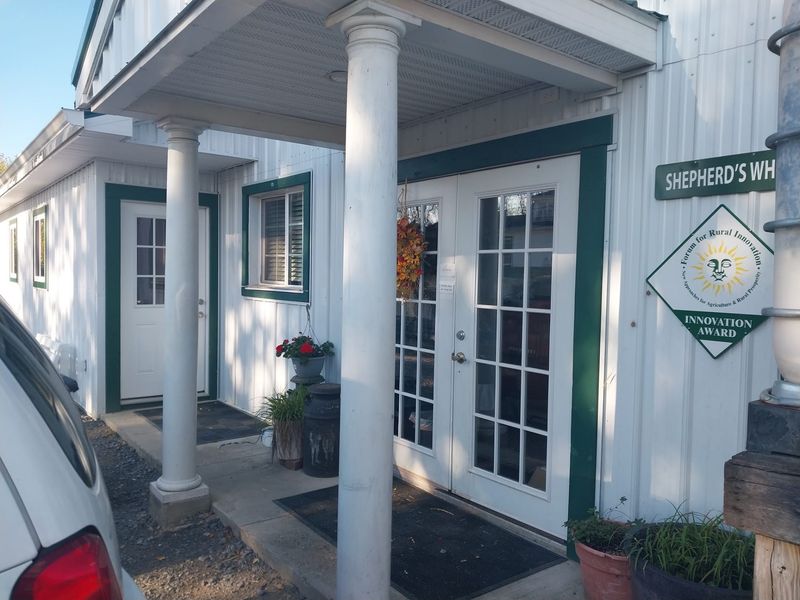
Shepherd’s Whey Creamery sits in Martinsburg, West Virginia, out in the state’s Eastern Panhandle. It’s a family-owned goat dairy and creamery, and the family describes it as the only registered goat creamery in West Virginia.
That title isn’t brand new, either. The creamery marked 11 years with that distinction back in December 2023, according to its own website.
So what exactly happens here? The family milks its own herd, then turns that milk into cheese, yogurt, and a few sweet surprises.
Everything centers on minimally processed goat’s milk products. The goal is simple food, made close to the animals that produce it.
Honestly, that alone sets it apart from most cheese you’ll ever buy. A grocery store block may pass through several companies before it lands in your cart.
Here, the path is short and easy to follow. Goat, milking room, cheese room, and then your fridge.
The place is officially listed as a dairy store, which tells you a lot. It’s a working farm with a shop, not a theme park with a petting zoo attached.
For anyone who cares where food comes from, that honesty is a big part of the appeal.
Two Goats, A Move East, And A Very Full Fridge
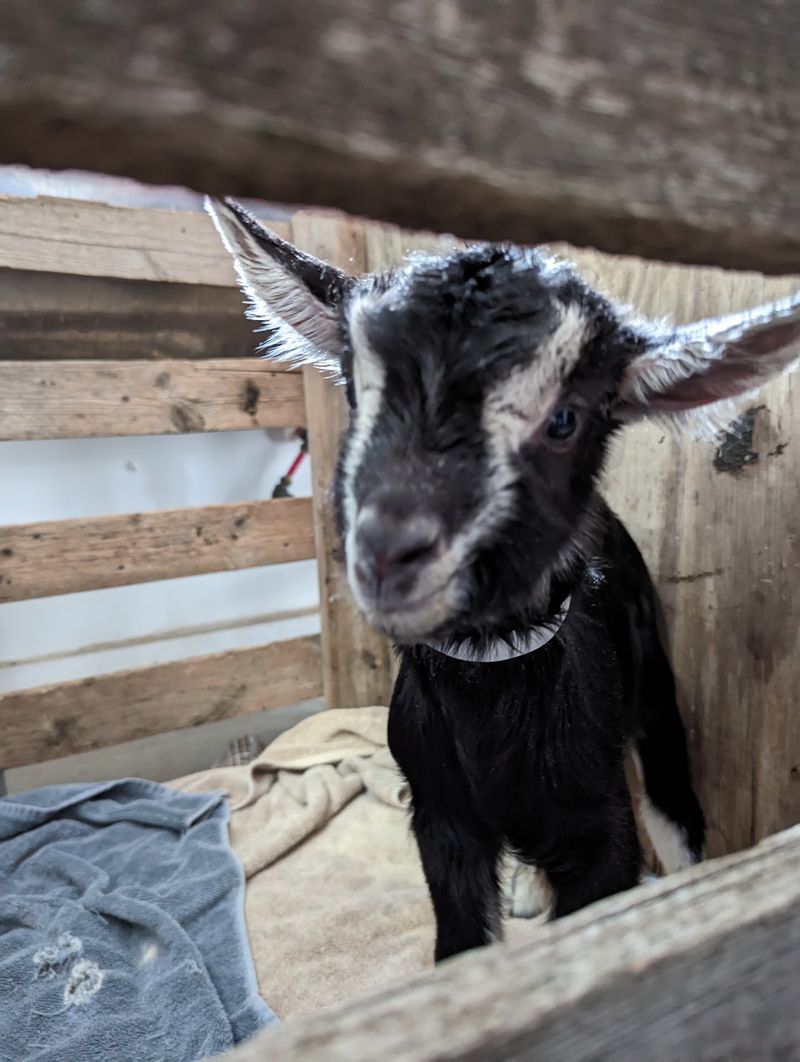
Back in 2003, the Behrmann family bought two goats. They weren’t dreaming of a creamery yet.
The family had moved to West Virginia from Southern California. They wanted fresh milk and a more self-sufficient way of living.
Goats, as it turns out, are generous. The small herd grew, and so did the milk supply.
Pretty soon, the family had more milk than they could drink. Anyone who has grown too much zucchini knows that feeling well.
That’s when the oldest daughter, Megan, spoke up. Her suggestion was practical and a little bold: learn to make cheese.
I love that the whole business traces back to a kid’s idea at home. It feels very West Virginia, solving a problem with your own two hands.
Nobody handed the family a business plan or a fancy factory. They simply had goats, milk, and a reason to use it well.
That kind of start gives the creamery a down-to-earth story. It also explains why the focus stayed small and personal as the years rolled on.
The family’s philosophy ties wholesome food to a simple lifestyle. Protecting the health of the animals and the community sits right at the core.
A Christmas Gift That Became A Business Permit
Some Christmas gifts end up in a closet. One gift in the Behrmann household ended up changing the family’s whole direction.
The family received a three-day cheesemaking workshop as a Christmas present. After that, the idea of a real creamery started to look possible.
Of course, making cheese at home and selling it are two very different things. Dairy rules are strict, and for good reason.
In spring 2012, the family earned its Grade A certification. They also secured a Food Manufacturing permit around the same time.
That paperwork opened the door to selling. Their first cheeses went on sale at a local farmers’ market in Charles Town, West Virginia.
Think about that timeline for a second. Nearly a decade passed between the first two goats and the first market table.
That patience shows up in the way the creamery still works today. Nothing about the story feels rushed or flashy.
For parents juggling budgets and busy schedules, there’s something encouraging here. A family hobby, a learned skill, and steady work turned into a real local business.
It’s the kind of origin tale that makes a block of cheese feel a lot more personal.
Lilly’s Chevre And The Lineup That Started It All
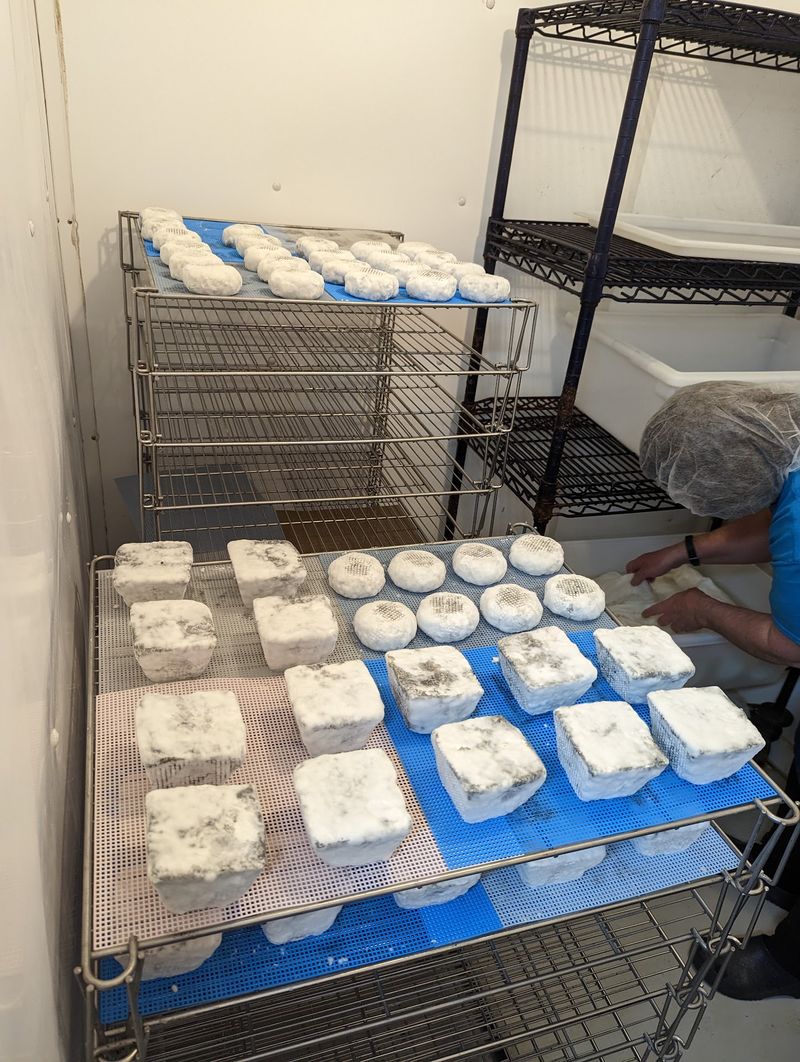
A goat named Lilly has a cheese named after her. That might be the sweetest detail in this whole story.
Lilly’s Chevre honors one of the farm’s first dairy does. It led the creamery’s very first lineup at the Charles Town market.
The early selection stayed short and fresh. Alongside the chevre came feta and three varieties of Queso Fresco.
Every one of those cheeses came from a herd of just 12 French Alpine dairy goats. That’s a small number of animals for a whole market display.
Fresh cheeses made sense for a young creamery. They don’t need months of aging before they’re ready to sell.
Chevre is the soft, spreadable goat cheese many folks know from salads and crackers. Queso Fresco and feta bring their own crumbly, salty charm to a table.
What I appreciate most is the straight line from animal to label. Naming a cheese after a real goat says plenty about how the family sees its herd.
Plenty of brands invent cute mascots for marketing. Here, the mascot was an actual doe in the barn.
Lilly’s Chevre still gives the creamery’s history a face, and a pair of floppy ears.
Every Goat Gets A Name Around Here
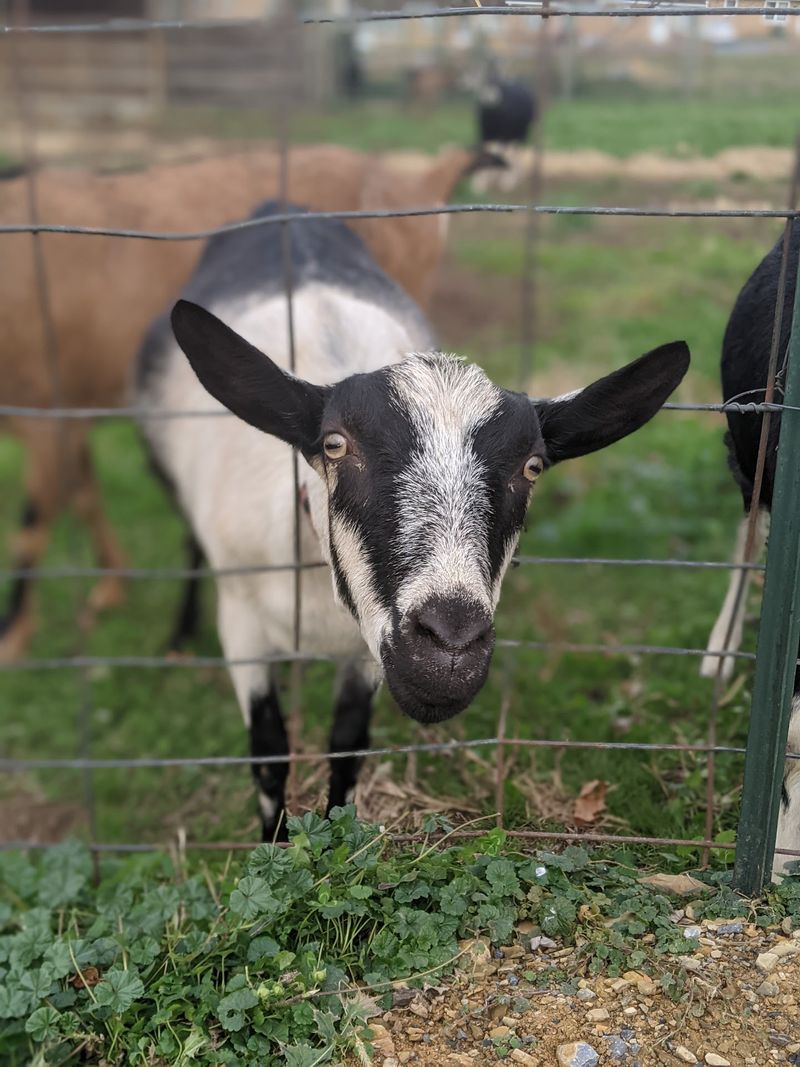
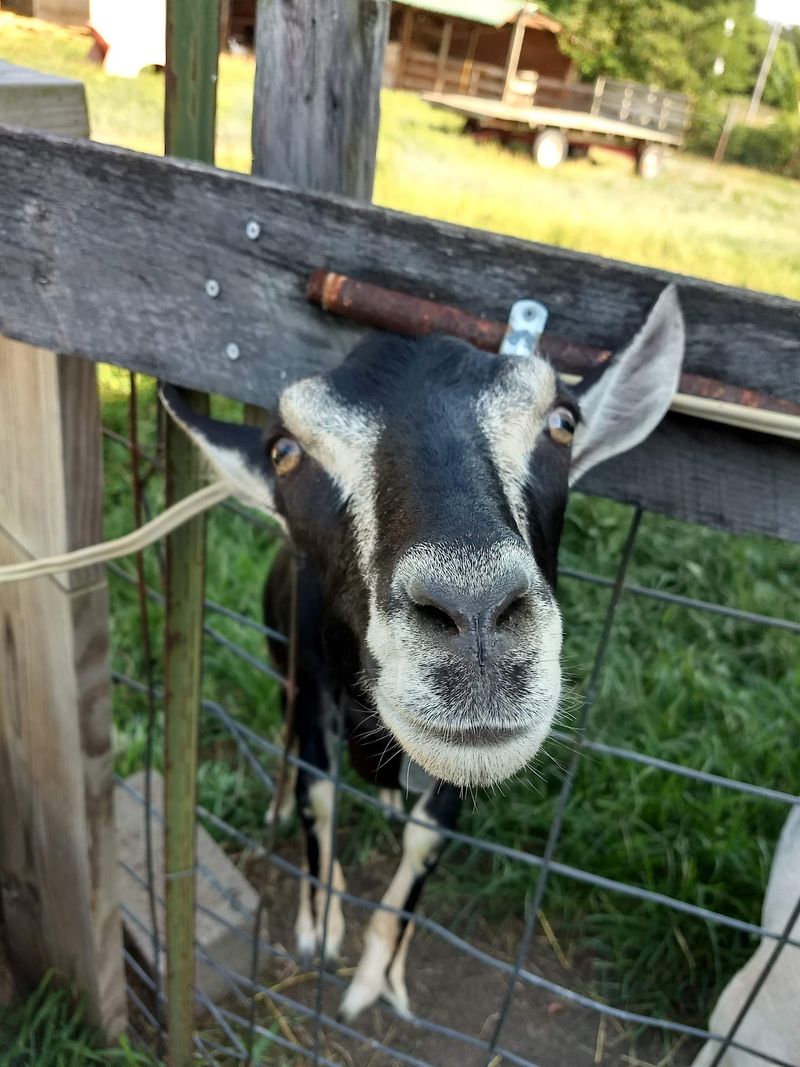
Ask for goat number 14 and you might get a puzzled look. At Shepherd’s Whey Creamery, every goat has a name.
The family says it gives the herd humane and loving care. That approach sits at the center of the whole operation.
The creamery’s site lists 18 milking goats in its current herd. That’s up from the original 12, but still a small group by dairy standards.
Small herds allow for a lot of personal attention. Each animal is a known individual, not a tag in a giant barn.
Why does that matter to a cheese buyer? Cheese can only be as good as the milk going into it.
The family ties wholesome food to healthy animals and a simple way of life. Their care for the goats is part of the product, not a side note.
For families with curious kids, the named herd adds a nice talking point. It’s a gentle lesson about where milk really comes from.
For adults, it’s reassurance worth having. You’re buying from people who know their goats by name and by personality.
Somehow that makes a slice of cheese feel like a neighborly handshake.
Milk Room To Cheese Cave In A Few Short Steps
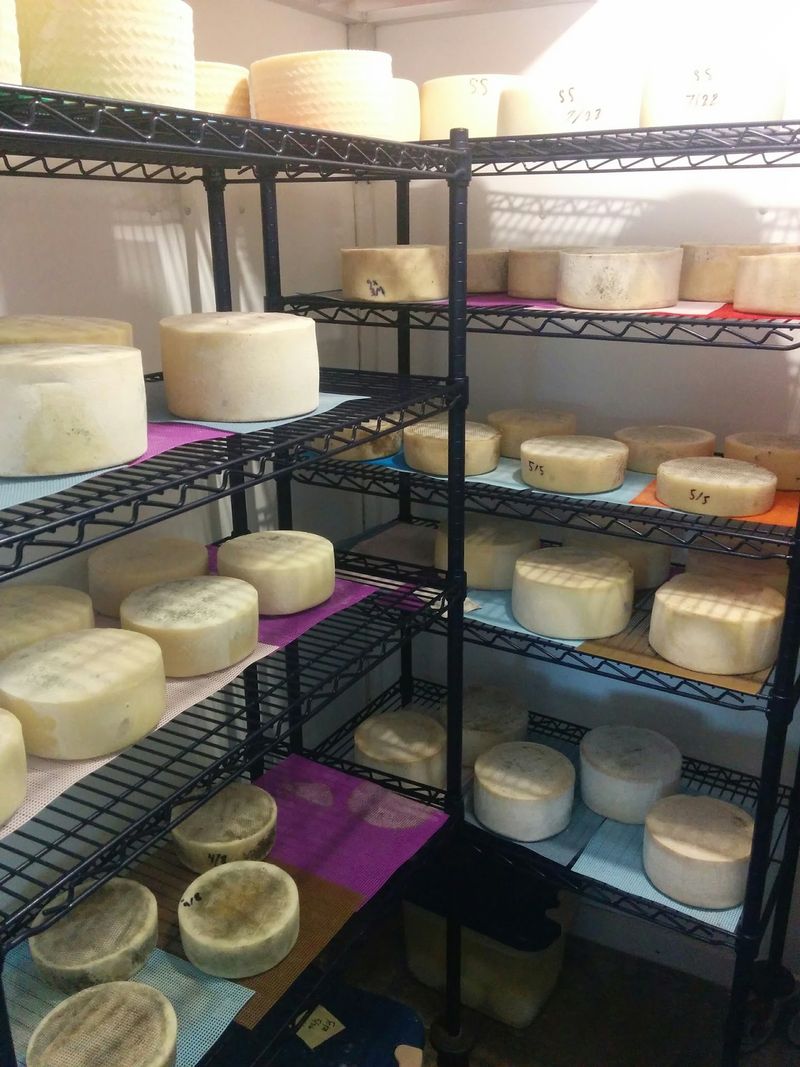
Eighteen months is a long time to wait for a snack. Some of the hard cheeses here may age that long before they’re ready.
The creamery’s Parmesan-style cheese can age for up to 18 months. That kind of patience takes the right space and steady conditions.
The farm includes a dedicated milking room. Milk then moves to a processing room equipped with a bulk tank.
From there, harder cheeses head to a special cheese cave for aging. That controlled space helps those wheels build deeper, more complex flavor over time.
Fresh cheeses follow a much quicker path. They can be ready fairly soon after the milk is made into curds.
What I like here is how compact the whole journey is. Milk doesn’t ride across the country between steps.
It’s all handled on the same property, by the same family. That’s what makes it farmstead cheese in the truest sense.
The focus stays on minimally processed products. The idea is to let goat milk taste like goat milk, without a lot of fuss.
Compare that with a factory block that’s built for shelf life above everything. The difference in approach is hard to miss.
Napoleon’s Peak Leads A Cheese Board Worth Bragging About
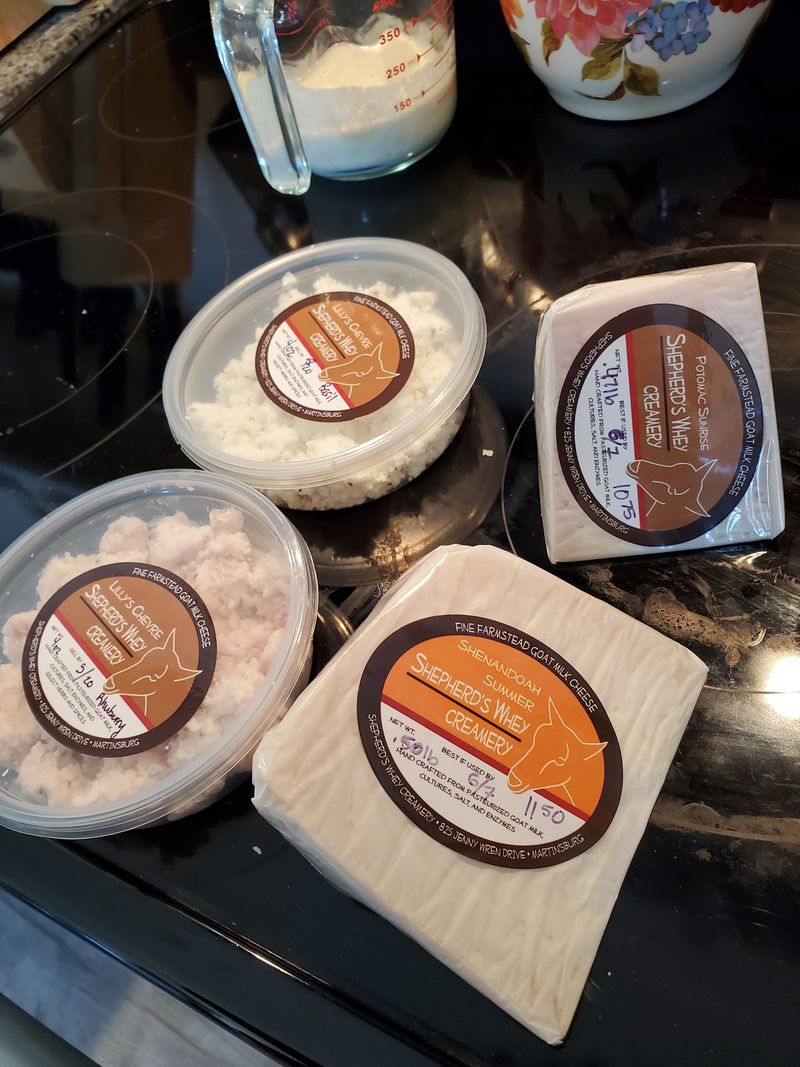
Award-winning cheese from a West Virginia goat farm? That’s Napoleon’s Peak, and it’s the creamery’s star.
The family lists it as award-winning on its own site. It’s one of several aged and specialty cheeses that grew from those early fresh batches.
Today the lineup covers fresh, soft-ripened, and six kinds of hard-aged cheeses. That’s a big leap from one chevre and a feta.
The names alone are fun to read out loud. There’s Snow Buttons, Crescendo!, Potomac Sunrise, Shenandoah Summer, and Winter’s End.
Alpsiago brings an Alpine-style option to the counter. Many of the names nod to the region, from the Potomac to the Shenandoah.
I love that the labels feel tied to place and season. They read like a map of the area’s rivers, valleys, and weather.
Not sure where to start? A fresh cheese, one soft-ripened pick, and one aged wedge make a simple sampler.
That mix lets you taste how goat milk changes with time and technique. It also makes an easy, impressive board for company.
Store-bought cheese platters rarely come with this kind of story attached.
Goatgurt, Smoothies, And A Caramel You Might Hide From The Kids
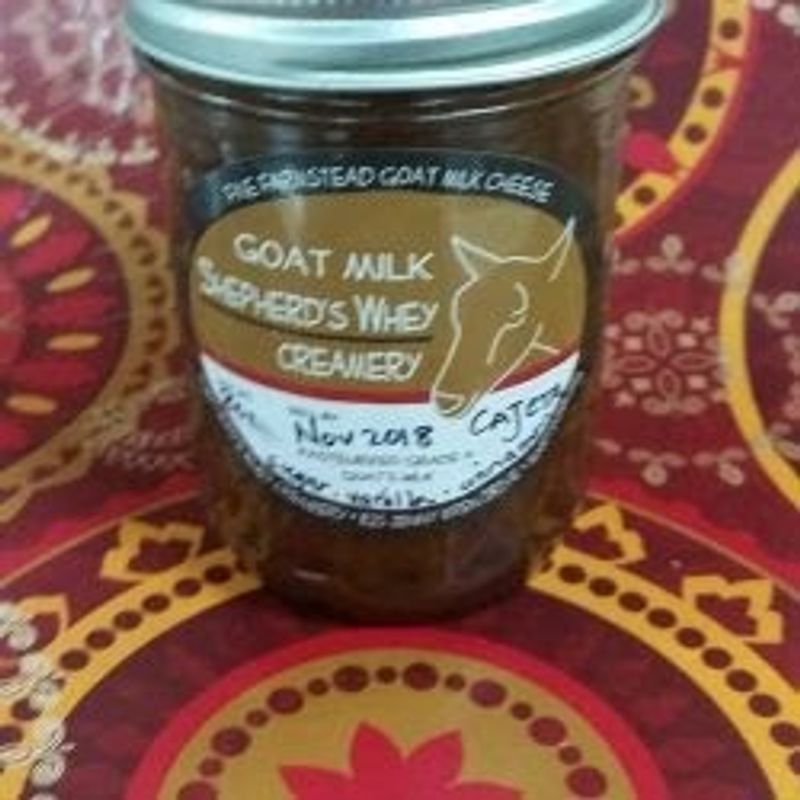
Cheese gets the headline, but the creamery’s sweet side deserves its own spotlight. Meet Goatgurt, the farm’s spoonable goat milk yogurt.
There are also Goatgurt smoothies on the menu. They turn that yogurt into something you can sip on the drive home.
Then comes Cajeta, a rich goat milk caramel. Cajeta is a classic treat with roots in Mexico, and it’s wonderful drizzled over fruit or ice cream.
I can’t imagine a jar of homemade caramel lasting very long in most houses. You may want a backup jar, just to be safe.
Fresh goat milk is part of the lineup, too. It’s the same milk that started this whole family adventure back in 2003.
Goat milk does taste a little different from cow’s milk. If you’ve never tried it, a smoothie can be an easy first step.
For parents, these products offer a fun way to introduce kids to farm food. Yogurt and caramel are a much easier sell than an aged wedge.
For everyone else, they round out a shopping trip nicely. One stop can cover breakfast, dessert, and the cheese board.
Teaching The Next Wave Of West Virginia Cheesemakers
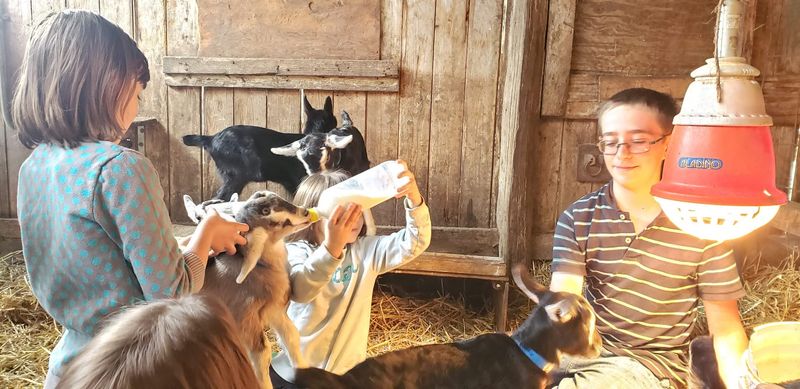
Suzanne Behrmann, one of the owners, has taken the creamery’s story into a college classroom. She has given lectures to undergraduate students at Shepherd University.
That’s a nice twist for a family that once learned cheesemaking from a gift workshop. Now they’re helping others learn about the business.
The family hopes its work with colleges and farmers’ markets sparks more interest. Their goal is to see more West Virginians try cheesemaking and dairy production.
Small dairies matter to rural communities. They keep food dollars local and keep farming skills alive for the next generation.
I believe that kind of outreach is just as valuable as any cheese. A creamery that shares its knowledge helps the whole region grow.
It also fits the family’s bigger philosophy. They connect wholesome food with care for both animals and community.
For readers who love supporting local businesses, this part hits home. Your purchase supports a farm that invests in more than its own shelves.
West Virginia has a proud tradition of farm families working the land. Seeing goat dairy join that story feels pretty fitting.
Who knows which student might start the next local creamery?
Hours, Pickup, And Where Else To Find The Goods
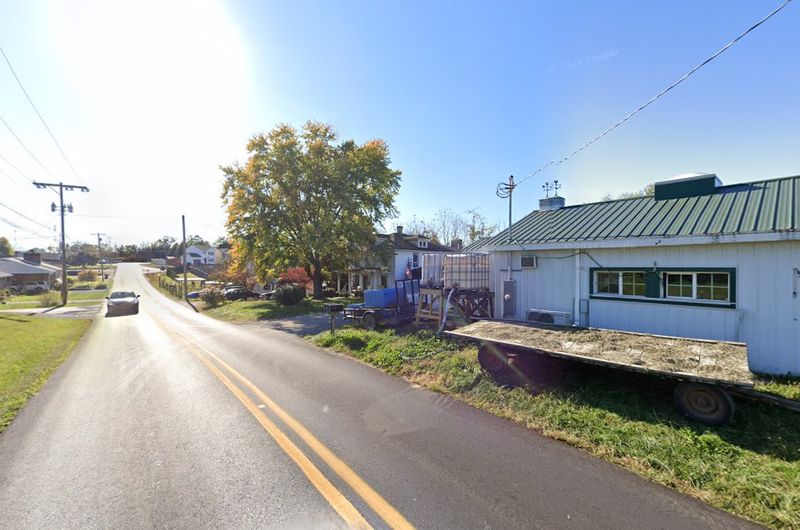
Early birds, good news. The creamery’s listed hours run 7 a.m. to 7 p.m., Monday through Saturday.
Sunday is a day off, so plan around that. Checking ahead before a long drive is always a smart move with a working farm.
You’ll find the farm store at 825 Jenny Wren Drive, Martinsburg, WV 25404. It’s in the Eastern Panhandle, an easy trip for many folks in the region.
The creamery offers on-farm sales right at the property. It also has a system for pre-ordering and pre-paying, which makes pickup quick.
That pre-order option is handy for busy families. Grab your cheese and yogurt without waiting on decisions at the counter.
Set your expectations, though. It’s a working dairy with a farm store, not a big tourist attraction with tours and activities.
Can’t make it out to the farm? The products also show up at farmers’ markets across the Eastern Panhandle.
Markets in northern Virginia, Maryland, and Washington, D.C. carry them, too. Some local shops, restaurants, and caterers feature the cheeses as well.
Either way, a taste of West Virginia goat cheese isn’t hard to track down.
Why Your Next Cheese Run Should Skip The Big Box Aisle
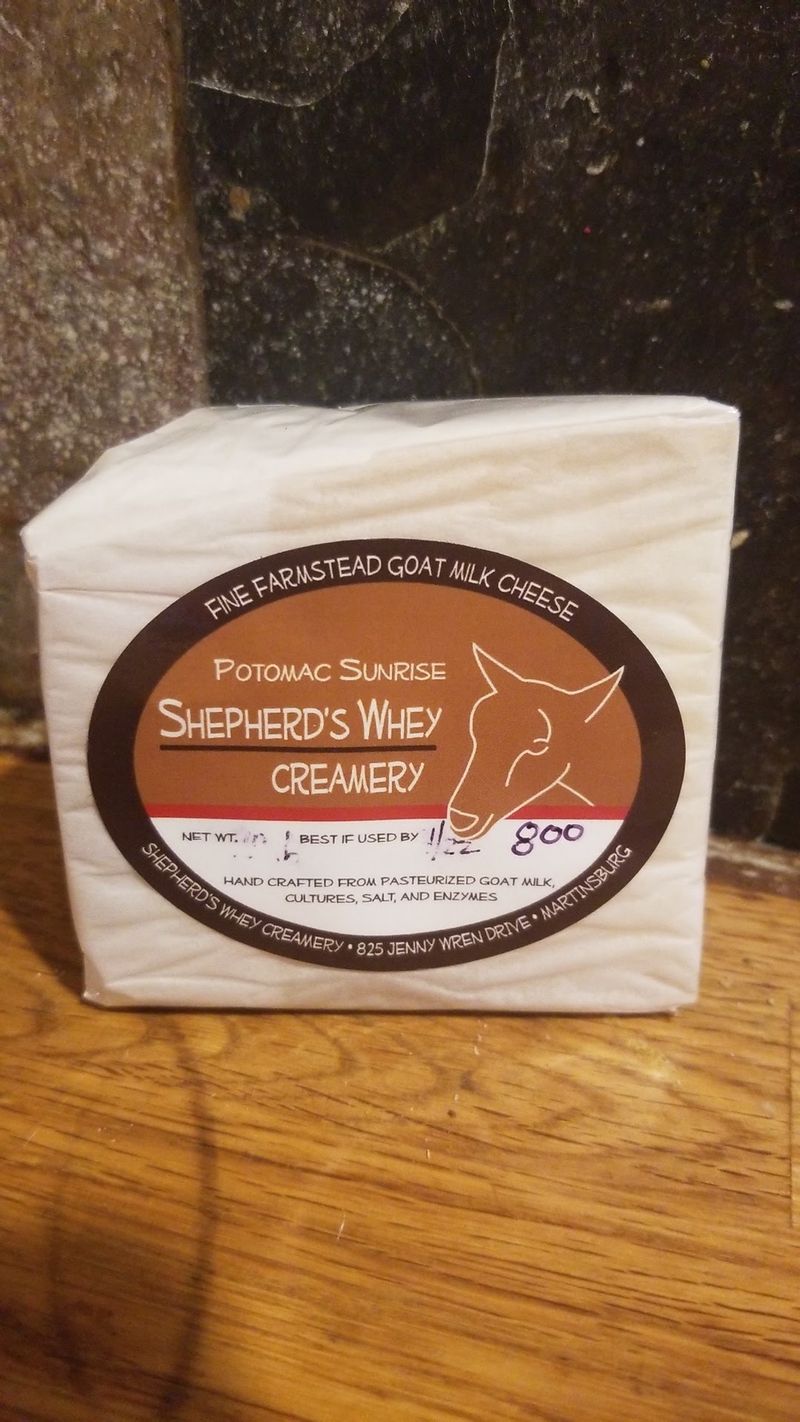
Two goats in 2003. Eighteen named milkers, a cheese cave, and an award-winning wheel today.
Shepherd’s Whey Creamery shows what steady, small-scale work can build. It’s proof that big flavor doesn’t need a big factory.
The appeal here is straightforward. You get cheese, milk, and yogurt from the same family that raises the goats.
That direct connection is rare in a world of anonymous grocery labels. It’s also a simple way to support a local West Virginia farm.
Who will love it most? Home cooks, cheese board fans, and anyone curious about farm food will feel right at home.
Families can use it as a quick, real-world lesson on where dairy comes from. Just remember it’s a shopping stop, not an all-day outing.
I’d pair a visit with other errands or a drive around the Eastern Panhandle. Bring a cooler, especially in warm weather.
Start with Lilly’s Chevre for history’s sake. Then let Napoleon’s Peak or a jar of Cajeta talk you into a second trip.
Walmart will always have cheese. Shepherd’s Whey Creamery has cheese with a name, a herd, and a story behind it.
