Financial collapse seemed dangerously close for one Ohio family manufacturer during the Great Recession. The company had spent decades making specialized sand molds for metal casting, but shrinking demand threatened its future.
Instead of closing, its leadership introduced a new productivity system that dramatically increased output. Later, the business embraced industrial 3D printing, using machines capable of creating intricate sand molds directly from digital designs.
I find the transformation fascinating because the company didn’t abandon its original craft. It combined traditional manufacturing knowledge with new technology, eventually becoming a major supplier of advanced casting components.
The turnaround attracted national attention, culminating in the country’s highest small business award for its president. What began as a struggle to keep a family operation alive became a story of innovation, determination, and a surprisingly modern use for something as ordinary as sand.
The Family Shop That Refused To Fold
Family businesses carry a special kind of pressure. Every decision affects people you know by name.
Humtown Products started as a pattern shop in Columbiana, Ohio. Patterns are the shapes foundries use to form molds for metal parts.
The company grew over the decades by serving foundries that cast parts for many industries. Then 2008 arrived like an unwelcome guest who refused to leave.
The Great Recession hammered American manufacturing. Orders dried up, and Humtown found itself facing the real threat of bankruptcy.
Plenty of companies closed their doors during that stretch. Humtown’s leadership, guided by president Mark Lamoncha, decided to fight for a different outcome.
That fight meant asking hard questions. What could a small shop offer that bigger competitors could not?
The company’s initial turnaround came through a patented productivity system developed under Mark Lamoncha’s leadership. According to Humtown, the approach increased output by more than 400 percent, helping the business recover from its financial difficulties.
Years later, the family expanded into industrial 3D sand printing through partnerships with Youngstown State University and America Makes. Together, these developments helped reshape the company’s future.
Keep that 2008 moment in mind as the story unfolds. Everything that follows grew out of it.
A Printer That Builds With Sand Changed Everything
Most people think of 3D printers making plastic toys. Humtown went much bigger and much grittier.
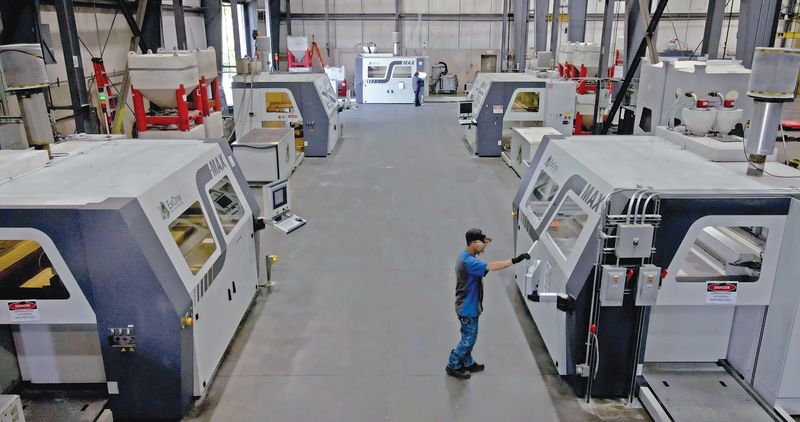
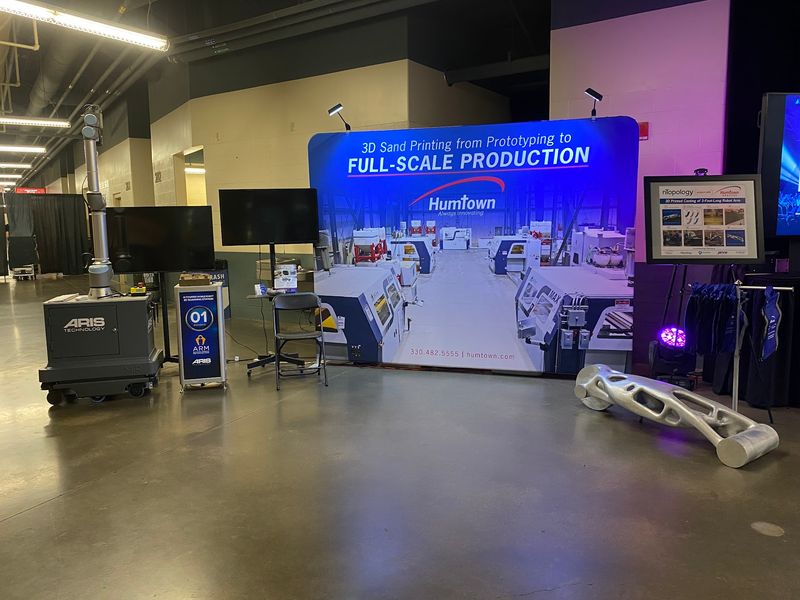
The company invested in industrial 3D sand printing technology. These machines build sand cores and molds layer by layer from a digital design.
Why does that matter? Traditional sand cores need physical patterns and tooling, which take time and money to make.
With 3D printing, a foundry can skip much of that tooling. Complex shapes that were once difficult become possible, and prototypes can arrive much faster.
For a small company, this was a gutsy bet. Industrial printers are expensive, and the technology was still new to many foundries back then.
Humtown began exploring industrial sand 3D printing in 2014, working with partners including America Makes and Youngstown State University. A major printer was unveiled at its Leetonia facility in January 2017, followed by expanded production capabilities in 2018.
These investments helped the company develop a competitive advantage in producing complex sand molds and cores without the lengthy tooling process required by conventional methods.
Here’s a fun detail. The printed sand pieces are not the final product at all.
Molten metal gets poured around or into them, and then the sand gets broken away. The printed shape lives a short life with a big purpose.
I like how this idea flips the old process on its head. New tools, same ancient goal of shaping metal.
That blend of old craft and new tech became Humtown’s signature. It still defines the company today.
Sand Cores Might Be The Coolest Thing You Never Noticed
Look at almost any engine block, pump, or valve. Somewhere in its history, a sand core probably helped shape its hollow insides.
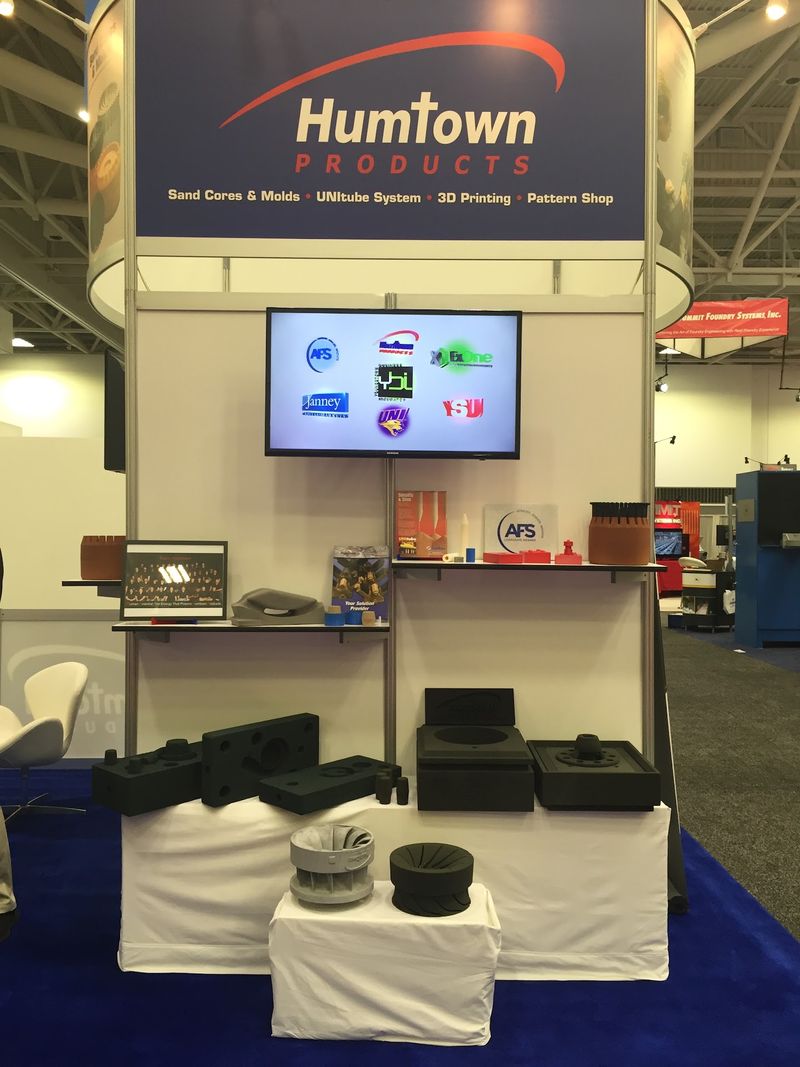
Cores create the internal passages in metal castings. Without them, a lot of everyday machinery would simply be solid lumps of metal.
Humtown Products specializes in these cores and molds. Foundries send designs, and Humtown produces the sand shapes they need for pouring.
The company offers both traditional core-making and 3D printed sand work. That mix lets customers choose what fits their project, budget, and timeline.
Short runs and prototypes are a great fit for printing. Larger production jobs can still use more classic methods when they make sense.
Think of it like a bakery that offers both hand-shaped bread and precise custom cakes. Different jobs, different tools, same kitchen.
Sand casting is one of the oldest metalworking methods around. People have used it for thousands of years.
Humtown’s work shows how a very old craft can keep evolving. That is a pretty cool thing to know next time you start a car or turn on a faucet.
Small hidden parts often hold big machines together. Sand cores are the quiet heroes of manufacturing.
The National Award That Put A Small Town On The Map
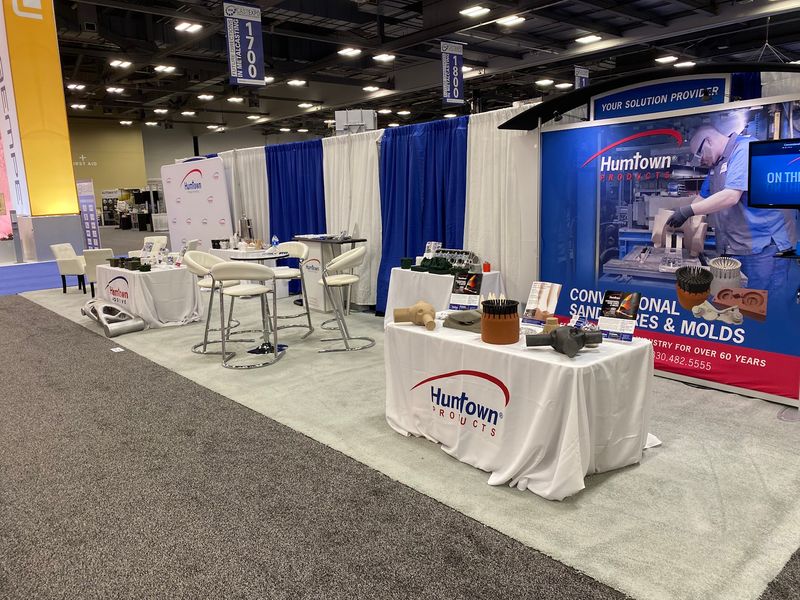
In May 2026, the U.S. Small Business Administration announced a major national honor for an Ohio manufacturer.
Mark Lamoncha, president and CEO of Humtown Products, was named the National Small Business Person of the Year, recognizing his leadership in transforming a struggling family business into an innovative manufacturing company.
That honor is picked from winners across every state. Each state first chooses its own small business champion, and then one rises to the top nationally.
For a foundry supplier from northeast Ohio, that was a huge moment. It showed the whole country what a small manufacturer could accomplish.
The award recognized more than profits. It celebrated the company’s growth, its creative thinking, and its commitment to its community.
Remember, this was a business that had faced bankruptcy only years earlier. The comeback made the recognition even sweeter.
I can’t imagine the mix of pride and relief that must have come with it. Going from survival mode to national spotlight is quite a journey.
The award also sends a message to other small business owners. Hard times do not have to be the final chapter.
Smart risks, steady work, and a willingness to learn can change a company’s story. Humtown’s trophy shelf proves that point nicely.
Not bad for a shop that works with sand all day. Sometimes the humblest materials lead to the brightest moments.
Young People Get A Real Shot At Manufacturing Careers
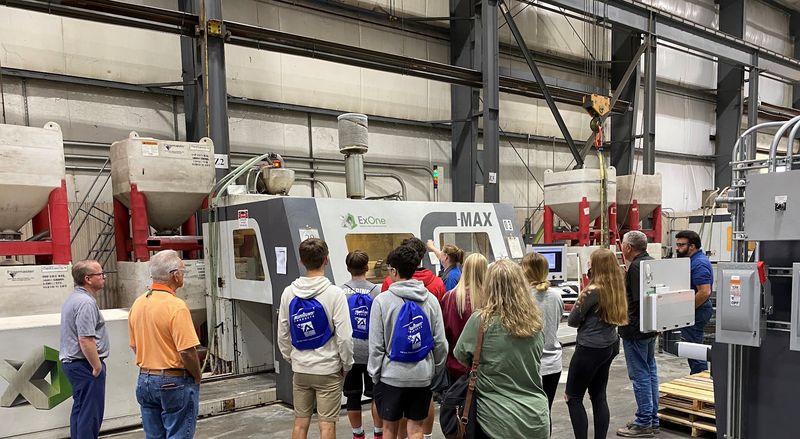
Ask most teens what they want to be, and factory jobs rarely top the list. Humtown has worked hard to change that picture.
The company has become known for reaching out to young people. Its leaders have pushed to show students that modern manufacturing is high-tech, creative, and full of opportunity.
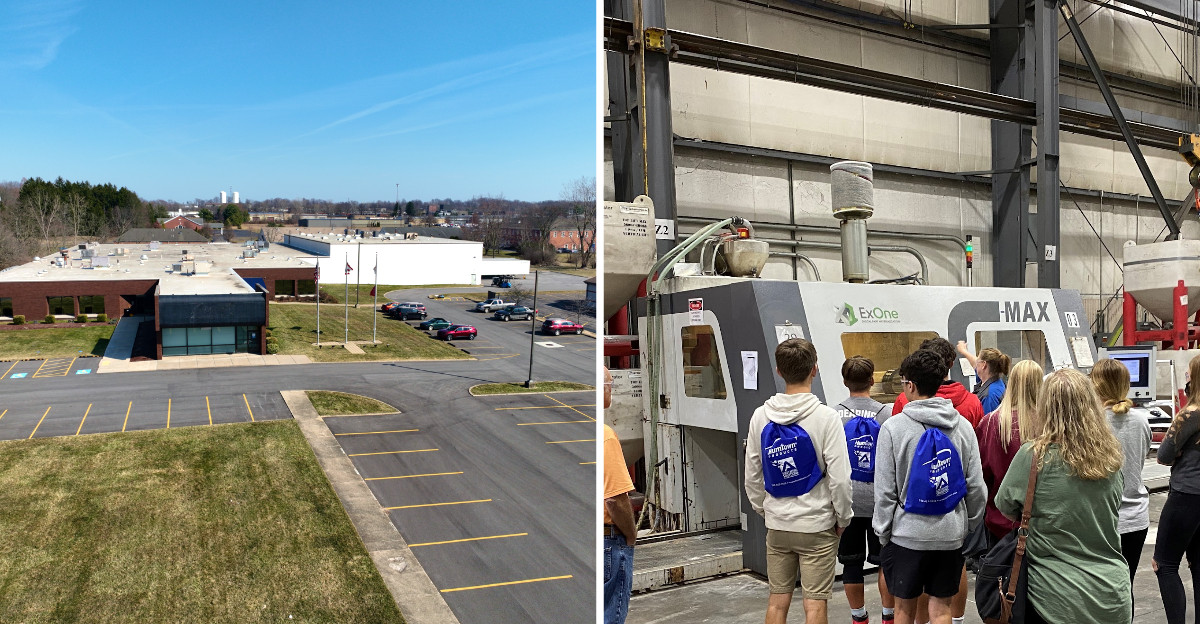
Over a three-year period, Humtown connected more than 1,000 students across northeastern Ohio and western Pennsylvania with hands-on manufacturing experiences, including student-led facility tours and school-based career exploration programs.
The initiatives introduce young people to modern manufacturing technology and potential career paths in the industry.
Why does this matter so much? Many manufacturers struggle to find skilled workers as older employees retire.
By investing in the next generation, Humtown helps its own future and the region’s. It is a smart move wrapped inside a generous one.
I believe this part of the story deserves more attention. A company that teaches kids is planting seeds that will grow for decades.
Students who learn real skills early gain confidence. They also see that a good career can be built close to home in Ohio.
If you know a young person who loves building things, this is worth sharing. Manufacturing today looks far different from the old stereotypes.
Computers, digital design, and problem-solving all play a role. Grease and noise are only part of the picture now.
Speed Became Humtown’s Secret Superpower
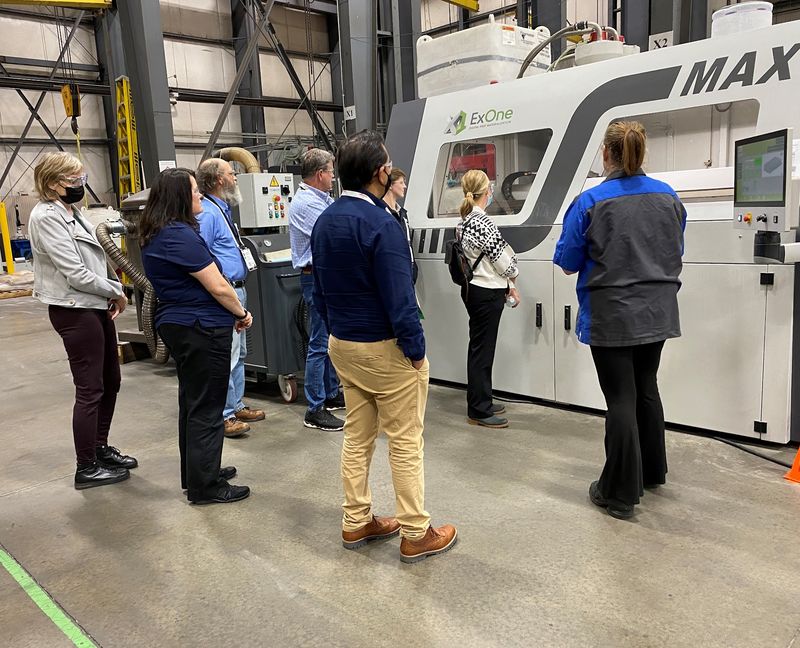
Time is money in manufacturing, and Humtown figured out how to save plenty of both. Faster parts can mean faster products for its customers.
Creating traditional tooling for a new casting can take weeks. With 3D sand printing, a digital file can turn into a usable core much more quickly.
That speed is gold for engineers testing new designs. They can try an idea, check results, and adjust without waiting forever.
Prototyping used to be a slow, costly step. Now it can move at a pace that keeps projects rolling.
Humtown built its comeback partly on this advantage. Customers who needed quick turnarounds had a strong reason to call.
One older online customer review even praised the company for timely quotes and quality on 3D printed casting-sand shapes. Fast service clearly became part of its reputation.
Rural Roads Lead To This High-Tech Workshop
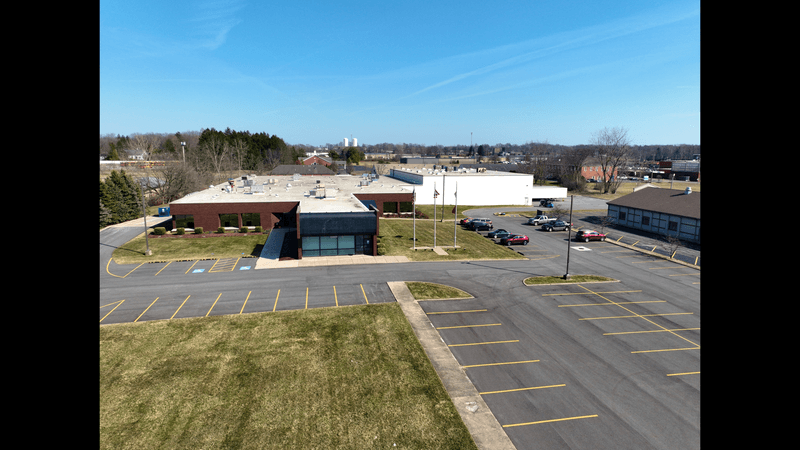
Cutting-edge technology does not always live in a big city skyline. Sometimes it sits along a country road in Columbiana County.
Humtown operates its conventional sand core and mold facility at 44708 Columbiana-Waterford Road, Columbiana, OH 44408. Its dedicated additive manufacturing operation, Humtown Additive, is located at 8301 Market Street in Boardman, Ohio.
Both facilities contribute to the company’s work, combining traditional foundry processes with advanced 3D sand printing.
Columbiana is a small city in northeast Ohio. It sits within easy reach of Youngstown, a region with deep roots in steel and manufacturing.
That manufacturing heritage makes Humtown’s story fit right in. The area has seen hard times, and it has also seen plenty of reinvention.
Humtown is an active industrial manufacturer rather than a public tourist attraction. Its facilities serve foundries and commercial customers, and general visitor hours are not published on the company’s official website.
Anyone interested in a professional visit or educational tour should contact Humtown directly to inquire about arrangements.
Still, it is fun to know that such forward-thinking work happens in a quiet corner of the state. Innovation can pop up anywhere.
Next time you drive through the area, you will know a little secret. Those country roads hide a company printing sand for factories across the country.
That is a neat fact to drop at your next family dinner. Bonus points for saying it casually.
Lessons Any Small Business Can Steal
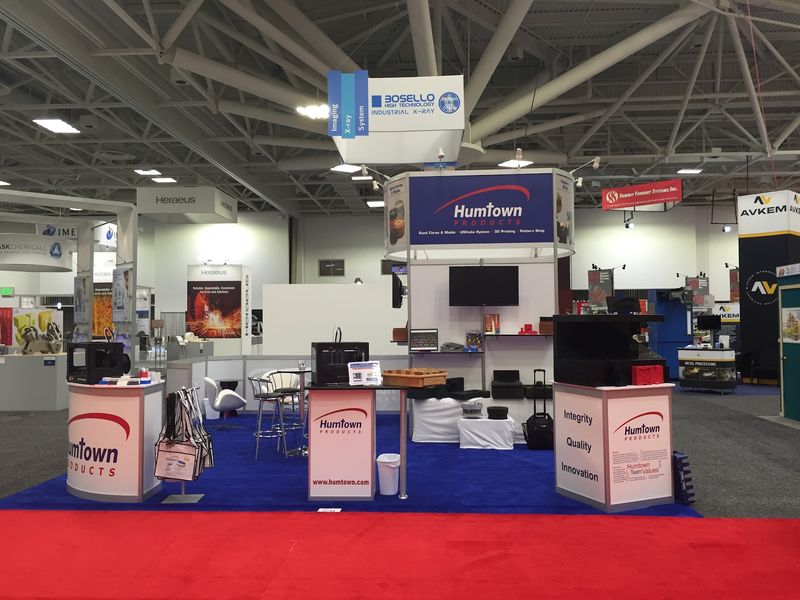
You do not need a foundry to learn from Humtown. Its comeback offers ideas that fit a bakery, a repair shop, or an online store.
First, crisis can be a signal to change, not just a reason to panic. Humtown used a scary moment to rethink what it offered.
Second, new technology can level the playing field. A small company adopting the right tool early can compete with much larger players.
Third, specialize in something people truly need. Humtown focused on cores and molds, and it became very good at them.
Fourth, invest in people, not only machines. Training young workers builds loyalty and skill over time.
Fifth, stay connected to your community. A business that supports its neighbors often finds that support coming back.
None of these steps are magic tricks. They take patience, planning, and a fair amount of nerve.
Why This Comeback Still Matters Today
Plenty of success stories fade from memory after a few headlines. Humtown’s keeps feeling relevant as manufacturing changes.
Additive manufacturing, the fancy name for 3D printing, keeps growing in importance. Humtown Products jumped in early, and that choice still shapes its work.
The company shows that tradition and innovation can share the same building. Old casting know-how and digital design work side by side.
That balance gives hope to many towns built on industry. Reinvention does not mean erasing the past.
Columbiana, Ohio, might seem like an unlikely place for this kind of story. Yet that is exactly what makes it so satisfying.
Big change often starts in small places with stubborn, creative people. Humtown fits that description perfectly.
I believe stories like this deserve to be shared more often. They remind us that setbacks are not always endings.
A business nearly lost in 2008 later earned America’s top small business honor. That is a plot twist worth cheering.
