
Ninety-one percent. That’s how many of the 86 New Jersey waterways tested turned up traces of PFAS, the so-called forever chemicals.
Honestly, that number stopped me cold. These chemicals showed up in rivers, lakes and streams in every single one of the state’s 21 counties.
Even the quiet Pinelands didn’t escape.
The list of places reads like a road map of home. The Hackensack, the Passaic, the Raritan and the Delaware all made the list.
Some spots held as many as 20 different PFAS compounds at once.
So what does that mean for your tap, your fishing trip, or your kid’s favorite creek? The answers mix worrying news with some real progress.
Let’s walk through it together, one piece at a time.
The Nickname Fits Because These Chemicals Refuse To Leave
Forever is a long time, and PFAS take that word pretty seriously. The full name is per- and polyfluoroalkyl substances, which is a mouthful even for scientists.
The group is huge, with more than 12,000 man-made chemicals in the family. Their secret power is a super-strong bond between carbon and fluorine atoms.
That bond makes them incredibly hard to break down. They resist breaking apart in soil, in water, and even inside the human body.
Over time, they build up instead of fading away. Scientists call that accumulation, and it happens in both nature and living creatures.
You’ve probably owned a few PFAS products without knowing it. Since the 1940s, they’ve shown up in nonstick pans, waterproof jackets, food packaging and stain-resistant carpets.
Firefighting foam is another big source. Those foams helped battle fuel fires, but the chemicals washed into the ground and nearby water.
Here’s a quick takeaway for your own kitchen. When a nonstick pan starts scratching or flaking, it may be time to swap it for stainless steel or cast iron.
Small changes like that won’t fix a river. Still, they cut down on how much of this stuff lands in your daily routine.
The Numbers Behind This Report Are Hard To Shrug Off

Data doesn’t lie, and this batch came straight from federal testing. A coalition including Environment America Research and Policy Center and Environment New Jersey Research and Policy Center dug through EPA results from 2022 to 2024.
Nationwide, PFAS turned up at 83 percent of 1,602 tested locations. That’s already a big number for the whole country.
New Jersey managed to beat it, and not in a good way. The chemicals appeared in 91 percent of the 86 waterways tested across the state.
Those sites covered rivers, lakes and streams. More importantly, they stretched across all 21 counties, from Sussex down to Cape May.
That reach is what makes this report so striking. No single county can point at a neighbor and say the problem lives somewhere else.
Testing also found up to 20 different PFAS compounds at some monitoring spots. Think of it as a chemical crowd rather than one lonely troublemaker.
So what can a regular person do with these facts? Start by reading your local water utility’s yearly quality report.
Those reports list what was tested and what was found. It takes ten minutes and makes you the most informed person at dinner.
Your Favorite Rivers Made A List Nobody Wanted To Join
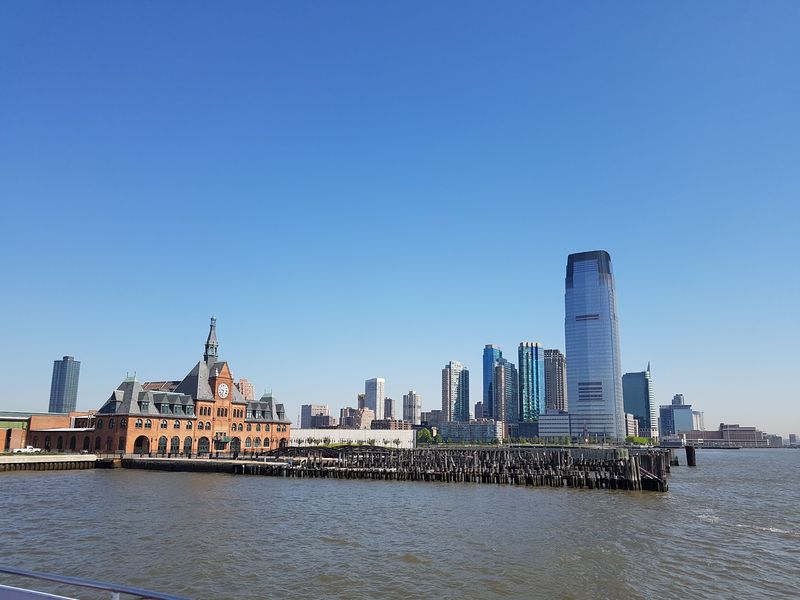
Kayakers, anglers and bridge commuters, gather around. Some of New Jersey’s best-known rivers carried PFAS in the testing.
The Hackensack River was on the list. So were the Passaic, the Raritan and the mighty Delaware.
These aren’t tiny backyard trickles. They’re major waterways that flow past towns, parks and industrial areas across much of the state.
The Delaware forms New Jersey’s whole western border with Pennsylvania. The Raritan winds through central Jersey before meeting Raritan Bay.
Meanwhile, the Passaic and Hackensack wind through the busy northern part of the state. Reports note that PFAS levels tend to run higher in urban areas along the New York to Philadelphia corridor.
That pattern makes sense once you think about history. Decades of factories, military sites and older pollution left their mark on those watersheds.
None of this means you should cancel your paddling plans. Boating and walking along the shore are very different from drinking the water.
If you fish, though, check the state’s fish consumption advisories before keeping your catch. They’re free, updated by state officials, and a smart habit for any Jersey angler.
A Few Hot Spots Posted Some Truly Eyebrow-Raising Readings
Two hundred eleven. That’s the reading, in nanograms per liter, of a PFAS called perfluoropentanoate near the Burlington-Bristol Bridge on the Delaware River in May 2022.
A nanogram is a billionth of a gram. The amounts sound tiny, but these chemicals can matter even at very low levels.
Salem County had its own standout. A.
Clemente Inc. Pond showed 92.8 nanograms per liter of PFOA in February 2023.
For comparison, New Jersey’s drinking water limit for PFOA is 14 parts per trillion. One nanogram per liter equals one part per trillion, so that pond reading is way above the tap limit.
Middlesex County joined the list too. Bound Brook measured 66.4 nanograms per liter of PFBA in June 2022.
Then there’s Big Pine Lake in Burlington County. It logged 62.9 nanograms per liter of PFHxS in April 2023.
Keep one thing in mind with these numbers. They come from surface water, not straight from your kitchen faucet.
Still, they show where cleanup could matter most. Knowing the hot spots helps communities push for action exactly where it counts.
Even The Quiet Pinelands Couldn’t Stay Off The Radar
Pitch pines, sandy trails and tea-colored streams make the Pinelands feel a world away from factories. Yet PFAS showed up there too.
That’s one of the more surprising parts of this report. The chemicals appeared in urban, suburban and rural settings alike.
So how does a forest stream end up with industrial chemicals? These substances travel through air, groundwater and runoff, which lets them drift far from where they started.
Big Pine Lake, one of the hot spots mentioned earlier, sits in Burlington County. That county covers a large slice of Pinelands territory.
The Pinelands matter for more than pretty hikes. The region sits above an enormous underground water supply that many people rely on.
Protecting that water keeps it useful for generations. It’s one big reason environmental groups keep a close eye on the area.
Love camping or canoeing in the Pine Barrens? Keep enjoying it, just bring your own filtered water instead of sipping from streams.
Honestly, that was already good advice for bacteria reasons. Now you have one more excellent excuse to pack an extra bottle.
The Upstream Problem Puts Treatment Plants In A Tough Spot
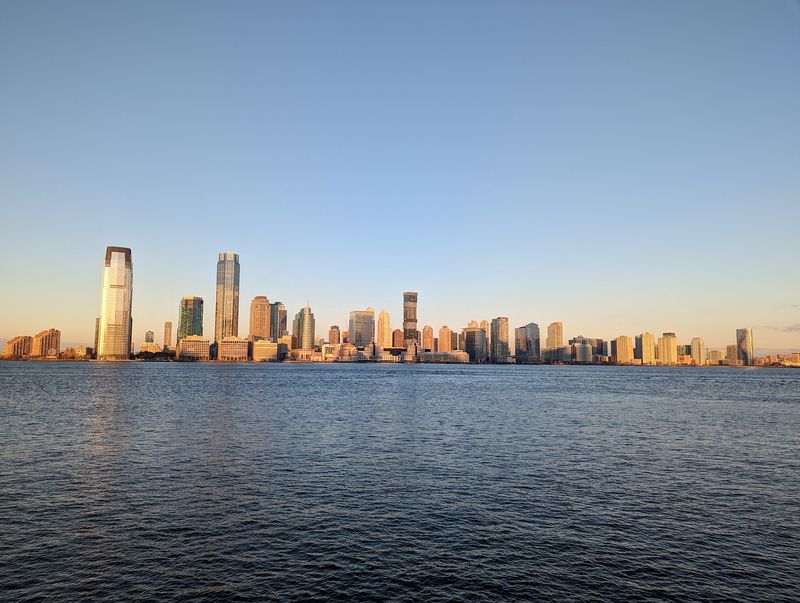
Location matters a lot with water. Researchers found these chemicals consistently showing up upstream of drinking water intakes.
An intake is where a utility pulls river or lake water to treat for homes. If PFAS flow past that point, they head straight toward the treatment process.
That creates a real headache. Most wastewater treatment plants aren’t built to remove PFAS.
Those plants were designed to handle things like germs and solid waste. Forever chemicals slip right through older systems because they won’t break down easily.
Removing them often takes special equipment. Options include granular activated carbon, ion exchange resins and reverse osmosis.
That gear costs serious money to install and run. It’s one reason settlement funds and new rules matter so much.
New Jersey has been working to identify and reduce PFAS released through industrial wastewater, including expanded monitoring and efforts to control pollution at its source.
Cutting chemicals before they reach the river is smart thinking. It’s a lot like turning off a leaky faucet before mopping the floor.
Why Doctors And Scientists Keep A Close Eye On Exposure
Health worries are the main reason this story matters. Studies have linked long-term exposure to certain PFAS with several serious problems.
The list includes higher risk of kidney, testicular and liver cancers. It also includes weaker immune response and thyroid disease.
Raised cholesterol shows up in the research too. So do ulcerative colitis and developmental problems in babies and children.
Pregnancy can be affected as well. Researchers have connected PFAS to pregnancy-induced high blood pressure and preeclampsia.
Before anyone panics, there’s an important detail. The effects depend on both how much someone is exposed to and for how long.
Drinking water is a big piece of the puzzle. Even low levels in tap water can have a larger impact than typical exposure from food or products.
That’s why focusing on water makes sense for families. A certified home filter can help, especially reverse osmosis or activated carbon models tested for PFAS.
Look for certifications that specifically mention PFOA and PFOS. If you have health concerns, talk with your doctor about your situation.
New Jersey Set Tough Rules Before Washington Did
Credit where it’s due, the Garden State moved early. New Jersey was among the first states to set its own drinking water limits for PFAS.
Those limits are 14 parts per trillion for PFOA and 13 for both PFOS and PFNA. They came before federal rules were finalized.
Public water systems must monitor regularly for these chemicals. Federal monitoring requirements adopted in 2021 expanded testing to 29 PFAS compounds between 2023 and 2025, while separate federal drinking-water standards followed in 2024.
Private wells got attention too. The Private Well Testing Act expanded in December 2021 to require testing for PFOA, PFOS and PFNA.
That usually happens when a home with a well is sold. Buyers get real information instead of guesswork.
In June 2026, the state Department of Environmental Protection adopted cleanup standards for PFNA, PFOA, PFOS and GenX. Those rules made earlier interim standards official.
Federal PFAS drinking-water standards originally required compliance by April 2029, although EPA proposed changes in 2026 that could extend certain deadlines and revise which chemicals are regulated.
Got a private well? Don’t wait for a home sale, because testing it now gives you peace of mind sooner.
Some Good News Is Finally Flowing In

Okay, deep breath, because progress is real. A Rutgers University study reported in March 2026 found that levels of certain PFAS in New Jersey public drinking water systems had fallen by as much as 55% following state regulations.
Researchers credited a 2018 state rule regulating these chemicals. Proof that rules can actually work feels pretty great.
Money is helping too. The state secured settlements totaling 2.5 billion dollars from DuPont and 3M.
Those funds are meant for site cleanup, water monitoring, treatment and environmental restoration. That’s a lot of muscle aimed at the problem.
Firefighting foam is getting the boot. New Jersey has moved to restrict Class B firefighting foams containing intentionally added PFAS, with the general ban now scheduled for January 1, 2027, subject to certain exceptions.
Lawmakers are also eyeing everyday products. The Assembly passed a bill in June 2025 to ban PFAS in clothing, and another bill targets menstrual products.
There’s still work ahead. An NJIT study found an ultra-short PFAS called TFA in over 91 percent of tap samples from all 21 counties.
So stay curious and keep asking questions. Read water reports, support cleanup efforts, and remember that cleaner rivers start with people who pay attention.
