A fake cemetery built for a Gunsmoke episode still sits in this old mining town. Hollywood packed up, drove away, and left the props behind, which honestly feels like a fair trade.
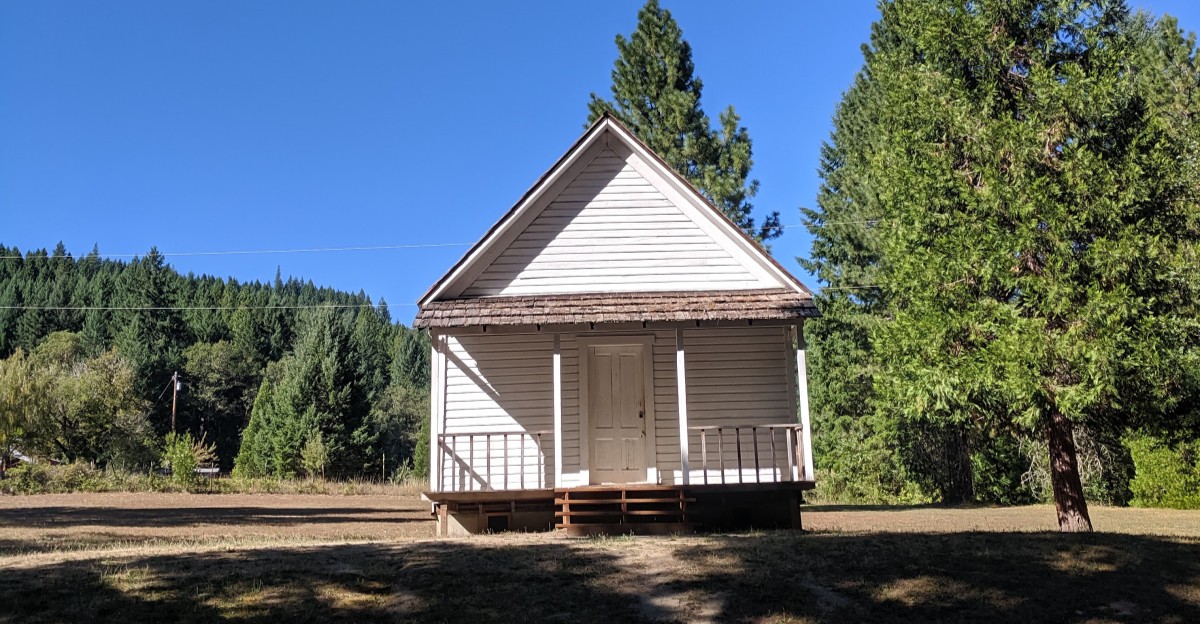
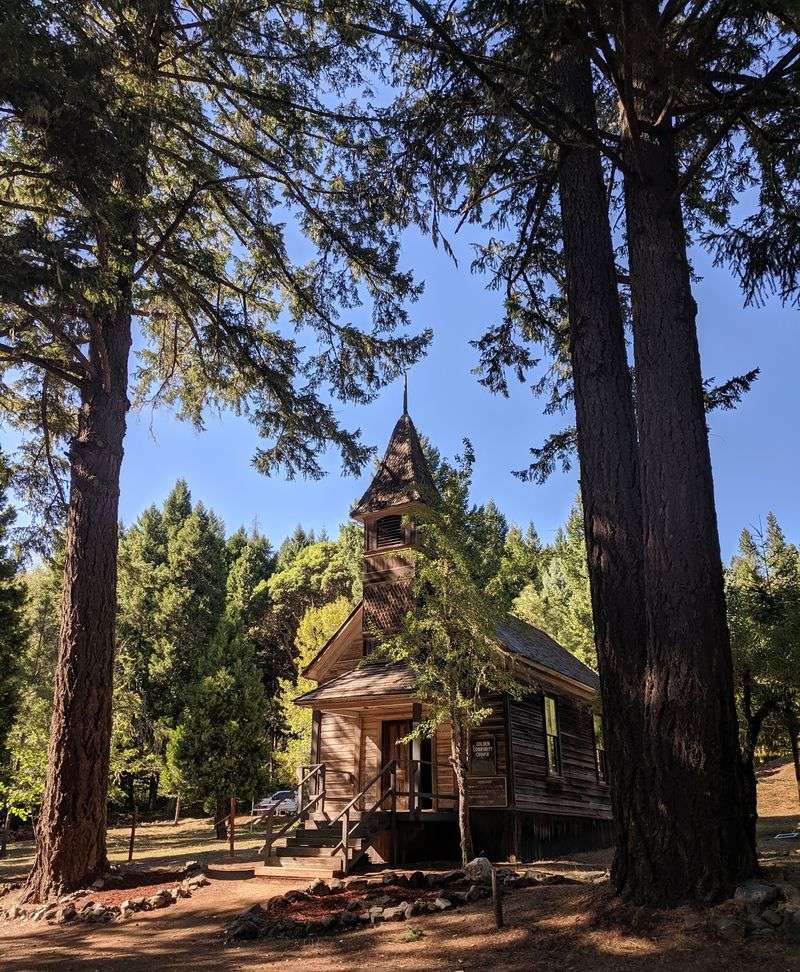
The real buildings are older, plainer, and far more interesting. A weathered church and a tiny schoolhouse still let you walk right inside.
The founder was William Ruble, a settler with strict beliefs about how folks should live. He kept the wild side of mining camp life completely off his main street.
I like how quiet this corner of southern Oregon feels today, with a few wooden buildings along a little creek doing all the talking. About 100 people once called it home. I can’t imagine a better spot to feel the gold rush up close, so who were these people, and where did they go?
Oregon Kept Exactly One Mining Town, And This Is It
State parks usually protect beaches, forests, and waterfalls. Golden State Heritage Site protects something much rarer: an entire gold-rush town.
The Oregon Parks and Recreation Department manages this spot near Wolf Creek in Josephine County. It’s the only former mining community under the department’s direct care, which makes it a true one-of-a-kind stop.
The state picked up the property in two pieces, first in 2002 and again in 2006. That careful buying kept the old buildings together instead of scattering them to time and weather.
Golden sits along Coyote Creek in southern Oregon. The setting is quiet, rural, and wonderfully free of gift shops or flashing signs.
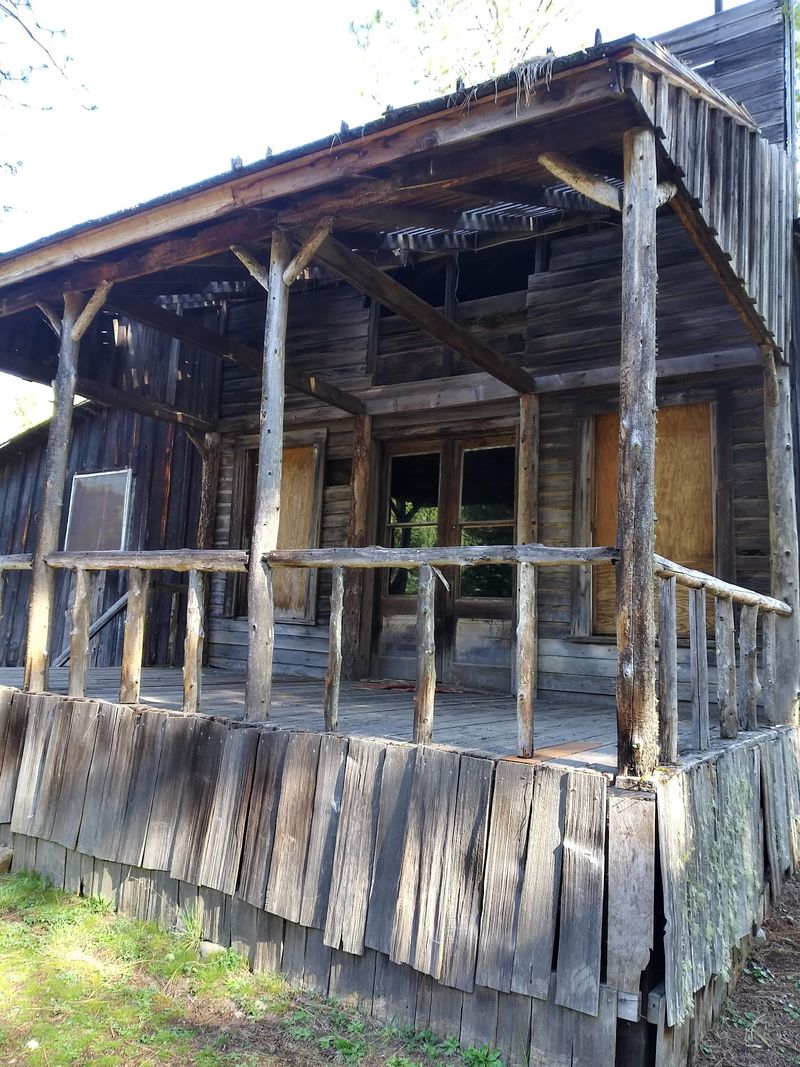
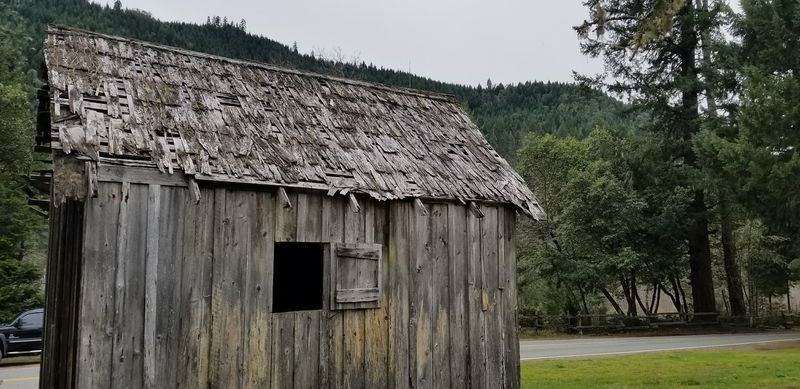
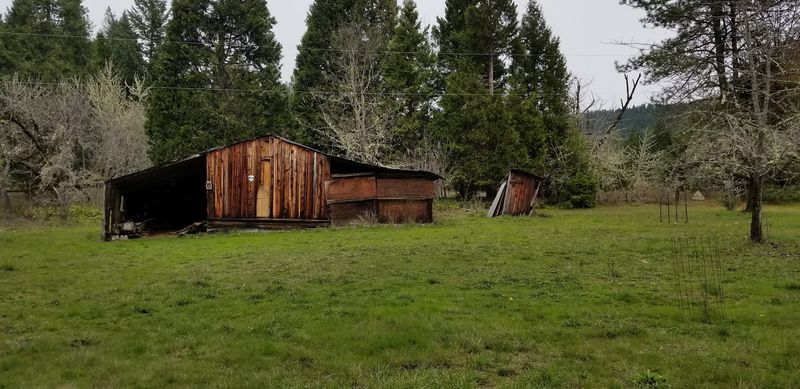
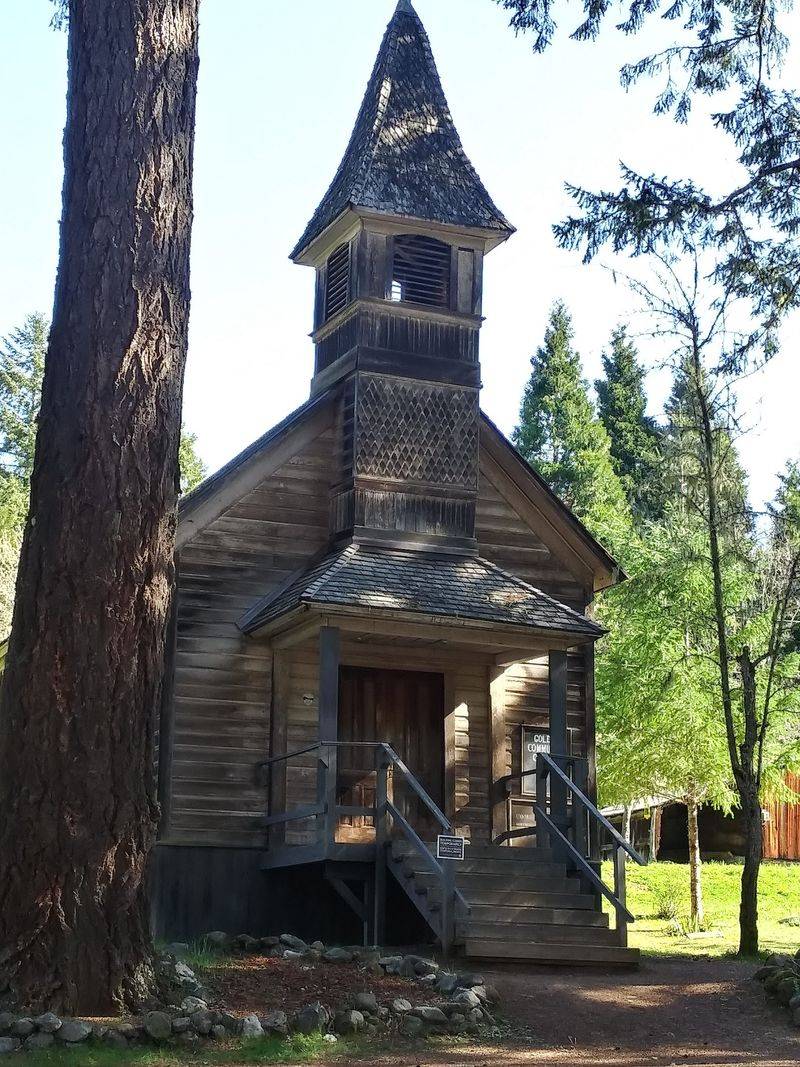
What’s left is a small cluster of wooden structures from a town that once mattered a lot. You’ll find a church, a house, a shed, a store building, and a schoolhouse.
That might sound like a short list. Each building, though, holds a piece of a story about faith, hard work, and gold.
Think of the site as a puzzle with only a few pieces left. The fun is in fitting them together while you wander.
Bring curiosity and comfortable shoes. Those two things will carry you a long way here.
Before The Cabins, There Was Just A Muddy Camp Full Of Hope
Gold changed everything in the 1850s. Miners rushed into southern Oregon, and a rough camp popped up along Coyote Creek.
For decades, it stayed just that, a camp. People came and went, chasing whatever the creek and hills would give them.
Around 1890, the camp finally grew into a real town. Folks started building homes, a church, and places to gather.
At its peak, Golden held roughly 100 to 150 people. That’s about the size of a few classrooms at a middle school.
Small numbers didn’t make it unimportant, though. Golden served as a central hub for miners working claims all around the area.
Picture miners hiking in for supplies, mail, and maybe a little conversation. For many of them, Golden was the closest thing to civilization for miles.
The town’s growth tells you something about the gold itself. Nobody builds a church and a school unless they plan to stick around awhile.
Keep that timeline in your head when you visit. It helps the empty buildings feel full of people again, even if only in your imagination.
History works best that way. A few dates turn old boards into somebody’s real life.
The Preacher Who Ran A Very Well-Behaved Gold Town
Most mining towns had a reputation for being loud and rowdy. Golden took a very different path, thanks to one determined man.
Reverend William Ruble Sr. founded the town and brought his strict faith with him. His beliefs shaped how the community looked and behaved.
The biggest difference showed up on the main street. Golden had no rowdy nightlife spots in its town center, which was nearly unheard of in gold country.
Miners who wanted that kind of fun had to travel to nearby Placer. Imagine walking miles just to escape your preacher’s watchful eye.
That choice gave Golden a calmer personality than its neighbors. It became known as a place built around church and family instead of late-night trouble.
I believe this detail makes the town far more memorable. Plenty of ghost towns look alike, but few had a founder with such firm rules.
The reverend’s influence still shows in what survived. A church stands right at the heart of the site, and that feels fitting.
So when you stroll the grounds, notice how peaceful it feels. In a way, Golden has always been the quiet kid in a noisy gold-rush class.
Go Ahead And Step Into The Little White Church
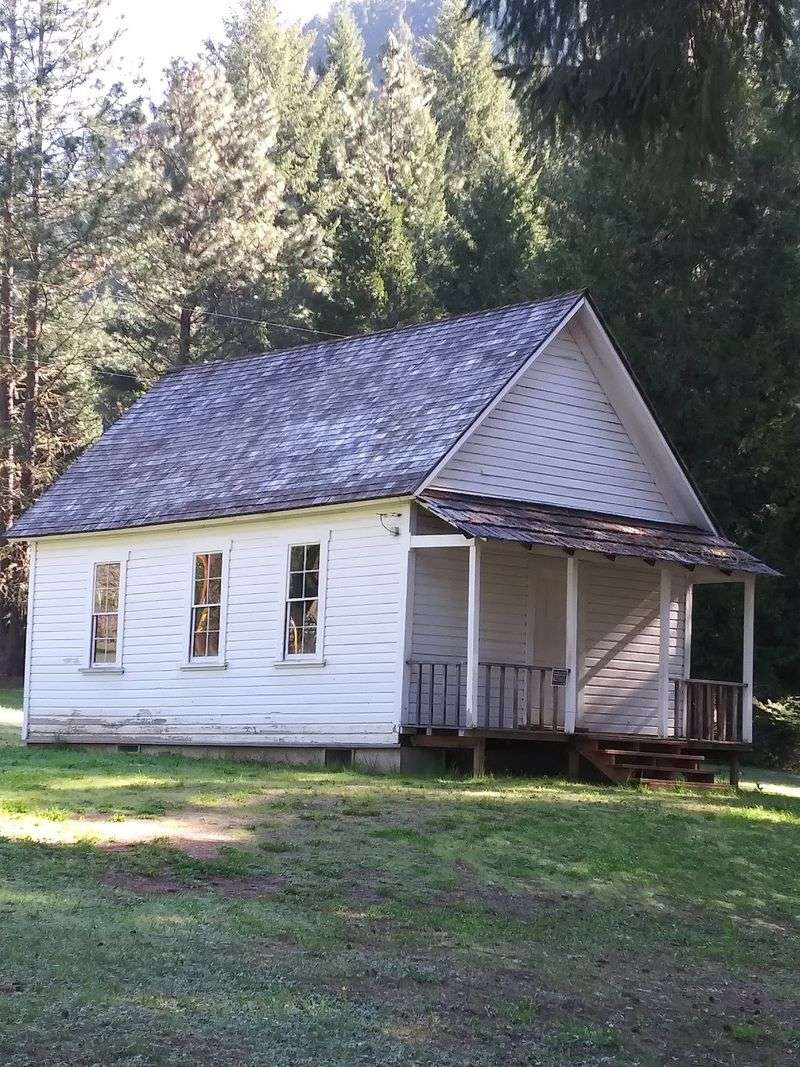
Here’s a rare treat for ghost town fans. At Golden, the church isn’t just something to admire from the fence line.
Visitors can walk right inside it. That simple fact makes the visit feel personal instead of museum-stiff.
Given the town’s history, the church is the emotional center of Golden. A preacher founded this place, so faith shaped daily life from the start.
Standing inside gives you a chance to slow down. Take a moment to think about families who gathered here after long weeks of mining work.
Photographers love this building too. It stands out against the hills and trees, and it practically begs for a picture.
Please treat it gently while you explore. These boards have survived well over a century, and they deserve a little respect.
A good tip is to visit with kids and ask them questions. What would church feel like in a town without cars, phones, or electric lights?
Those conversations can make history click in a new way. Suddenly, the past isn’t a page in a textbook anymore.
The church is a small building with a big job. It still holds the heart of Golden together.
A Schoolhouse That Packed Up And Moved
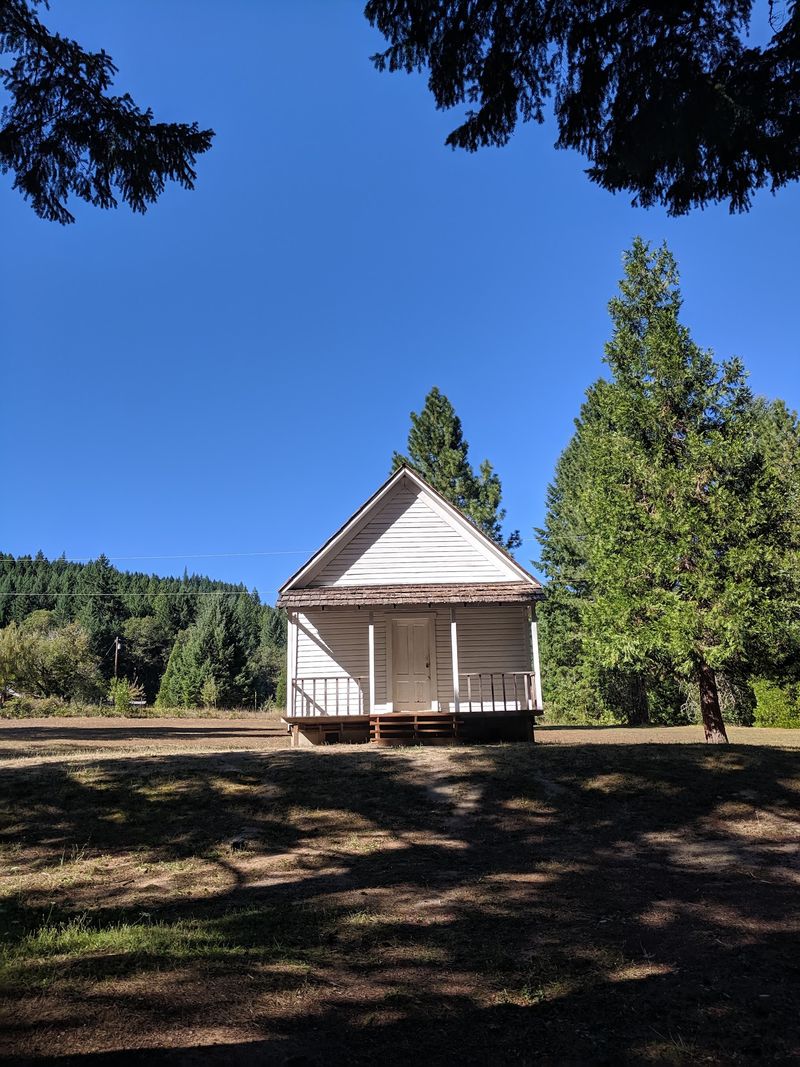
Buildings usually stay put. Golden’s schoolhouse, originally built in 1885, didn’t get that memo.
At some point, it was moved within the historic district. It still sits among the other buildings, ready for curious visitors.
Better yet, you can walk inside this one too. Only the church and the school offer that experience, so don’t skip it.
Think about what school meant in a mining town. Kids likely spent their days learning basics while parents worked the creeks and claims.
A school also signals that families planned to stay. Miners passing through didn’t need classrooms, but parents raising children absolutely did.
This is a great stop for younger travelers. Ask them to compare this tiny room to their own school, and watch the gears start turning.
No cafeteria, no gym, and definitely no Wi-Fi. That alone might make modern students grateful for their lockers.
Adults will enjoy it as well. There’s a calm, simple feel to a room built for learning long before screens took over.
Spend a few minutes here before moving on. The schoolhouse quietly reminds you that Golden was a hometown, not just a work site.
The Store Where Everyone Got Their Mail And Their Gossip
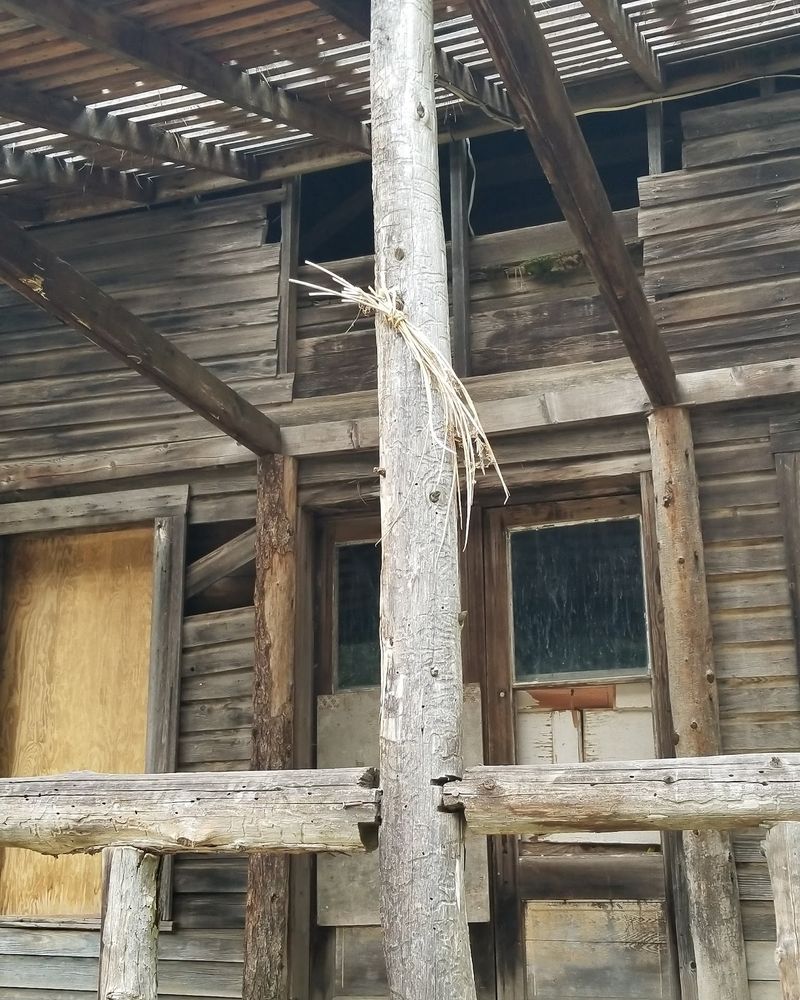
Every small town needs a place where news travels fast. In Golden, that spot was the Bennett Store and Post Office.
The post office opened in 1896 and closed in 1920. For those years, it linked this remote town to the rest of the world.
A general store shared the building, which made it a busy stop. Miners could pick up supplies and letters in one trip, a real time-saver.
Nearby stands the Ruble House, a former residence tied to the founding family. It gives you a peek at where Golden’s most important household lived.
The Golden Grain Shed rounds out the group. It’s a humble building, but sheds like this kept towns fed and running.
Together, these structures paint a picture of everyday life. Shopping, mailing letters, storing grain, and going home all happened within a short walk.
The 1920 closing date hints at the town’s slow fade. When the mail stops coming, a community usually isn’t far behind.
Take your time studying the weathered wood and old shapes. Each one still whispers a little about the people who depended on it.
One Family Pulled A Fortune Out Of These Hills
Golden didn’t get its name by accident. The Ruble family reportedly pulled an enormous amount of gold from the area over nearly 50 years.
That’s half a century of hard, muddy, back-breaking work. Mining back then demanded patience, muscle, and clever thinking.
The family brought the clever thinking too. They’re credited with inventing the Ruble gravel elevator for mining operations.
Moving rocks and gravel was one of mining’s biggest headaches. Any tool that made that job easier could save miners huge amounts of time and effort.
I like that Golden’s story includes invention, not just luck. Gold rushes often get remembered for fortune hunting, but problem solving mattered just as much.
The Ruble name pops up all over the site’s history. The founder, the family house, and the mining invention all trace back to them.
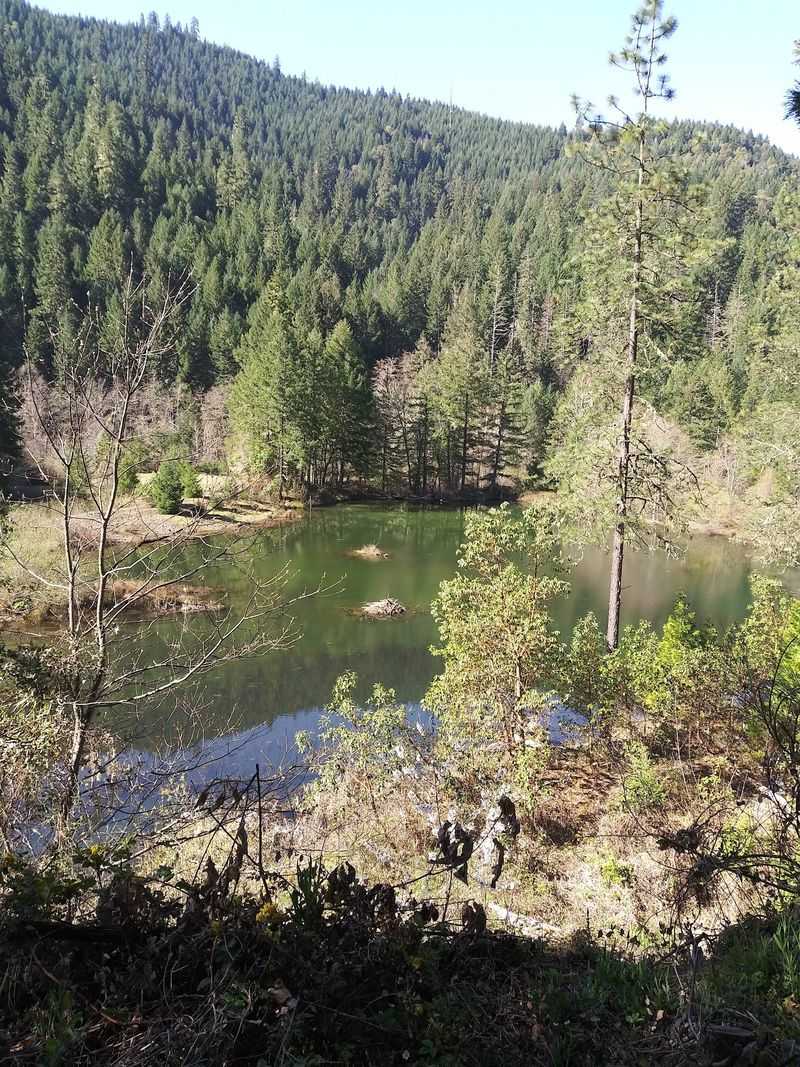
When you visit, look at the landscape around Coyote Creek. These hills and waters once fed an entire family business for decades.
It’s a fun reminder that Oregon had its own gold-rush heroes. They just happened to be a church-going family with a knack for machinery.
Hollywood Showed Up And Left A Souvenir Behind
Cowboy shows needed believable old towns, and Golden fit the part perfectly. Between the 1950s and 1970s, filmmakers came calling.
Parts of the TV show Bonanza were shot here. Several movies also used the town as a backdrop during those decades.
The most lasting visit came in 1972. That year, an episode of the Western series Gunsmoke was filmed in Golden.
The crew built a fake cemetery for the episode. Instead of hauling it away, they left it behind, and it remains on site today.
So yes, one of Golden’s attractions is a prop. It’s a funny twist for a town filled with genuine history.
Spotting the difference between the real and the fake makes a fun game. Ask your group which pieces look truly old and which ones came from a TV set.
Fans of classic Westerns will get a special thrill here. Standing where Gunsmoke cameras rolled feels like stepping into an old rerun.
Golden plays two roles at once these days. It’s a real gold-rush town and a retired TV star, which is a pretty impressive resume for a few wooden buildings.
Plan A Day Trip To This Peaceful Corner Of Josephine County
Good news for planners: Golden State Heritage Site is open for day use all year. You won’t need to wait for a special season to visit.
Set your map to 3482 Coyote Creek Rd., Wolf Creek, Oregon. The site sits in Josephine County, not far from the community of Wolf Creek.
The whole property is known as the Golden Historic District. It earned a spot on the National Register of Historic Places in 2002.
That listing means the site is recognized for its importance to American history. Pretty fancy for a town that once sent miners elsewhere for fun.
Plan to bring water, snacks, and a camera. This is a quiet rural spot, so packing your own basics makes sense.
Give yourself enough time to wander slowly. Read the scene, peek inside the church and school, and enjoy the calm creekside setting.
Golden pairs nicely with a southern Oregon road trip. It makes a memorable break from highway driving and fast-food stops.
Leave everything as you found it so others can enjoy it too. The cabins have kept their secrets this long, and they deserve a few more good years.
