The screen door swung open and the smell of hot oil and cornmeal drifted out onto a Georgia porch where people were already rocking in their chairs waiting their turn.
I had driven into a small town with the windows down and no real plan beyond lunch, and the road narrowed as the oak trees leaned in until a single street of old wooden storefronts appeared beside the train tracks.
At the heart of it sat a building that became famous after a movie turned it into a household name, but nothing prepared me for how small and how real the place feels in person.
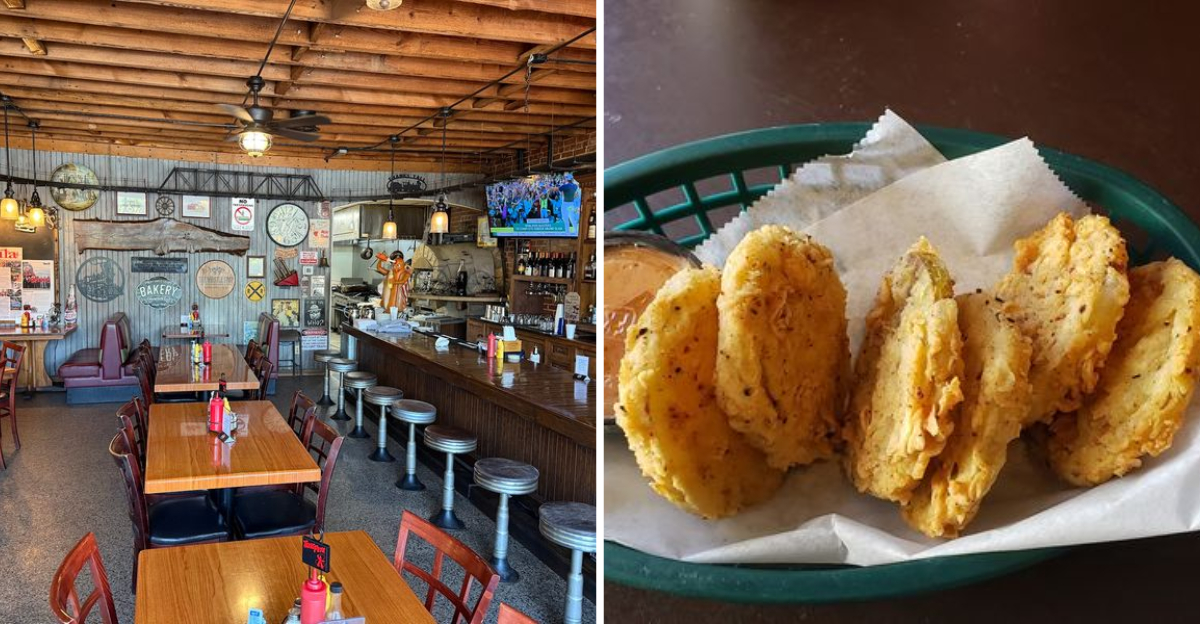
I sat down at that horseshoe counter and ordered the fried green tomatoes, and the plate that arrived was piled high with golden slices that disappeared fast.
The locals at the counter knew each other by name and the waitress moved like she had been doing this for decades, because she had.
A stop where the food and the community have been holding steady for years is exactly what this Georgia town delivers.
A One-Street Town That Hollywood Woke Back Up
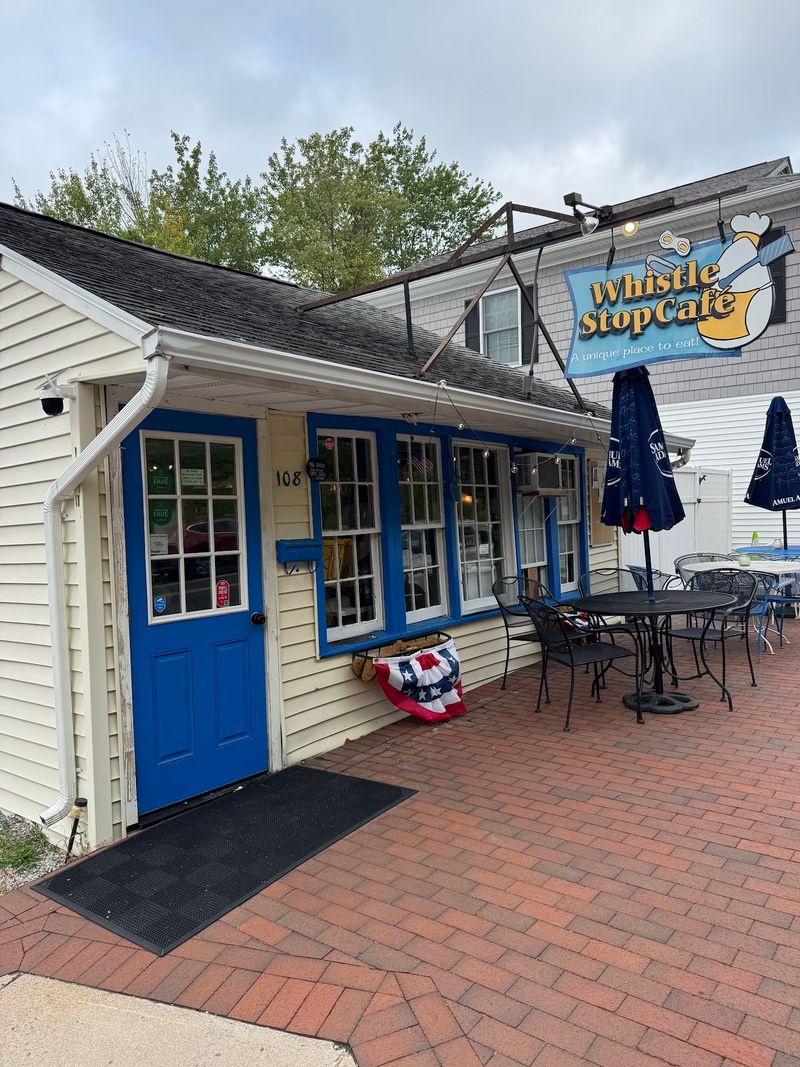
My first surprise in Juliette, Georgia was how tiny it really is. One street, a rail line, and a handful of old buildings standing shoulder to shoulder.
Back in the early 1900s, this was a working railroad community, busy and full of noise. Time moved on, the trains stopped mattering as much, and the place quietly faded until 1991, when film crews came looking for a town that hadn’t been modernized.
They found exactly that on McCrackin Street and dressed it up as the fictional Whistle Stop, Alabama.
What makes it fun today is that the set never disappeared. The buildings stayed, shopkeepers moved in, and the town kept living inside its own movie costume.
I wandered the sidewalk before eating and kept catching little details that matched scenes I half remembered. A porch here, a doorway there, a rusted sign that looked staged but wasn’t.
Juliette sits about an hour south of Atlanta and roughly twenty minutes north of Macon, just nine miles east of Interstate 75 at exit 186. That makes it an easy detour, though I’d argue it deserves a whole unhurried afternoon rather than a quick stop.
The 1927 Building With a Life Before the Cameras
Long before any camera pointed at it, this building was simply the store where locals bought what they needed. It went up in 1927, built by Edward L.
Williams, Sr., and served as a general merchandise shop for about 45 years.
Neighbors called him Cuz, and the story goes that he sold just about everything, from groceries and hardware to clothing.
The doors closed in 1972, and the space drifted through other uses, including a stint as an antique shop, before the film crew arrived and gave it a brand new identity.
Once filming wrapped, Robert Williams, who had inherited the property, decided the cafe shouldn’t just vanish into a storage room. Along with Jerie Lynn Williams, he turned the movie set into a working restaurant.
Elizabeth Bryant took over operations in 2003 and still leases the historic building from the Williams family.
Knowing all that changed how I looked at the floorboards. They aren’t props built for a scene, they’re nearly a century old, worn smooth by generations of ordinary errands and now by visitors chasing a story.
Inside the Cafe, Creaky Floors and a Horseshoe Counter
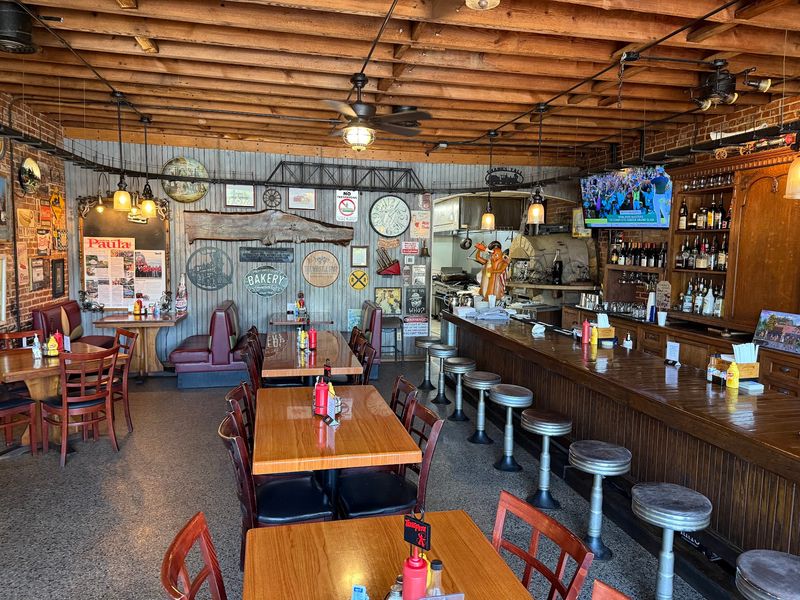
Pulling open that old front door felt like reaching back a few decades. Inside, the light is soft, the ceiling fans turn at their own lazy pace, and the wooden floor gives a friendly creak with every step.
White-washed plank walls climb up to the ceiling, covered in framed photos, old signs, and film memorabilia that people actually stop to read.
The horseshoe-shaped counter is the centerpiece, recreated from the movie set and lined with stools that turn strangers into seatmates. I sat there once and found it surprisingly roomy, with plenty of space to spread out a plate and a glass of sweet tea.
Booths run along the walls, and there are tables for bigger groups who came in together.
Outside, the front porch is lined with rocking chairs, and that’s where much of the waiting happens. Nobody seems to mind.
What struck me most was how unhurried the whole room feels. Conversations overlap, silverware clinks, and the place hums with the easy noise of a full house on a good day.
Those Legendary Fried Green Tomatoes
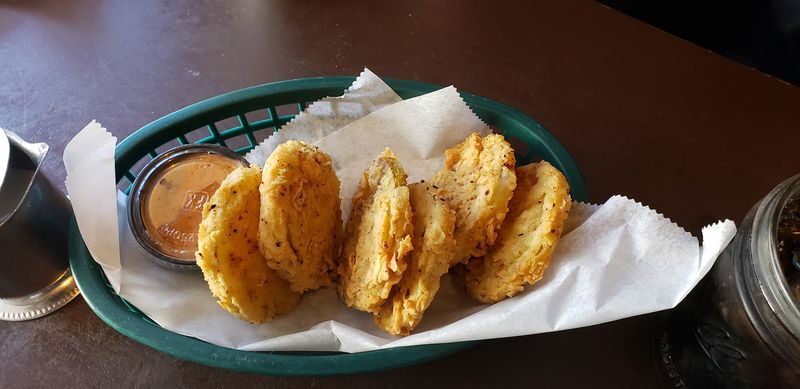
Order them. That’s the short version of my advice.
Hand-sliced green tomatoes, breaded and fried until the outside turns crisp and golden, arrive hot with a special dipping sauce on the side. The tartness inside cuts through the crunch in a way that makes you reach for another slice before you’ve finished the first.
Here’s a fun bit of history: before the 1991 movie, fried green tomatoes weren’t the famous Southern dish they are today. The film turned a humble, thrifty way of using unripe tomatoes into something people now drive across state lines to try.
The kitchen doesn’t stop at the appetizer, either. You’ll find them stacked into a sandwich with lettuce, onion, Swiss cheese, and bacon on rye, tossed onto a salad for tangy crunch, or piled on the chargrilled Black Angus burger.
They can carry a little heat, which caught me off guard in a good way.
Plenty of visitors double their order because they’re not sure when they’ll make it back. After one plate, I completely understood the logic behind that decision.
Southern Plates That Go Well Beyond the Famous Appetizer
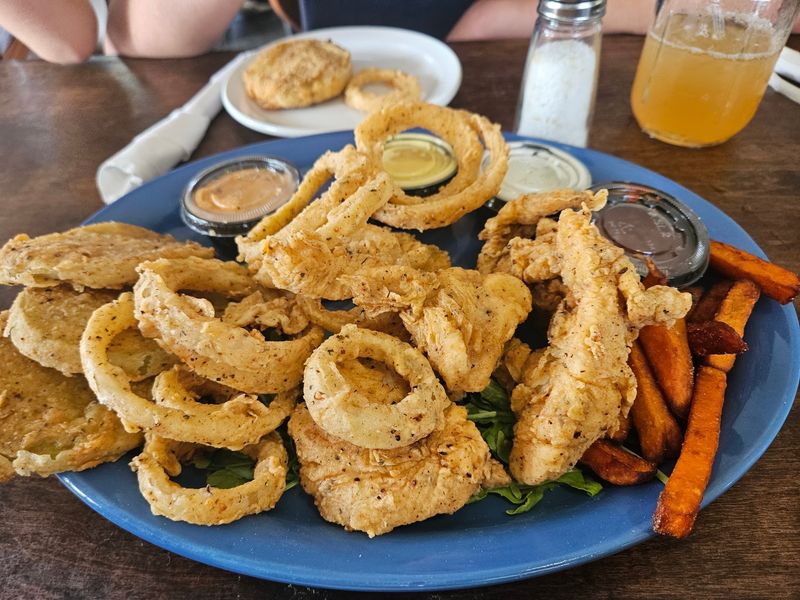
Sticking only to the tomatoes would mean missing half the fun. The rest of the menu reads like a family cookbook, and portions land on the table generously sized.
Southern fried chicken breast, country fried steak, and smoked pork ribs all show up regularly, though the ribs sometimes sell out later in the day.
Bennett’s Pulled Pork gets a lot of love, slow-cooked and dressed in a sauce people rave about, often served on a buttered, toasted brioche bun. Catfish comes grilled or fried, and the chicken tenders go by the nickname Yard Bird.
Sides matter just as much in this part of the country. Macaroni and cheese, mashed potatoes, coleslaw, fried okra, and cornbread round out most plates, and the colossal onion rings called Bangles are worth splitting.
Cinnamon-dusted sweet potato stix are a nice surprise for anyone wanting something a little different.
Elizabeth Bryant has built partnerships with nearby farmers and ranchers, so the vegetables and meats lean local. You can taste that care, and honestly, the whole meal feels less like restaurant food and more like Sunday dinner.
Save Room for Cobbler and Cake
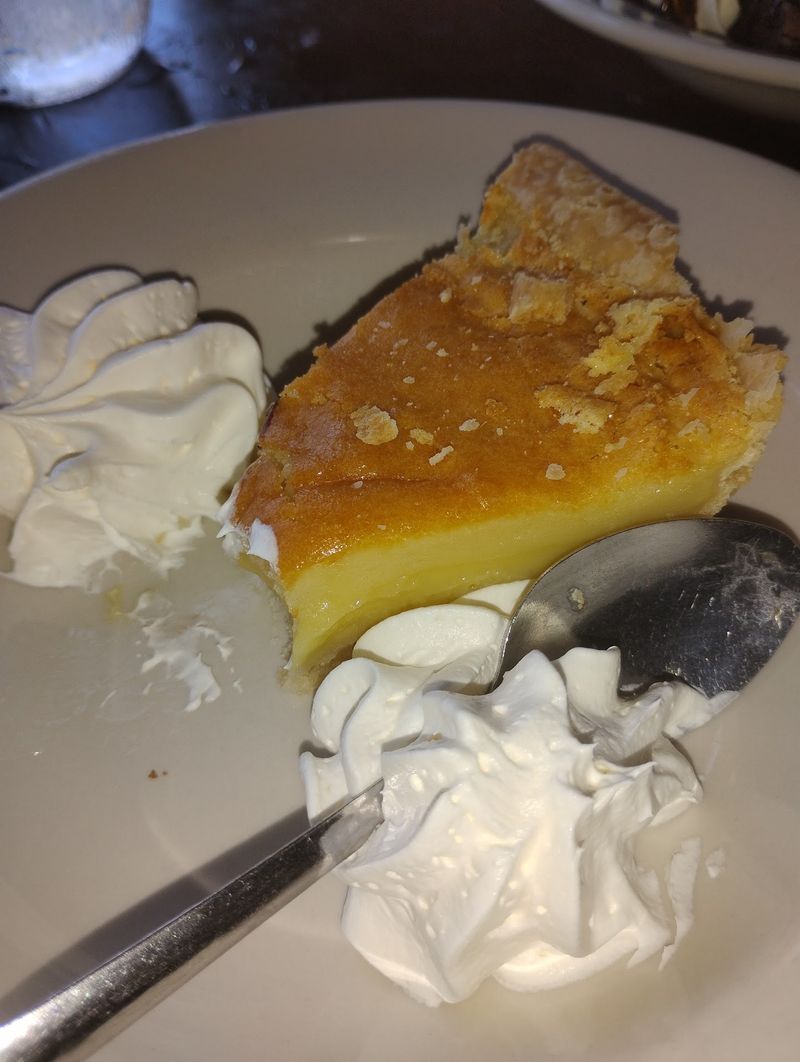
Skipping dessert here would be a genuine mistake, even after a plate the size of the ones they serve. The sweets lean old-fashioned in the best way.
The seven-layer lemon cake gets talked about constantly, light and moist with tangy filling that resets your taste buds after all that fried goodness.
Peach cobbler and pecan cobbler are the other two heavy hitters, warm and sweet and served in bowls that people admit to scraping clean. Buttermilk pie shows up on the list too, along with an apple dumpling and a chocolate bread pudding for anyone wanting something richer.
An ice cream brownie makes a good choice for a table splitting one dessert three ways.
I ordered cobbler thinking I’d take a couple of bites and stop. That plan lasted about thirty seconds.
Service throughout the meal stayed warm and attentive, and the staff clearly enjoys talking with people who’ve traveled far to get here.
The cafe has picked up national attention over the years, appearing in publications and networks including Southern Living and Food Network, and the desserts deserve a share of that credit.
Planning Your Visit and Exploring the Rest of Juliette
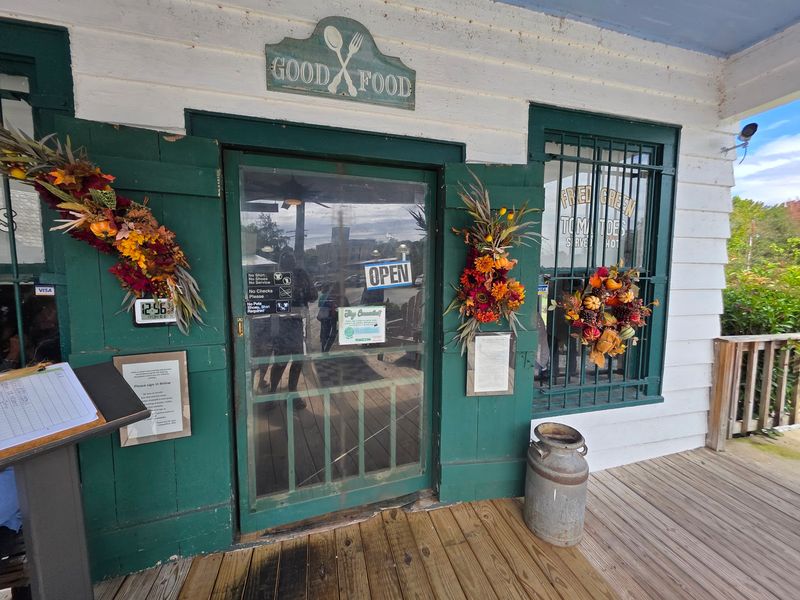
Timing matters more than anything else here. The cafe opens at 11 AM and closes at 4 PM, Thursday through Monday, and stays closed Tuesday and Wednesday.
You sign your own name on a clipboard by the door, then wait for the hostess to call it. Waits can stretch past an hour on busy days, so arriving early is the smartest move you can make.
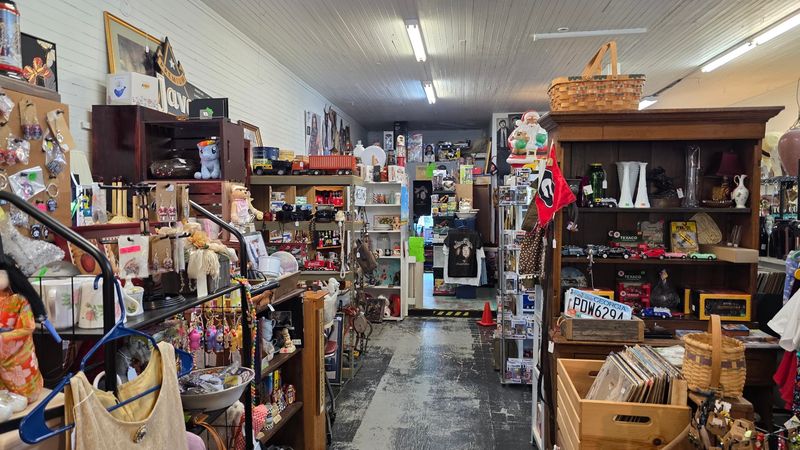
The good news is that waiting doubles as sightseeing. Roughly five gift shops, antique stores, and thrift-style spaces line McCrackin Street, filled with local goods and film memorabilia.
Across the tracks sits the Juliette Grist Mill, built in 1927 and once among the largest water-powered mills anywhere. Movie fans can also hunt down the grave markers for Ruth and Buddy, plus Smokey Lonesome’s shed and Bennett’s truck parked near the cafe.
The Ocmulgee River runs close by, and some folks bring lawn chairs or a fishing pole to stretch the afternoon out.
Trains still roll through, which never stops being satisfying.
Address: 443 McCrackin St, Juliette, Georgia
