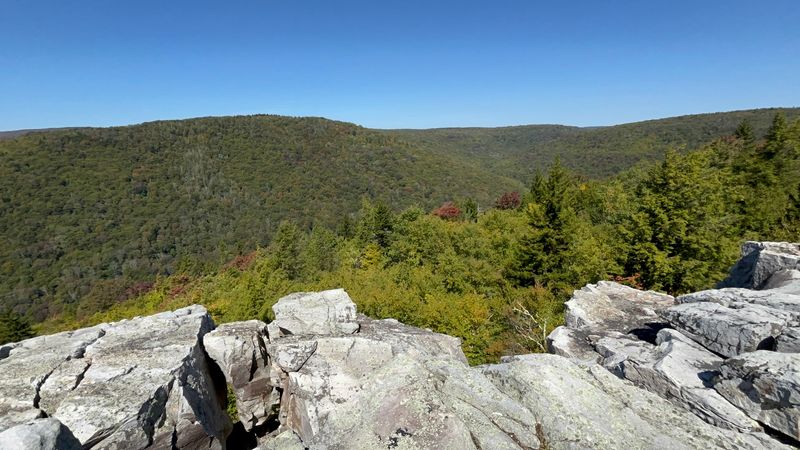
A natural gas power plant rated at 785 megawatts could rise in the West Virginia mountains, and none of its power would serve nearby homes. It would feed one private data center complex spread across a high, rural stretch of land instead.
Key emissions details in the company’s permit application were reportedly blacked out. Neighbors and conservation groups had to push hard just to learn what might drift into their air.
Then folks in a high mountain county and families in an Ohio River county, hours apart, started comparing notes. Farmers, hikers, retirees, and civil rights leaders now find themselves on the same side.
I find that teamwork fascinating, because data centers sound like harmless, quiet boxes full of humming computers. The real story touches your power bill, your water, and your voice at the county courthouse, wherever you live.
1. Ridgeline Facility
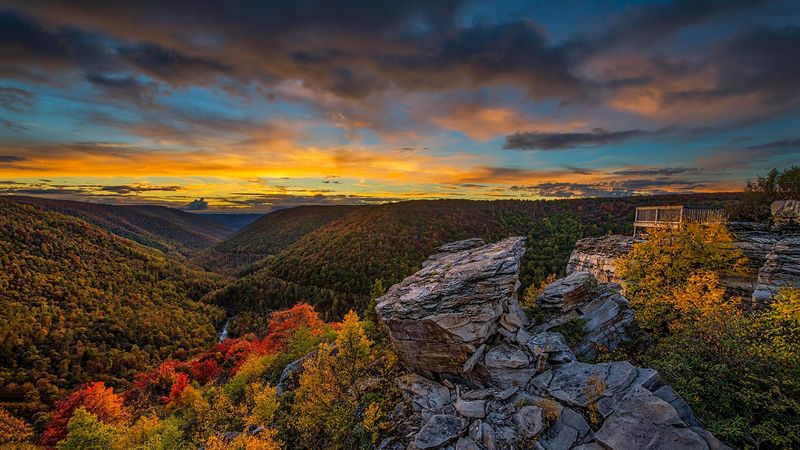
Most power plants serve a town, but this one would reportedly serve a single customer. Fundamental Data LLC, a Virginia-based company, has proposed the Ridgeline Facility in Tucker County.
According to West Virginia Public Broadcasting and local reporting, the plan includes a 785-megawatt natural gas plant. Diesel backup generators would sit alongside it to keep a large data center running.
The location is what stopped many people in their tracks. The site is reported to sit less than a mile from homes near the small towns of Thomas and Davis.
You may know this corner of West Virginia for mountain biking, skiing, and starry night skies. Residents worry that round-the-clock noise and bright lighting could change that character for good.
Size matters here too. Reports describe the data center footprint as potentially spanning thousands of acres in a high, rural area.
Supporters of data centers often point to jobs and tax revenue. Opponents say a plant this large deserves far more public discussion than it received early on.
Either way, Ridgeline became the spark for a bigger conversation. It’s the project that turned a quiet mountain community into a statewide talking point almost overnight.
Address: Near Thomas and Davis, Tucker County, WV
2. Tucker United
Small towns can organize faster than you’d expect when the stakes feel personal. Tucker United grew into the leading local voice questioning the Ridgeline project.
The group’s biggest complaint centers on transparency. Members argue that residents learned too little, too late, about a plant planned near their front porches.
Much of the frustration traces back to the permit paperwork. Reporting from Mountain State Spotlight and others noted that emissions and design details were heavily redacted.
Picture trying to judge a neighbor’s project with half the pages blacked out. That’s roughly how many Tucker County residents described the early process.
Tucker United has focused on several worries. Air quality, noise, light pollution, and the area’s outdoor tourism economy top the list.
Those concerns land close to home for a county that leans heavily on visitors. Hikers, skiers, and stargazers help keep local shops and cabins busy through the seasons.
What makes this group stand out is its persistence. Members kept showing up, kept asking questions, and eventually helped carry the fight into a formal legal challenge.
Address: Tucker County, WV
3. The Air Permit Appeal
Paperwork rarely makes headlines, yet one air permit became the center of this whole story. The West Virginia Department of Environmental Protection issued the Ridgeline air quality permit in 2025.
Opponents didn’t simply grumble about the decision. Tucker United, the West Virginia Highlands Conservancy, and the Sierra Club formally appealed it.
The Highlands Conservancy has a long history of defending mountain lands in the state. Its involvement signaled that this wasn’t only a neighborhood squabble.
At the heart of the appeal sits a simple idea. Residents believe they deserve full information about what a large gas plant may release into their air.
Redacted emissions data reportedly drew criticism from the very start. Critics argued that hidden numbers make it hard for the public to weigh health and safety risks.
You don’t need a law degree to follow the core question. Should a project this large move forward when key details stay out of public view?
Appeals can take time, and outcomes are never guaranteed. Still, the challenge shows how ordinary citizens are using legal tools to demand a seat at the table.
Address: West Virginia Department of Environmental Protection, 601 57th Street SE, Charleston, WV 25304
4. Monarch Compute Campus
Down along the Ohio River, the bulldozers are already rolling. The Monarch Compute Campus is under construction near Point Pleasant in Mason County.
Nscale, the company behind it, describes a hyperscale data center complex. Reports say the campus could stretch across as much as 2,250 acres.
That’s a staggering amount of river-valley land. For comparison, it would cover more ground than many small West Virginia towns.
Like Ridgeline, Monarch plans its own natural gas power generation on site. The company says the first phase may be running by early 2027.
There’s a jobs pitch attached, and it’s a big one. Nscale has said the first phase could create around 700 jobs.
The company has also promised a closed-loop cooling system to limit water use. It points to modern emission controls as another safeguard.
Point Pleasant folks know a thing or two about big changes on the riverfront. The question many now ask is whether this one will lift the county or simply reshape it.
Address: Along WV Route 62 near the Camp Conley community, Point Pleasant, WV 25550
5. Neighbors Near Camp Conley
For some families, the data center debate isn’t theoretical at all. Residents near the Monarch site have described construction effects right outside their doors.
West Virginia Public Broadcasting reported complaints about stormwater runoff flooding yards. Neighbors also described heavy machinery shaking homes and cracking foundations.
Those are the kinds of problems that keep homeowners up at night. Nobody budgets for a soggy yard or a damaged foundation they didn’t cause.
The impact on one adjacent neighborhood has been dramatic. Reports say about 60 percent of homeowners there sold their properties to the developers.
That leaves the remaining families in a tough spot. Their old neighbors are gone, and the landscape around them keeps changing.
Resident Elaine Matheny, who is involved with a local Mason County group, has spoken publicly about the frustration. She and others argue that locals had almost no say in the project.
If you grew up in a tight-knit West Virginia community, this part probably stings. A neighborhood is more than houses, and losing that connection is hard to measure on a spreadsheet.
Address: Camp Conley area, WV Route 62, Point Pleasant, WV 25550
6. Project Tamarack
Mason County apparently wasn’t done making headlines with just one giant project. Starwood Digital Ventures announced Project Tamarack for West Columbia.
The numbers are eye-popping. Reports describe a proposed 2.2-gigawatt data center with an estimated investment of around 12 billion dollars.
The state has certified it as a High Impact Data Center. That label matters, because it ties the project to the rules set by a 2025 state law.
Starwood has tried to ease one big worry up front. The company says it will pay for the project’s own infrastructure costs so ratepayers aren’t stuck with the bill.
Water is the other hot topic. Like Monarch, Tamarack plans a closed-loop cooling system meant to reduce water use.
Reaction around town reportedly runs mixed. Some residents welcome the investment, while others have joined local opposition efforts.
Here’s what makes Tamarack worth watching. With two massive projects in one county, Mason has become a real-world test of how much industrial growth a river community can absorb.
Address: West Columbia, Mason County, WV
7. Farmland in the River Valleys
Flat land is precious in a state built mostly on hillsides. That’s exactly why West Virginia’s river valleys attract both farmers and developers.
Agriculture Commissioner Kent Leonhardt has raised a pointed concern. He has warned that rapid industrial growth along the Ohio River could permanently shrink valuable farmland.
His point is pretty straightforward. Once a field becomes a data center campus, it’s unlikely to grow corn or hay again.
Leonhardt has urged developers to look at land less suited for farming. Old industrial sites and reclaimed areas could be options worth exploring.
The worry also stretches beyond the buildings themselves. Big projects often need transmission lines that cut across miles of private land.
Those power corridors can split pastures and affect farm operations far from the main site. Leonhardt has called for transparent processes when such lines are planned.
You don’t have to farm to see why this matters. Local food, family farms, and rural landscapes are part of what makes West Virginia feel like home.
Address: West Virginia Department of Agriculture, 1900 Kanawha Boulevard East, Charleston, WV 25305
8. House Bill 2014
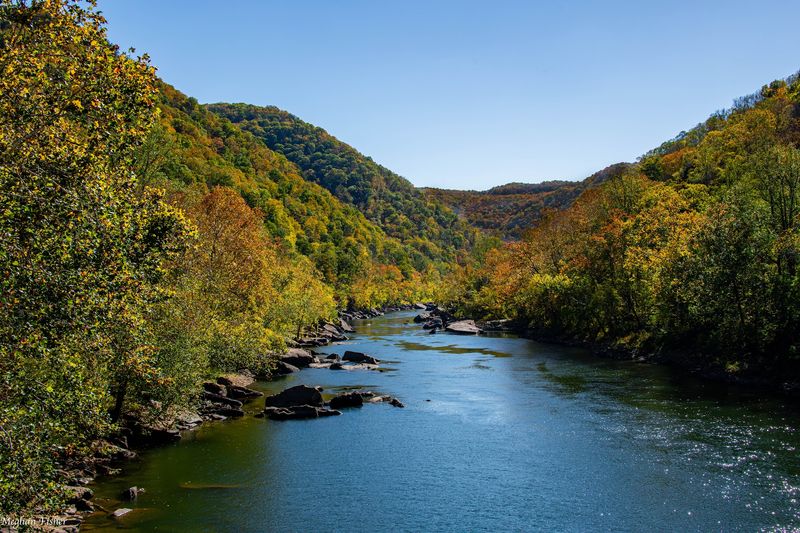
One law sits behind almost the entire debate, so it helps to know its name. House Bill 2014, also called the Power Generation and Consumption Act, passed in 2025.
Governor Patrick Morrisey championed the bill. Its stated goal was to make West Virginia a top destination for data center development.
The law allows independent microgrids built to power data centers directly. Those systems can operate separately from the larger electric grid.
Here’s the part that fires up local groups. The law limits the ability of counties and towns to apply zoning and permitting rules to certified high-impact data centers.
That explains why so many residents feel boxed out. They can attend meetings, but local officials may have little power to say yes or no.
Taxes are another sore spot. Reports say about 70 percent of property taxes from these projects go to the state rather than staying local.
The Mason County Commission has reportedly asked lawmakers to amend the law for more local control. It’s a reminder that the debate is about who decides, not only what gets built.
Address: West Virginia State Capitol, 1900 Kanawha Boulevard East, Charleston, WV 25305
9. West Virginia NAACP’s Call for Moratorium
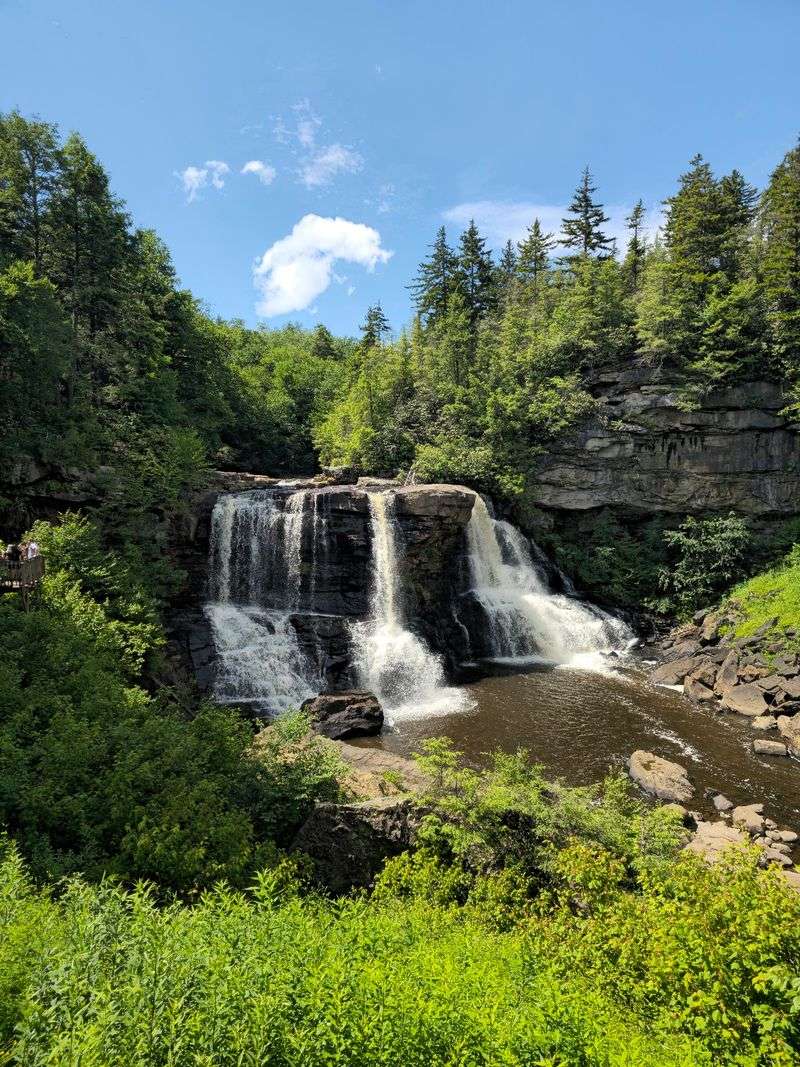
Utility bills have a funny way of uniting people who otherwise disagree. Local NAACP chapters in West Virginia reportedly voted unanimously to call for a statewide moratorium on new data centers.
Cost of living sits at the center of their concern. West Virginia already faces some of the highest water and sewer bills in the country, according to reporting.
Electricity rates have also climbed as demand on the grid grows. Leaders worry that energy-hungry projects could push those bills even higher.
Loretta Young, president of the West Virginia State Conference of the NAACP, has spoken plainly about local choice. She has argued that if a community doesn’t want a data center, that should settle it.
Young also pointed to history in places like McDowell County. She described a long pattern of outside profits taking priority over the people who live near the resources.
For older readers, that comparison may stir memories of coal company towns. It frames the data center fight as part of a much longer West Virginia story.
The resolution widened the coalition in a big way. It showed that concern about these projects reaches well beyond the mountains of Tucker County.
Address: Statewide, WV
10. West Virginia Data Center Accountability Project

Scattered voices get louder when they finally sing from the same hymnal. That’s the idea behind the West Virginia Data Center Accountability Project.
The statewide network reportedly brings together impacted communities and allied groups. Tucker United and Mason County organizers are among those taking part.
Think about the distance involved here. Tucker County’s high mountains and Mason County’s river bottoms sit far apart, yet their residents now share a playbook.
The coalition lists a few clear priorities. Local control and community consent come first, followed closely by protecting clean air and clean water.
Members also use a memorable rallying line. Their message is that West Virginia is not for sale.
Of course, data center supporters see a very different future. They point to investment, construction work, and new tax dollars for a state that could use them.
What makes this group noteworthy is its reach. Neighbors who once fought alone can now trade information, share legal lessons, and show up for each other.
Wherever you stand, that kind of hometown teamwork feels very West Virginia. The next chapter may depend on how many more communities decide to join in.
Address: Statewide, WV
