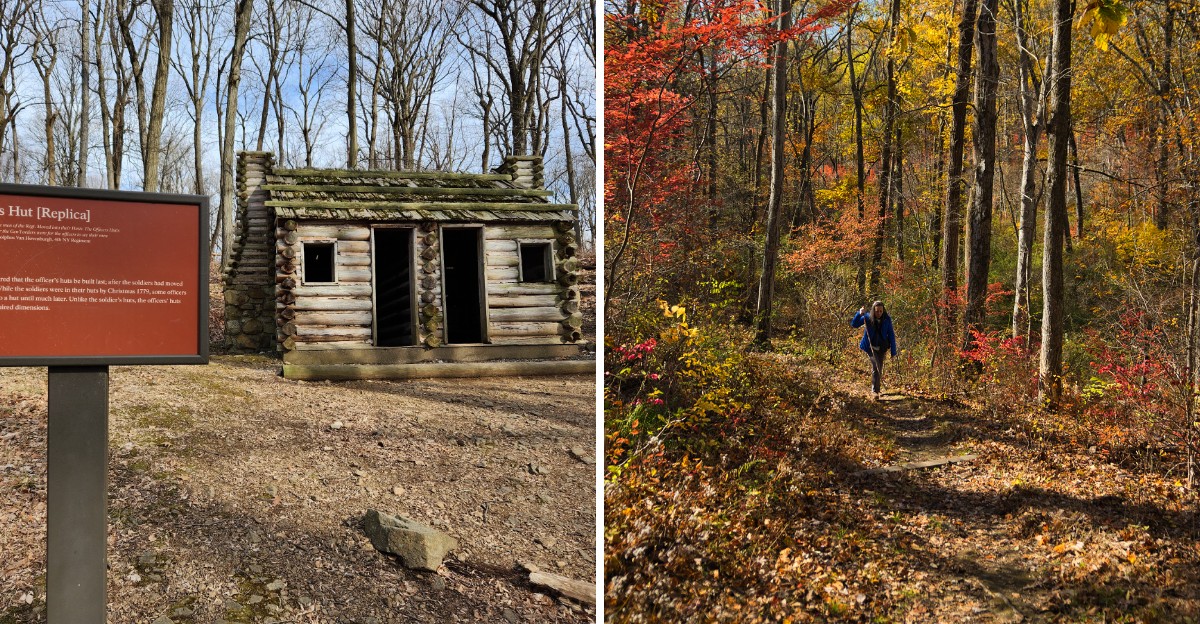
This quiet hillside once looked like a wooden city.
During one of the harshest winters of the Revolutionary War, George Washington’s soldiers built more than 1,000 log huts across the landscape.
Thousands of men lived here through bitter cold, shortages, snow, mud, and the sort of winter conditions that make modern complaints about scraping a windshield feel a little embarrassing.
The cabins are gone now, but the land still carries traces of what happened.
Stones, archaeological remains, reconstructed huts, and preserved ground help reveal just how enormous the encampment once was.
It is easy to walk through New Jersey woods and see nothing but trees. Then history pulls the curtain back.
Suddenly, you are standing where an entire army once tried to survive the winter.
Some landscapes whisper their history. This one practically echoes.
A Winter Nobody Could Forget
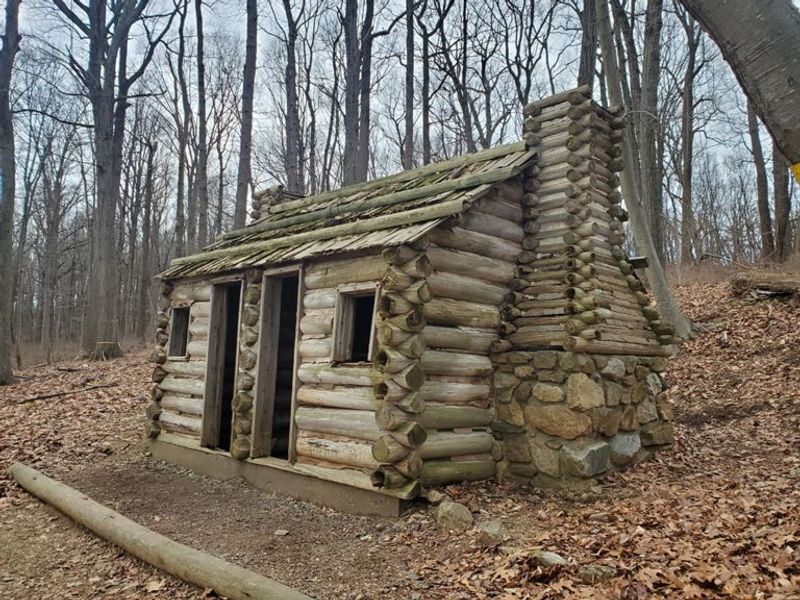
Cold weather usually means hot cocoa and a fuzzy blanket. For the Continental Army, it meant something far tougher.
From December 1779 to June 1780, General George Washington’s troops spent their winter right here at Jockey Hollow.
Historians often call that season one of the coldest in American history, and some say it was the harshest of the entire Revolutionary War. Deep snow piled up, temperatures dropped to dangerous lows, and supplies ran painfully short.
Washington himself described it as the hardest winter anyone could remember. Many accounts suggest life here was even more brutal than at Valley Forge, which is the camp most people learn about in school.
Soldiers faced hunger, sickness, and freezing nights, and women and children who traveled with the army shared those struggles too.
Knowing this changes how the woods feel. A light breeze suddenly seems a lot friendlier.
Before heading out, a quick read about the Hard Winter makes every marker and trail sign more meaningful, so the walk becomes a story instead of just exercise.
A Hut City Bigger Than Most Towns
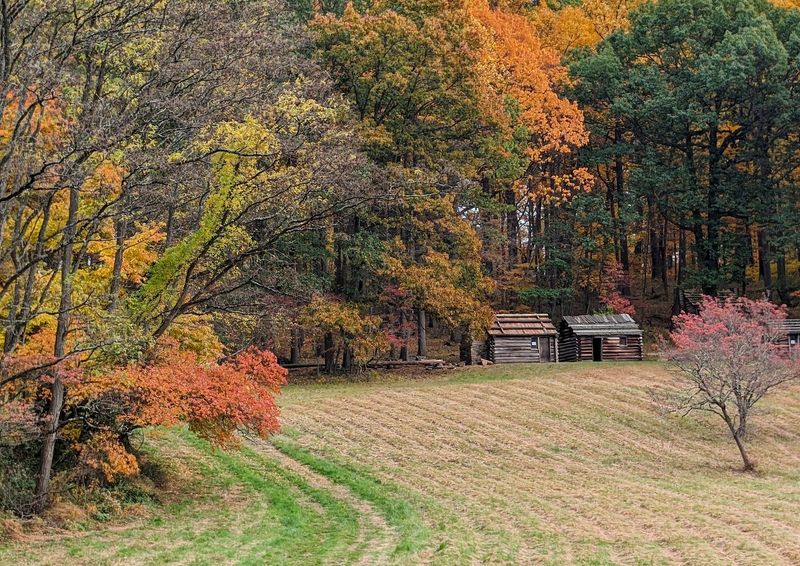
Numbers can sound boring, but these ones are wild. Somewhere between 10,000 and 13,000 Continental soldiers built more than 1,000 log huts across these hills, and some sources say the count reached around 1,200.
That temporary village became one of the largest settlements in New Jersey at the time. Think about that for a second.
A crowded wooden town appeared in the forest, stood for a season, and then faded away.
The soldiers did not have builders or delivery trucks. Every cabin went up by their own hands, and it took more than two months to finish enough shelters for the whole army.
Until then, plenty of them waited out the cold in tents.
Huts were arranged in neat rows by brigade, packed tightly on the slopes. Today the land is mostly forest again, which makes the scale hard to picture.
Here’s a tip that helps. Pause at an open clearing, look across the ridge, and imagine chimney smoke rising from every direction you can see.
Twelve Men, One Tiny Cabin
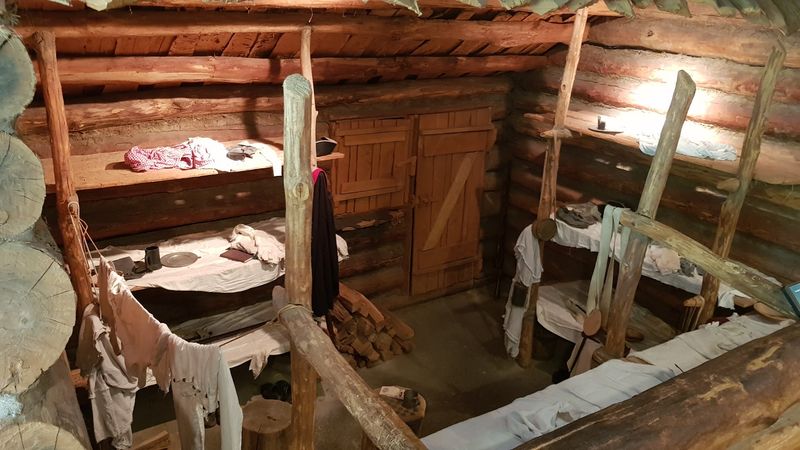
Got roommates who hog the bathroom? Try sharing a single room with eleven other guys all winter.
Each hut measured about 14 by 16 feet and stood roughly 6.5 feet high, built to hold about 12 men.
Inside, a fireplace handled both heating and cooking. Floors were packed earth, and the soldiers built their own bunks and tables from the same timber around them.
Cabins sat only 2 to 3 feet apart. Neighbors were very close.
It sounds cramped, and it was. Still, those snug walls kept wind and snow out far better than canvas tents.
Camp planning had also improved since earlier winters, and fewer than 100 soldiers died during this encampment, which says a lot about better design and cleaner living.
A fun way to understand the space is to pace out 14 by 16 feet at home later. Then picture twelve people, their gear, muddy boots, and a crackling fire.
Suddenly a small apartment seems roomy.
Replica Huts on Sugar Loaf Hill
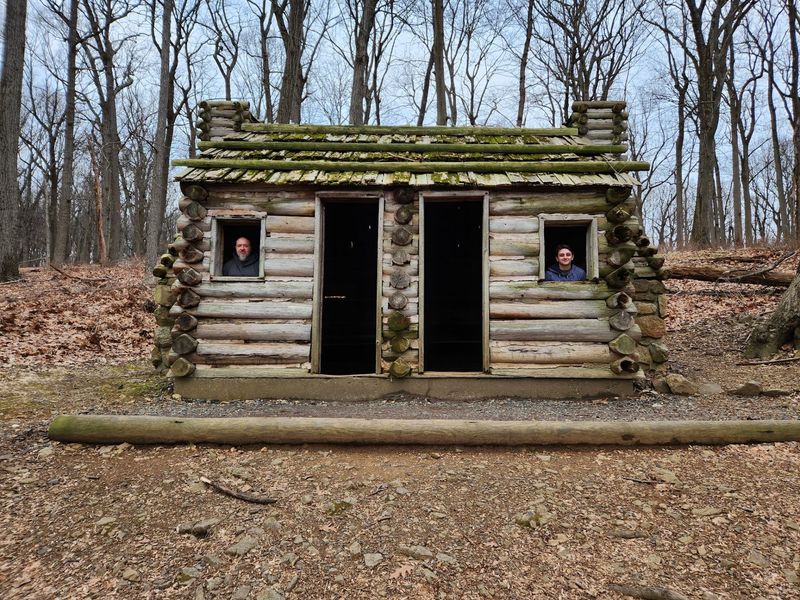
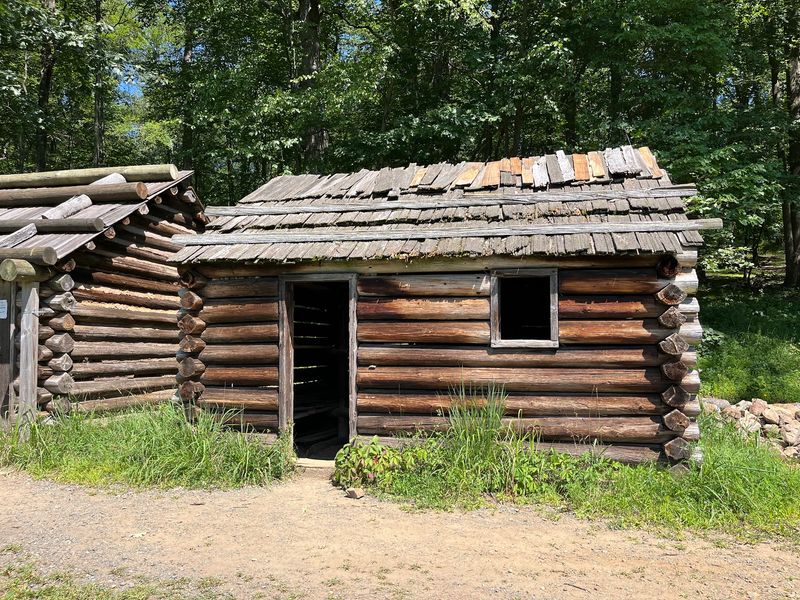
Peeking through the doorway of a log hut is the moment history gets real for a lot of visitors. On Sugar Loaf Hill, four reconstructed soldier huts sit among the trees, giving a clear look at how the army lived.
These are replicas, not original Revolutionary War buildings. The National Park Service built them in 1964 to help people picture the encampment, and they do that job nicely.
Notice the rough logs, the chimneys, and how close the cabins sit together. Small details like low doorways tell a big story about cold drafts and saving heat.
Kids especially love this stop. It is easy to imagine bunking down after a long day of drills, and the hillside setting adds to the mood.
The Yellow Trail passes right by the huts, so hikers can include them in a loop. Drivers can also reach the area from the park’s loop road.
Either way, bring a camera, because the cabins look especially striking under fall color or a fresh dusting of snow.
Trees That Kept an Army Alive
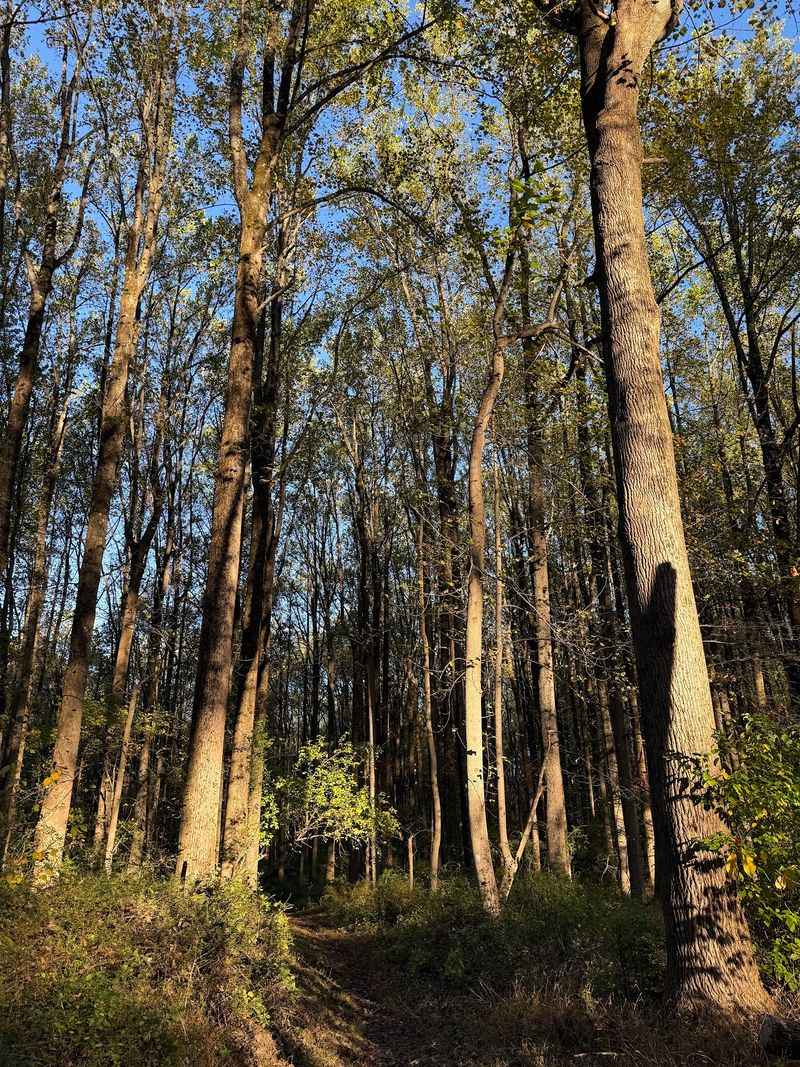
Honestly, the forest here is the hidden hero of the whole story. Without these woods, the army could not have survived the winter.
Timber was needed for more than a thousand cabins, plus endless firewood for heating and cooking. Henry Wick owned a 1,400-acre farm, and much of it was forest.
Over 600 acres of his trees were cut down for the army, and more timber came from neighboring properties.
That is a staggering amount of chopping. Imagine the sound of axes ringing through frosty air from morning to night.
Those hillsides have long since grown back, and now tall trees shade the trails again. The green canopy feels peaceful, almost as if the land healed itself quietly over the centuries.
Hikers can enjoy the forest in every season. Spring brings soft trails and early wildflowers, while autumn turns the hills gold and red.
Sturdy shoes are a smart choice, since some paths have loose rocks and muddy spots after rain.
The Wick House and Its Kitchen Garden
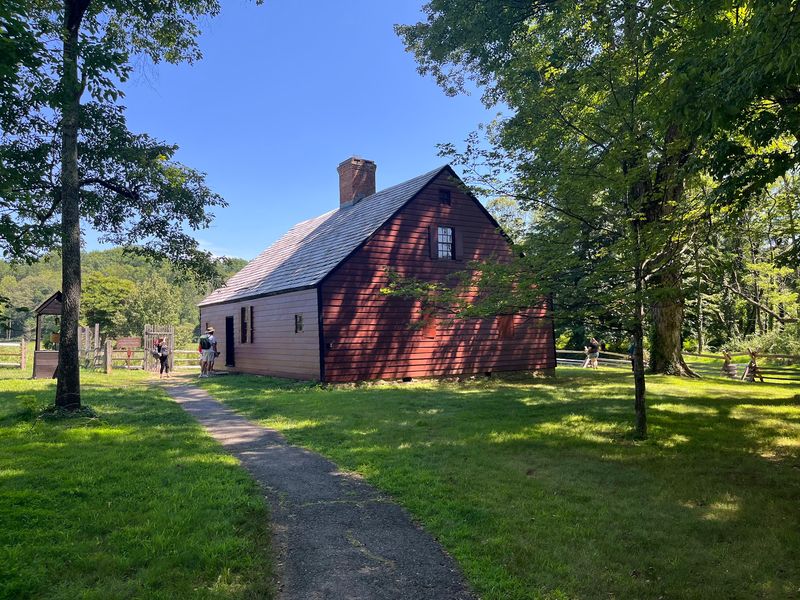
Farmhouses have a cozy way of pulling people in. The Wick House, built around 1750, is a charming example tucked right inside the park.
During the Hard Winter, it served as the headquarters of Major General Arthur St. Clair. While soldiers packed into huts on the hills, officers used this home to plan and manage their part of the camp.
Today the rooms are furnished to show how the house looked during that time. Tours are offered periodically, so it helps to check the schedule ahead of a visit.
Outside, a kitchen garden is kept up for visitors to enjoy. Herbs, vegetables, and simple rows of plants show how families grew their own food long before grocery stores existed.
It is a pleasant little stop.
The house also makes a great starting point for walks. The Yellow Trail begins nearby, so a quick look at the garden can lead straight into a hike past fields, forest, and the soldier huts.
Where Soldiers Lined Up for Inspection
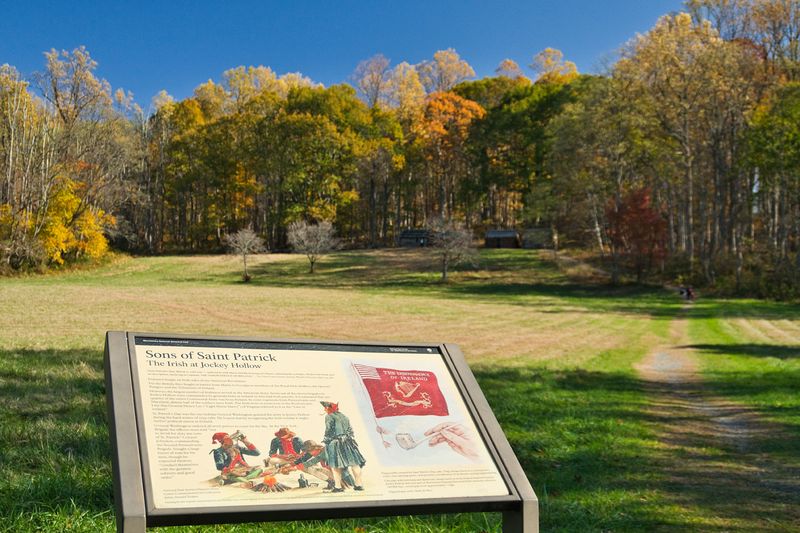
Open fields can look ordinary at first glance. The Grand Parade is anything but.
Originally, this was a cleared stretch about 400 yards long and 100 yards wide. Soldiers gathered here for inspections, which helped keep the army organized and disciplined through a rough season.
Picture rows of men in worn coats standing in the snow while officers walked the lines. That routine mattered.
Despite the misery, the army came out of this camp more unified and better trained, which helped strengthen the fight for independence.
Desertion stayed fairly low too, with only about one in ten soldiers leaving. For such a hard winter, that shows real grit.
Now the area offers a calm break from the shady trails. The Yellow Trail passes close by, and it makes a fine place to stop, sip some water, and take in the quiet.
One tip for hikers is to watch the trail blazes carefully around this section, since a turn or two can be easy to miss.
Mural, Movie, and a Full-Size Cabin
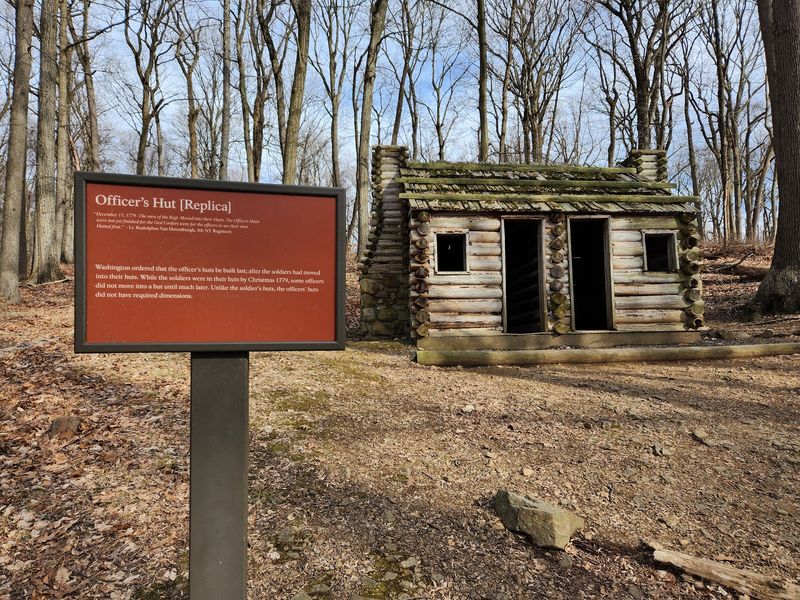
Here’s my favorite way to start. A visit to the Jockey Hollow Visitor Center gives the whole park context before setting foot on a trail.
Built in the mid-1970s, the center holds a large mural showing the winter encampment in vivid detail. There is also a full-scale model of a soldier’s log cabin, so visitors can step close and study how it was put together.
A short movie explains the Hard Winter in a way that sticks. Younger visitors tend to enjoy the hands-on exhibits about daily life in camp.
Practical stuff matters too. The building has restrooms and a gift shop, which is handy before or after a long walk.
Spending even twenty minutes inside makes the outdoors far more interesting. Suddenly an empty hillside becomes a brigade campsite, and a quiet field turns into a parade ground.
Grab a trail map while there, since the network of paths can be big enough to confuse first-timers.
Miles of Trails for Every Kind of Walker
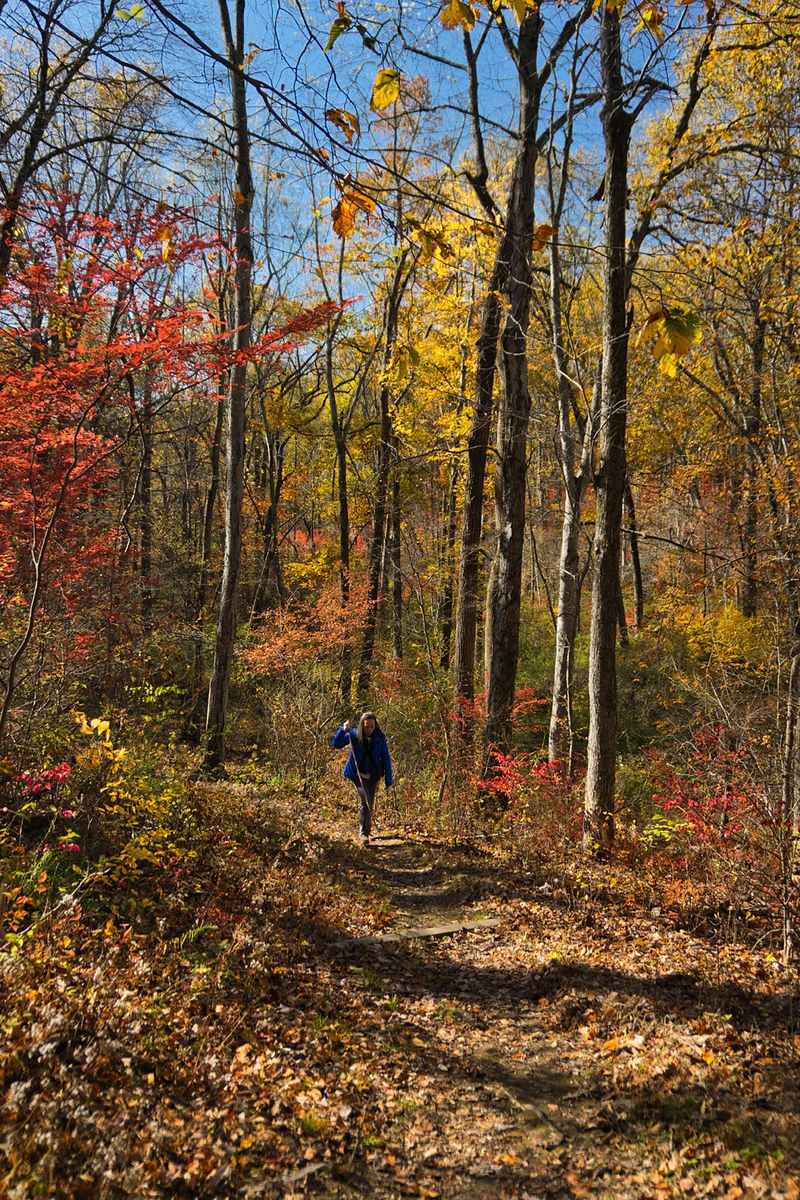
Trail lovers, rejoice. Jockey Hollow has an impressive web of paths, with sources listing somewhere between 20 and 27 miles to explore.
The Yellow Trail is the go-to for history fans. It loops past the replica huts and the Grand Parade area, mixing woodland scenery with stories from the encampment.
Prefer nature? The Blue Trail leads to Cat Swamp Pond and a scenic overlook on Mount Kemble, where the land opens up a bit.
A section of Patriot’s Path also runs through the park. Most routes feel easy to moderate, with rolling slopes rather than steep climbs, so families and casual walkers can handle them well.
For anyone who would rather ride than hike, a loop road passes several key spots with parking along the way. Signs along the route share plenty of historical facts.
Light hiking boots beat sneakers on rocky stretches, and autumn is a gorgeous time to go when the leaves light up the hills.
Why These Hills Were the Smart Choice
Geography played a sneaky role here. Washington picked this spot for some very clever reasons.
It sat a safe distance from the British forces in New York City. Rough winter roads made it hard for enemy troops to move quickly, and the Watchung Mountains provided natural protection.
Dense forest supplied the wood the army needed to survive.
Washington himself stayed a few miles away at the Ford Mansion in Morristown, which served as his headquarters that winter. Pairing both sites in one trip paints a fuller picture of how the camp worked.
Standing on these quiet slopes today, the strategy starts to make sense. Hills roll in every direction, and the woods feel tucked away from the busy world nearby.
So pack a snack, lace up those boots, and give yourself a few unhurried hours. It is a peaceful place to learn something real while getting fresh air.
You can find Jockey Hollow, part of Morristown National Historical Park, at 586 Tempe Wick Road, Morristown, NJ 07960.
