A West Virginia factory will let you blow your own glass fish, then send you upstairs to a museum full of its long past. I can’t think of a better souvenir than one you shaped with your own breath.
Craftsmen here still shape molten glass by hand, the old-fashioned way. An observation deck lets you watch the hot work happen from above, close enough to feel like part of the crew.
Meanwhile, a sprawling shop holds everything from drinking glasses and sun catchers to glass pumpkins. Some shelves are stocked with factory seconds that often sell for about half the usual price.
I like how the whole place mixes history, heat, and a little bargain hunting into one easy afternoon. So why settle for a store-bought trinket when the real fire burns this close?
A Glass Factory Where The Furnace Is The Main Attraction
Most factories keep the public far away from the action. Blenko Glass Company does the opposite, and that choice makes all the difference in Milton, West Virginia.
The business is a working glass blower, not a museum piece frozen in time. Real artisans shape real glass here, and much of it heads straight to shelves, tables, and collections across the country.
Milton sits in Cabell County, an easy hop from Huntington and Barboursville. The setting feels comfortably small-town, with hills rolling around a campus built for both production and visitors.
So what can you actually do once you arrive? Plenty, as it turns out, from watching molten glass take shape to making a piece yourself.
A visitor center anchors the experience, with a shop, a museum upstairs, and a viewing area over the factory floor. There’s also a glass garden outside, which adds a bit of sparkle to a quick stroll.
Families with curious kids will find plenty to admire, as long as little hands look and don’t touch. Still, the real draw is for grown-ups who appreciate craftsmanship.
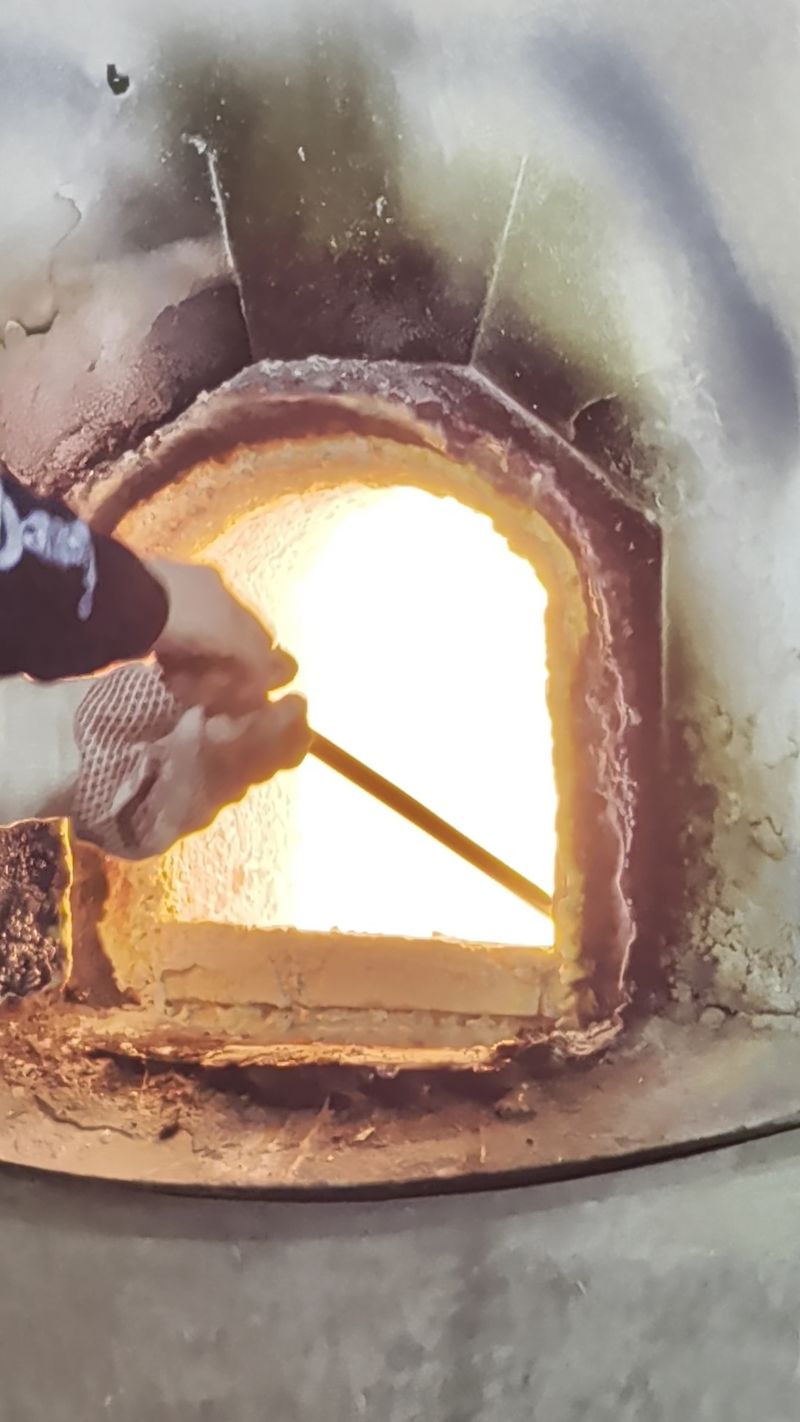
It’s a rare chance to see an American-made product come to life, right in front of you, with heat you can almost feel.
A Century Of Family Fire Behind Every Piece
William J. Blenko reportedly arrived from England with a passion for glass and a stubborn streak to match.
His company eventually found its long-term home in Milton in the early 1920s.
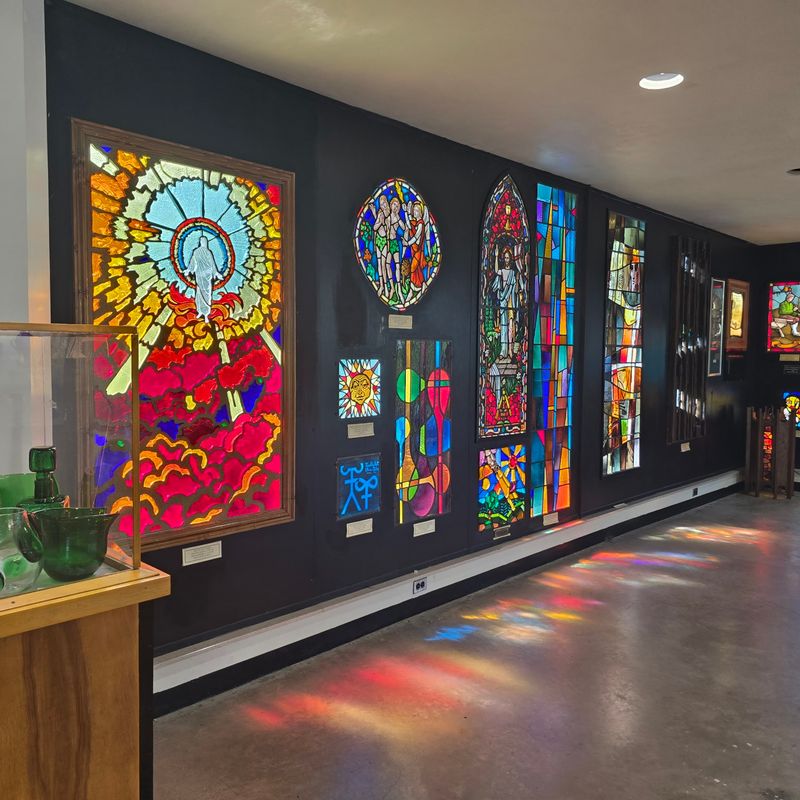
Early on, the operation focused on colorful sheet glass for stained glass windows. That work reportedly earned it a strong name among church and cathedral window makers across the country.
Tableware and decorative pieces came later, and that’s when collectors really started paying attention. Bold colors and distinctive shapes turned Blenko pieces into something people hunt for at estate sales and antique shops.
Family involvement runs deep here too. A fourth-generation Blenko family member has been part of operations in recent years, which keeps the story personal rather than corporate.
Staff members tend to light up when the history comes up. Questions about the tradition of West Virginia glass rarely get a short answer, and that’s a good thing.
Plenty of state glass factories have gone quiet over the decades. That makes this one feel even more special, like a family recipe that somehow never got lost.
Each piece on the shelf carries a little of that long, glowing story with it.
Front-Row Seats Above The Hot Shop Floor
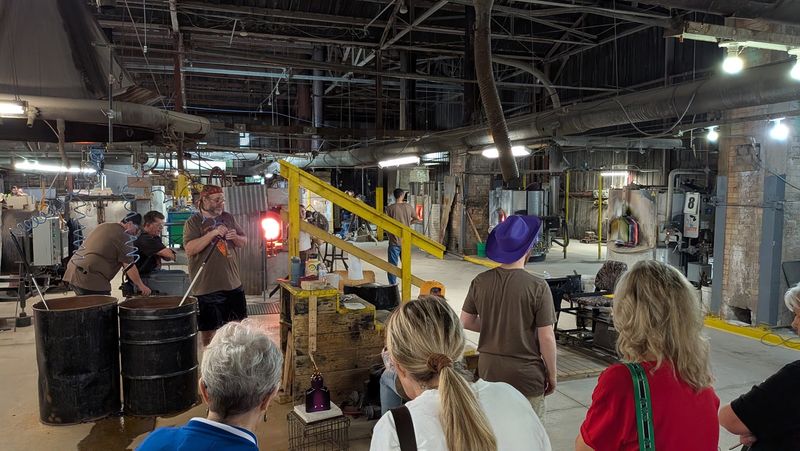
Glowing orange glass on the end of a long pipe is hard to look away from. The observation deck gives you a clear, safe view of exactly that.
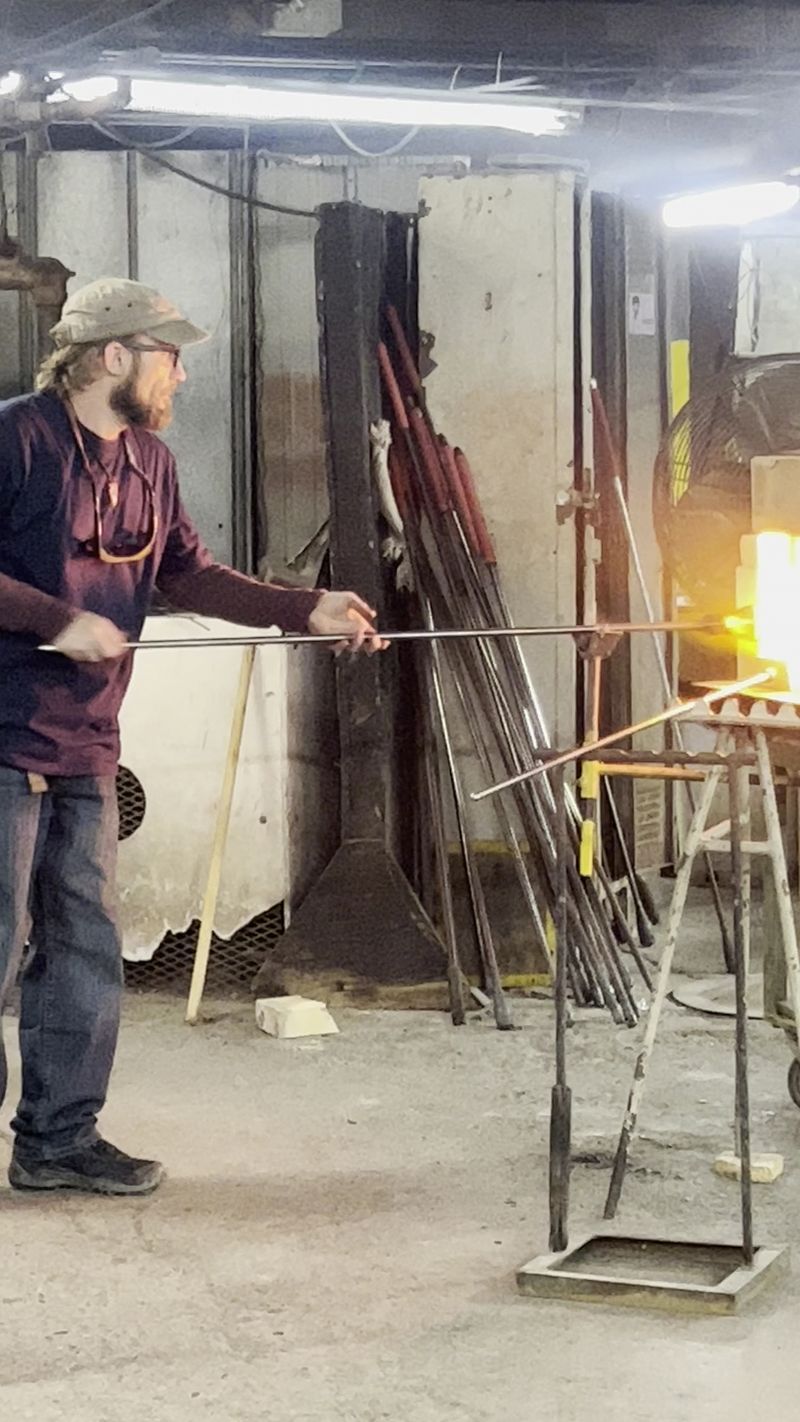
From above, you can watch artisans gather molten glass, spin it, and coax it into shape. Every move looks practiced, almost like choreography set to the hum of a furnace.
Better yet, the workers often seem happy to share what they’re doing. Artisans have been known to stop by the deck and ask if anyone has questions.
That small gesture turns a viewing area into a mini classroom. Curious adults will get as much out of it as kids, especially anyone who loves knowing how things are made.
One catch is worth planning around. Glassblowing doesn’t happen every hour the building is open, and Sundays are usually quieter on the floor.
Even on a slow day, the deck still shows off the impressive layout of the operation. You can see the furnaces, tools, and work stations that make it all possible.
Catch a live session, though, and you’ll understand why so many people linger longer than planned.
Your Own Glass Fish Is Totally On The Table
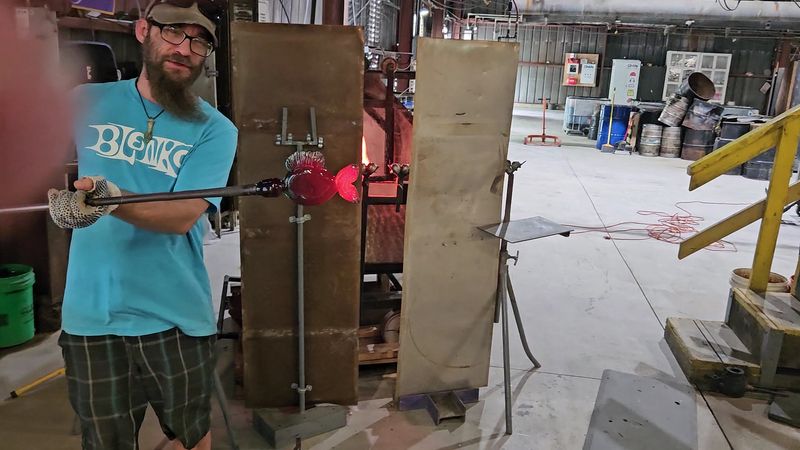
Watching is fun, but making something yourself is a whole different thrill. Blenko offers glassblowing experiences that put you right next to the furnace with a mentor.
Fish are a popular project, and they make a charming keepsake. Some guests surprise a spouse or partner with the experience, which beats another gift card by a mile.
There’s also a walk-in style experience where you can choose your own project and color. That flexibility makes it feel personal, even for total beginners.
Patient instructors guide first-timers through each step. You don’t need any artistic background, just a willingness to follow directions and stay calm around very hot glass.
Planning ahead helps. Booking early gives you a better shot at the date you want, and payment options can be arranged online before you arrive.
I love how this flips the usual souvenir story. Instead of buying something someone else made, you leave with a piece shaped partly by your own breath and effort.
It may not be perfect, but it’ll have a story nobody else can claim. That’s the kind of keepsake that earns a permanent spot on the windowsill.
Guided Tours That Explain The Whole Process
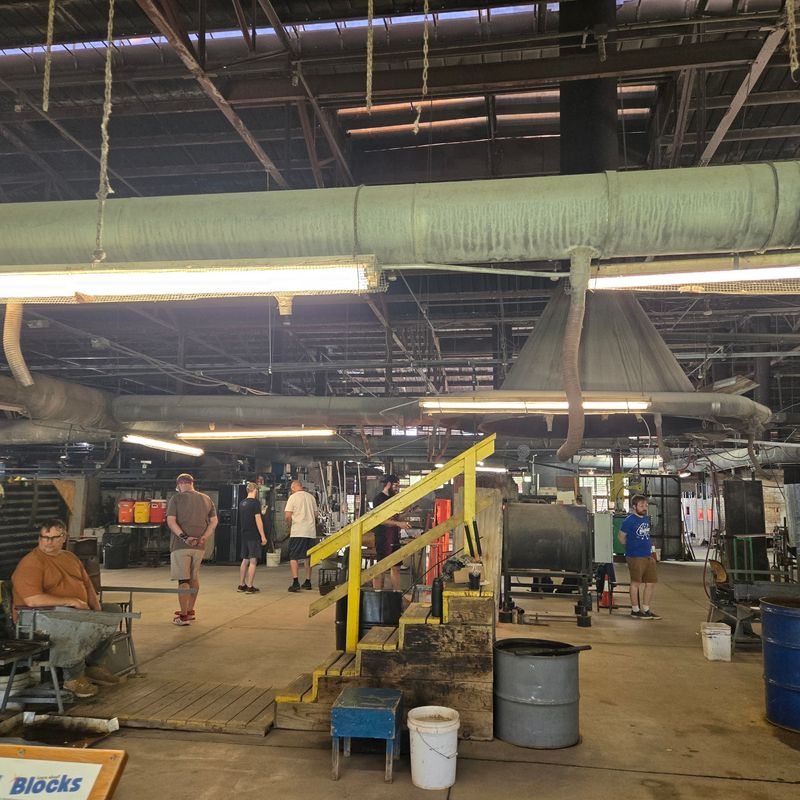
Some questions can’t be answered from a balcony. Factory tours fill in those gaps, walking you through how raw materials turn into finished glass.
Guides tend to know their stuff, and patience seems to be part of the job description. Expect explanations of tools, temperatures, and the teamwork it takes to keep production moving.
Tours pair nicely with the hands-on experience. Doing both on the same day gives you the big picture first, then the chance to try the craft yourself.
Schedules can shift, and the team has shown a knack for flexibility. When travel hiccups pop up, staff have worked to fit guests into another tour rather than send them home empty-handed.
Booking ahead is the smart move, especially if you’re driving in from out of town. It’s also wise to call before you go, since factory activity can vary by day.
For parents, this is a refreshing outing that isn’t built only around the kids. Adults get real substance, real craft, and a better understanding of American manufacturing.
Older children can tag along and absorb the science without noticing they’re learning anything at all.
An Upstairs Museum Packed With Collectible Color
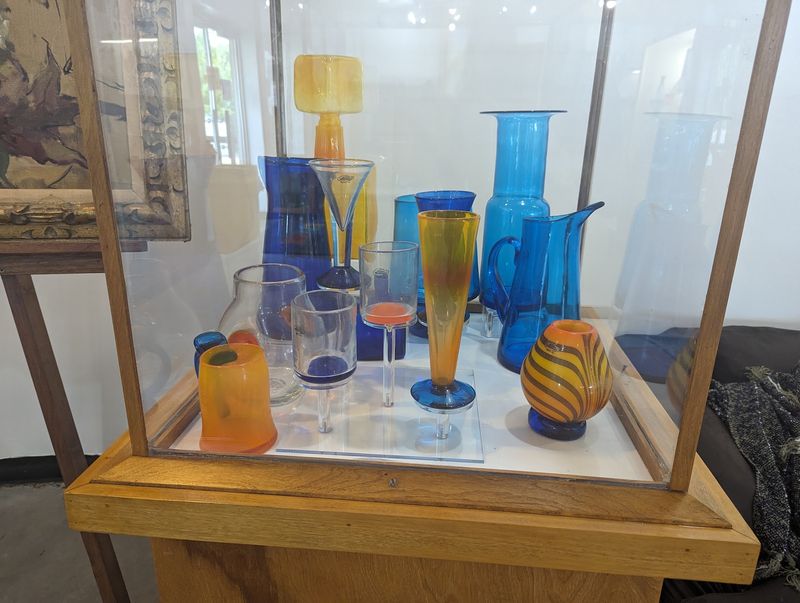
Collectors, this is your happy place. The upstairs museum showcases pieces from across Blenko’s manufacturing history, and the colors alone are worth the climb.
Vintage vases, decanters, and decorative designs line the displays. It’s a great way to see how styles shifted over the decades while the craft stayed rooted in hand work.
Anyone who has spotted Blenko at a flea market will appreciate the context. You start recognizing shapes, colors, and eras, which makes future treasure hunting more fun.
Windows add a scenic backdrop to the glass. Light pouring through colored pieces creates exactly the kind of glow that made this company famous.
One practical note matters here. The upstairs museum is not handicap accessible, so plan accordingly if anyone in your group uses a wheelchair or has trouble with stairs.
Even a short visit pays off. Ten or fifteen minutes upstairs gives you a deeper appreciation for whatever you end up buying downstairs.
And if you already own a piece or two at home, you might discover a little more about where it fits in the story. Consider it homework that feels like eye candy.
Good Luck Leaving The Gift Shop Empty-Handed
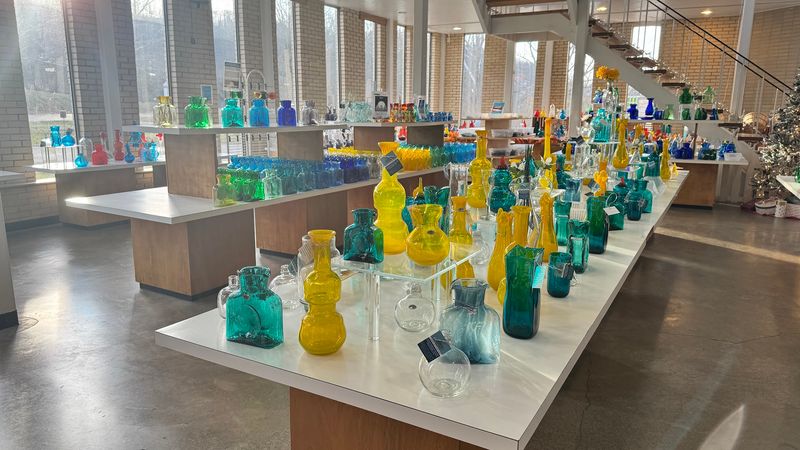
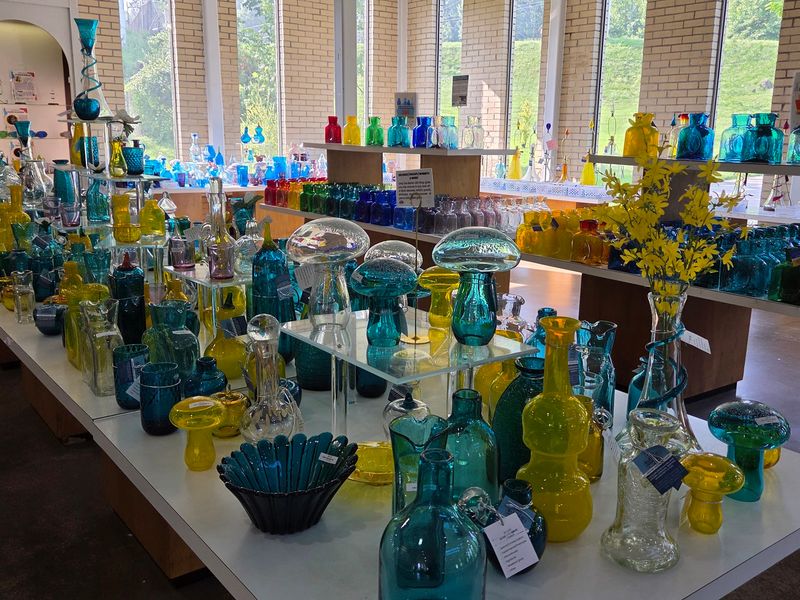
Shelves of colored glass catch the light from every angle, and resisting them takes real willpower. The gift shop is large, bright, and stocked with a huge range of hand-blown pieces.
Glassware is a big draw, from everyday drinking glasses to statement vases. Sun catchers are a popular grab, and glass pumpkins make an appearance too.
High-end art pieces share space with dinnerware and novelty items. That variety means there’s usually something for every budget and every person on your gift list.
Buying in person has a perk worth knowing. Full-price items have reportedly been cheaper in the store than online, which rewards the trip.
Staff in the shop are known for being warm and helpful. If you’re stuck between two colors, someone will likely help you decide, or at least share in the struggle.
Gift shopping for faraway relatives gets easier here too. The team has even helped fill orders by text, which is handy for anyone sending a piece of West Virginia across the miles.
Few souvenirs say home quite like glass made in the hills by hand.
Factory Seconds Are Where Bargain Hunters Strike Gold
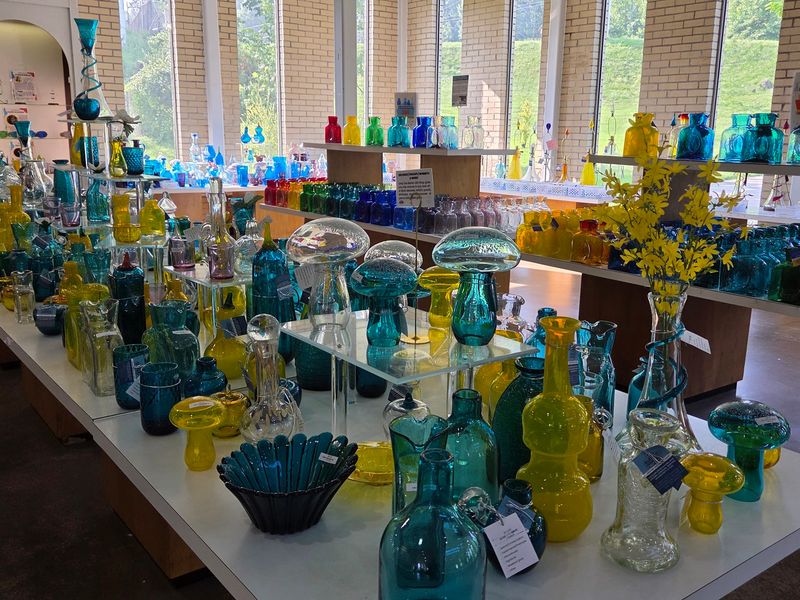
Half price on hand-blown glass? That’s not a typo.
The seconds section often offers pieces at roughly half the cost of first-quality items.
Seconds are pieces with small imperfections that didn’t make the top-tier cut. In many cases, those flaws are tough to spot without squinting.
For budget-minded shoppers, this changes the whole visit. You can bring home a genuine Blenko piece without stretching your wallet too far.
Selection does vary, so keep expectations flexible. Some days the seconds shelves dominate the shop, with fewer first-quality items on display.
If you want a specific color or design, ordering online is another option. Still, browsing the seconds feels a bit like a treasure hunt, and there are plenty of gems to find.
I believe this is one of the smartest parts of the visit for parents on a budget. You get real craftsmanship and a real story at a friendlier price.
Grab a vase for yourself and a sun catcher for Grandma, and nobody has to know you saved money. Unless you brag about it, which, honestly, would be completely fair.
Glassalachia Turns The Whole Campus Into A Party
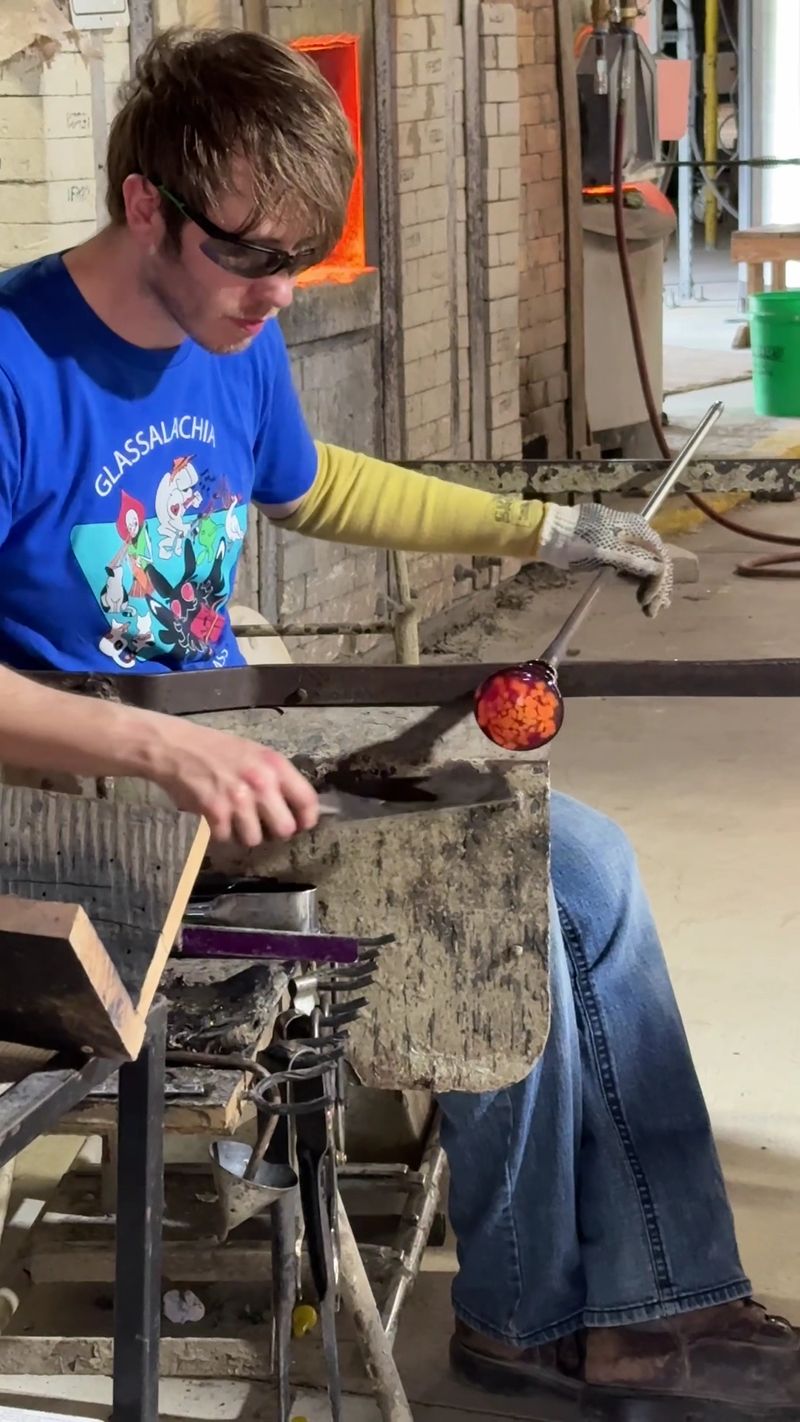
Food trucks, live music, and tables full of handmade glass make for a pretty great Saturday plan. The annual festival here, known as Glassalachia, brings all of that together.
Hands-on classes add another layer to the day. Instead of just shopping, you can learn a little and maybe try something new.
The selection of handcrafted glass for sale is a big part of the appeal. Collectors and casual shoppers alike have plenty to browse.
Glassmakers at the festival tend to show real appreciation for the crowd. Their enthusiasm makes the event feel welcoming rather than rushed.
It’s also a great chance to talk about the history of West Virginia glass with people who live it. Staff often seem eager to share stories about the tradition and the company’s long run.
Festival dates change from year to year, so check ahead before planning a trip around it. Multi-generation outings work well here too, with grown children bringing parents for a shared day out.
If you’ve already visited on a regular afternoon, the festival offers a livelier, more social way to see the same spot. Think of it as the encore.
Smart Timing Makes Or Breaks The Glassblowing Show
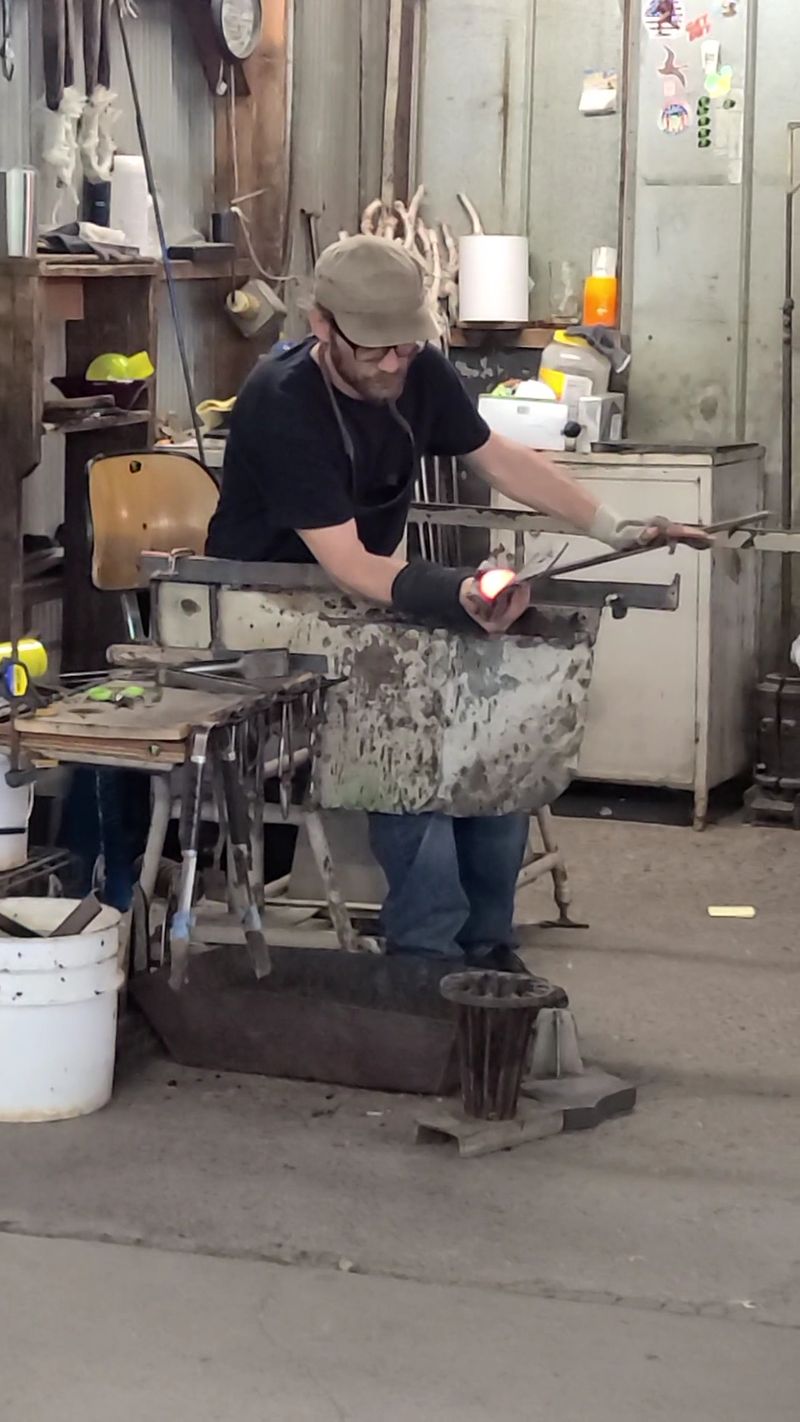
Arriving at the wrong hour could mean missing the glassblowing entirely. A little planning keeps that from happening.
Blenko Glass Company sits at 9 Bill Blenko Dr, Milton, WV 25541. The visitor center is open Monday through Saturday from 9 am to 5 pm.
Sunday hours run from noon to 5 pm. Sundays tend to be calm and uncrowded, though the glassblowers usually aren’t working that day.
Want to see the furnace in action? Aim for a weekday or Saturday, and arrive well before closing time.
Getting there from Huntington or Charleston is a straightforward drive. Milton sits right along the corridor between the two cities, making it an easy detour on a West Virginia road trip.
Calling ahead is a good habit, since production schedules and tours can change. Special circumstances occasionally close the hot room for the day.
Give yourself at least an hour to enjoy the deck, museum, and shop. Add more time if you’ve booked a hands-on experience or tour.
Rushing through a place like this feels like skimming the last chapter of a good book.
Why This Glowing Stop Deserves A Spot On Your Route
Plenty of roadside stops promise a story. Few back it up with a working furnace, a museum full of history, and a chance to make your own piece.
Blenko Glass Company manages all three, along with a shop that rewards bargain hunters. That combination makes it a strong pick for adults, not just families looking to entertain kids.
Collectors get context and rare color. Casual visitors get a memorable afternoon and maybe a sun catcher for the kitchen window.
The friendly staff might be the secret ingredient. Their pride in the craft shows up in conversations, guided tours, and patient instruction at the furnace.
There’s also a quiet satisfaction in supporting a family business that has kept hand-blown glass alive in West Virginia for generations. Every purchase helps keep that fire burning.
I can’t imagine a better way to spend a few hours along this stretch of the state. Time it right, leave room in the trunk, and bring a little patience for decision-making at the shelves.
You’ll likely drive away with something beautiful and a fresh appreciation for skilled hands. And maybe, just maybe, a glass fish of your very own.
