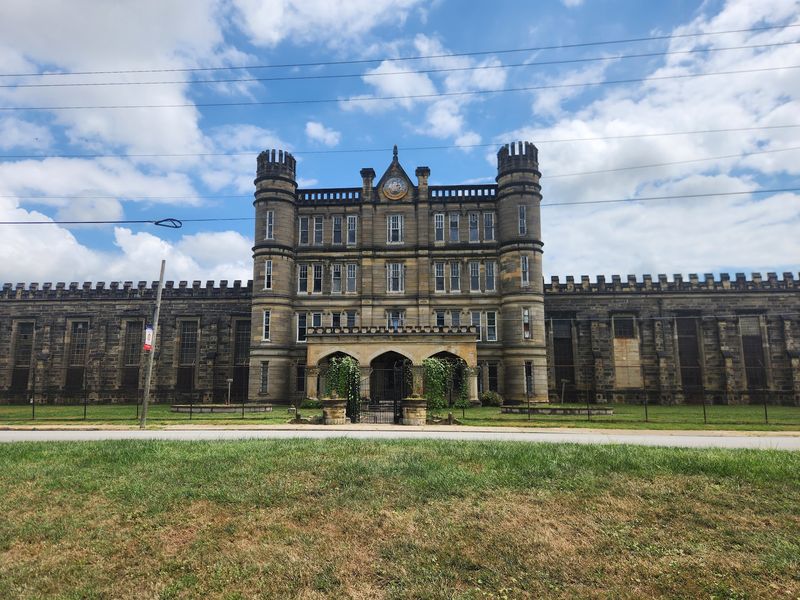
Inmates built much of this prison by hand, and they gave it turrets and battlements like a medieval castle. Its stone walls rise 24 feet high, and today you can buy a ticket to walk right through them.
The place held prisoners for 129 years before its doors closed in 1995. Tours reportedly started within about a year of that closing.
Some folks still call it an old boys’ prison, which is a myth worth clearing up.
I like how this West Virginia landmark refuses to pick one personality. History fans get stories of coal mines, print shops, and prison-made street signs.
Ghost hunters get six-hour overnight investigations in hallways with nicknames.
I can’t imagine a stranger or more memorable way to spend a Friday night. So what exactly happens when the flashlights click off?
A Castle-Shaped Prison Sitting Across From An Ancient Mound
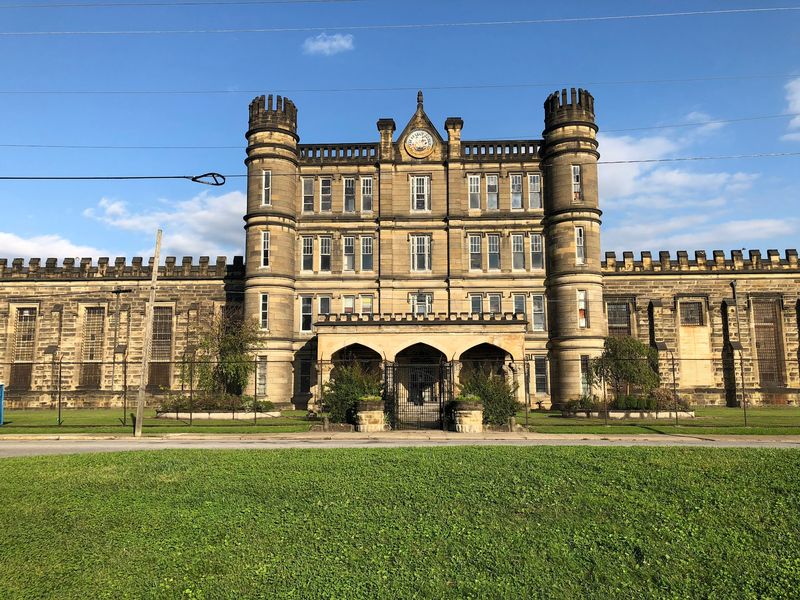
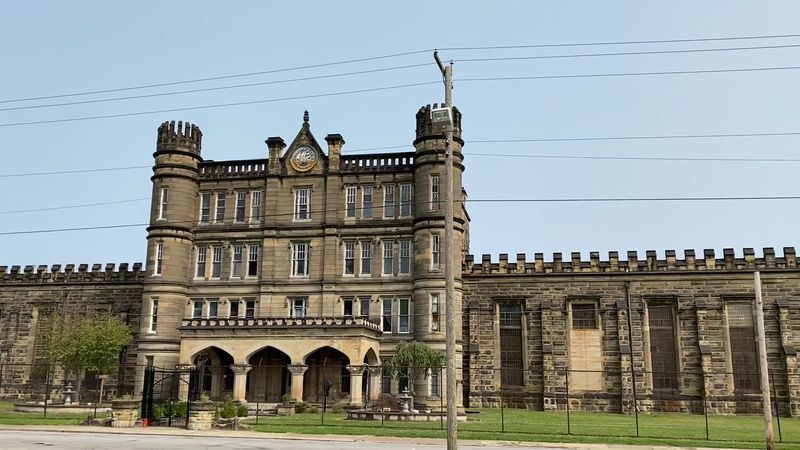
Few prisons look like they belong in a fairy tale, but this one comes close. The West Virginia Penitentiary in Moundsville wears its Gothic Revival style proudly, with turrets and battlements up front.
Here’s the first surprise for anyone drawn in by the headline. It was never a boys’ prison at all, but a full state penitentiary for adult inmates from 1866 until 1995.
That doesn’t make it any less fascinating. Today the old prison works as a hub for historical tours, paranormal investigations, gift shop browsing, and special events throughout its season.
Location helps the appeal, too. The penitentiary sits directly across the street from the Grave Creek Mound Archaeological Complex, one of the most famous ancient sites in West Virginia.
So in one short walk, you can go from a prehistoric earthwork to a 19th-century stone fortress. That’s a lot of history for a single parking stop.
Moundsville itself sits along the Ohio River in the Northern Panhandle. The prison’s sheer size makes it a landmark you simply can’t miss as you drive through town.
Honestly, the building does most of the selling on its own. The stories inside just seal the deal.
Stone Walls That Inmates Raised With Their Own Hands
Construction kicked off in 1866, just a few years after West Virginia became a state. The young state needed public institutions fast, and a penitentiary topped the list.
Much of the heavy lifting came from inmate labor. Prisoners helped build the very walls that would hold them, which is an irony nobody on the crew likely enjoyed.
The first phase wrapped up in 1876. Designers took inspiration from the Northern Illinois Penitentiary at Joliet, though the Moundsville version came out smaller in scale.
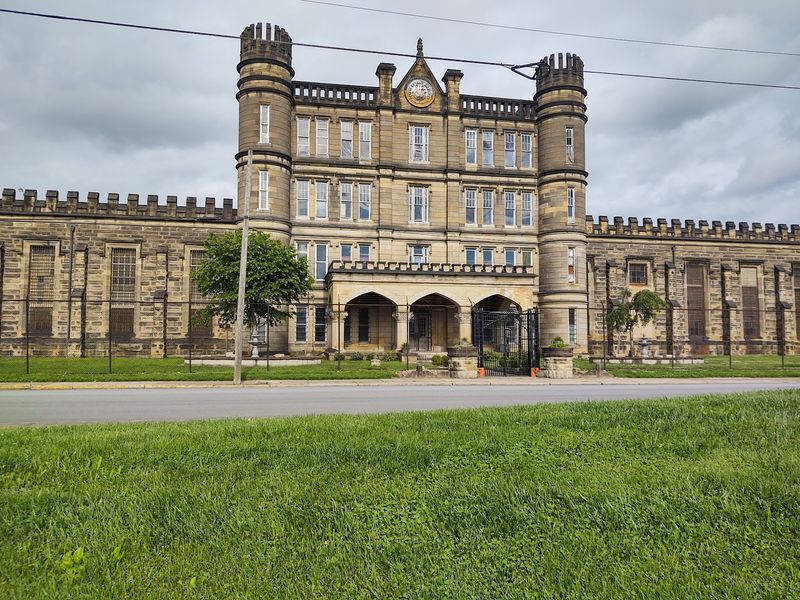
Smaller is a relative term here. The walls climb 24 feet high and once enclosed a world that stretched across several city blocks.
Standing near them, you get a real sense of how serious the 1800s were about security. Those turrets were not just for show, even if they look great in photos.
I like that the architecture tells part of the story before a guide says a word. It reads like a medieval fortress dropped onto a small-town street.
For more than a century, that stone held thousands of people. Now it holds curious visitors, cameras, and plenty of questions.
The Roaring Twenties Doubled The Prison’s Size And Its Crowds
So where does the 1920s part of the story fit in? That decade brought some of the biggest changes the West Virginia Penitentiary ever saw.
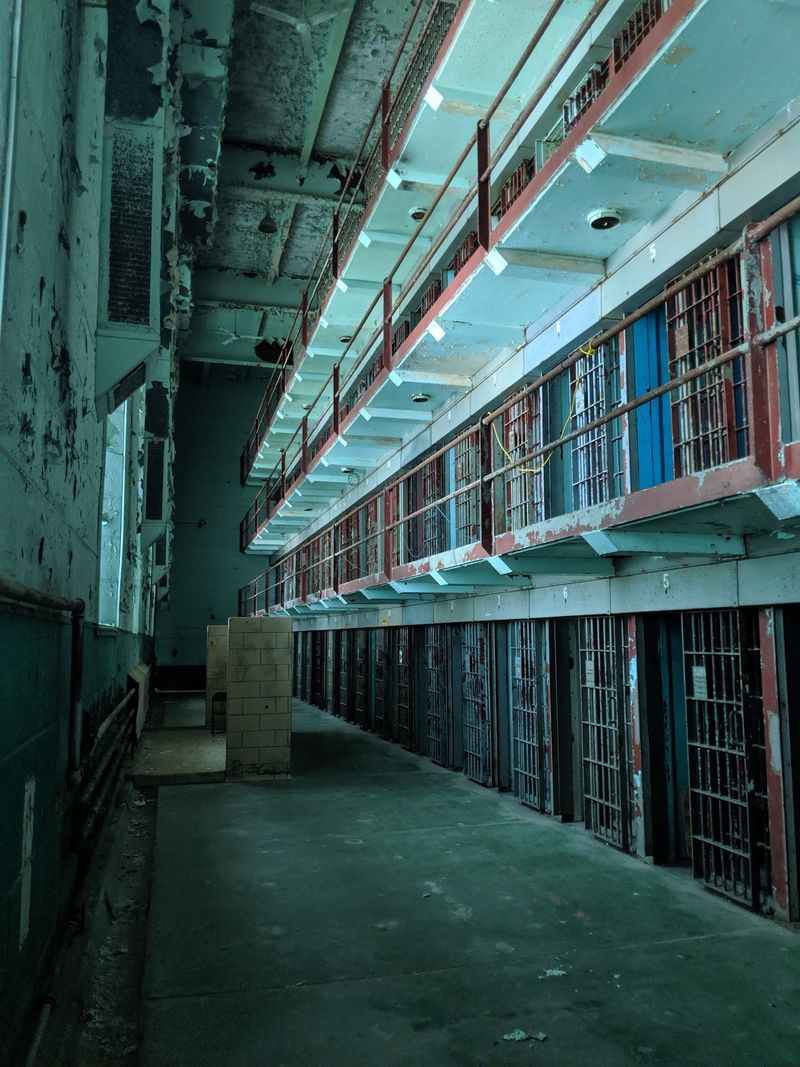
Crowding had become a serious problem. Cells measuring about five by seven feet often reportedly held three men at once.
By 1929, the prison had doubled in size to ease the squeeze. That expansion shaped much of the layout visitors walk through today.
The place also leaned hard into self-sufficiency. A coal mine opened on the property in 1921, putting inmates to work underground.
Other industries kept things humming. Inmates ran a print shop that even published a magazine called Work and Hope.
Women’s housing changed during this era as well. Female inmates moved from the administration building into a separate two-story building in the North Recreation Yard.
That building came with its own dining room and kitchen. A high wall kept it apart from the main prison population.
Put together, the 1920s turned the penitentiary into something like a small, walled town. Knowing that history makes the empty halls feel far more alive, ghosts or no ghosts.
Ninety Minutes Of Cellblocks, Mess Hall Stories, And Inmate Art
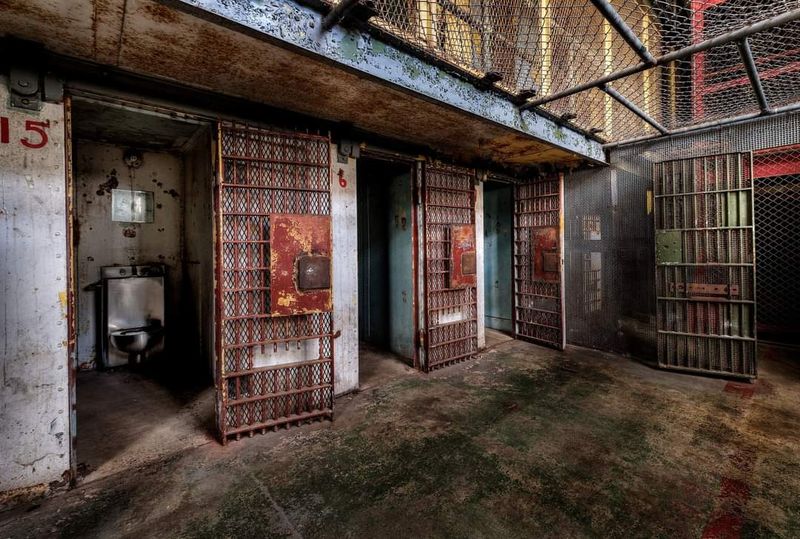
Start with the guided day tour, the backbone of any visit. It runs about 90 minutes and covers the main level of the prison.
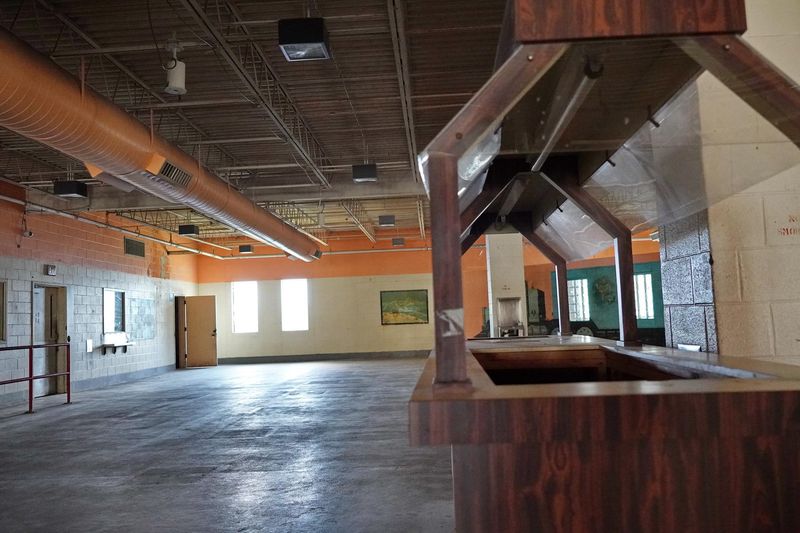
Guides lead groups through the old visiting area, the dayroom, and the mess hall. Each cellblock had its own scheduled mealtime, which helps explain how the prison kept order.
Then come the cellblocks themselves. One area held inmates with lighter charges, while another housed the toughest population and earned the nickname the Alamo.
Here’s a fun bonus. You can step into some of the cells, which instantly makes the five-by-seven measurements feel very real.
The tour also heads into the center courtyard. Along the way, guides point out spots like the warehouse where inmates made street signs and license plates.
Back near the entrance, displays fill the waiting area before tours begin. You’ll find inmate-created art, guard uniforms and badges, and stories of notable inmates.
The day tour is open to all ages, so it works for families with older kids. Still, adults who love a good true story might get the most out of it.
Expect plenty of history packed into every hallway. Ninety minutes goes surprisingly fast.
Basement Whispers That Made The Sugar Shack Famous
Ghost stories here are hardly new. Paranormal claims at the West Virginia Penitentiary reportedly stretch back as far as the 1930s.
The most talked-about spot sits underground. The Sugar Shack was a basement recreation room where inmates played pool and traded commissary goods.
Today, it carries a very different reputation. Reported activity includes voices, arguments, and whispers with no clear source, plus sudden cold spots.
Is it real? That’s for you and your flashlight to decide.
Other areas get plenty of attention, too. The North Wagon Gate, the oldest part of the prison, often comes up in paranormal stories.
North Hall has its own following. It once housed the most dangerous inmates, and it’s said to be among the busiest spots for strange happenings.
Then there’s the local legend known as the Shadow Man. Accounts describe a dark figure moving through the halls, along with unexplained touches and odd photos.
I believe that’s part of the magic. Even skeptics tend to glance over their shoulders a little more once the stories start.
This mix of legend and real history is exactly why the prison earned its spooky reputation.
Six Hours After Dark Turns It Into A Very Different Prison
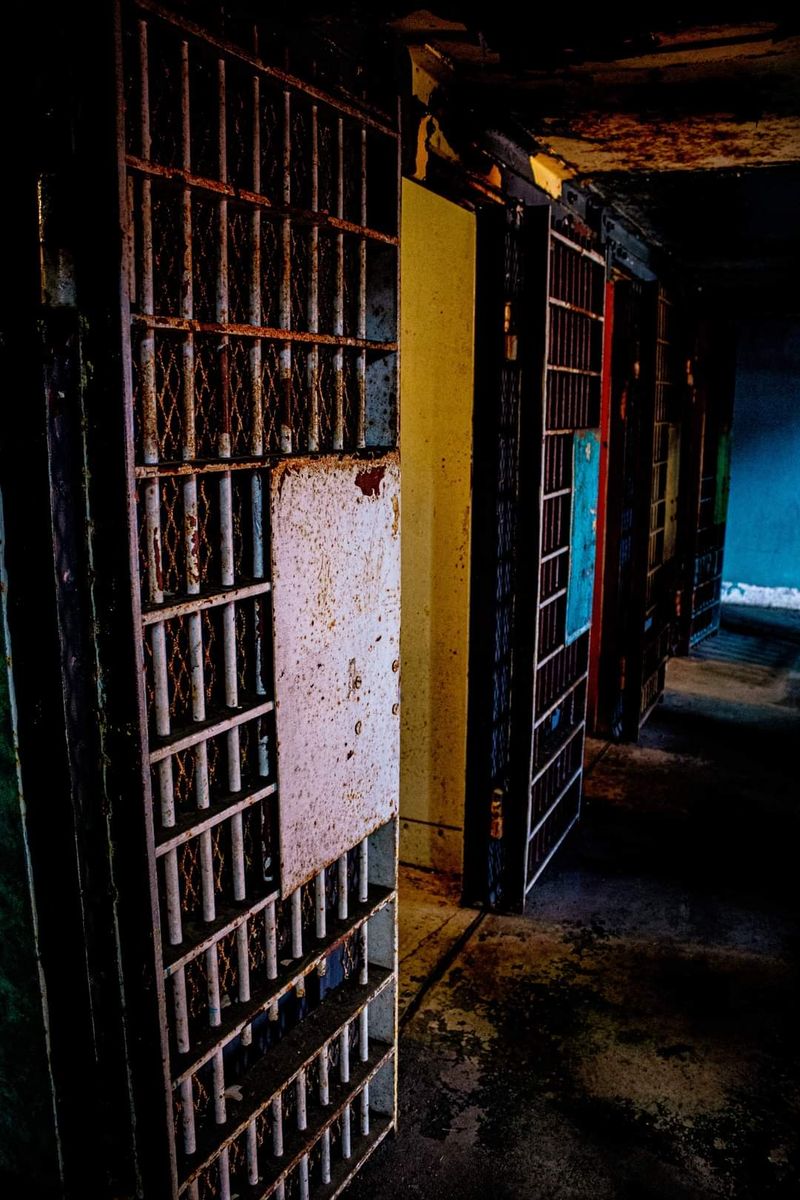
Nighttime changes everything inside these walls. Once the sun goes down, the tour menu gets far more adventurous.
The Twilight Tour lets you see the prison in evening hours. It’s a good middle step if a full ghost hunt sounds like a bit much.
Photographers have their own option. Photography Tours offer about four hours of self-guided exploring, perfect for capturing peeling paint and long corridors.
Ready to go all in? Public Ghost Hunts and Private Paranormal Investigations each last about six hours.
Both are for guests 18 and older. Some can include overnight stays, which gives you plenty of time to test those legends personally.
Fall brings the biggest crowds of the brave. Around Halloween, the prison hosts the Dungeon of Horrors haunted house.
There’s also the North Walk, a lights-out flashlight tour through the northern section. That’s the area with the strongest paranormal reputation, so it’s not for the jumpy.
I like how the options let you pick your own comfort level. A parent who loves ghost stories can finally plan a night that’s just for the grown-ups.
Event schedules shift by season, so check the calendar before you plan.
Comfy Shoes, A Jacket, And An Eye On The Clock
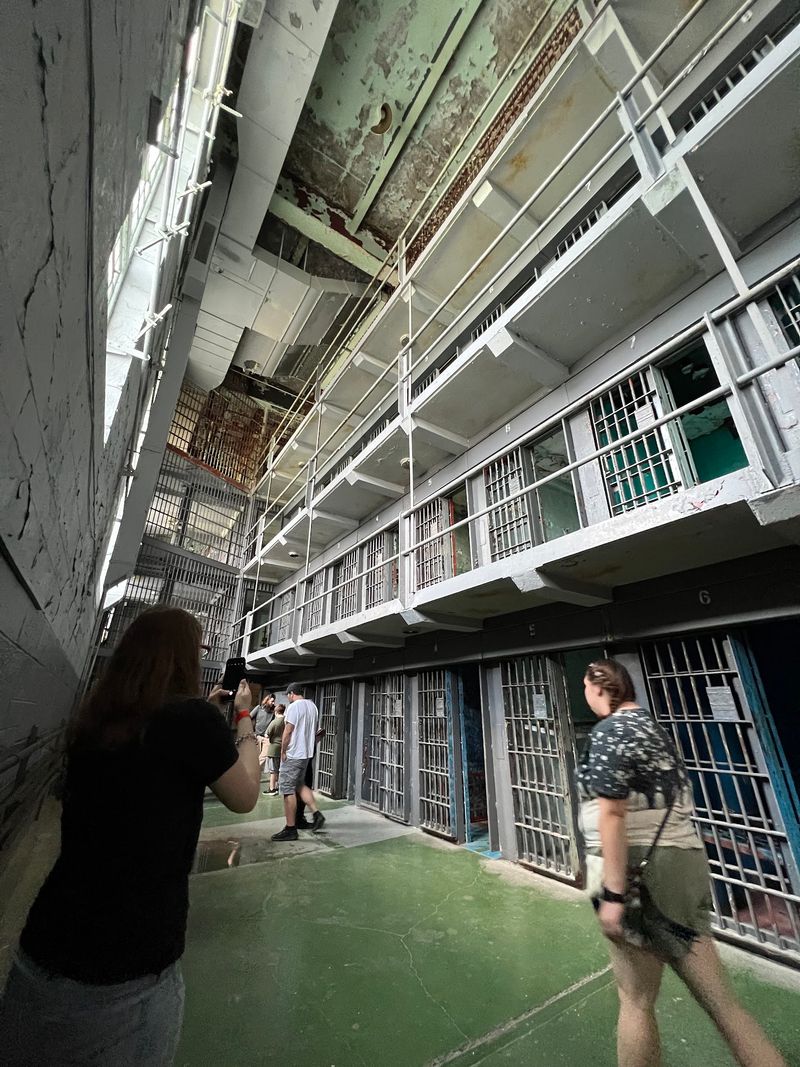
Timing matters more than you’d think. Day tours generally run Tuesday through Saturday from 10:45 AM to 3 PM, with Sundays and Mondays closed for regular daytime hours.
Tours typically start at the top of the hour. The last one leaves at 3, so arriving late in the afternoon cuts things close.
Shop first if you want souvenirs. The gift shop may close before a late tour ends, and its prison-themed goods are a fun stop.
Ticket prices stay friendly for a big attraction. Discounts are offered for military members, veterans, and seniors 55 and up, which is a nice perk for budget-minded travelers.
Dress for the weather inside, not just outside. The old stone building has no modern climate control, so summers can feel warm and late fall can feel chilly.
The main operating season reportedly runs from early April through late November. Booking special tours ahead is smart, since popular nights can fill up.
You’ll find the West Virginia Penitentiary at 818 Jefferson Ave, Moundsville, WV 26041. Parking near the mound across the street makes a two-stop outing easy.
Wear sturdy shoes, too. Concrete floors and stairs add up over 90 minutes.
A Spooky Stop That Earns A Spot On Any West Virginia Road Trip
Closure came in 1995, after the West Virginia Supreme Court of Appeals ruled the tiny cells violated constitutional protections. The last inmates moved to a new correctional complex, and the old fortress began its second life.
That second life has been a big success. Few historic sites manage to serve history lovers, ghost hunters, and photographers equally well.
Who should go? Adults curious about true stories will feel right at home on the day tour.
Teens who love a good scare usually find it more exciting than a typical museum. Ghost hunting fans, meanwhile, may want to clear an entire night for the six-hour investigations.
The building has even shown up on screen. Scenes from the 2013 film Out of the Furnace were shot here.
I believe its real charm is honesty. The guides share the tough chapters alongside the quirky ones, from coal mining to inmate magazines.
Pair it with the ancient mound across the road for an easy, affordable day. It’s one of the best ways to see a different side of West Virginia.
Just maybe keep a flashlight in the car. You never know when the Shadow Man might want a photo.
