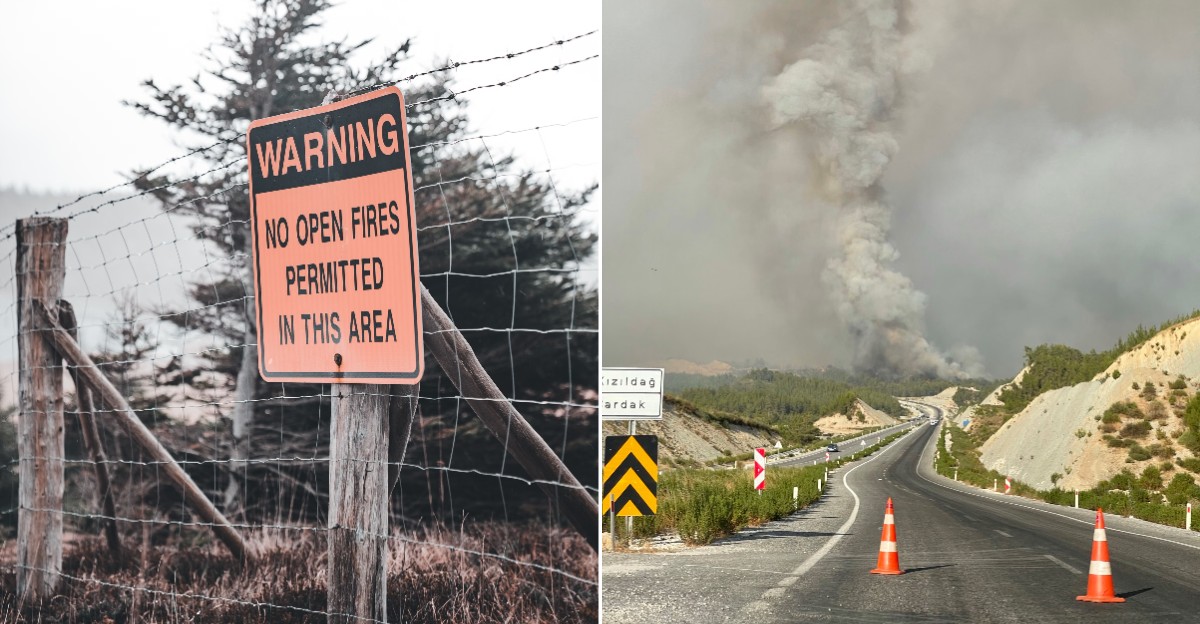
If you are traveling through Oklahoma right now, wildfire conditions are something you should be paying attention to before you hit the road.
Fires are spreading across parts of the state, and changing wind, heat, and dry conditions can quickly affect roads, visibility, air quality, and outdoor plans.
A route that looks perfectly fine when you leave may not be the best option a few hours later. Smoke can travel well beyond an active fire, while closures and local warnings can change with little notice.
Travelers should check current fire conditions and weather forecasts before setting out, especially when driving through rural areas. Keep an eye on local alerts during your trip and be prepared to change plans if conditions worsen.
Oklahoma is still open for travel in many areas, but this is not the time to ignore wildfire updates or assume conditions will stay the same all day.
Keeping Tabs On Where The Fires Are Actually Burning

The very first thing worth doing before you start driving is figuring out which parts of the state are actually dealing with flames right now. Fire activity in Oklahoma tends to cluster in specific counties rather than spreading everywhere at once, which is honestly good news for anyone trying to plan around it.
Incidents like the Alexander Trail Fire in Pushmataha County and the Rush Fire in Comanche County near Meers have been among the larger ones getting attention lately. Those names matter because they tell you which corners of the map deserve a second look before you commit to a route.
Fire conditions shift fast depending on wind and humidity, so something that looks serious in the morning might be mostly contained by evening, or it could go the other direction entirely. That is why checking once and calling it good does not really work here.
My honest suggestion is to look at the fire situation the night before you travel and then again right before you pull out of the driveway. It takes a couple of minutes, and it keeps you from driving straight into a mess you could have easily avoided with a quick glance at a map.
Where To Get Official Updates You Can Actually Trust
When something like this is happening, the internet fills up with secondhand chatter, and sorting real information from rumor gets exhausting pretty quickly. Going straight to the official sources saves you a lot of guessing.
The Oklahoma Department of Emergency Management is the main hub for wildfire updates and safety guidance, and they coordinate with Oklahoma Forestry Services so the information stays consistent. Their headquarters sits at 2401 N Lincoln Blvd, Oklahoma City, OK 73105, which is handy to know if you ever want to confirm you are looking at the right agency.
Another resource worth bookmarking is the Oklahoma Mesonet and its OK-FIRE page, which breaks down fire risk conditions and lists active burn bans by county. That burn ban list alone can tell you a lot about how dry things are in the area you are heading toward.
County emergency management offices and local sheriff departments also post updates, and those tend to be the most specific about road closures. If you are traveling through a rural stretch, following the county page for that area is genuinely one of the smartest things you can do before heading out.
Understanding What A Red Flag Warning Really Means
Ever seen a Red Flag Warning pop up on your phone and wondered whether it was serious or just weather-service caution? It is serious, and it is worth paying attention to.
The National Weather Service issues these when three things line up at once: very low humidity, extremely dry vegetation, and strong winds that keep shifting direction. Put those together and a single spark can turn into a fast-moving grass fire before anyone has time to react.
What that means for you as a traveler is pretty simple. On a Red Flag day, avoid anything involving open flame, be careful where you park, and understand that any fire that starts nearby could move quicker than you would expect across open country.
Oklahoma sees these warnings fairly often because of how wind behaves across the plains, so do not assume one is a rare emergency. Treat it as a signal to be extra careful and to keep your travel plans a little loose.
If you are camping or staying somewhere rural when a warning is active, know your exit routes. Having two ways out of an area is the kind of small preparation that costs you nothing and could matter a lot.
Smoke Travels Way Farther Than You Think
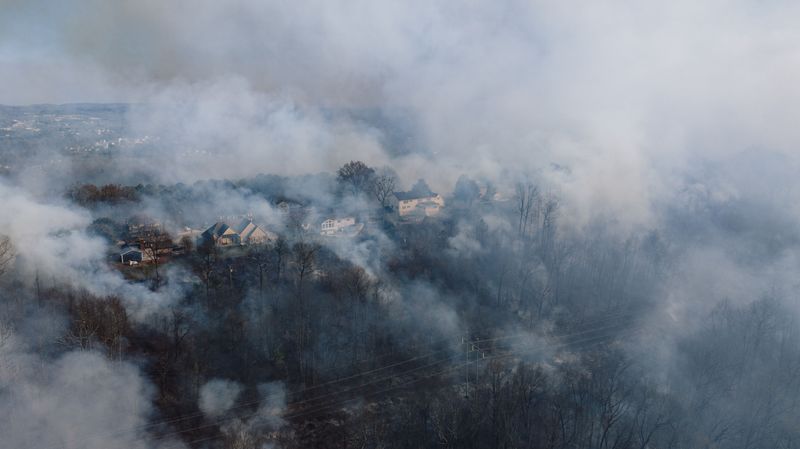
Here is something a lot of people underestimate: you can be nowhere near a fire and still feel it. Smoke drifts for hundreds of miles, and it settles into valleys and low areas where it tends to linger.
You might notice the sky looks milky or washed out, or you might catch that campfire smell while driving with the windows down. Both are signs the air quality has dropped, even if the nearest flames are far away.
Smoke is hardest on kids, older travelers, and anyone who deals with asthma or other breathing issues. If that describes someone in your car, keep the air on recirculate and plan more indoor stops than you normally would.
Honestly, even healthy adults feel it after a while. Scratchy throat, watery eyes, and a low-grade headache are all common when you spend hours outside in hazy conditions.
Checking an air quality reading before a long hike or a full day at an outdoor attraction takes about ten seconds. When the numbers look rough, swapping that plan for a museum or an indoor market is not giving up, it is just adjusting so the rest of your trip through Oklahoma still feels enjoyable.
Steer Clear Of Roads Near Active Burn Zones
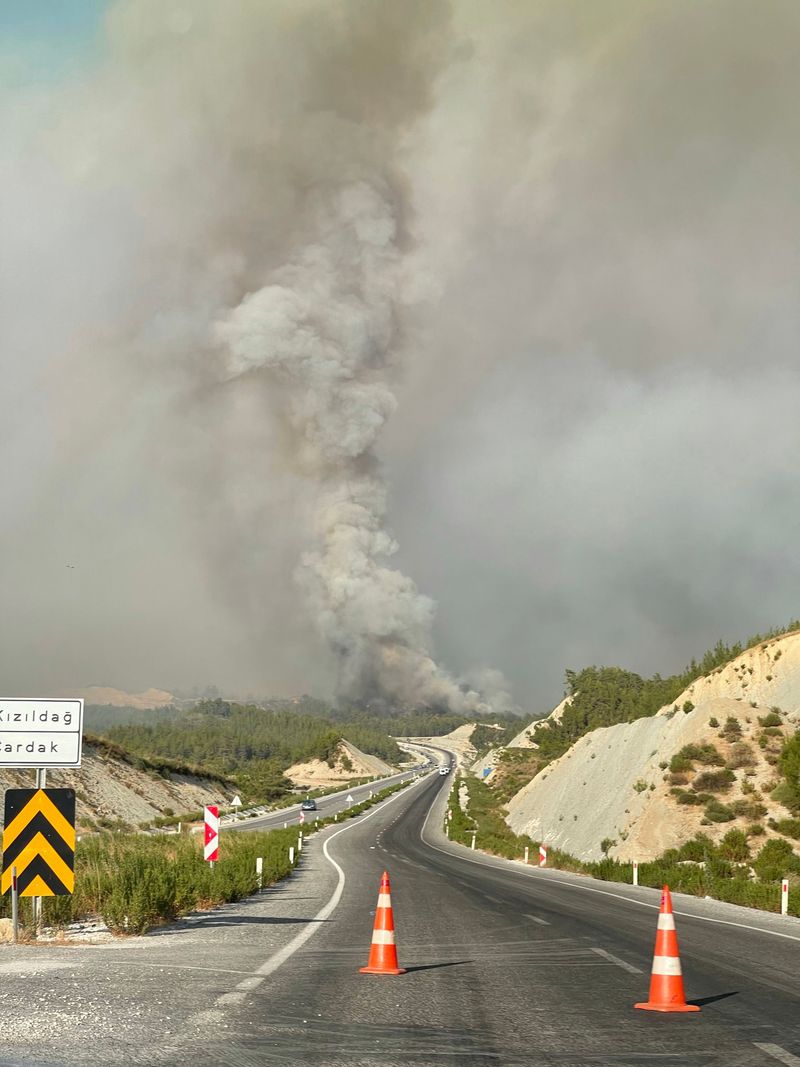
This might sound obvious, but people do it anyway, and it causes real problems. If a fire is burning somewhere, that is not the route you want to take, no matter how much time it seems to save.
Emergency crews need those roads clear. Fire trucks, water tenders, and utility vehicles are moving in and out constantly, and every extra car on that stretch makes their job slower and riskier.
Beyond that, visibility drops terribly in smoke. You can go from clear driving to almost nothing in the space of a curve, and that is how multi-car pileups happen on highways that usually feel wide open and safe.
If you hit a roadblock or see a closure sign, just turn around and take the detour without arguing about it. The officers standing out there have a much better picture of what is happening than any app does.
Padding your drive time by an hour on days with fire activity is a smart move. Detours across rural Oklahoma can add serious mileage, and knowing that ahead of time keeps you from making a rushed decision when you should be taking the long way around.
The Everyday Things That Start These Fires
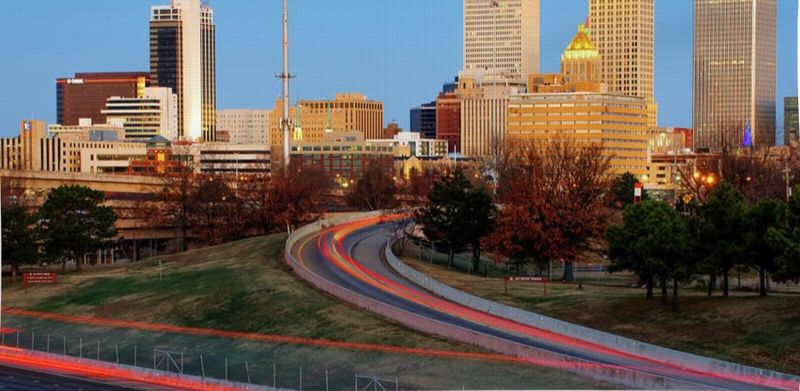
It is genuinely surprising how many wildfires trace back to something completely ordinary rather than lightning or anything dramatic. Human activity causes the majority of them, and usually by accident.
Parking on tall dry grass is a big one, because the catalytic converter underneath your car runs hot enough to ignite dead vegetation while you are off taking photos. Pulling onto gravel or bare dirt instead solves that problem entirely.
Sparks from trailer chains dragging on pavement start fires too, as does burning debris that someone thought was safely contained. Add a gust of wind and a pile of embers becomes a grass fire moving across a field.
Tossing a lit cigarette out a car window is the classic one, and it is exactly as risky as it sounds on a dry, windy day in Oklahoma.
None of this requires special knowledge or equipment on your part. Check where you park, secure whatever you are towing, and never leave anything smoldering behind you.
Small habits like those genuinely prevent fires, and travelers who pay attention to them make a real difference during dry stretches.
Alerts Versus Orders And Why The Difference Matters
Let me explain something that trips people up constantly, because the wording on emergency messages is more precise than it looks.
An evacuation alert means conditions could change and you should be ready to move quickly. That is your window to load the car, gather documents, fuel up, and figure out where you would go if the call came.
An evacuation order is different entirely. It means leave now, take the route officials specify, and do not stop to grab extra things or take one more photo of the sky.
Emergency services do not issue orders casually, because clearing an area is disruptive and expensive. When they say go, the danger is real and the timeline is short.
As a traveler, you are at a slight disadvantage because you do not know the back roads the way locals do. Following the designated route matters more for you than for someone who grew up there.
Keeping your phone charged and your alerts turned on while traveling in Oklahoma is the easiest preparation there is. Also tell someone back home roughly where you are headed each day, so if plans change fast, at least one person knows your general location.
Practical Habits For Anyone Spending Time Outdoors
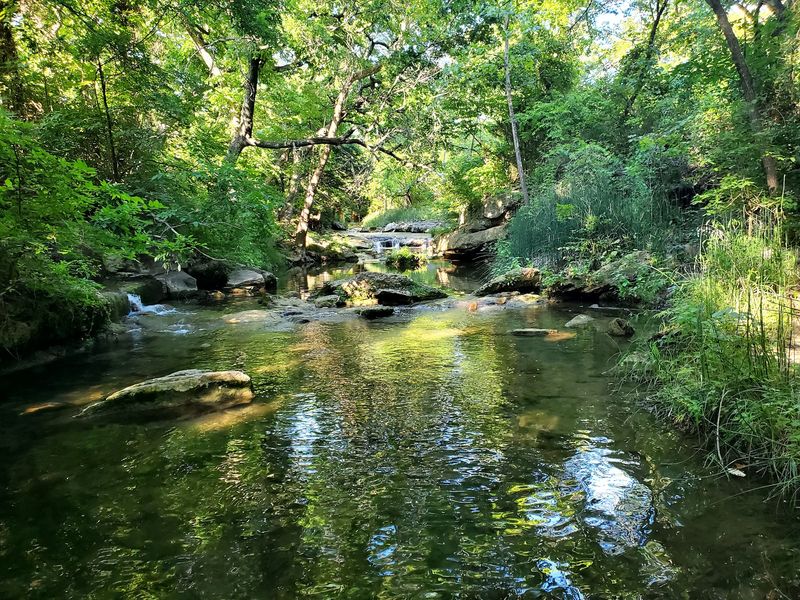
If your trip involves hiking, camping, or just wandering around outside, a few simple habits go a long way toward keeping things smooth.
Carrying extra water is the obvious one, and not only for drinking. Having a container of water and a small shovel in the vehicle gives you a way to handle a tiny problem before it becomes a large one.
Wear closed shoes and long pants when you are walking through brushy country, partly because it is more comfortable and partly because you can move faster if you need to get somewhere quickly.
Here is a request worth taking seriously: keep drones far away from any fire activity. Firefighting aircraft fly low and fast, and a drone in that airspace can ground the entire operation while crews wait for it to clear.
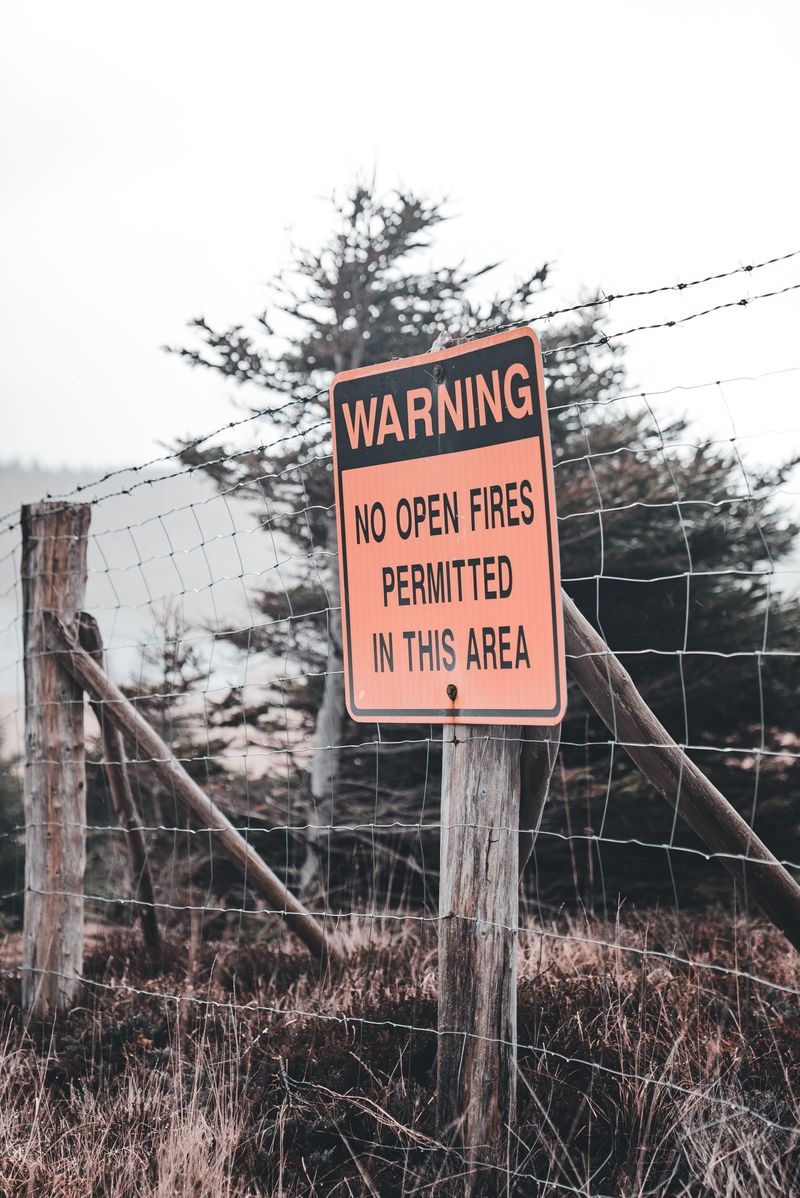
Also check whether a burn ban is active wherever you are staying, because those rules are enforced and they exist for good reason.
None of this makes being outdoors in Oklahoma less fun. It just means you are the kind of traveler people are glad to see show up rather than one who creates extra work.
Great Places That Stay Open And Easy To Enjoy

None of this means you should cancel the trip, because most of the state is going about its ordinary business while a few counties deal with fire activity.
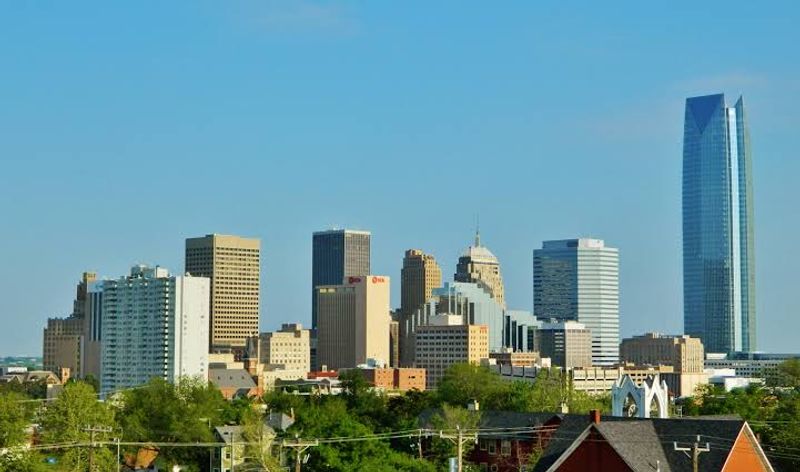
Urban destinations are generally your safest bet when conditions get iffy. The Myriad Botanical Gardens in downtown Oklahoma City is a good example, with its glass conservatory full of tropical plants that stays comfortable no matter what the air outside is doing.
Museums are the other easy answer, and Oklahoma has excellent ones covering western art, natural history, music, and state history. Spending an afternoon indoors when the sky looks hazy is not settling for less, it is just reading the room.
Small downtown districts with shops, bookstores, and coffee places also give you a relaxed way to fill a day with plenty of indoor options within a short walk.
My best advice is to build your itinerary with a couple of flexible swaps already in mind. If a park you wanted to see is affected, having a backup you are genuinely excited about means the change feels like a choice rather than a disappointment.
