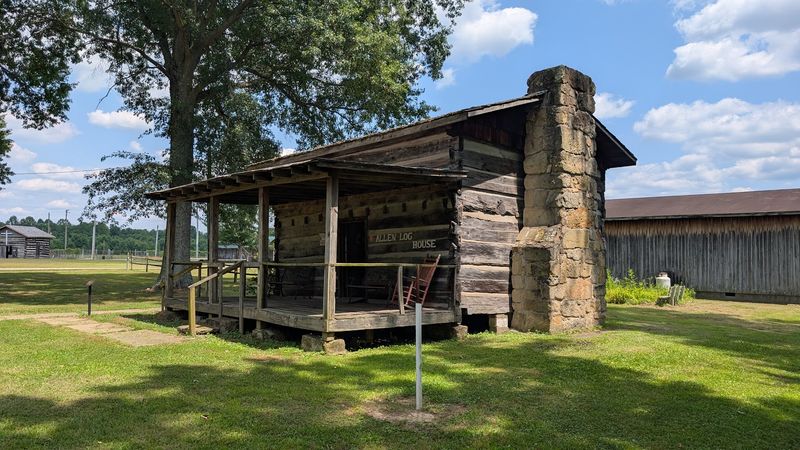
Some places don’t shout for attention. They sit quietly off a country road, waiting for curious folks to wander in and discover just how much history one patch of ground can hold.
Tucked away in West Virginia, this collection of old buildings and hand-worn tools turns a simple afternoon into a walk straight through the past. What starts as a quick detour often becomes the best part of the whole trip.
A Country Road Discovery in Point Pleasant
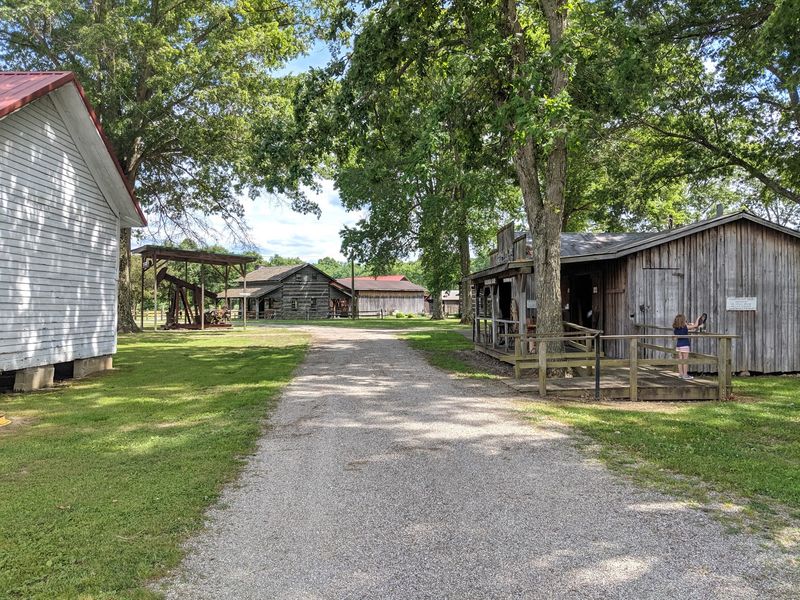
Folks driving through Mason County rarely expect to stumble onto a whole village of history sitting quietly along Fairground Road. Yet that’s exactly what waits at the West Virginia State Farm Museum in Point Pleasant.
Spread across a generous stretch of open land, the place gathers together dozens of restored buildings, antique farm equipment, and heritage artifacts that tell the story of rural Appalachian life. Visitors often describe it as a hidden gem, the kind of stop you take on a whim and remember long after.
What makes it special is how unhurried it all feels. There’s no glossy corporate polish here, just genuine old structures filled with the tools, wagons, and everyday items that shaped generations of farming families.
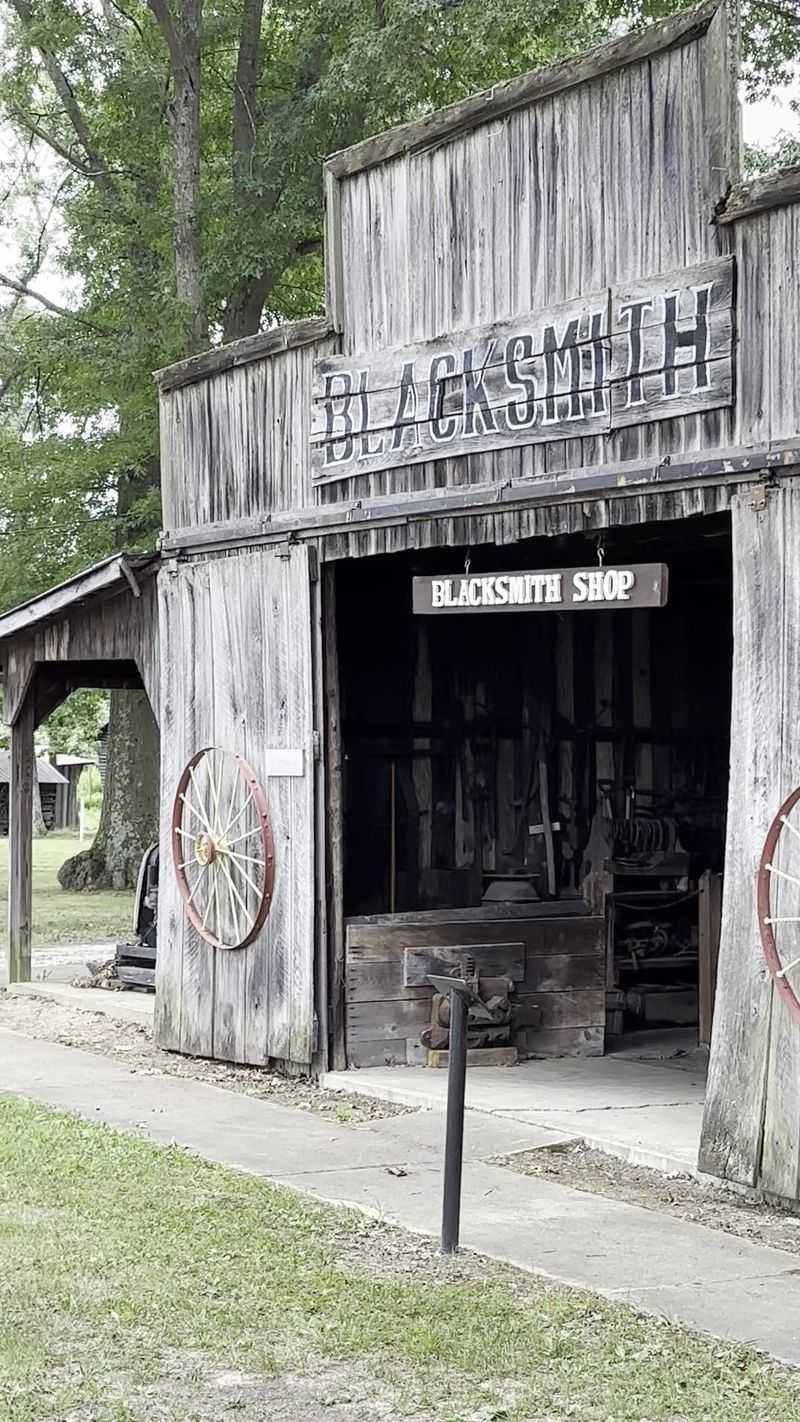
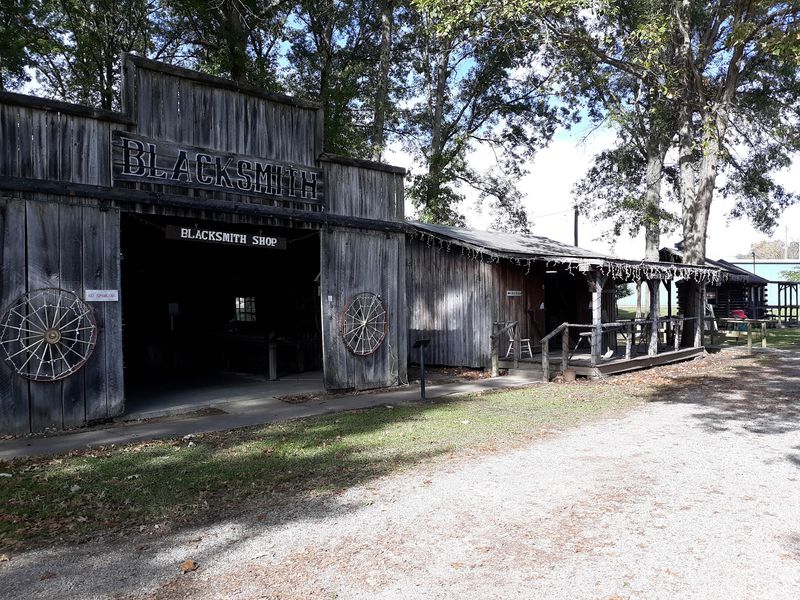
Regulars mention that a short detour off the main route is well worth it. You can peer into a blacksmith shop, walk past weathered cabins, and imagine mornings spent tending livestock and crops.
For anyone who loves a real snapshot of the good old days, this quiet corner of West Virginia delivers far more than its humble roadside appearance ever lets on.
The Story Behind This Living Slice of Appalachia
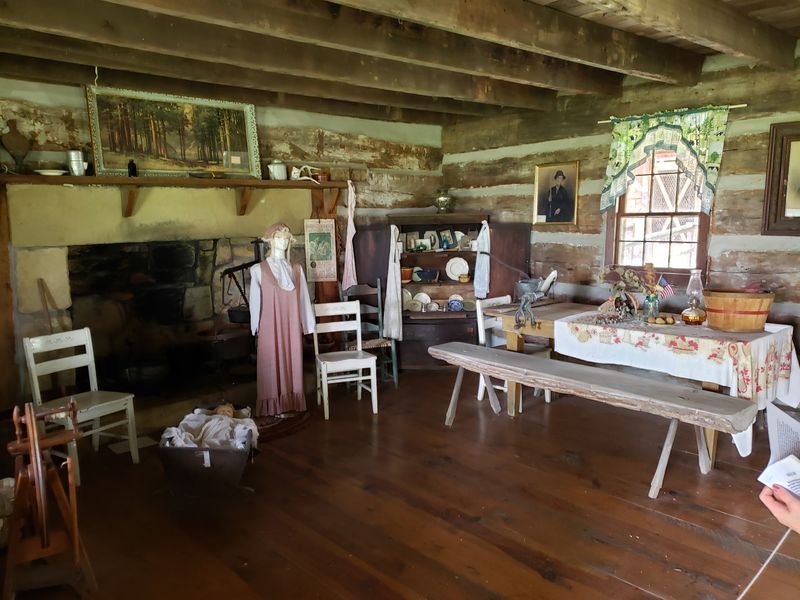
Long before it welcomed visitors, this land became a gathering point for the pieces of a fading way of life. The museum was built to preserve early farming community traditions across West Virginia, and that mission shows in every carefully placed artifact.
Management and dedicated volunteers spent years restoring and recreating buildings, then filling them with genuine items from the past. The result feels less like a static display and more like a small town frozen in an earlier century.
Guests often note how authentically West Virginian the atmosphere feels. It’s warm, welcoming, and rooted in local heritage rather than dressed up for tourists.
Part of the charm comes from knowing the collection keeps growing. New structures and exhibits appear over time, which means returning visitors nearly always find something they missed before.
Many people say the place deserves more attention, and a bit more state support to keep the older buildings sturdy. Still, the heart of the museum stays strong.
It honors the rural traditions that shaped the region, keeping shared memory alive for families and travelers who appreciate where they came from.
Wandering Through the Historic Buildings
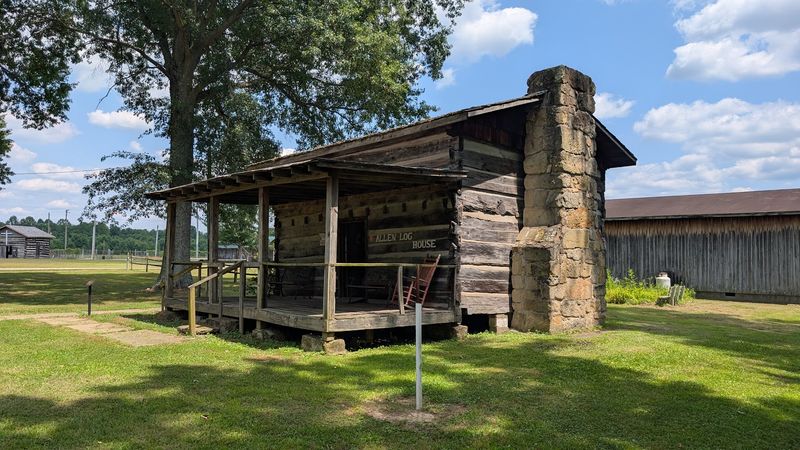
Step past the first cabin and you quickly realize this isn’t a one-room stop. Building after building lines the grounds, each one holding its own little world of the past.
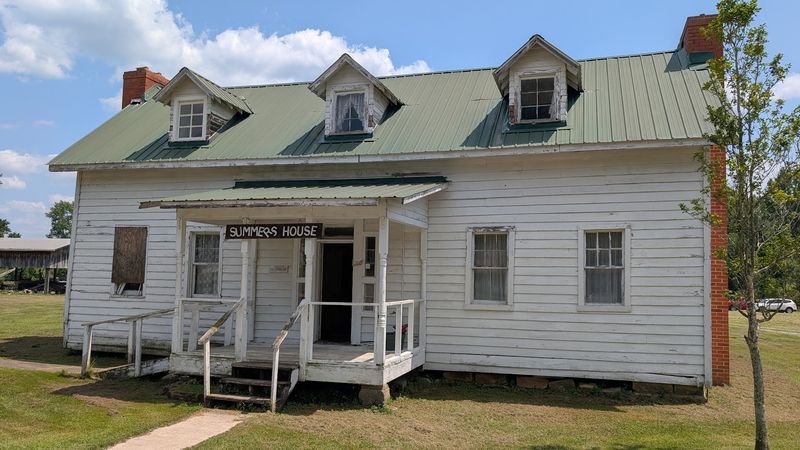
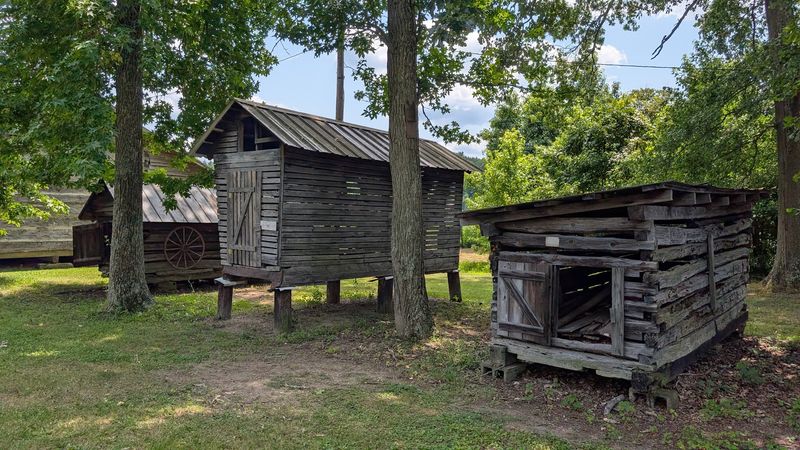
There’s a schoolhouse, a general store, cabins, and countless outbuildings, all laid out across a wide, walkable space. Visitors describe it as being like miniature town homes that give a real snapshot of past times.
What keeps the experience fresh is the surprise factor. You genuinely don’t know what you’ll find from one doorway to the next, and that unpredictability keeps folks moving from structure to structure.
Some buildings have been fully restored, while others were carefully recreated to match how things once looked. A few, like the schoolhouse, occasionally close for repairs, since preservation here is an ongoing labor of love.
Regulars point out that not everything stays unlocked at all times, and the small staff sometimes needs to open certain areas. That gentle, low-key rhythm suits the place perfectly.
Wandering these historic buildings feels like unhurried time travel through the rhythms of old Appalachian farm life.
Tractors, Tools, and the Machinery of Farm Life
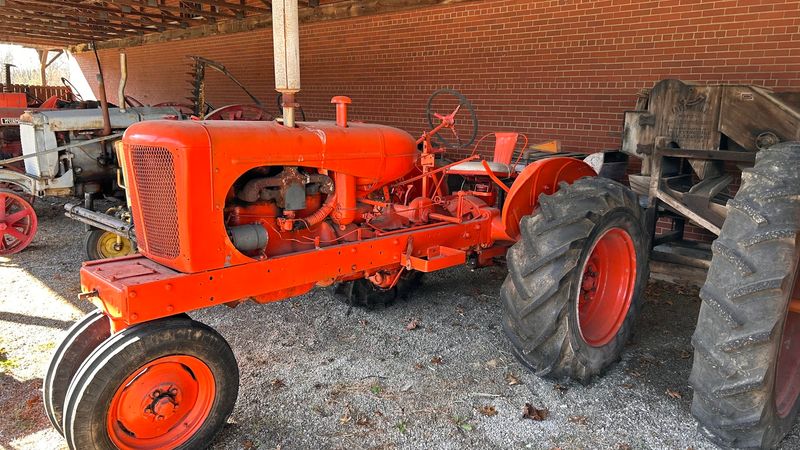
Machinery buffs tend to slow way down once they reach the equipment displays. Rows of antique tractors and old farm implements line the grounds, each a reminder of the sweat and ingenuity that fed the region.
The collection covers a remarkable range of tractors and farm equipment, from horse-drawn tools to iron workhorses of the mechanical age. Seeing them gathered in one place gives a real sense of how farming evolved decade by decade.
Visitors frequently marvel at the sheer diversity of tools on display. It’s the kind of hands-on history that makes the past feel tangible rather than distant.
Younger guests get a kick out of imagining these massive machines rumbling across fields, while older folks often recognize equipment from their own childhood farms.
The blacksmith shop adds another layer, showing how tools were forged and repaired long before hardware stores existed. Together, the machinery and workshops paint a full picture of self-reliant rural living.
For anyone raised around agriculture, this section stirs powerful memories. For everyone else, it offers a genuine glimpse into the backbone of West Virginia’s farming heritage.
The Curious World of the Taxidermy Rooms
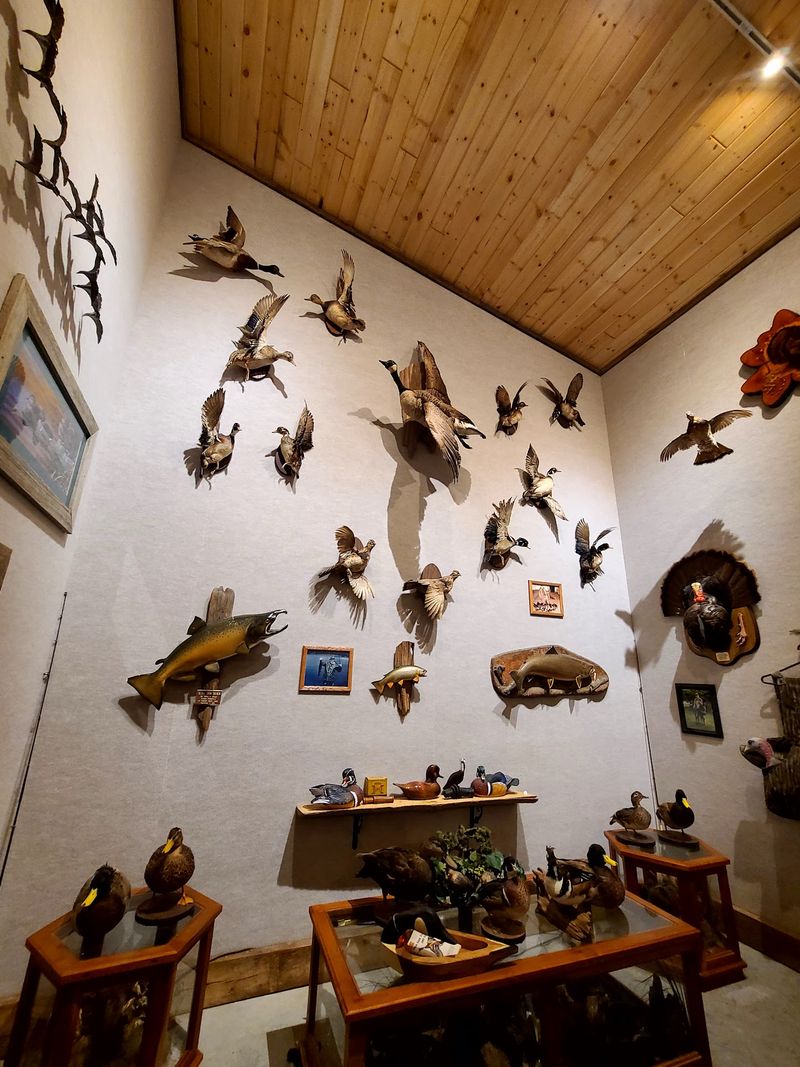
Not every corner of the museum sticks to plows and wagons. Tucked among the buildings sits a collection of taxidermy that surprises nearly everyone who walks in.
Preserved animals fill several display areas, ranging from familiar farm creatures to more unusual specimens. Visitors mention everything from carefully mounted wildlife to a rather memorable stuffed pig’s head that sparks plenty of conversation.
Reactions vary quite a bit, and that’s part of the fun. Some guests find the rooms fascinating and biologically interesting, while others admit the displays aren’t quite their cup of tea.
Either way, the taxidermy adds an unexpected layer to the visit. It connects farm life to the surrounding natural world, reminding folks how closely rural families lived alongside the animals of the Appalachian landscape.
People who enjoy natural history often linger here longest, studying the detail and craftsmanship behind each mount. It’s a quirky, one-of-a-kind feature you simply won’t find at most heritage sites.
Whether it charms or startles you, the taxidermy collection guarantees you’ll leave with a story to tell about your afternoon in Point Pleasant.
Artifacts That Whisper Stories of the Past
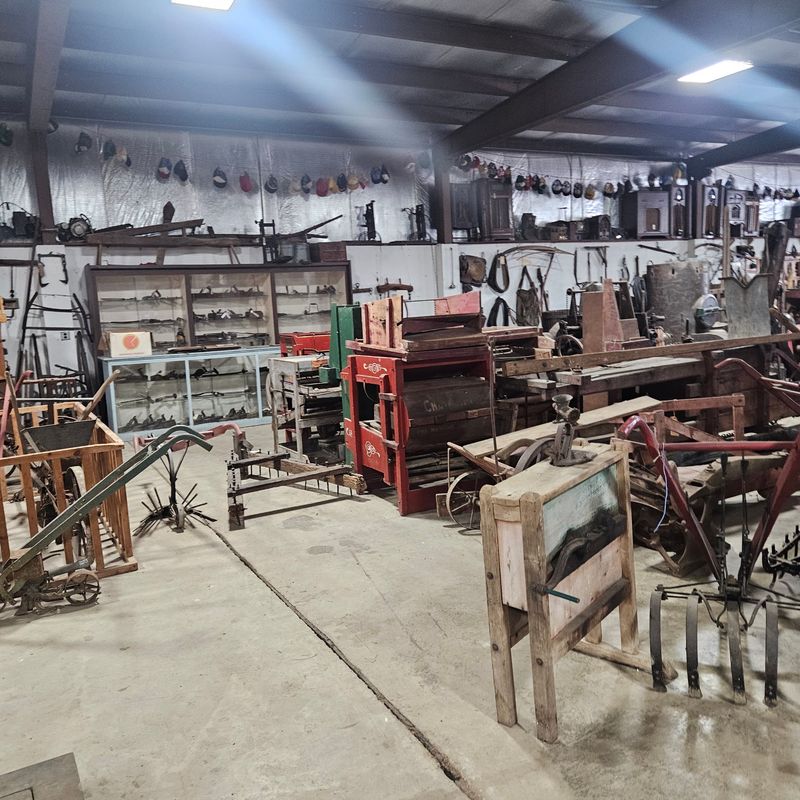
Every shelf, corner, and case here seems to hold a story waiting to be uncovered. The artifact collection ranks among the museum’s greatest strengths, and visitors return again and again to explore it.
Historic tools, household items, and local heritage pieces fill the buildings, offering a real glimpse into the daily routines of rural families. Each exhibit feels carefully preserved, as though someone set it down only yesterday.
Guests often remark on how diverse and interesting the artifacts are. From kitchen implements to workshop gear, the range shows just how much skill everyday living once demanded.
One standout is the Bauer building, where a remarkable personal collection draws history lovers in. Folks say it captures local heritage in a way that feels deeply personal and genuine.
Part of the appeal lies in the self-guided freedom. You can move at your own pace, reading the information posted at each location and lingering wherever curiosity leads.
These artifacts do more than decorate old rooms. They quietly connect present-day visitors to the resourceful, hardworking generations who built West Virginia’s farming communities one season at a time.
When the Christmas Lights Take Over
Come winter, this quiet farmstead transforms into one of the state’s most beloved holiday destinations. Visitors call it a favorite light display in all of West Virginia, and it’s easy to see why.
Volunteers painstakingly string lights around the old historic buildings, wrapping every structure in a warm, festive glow. The result carries a cozy county Christmas feel that draws families back year after year.
Here’s a detail you won’t find elsewhere: every kind of tractor and piece of farm equipment gets decked out in lights too. Seeing those iron machines glowing against the winter dark is a sight all its own.
Part of the seasonal magic is the blacksmith shop, which regulars say looks different every single year. That little surprise keeps the tradition feeling fresh.
On weekends, Santa settles into one of the buildings to greet children, and past visits included hot chocolate to warm chilly winter nights.
The drive-through display isn’t especially long, but it’s brimming with heart. For local families building holiday memories, the museum’s Christmas lights have become a cherished piece of the season.
The Volunteers and Staff Who Keep History Alive
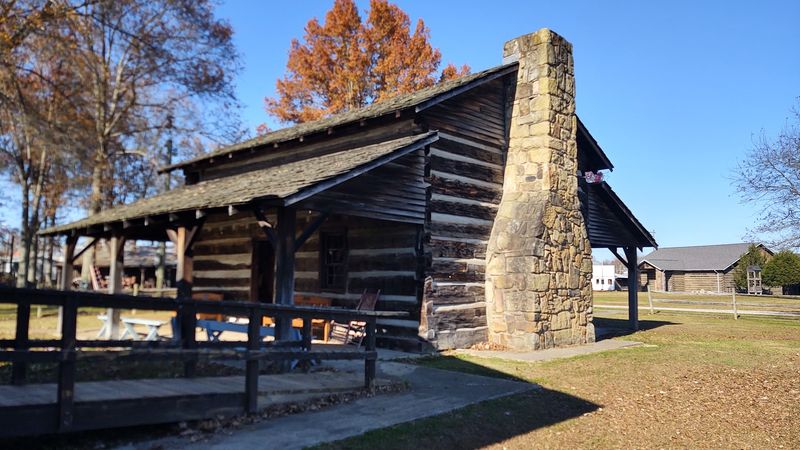
Behind every restored cabin and polished artifact stands a small, devoted crew doing the heavy lifting. The museum runs largely on volunteers, and their care shows in every corner of the grounds.
Guests consistently praise the staff as knowledgeable and welcoming. Many recall being personally greeted upon arrival, then told about everything happening around the property.
That friendly guidance turns a simple walk into something richer. Folks who take time to ask questions often walk away with stories and details they’d never have discovered on their own.
Because the team is small, a little patience helps. Some buildings and the gift shop occasionally need a staff member to unlock them, but visitors rarely mind the gentle, unrushed pace.
The dedication runs deep. Volunteers handle restoration projects, seasonal decorating, and daily upkeep, all to keep this piece of Appalachian heritage standing.
Several visitors specifically encourage others to appreciate how much effort goes into preserving the place. That human warmth, more than any single exhibit, is what makes the museum feel like a labor of love passed down through caring hands.
A Family Outing That Teaches Without Trying
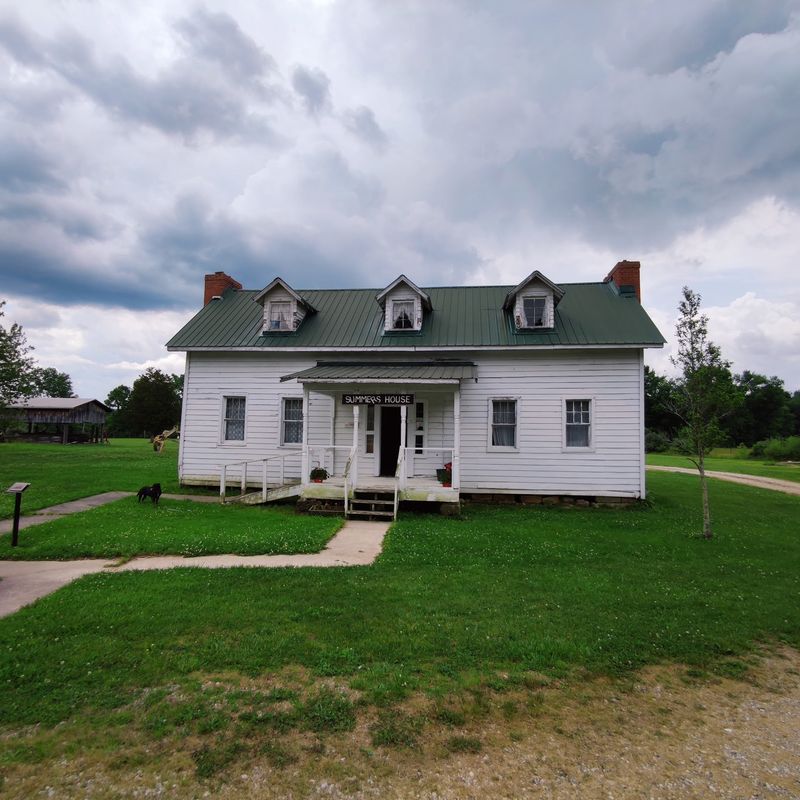
Parents hunting for an outing that entertains and educates in equal measure will find a real treasure here. The museum earns steady praise as a wonderful place to bring the family and learn about West Virginia.
Kids get to peek inside little town-style buildings, study old machines, and see how everyday life once worked without a single screen involved. It’s the kind of learning that sneaks up on you.
The self-guided format works beautifully for families. Little ones can roam and explore while grown-ups read the information posted at each stop, letting everyone move at a comfortable rhythm.
Visitors mention it’s great for both education and leisure, blending genuine history with plenty of open space to wander. That balance keeps children engaged and adults genuinely interested.
Because the grounds are broad and varied, boredom rarely gets a chance to set in. There’s always another building, tool, or curious exhibit around the corner.
For West Virginia families wanting an affordable day that sparks curiosity about their own roots, this museum hits the mark. It’s history you can walk through, touch with your eyes, and talk about together long afterward.
Free Admission and the Spirit of Giving Back
Here’s a rare treat in a world of steep ticket prices: getting in costs nothing at all. The museum welcomes everyone with free admission, which visitors mention again and again as a wonderful surprise.
Instead of a set fee, donation boxes sit around the property, quietly inviting guests to chip in whatever they can. Regulars strongly encourage tossing a little money their way, since those contributions keep the whole place running.
For folks on a fixed income or families watching their budget, that affordability makes a real difference. You can enjoy a full, meaningful outing without spending a dime unless you choose to.
The donation model also builds a sense of shared ownership. Many visitors say supporting the museum feels like helping preserve a piece of West Virginia history for the next generation.
Because the staff runs lean and relies heavily on volunteers, every bit of support matters. Cash boxes placed throughout make giving simple and low-pressure.
It’s a refreshingly honest arrangement. Come for a free afternoon of history, and if the experience moves you, leave a little something behind to keep the lights on and the buildings standing.
How Much Time You Really Need Here
Don’t let the modest roadside look fool you into planning a quick pop-in. This place is larger than most people expect, and it rewards those who give it room to breathe.
Some visitors budget around two hours and feel that covers the highlights nicely. Others get so absorbed they stay four hours or more, wishing they’d left even more time.
The sprawling grounds and building-by-building layout mean there’s always more to explore. Rushing through, as a few guests admitted doing, leaves you wanting to return for a slower second visit.
Pacing yourself pays off here. Reading the posted information, chatting with staff, and truly taking in each exhibit turns a decent stop into a memorable one.
Because it’s self-guided, you set the tempo entirely. Move quickly if you must, but the museum genuinely shines when you let curiosity lead the way.
A helpful tip from regulars: visit on a regular day rather than during the county fair, when the grounds fill with people and campers. A calmer day lets you soak in the history without the crowds, exactly how this peaceful spot is meant to be enjoyed.
Getting There and Planning Your Visit
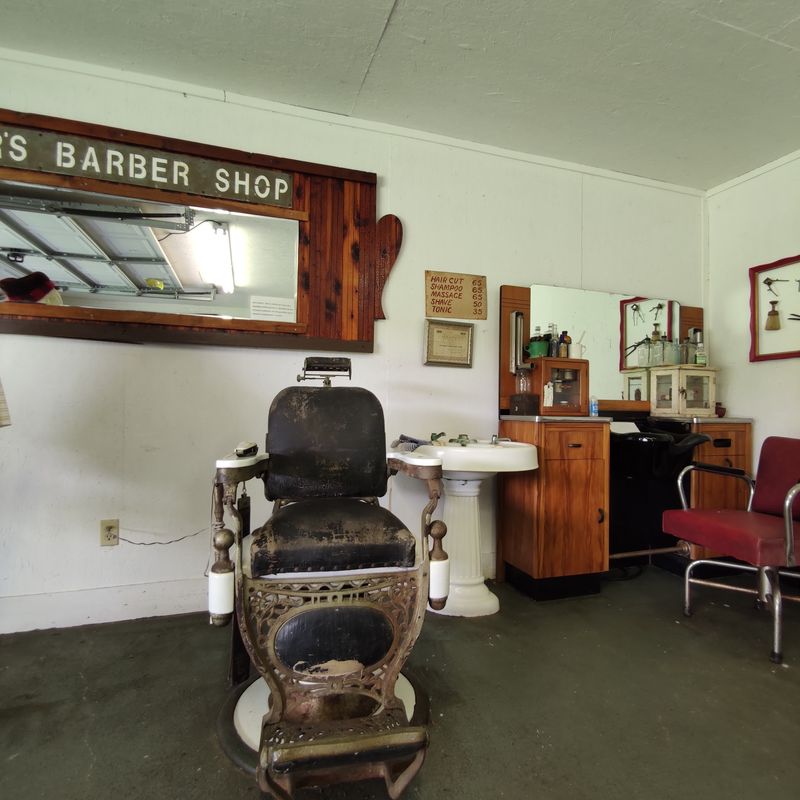
Reaching this quiet corner of history is refreshingly easy. Sitting close to town and near gas stations and local schools, the museum makes for a convenient stop whether you’re passing through or planning a whole day around it.
The grounds open Tuesday through Saturday from 9 AM to 5 PM, with Sunday and Monday closed. Keeping those hours in mind helps you avoid an unlucky trip to a locked gate.
Comfort-wise, it’s a mixed bag by design. Not every building is air conditioned, since these are genuine historic structures, but restrooms are available on site.
Accessibility is mostly accommodating too. Guests describe the property as largely handicapped accessible, though the older buildings and grassy paths mean sturdy shoes are a smart choice.
Bringing a little cash is wise, both for donations and for the gift shop, which offers a nice way to take a piece of the visit home.
The museum sits at 1458 Fairground Rd, Point Pleasant, WV 25550. Set aside a couple of hours, come on a quieter weekday, and you’ll have plenty of space to wander this remarkable slice of West Virginia heritage.
How It Stacks Up Against Nearby Stops
Travelers exploring the Point Pleasant area often weigh their options, and this museum tends to win them over. Some visitors even rate it a better stop than the nearby Fort Randolph.
Comparisons pop up now and then. A few folks note that Heritage Farm near Huntington may be a touch more organized and polished, yet they still call the State Farm Museum well worth the trip, especially given the free admission.
What sets this place apart is its unfiltered authenticity. It isn’t fancy, and it doesn’t pretend to be.
Instead, it offers a real snapshot of how rural life actually looked and felt.
That honest character resonates with people. The hodgepodge of exhibits, the ongoing restorations, and the volunteer spirit give it a charm no glossy attraction can quite match.
Guests appreciate that a short detour off the main route delivers such genuine value. It’s the kind of stop that turns into an unexpected highlight rather than a forgettable roadside pause.
For anyone touring the region’s history, the museum earns its place on the itinerary, standing tall among the area’s most rewarding and affordable destinations.
Why This Quiet Museum Stays With You
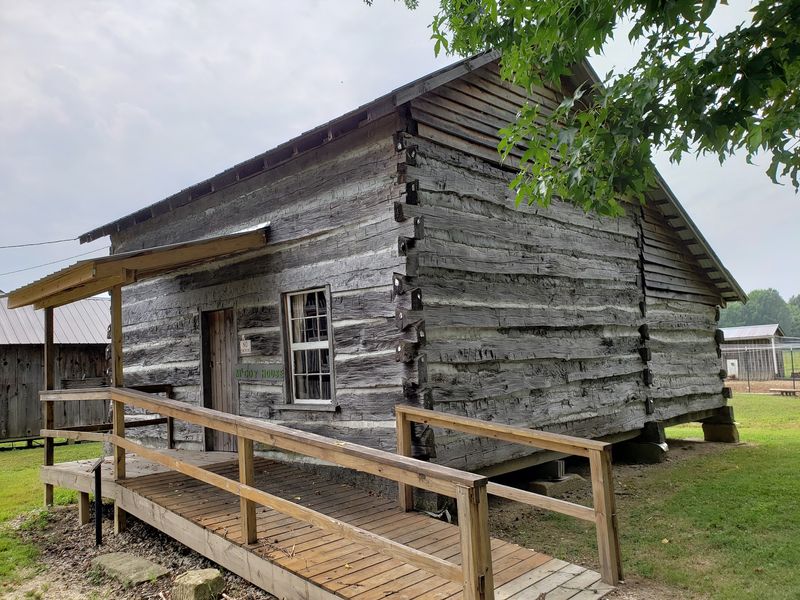
Long after you’ve driven back onto the highway, the images tend to linger. The weathered cabins, the glowing winter lights, the shelves crowded with hand-worn tools all settle into memory in a way flashier attractions rarely do.
People describe the West Virginia State Farm Museum as a hidden gem with genuine heart, and that reputation feels earned. It rewards curiosity, patience, and a willingness to slow down.
Whether you come for the historic buildings, the sprawling equipment collection, the surprising taxidermy, or the beloved Christmas display, there’s something here for nearly everyone. Families, history buffs, and casual wanderers all find their footing among the old structures.
Best of all, it costs nothing to enter, which makes it an easy yes for locals and retirees watching their budgets. A small donation keeps the doors open and the legacy alive.
If you’re looking for a peaceful, educational outing rooted in real Appalachian heritage, this quiet spot in Point Pleasant delivers far beyond expectations. Bring a couple of hours, an open mind, and a little cash, and let this humble corner of West Virginia remind you just how rich the good old days really were.
