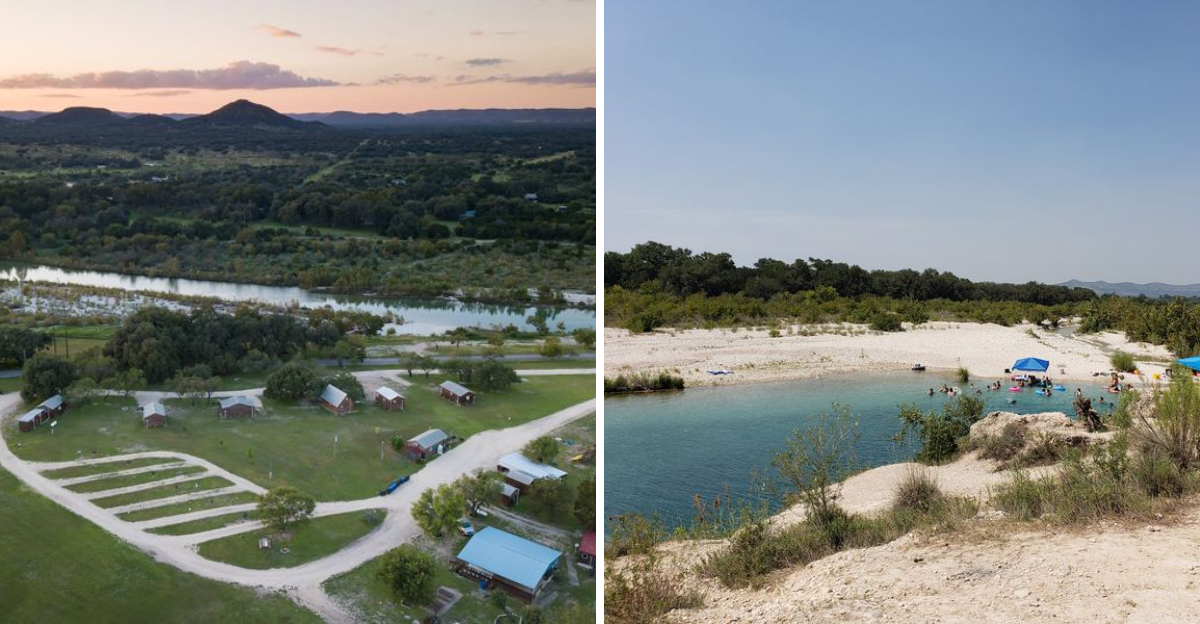
Texas heat becomes much easier to tolerate when the campground comes with a clear river running right beside it.
This riverside retreat offers campsites along with cabins and tiny homes, while the surrounding water is promoted for swimming, fishing, and simply cooling off when sitting beside the fire stops sounding appealing.
The campground itself describes the Nueces River here as crystal clear, and that famously transparent Hill Country water can take on striking blue-green shades depending on light and conditions.
Cabins and tiny homes add air conditioning, full bathrooms, fire rings, and barbecue pits for travelers whose definition of camping strongly supports indoor plumbing.
Texas has plenty of beautiful swimming spots, but combining clear river water with a campsite makes leaving after one afternoon considerably harder than simply driving home from a swimming hole.
The Nueces River And That Almost Unreal Blue
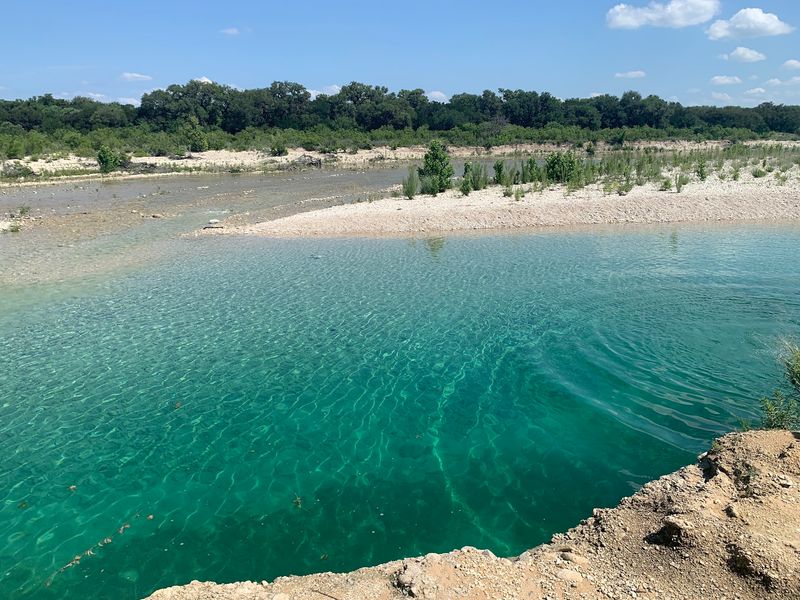
Nothing quite prepares a first-time visitor for the color of this water. Spring-fed and remarkably clean, the Nueces shifts between aqua, grass green, and a deep indigo in the shaded pools.
Locals call it the Mother River of the Hill Country, and after an hour on the bank the nickname makes total sense. It carves through the limestone of the Edwards Plateau, which is exactly why the water looks the way it does.
Pale rock underneath plus clear spring flow equals that postcard glow.
Clarity is the real gift here. Standing knee-deep, I could count minnows darting around my ankles, and dropped sunglasses are usually easy to spot and retrieve.
Fair warning about the temperature. Even in the middle of a Texas summer, the water runs brisk enough to make the first few seconds a genuine shock, so easing in slowly saves some drama.
The river is considered one of the last truly pristine waterways in the state, and that reputation shapes how people treat it. Trash stays in bags, coolers stay closed, and the shallows stay clean.
Morning light turns the surface glassy and almost mirror-like, while late afternoon deepens the blues into something closer to ink. Both are worth setting an alarm for.
Bring water shoes. The riverbed has smooth stones and the occasional slick patch, and grippy soles make wading far more comfortable for anyone planning to explore upstream.
Waking Up To 900 Feet Of Private Riverfront
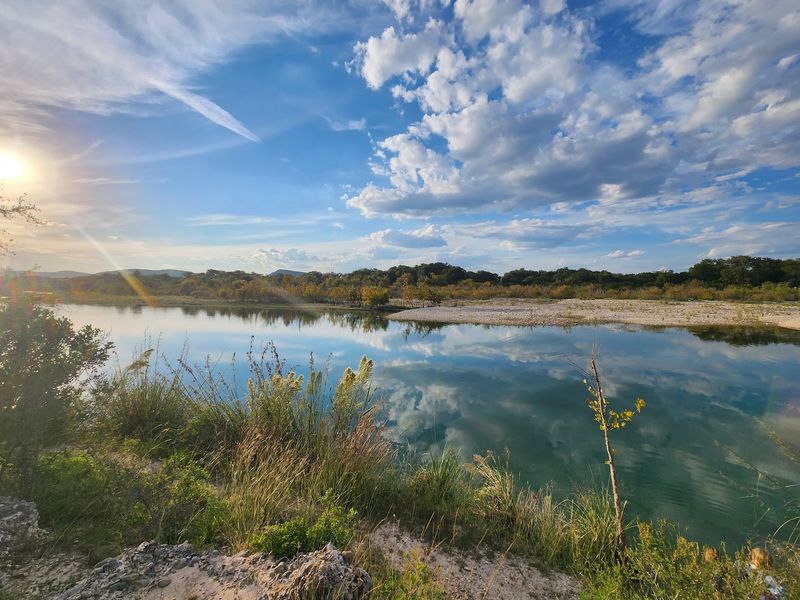
Roughly 900 feet of direct river frontage sounds like a statistic until you actually walk it. That stretch means most guests can reach the water in under a minute, coffee still in hand.
The 14-acre property spreads out rather than crowding together, which changes the whole feel of a stay. Open grassy areas separate the sites, and mature trees throw shade across much of the grounds by mid-morning.
My favorite part of the day happened before anyone else stirred. Mist hovered over the surface, a heron worked the shallows, and the only sound was water sliding over rock.
Because the frontage runs long instead of narrow, families tend to spread out and claim their own little pocket of shoreline. Nobody feels stacked on top of anybody else.
Fishing works well from the bank in the quieter stretches. Bass, catfish, and sunfish all live in these waters, and early evening tends to bring the most action.
Chairs are worth hauling down. Setting up right at the edge, feet in the current, turns into the default afternoon activity for most people who stay here.
Sunsets deserve a mention too. Light drops behind the surrounding hills and the water briefly goes gold before settling into shadow.
Anyone who has camped near a busy lake will notice the difference immediately. The pace here leans toward slow, unhurried, and refreshingly low-key from sunrise to stars.
Sleeping Options From Cabins To Glamping Pods
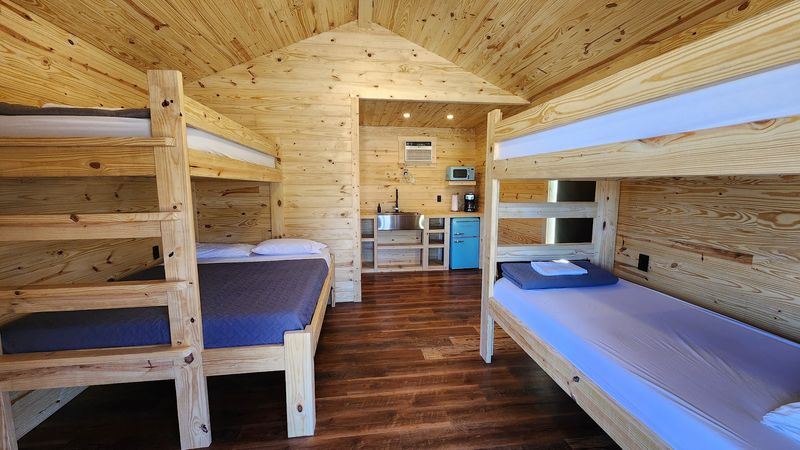
Choice matters when a group includes both hardcore tent campers and people who really prefer a mattress. Los Rios covers that whole range without much fuss.
Cabins and tiny homes handle the comfort end of things, giving guests solid walls and a real bed after a long day in the sun. Glamping pods sit somewhere in the middle, offering shelter with a bit more of an outdoorsy feel.
RV travelers get full hookups, including 30-amp and 50-amp electrical service, water, and sewer connections. A dump station on site saves a detour on the way out.
Tent campers pick their level of rustic. Some sites include electricity with water spigots nearby, while others stay completely primitive for people who want nothing between them and the sky.
What I appreciated was how the mix keeps groups together. A family can book a cabin, a pod, and two tent spots and still share one fire that evening.
Reserving early makes a real difference during warm-weather weekends, since the river draws steady interest once school lets out.
Pets are generally welcome, and base rates often include one pet, which simplifies travel for anyone unwilling to leave a dog behind.
A quick tip for tent folks. Bring extra stakes and a decent ground pad, because Hill Country soil can be thin over rock in places.
Swim Beach Days And The Deep Pools Nearby
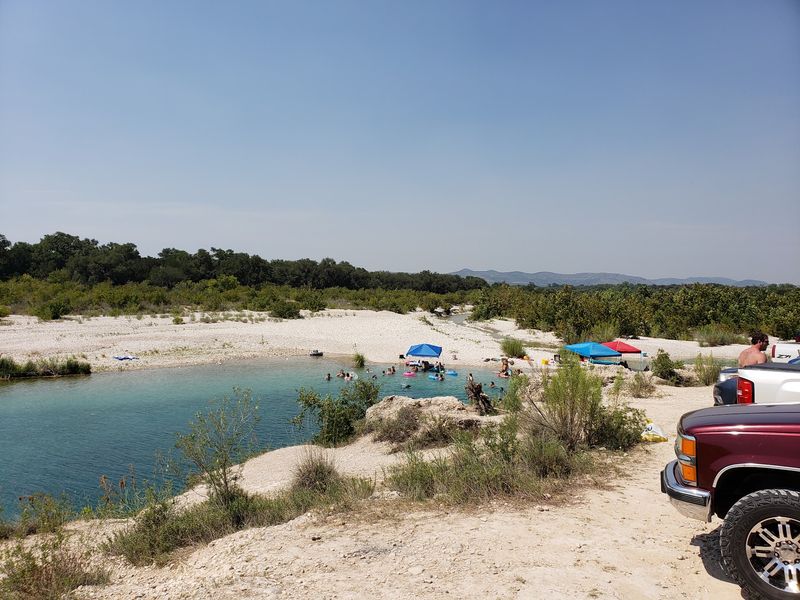
Designated swim areas take a lot of guesswork out of a river day. There is a swim beach here, which means kids can splash in shallow water while adults keep an easy eye on things.
Sand underfoot instead of sharp rock makes entry gentle for little ones and anyone who dislikes wobbling into a current. It is a small detail with a big payoff.
The clarity turns swimming into something closer to snorkeling. Goggles are worth packing just to look around at the stones and fish below.
Not far from the campground sits a well-known deep swimming hole called the Quince, pronounced keen-sey, Spanish for fifteen, a nod to its average depth in feet. It operates as a separate facility next door.
Cliff jumping happens in the area for those with the nerve and good judgment, though checking depth and conditions first is simply common sense.
Floating is the low-effort favorite. Tubing along a slow stretch, watching the trees pass overhead, ranks high on the list of ways to lose an afternoon.
Midday sun on open water can be intense, so shade breaks and plenty of drinking water keep the day pleasant.
By late afternoon the beach thins out and the water goes quiet again. Those last hours before dinner might be the best swimming of the whole day.
Paddling, Kayaks And A Boat Ramp Right There
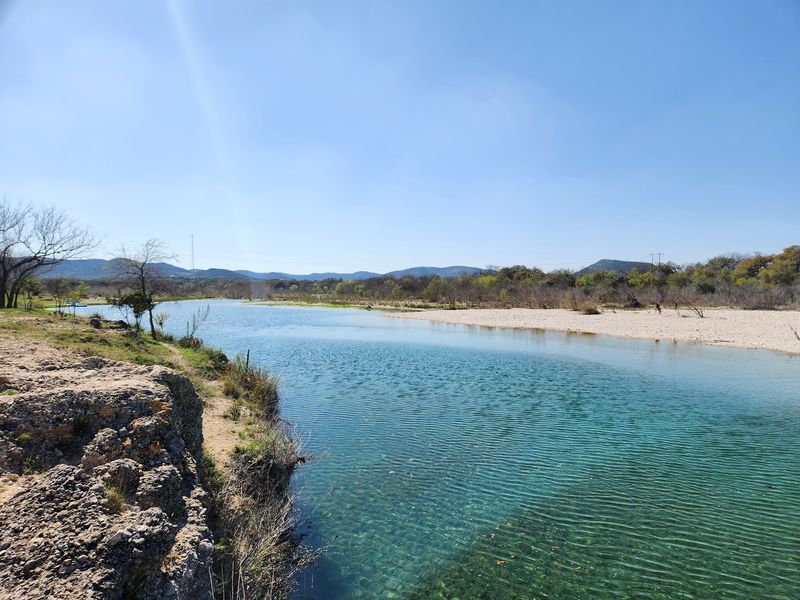
Having a boat ramp and docks inside the campground removes the usual hassle of hauling gear down a muddy bank. Load up, slide in, and go.
Kayaks and canoes suit this river well. The current stays manageable through most stretches, so beginners can paddle without feeling overwhelmed.
Stand-up paddleboarding might be the most fun option here purely because of the visibility. Standing above water that clear feels a little like hovering.
I noticed how quiet paddling changes what you see. Turtles sunning on rocks, fish holding in shadow, a kingfisher rattling along the treeline.
Anglers with kayaks get a real advantage, reaching pockets and pools that shore fishing cannot touch. Bass and sunfish hold near structure along the banks.
Early morning offers the calmest surface and the best light for photos. Wind tends to pick up as the afternoon heats up.
Life jackets are basic gear, especially with kids aboard, and a dry bag for phones saves regret later.
Sunscreen deserves reapplying more often than expected out on the water. Reflection off that pale limebed bottom bounces light straight back up.
What sticks with me is how uncrowded the paddling felt. Long stretches passed without another boat in sight, just water, rock walls, and cypress shade.
Camp Comforts That Make Family Trips Easier
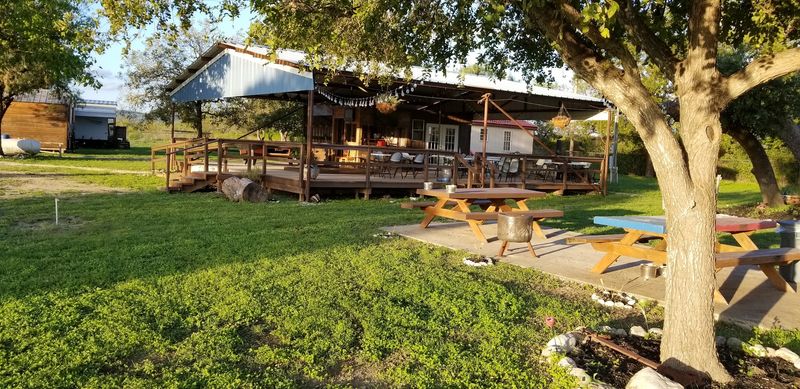
Parents notice amenities before anything else, and this place stacks up nicely. Flush toilets and showers alone move a trip from rough to genuinely comfortable.
A party pavilion with a full kitchen anchors group gatherings. Reunions, birthdays, and big family weekends all work better with counter space and shelter from the sun.
Fire rings come with cooking grates, and BBQ grills sit scattered around the grounds. Picnic tables mean no balancing plates on knees.
Kids gravitate toward the playground almost immediately after they dry off. It buys adults a solid stretch of quiet in a camp chair.
The sand volleyball court turns into an evening tradition for a lot of groups. Games start casual and get competitive fast.
Wi-Fi is available, which sounds unromantic for a river trip, but it helps anyone working remotely or checking weather radar.
Cell service in this part of Real County can be spotty, so downloading maps and playlists before arriving is a smart move.
Firewood, a good lighter, and a couple of extra towels round out the packing list nicely. Towels never last as long as expected near water.
Small conveniences add up. Being able to rinse off, cook a real meal, and still fall asleep to river sounds is a pretty ideal combination.
Camp Wood Itself, Small Town With Deep History
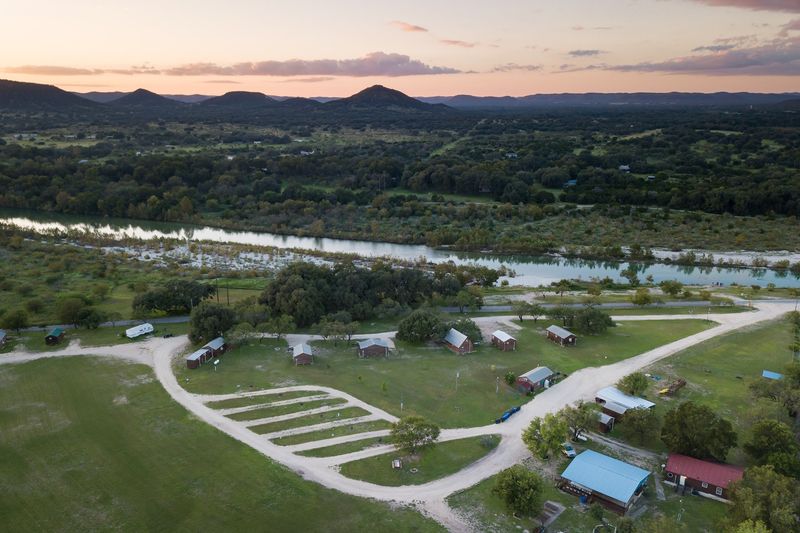
Camp Wood surprised me. For a town this small, hidden into Real County, it carries a lot of layers.
The ruins of Mission San Lorenzo de La Santa Cruz sit nearby, offering a real link to Spanish colonial history in this rugged corner of Texas. Interpretive markers help fill in the story.
The Old Camp Wood Military Post adds another chapter, reminding visitors this valley mattered long before campers arrived with kayaks.
Downtown keeps things simple. A handful of shops and restaurants make a decent break from camp cooking, and the pace invites lingering.
About 21 miles east in Leakey, the Real County Historical Museum digs deeper into regional heritage for anyone curious about ranching, settlement, and the people who shaped the area.
Birdwatching around town is genuinely good. The mix of river corridor and dry hills draws species that surprise visitors from other parts of the state.
Wildlife spotting comes easy at dawn and dusk. Deer move through the brush constantly, and patient watchers often catch more.
Hiking and biking routes wind through the surrounding countryside, with limestone hills and open sky doing most of the scenic work.
Stocking up before arriving is wise since options are limited. That said, running low on ice becomes a good excuse to explore the little downtown for an hour.
Driving The Twisted Sisters And Chasing Overlooks
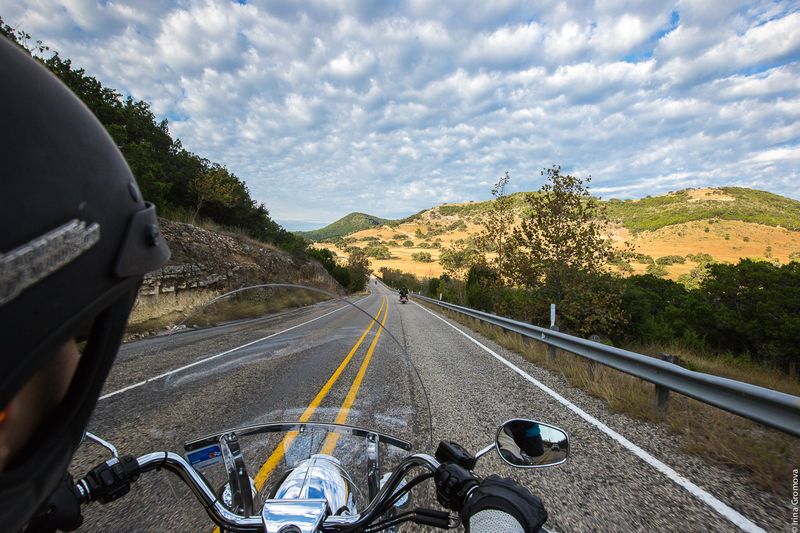
Ask anyone in the Hill Country about FM 337 and watch their face light up. That road forms part of the famous Three Sisters loop, also called the Twisted Sisters.
Texas Highways has recognized the route as one of the most scenic spots in the state, and the curves earn every bit of that reputation.
Motorcyclists love it. So do drivers who enjoy a road that climbs, dips, and swings around limestone ridges with valley views opening up between turns.
Pullouts appear at good moments, letting passengers hop out for photos without holding up traffic behind. Bring a real camera if you have one.
Timing helps. Early morning light softens the hills, and fewer vehicles on the road means a calmer, more enjoyable drive.
Fuel up before heading out. Stations are scattered and distances between towns stretch farther than the map suggests.
Wildlife on the road is a genuine consideration, especially near dusk. Deer step out with zero warning.
Leakey, Vanderpool, and Rocksprings all sit within reach along or near these routes, each offering a small stop worth a stretch break.
What I remember most is how the terrain kept changing. One minute it was dry cedar hills, the next a green river valley appeared below, and the whole drive felt like a reward on its own.
Side Trips Worth The Drive From Camp
Basing a trip here opens up some excellent day trips. Garner State Park sits roughly 40 minutes away on the Frio River, with swimming, hiking, and shady picnic spots.
Lost Maples State Natural Area is about an hour out and famous for fall color. Trails there range from easy strolls to steep climbs with big payoff views.
Devil’s Sinkhole State Natural Area offers something completely different, a massive cavern opening that draws visitors curious about the bats and geology.
Lake Nueces Park adds another water option nearby, with camping, swimming, and boating for anyone wanting variety beyond the river.
Concan, Utopia, Uvalde, and Leakey all sit within a short drive, each with its own small-town character and a place to grab a bite.
San Antonio is roughly two hours east, which makes this whole area reachable for a long weekend without a punishing drive.
Popular parks fill up in peak season, so checking availability or reservation requirements ahead of time avoids disappointment at the gate.
Packing a cooler, hats, and refillable water bottles turns any of these outings into an easy day rather than a scramble.
The nicest part is coming back at sunset. After a day of driving and hiking, that clear blue water waiting at camp feels like the reward you planned for all along.
Address: 751 River Rd, Camp Wood, Texas
