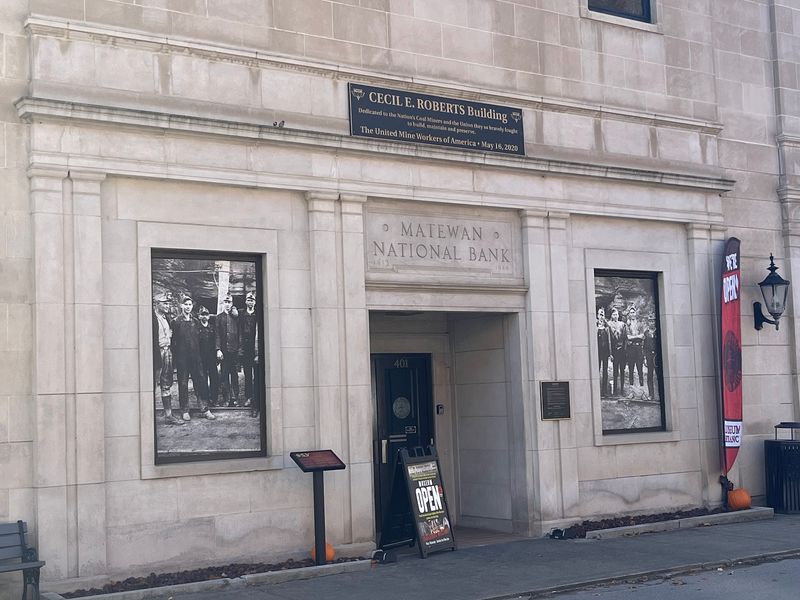
Bullet holes from a 1920 shootout still mark the brick walls of one small West Virginia town. They are real, they are still there, and you can walk right up to them.
A few steps away, a tiny nonprofit museum explains how those marks got there. It covers striking coal miners, hired company detectives, and a showdown on a spring day that changed American labor history.
I like how this story refuses to stay locked in a textbook. Admission is famously easy on the wallet, and guides can take you through town to the spots where it all happened.
I can’t imagine a better way to learn this chapter than standing where it unfolded. So how did a quiet railroad town become the spark for the largest labor uprising the country had seen in decades?
A Little Museum On Mate Street Carries A Very Big Story
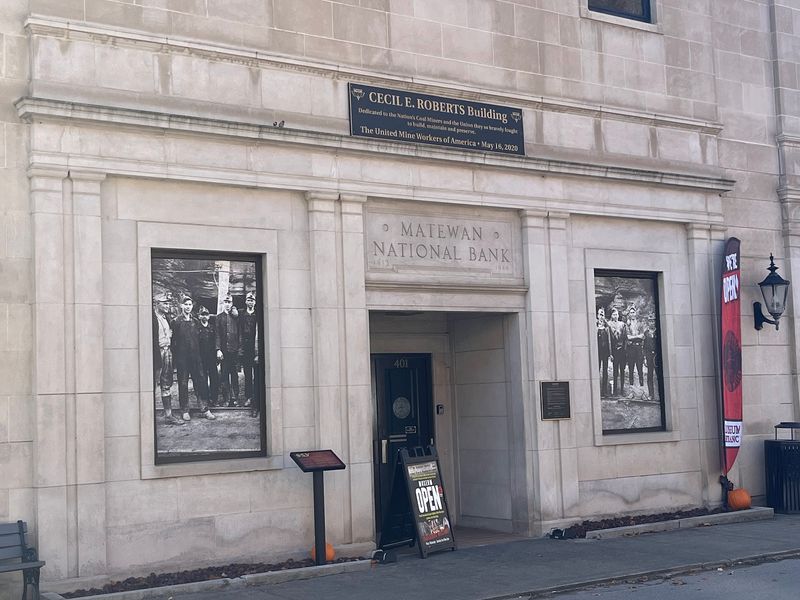
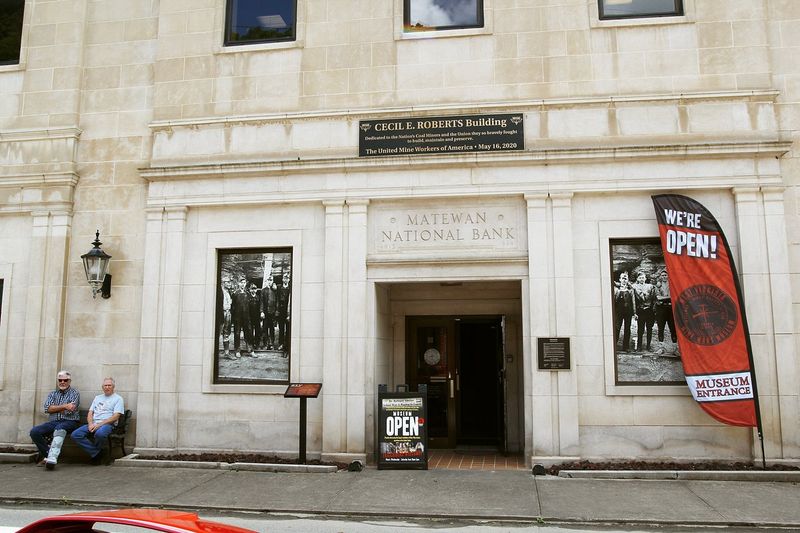
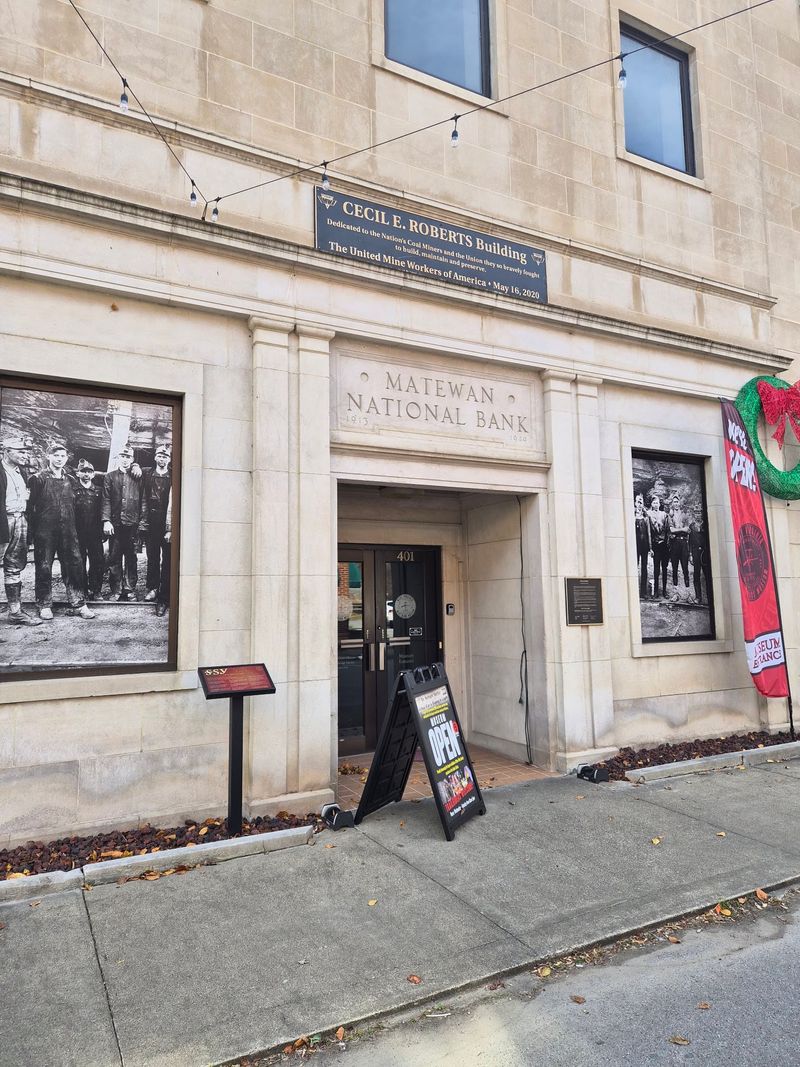
Small towns rarely get to anchor a national story, but this one does. The West Virginia Mine Wars Museum sits in downtown Matewan, a Mingo County town along the Tug Fork River.
The building looks modest from the street. Inside, though, it holds what the museum describes as the largest exhibit of Mine Wars history anywhere.
The museum runs as a nonprofit, and its focus is sharp. It tells the story of coal miners in southern West Virginia who organized for union recognition in the early 1900s.
That fight stretched across several years and several counties. Matewan just happens to be where one of its most famous moments played out in the open street.
Here’s what makes the location so compelling for curious grown-ups. You aren’t reading about faraway events while sitting somewhere unrelated.
The museum sits in the same downtown where miners, detectives, and town officials faced off in 1920. Step back outside, and the setting of the exhibits is all around you.
For parents planning a trip, that matters. Older kids and adults alike tend to connect faster when the history has an actual street address.
One Spring Afternoon In 1920 Changed Everything Here
May 19, 1920, started with evictions. Agents from the Baldwin-Felts Detective Agency arrived in Matewan to remove striking miners and their families from company-owned houses.
Local police chief Sid Hatfield and Mayor Cabell Testerman sided with the miners. Tensions climbed through the afternoon as the agents prepared to leave by train.
Then the confrontation erupted on the street. When it ended, ten people had lost their lives, including Mayor Testerman, seven agents, and two miners.
History books often call it the Matewan Massacre. The museum treats it as a turning point rather than a standalone incident, which makes the story easier to follow.
That framing helps a lot. You start to see how one tense day fed into the larger struggle that followed across the coalfields.
Sid Hatfield became a hero to many miners almost overnight. His story, and how it ended a year later, is one of the threads the museum follows closely.
Knowing these basics before you visit is helpful. Still, the exhibits fill in far more detail than any quick summary ever could.
Those Marks In The Brick Are Exactly What You Think They Are
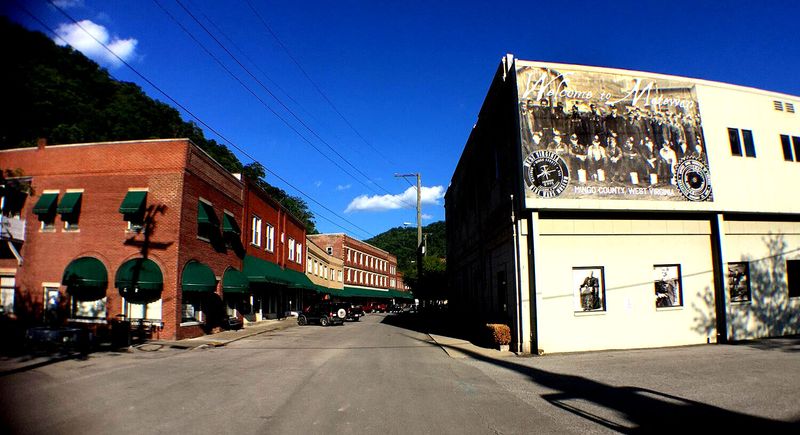
Few museums can point out the window to their best evidence. In Matewan, bullet holes from the 1920 shootout remain preserved in downtown brick walls.
That’s not a recreation or a set piece. They’re original marks left on buildings that still stand along the same streets.
Seeing them changes how the story lands. A date in a timeline feels distant, but a chipped brick at eye level feels immediate.
The museum’s town tours bring visitors to these spots. Guides can explain where people stood and how the afternoon unfolded block by block.
It’s the sort of detail that sticks with a person long after the drive home. Teens who shrug at textbooks may suddenly have a lot of questions.
Grown-ups tend to feel it too. Many folks with West Virginia coal roots have family stories that echo what happened on these streets.
Take your time here and look closely. The walls are quiet, but they’ve been telling this story for more than a century.
The Story Actually Starts Years Earlier On Paint Creek
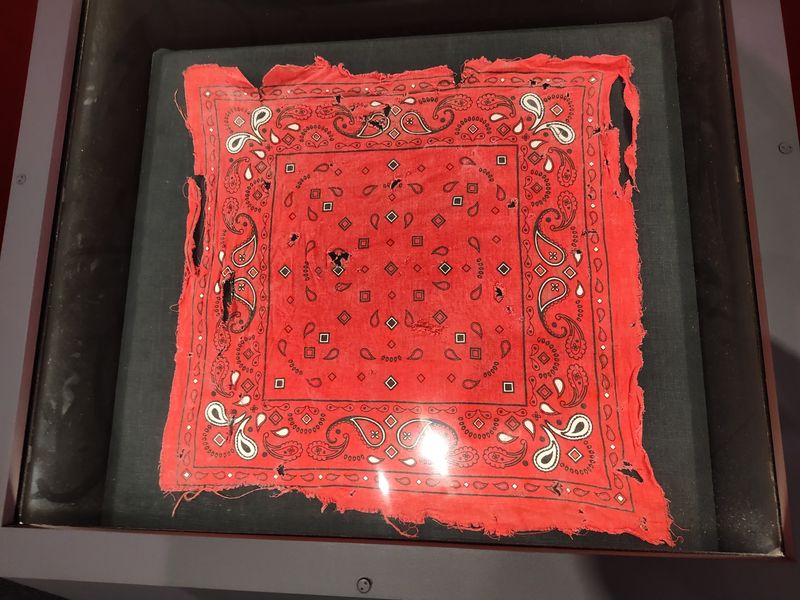
Matewan gets the headlines, yet the museum doesn’t begin there. Its exhibits open with the Paint Creek and Cabin Creek strike of 1912 and 1913.
Those creeks run through Kanawha County, well north of Mingo. Miners there pushed for union recognition, better pay, and fairer treatment in the company camps.
The strike grew tense and lasted many months. The governor declared martial law more than once, a detail that surprises a lot of first-time readers.
Starting here gives the whole visit a clear backbone. You see patterns forming long before anyone in Matewan faced off with detectives.
Company housing, guards, and evictions all show up early in the story. By the time the exhibits reach 1920, those themes feel familiar.
That structure is smart storytelling. It turns a series of scattered events into one long, connected struggle across the southern coalfields.
If you only know the Matewan chapter, this part fills real gaps. It also explains why so many miners were ready to stand firm by 1920.
Blair Mountain Is Where The Exhibits Build To Their Peak
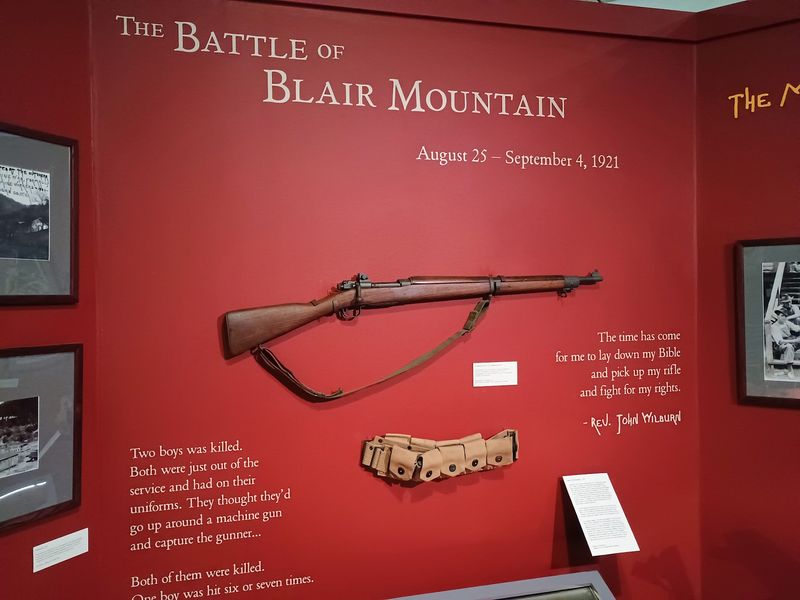
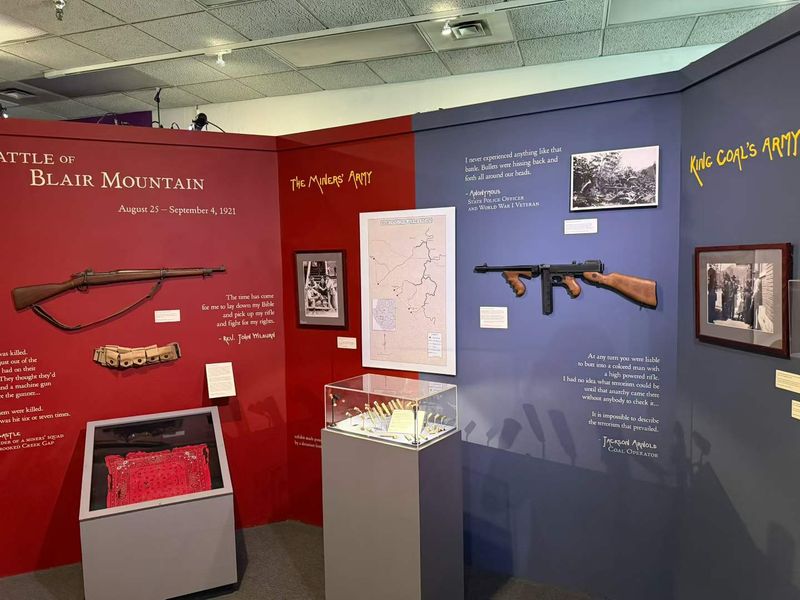
Thousands of armed miners marched toward Logan County in 1921. The museum presents the Battle of Blair Mountain as the climax of the entire Mine Wars era.
It’s widely described as the largest armed uprising in the United States since the Civil War. That claim alone tends to stop visitors in their tracks.
The march followed the shooting of Sid Hatfield in 1921. Miners set out to reach the nonunion coalfields of Logan and Mingo counties.
Federal troops eventually arrived, and the miners stood down. Afterward came treason trials, which the museum also covers in its exhibits.
So why don’t more people know about it? Plenty of adults admit this chapter never came up in their school lessons.
The museum aims to fix that gap. Its exhibits follow the story from the first march to the courtroom aftermath in a clear sequence.
Leaving with a better grip on Blair Mountain is one of the best payoffs here. It reframes the hills you just drove through on the way in.
Ordinary Coalfield Families Get The Microphone
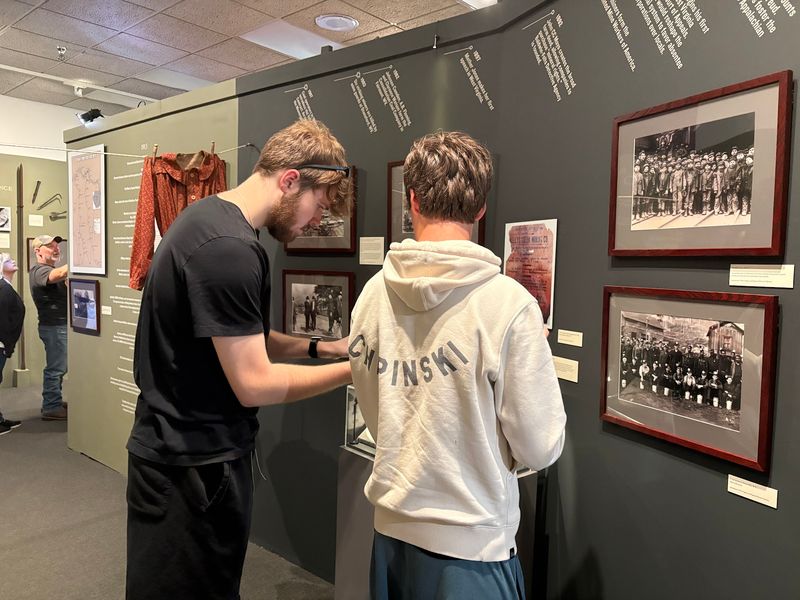
Plenty of history centers on generals and governors. The West Virginia Mine Wars Museum leans the other way, calling itself a people’s history museum.
That means the focus stays on miners, their wives, their kids, and the communities around them. Their own words show up through first-person accounts and quotes.
The museum also says it explores events from multiple perspectives. You get the miners’ view, but the wider context of companies and government is part of the picture too.
This approach makes the story feel personal fast. A quote from someone who lived through an eviction carries a weight no summary can match.
It’s especially meaningful for families with mining roots. Many West Virginians grew up with a parent or grandparent who worked underground.
Walking through these exhibits can bring those memories right back. It can also spark good conversations in the car afterward.
Honestly, that’s a big part of the appeal. The museum treats working people as the main characters of their own story.
Company Scrip, Old Tools, And Photos You Won’t Forget
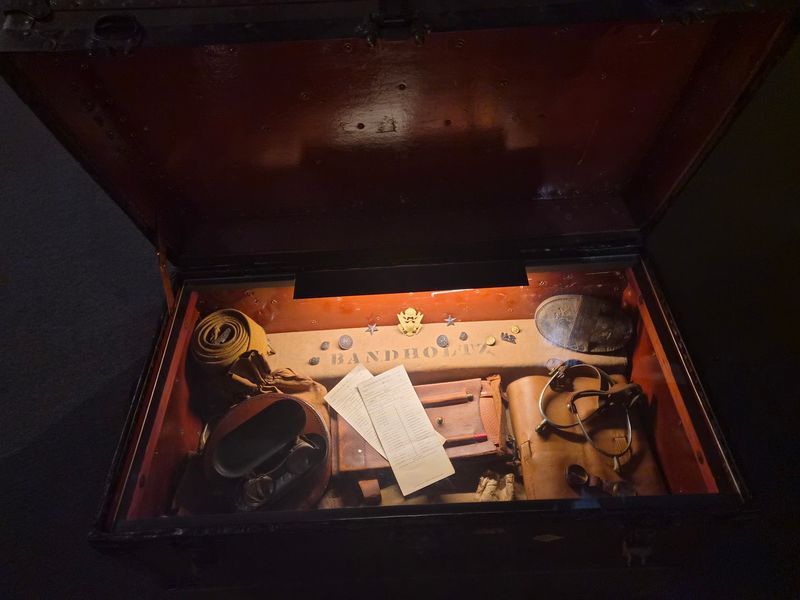
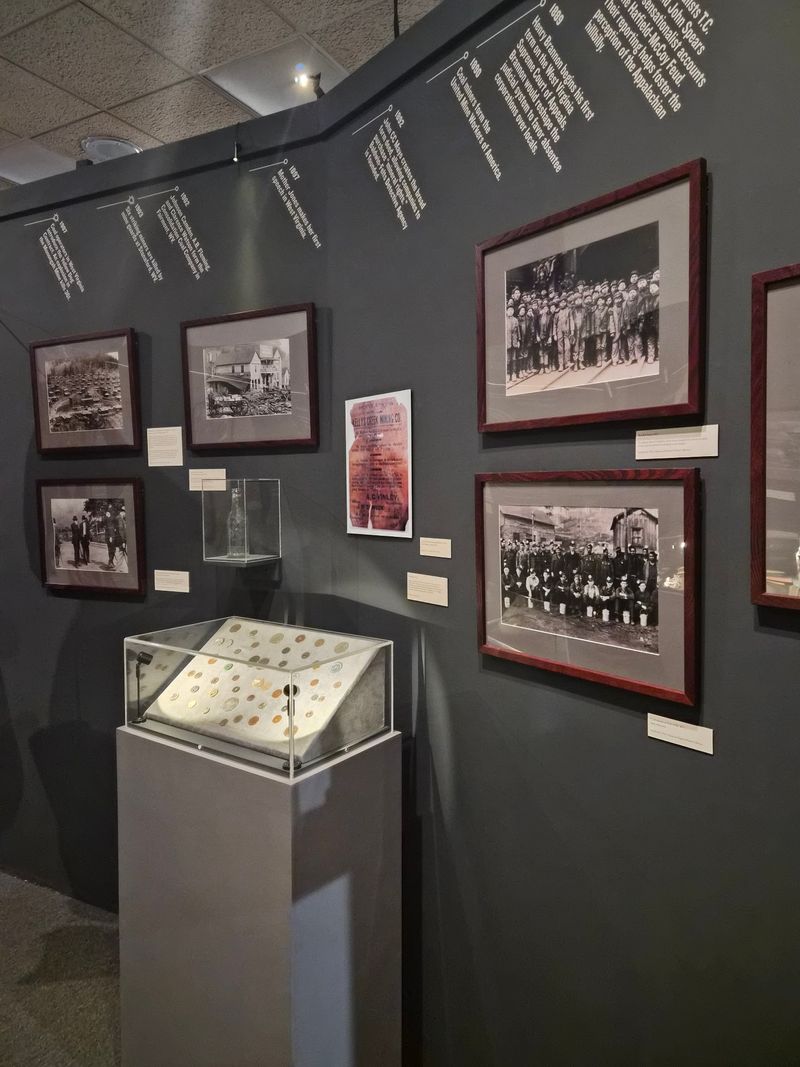
Company scrip is one of those items that explains a whole system in your palm. The museum’s collection includes it, along with mining tools and other artifacts from the era.
Scrip was money issued by coal companies. Many miners were paid with it and spent it at company stores, which tied daily life closely to the employer.
Seeing the actual pieces makes that arrangement easier to grasp. Kids especially tend to get it once they see how different it looks from regular currency.
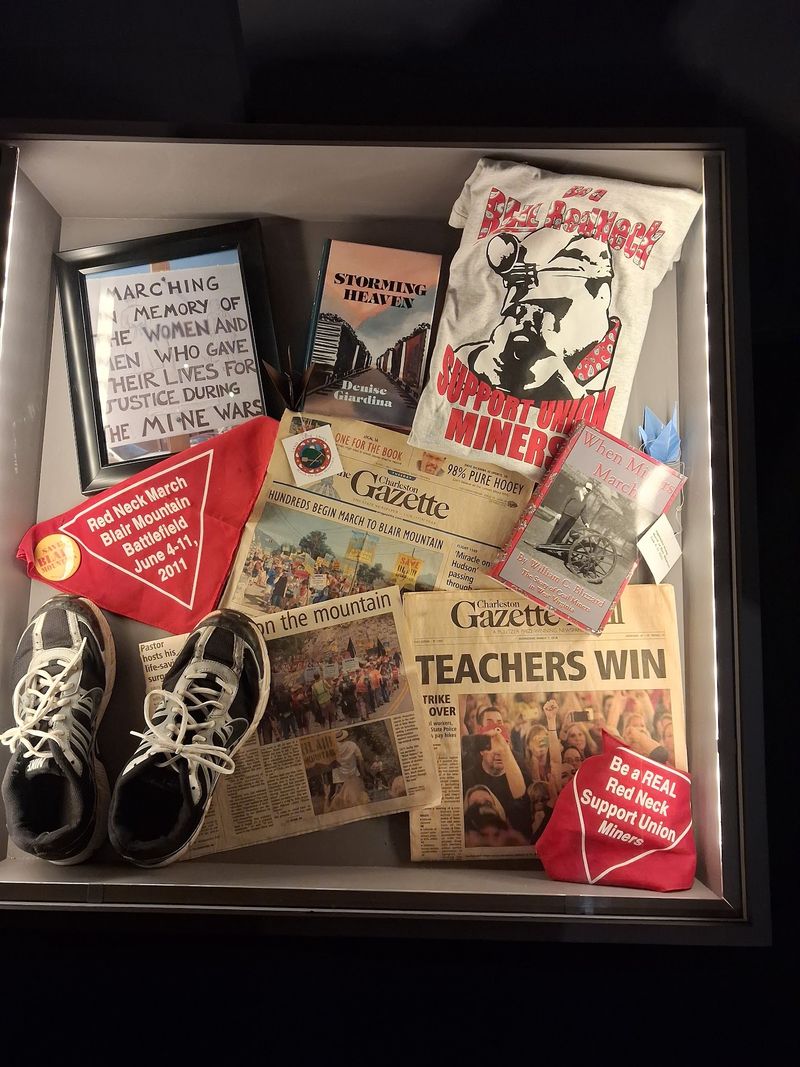
The collection also features archival photographs, documents, and historic maps. Digitized film adds motion to a story usually told in still images.
Original photos are a strong point here. Faces of miners and their families look back from the walls, and they’re hard to walk past quickly.
Publications from the period round things out. Newspapers and printed materials show how the conflict was argued about at the time.
Give yourself time to read the labels. Small objects often carry surprisingly big stories in this building.
Exhibits Unfold Like Chapters In A Good Book
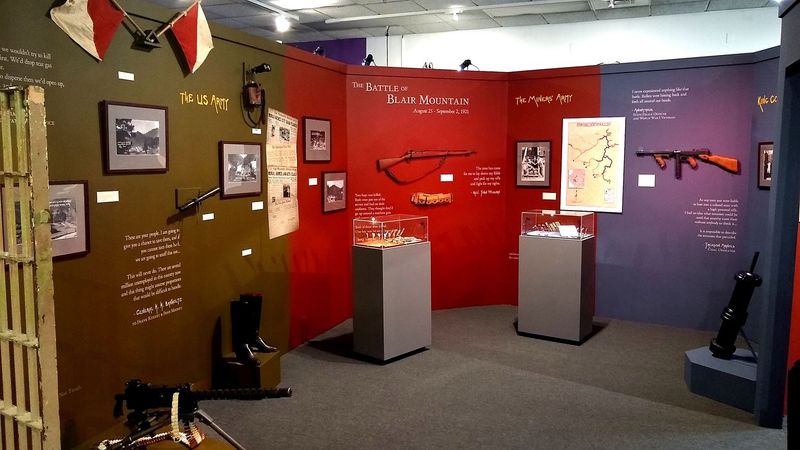
Good news for anyone who gets lost in busy museums. The exhibit space here is laid out chronologically, so the story moves forward one step at a time.
Timelines anchor each section. Photos, quotes, artifacts, and publications sit alongside them to add detail and voice.
That steady order helps a lot with a complicated subject. Several strikes, multiple counties, and many key figures could easily blur together otherwise.
The museum also places local events in a national and global context. You see how coalfield struggles connected to larger labor movements of the day.
It’s a small space, so don’t expect a sprawling complex. Most of the impact comes from careful curation rather than sheer square footage.
That size works in your favor, actually. You can absorb the whole story without museum fatigue setting in halfway through.
Parents with tweens or teens may appreciate that pacing. The exhibits stay focused and readable, which keeps younger attention spans in the game longer.
Friendly Guides Who Really Know Their Stuff
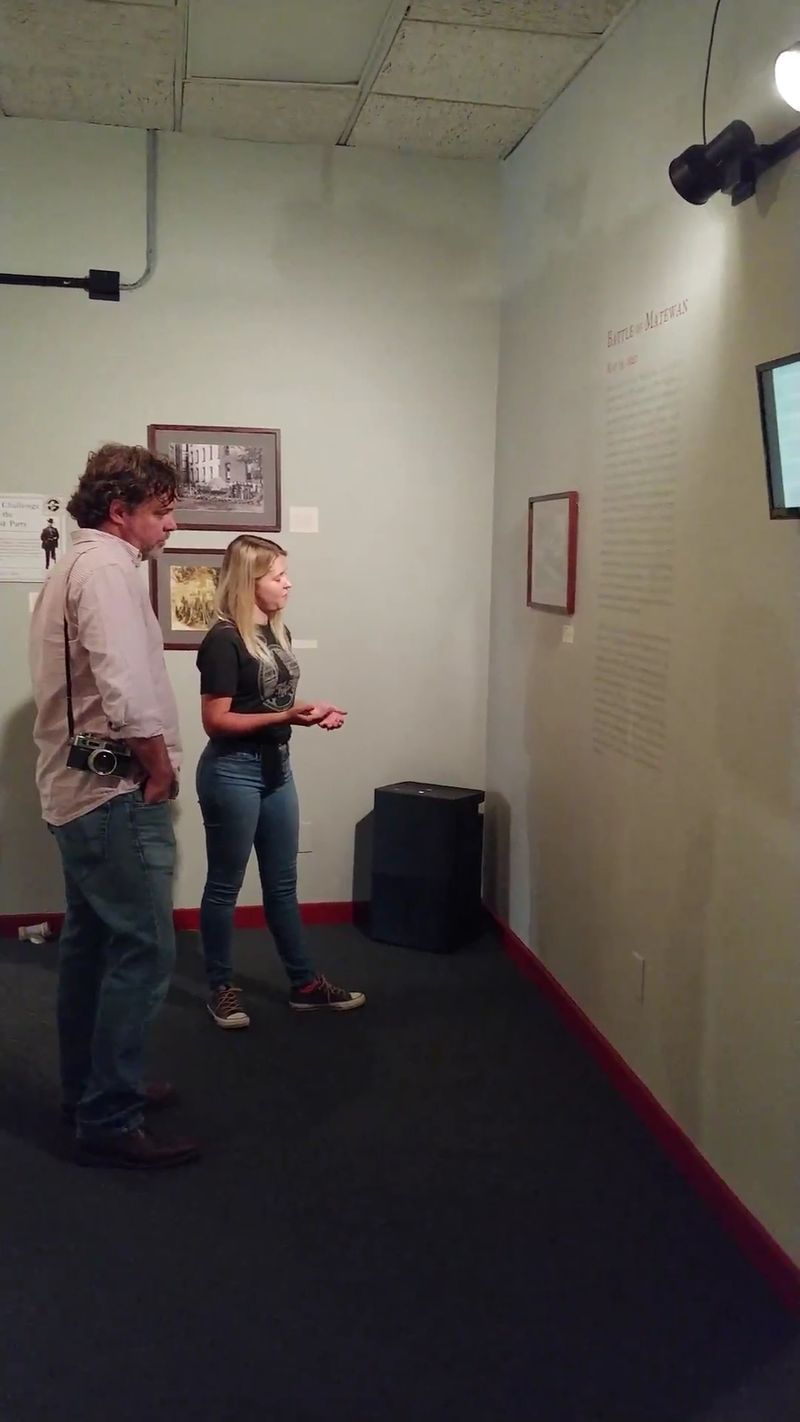
Knowledgeable staff come up again and again when people describe this place. Guides are often credited with making a heavy subject easier to take in.
Guided tours of the museum are available. Staff walk visitors through the exhibits and add context that labels alone can’t provide.
That human touch matters with history this intense. Having someone to ask questions turns a quiet walk-through into a real conversation.
Tour groups in the off-season can often be arranged ahead of time. Emailing well in advance is the usual way to set that up.
Staff have also been known to help visitors find nearby historic sites. Directions to Sid Hatfield’s grave are a common request.
It’s the kind of help that makes a small-town museum feel welcoming. You leave with facts, but also with a clearer plan for the rest of the day.
For curious adults, the guides may be the best feature of all. Bring your questions, because they seem happy to answer them.
Walk The Streets Where It All Happened, Then Cross The Tug Fork
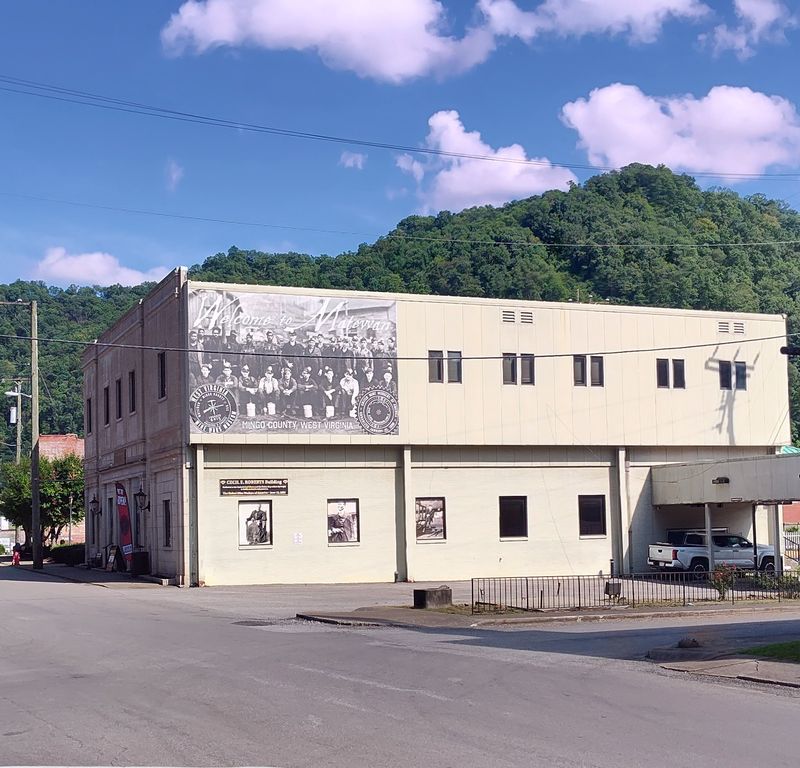
History tastes better with comfortable shoes. The museum offers Matewan town tours, which bring visitors to the actual places where events took place.
Guides point out sites tied to the 1920 shootout. The preserved bullet holes are among the most memorable stops along the way.
Pairing the town tour with the museum tour works nicely. The exhibits give you the background, and the streets give you the setting.
Then there’s Sid Hatfield. His grave sits in a cemetery a short walk across the Tug Fork, and many history fans consider it a must.
The river itself marks the state line with Kentucky. That detail adds another layer, since this same valley is also tied to the Hatfield and McCoy feud.
Crossing over on foot gives the day a satisfying shape. You start with the story, walk through it, and end at the grave of one of its central figures.
Plan for a bit of walking and changing weather. The views of the hills make the effort feel well spent.
A Research Room And Outreach That Reaches Far Beyond Mingo County
Serious history buffs, take note. The museum includes a research room, which is a rare perk for a building this size.
That makes it more than a quick stop for people digging into family stories or labor history. Calling or emailing ahead is a smart move if you hope to use it.
Outreach is another big part of its mission. The museum runs education initiatives across West Virginia, bringing this history to schools and communities statewide.
One ambitious effort is called Courage in the Hollers. The museum describes it as a plan for the largest labor history driving trail in the country.
The trail is planned to include markers along roughly 50 miles of the miners’ march route. It aims to make the 1921 story easier to follow by car.
That kind of vision is impressive for a small nonprofit. It shows the museum thinks well beyond its own four walls.
For retirees and lifelong learners, this depth is appealing. There’s room to come back and go further each time.
Who Gets The Most Out Of A Visit Here
Adults with a curious streak are the clear winners. Anyone interested in labor history, Appalachian heritage, or forgotten chapters of American life will find plenty here.
Families with coal roots may feel a strong personal pull. Seeing photos of company camps can stir up stories that grandparents haven’t told in years.
Older kids and teens can do well too. The museum is often described as a solid learning space for both students and adults.
Very young children might lose interest faster. The topic is serious, and the exhibits lean heavily on reading and listening.
Travelers passing through southern West Virginia also find it an easy add-on. Some even drop in during a rest day from trail riding in the region.
It’s a thoughtful outing rather than a flashy one. The mood stays respectful, which suits the weight of what happened here.
Bring an open mind and a little patience. You’ll likely leave with more questions than you arrived with, in the best way.
Hours, Admission, And The Easiest Way To Plan Ahead
Budget-conscious travelers, rejoice. Admission is famously low, the kind of price that barely dents a family vacation fund.
The West Virginia Mine Wars Museum sits at 112 Mate St, Matewan, WV 25678. Parking and walking around downtown are part of the experience.
Listed hours run Tuesday through Saturday, from 10 a.m. to 5 p.m. The museum is closed on Sundays and Mondays.
Schedules may shift seasonally, so double-check before you go. During the off-season, tours are often arranged by appointment.
Emailing well ahead of time is the best approach for off-season visits. Groups and guided town tours also benefit from advance planning.
Matewan sits in a remote corner of the state near the Kentucky line. Plan for winding mountain roads and allow extra driving time.
Leave room in your day for more than the museum. Between the town tour and the Tug Fork walk, a half day goes quickly here.
Why This Small Stop Earns A Spot On Your West Virginia List
Some trips give you photos, and others give you perspective. This one quietly delivers both in a single afternoon.
Matewan has more to see once you finish at the museum. The Matewan Depot Welcome Center covers the town’s past, including the feud and the coal industry.
The floodwall is worth a stroll too. Its murals depict scenes from local history along the riverfront.
Restaurants and inns are available around town as well. That makes it easy to grab lunch and talk over everything you just learned.
The West Virginia Mine Wars Museum doesn’t need size to make an impact. Its curation, guides, and setting do the heavy lifting.
For parents, retirees, and anyone proud of mountain heritage, it hits home. It honors working people in a place that still carries their story on its walls.
So pencil in a Tuesday through Saturday visit and point the car toward Mingo County. Those bricks have been waiting more than a century for you to stop by.
