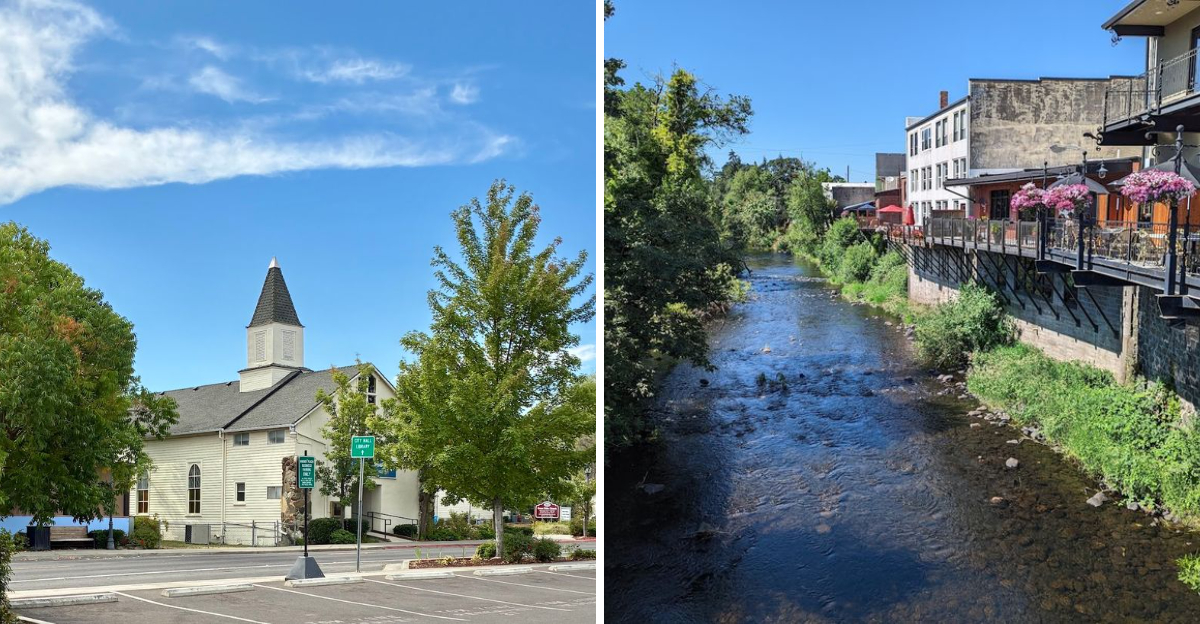
The famous postcard towns get all the attention, but the real Oregon lives in places that do not try to impress you. These hidden gems sit quietly on the coast or tuck themselves into mountain valleys, offering something far more valuable than a souvenir shop.
Take a tiny coastal village where the beach stretches for miles and you can walk it without passing another soul. Or a mountain town so remote that its population barely reaches two hundred, yet it holds one of the largest butterfly houses in the state.
You will find historic streets that feel like movie sets and communities surrounded by peaks that earned them the nickname “Switzerland of Oregon.”
These are the places locals quietly recommend to friends. They do not look special from the highway, but step closer and the beauty reveals itself. Oregon is full of surprises, and the best ones are hiding in plain sight.
1. Jacksonville
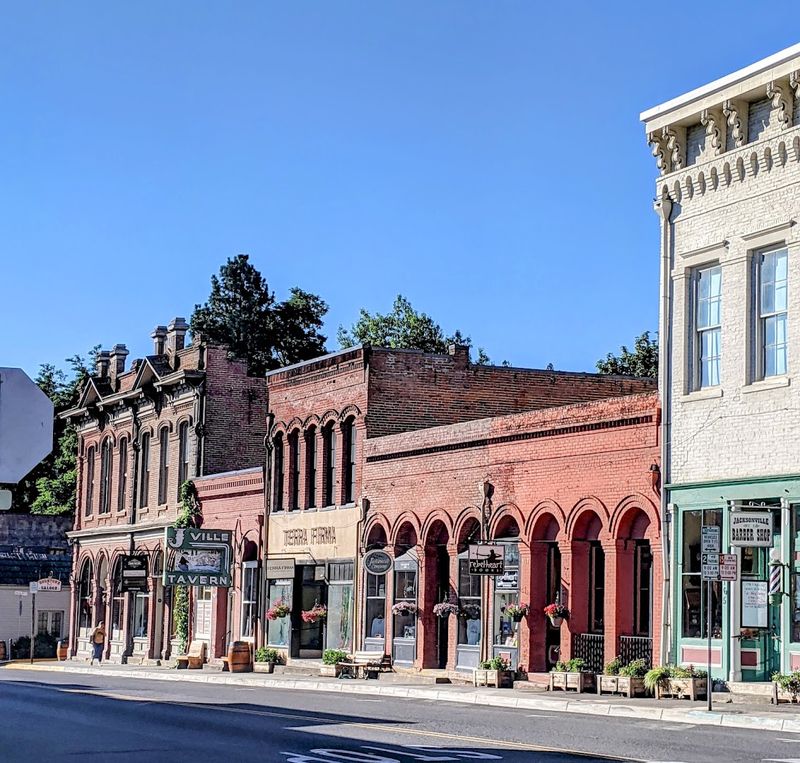
There is something almost theatrical about Jacksonville, like the whole town decided to stay in the 1800s and never looked back. It earned its place on the National Register of Historic Places, and walking its main drag feels like flipping through a very well-preserved chapter of Oregon history.
The brick storefronts, wooden signs, and old-growth trees lining the streets give it a richness that most towns simply cannot manufacture.
Jacksonville came to life during the gold rush era, and that energy never fully left. The surrounding Applegate Valley adds a lush, rolling backdrop that makes the town feel cradled rather than isolated. It is the kind of place where a short afternoon visit easily stretches into a full day.
Local shops, historic inns, and a surprisingly vibrant arts scene make Jacksonville feel alive without feeling crowded. The Britt Festivals outdoor concert series draws visitors each summer, but even outside of that, the town holds its own beautifully.
2. Maupin
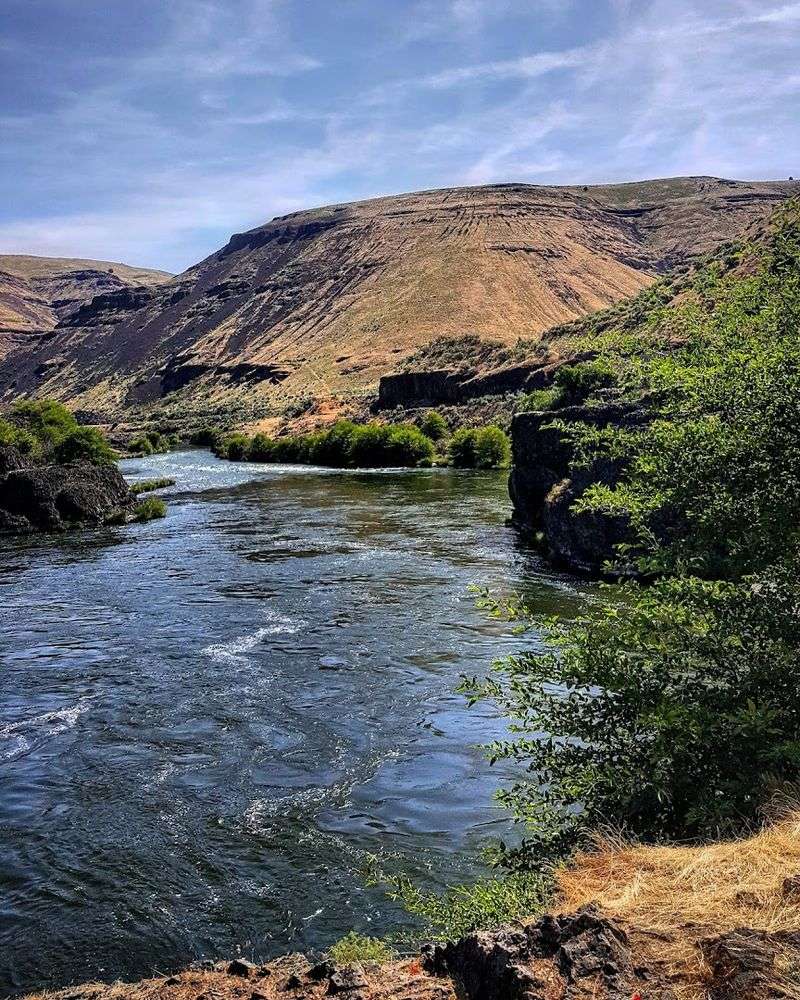
Maupin is the kind of town that earns its charm through grit rather than polish. Perched along the Deschutes River in a dramatic canyon landscape, it attracts fly fishers, rafters, and anyone who loves the feeling of being genuinely remote without actually being far from civilization.
The river is the heartbeat of this place, and everything else orbits around it.
The canyon walls surrounding Maupin are a deep ochre and rust, especially beautiful in the late afternoon when the light drops low. It is a visual reward that feels almost unfair given how little traffic this town sees. You get the sense that the people who live here chose it very deliberately.
There are only a handful of places to eat and stay, but that simplicity is part of the appeal. Nothing feels staged or curated for tourists. Maupin is exactly what it is, a small river town that happens to be sitting inside one of the most striking landscapes in the entire state.
3. Joseph
Tucked into the northeast corner of Oregon near the base of the Wallowa Mountains, Joseph is the kind of town that feels almost mythological. The mountains rise so dramatically behind it that every glance upward feels like looking at a painting.
This is Nez Perce country, and the landscape carries a weight and history that you feel before anyone tells you about it.
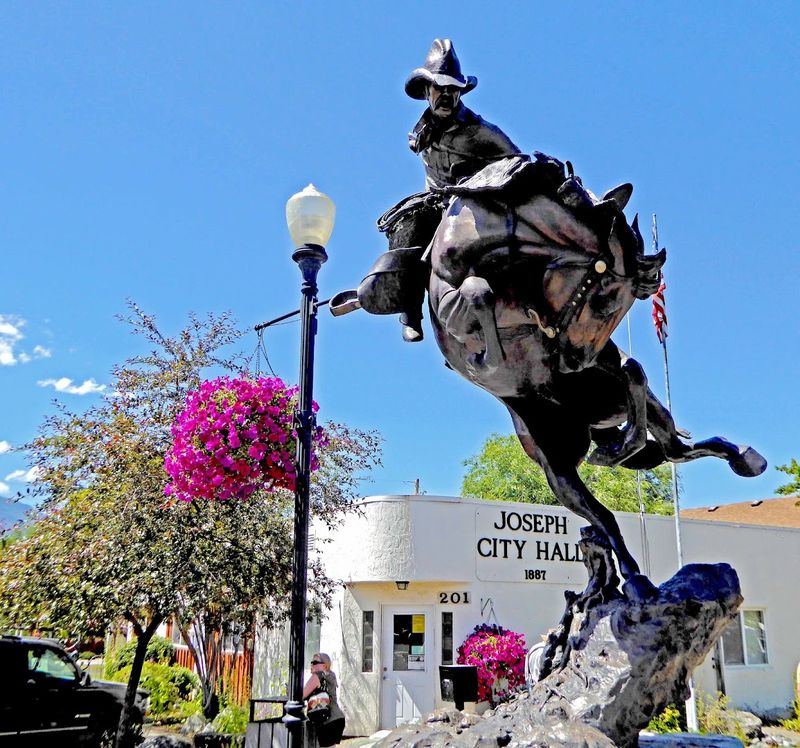
Joseph has quietly built a reputation as an arts destination, particularly around bronze casting. Several foundries operate here, and bronze sculptures appear throughout town on street corners and in small plazas. It gives the place a sculptural, open-air museum quality without feeling stuffy.
Wallowa Lake sits just a few miles south of town, reflecting the peaks above it with mirror-like clarity on calm mornings. The combination of mountain scenery, artistic culture, and genuine frontier character makes Joseph one of the most rewarding small towns in Oregon.
I found myself lingering far longer than planned, and I did not regret a single extra hour.
4. Halfway
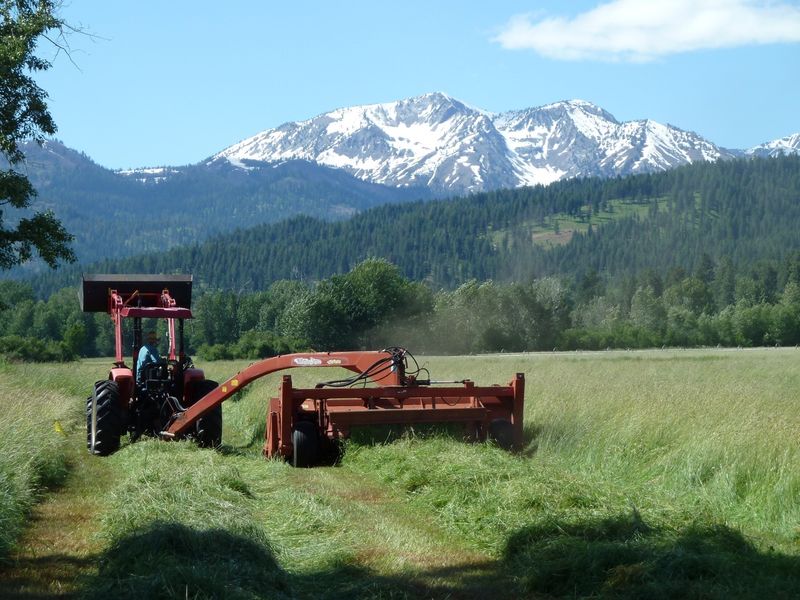
The name alone should tell you something. Halfway sits at the edge of Hells Canyon country in eastern Oregon, and it genuinely feels like the edge of something, in the best possible way.
The town is small, unhurried, and surrounded by a landscape so vast it reframes your sense of scale almost immediately. Pine Valley opens up around it like a wide green exhale.
Halfway briefly became famous in 2000 when it temporarily renamed itself Half.com as part of a quirky internet-era promotion. That story has faded, but the town’s real character remains intact. Ranching roots run deep here, and the community has a self-reliant quality that feels increasingly rare.
The access point to Hells Canyon National Recreation Area makes Halfway a natural base for exploring one of North America’s deepest gorges. Most people drive straight through without stopping, which is genuinely their loss.
Staying even one night here shifts your whole understanding of what rural Oregon can feel like.
5. Silverton
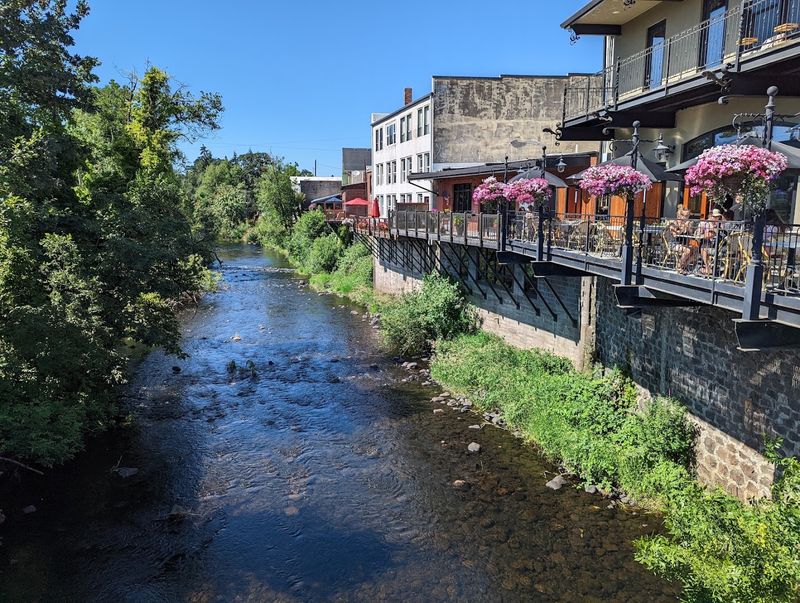
Silverton sits quietly in the foothills of the Cascade Mountains, and it tends to catch people off guard with how genuinely lovely it is. The town has a creative, slightly quirky personality that sets it apart from other small Oregon communities.
Murals cover building walls throughout downtown, giving the streets an open-air gallery feel that makes even a casual stroll feel like an experience.
The nearby Silver Falls State Park is one of Oregon’s most breathtaking natural areas, featuring a trail that loops past ten separate waterfalls. Most visitors head straight to the park and skip the town entirely, which honestly works in Silverton’s favor.
It stays relaxed and unhurried even during peak seasons.
The local food scene punches well above its weight for a town this size. Small cafes, family-owned bakeries, and a farmers market that feels genuinely community-driven round out the experience. I left Silverton thinking I had found one of Oregon’s best-kept secrets, and I still believe that.
6. Fossil
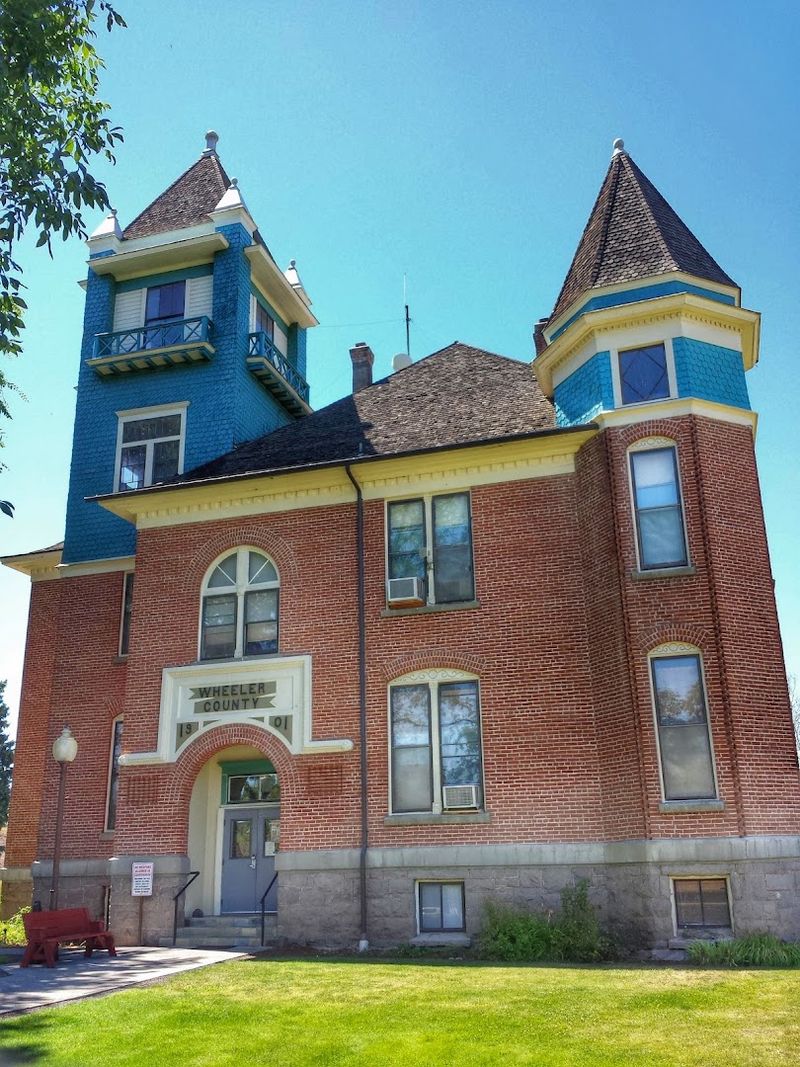
Fossil is one of those towns that sounds made up until you actually go there. Sitting in Wheeler County, which is one of the least populated counties in the entire United States, Fossil has a stripped-down, frontier quality that is hard to find anywhere else.
The surrounding landscape is high desert, all rolling brown hills, juniper, and dramatic rimrock formations.
The town got its name from the marine fossils found in the area, and that geological identity still shapes its character. The Thomas Condon Paleontology Center nearby offers a surprisingly deep look into Oregon’s prehistoric past.
It is the kind of small-town museum that leaves you genuinely more curious about the world.
Fossil itself has a population of only a few hundred people, but it holds onto a post office, a small school, and a community spirit that feels quietly defiant against obscurity. There is a warmth here that catches you off guard. Small towns this remote can sometimes feel forgotten, but Fossil feels chosen.
7. Yachats
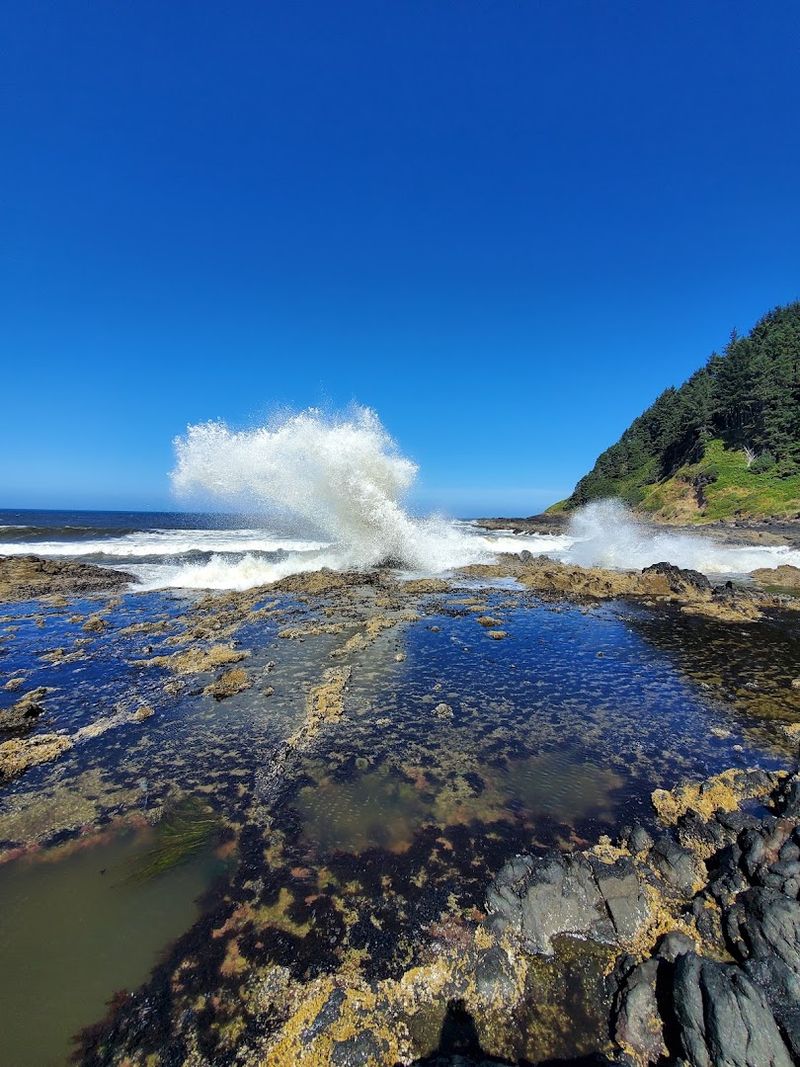
Yachats sits where the Oregon Coast gets serious. The shoreline here is all volcanic rock, tide pools, and waves that crash with a force that genuinely commands your attention. It is not a beach town in the soft, sandy sense. It is something wilder and more elemental, and that makes it unforgettable.
The town itself is tiny, with a handful of streets and a small downtown that includes galleries, bakeries, and a few excellent spots to eat. Everything feels intentional here, like the people who built this community cared deeply about what it would become.
The result is a place with real aesthetic coherence and a calm, thoughtful energy.
Cape Perpetua Scenic Area sits just south of town and offers some of the most dramatic coastal viewpoints anywhere on the West Coast. Thor’s Well and the Spouting Horn are geological formations that draw visitors year-round, and for good reason.
Yachats earns every bit of its reputation as the gem of the Oregon Coast, even if not everyone has heard of it yet.
8. Drain
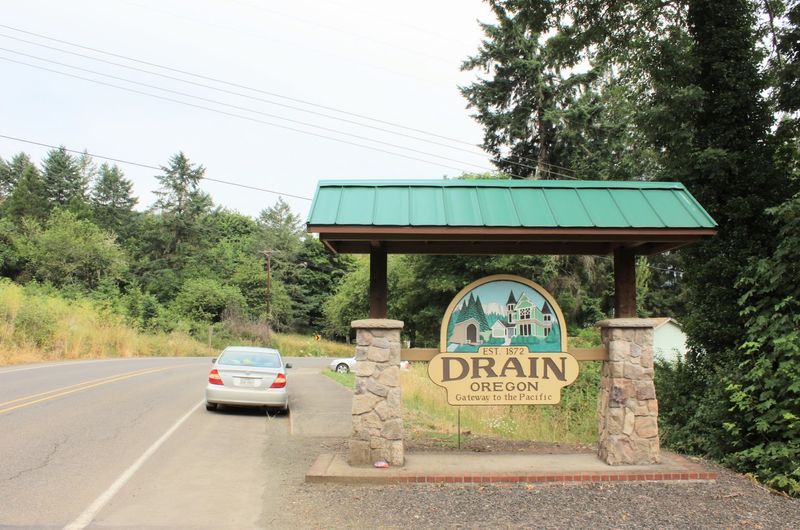
Drain does not get much attention, which is exactly what makes it interesting. Sitting in Douglas County in the southern Willamette Valley region, it is the kind of town you pass through on the way to somewhere else and then find yourself thinking about later.
The surrounding hills are lush and deeply green, especially in spring, giving the whole area a soft, pastoral beauty.
The town has a history tied to the Drain family, early settlers who left a lasting imprint on the community. There is a quiet pride here that shows up in the maintained historic homes and the small-town events calendar that locals take seriously.
It is not trying to be a destination. That honesty is refreshing.
A short drive from Drain leads to some genuinely beautiful stretches of the Umpqua River watershed, full of wildlife and the kind of quiet that city dwellers spend a lot of money trying to find. I appreciated Drain for exactly what it was, a real place that has not been dressed up for anyone.
9. Shaniko
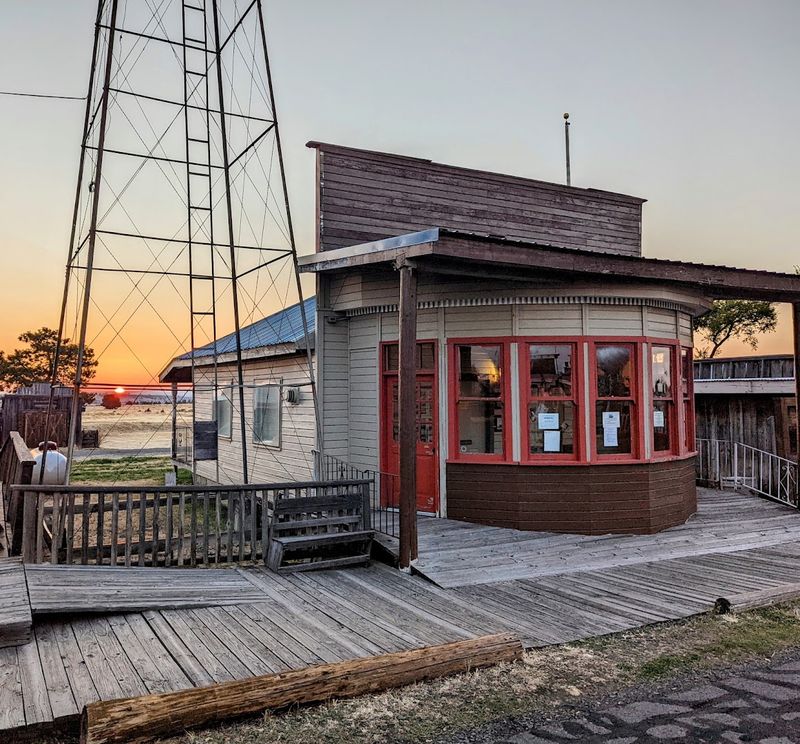
Shaniko is one of Oregon’s most fascinating ghost towns, though calling it a ghost town undersells it slightly because a handful of people still live there. At its peak in the early 1900s, it was known as the wool capital of the world.
That claim feels almost impossible standing in its near-empty streets today, but the remnants of that era are still visible in the weathered buildings and old corrals.
The high desert setting is stark and beautiful in equal measure. The light hits the old structures in a way that feels cinematic, especially in the early morning or just before sunset. Photographers make pilgrimages here, and it is easy to understand why once you see it firsthand.
There is a strange peace to Shaniko that is hard to describe. It is not sad exactly, more like reflective. The town carries its history openly, without apology, and that transparency gives it a dignity that more polished places often lack.
Shaniko rewards the curious traveler who is willing to simply slow down and look.
10. Talent
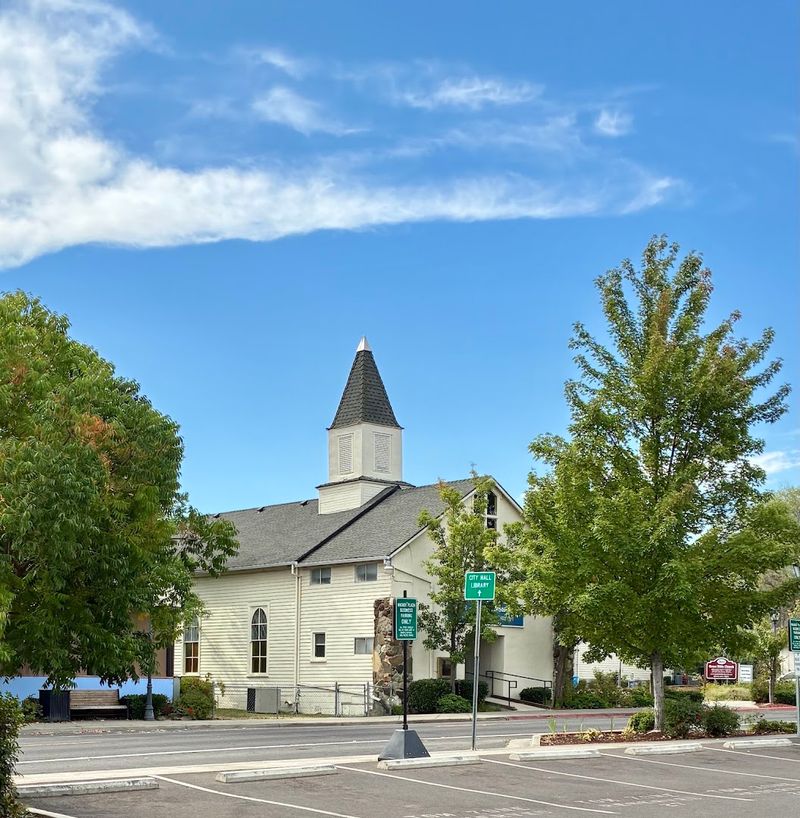
Talent sits between Medford and Ashland in the Rogue Valley, and it tends to get overshadowed by its flashier neighbors. That is a shame, because Talent has a character all its own. It leans artistic and community-minded in a way that feels organic rather than performed.
The town has a long history of attracting creative people, and that energy is visible in its murals, gardens, and independent shops.
The main street has a relaxed, lived-in quality that makes it easy to spend an afternoon without any agenda. Local vendors, small restaurants, and community gathering spaces give Talent a social texture that rewards slow exploration. It does not demand your attention. It earns it gradually.
The surrounding Rogue Valley landscape adds a warm, sun-drenched backdrop that makes Talent feel particularly inviting in summer. After the 2020 Almeda fire caused significant damage to parts of the town, the community response was remarkable.
Talent rebuilt with intention and heart, and that resilience shows in the vibrant spirit you encounter there today.
11. Lostine
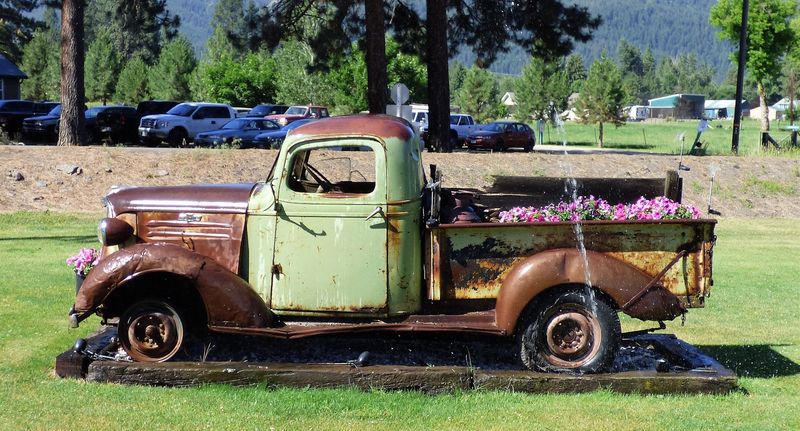
Lostine is barely a dot on the map, but what a dot it is. Sitting in the Wallowa Valley with the Eagle Cap Wilderness as its backyard, this small ranching community has a quiet grandeur that is completely out of proportion to its size.
The Lostine River runs nearby, cold and clear, and the whole area smells like pine and open sky.
The town itself has only a few hundred residents and a single main road that feels like it belongs to another century. That is not a complaint. The simplicity here is the point. Old storefronts, a historic tavern building, and working ranches give Lostine a texture.
For hikers and backpackers, Lostine serves as a launching point into some of the most spectacular wilderness in the Pacific Northwest. The trails heading into the Eagle Cap Wilderness from here are legendary among those who know them.
Getting to Lostine requires commitment, but the reward is a corner of Oregon that still feels entirely, beautifully itself.
12. Brownsville
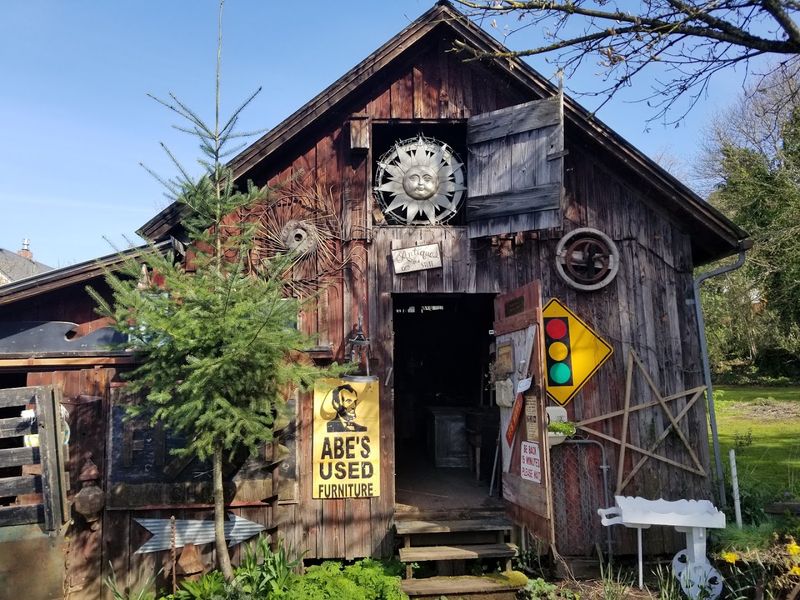
Brownsville has a legitimate claim to being one of Oregon’s oldest towns, and it wears that history with real grace. The Calapooia River runs along its edge, and the surrounding Willamette Valley farmland gives it a lush, settled feeling that speaks to generations of roots.
The historic district here is genuinely impressive, with Victorian homes and 19th-century commercial buildings that have been carefully maintained.
Film buffs may recognize Brownsville as a filming location for Stand By Me, the 1986 coming-of-age classic. The town leans into that legacy with good humor, but it has plenty of identity beyond the movie connection.
The Linn County Historical Museum offers a thoughtful look at pioneer life in the valley.
What I love most about Brownsville is how unhurried it feels. There is no hustle here, no performance for visitors. The people are friendly in a straightforward, no-fuss way, and the town simply goes about its life. That authenticity is harder to find than it sounds, and Brownsville has it in abundance.
