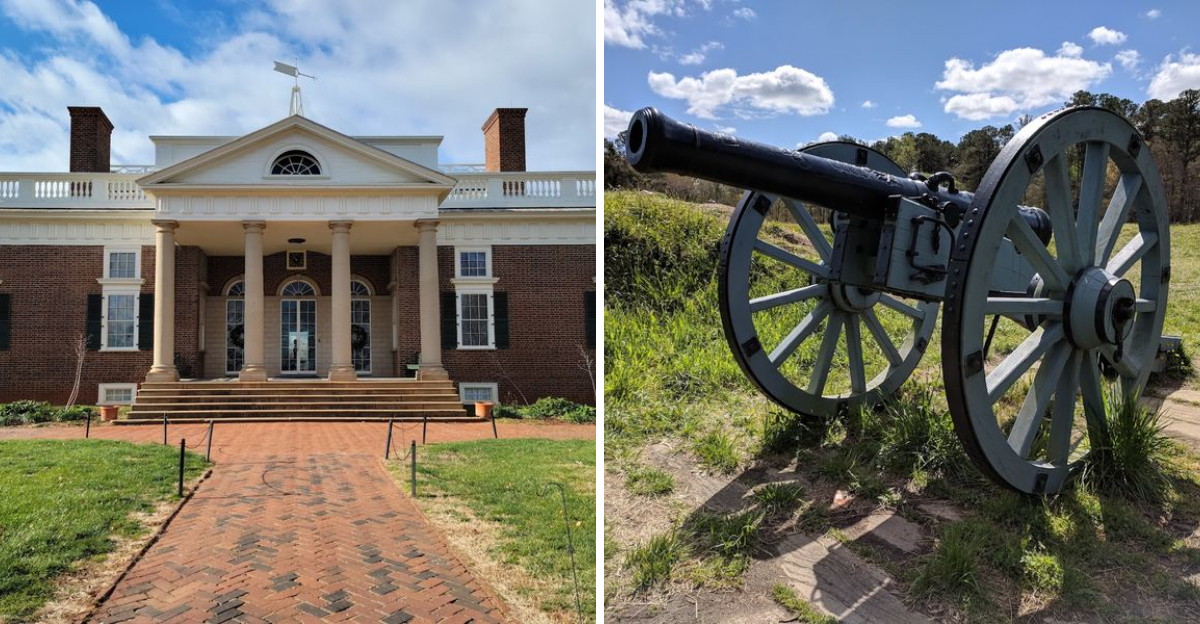
Virginia is a state built on history. From the first English settlements to the Civil War to the civil rights movement, the ground is layered with stories.
This list has ten historic landmarks in Virginia that every history buff must visit. I have explored each one, and each time I have walked away with a deeper understanding of the past.
Some are grand, with towering monuments and sweeping views. Others are small, quiet places where you can feel the weight of history without the crowds.
All of them offer a connection to the people who came before. Virginia has plenty of historic sites, but these are the ones that should be on every history lover’s list.
1. Colonial Williamsburg
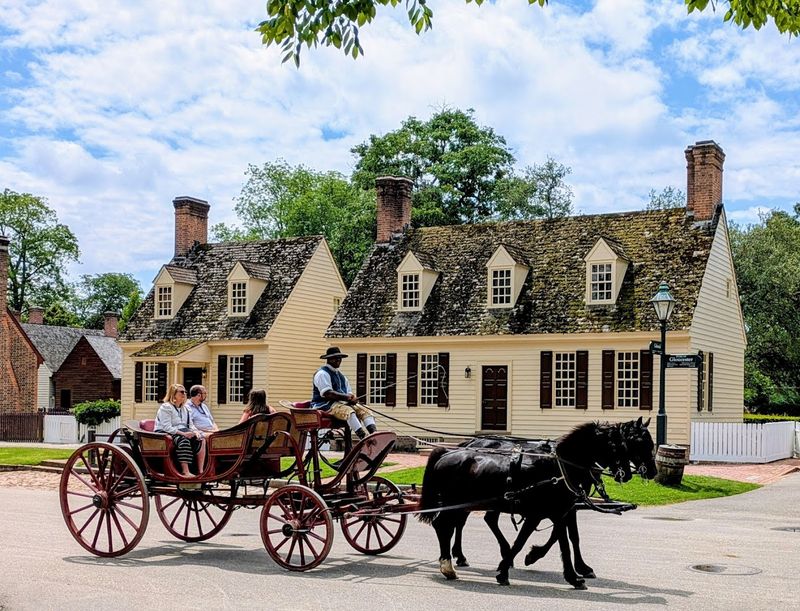
Picture an entire city frozen in the eighteenth century, buzzing with blacksmiths, wigmakers, and colonial politicians going about their daily business as if the Revolution is still fresh news. That is exactly the electric atmosphere waiting at Colonial Williamsburg, the world’s largest living history museum and one of the most immersive experiences America has to offer.
Duke of Gloucester Street practically pulses with authenticity, and I find myself slowing my pace just to absorb every detail.
Costumed tradespeople demonstrate their crafts with genuine skill, and their conversations pull you straight into the colonial mindset. The Governor’s Palace is an architectural showstopper, its grand Palladian facade and ornate iron gates topped with a British crown speaking volumes about the era’s power dynamics.
Inside, the lavish furnishings paint a vivid portrait of royal authority and aristocratic taste.
The reconstructed Capitol Building adds another thrilling layer, where the seeds of American democracy were debated and planted. Wandering the immaculate gardens, I always feel a quiet reverence settling over me, a recognition that these grounds shaped the very idea of liberty.
Every corner of this extraordinary place rewards curiosity with a fresh discovery. Whether it is a candlelit tavern or a colonial print shop, the storytelling here is relentless and brilliant.
The sheer scale of preservation on display is genuinely staggering, and the dedication to accuracy makes every moment feel earned. Find this remarkable living museum at 101 Visitor Center Dr, Williamsburg, VA 23185.
2. Historic Jamestowne
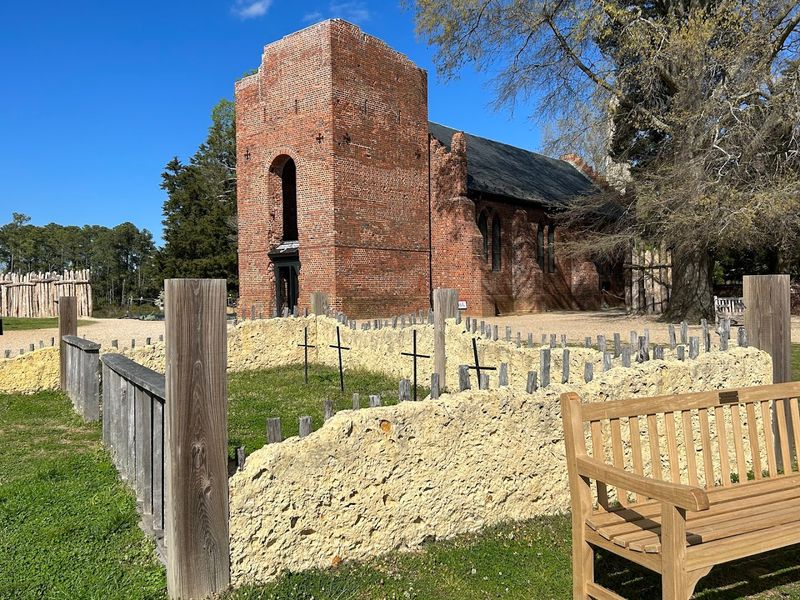
Long before the Founding Fathers penned a single word, a small group of English settlers stepped off their boats onto a marshy Virginia peninsula and changed the course of North American history forever. Historic Jamestowne is ground zero for English America, and standing here, I feel the raw, almost mythic weight of that moment pressing down through the centuries.
The landscape is surprisingly wild and beautiful, a fitting setting for such a dramatic beginning.
What makes Jamestowne genuinely thrilling is that it is not a static exhibit but an active archaeological site. Researchers are still pulling artifacts from the soil, from iron tools and ceramic fragments to personal items that once belonged to the earliest colonists.
Watching the archaeologists work is like witnessing history being written in real time, and I find it absolutely riveting.
The ghost outline of the original James Fort, marked carefully across the ground, gives the site an almost eerie power. It is one thing to read about these settlers and quite another to stand inside the footprint of their first defensive structure.
The ancient church tower, the only original standing structure from the colonial-era town, adds a hauntingly beautiful focal point to the landscape.
This is the spot where democracy took its first fragile steps on American soil, and the significance is impossible to overstate. Every artifact uncovered here rewrites a small piece of our shared story.
Plan your visit to this extraordinary site at 1368 Colonial Pkwy, Jamestown, VA 23081.
3. Yorktown Battlefield
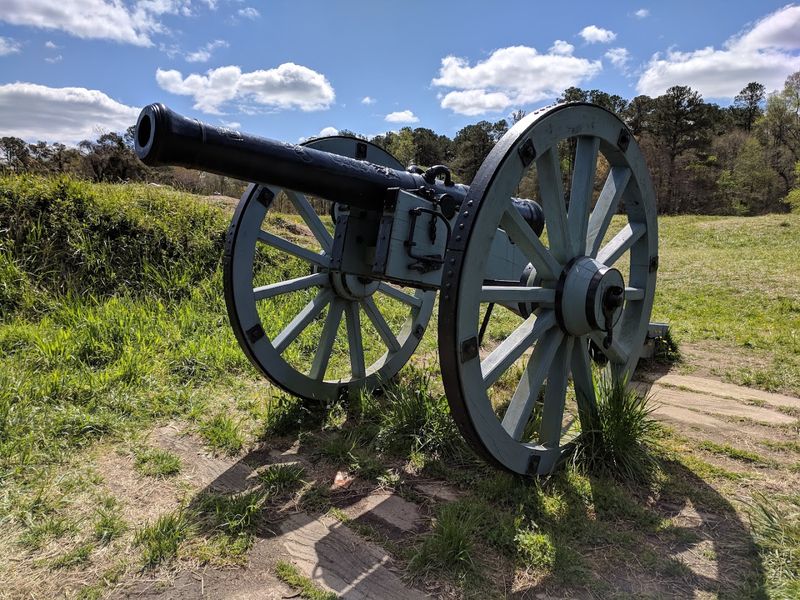
Yorktown Battlefield is the kind of place that makes your pulse quicken the moment you arrive, because you know, bone-deep, that the ground beneath your feet literally changed the world. This is where the American Revolutionary War reached its thunderous climax in 1781, and the landscape still carries that electric charge.
Walking the earthworks and siege lines, I find it almost impossible not to imagine the coordinated Franco-American forces tightening their grip on the besieged British forces.
The strategic brilliance displayed here is remarkable, and the preserved terrain tells the story with impressive clarity. Artillery positions, redoubts, and encampment areas all remain remarkably legible on the landscape, guiding your imagination toward the decisive final weeks of the siege.
My favorite stop is always the Moore House, a graceful eighteenth-century farmhouse where the actual surrender negotiations took place between the two sides.
Stepping inside that farmhouse is genuinely spine-tingling. The rooms are modest and quiet now, but the gravity of what was discussed within those walls hits with full force.
British General Cornwallis surrendered his forces here, and a new nation exhaled for the first time.
The battlefield also offers sweeping views of the York River, adding a scenic grandeur that makes the visit feel cinematic. Every step across this hallowed ground deepens my appreciation for the courage and sacrifice that secured American independence.
This landmark of liberty is located at 1000 Colonial Pkwy, Yorktown, VA 23690, ready to take your breath away.
4. George Washington’s Mount Vernon
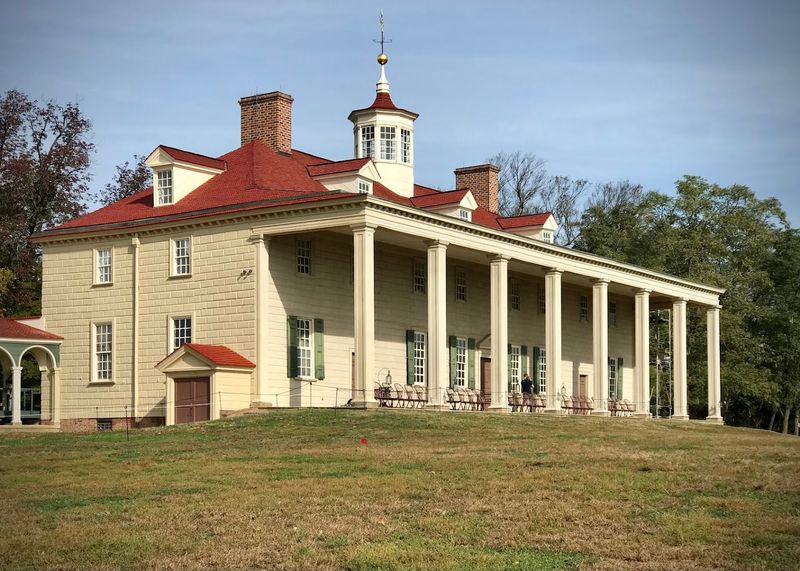
There is something deeply moving about approaching Mount Vernon for the first time, watching that iconic white piazza emerge through the trees with the Potomac River shimmering beyond it. George Washington designed and expanded this estate over decades, pouring his personal vision into every architectural detail, and the result is a home that feels both grand and surprisingly intimate.
I always arrive here feeling like I am about to meet the man himself.
The twenty-one-room mansion is a masterpiece of colonial design, featuring the distinctive rusticated wooden siding and the unique cupola that Washington himself championed. Inside, the meticulously preserved rooms offer a window into his private world, from his personal study to the bedroom where he spent his final hours.
The attention to historical accuracy in the restoration is extraordinary, and I find new details to appreciate on every visit.
Outside, the estate unfolds across beautifully maintained grounds that include formal gardens, working farm areas, and historic outbuildings. The New Tomb, where both George and Martha Washington rest, commands a moment of genuine, quiet reverence.
It is a simple but powerful space, and I always linger there longer than I plan to.
The on-site museum takes the experience even further, displaying an impressive collection of personal artifacts including Washington’s dentures, military equipment, and household items. This remarkable estate, a true jewel of American heritage, is located at 3200 Mount Vernon Memorial Hwy, Mount Vernon, VA 22121.
Absolutely do not miss it.
5. Thomas Jefferson’s Monticello
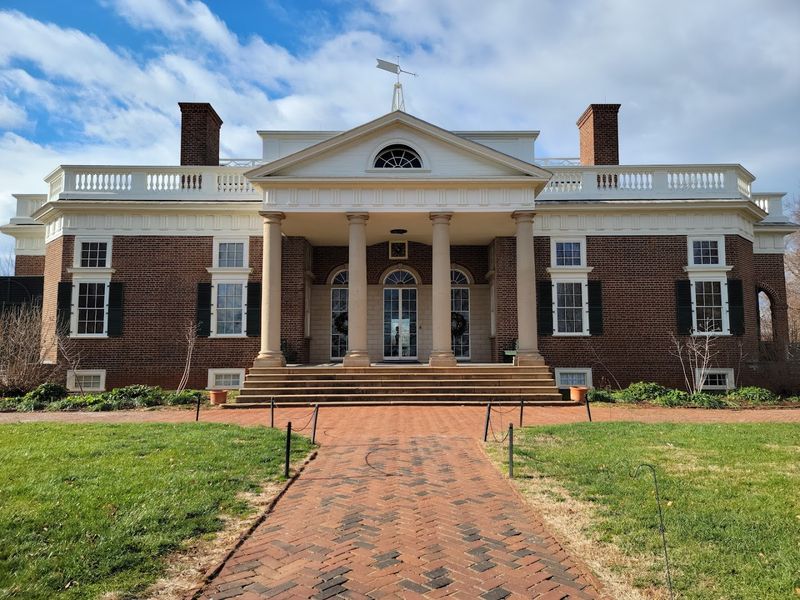
Monticello is a house that thinks. Every room, every gadget, every architectural flourish reflects the restless genius of Thomas Jefferson, and touring this hilltop estate feels like taking a walk through one of history’s most extraordinary minds.
The iconic dome, visible from the approach road, immediately signals that something extraordinary awaits, and the interior absolutely delivers on that promise.
Jefferson’s personal library was once the largest private collection in the country, and standing in the spaces where he read, wrote, and theorized is genuinely electrifying. His innovative dumbwaiters, swivel chairs, and ingenious alcove bed reveal a man obsessed with elegant efficiency.
I love how the house itself feels like a three-dimensional autobiography, every detail chosen with deliberate intention.
Yet Monticello’s story extends far beyond its brilliant creator. The guided tours on Mulberry Row offer a vital and moving account of the enslaved laborers whose daily work made Jefferson’s grand vision possible.
Ongoing archaeological research continues to uncover new details about their lives, and the interpretive programs here handle this complex history with admirable depth and honesty.
The views from the mountaintop are genuinely spectacular, stretching across the rolling Blue Ridge foothills in every direction. Jefferson famously called this landscape his daily inspiration, and standing there, I completely understand why.
The combination of architectural brilliance, intellectual legacy, and unflinching historical honesty makes Monticello one of the most complete historic experiences in the country. Visit this architectural marvel at 931 Thomas Jefferson Pkwy, Charlottesville, VA 22902.
6. Manassas National Battlefield Park
Manassas National Battlefield Park hits differently from other Civil War sites, because it witnessed not one but two catastrophic battles on the same ground, each reshaping the trajectory of the conflict in dramatic fashion. Henry Hill, the focal point of some of the fiercest fighting in both engagements, offers a panoramic view that makes it easy to understand why commanders fought so desperately to control this elevated position.
I always feel the weight of those two terrible days pressing into the landscape.
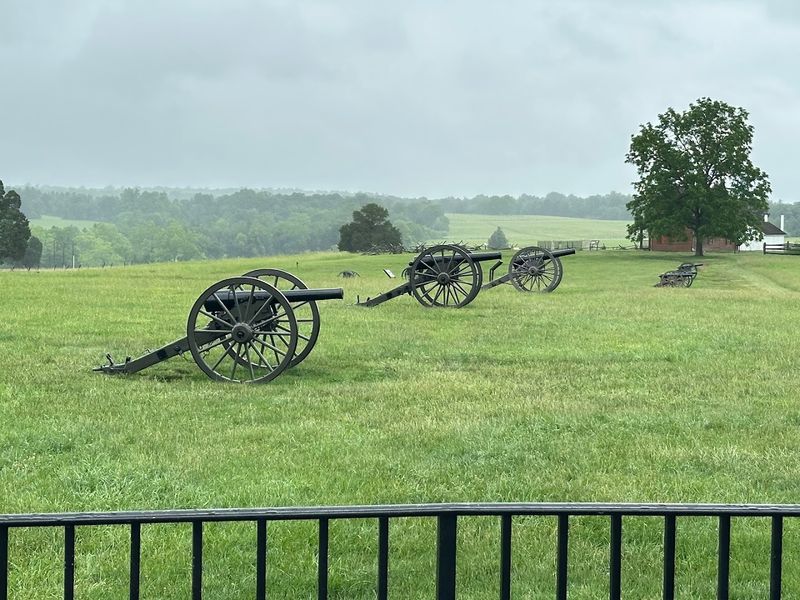
The Henry Hill Visitor Center does an excellent job of contextualizing the battles, using maps, artifacts, and exhibits to untangle the complex tactical decisions made by both Union and Confederate commanders. Historic cannons positioned across the fields mark key artillery positions, and walking between them gives a visceral sense of the firepower that tore through these meadows.
The sheer openness of the terrain makes the battlefield feel both beautiful and haunting.
My most affecting stop is always the Stone House, a sturdy two-story structure that served as a field hospital during both battles. The walls absorbed unimaginable suffering, and the names carved into the floorboards by wounded soldiers create an intensely personal connection to the human cost of the conflict.
It is the kind of detail that stays with you long after you have driven away.
The park also features extensive hiking trails that wind through the battlefield, allowing for a more contemplative exploration of the landscape. This powerful site, a testament to American resilience and tragedy, is located at 6125 Sudley Rd, Manassas, VA 20109.
7. Appomattox Court House National Historical Park
Few places in America carry the emotional resonance of Appomattox Court House National Historical Park, because this quiet rural village is where the most devastating conflict in American history finally, mercifully, came to an end. The stillness here is almost startling, given what the name conjures, and I find that contrast between the peaceful setting and the monumental events it witnessed deeply affecting.
This is a place that rewards slow, thoughtful exploration.
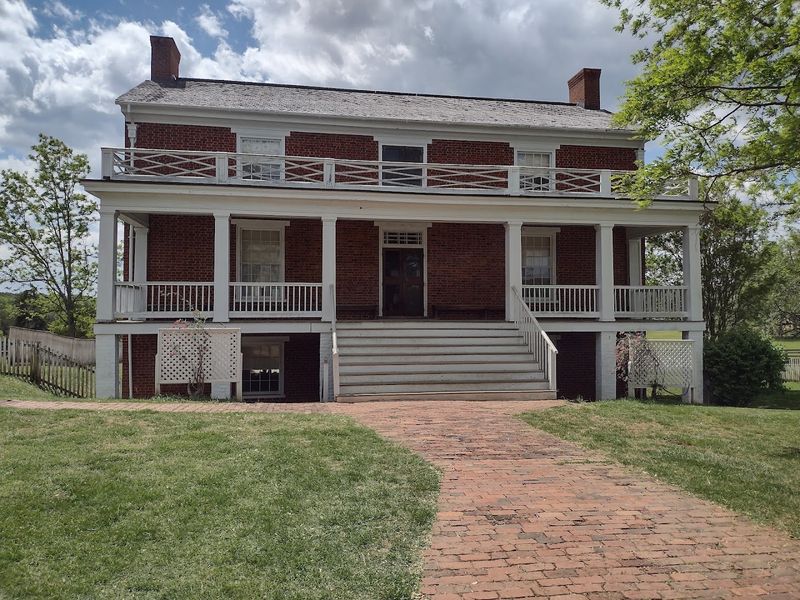
The reconstructed McLean House is the undisputed centerpiece of the park, and stepping inside feels like crossing a threshold into one of history’s most consequential rooms. General Robert E.
Lee and General Ulysses S. Grant met here to negotiate the terms of Confederate surrender in April 1865, and the gravity of that meeting is almost tangible.
The furniture, the light through the windows, the quiet of the house, all of it conspires to make history feel achingly close.
Beyond the McLean House, the park preserves a remarkable collection of original and reconstructed buildings that recreate the village as it appeared during that pivotal spring. The Clover Hill Tavern, the old courthouse, and various homes and outbuildings together paint a vivid picture of a community caught at the hinge of history.
I always find myself slowing down to read every interpretive panel, hungry for every detail.
The surrounding landscape, gentle and pastoral, feels like an appropriate setting for an ending and a beginning rolled into one. This profoundly significant site is located at 111 National Park Dr, Appomattox, VA 24522.
8. James Madison’s Montpelier
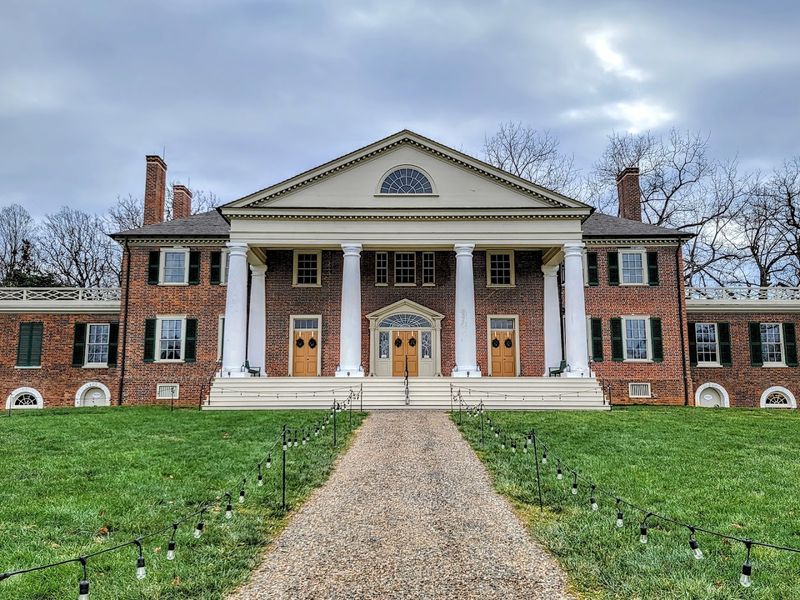
James Madison’s Montpelier is the kind of historic estate that sneaks up on you. It lacks the immediate name recognition of its famous neighbors, yet the moment you start exploring this distinguished property, you realize you are standing in the intellectual engine room of American democracy.
Madison spent most of his life here, and the estate reflects both his towering ambitions and his deeply personal world in equal measure.
The hands-on Constitution gallery is a genuine highlight, offering an interactive and surprisingly gripping exploration of the document Madison championed and helped craft. Engaging directly with the ideas and debates that shaped the Constitution is a rare and thrilling experience, and the gallery makes those eighteenth-century arguments feel urgently relevant today.
I always leave with a deeper appreciation for the complexity of what Madison achieved.
Equally important is the award-winning exhibition titled The Mere Distinction of Colour, which examines the lives of the enslaved people who lived and worked at Montpelier. This exhibition is courageous, meticulous, and genuinely moving, and it fundamentally enriches the visitor’s understanding of Madison’s legacy and America’s complicated founding story.
It is essential viewing for anyone serious about understanding this period honestly.
The estate grounds are beautiful too, featuring formal gardens, woodland trails, and sweeping views of the Virginia countryside that invite quiet reflection. The combination of intellectual depth and natural beauty makes Montpelier one of the most rewarding stops on any history lover’s itinerary.
Find this remarkable estate at 11350 Constitution Hwy, Montpelier Station, VA 22957.
9. St. John’s Episcopal Church
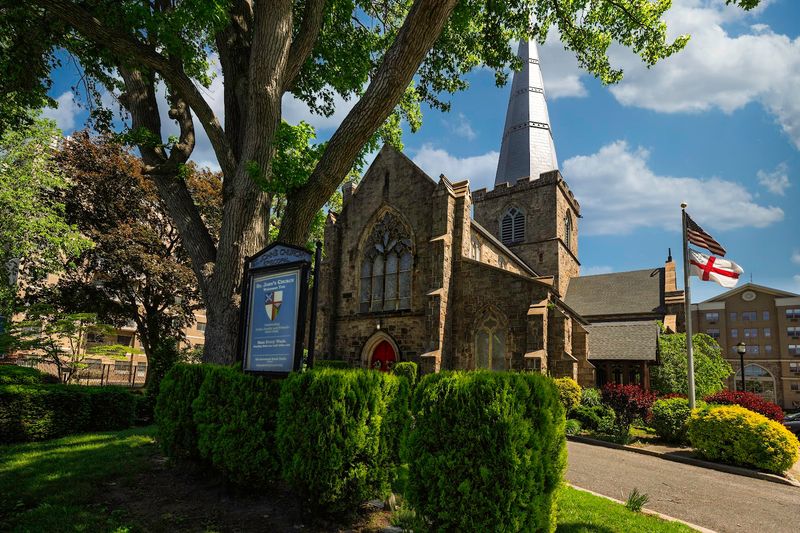
Imagine sitting in a plain wooden pew inside a small colonial church, listening to Patrick Henry rise to his feet and declare that liberty is worth dying for. That electrifying moment happened right here at St. John’s Episcopal Church in Richmond, and the space has never quite lost that charge.
Walking through the churchyard gate, past the old gravestones, I feel a frisson of excitement that never dulls no matter how many times I visit.
The church itself is beautifully simple, a white-painted brick structure with a modest wooden steeple that perfectly captures the restrained aesthetic of colonial Virginia. Inside, the original sanctuary looks much as it did when the Second Virginia Convention gathered here in March 1775, and that continuity is quietly thrilling.
The box pews, the plain windows, the compact interior, all of it places you firmly in the eighteenth century.
Historical reenactments of the convention are staged here regularly, bringing Henry’s famous speech to life with passionate, committed performances. Sitting in those pews during a reenactment, I feel the urgency of the colonial moment with an immediacy that no museum exhibit can quite replicate.
The actor playing Henry builds to that immortal line with genuine fire, and the hairs on my arms stand up every single time.
Beyond the drama, the church also serves as an active Episcopal congregation, adding a living continuity to its historical significance that I find deeply appealing. This fiery spark of American revolution is located at 2401 E Broad St, Richmond, VA 23223.
Absolutely worth every minute.
10. Arlington National Cemetery and Arlington House
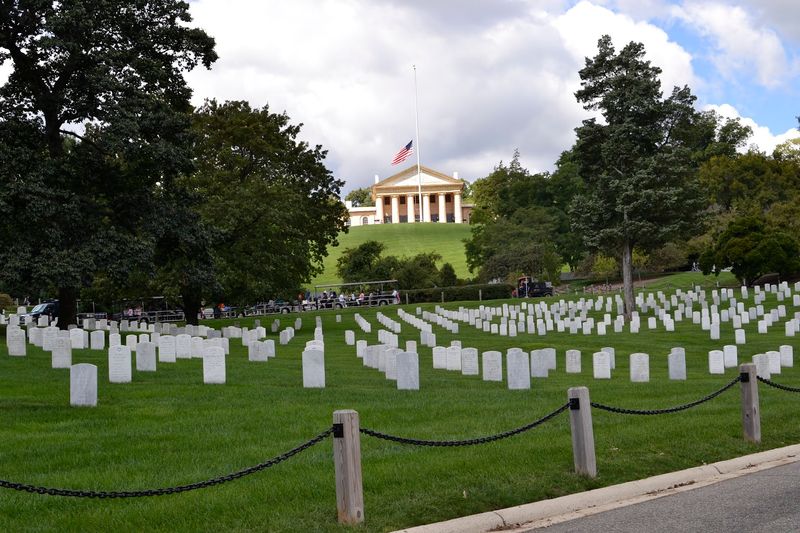
Arlington National Cemetery is not a place you simply visit. It is a place that visits you back, settling into your memory with a quiet permanence that no other landmark quite manages.
The rows of white marble headstones stretching across those green Virginia hills create a visual that is simultaneously breathtaking and profoundly sobering. Every time I pass through those gates, I am reminded of what genuine sacrifice looks like.
The Tomb of the Unknown Soldier commands the deepest reverence on the grounds, and the Changing of the Guard ceremony is one of the most precisely executed and emotionally powerful rituals I have ever witnessed. The Sentinels perform their measured, exacting tribute with an intensity that silences the crowd completely.
Twenty-one steps, a twenty-one-second pause, absolute precision, it is military honor made visible and it never fails to move me to my core.
The eternal flame at the John F. Kennedy gravesite burns steadily nearby, a poignant symbol of a presidency cut short and a nation’s enduring grief.
I always pause there longer than I intend to, watching the flame flicker against the marble backdrop with Washington, D.C. spread out across the river below.
Arlington House, perched on the hilltop above the cemetery, adds a remarkable architectural and historical layer to the visit. This impressive Greek Revival mansion, the former home of Robert E.
Lee, tells a complex story about the Washington and Lee families and the enslaved community who built and maintained the estate. The cemetery is located in Arlington, VA 22211, a final, unforgettable stop on any Virginia history journey.
