About 450 farmers, shopkeepers, and neighbors once stacked logs and fence rails into a wall to stop roughly 2,000 Confederate cavalrymen. That wall went up in southern Indiana in July 1863.
I still can’t get over the nerve that took.
The defenders were the local Home Guard, a mix of militia and citizen volunteers. They were outnumbered and overrun fast.
Yet their stand slowed the raiders long enough for Union troops to start the chase.
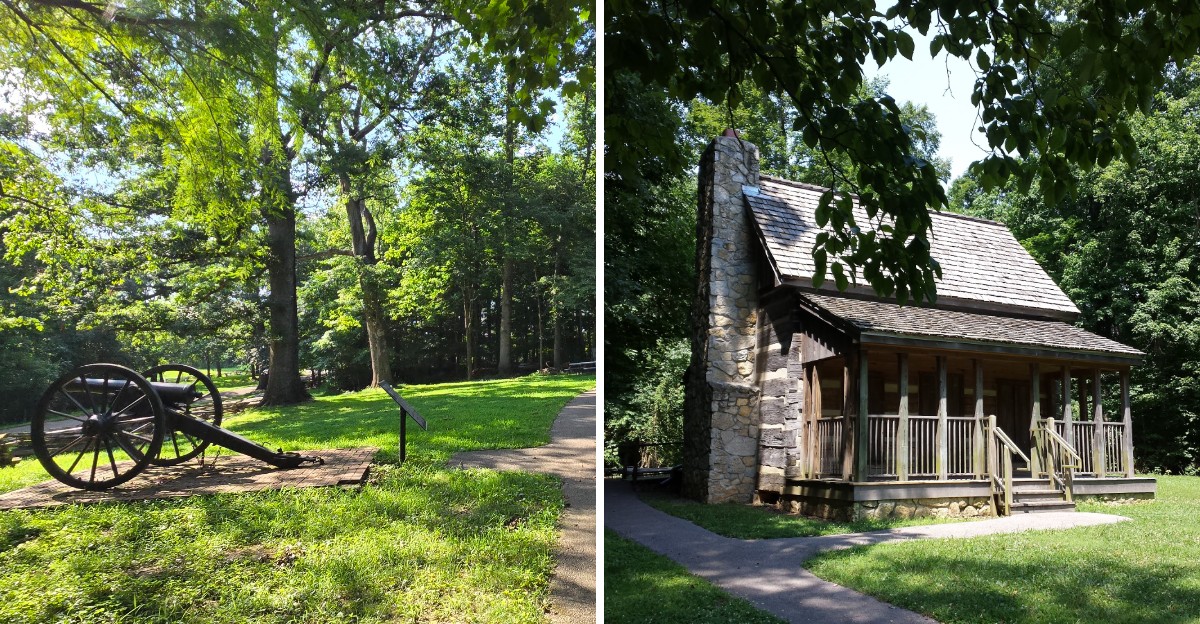
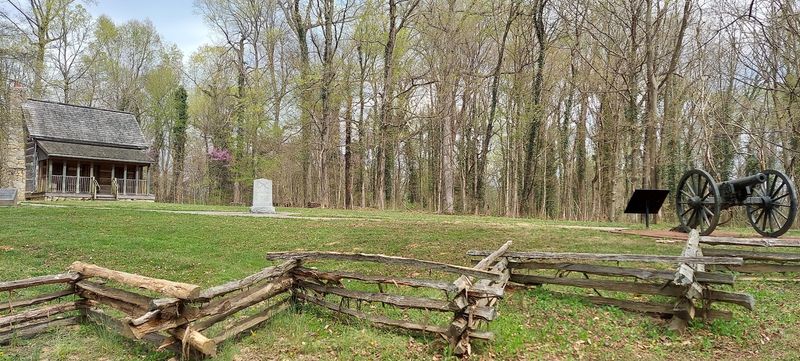
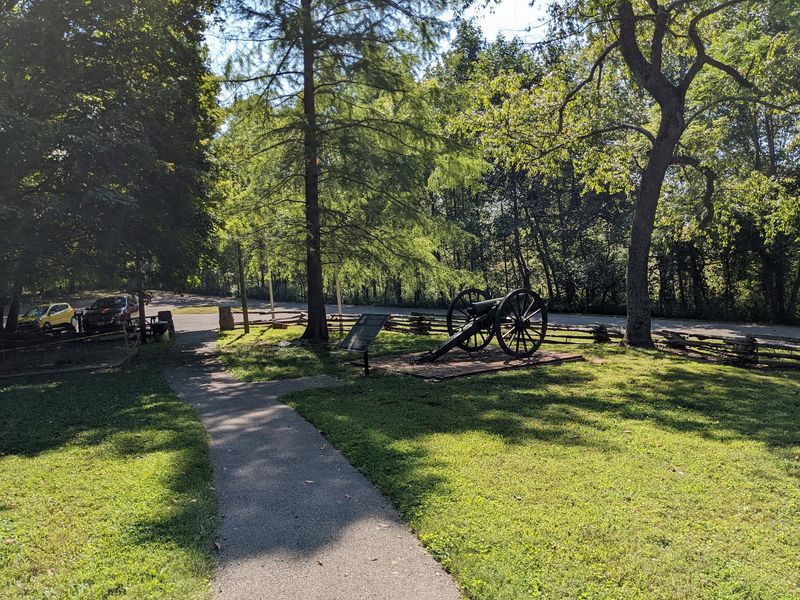
I like that the ground they defended still looks much the same today. Five quiet acres hold the story, along with a cannon, plaques, a wooded trail, and a log cabin you can sometimes step inside.
It’s one of the very few Civil War battle sites on northern soil.
Neighbors Stacked Fence Rails And Dared An Army To Cross
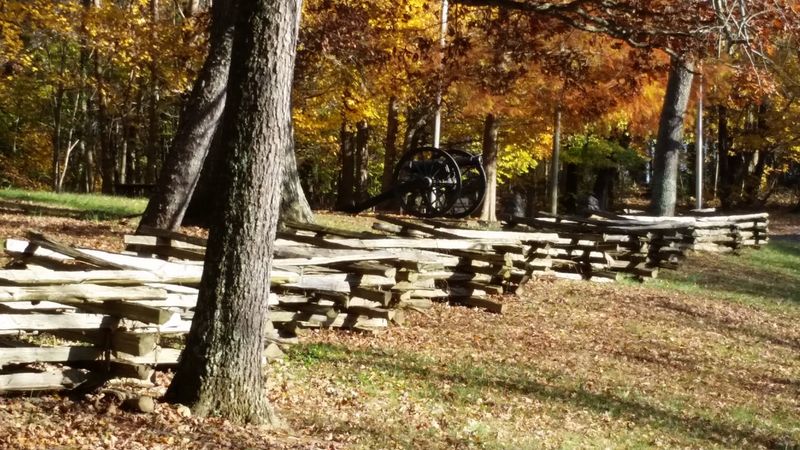
Logs, split rails, and pure Hoosier stubbornness. That was the recipe for the barricade at Battle of Corydon Memorial Park.
On July 9, 1863, the Harrison County Home Guard piled timber and rail piles into a defensive line south of town. These weren’t career soldiers with fancy gear.
Most were local militia members and everyday citizens who heard trouble was coming. Brigadier General John Hunt Morgan and his Confederate cavalry had crossed the Ohio River into Indiana.
The Home Guard, led by Colonel Lewis Jordan, decided to meet them head-on. So they grabbed what farm country had plenty of, which was wood.
Fence rails might sound like a flimsy choice. Still, a chest-high pile of timber gave the defenders cover and a place to make their stand.
Historians describe their defense as resolute, and that word fits. They held their spot even though they were badly outnumbered.
Today, the park marks the ground where that line stood. You won’t find the original rail piles stacked waiting for you, since timber doesn’t last 160 years outdoors.
What remains is the land itself, the markers, and the story. Standing on that ground, the scale of their courage feels a lot more real than any textbook page.
Five Quiet Acres Have Barely Changed Since 1863
Most historic battlefields have been paved, plowed, or built over at least a little. This one got lucky.
The park covers about five acres, and that ground remains largely unchanged since the 1863 engagement. Few places let you see the real terrain so clearly.
Credit goes to the Hays family. In 1975, they donated the five acres to the Parks Department so the site could be protected for everyone.
I love that a single family’s choice kept this slice of Indiana history open to the public. Without that gift, the land could easily have become a parking lot or a row of houses.
Five acres isn’t huge, and that’s part of the charm. You can take in the whole site without a map, a tram, or blistered feet.
The size also makes it a smart stop for families with short attention spans. Kids can see where things happened without a three-hour hike.
Look at how the land rises and dips under the trees. Those small slopes mattered a great deal to defenders choosing where to set up their line.
It’s a quiet spot now. Birds and breezes have replaced the noise of that July day.
Run The Numbers And Your Jaw Might Hit The Ground
Roughly 400 to 450 defenders. Somewhere between 1,800 and 2,500 Confederate cavalrymen coming their way.
Those odds would make anyone think twice. The Harrison County Home Guard looked at them and stayed put anyway.
Morgan’s raiders were experienced horsemen on a bold mission into the North. The Home Guard, meanwhile, was made up of local militia and citizen volunteers who knew the hills around their homes.
When the dust settled, the Confederates claimed the victory. Union losses were small in casualties, but around 345 to 355 Hoosiers were captured.
The raiders took losses too. Reports list dozens of Confederate wounded, which shows the Home Guard put up a real fight before being overwhelmed.
Here’s a fun way to make those numbers stick with kids. Ask them to imagine their whole school facing a crowd four or five times bigger.
Suddenly, a pile of fence rails seems like a very brave idea. It also shows how ordinary people stepped up when trouble rolled into town.
The plaques at the park lay out the details clearly. Read them slowly, because each number stands for a real person from this corner of Indiana.
Losing The Fight Still Bought Something Priceless
Sometimes a loss on paper turns out to be a win in disguise. The Battle of Corydon is a great example.
Yes, the Home Guard was overrun. But their stand delayed Morgan’s raid by several hours.
Hours might not sound like much. During a fast cavalry raid, though, a few hours can change everything.
That delay helped Union forces begin their pursuit of the raiders. Morgan kept moving through Indiana and into Ohio, with Union troops on his trail.
So those rail piles did their job in a bigger way than anyone expected. The defenders slowed down a much larger force and gave others time to respond.
I believe that’s the most inspiring part of the whole story. Doing the right thing still matters, even when the scoreboard says you came up short.
It’s a lesson that works for kids and grown-ups alike. Think of it as the historical version of a team that loses the game but changes the season.
Battle of Corydon Memorial Park keeps that message front and center. Spend a minute at the memorials honoring those who stood here, and the meaning hits home.
Step Inside A Log Cabin From The 1860s Era
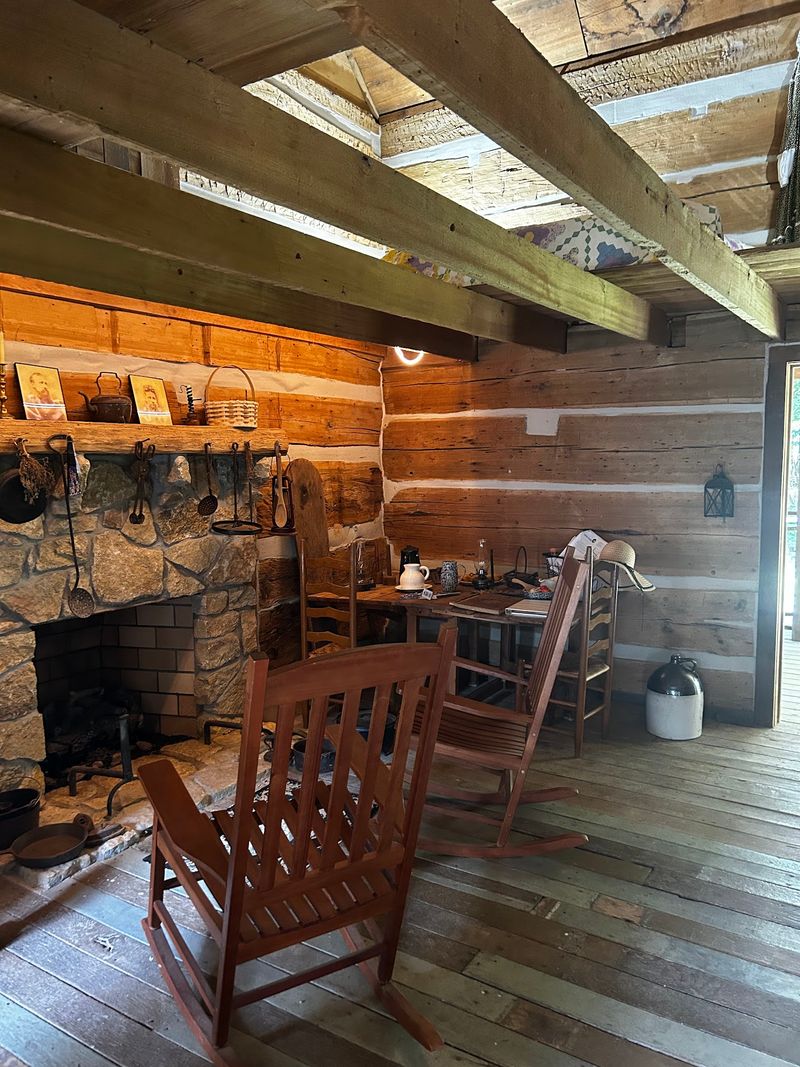
Ever wondered where folks actually lived back then? The restored log cabin at the park answers that question in the most hands-on way.
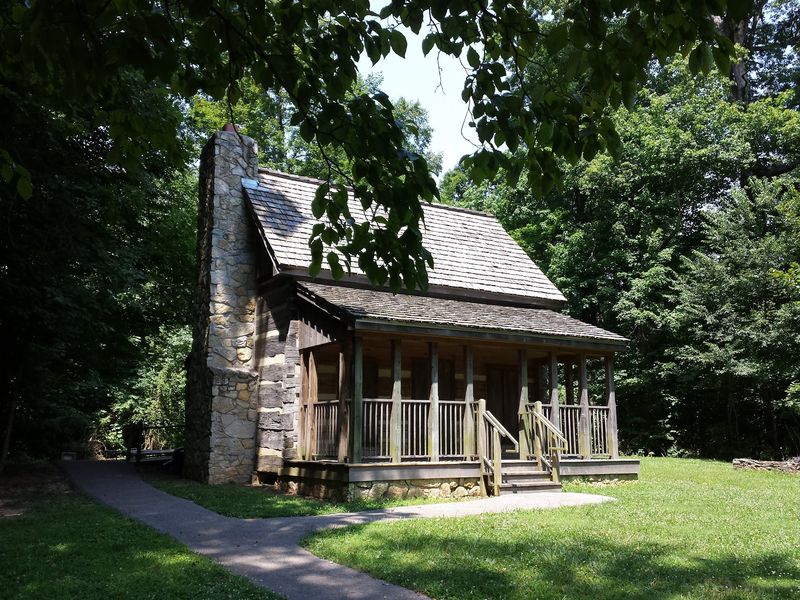
The cabin reflects the kind of housing families used around the Civil War era. Hand-hewn logs, a sturdy porch, and simple rooms show how people got by without modern comforts.
During the summer season, the cabin usually opens on weekends from late morning to afternoon. Historical interpretive staff are often there to share stories and answer questions.
Talking with a guide is easily one of the best parts of a visit. They can connect the cabin to the battle, the Home Guard, and daily life in Harrison County.
Bring your curiosity and a few questions for the kids to ask. How did people stay warm in winter, and where did they cook?
Hours can shift by season, so check ahead before you make a special trip. Arriving to a locked door is a letdown nobody needs.
Even from the outside, the cabin makes a great photo. The logs and porch look straight out of a history book, minus the sepia filter.
The Cannon Is Ready For Its Close-Up
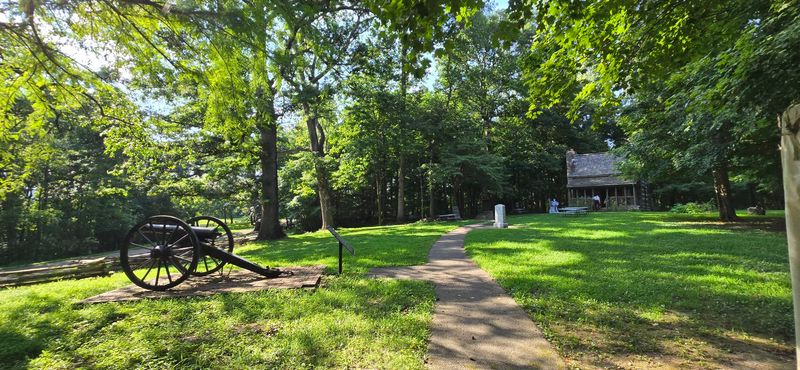
Every history buff needs at least one cannon photo. Battle of Corydon Memorial Park happily delivers.
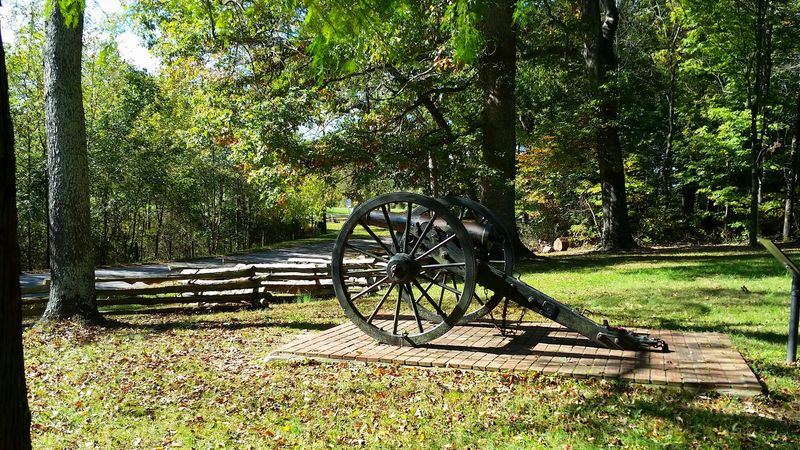
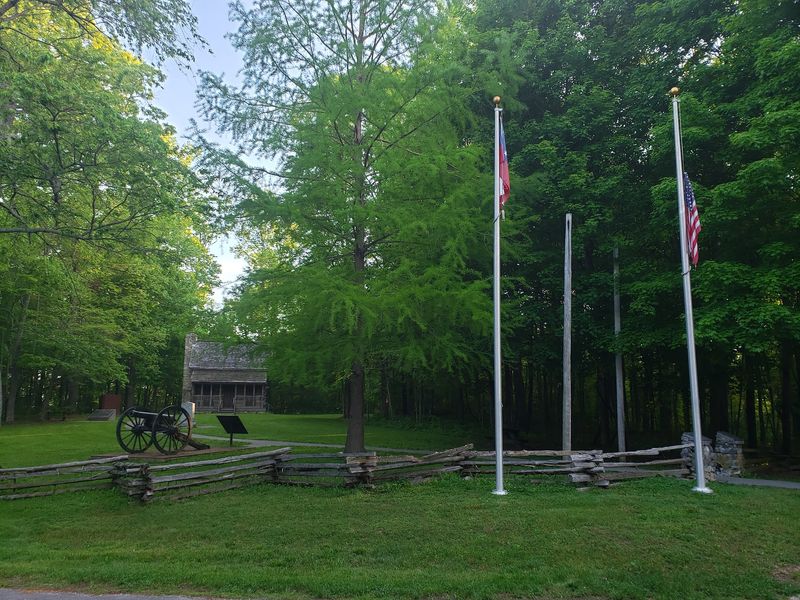
A Civil War cannon sits on the grounds, and it tends to be the first thing kids sprint toward. Grown-ups usually aren’t far behind.
Nearby, historical plaques explain what happened here in plain, readable language. They cover the Home Guard, Morgan’s raiders, and how the fight unfolded.
Memorials also honor those who lost their lives in the battle. Take a quiet moment there, because these were real neighbors from the area.
Here’s a tip for families. Turn the plaques into a mini scavenger hunt by having kids find the date, the commander’s name, and the number of defenders.
That little game keeps young visitors reading instead of just climbing on everything. It also helps the facts actually stick.
Photographers will enjoy the setting too. The cannon framed by tall trees and green grass makes for a striking shot in any season.
Be respectful while snapping pictures, though. The memorial area deserves a calmer touch than the cannon selfie zone.
Lace Up For An Easy Stroll Under The Trees
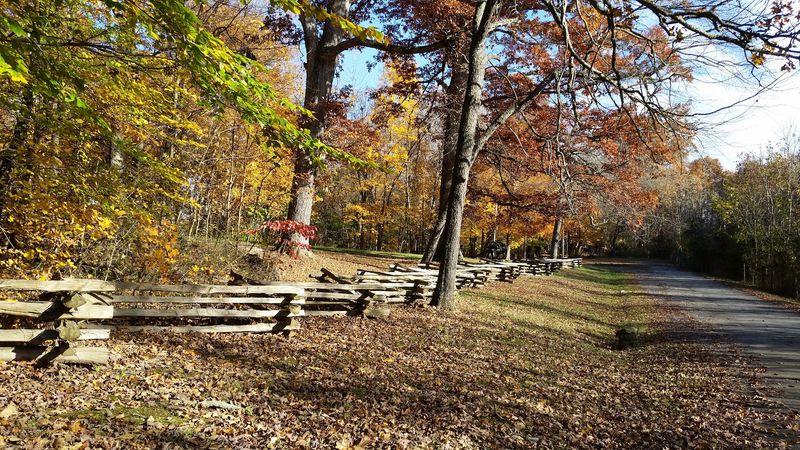
Good news for anyone who isn’t training for a marathon. The trail here is short, easy, and unpaved.
It winds through wooded ground on the park’s five acres. Shade from the trees makes it a pleasant walk, especially on a warm Indiana afternoon.
Wear real shoes rather than flimsy sandals. Unpaved paths can get muddy after rain, and nobody wants a soggy sock situation.
The walk gives you a feel for the terrain the Home Guard used. Notice how the trees and slopes could offer cover to defenders behind a barricade.
It’s also a nice break from screens and busy roads. Kids can burn off energy while still soaking up a bit of history.
Bring water on hot days and bug spray in summer. Woods in southern Indiana are lovely, but mosquitoes clearly agree.
The trail pairs nicely with the cabin and cannon for a well-rounded visit. You can see the whole park in a relaxed outing without rushing.
Take your time and listen for a moment. The quiet makes it easier to picture the busy, frightening morning of July 9, 1863.
Check The Gate Hours Before You Hit The Road
Nothing deflates a road trip faster than a closed gate. A little planning keeps that from happening here.
You’ll find Battle of Corydon Memorial Park at 100 Old Hwy 135 SW, Corydon, IN 47112. It sits just south of downtown Corydon, so it’s an easy add-on to a day in town.
The grounds are generally listed as open daily from 8 a.m. until dusk. Hours posted online don’t always match, though, so confirm before you go.
The cabin keeps its own schedule. It typically opens on summer weekends during daytime hours, often with interpretive staff on hand.
A quick call to the Harrison County Parks Department can save you a wasted drive. It’s especially smart if seeing the cabin is the main goal.
Aim for a nice-weather day if you can. The park is mostly outdoors, and the trail is far more fun when it isn’t raining sideways.
Plan for a relatively short visit, maybe an hour or so. That leaves plenty of time to explore more of town afterward.
Keep Following Morgan’s Trail After You Leave
The story doesn’t end at the parking area. Battle of Corydon Memorial Park is part of the John Hunt Morgan Heritage Trail.
That trail traces the route Morgan’s raiders took across southern Indiana. Driving parts of it turns a single stop into a full history road trip.
The park earned its place on the National Register of Historic Places on July 9, 1979. Fittingly, that was exactly 116 years after the battle.
It also holds a rare title. Corydon was the last military engagement fought in Indiana, and it’s often mentioned alongside Gettysburg as a northern battle site.
After your visit, head into Corydon itself. The town served as Indiana’s first state capital, so history is basically around every corner.
Families can easily build a whole day around the area. Start at the battlefield, then wander downtown and keep the questions coming.
I can’t think of a better way to make Indiana history feel alive. Real ground, real stories, and real people who stacked fence rails against long odds.
Those rails are long gone. The spirit behind them still shows up every time someone pulls into this little park.
