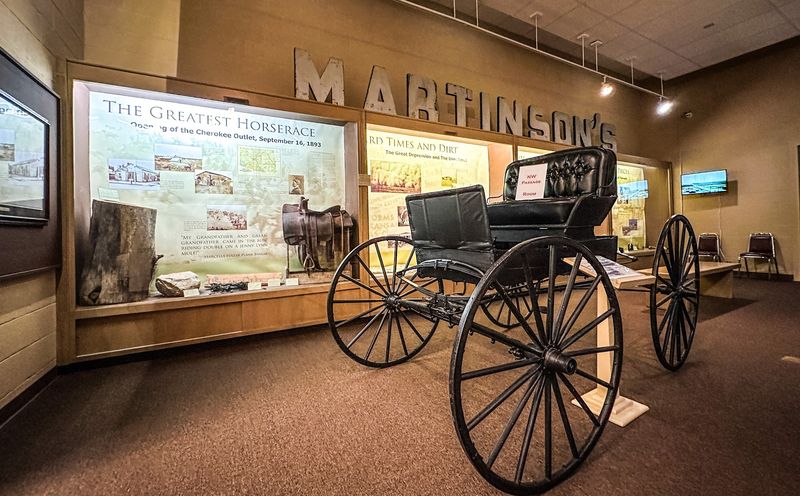
You pull off the highway in northwest Oklahoma expecting a quick stretch and maybe a cold soda. Then a modest brick building swallows you for an afternoon you never planned on.
Inside, a whole frontier unfolds, from Cheyenne and Arapaho heritage to a real log cabin and a recreated main street. Best of all, the front door costs nothing to walk through.
A Free Window Into Northwest Oklahoma
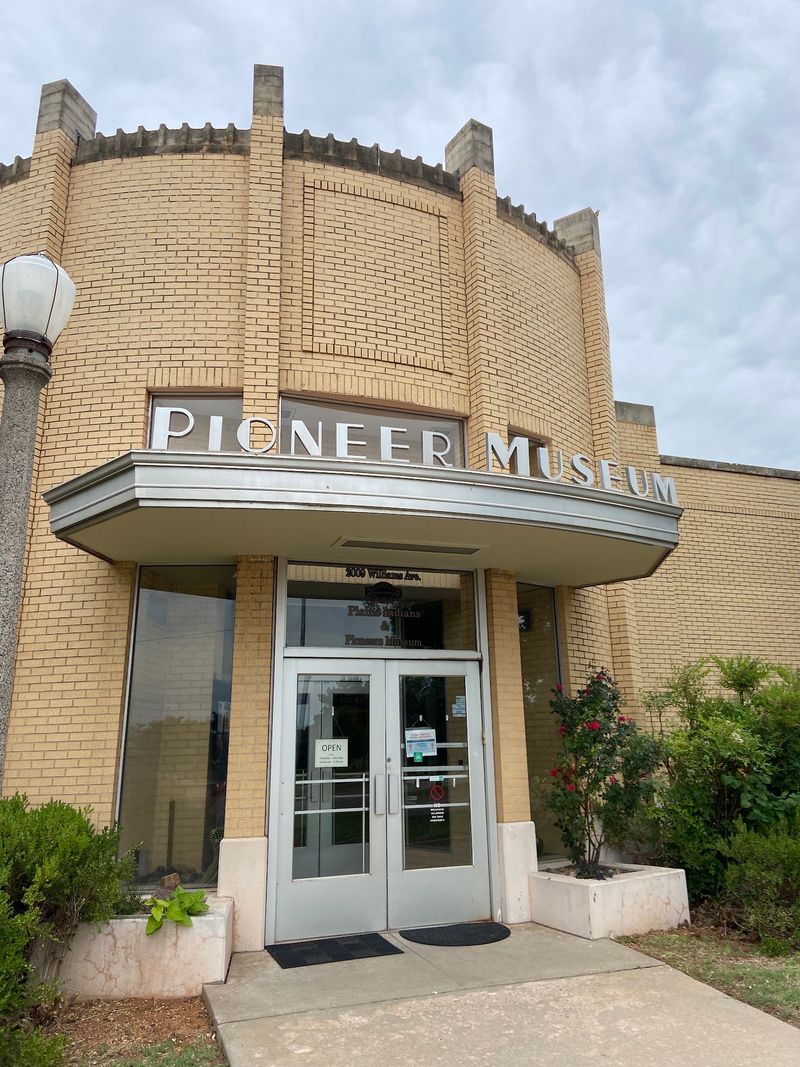
Out on the wide-open edge of the state, where wheat fields stretch toward the horizon, sits the Plains Indians & Pioneers Museum. Its job is simple but big: collect, preserve, and share the story of Northwest Oklahoma.
That story covers a lot of ground. Native American heritage, pioneer settlement, farming, and everyday community life all get their turn under the lights.
Artifacts sit beside written records, oral histories, and old photographs, so the past feels personal rather than dusty.
Many travelers admit the building looks smaller from the parking lot than it feels once inside. Visitors often say they walked in expecting a quick peek and left surprised by how much the place holds.
The layout weaves stories from room to room, so one gallery naturally pulls you into the next.
Admission is free, which makes it an easy stop for families watching the gas budget. A donation box greets guests near the entrance, along with a guest book to sign.
Plenty of people happily drop in a few dollars because the experience feels worth far more than nothing.
For anyone driving through the northwest corner of Oklahoma, the stop works as both a history lesson and a welcome break from the road.
Roots of a Prairie Repository
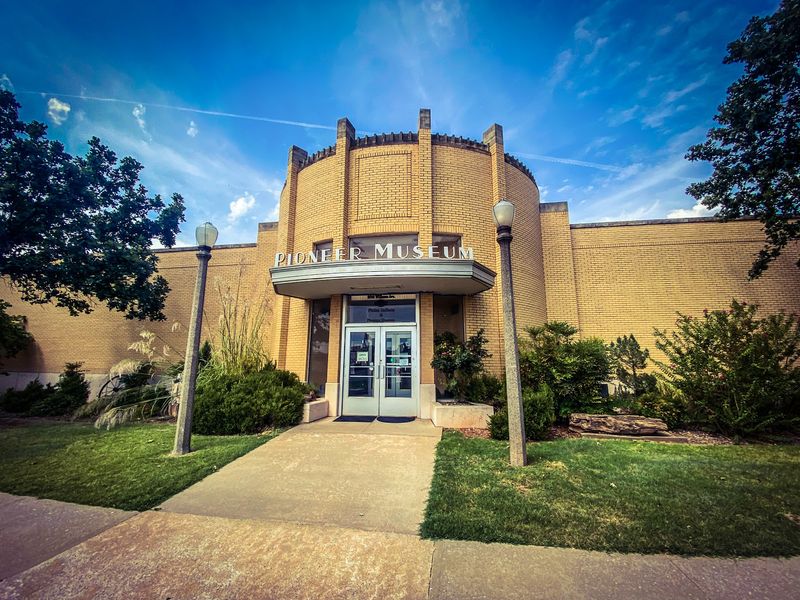
Every small town keeps its memories somewhere. In Woodward, those memories found a permanent home on Williams Avenue, where the museum serves as a long-term repository for the region’s history.
Think of it as the attic of Northwest Oklahoma, only far better organized. The collection gathers artifacts, letters, oral records, and photographs that show how people lived, worked, and built communities on the plains.
Some pieces reach back to tribal life before settlement, while others carry the story into the mid-20th century.
One memorable thread follows the tornado that struck in the late 1940s, a chapter that still shapes how locals talk about their town. Exhibits also spotlight several notable citizens whose lives left a mark on the area.
Visitors frequently mention how well written those character stories are, with enough color to keep even restless readers moving along.
What stands out is the sense of care. Guests have described an intentional feel to the way history is woven through each display, connecting the town to the state and the wider country.
Doubling as Woodward’s official tourist information center, the museum also acts as a friendly front porch for the whole community. Staff can point you toward other local stops before you leave.
Cheyenne and Arapaho Heritage on Display
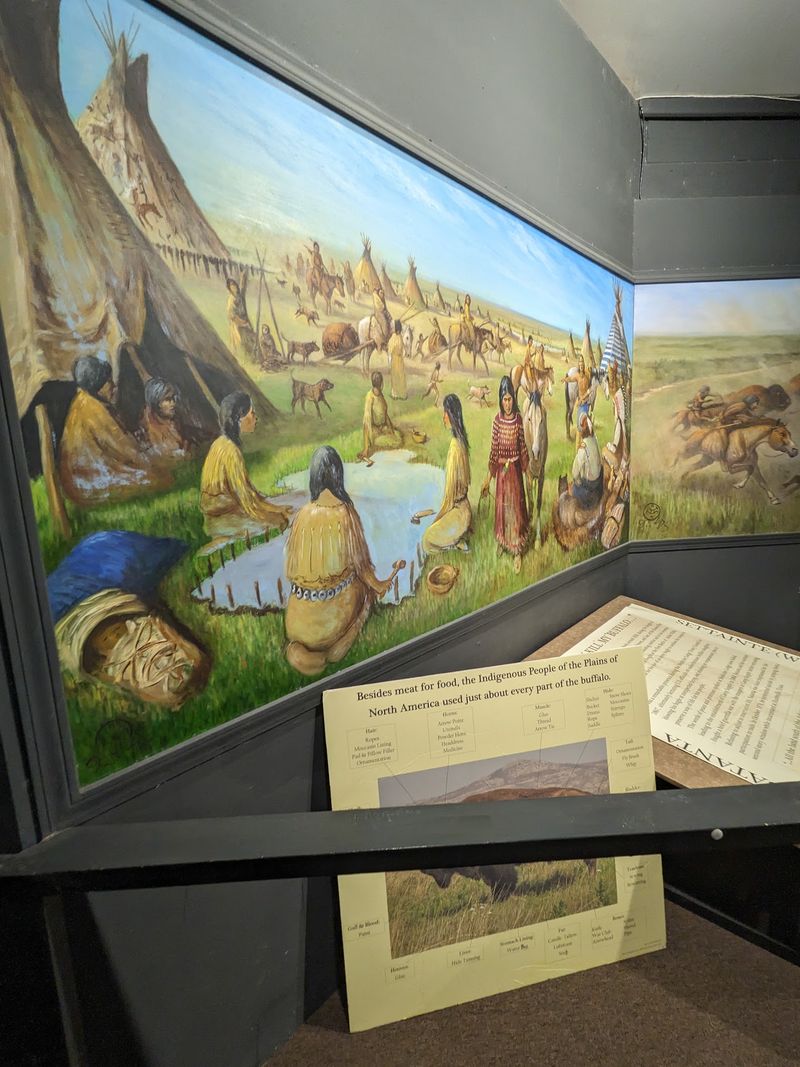
Long before a single homestead claim was filed, the Cheyenne and Arapaho Nations called these plains home. The museum’s American Indian exhibits honor that presence as living culture, not a closing chapter.
Display cases hold crafts and artifacts that reflect skill, artistry, and daily life. Visitors often point to the beauty of the handmade items, many of which reward a slow, close look.
Careful labels explain how the pieces were used and why they mattered.
The galleries also address harder history with honesty. Exhibits explore conflicts on the plains, including the Battle of the Washita in 1868, an event that deeply affected Cheyenne families.
The presentation gives context without sensationalism, which makes it approachable for older kids and adults alike.
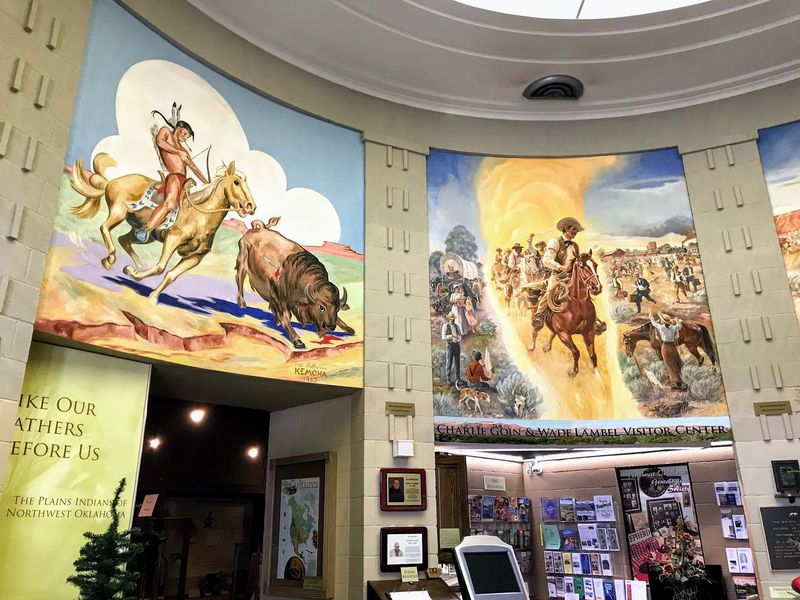
Murals add another layer. Works by Pat “Kemoha” Patterson, Paul Laune, and others bring color and perspective to the walls, connecting the artifacts to a broader story.
Guests frequently say the displays blend tribal history with Woodward’s own story, showing how deeply intertwined the two remain. For Oklahomans who take pride in the state’s 39 tribal nations, this section offers a thoughtful, respectful look at two of them right in their own backyard.
Main Street, Frozen in Time
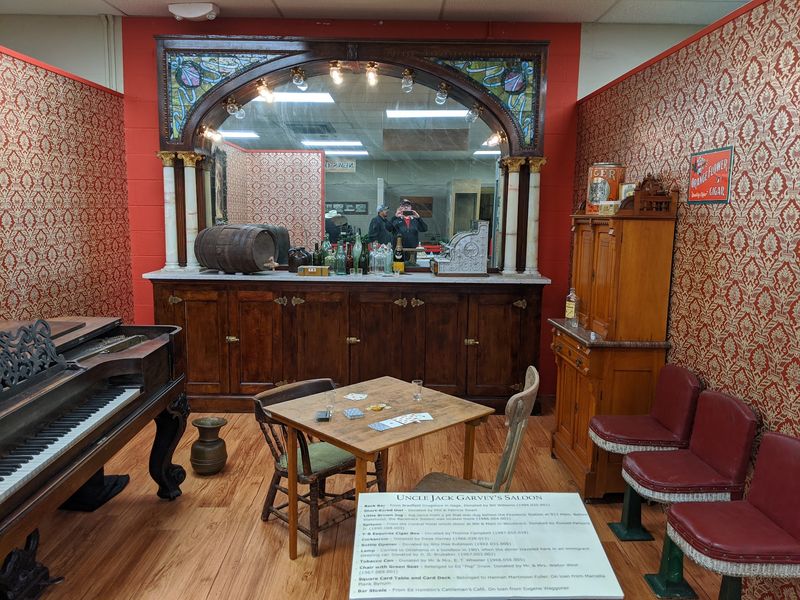
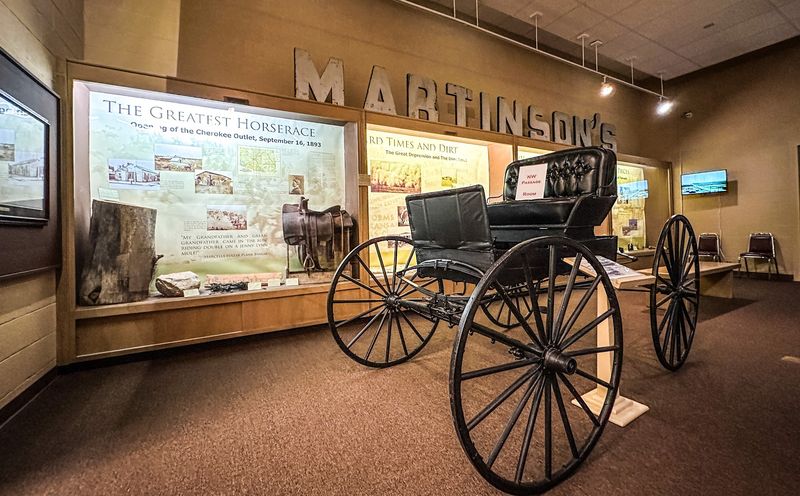
Step around a corner and suddenly you are standing on an old frontier street. The town vignettes are among the most fun spaces in the building, especially for kids who like to peek through doorways.
Each storefront recreates a slice of early settlement life. There is a bank, a jail, a newspaper office, a portrait studio, and an old-time saloon front, all furnished with period details.
Imagining the clatter of a printing press or the stiff pose of a family portrait becomes surprisingly easy.
The star attraction might be the office and parlor of Temple Houston, a lawyer and son of Texas legend Sam Houston. Known for his flair in the courtroom, he became one of Woodward’s most colorful early figures.
The Houston Room gives his story the attention it deserves.
Fun fact: Temple Houston was famous for his long hair, fancy dress, and dramatic speeches, which made him a frontier celebrity.
Grandparents tend to love walking grandkids through these rooms, pointing out objects they remember from their own childhoods. Some visitors also mention enjoying the antique firearms and old tools tucked among the displays.
It is history you can almost walk into.
The Lee-Lienemann Cabin and the Ag Building
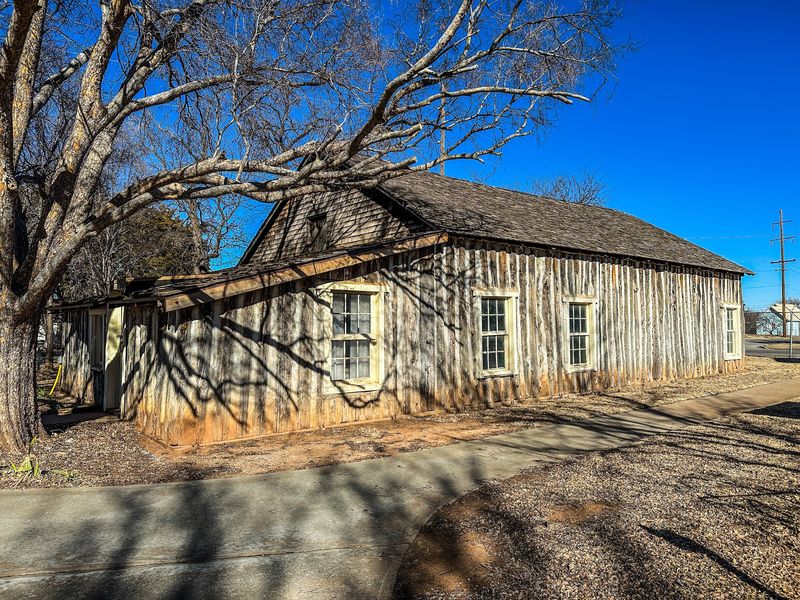
Picture raising a family inside four log walls with prairie wind howling outside. That reality comes into sharp focus at the Lee-Lienemann Log Cabin, an authentic 1870s structure brought from Old Camp Supply.
Standing beside it, you notice how small the space really is. Every corner had to serve a purpose, from cooking to sleeping to storing supplies for hard winters.
Kids often find it hard to believe whole households lived this way.
Right after the cabin, don’t skip the agriculture exhibit. Visitors specifically urge others to make a point of visiting the Ag building, and it is easy to see why.
Farming built Northwest Oklahoma, and the displays trace how tools and methods changed as settlers learned to work this demanding land.
Old equipment tells the story better than any textbook. You get a feel for the sweat behind each harvest and the clever fixes families used to stretch every dollar.
For anyone raised on a farm, or whose grandparents were, this section can stir a lot of memories. It quietly reminds visitors that the bread on their tables once depended on stubborn, hopeful folks working sunup to sundown.
Rotating Art, Quilts, and a Courtyard Surprise
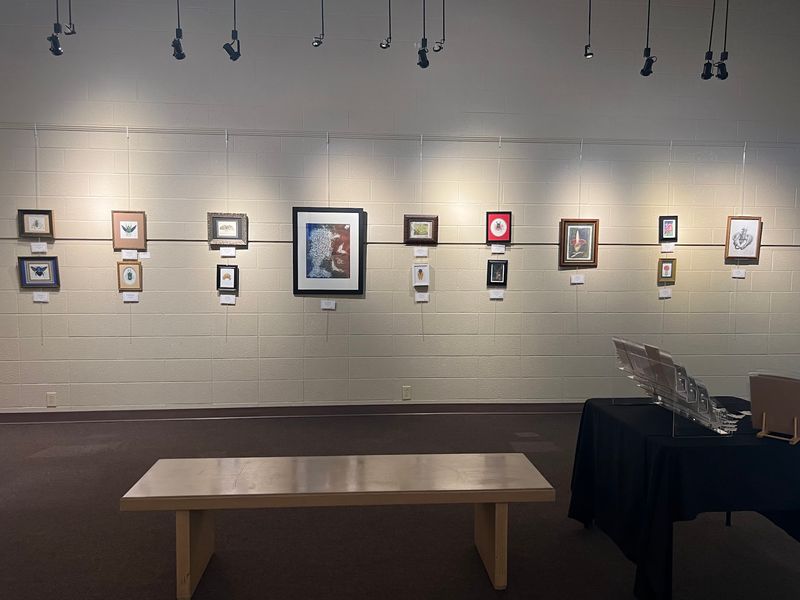
Here is something many first-timers miss: the art keeps changing. The Robert Roberson Exhibition Gallery hosts rotating shows and traveling exhibits, and guests have mentioned lovely new displays appearing as often as monthly.
That turnover gives locals a reason to return. One visit might feature regional painters, the next something entirely different.
Murals by artists like Fred Olds and Jana Sol add a permanent splash of creativity throughout the building.
Textile fans will want to find the Federal Eagle Quilt. Quilts like this carry hours of patient stitching, and seeing one up close shows real artistry hiding in everyday household skills.
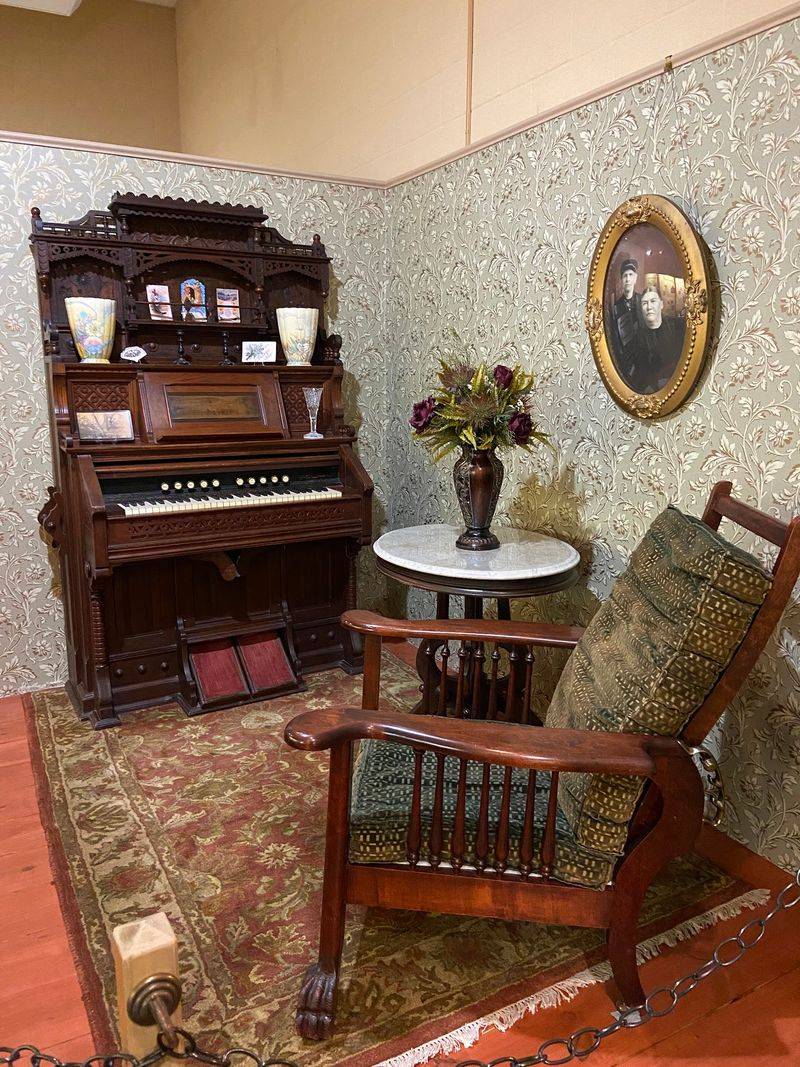
Nearby rooms, including The Myrtle Foster Room and An Oklahoma Parlor, round out the domestic side of the story.
Then comes the delightful twist. A side door inside leads to the Jim Powers Memorial Courtyard, with pretty grounds and playful metal sculptures by a local artist.
More than one visitor has said those pieces brought a chuckle and a smile.
Outside, a veterans memorial offers a quieter moment of reflection. Between the galleries, the quilt, and the courtyard, the museum proves pioneer history and creativity sit comfortably side by side.
Who Will Love It Here
Warm greetings set the tone before you even see a single exhibit. Friendly staff come up again and again in visitor comments, with docents described as welcoming, knowledgeable, and genuinely happy to answer questions.
The atmosphere has been called relaxed and classy, clean, and well laid out. It never feels stuffy, which makes it comfortable for curious kids and retirees alike.
Families bringing grandkids often mention it as a natural outing for all ages.
History buffs will find plenty to chew on, especially if they enjoy reading labels. Art lovers get rotating galleries.
Couples with different interests usually both find something, whether that is old firearms and tools for one or paintings and quilts for the other.
One honest note: a traveler from far away might relate a bit less to some hyper-local items. Even so, visitors from out of state still describe learning things about the region they never knew.
Wheelchair accessibility helps, too. The building is accessible, so older relatives can join in without worry.
If your crew likes unpretentious, affordable stops with a personal touch, this one fits nicely. It rewards curiosity rather than deep pockets.
Hours, Costs, and Getting There
Planning matters, because the doors aren’t open every day. The museum generally runs Tuesday through Saturday, 10 a.m. to 5 p.m., and stays closed Sundays, Mondays, and major holidays.
Calling ahead at 580-256-6136 may save a wasted trip.
You’ll find it at 2009 Williams Ave in Woodward. From Oklahoma City, expect roughly a two-and-a-half-hour drive northwest, so it pairs well with a weekend loop through the region.
Money-wise, entry costs nothing. A donation box sits at the entrance, and many guests leave a few dollars to help keep things running.
The gift shop is another way to support the museum, with locally crafted items and prices visitors often call reasonable. One guest only wished more museum T-shirts had been left in their size.
Time needed varies widely. A hurried walk-through can take 20 to 30 minutes, while most people spend an hour or so, and dedicated readers have stretched it past three hours.
Groups should reserve guided tours in advance. Also keep Oklahoma weather in mind: summer heat and spring storm season can affect drives, but the indoor galleries make it a solid year-round pick.
Worth the Detour, Every Time
Some places shout for attention with billboards and gimmicks. This museum does the opposite, quietly offering a rich, carefully told story and trusting you to stop in.
Across its galleries, you travel from Cheyenne and Arapaho heritage to a frontier main street, from an 1870s log cabin to a farming exhibit, and on to rotating art and a cheerful sculpture courtyard. That is a lot of ground for a building many people underestimate from the parking lot.
Free admission makes the decision almost too easy. Add friendly docents, a gift shop stocked with local crafts, and a calm, tidy setting, and the stop feels generous in every sense.
Is it a full-day destination? Probably not for most families.
But as a road-trip anchor in northwest Oklahoma, or a rainy-day plan for locals, it delivers far more than its size suggests.
Bring the grandkids, bring a few dollars for the donation box, and leave room in the schedule for lingering. Odds are you’ll walk out knowing your corner of the state a little better and feeling proud of the people who shaped it.
That kind of souvenir lasts longer than any trinket.
