We’ve all been there – excited about a trip, then reality hits when we start adding up the costs. Minnesota might seem like an expensive getaway, but the numbers might surprise you. And honestly, the state makes it easier than you’d think.
The total for three days on a budget depends on a few key choices: where you sleep, how you get around, and whether you’re eating street food or sitting down for a nice dinner. But here’s the good news – some of the best experiences are free.
Museums, parks, and waterfronts don’t cost a thing. With a little planning, your daily spend can stay comfortably low without feeling like you’re missing out.
The bottom line? A Minnesota budget trip won’t break the bank, and you’ll leave wondering why you didn’t visit sooner.
Free Art Stops That Stretch A Small Budget

Art in Minneapolis has a habit of being generous. The Minneapolis Institute of Art keeps general admission free on regular open days, and the collection stretches from ancient jade carvings to bold modern photography. Hours slip away in there.
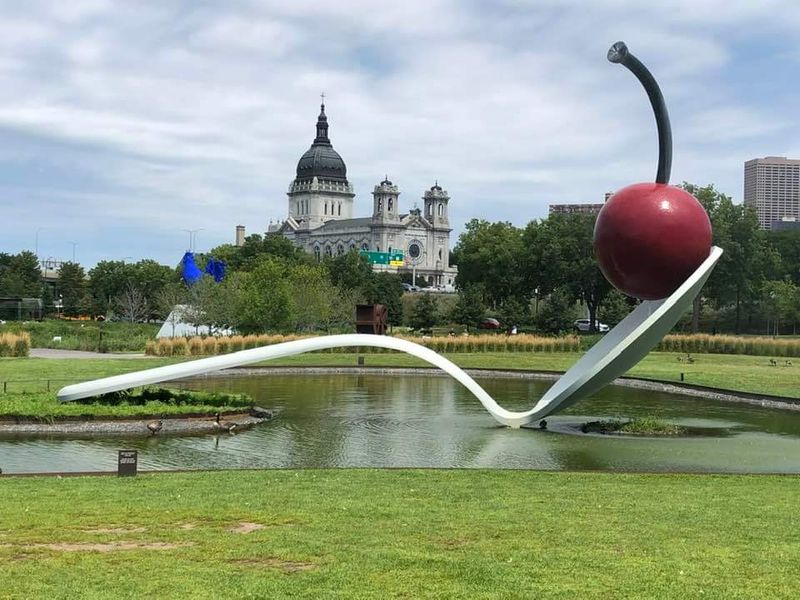
The Walker Art Center sits a short ride north, and its neighbor, the Minneapolis Sculpture Garden, asks nothing at all. Spoonbridge and Cherry gets all the attention, though the quieter hedge-lined paths behind it often feel better.
Checking museum calendars ahead of time helps, since several venues set aside free evening hours during the week. Those windows fill up quickly.
A refillable water bottle handles thirst, and skipping the gift shop keeps the whole day close to zero. Coat check tends to be free in colder months, which matters once the layers pile up.
Public transit connects both museums, so no parking hunt is needed. Two art stops, one afternoon, and almost nothing spent beyond a train ride. That kind of math makes a three-day trip far easier to plan.
Address: 2400 Third Avenue South, Minneapolis, Minnesota
Minnehaha Falls Without Spending A Cent
Water tumbling over a limestone ledge inside city limits never loses its pull. Minnehaha Falls drops into a shaded gorge, and the trail below follows the creek toward the Mississippi River. Entry costs nothing.
Parking meters run in the lot, so arriving by bus or bike removes that expense entirely. The light rail stops within an easy walk, which makes the visit painless. Spring runoff turns the falls loud and wide, while deep winter locks the whole thing into pale blue columns. Both versions deserve the trip.
Wooden stairs lead down to the creek bed, where the air stays cool even on sticky afternoons. Sturdy shoes help after rain. Picnic tables sit scattered under old oaks, so a grocery store lunch becomes a proper meal with a soundtrack. Squirrels here are bold and completely unbothered by people.
Two unhurried hours fills a morning without touching the daily spending plan, and the photos look far more expensive than the visit was.
Address: 4801 South Minnehaha Drive, Minneapolis, Minnesota
Where To Sleep When The Budget Is Tight
Lodging swallows the biggest share of almost any trip, and this is where Minnesota rewards a little flexibility. Rooms along the light rail corridor in Saint Paul and the northern suburbs usually cost less than anything downtown, and the train still gets you everywhere.
Hostel-style beds exist in Minneapolis for solo travelers who do not mind shared space. Booking early matters in summer.
Campgrounds inside state parks open up another route entirely, especially between late spring and early fall. Sites tend to be wooded, quiet, and close to trails, which beats a highway motel for atmosphere.
Winter changes the calculation, since heated lodging becomes non-negotiable. Weekday nights are almost always easier on the wallet than weekend ones. Big events shift everything upward too, so glancing at the city calendar before booking is smart. State fair season is the classic example.
Splitting a room between two or three people drops the nightly cost dramatically, and free breakfast at chain hotels quietly replaces one restaurant meal per day.
Getting Around On Trains, Buses And Two Wheels
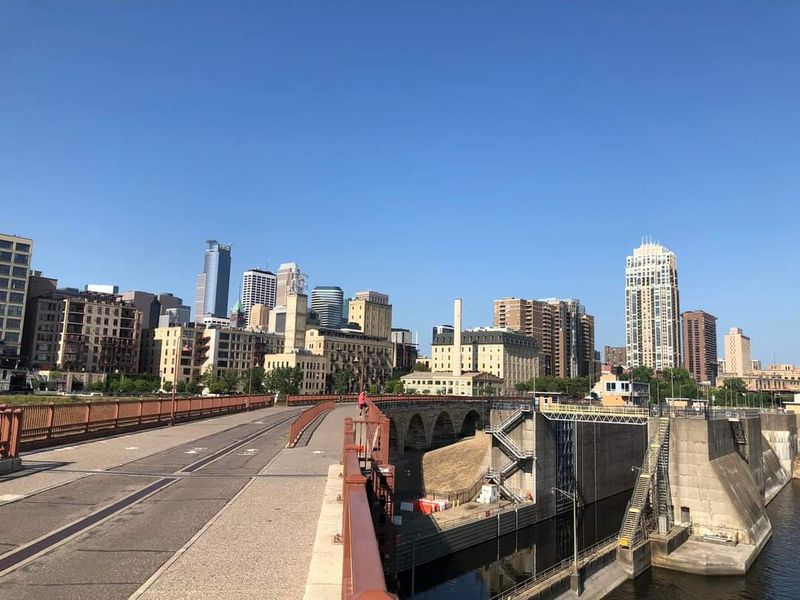
Skipping a rental car changes the whole shape of a Minnesota budget. The Blue Line light rail runs straight from the airport into downtown Minneapolis, and the Green Line links both downtowns with stops near museums, the university, and the State Capitol.
Day passes exist, which simplifies everything.
Buses fill the gaps, and the whole network works from one fare card. Route planning apps handle the guesswork, though the trains are frequent enough that memorizing schedules is rarely necessary.
Cyclists get treated well here. The Midtown Greenway cuts across Minneapolis below street level, with no traffic lights and no cars, and it connects to lake paths on the western side.
Rental bikes and scooters appear around downtown in warmer months. Winter riders exist too, and they are impressively stubborn.
Walking covers more than expected, since the riverfront, the sculpture garden, and much of downtown sit within a comfortable stroll of each other. Three days of transit passes cost far less than parking ramps and fuel combined.
Eating Well Without Restaurant Bills
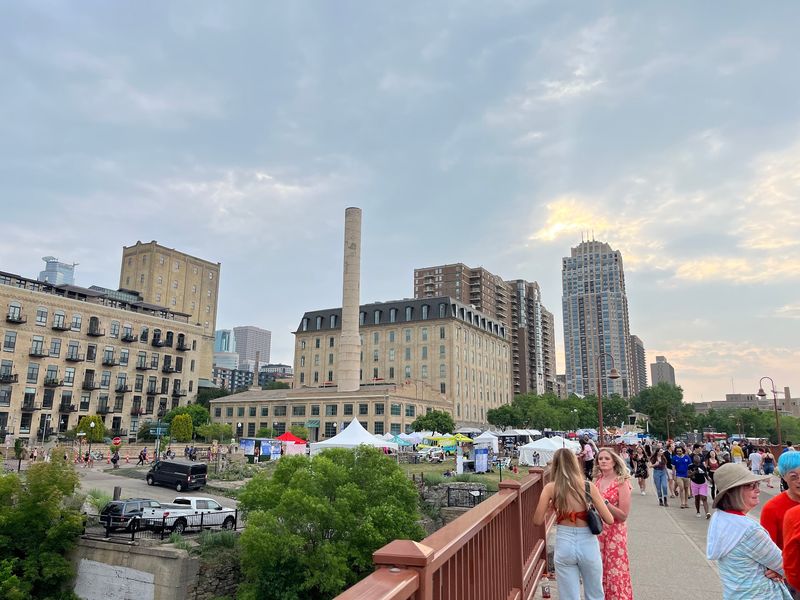
Food is the sneakiest line item on any trip, and Minnesota gives budget travelers plenty of workarounds. Midtown Global Market gathers small counters serving Mexican, Somali, Vietnamese, and Scandinavian food under one roof, and portions there tend to be honest rather than fussy.
Sharing a plate stretches things further.
Neighborhood grocery co-ops are everywhere, with hot bars, bakery shelves, and cheap staples for making sandwiches back at the room. A loaf, some cheese, and fruit covers two meals easily.
Farmers markets run through the warm months and sell produce, bread, and cheese curds that vanish before you reach the car. Cash speeds things along.
Tap water is excellent statewide, so a bottle removes the constant drip of drink purchases. Coffee shops here are plentiful and generous with refills.
Eating one sit-down meal per day and keeping the other two casual is the trick that keeps three days affordable. Nobody feels deprived when a picnic happens beside a lake.
Address: 920 East Lake Street, Minneapolis, Minnesota
The Mississippi Riverfront And Stone Arch Bridge
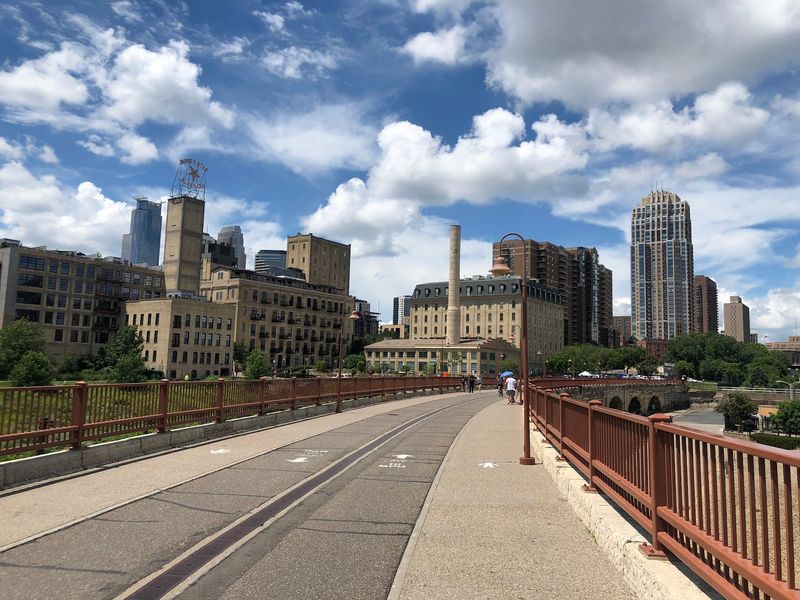
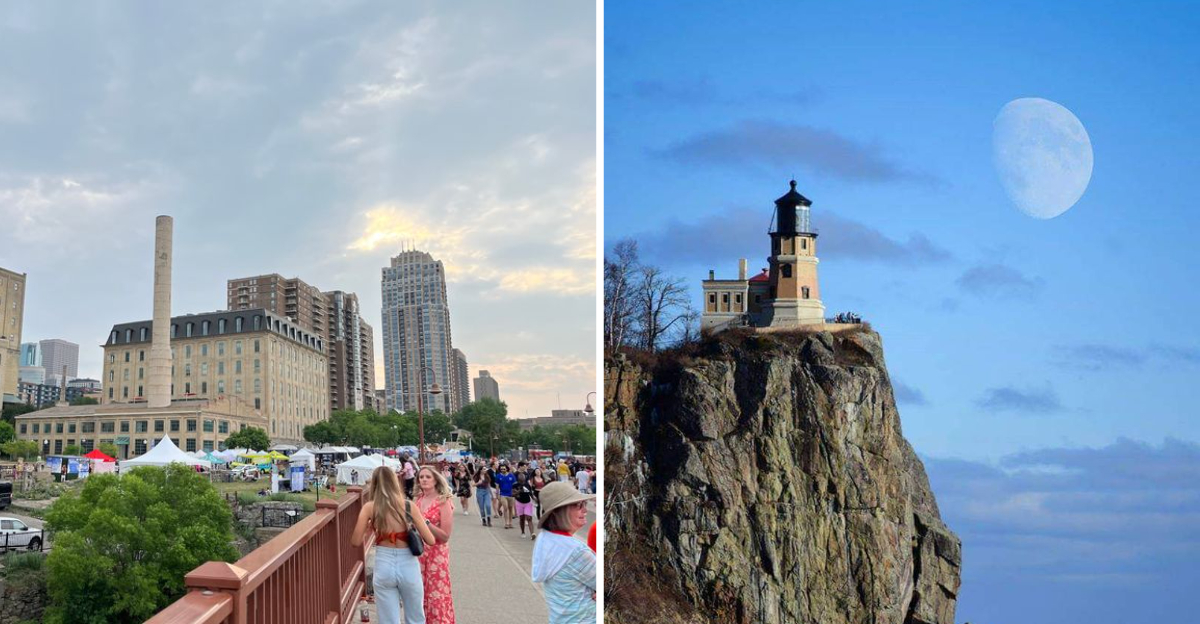
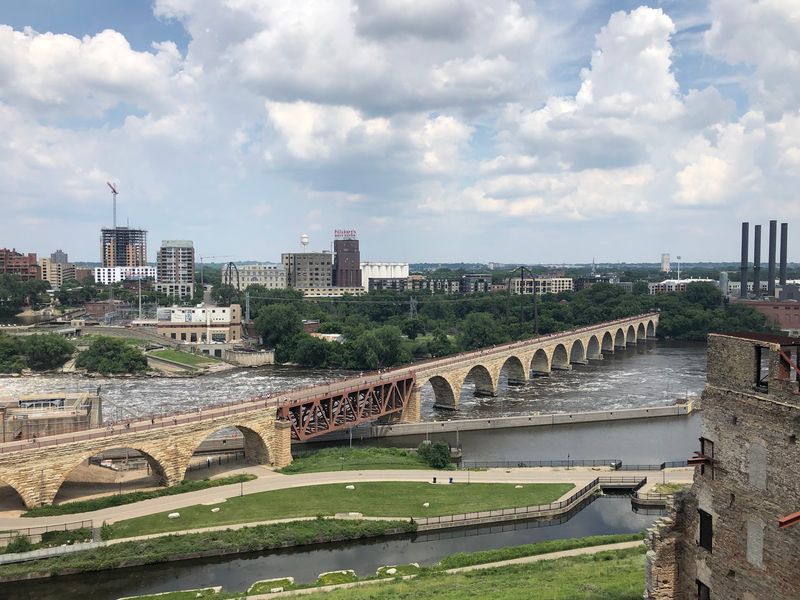
Old flour mills, a curving stone bridge, and a working waterfall all sit within a few blocks of each other in Minneapolis. The Stone Arch Bridge carries walkers and cyclists across the Mississippi with a clear view of Saint Anthony Falls, and crossing it costs nothing at all.
Sunset is the busy hour, for good reason.
Mill Ruins Park spreads out on the west bank, where crumbling limestone walls and old canal channels have been left exposed. Signs explain how the city once ground more flour than anywhere on earth.
Gold Medal Park sits nearby with a spiral mound worth climbing for the skyline view. Grass, benches, quiet.
Nicollet Island makes a good loop for anyone with an extra half hour, with wooden houses that feel decades removed from downtown. Cobblestones there are uneven, so watch your step.
A whole evening of history, river air, and city views can pass without a single ticket, which is exactly what a tight budget needs.
Address: 102 Portland Avenue, Minneapolis, Minnesota
Lake Days Around The Chain Of Lakes
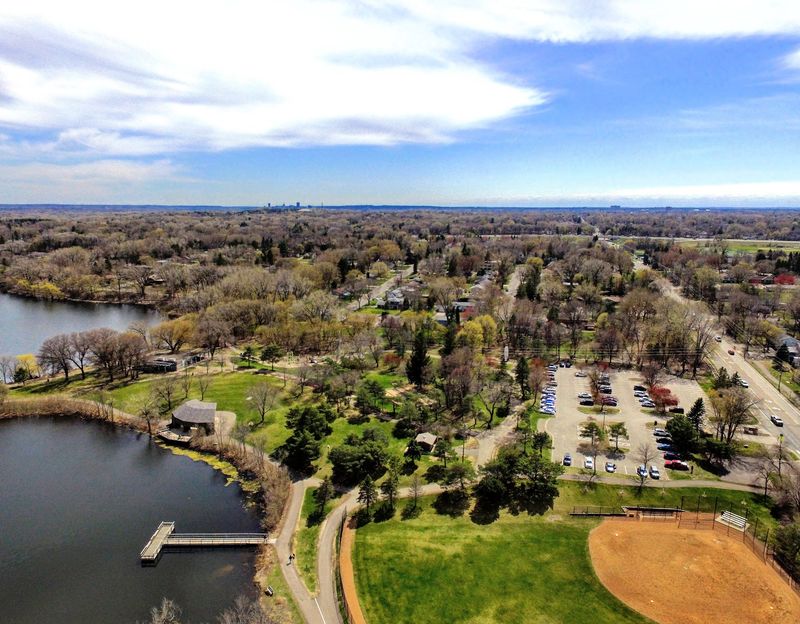
Ten thousand lakes is not just a slogan, and a handful of the best ones sit right inside Minneapolis. Paths circle Bde Maka Ska, Lake Harriet, and Lake of the Isles, all connected, all free, and all busy with runners, strollers, and slow-moving dog walkers. Bring sunscreen in July.
Public beaches open in summer with lifeguards on duty, so swimming becomes a no-cost afternoon. Towels dry fast in the breeze off the water.
The Lake Harriet Bandshell hosts open-air performances through the warm months, and listening from the lawn requires nothing but showing up early enough for a good patch of grass.
Just uphill, the Lyndale Park Rose Garden bursts into color by midsummer and stays quieter than the shoreline. Benches there are shaded and rarely full.
Winter flips the scene into ski tracks, ice fishing houses, and cheeks that sting after ten minutes. Either season, the lakes deliver a full day of entertainment for the price of a bus ride.
Address: 4135 West Lake Harriet Parkway, Minneapolis, Minnesota
A Day Trip North To Lake Superior
Two and a half hours of highway separates Minneapolis from Duluth, and the payoff is a lake so big it behaves like an ocean. Canal Park sits at the harbor entrance, where the Aerial Lift Bridge rises for freighters and the Lakewalk stretches along the shoreline for miles.
Watching a ship come in is free entertainment.
Push another forty minutes up Highway 61 and Gooseberry Falls State Park appears, with multiple waterfalls reachable on short, well-marked trails. State parks require a vehicle permit, and a single day permit covers the visit.
Splitting fuel between passengers keeps the whole excursion reasonable. Packing lunch matters here, since options thin out along the shore.
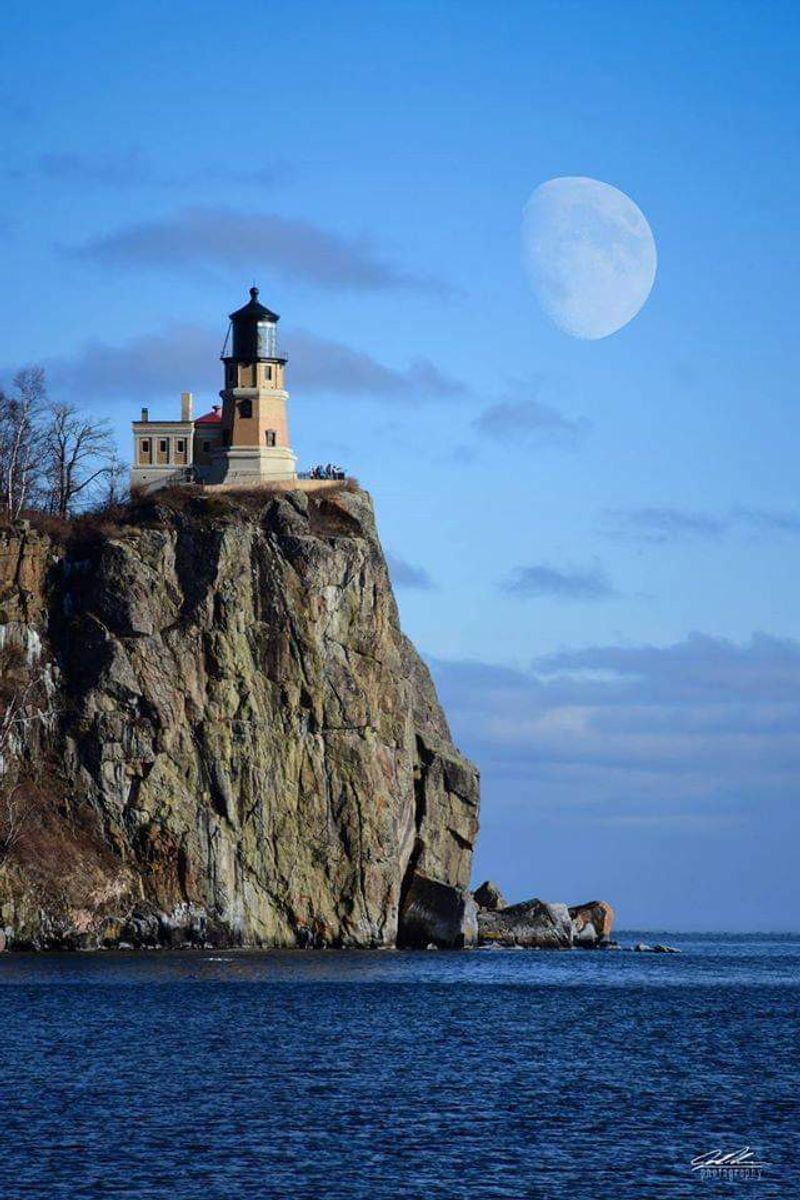
Split Rock Lighthouse comes next if daylight allows, though the shoreline pullouts nearby cost nothing and still deliver those cliff views.
Long summer evenings make the drive back comfortable, and autumn turns the same route into a wall of color. One day, one permit, one tank of fuel.
Address: 3206 Highway 61 East, Two Harbors, Minnesota
Saint Paul’s No-Cost Landmarks
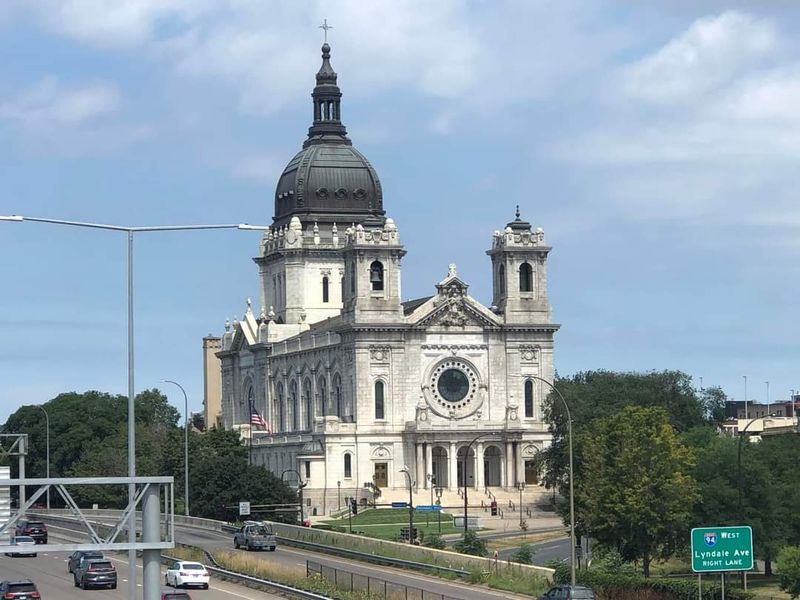
Across the river, Saint Paul keeps a slower, older feel, and much of it can be seen without opening a wallet. The Cathedral of Saint Paul sits on a hill with a dome visible from far off, and visitors are welcome inside outside of services. The acoustics alone justify the stop.
Summit Avenue runs west from there, lined with Victorian mansions and one of the longest stretches of preserved residential architecture in the country. Walking it takes as long as curiosity allows.
Como Park Zoo and Conservatory operates on donations rather than set admission, pairing a small zoo with a glass conservatory full of palms and orchids. The warm humidity inside is a gift in February.
The Minnesota State Capitol offers free guided tours, and the view from its front steps stretches across downtown. Marble, murals, quiet hallways.
Adding a riverside overlook along the Mississippi rounds out a full day in the capital city, all of it reachable by the Green Line train.
Address: 1225 Estabrook Drive, Saint Paul, Minnesota
Mapping Three Days So Nothing Gets Wasted
Structure is what keeps a low-cost trip from turning into a scramble. Day one works best in Minneapolis, pairing free museums with the riverfront and finishing along the Stone Arch Bridge at dusk. Everything there sits on one transit line.
Day two suits Saint Paul and the lakes, since both run on foot power and a transit pass rather than tickets. Packing lunch on that day makes a noticeable difference.
Day three belongs to the North Shore drive, the only part of the plan that really needs fuel, a park permit, and an early alarm.
Costs land in five buckets across the weekend: lodging, transit, groceries, one or two paid attractions, and a small cushion for weather surprises. That cushion always gets used.
Trimming happens easily in the food column, while lodging is where paying slightly more buys a better location.
Three days in Minnesota rewards planning more than spending, and the free attractions here are genuinely the good ones, not the leftovers.
