By 1910, one tiny railroad stop in the New River Gorge reportedly brought in more freight revenue than Cincinnati and Richmond combined. Read that again, because I had to.
Today, the 2020 census counted just five residents there. Five.
That’s fewer people than most church supper committees, and it makes this town the least-populous municipality in all of West Virginia.
I love a comeback story, but I might love a hold-the-line story even more. The brick storefronts still face the tracks.
Coal trains still rumble past. A passenger train still stops at the depot.
I can’t imagine standing on that quiet street without hearing echoes of the crowds that once filled it. So how does a place go from roaring money machine to near silence, and why does it still feel so alive?
A Riverside Town That Five People Still Call Home
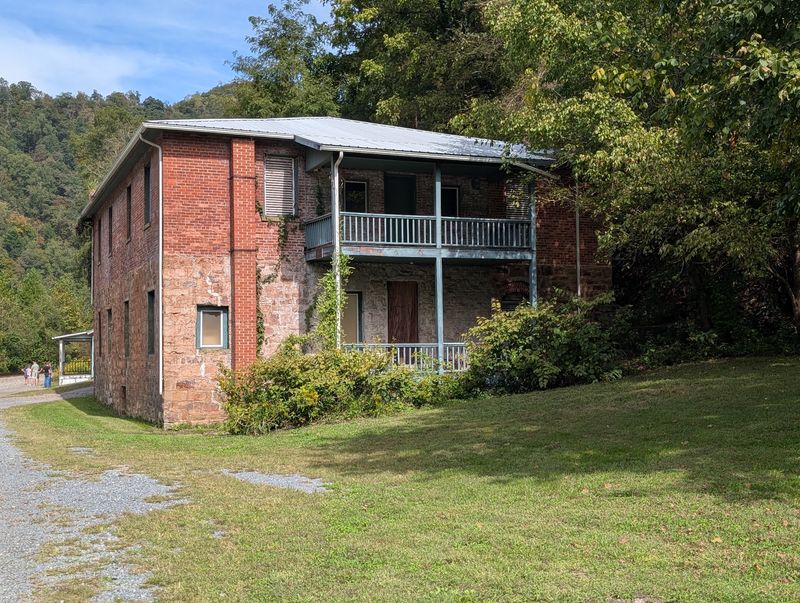
Five residents, one main street, and a whole lot of railroad history. That’s Thurmond Historic Town in a nutshell, and it sits right on the New River in Fayette County.
The town is still an incorporated municipality, even with that tiny head count. According to the 2020 census, it’s the least-populous town in West Virginia.
Much of what you’ll see today belongs to the National Park Service. The town is part of New River Gorge National Park and Preserve, which keeps the old buildings standing and the stories told.
The whole town is also listed as a historic district on the National Register of Historic Places. That means you’re not visiting one landmark here.
You’re visiting an entire preserved community.
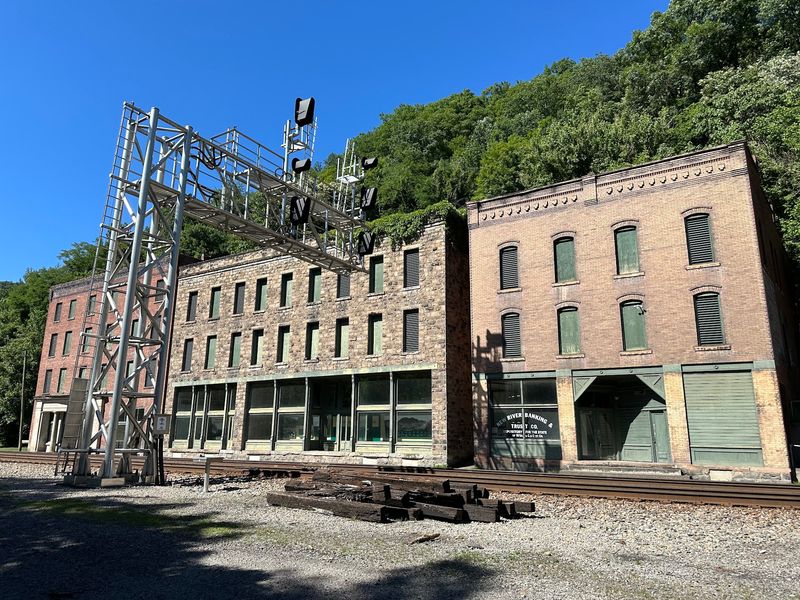
Thurmond doesn’t hide its age, and that’s the appeal. The brick storefronts face the railroad tracks the same way they did over a century ago.
It’s a place for anyone who grew up hearing about the coal camps and rail towns. It’s also a great pick for curious grown-ups who like their history with real bricks attached.
Kids who love trains will be happy too, but this one’s honestly a treat for the adults first.
Seventy-Three Acres Of Surveying Pay That Became A Town
Not every town starts with a grand plan. Thurmond started with a paycheck, of sorts.
Captain William Dabney Thurmond acquired 73 acres of land in 1873 as payment for surveying work. Can you picture getting paid in riverfront gorge land today?
It would beat direct deposit for bragging rights.
The land sat along the New River, right where the Chesapeake and Ohio Railway would soon carve its path. That timing turned out to matter a great deal.
The town was officially incorporated in 1903. By then, coal and timber were pouring out of the surrounding hills, and the railroad needed a hub to handle it.
Thurmond became that hub. Coal from numerous nearby mines passed through its rail yards, headed out to markets far beyond West Virginia.
The early 1900s were the town’s heyday. Banks, stores, and hotels went up along the narrow strip between the cliffs and the tracks.
There wasn’t room for a sprawling street grid here. The railroad essentially served as Main Street, and the town grew up around it like ivy on a trellis.
That tight, track-side layout is still easy to spot today.
The Freight Numbers That Outshined Big Cities
Here’s the stat that stops folks in their tracks. By 1910, Thurmond reportedly generated more freight tonnage revenue for the C&O Railway than Cincinnati and Richmond combined.
Those are real cities with real skylines. Thurmond had a narrow riverbank and a mountain wall behind it.
The secret was coal. Mines across the gorge shipped their loads through Thurmond’s busy yards, and the money followed the cars.
Steam locomotives needed constant servicing too. Thurmond handled that work, which kept crews, shops, and businesses humming around the clock.
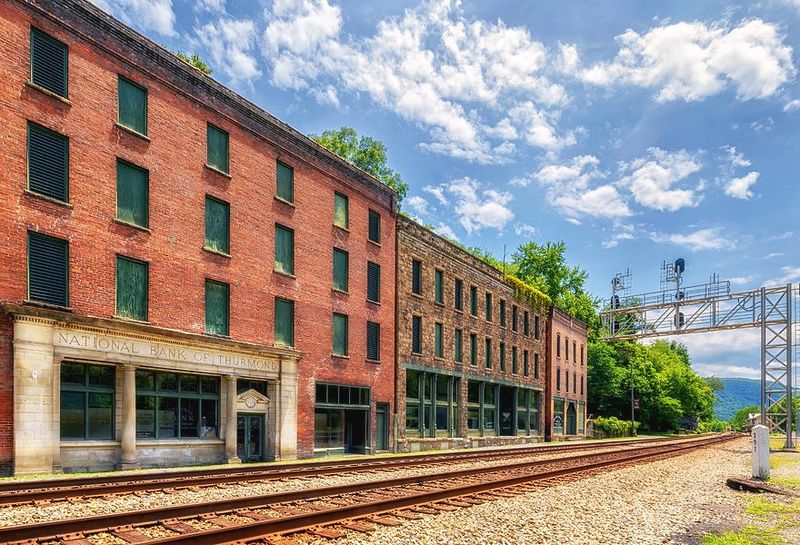
All that traffic meant plenty of cash moving through town. Banks set up shop right along the tracks to handle it.
The old National Bank building still stands there today. Its weathered brick is one of the most photographed sights in town, and it’s easy to see why.
For anyone raised on stories of West Virginia’s coal-and-rail glory days, this section of the story hits home. A town this small helped power the country’s industry.
That deserves a little hometown pride, don’t you think?
Cars, Fires, And Diesel Engines Changed Everything
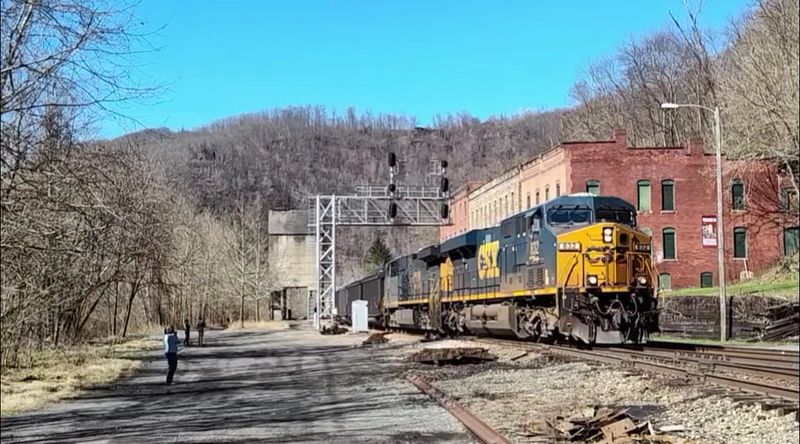
Boomtowns rarely fade for just one reason. Thurmond’s slide came in three waves.
The first arrived around 1917, when automobiles started catching on. Folks no longer needed the railroad for every trip, and that chipped away at Thurmond’s role.
Fires in the 1920s and 1930s did heavy damage next. Losing buildings in a town squeezed between river and cliff wasn’t easy to bounce back from.
The biggest shift came in the 1940s and 1950s. The C&O moved from steam locomotives to diesel engines.
Diesel trains didn’t need the same servicing that steam engines did. Thurmond’s whole specialty suddenly wasn’t needed anymore.
Businesses closed one by one. Families moved away to find work elsewhere, which many West Virginia readers know all too well from their own family trees.
Still, Thurmond never gave up its charter. It remains an incorporated town today, holding on with a handful of residents.
I believe there’s something quietly stubborn and admirable about that. The trains kept running past, and the town kept its name on the map.
That’s West Virginia grit in brick form.
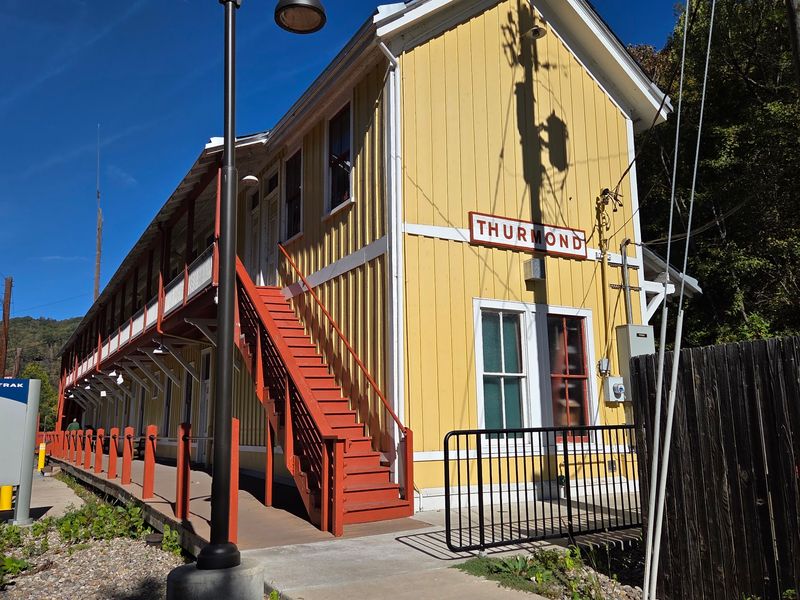
Yes, The Depot Still Welcomes Passenger Trains
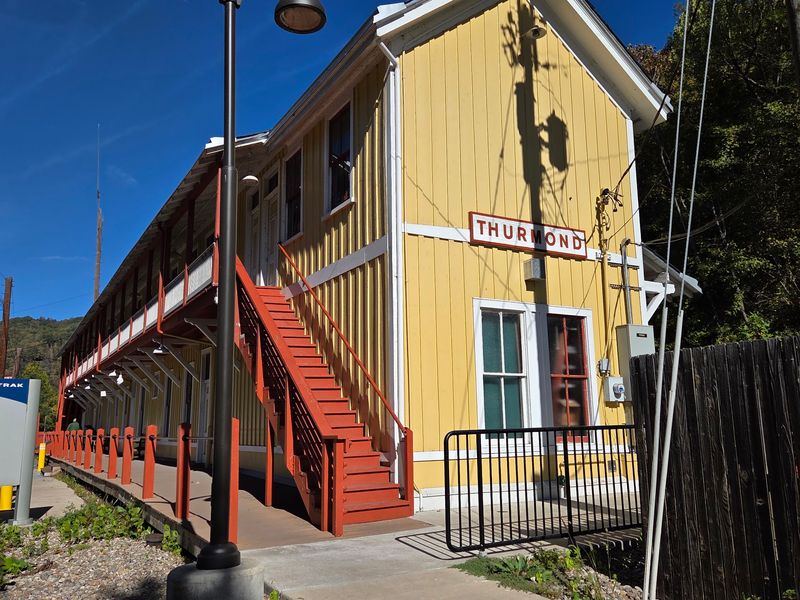
A town of five with its own Amtrak stop? That’s a fun one to tell your neighbors.
The historic Thurmond depot still serves as an active Amtrak passenger stop. It also doubles as a National Park Service visitor center.
Inside, displays walk you through the town’s coal and railroad past. There’s also a replica of the original station, and rangers are on hand with stories when the center is open.
A small shop area sits inside too. Just know the visitor center operates seasonally, so it may be closed during the off season.
Even when the doors are locked, the platform and grounds are still there to explore. The tracks right beside the depot stay busy with freight.
Long coal trains still roll through town, which feels like the boom years tipping their hat. Rail fans should keep a camera ready.
One practical note if you’re thinking of riding in by train. There’s no food, shopping, or ride service out here, so arrange your transportation ahead of time.
Driving is by far the easier choice for most travelers exploring the gorge.
Storefront Windows That Tell The Whole Story
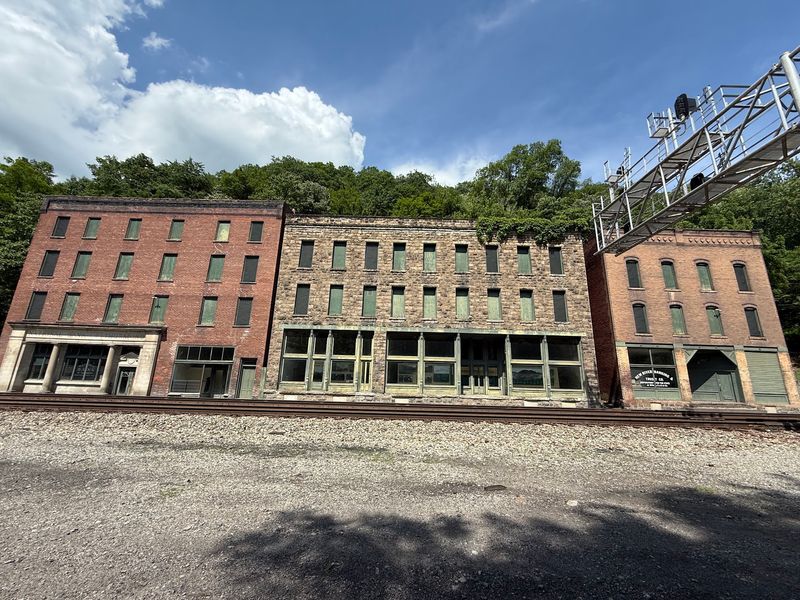
History usually lives behind glass in a museum. In Thurmond, it lives in the windows of the old storefronts themselves.
The buildings along the main street are generally closed to the public. But photos and timelines posted in the windows show what each spot looked like back in the day.
Interpretive signs from the National Park Service are spread around the site too. They cover residents, businesses, and notable town landmarks.
Keep your eyes on the ground as well. A timeline is stamped right into the sidewalk blocks in front of the historic post office.
It makes for an easy, self-guided stroll. You can move at your own pace and stop wherever a story grabs you.
Most folks can see the town in about an hour. Slow readers and history lovers will happily stretch that out.
I like how Thurmond Historic Town trusts you to wander. Nobody is rushing you along a rope line.
Please remember a few people still live here, though, so stick to public areas and leave private homes and driveways alone.
Getting There Is Half The Adventure
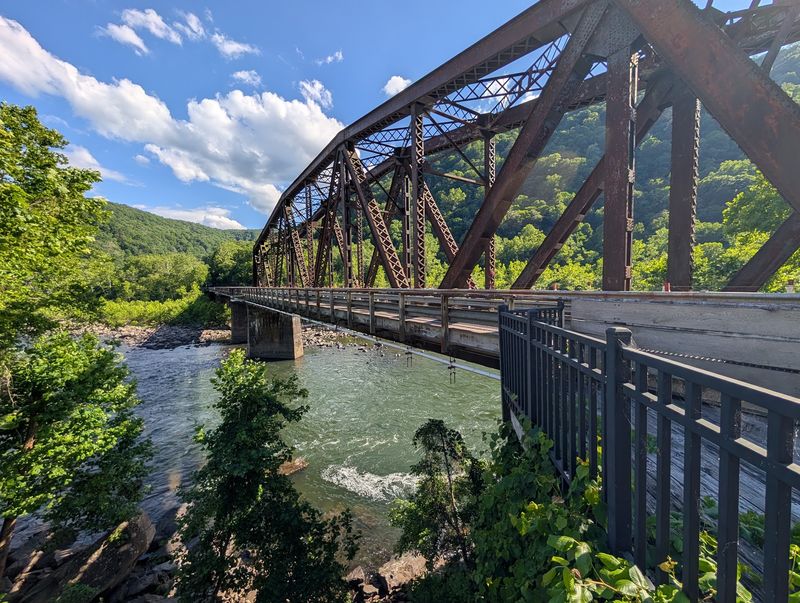
Fair warning for nervous drivers. The road down to Thurmond is narrow, winding, and single lane in spots.
The scenic route follows Dunloup Creek for several miles off the main highway. Take it slow and enjoy the scenery rather than rushing.
Dunloup Falls sits right along the way. It makes a handy pull-off for a quick photo before you reach town.
The grand finale is the one-lane bridge into town. It runs beside the railroad bridge over the New River, and some sections only allow one direction of traffic.
The bridge has pedestrian vantage points too. Walking out offers lovely river views and a fine look back at the town.
Parking is available near the bridge and depot. From there, everything is an easy walk.
The official address is 174 Main St, Thurmond, WV 25936. The site is listed as open 24 hours, and there’s no admission fee mentioned for exploring the streets.
Services are very limited, so bring snacks and water. Restroom access is basic, so plan stops before you head down into the gorge.
Rafters, Rails, And The Rest Of The Gorge
Thurmond rarely ends up as a full-day stop. Luckily, it sits in one of the best backyards in West Virginia.
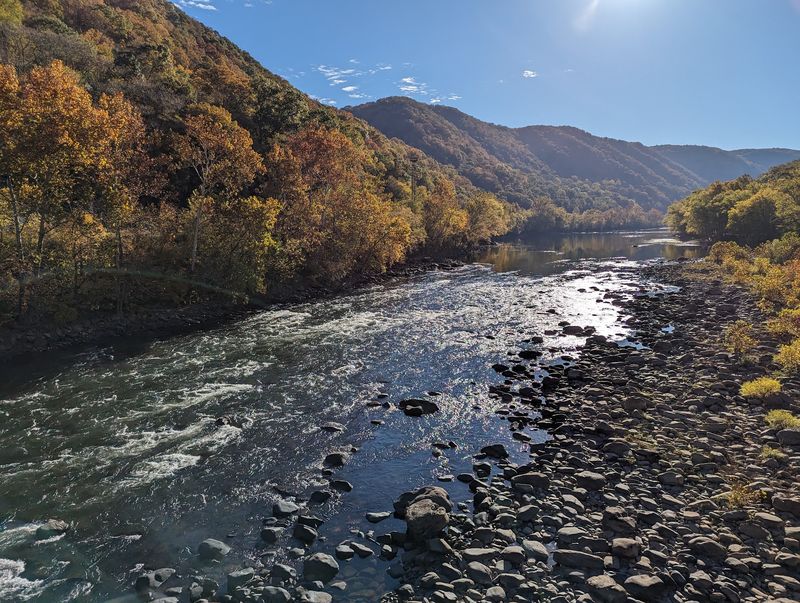
New River Gorge National Park and Preserve surrounds the town. That means rugged scenery, big overlooks, and plenty of outdoor options nearby.
Many folks pair a Thurmond visit with Grandview, another well-known spot in the park. Together they make a satisfying mix of history and views.
The river itself puts on a show too. Rafters sometimes run the small rapids near town, which is fun to watch from shore.
Craving more coal history after your stroll? Other old coal town remains are scattered around the park, and some can be reached by hiking.
Rail watchers have it easy here. Freight traffic keeps the tracks lively, so you may catch a long coal train without even trying.
That combination is what makes Thurmond Historic Town a smart add-on. It costs you an hour or so and pays back with stories you’ll repeat at the dinner table.
Not a bad trade for a scenic side trip.
Why This Quiet Little Town Deserves Your Detour
Some towns shout for attention. Thurmond just stands there and lets the bricks do the talking.
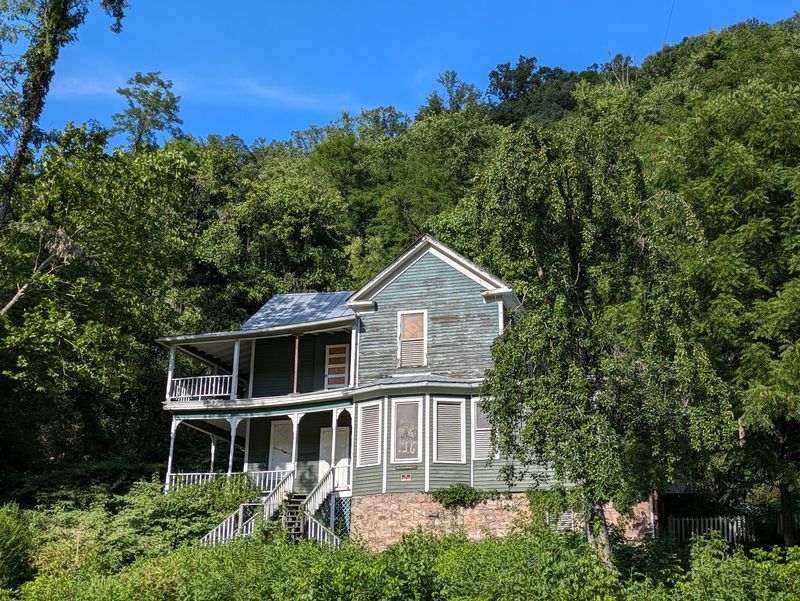
It’s quiet, a bit eerie, and wonderfully well kept. The setting alone, with tracks running through and mountains rising behind, makes it memorable.
History buffs will find plenty to soak up. Photographers will find old buildings, river light, and active rails in one frame.
Families can enjoy an easy, flat stroll with a train or two for entertainment. Grandparents may find it stirs memories of their own railroad and coal camp days.
Thurmond Historic Town also reminds us how fast fortunes can turn. A place that once out-earned big cities now counts its residents on one hand.
Yet it hasn’t faded away. The park service preserves it, the depot still serves passengers, and the town keeps its name proudly on the map.
I can’t think of a better way to honor West Virginia’s boom years than walking this street. Do you have a family story tied to the C&O or the gorge?
Thurmond is the kind of place that might bring it right back.
