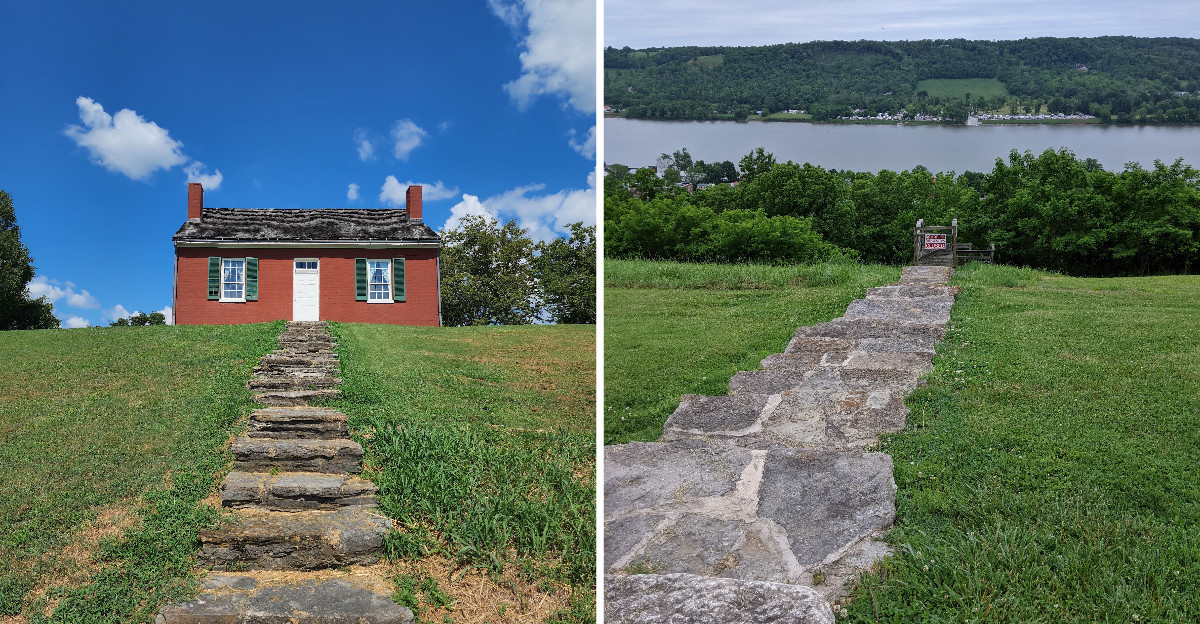
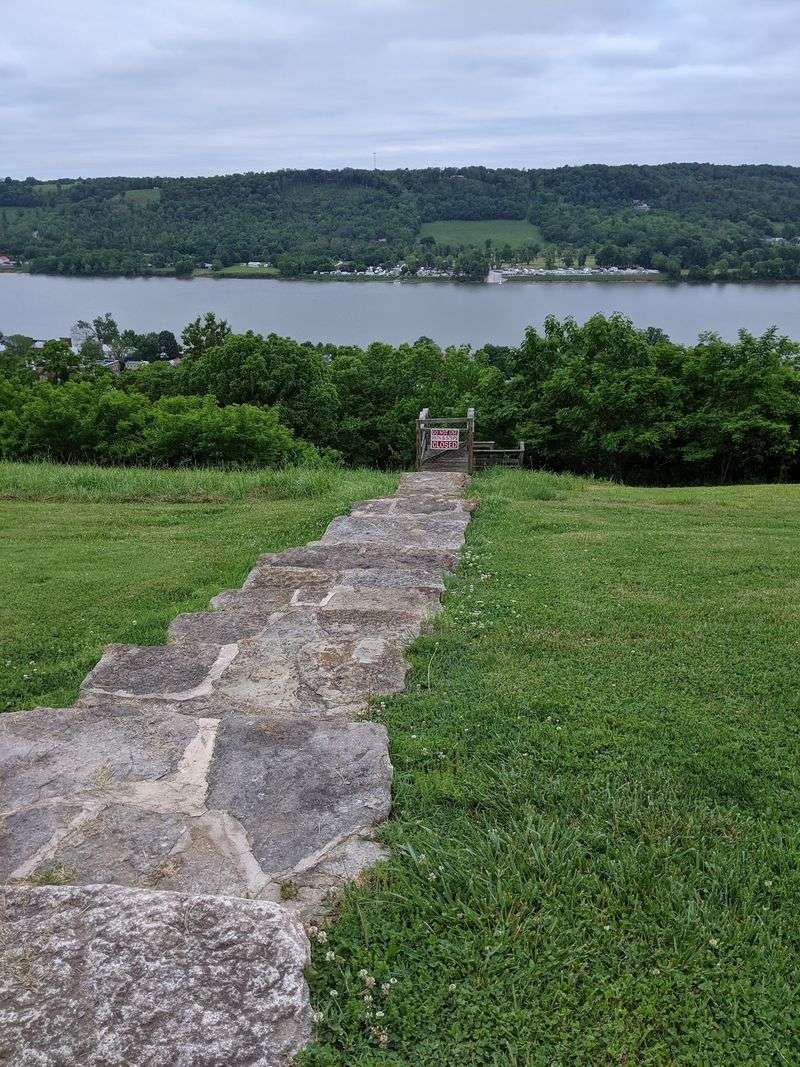
Stopping mid-sentence is not the usual reaction to a view, but looking down from this Ohio hill will do that. The river curves far below, and the green hills of Kentucky roll away on the other side.
That same view once looked very different to people escaping slavery, who searched these dark hills for a single glowing lamp. The lamp burned in the window of a plain brick house owned by a minister who helped more than 2,000 freedom seekers find safety.
Standing there, the weight of that history settles in. The house still stands, the hill still rises, and the river keeps moving past it all.
A quick history stop turned into goosebumps and a head full of stories. This hilltop is unforgettable, and everyone should see it at least once.
A Lamp in the Window That Meant Everything
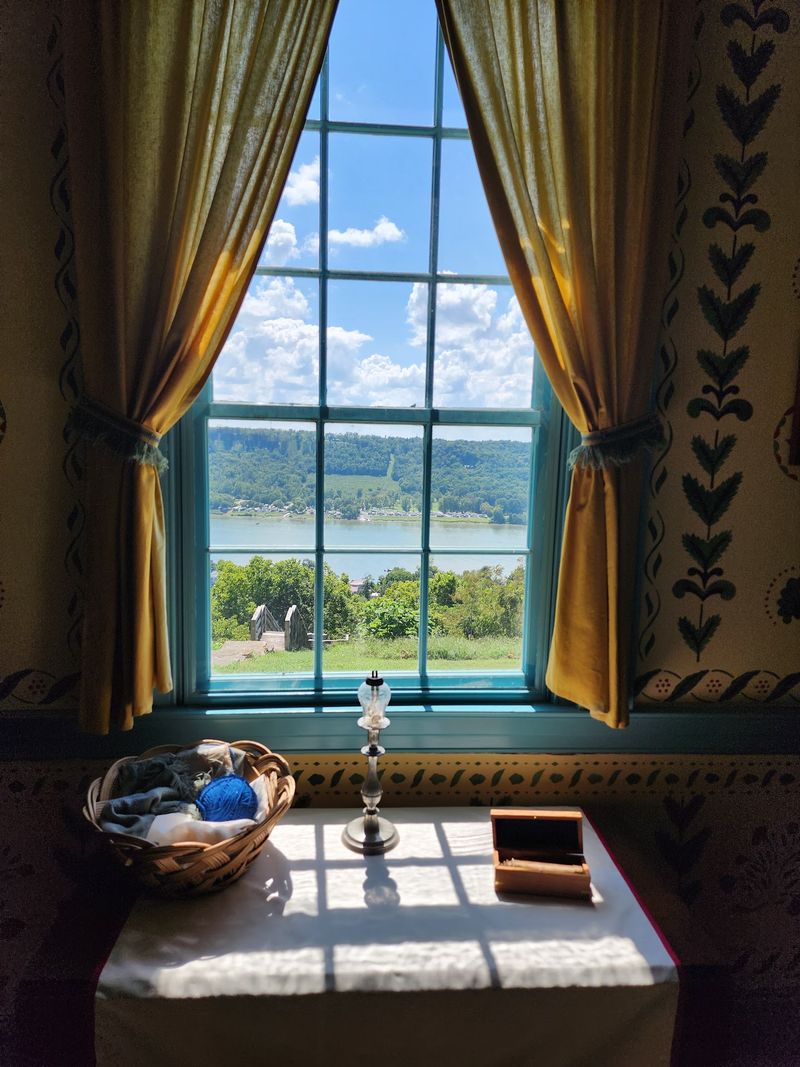
Somehow the smallest detail hit me the hardest here. I had read about the lamp before my visit, but seeing the actual window made the story feel real and close.
The Rankin family kept a lamp or lantern burning in the front window, facing the Ohio River and the Kentucky shore.
Back then, Kentucky was a slave state, and Ohio was free. People escaping slavery would cross the river in the dark, often cold and scared, with no idea who they could trust.
The light on the hill told them that help was waiting at the top.
From across the water, that glow could be seen for miles. It was a simple signal, but it carried a huge message of hope.
I tried to imagine spotting it after hours of hiding in the woods, and honestly, I could not picture how powerful that moment must have felt.
Our guide explained how the family took turns keeping the flame going night after night. That kind of steady commitment impressed me as much as any big heroic act.
It is one thing to be brave once, and another thing to be brave every single evening for years.
My advice is to stop by the front window during your tour and look outward. Picture the river at night, and the whole story suddenly clicks into place.
Climbing the 100 Steps to Freedom
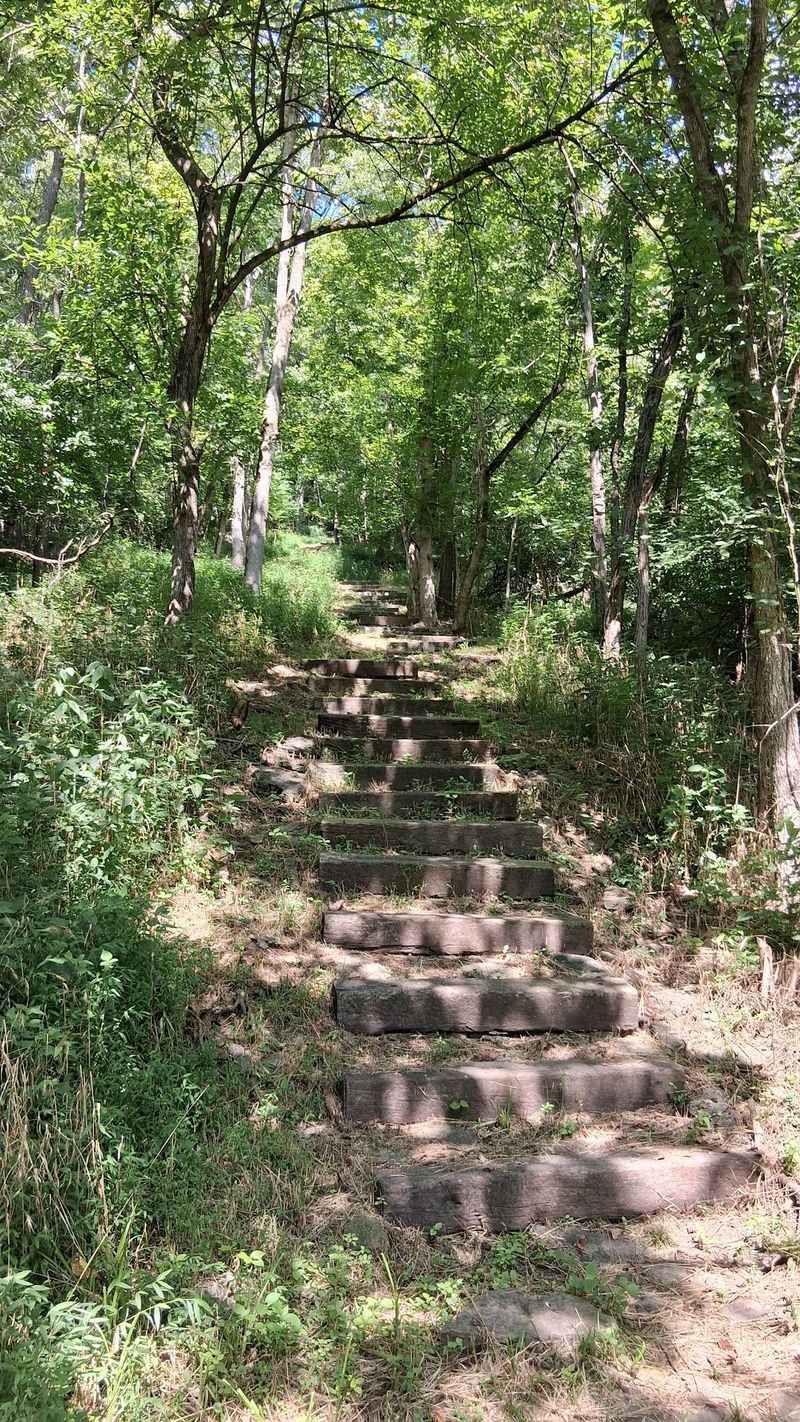
My legs had opinions about these steps by around number sixty. The set of 100 steps rises from the Ripley riverfront up to the Rankin House, and it is still open for visitors to climb today.
Freedom seekers once made this same steep trip, often at night and in a hurry.
The climb is not a long hike, but it is steep enough to make you slow down and breathe. That slowing down turned out to be a gift.
With each step, I found myself thinking less about my sore calves and more about the people who rushed up this hill with their hearts pounding.
Trees lean over parts of the path, and you can hear birds and the faint hum of the town below. Every so often, I turned around and caught a peek of the river through the leaves.
The view grows wider the higher you go, almost like a reward for sticking with it.
One visitor tip is to wear shoes with good grip, especially after rain. The steps can feel slick, and you will want your hands free for balance or photos.
Even if you arrive after the house closes, the steps and grounds are usually still reachable. Climbing them at sunset felt quiet and humbling in a way no museum display could match.
The View From Liberty Hill
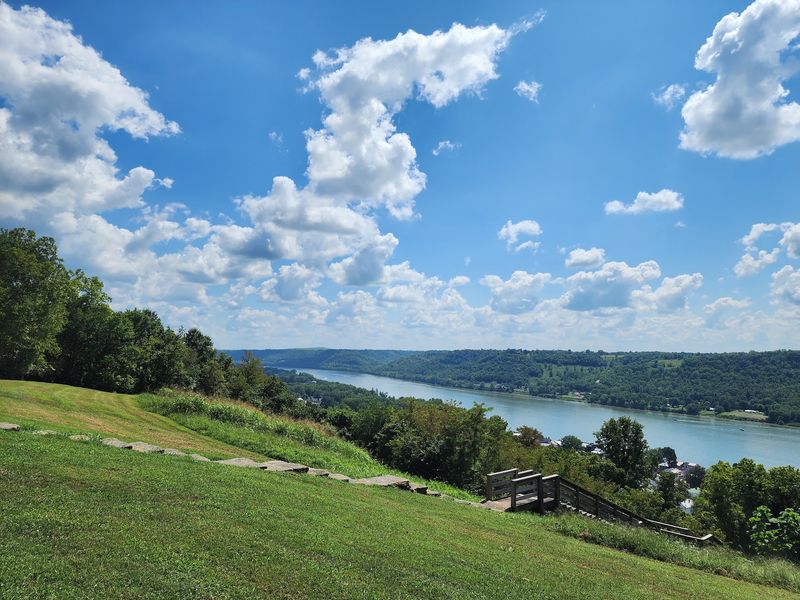
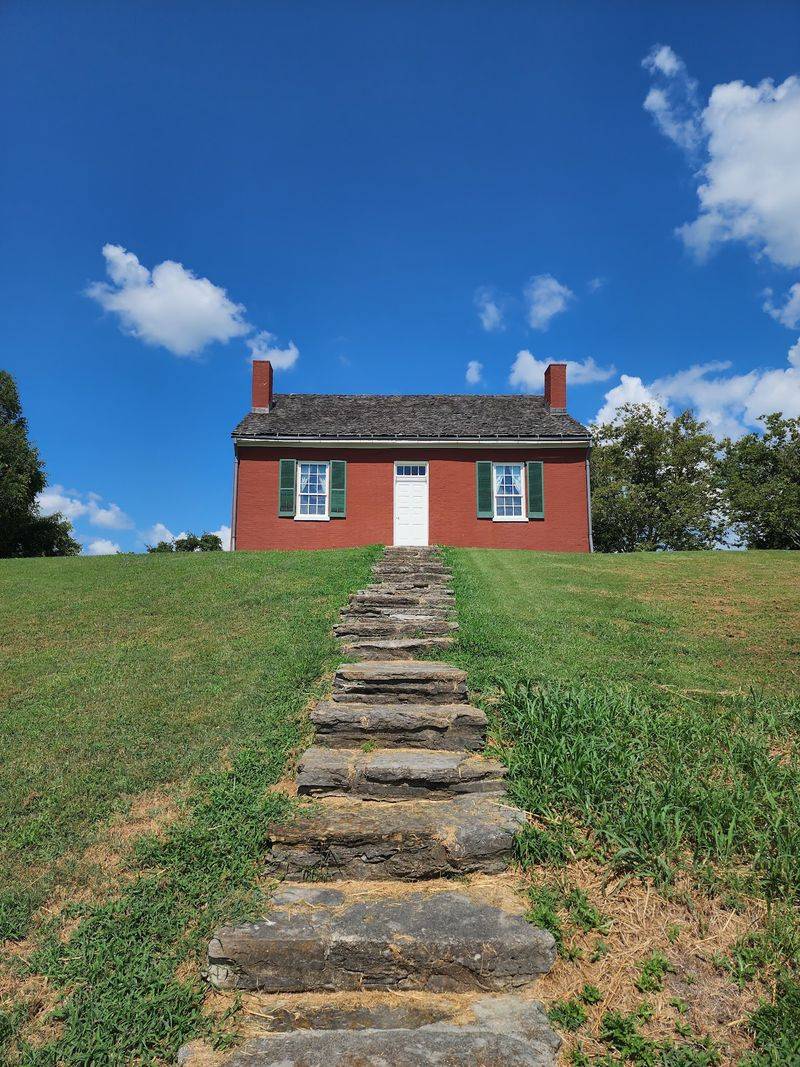
Wow was pretty much my entire vocabulary for the first minute. The house sits high on Liberty Hill, and from the yard you get a sweeping view of the Ohio River and the rolling Kentucky hills on the other side.
On a clear day, it stretches farther than I expected.
That height was not just pretty. It gave the Rankins a smart advantage, because they could watch the river and the roads below.
Their lamp could also be seen from far away, which made the hill the perfect spot for a safe house.
I sat on the grass for a while and just watched a barge slide slowly down the river. It seemed so peaceful and calm.
Yet this same stretch of water once separated two very different worlds, one where people were enslaved and one where they had a chance at freedom.
Bring a camera, but also give yourself a few minutes without one. The breeze, the wide sky, and the quiet make it a great place to think.
Sunset is especially lovely here, with the light turning the river a warm gold. If your schedule allows, try to visit late in the afternoon so you can see the hills slowly change color before heading home.
More Than 2,000 Freedom Seekers and Zero Lost
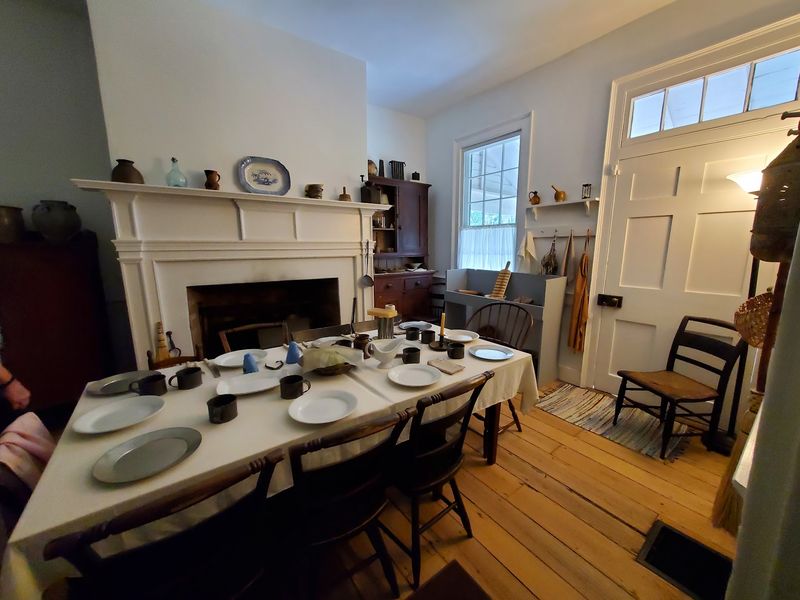
Here is a number that stuck with me all the way home: more than 2,000. That is how many people escaping slavery are estimated to have found shelter at the Rankin House.
Sometimes as many as a dozen stayed at once.
Imagine a home already full with John, his wife Jean, and their thirteen children. Now add a group of tired, hungry travelers who needed food, rest, and a hiding place.
I kept looking around the modest rooms and wondering how they made space for everyone.
The family proudly said they never lost a single passenger, which was the word used for people traveling on the Underground Railroad. That record is amazing when you remember how risky this work was.
After the Fugitive Slave Law of 1850, freedom seekers could be captured even in free states like Ohio.
Because of that law, many travelers kept moving north, some all the way to Canada. The Rankin House was a safe stop, not the final stop.
Knowing that made the house feel like one brave link in a long chain of helpers.
During the tour, ask your guide about how guests were moved along to the next safe place. Those details show how careful, clever, and organized the whole network had to be.
Inside a Home Built Around a Mission
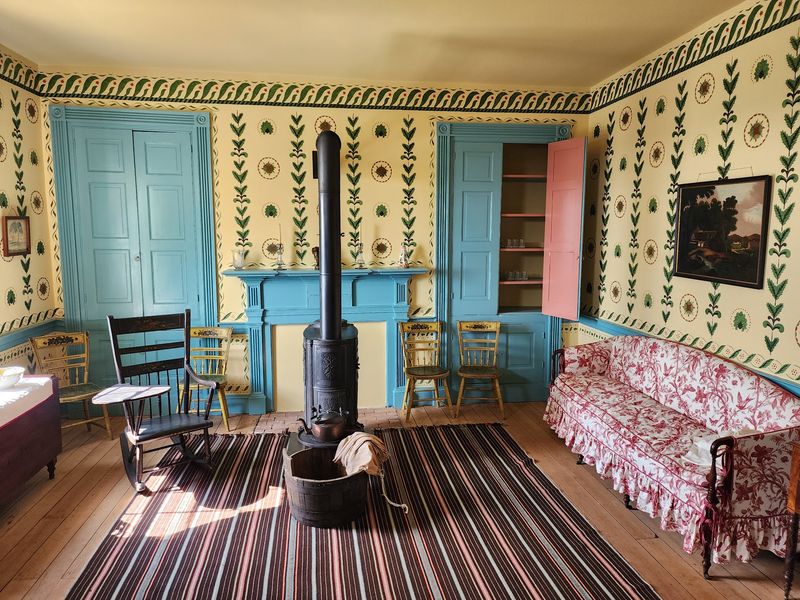
Old houses usually make me think about furniture and wallpaper. This one made me think about courage.
The brick home was built in either 1825 or 1828, and today it has been restored to look much like it did when the Rankins lived there.
Look closely at the woodwork, because some of it is original. I ran my eyes along the trim and door frames and liked knowing these same pieces had been there during those busy, dangerous years.
The rooms are simple and practical, which fits a hardworking minister’s family.
A few personal Rankin family items are on display too, including the family Bible. Seeing it in person added a real sense of who these people were.
For John Rankin, faith and fighting slavery went hand in hand.
Tours usually run on the hour and last around 50 minutes, so plan your day with that in mind. Guides here are known for bringing the story to life, and mine made the family feel like real neighbors instead of names in a textbook.
Take your time in each room and ask questions. Small things, like where the family gathered or how the house was heated, help you picture daily life on this hill.
The Story That Helped Shape Uncle Tom’s Cabin
Book lovers, this part is for you. Harriet Beecher Stowe, the author of Uncle Tom’s Cabin, visited Reverend Rankin and heard stories about people escaping across the river.
Those stories helped inspire parts of her famous novel.
One of the best-known scenes shows a woman named Eliza crossing the icy Ohio River with her child. That scene is said to be based on real events that Rankin himself shared.
When I learned this, I looked back at the river with fresh eyes.
Uncle Tom’s Cabin became one of the most talked-about books in American history. It opened many people’s eyes to the cruelty of slavery.
So in a way, the stories told on this quiet hill helped change minds across the whole country.
I love how history and books connect here. It shows that sharing true stories can be a powerful tool for change, even when the storyteller never leaves home.
If you have kids or teens with you, this is a great spot to talk about how books can shape the world. You might even read the Eliza chapter before your trip.
Standing on the bluff afterward makes that frozen river scene feel surprisingly close and real.
A Minister Who Spoke Up Loudly
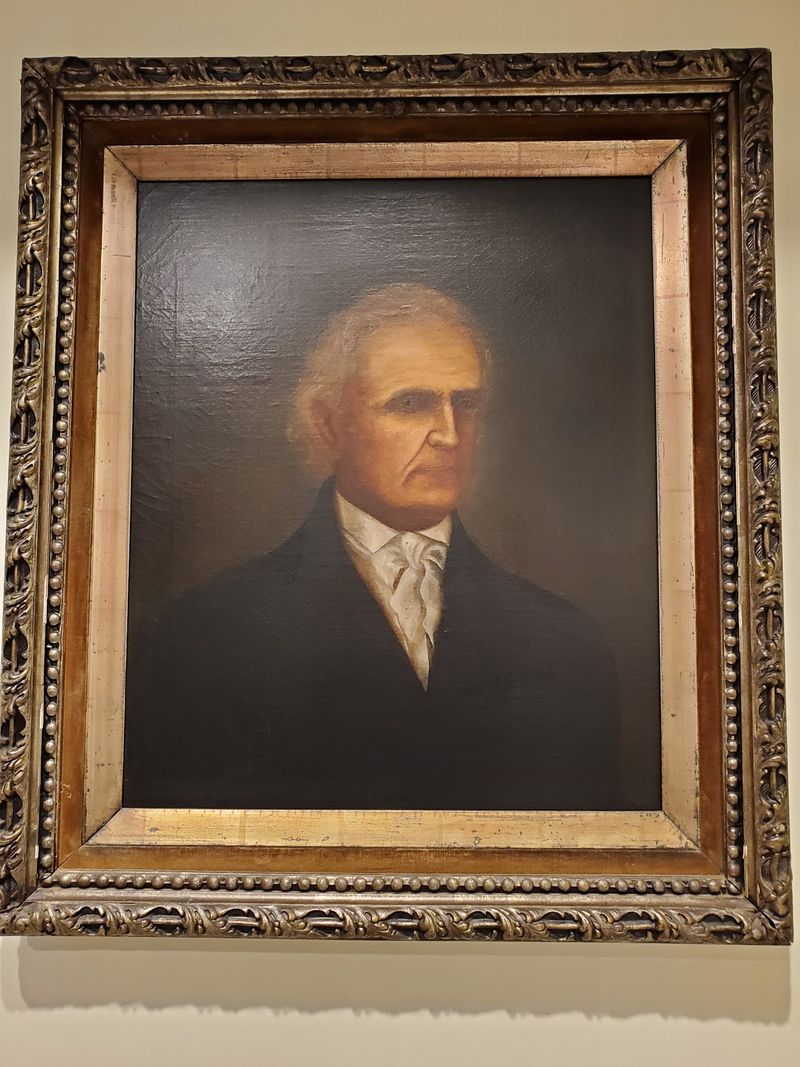
Quiet heroes are wonderful, but John Rankin was not quiet at all. He was a Presbyterian minister who boldly preached against slavery from the pulpit.
At a time when that could make you very unpopular, he kept talking anyway.
He also helped start the Ripley Anti-Slavery Society. On top of that, he published a series of writings called Letters on Slavery, which spread his ideas to many readers.
Those letters became an important voice in the early abolitionist movement.
What surprised me most was how he mixed words with action. Plenty of people talk about doing the right thing.
Rankin preached it on Sunday and then kept a lamp lit for strangers every night.
His whole family shared in the work, too. Jean and the children helped feed, hide, and guide the people who arrived at their door.
It really was a family effort, which makes the story feel warm and human.
Before you leave, spend a few minutes in the visitor center, which has a small museum and helpful displays. It fills in more about Rankin’s beliefs and writings.
I walked out with a better sense of how one determined voice can echo far beyond a small river town.
Ripley’s Bigger Network of Helpers
Leaving the hill, I drove down into Ripley and saw the town in a whole new way. The Rankins were not working alone.
Ripley was a busy center of abolitionist activity, with both Black and white residents helping freedom seekers.
One of the most famous helpers was John P. Parker.
He was an African American inventor who had once been enslaved and bought his own freedom. Parker became known for his daring nighttime trips across the river to lead people to safety.
Learning about Parker made the story richer for me. The Underground Railroad was a team effort built on trust, bravery, and quick thinking.
Each helper played a part, from rowing boats to sharing meals.
Today the Rankin House is a National Historic Landmark, named in 1997. It is run by the Ohio History Connection and Ripley Heritage, Inc. The site usually opens from April through October, Wednesday to Saturday from 10 am to 5 pm and Sunday from noon to 5 pm.
A quick driving tip: the road up the hill is narrow with sharp turns, so take it slow. Once you arrive, the gift shop and clean restrooms are a nice bonus.
Address: 6152 Rankin Hill Road, Ripley, OH 45167
