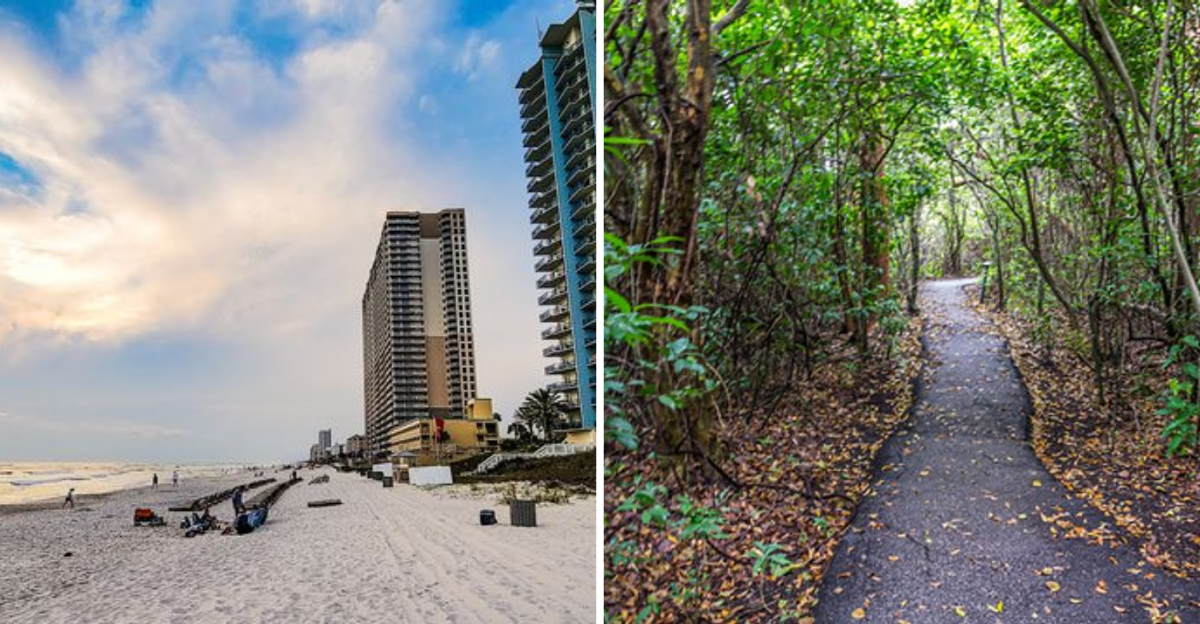
That salt smell hits you the second you crack a window near the coast, and the sky turns peach over a highway overpass at dusk. Florida has a hold on me that I cannot quite explain.
I have driven it top to bottom more times than I can count, chasing springs, seafood shacks, and sleepy little towns with one traffic light. But loving a place honestly means admitting there are corners of it that wear me out completely.
Some spots are wonderful in theory and exhausting in practice, usually because of timing, crowds, or a stretch of asphalt that refuses to move. I have sat in standstill traffic on I-95, circled parking lots for forty minutes, and paid twenty dollars for a drink that was mostly ice.
Those moments are part of the state too, and they deserve a mention. What follows is my personal route of hard passes, the places I steer around while everyone else piles in.
Knowing when to skip something is one of the best travel skills there is, and it leaves more room for the Florida I actually adore.
1. I-95 Around Miami at Rush Hour
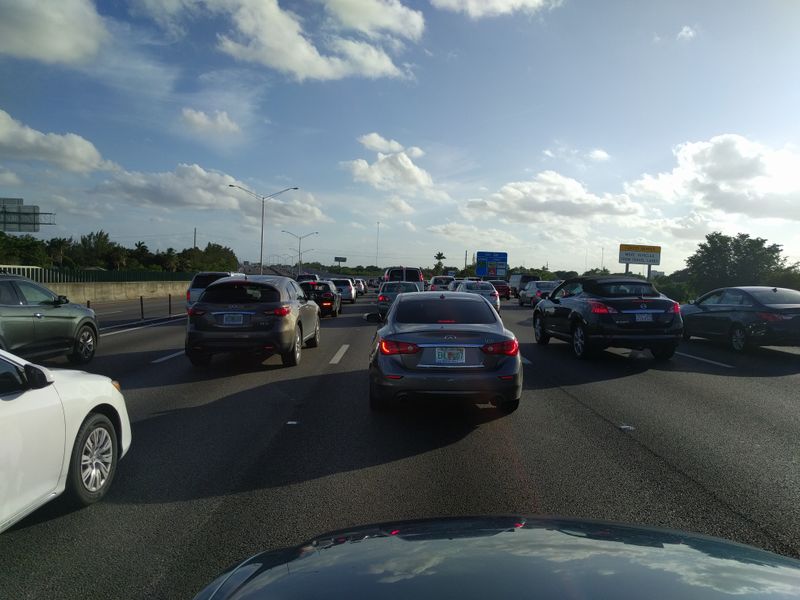
My first attempt at crossing Miami by car at 5 p.m. taught me more about patience than any meditation app ever could. Six lanes, all glowing red, and nobody going anywhere.
Morning gridlock here tends to settle in around 7 a.m. and hang on until 9:30 or even 10, while the evening crawl starts near 4 p.m. and stretches past 7. A trip that should take twenty minutes can balloon to nearly an hour without warning.
The Dolphin and Palmetto Expressways clog up at the same time, and the MacArthur Causeway backs up almost daily, so there’s no clever shortcut waiting for you.
Studies suggest drivers here lose around 105 extra hours a year to sitting still, which is basically a work week spent watching brake lights.
What gets me isn’t the delay, it’s the mood. Everyone is tense, lanes shift without notice, and the heat radiating off the pavement makes the air shimmer.
These days I plan Miami arrivals for mid-morning or after 8 p.m., and the difference is night and day. The city is wonderful once you’re parked and out of the car.
2. South Beach on Spring Break
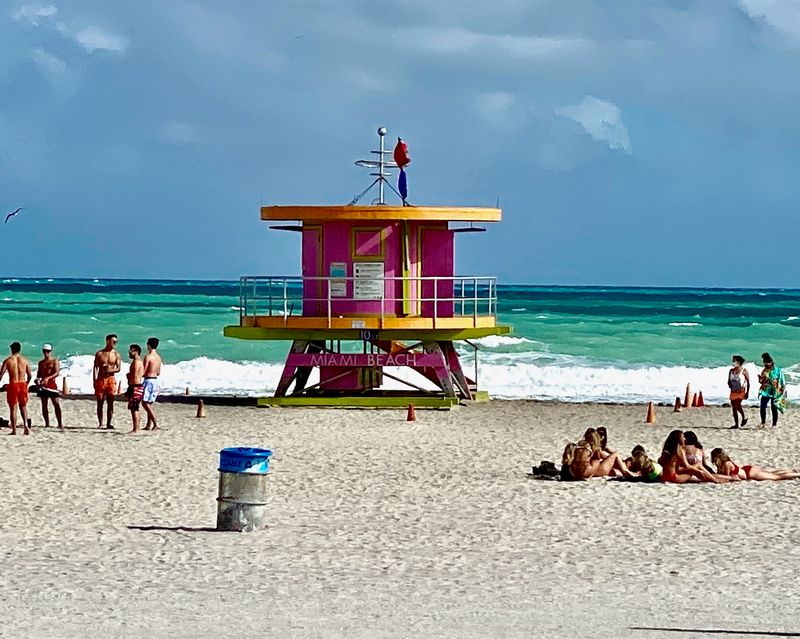
Sand you can’t see because of the sheer number of towels on it. That was my introduction to South Beach in the middle of March.
Spring break here isn’t a single weekend, it rolls for roughly six weeks from late February into early April, and the heaviest waves of visitors show up during the second and third weeks of March. The blocks between 5th and 15th Streets act as the beating heart of it all.
Volleyball games never seem to end, music layers over music, and the whole strip turns into something people fairly describe as a party on overdrive. Police presence ramps up noticeably during those weeks, which tells you plenty about the scale.
I’m not against energy, I just prefer being able to hear the ocean.
When I want the same water without the crush, I head north to Mid Beach, North Beach, Surfside, or Sunny Isles, where the pace slows considerably. Wynwood and Coconut Grove offer completely different personalities inland, and South Pointe Park stays surprisingly calm.
Same coastline, entirely different experience, and my ears thank me every single time.
3. Daytona Beach During Bike Week
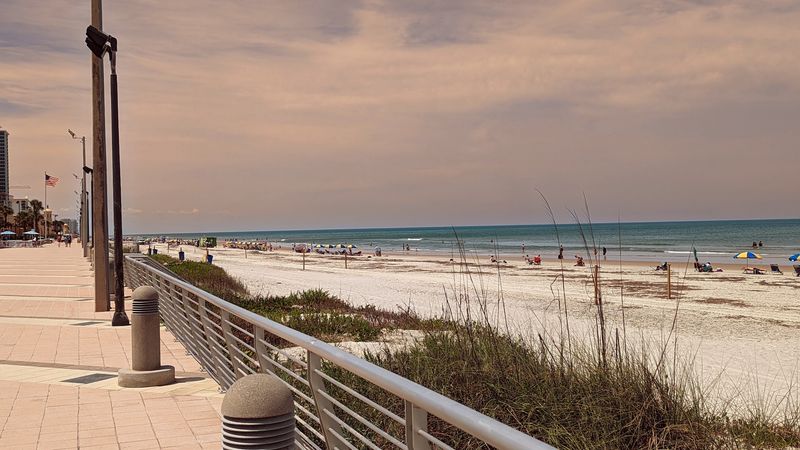
Half a million motorcycles. That number sounded abstract until I heard it, felt it, and understood that Daytona in early March is a full-body experience.
Bike Week runs ten days, and estimates have historically climbed as high as 600,000 or even 700,000 riders rolling through. Main Street and the area near the Speedway become shoulder-to-shoulder corridors of chrome.
Engines rumble constantly, conversation happens at a shout, and locals describe the whole thing as packed to the gills with a festival buzz you can feel in your chest.
Traffic is where I personally tap out. I-95 stacks up for miles, and the front stretch near the Speedway has been known to resemble a parking lot more than a roadway.
Credit where it’s due, the event pumps serious money into the local economy and clearly means a lot to the people who make the pilgrimage every year.
It’s just not my rhythm. I’d rather visit Daytona in October, when the beach is wide and quiet and you can actually drive on the hard-packed sand without weaving through a crowd of thousands.
4. The Florida Turnpike South of Orlando
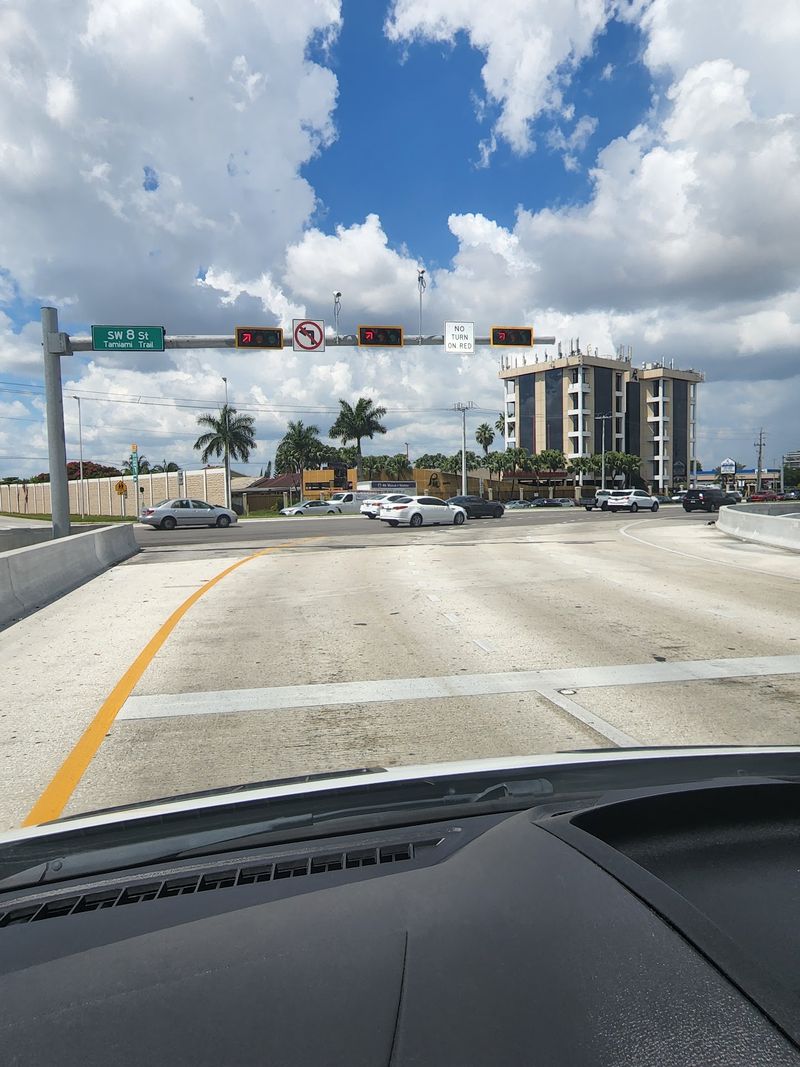
Somewhere past the Yeehaw Junction exit I realized I had stopped noticing anything at all. Same fence line, same flat pasture, same white stripes ticking past.
The Turnpike heading south from Orlando is efficient, and that’s genuinely the nicest thing I can say about it. Mile after mile unfolds with almost no change in scenery, which turns the drive into a test of stamina rather than a pleasure.
Traffic flows predictably, which sounds good until you realize predictable also means numbing.
The road exists to move people from central Florida to the southern half of the state, and it does that job without any personality to speak of. No quirky roadside stops, no shifts in landscape to snap you awake.
My workaround is simple. Whenever the clock allows, I drop down to US-27 or cut over toward the Lake Wales Ridge, where citrus groves, small-town diners, and actual hills break up the monotony.
It adds time to the trip. It also gives me something to remember afterward, and honestly that’s the whole point of driving instead of flying.
5. Panama City Beach in July
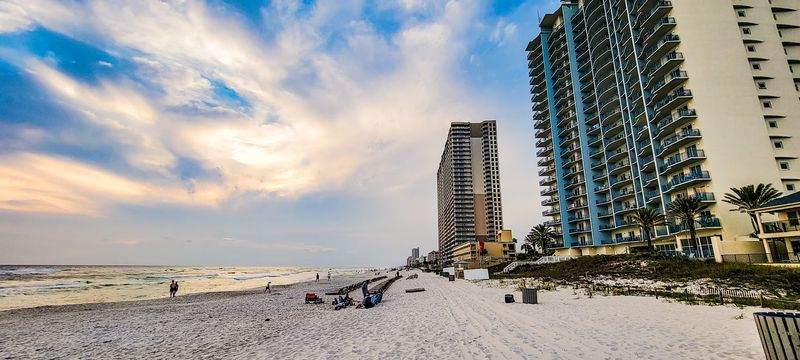
Sardines crammed into a can. That’s how visitors describe the shoreline here in midsummer, and after one July afternoon I understood the comparison completely.
Peak occupancy stretches from Memorial Day through mid-August, with the thickest crowds clustering around the Fourth of July. Hotels routinely report around 90 percent full, and parking becomes a competitive sport.
Front Beach Road and Pier Park turn especially jam-packed in the evenings, and restaurant waits stretch long enough to reconsider your dinner plans entirely.
Then there’s the weather. Highs hover near 89°F with lows around 76°F, humidity averages about 73 percent, and mornings of bright sun give way to quick, dramatic afternoon thunderstorms.
Rainy days climb from roughly 53 to 62 percent across the month.
The water, in fairness, is glorious at about 83°F, which explains why nobody wants to leave.
I’ve found breathing room out on the West End near Laguna Beach and the beach accesses in the 87 to 95 range, plus Thomas Drive and the stretch near St. Andrews State Park.
Same emerald Gulf, fewer elbows, and a whole lot more sand to yourself.
6. Walt Disney World on a Holiday Weekend
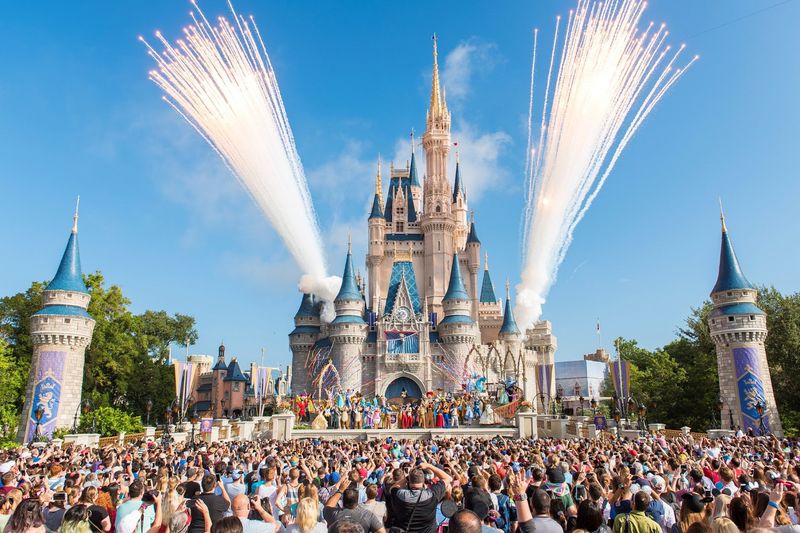
Three-hour standby lines have a way of humbling even the most enthusiastic planner. I learned that between Christmas and New Year’s, which is reliably one of the busiest windows of the entire year.
Thanksgiving week, Easter week, and Memorial Day bring their own surges, and the math is unforgiving. It’s common for seven or more attractions across the resort to average over 100 minutes for a single ride.
Real numbers from peak days tell the story: TRON Lightcycle / Run at 121 minutes, Seven Dwarfs Mine Train at 88, and Peter Pan’s Flight at 73.
Over at Epcot, Guardians of the Galaxy: Cosmic Rewind has hit 69 minutes with Test Track around 63. Hollywood Studios frequently posts the highest averages overall, with Slinky Dog Dash near 61 and Rise of the Resistance at 48.
Interestingly, which park you choose matters less than which rides you commit to during these stretches.
I adore this place in mid-January or early May, when the walkways breathe and you can ride something twice. Holiday weekends I happily leave to braver souls.
Address: Walt Disney World Resort, Lake Buena Vista, FL
7. The Everglades in Peak Mosquito Season
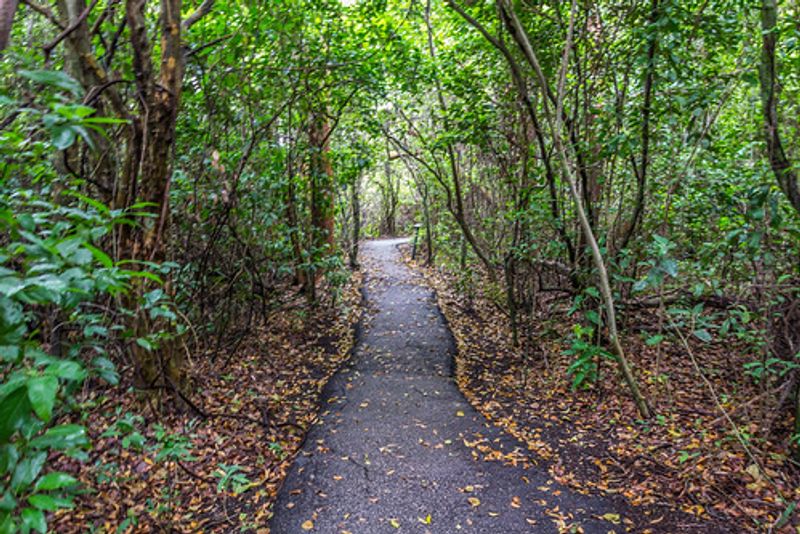
Over 40 species of mosquito call this park home, and in July it feels like every one of them has your address. I lasted about eleven minutes on a shaded trail before retreating.
Peak insect activity spans roughly April through October, overlapping with the wet season from May to November. Frequent thunderstorms and rising water levels create ideal breeding conditions, and biting flies join the party too.
Wildlife spreads out when water is everywhere, so sightings get harder just as your comfort level drops.
Ranger-led programs also thin out during these months because visitation falls off, which removes one of the best ways to understand this landscape.
If you go anyway, light-colored long sleeves and generous repellent make a real difference. Open, sunny, breezy spots help too, places like the Anhinga Trail, Flamingo, Shark Valley, and Everglades City, while standing under trees or in shade is asking for trouble.
My honest advice is to wait. December through April brings fewer bugs, kinder temperatures, and concentrated wildlife around shrinking water holes.
The Everglades absolutely deserve your time. Just not in August.
8. Key West During Fantasy Fest
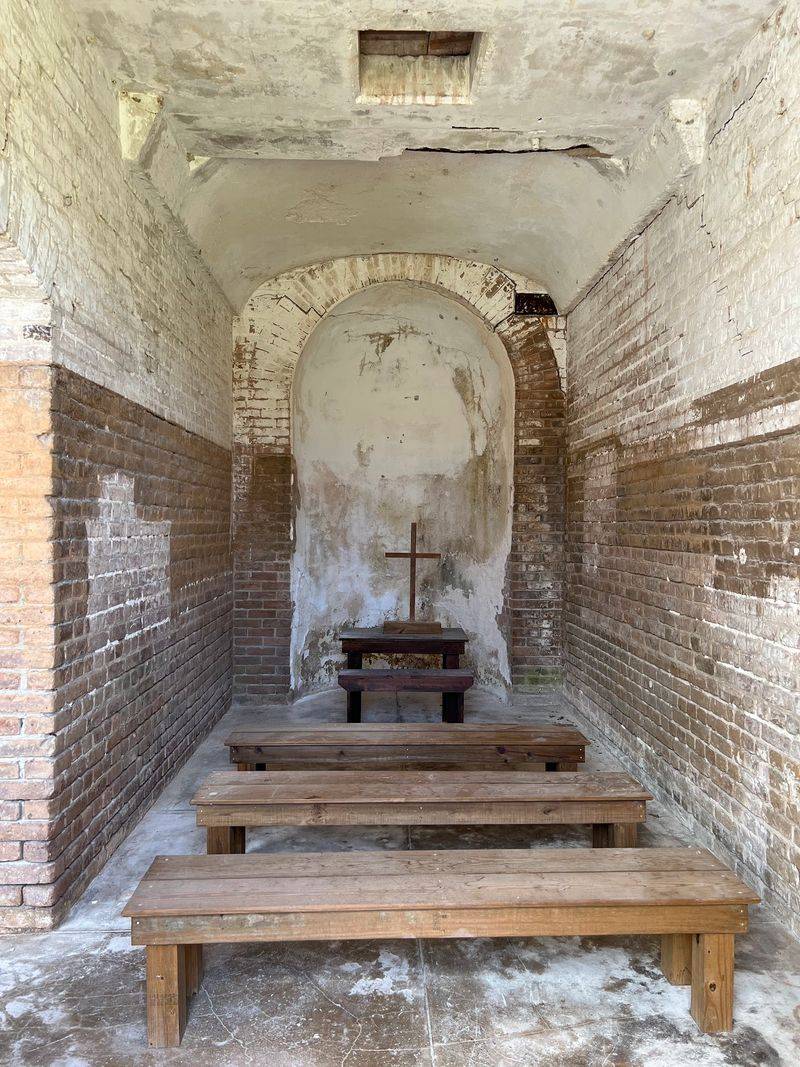
Picture an island of about 25,000 residents suddenly hosting somewhere between 25,000 and 100,000 costumed visitors. That’s Fantasy Fest math, and it explains everything.
The celebration unfolds over ten days each October and completely rewrites the island’s personality. Elaborate costumes, themed gatherings, street performers, and a grand parade down Duval Street turn Old Town into a rolling spectacle.
People are friendly, creative, and clearly having the time of their lives, which I genuinely respect from a distance.
It ranks among the busiest stretches of the entire year here, and many events along Duval skew adult-oriented once evening rolls in.
Getting around requires strategy. Parking becomes nearly impossible, so walking is the practical choice, and the free air-conditioned Duval Loop shuttle circles Old Town for anyone whose feet give out.
Bikes work beautifully too.
My problem is that I visit Key West for slow mornings, roosters in the road, and quiet lanes lined with gingerbread trim.
None of that survives Fantasy Fest week. I’ll take a sleepy Tuesday in May, thanks, when the island still belongs to itself.
9. St. Augustine at Christmastime
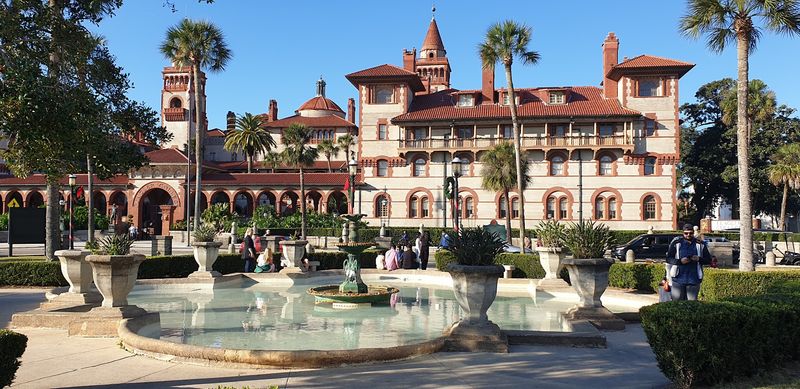
Millions of tiny white lights draped over 450-year-old streets sounds like a dream, and visually it truly is. Getting to those lights is where the dream frays.
Nights of Lights runs from mid-November into January and has drawn record-breaking attendance, with city staff calling recent peak periods the busiest they’ve ever handled. Downtown is a colonial grid with narrow streets never designed for this volume.
Traffic sits at a near standstill, and a 1.5-mile drive has reportedly taken some visitors 45 minutes.
Parking is genuinely hard to find. Shuttles from satellite lots help, though ride times have stretched to an hour or more for a two-mile trip, and the city now deploys traffic officers, barricades, and steeper fines for illegal parking.
Everyone who makes it in seems to agree the display is amazing, and I believe them completely.
My compromise is going on a weekday in early December, arriving before dark, and parking once. Then I walk everywhere and let the crowds flow around me.
Beautiful city, brutal logistics, worth planning around rather than through.
10. Miami International Airport
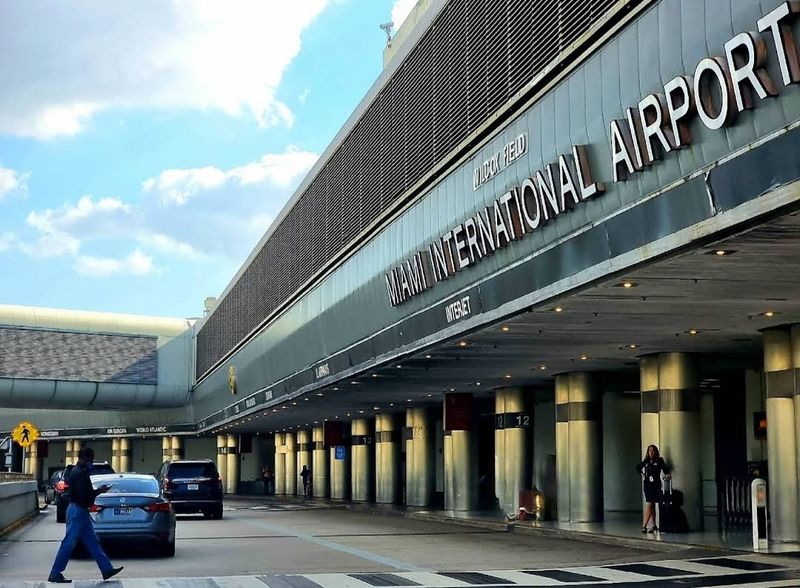
Few buildings have made me feel more like a lost tourist than this one, and I’ve flown through it repeatedly. It remains one of the busiest airports in the country, moving millions of passengers a year.
The complex splits into North, Central, and South terminals, each with several concourses, and the layout confuses newcomers on a regular basis.
Helpful things exist if you know about them. The Skyride Connector links the terminals, and the Skytrain running above Concourse D shortens what would be a 30-minute walk into roughly five minutes.
Tourist Information Counters are scattered around, with the main one in Central Concourse E, Level 2, and they’re genuinely useful when signage stops making sense.
International arrivals clear U.S. Immigration and Customs, a process that can run from 30 minutes to well over two hours depending on how many flights land together.
Long queues during daytime hours are simply part of the deal, and traffic outside adds another layer once you head for the exit.
Booking off-peak flights has saved me hours. Ask me about connections here and I’ll politely suggest Fort Lauderdale.
Address: 2100 NW 42nd Ave, Miami, FL
