Three hundred dollars sounds like a decent weekend budget until a hotel, two tanks of gas, and a couple of restaurant checks start circling it like hungry sharks.
Planning a Texas getaway on that amount means every choice matters, from picking a destination close enough to avoid burning the budget on the drive to finding entertainment that does not charge admission like it is hosting the Super Bowl.
The good news is that Texas still has plenty of inexpensive food, free outdoor attractions, small-town wandering, and low-cost stops that can keep a weekend from feeling like one long exercise in saying no.
The interesting part is seeing where that $300 actually goes once lodging, meals, transportation, and fun all want their share. Suddenly, “just one more stop” becomes a financial decision.
Setting The Ground Rules: What $300 Actually Buys In Texas
Numbers first, dreams second. Budget travelers in Texas spend an average of around $91 per day, and in San Antonio the typical range lands between $75 and $115 per person daily.
Multiply that across a Friday night arrival and a Sunday afternoon departure, and $300 sits right at the edge of comfortable. Tight, but genuinely doable.
The standard budget assumes a hostel dorm or an economy hotel, inexpensive meals, public transportation, and free cultural attractions, with maybe one paid experience thrown in.
San Antonio fits that formula better than almost any other Texas city because so much of its best sightseeing costs nothing at all.
A useful way to split the money looks like this: roughly $100 to $150 for two nights of lodging, about $30 to $48 per day for food, under $10 total for transit, and whatever remains as a cushion for souvenirs or an unexpected taxi.
Notice what is missing from that list. There is no line item for expensive theme parks, boat tours, or ticketed museums, because the free options are strong enough to fill both days.
Gas or airfare to reach San Antonio sits outside this $300 figure, which matters for anyone driving in from Houston or Dallas. Travelers already within a few hours of the city have the biggest advantage.
Treat the plan as a framework rather than a rulebook. Shifting $20 from food to a splurge activity works fine as long as the total holds.
Booking A Bed Without Blowing Half The Budget
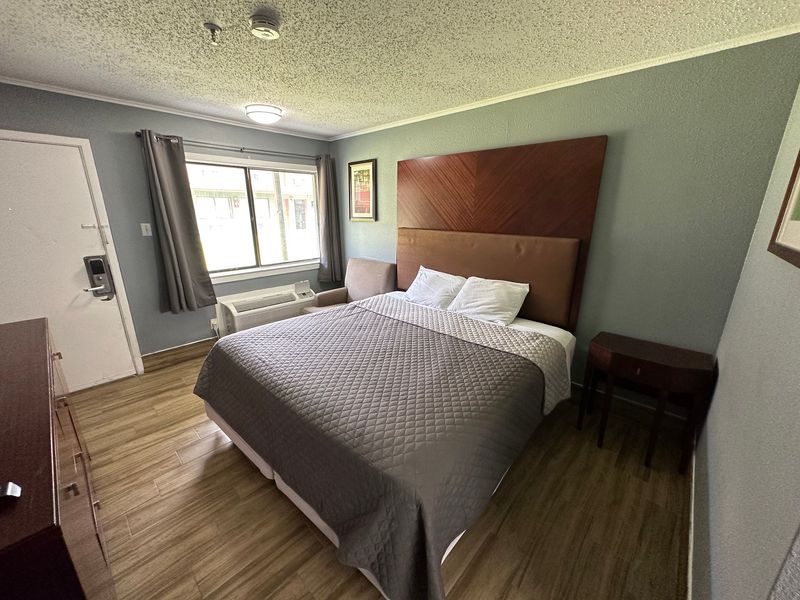
Lodging is where budget weekends usually collapse. Downtown San Antonio hotels can climb fast, yet economy properties routinely fall between $40 and $80 per night, which keeps a two-night stay comfortably under the $150 ceiling.
Reliable names in that range include Americas Best Value Inn near the Frost Bank Center, Super 8 by Wyndham San Antonio Pearl District / Downtown, and La Quinta Inn & Suites by Wyndham San Antonio Airport.
Other options worth pricing out are Studio Suites, Red Roof PLUS+ San Antonio Downtown – Riverwalk, Country Inn & Suites by Radisson San Antonio Medical Center, several Extended Stay America Suites locations, and Quality Inn San Antonio Fiesta at Six Flags.
Free breakfast changes the math more than most travelers realize. Drury Plaza Hotel San Antonio Airport and Drury Inn & Suites San Antonio Riverwalk both include complimentary breakfast and free Wi-Fi, and Hotel Gibbs Downtown Riverwalk offers breakfast options too.
Eating one included meal each morning can save $20 across the weekend, which is nearly three cheap lunches.
Location deserves equal weight. A room slightly outside downtown may cost less, but factor in the bus rides needed to get back and forth each day.
Splitting a room with a travel partner cuts the biggest expense in half instantly, freeing up cash for food and a paid attraction. Solo travelers should hunt for midweek-style deals and book early, since weekend rates in the tourist core rise quickly during festivals and event weekends.
Riding VIA Metropolitan Transit For Pocket Change
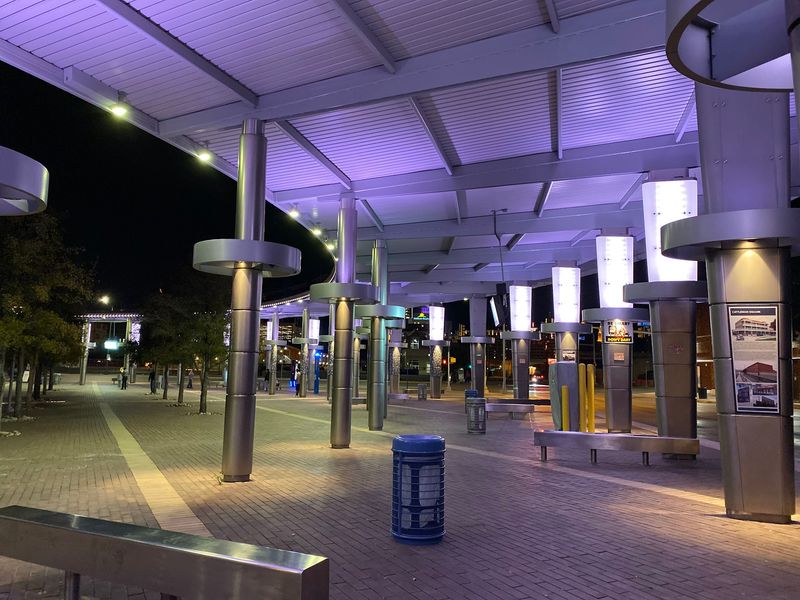
Rental cars and rideshares quietly drain travel budgets, so skipping them is one of the smartest moves available here. VIA Metropolitan Transit runs bus service across San Antonio, and a single trip costs just $1.30.
Even better, a full day pass runs $2.75, which means unlimited hopping on and off for less than the price of a fancy coffee.
Transfers between VIA bus routes are free, so a route that requires two buses still counts as one fare. That detail alone makes the missions, the Pearl District, and downtown all reachable on a single pass.
Two day passes across a weekend total $5.50. Compare that with parking garage fees downtown and the savings become obvious.
There is also VIA Link, an on-demand ride-share style service operating in several zones including downtown, priced at $1.30 per trip. Rides get booked through the VIA Link app, the website, or by phone, and riders can transfer to regular VIA bus routes at no extra charge.
Walking handles a surprising share of the itinerary. The Alamo, the River Walk, La Villita, San Fernando Cathedral, and Hemisfair sit close enough together that shoes matter more than schedules.
Comfortable footwear and a refillable water bottle are the real transportation essentials, especially in warmer months. Budget travelers who plan clustered days rather than crisscrossing the city end up spending under $10 on transportation for the entire weekend.
The Alamo Costs Nothing But Requires Planning
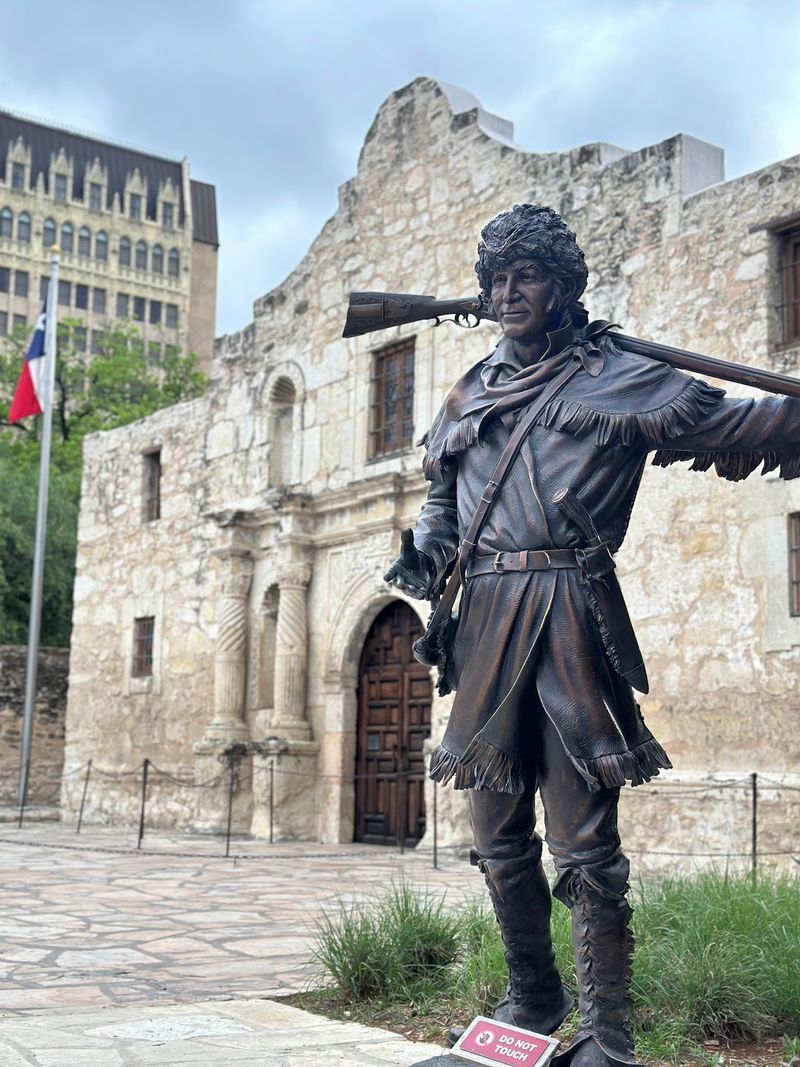
Texas history’s most famous address charges zero dollars at the door. Entry to the Alamo is free, though tickets must be reserved in advance, which trips up plenty of unprepared visitors who show up hoping to walk right in.
Reserving online before the trip takes a couple of minutes and locks in a time slot.
Standing in the plaza, the limestone facade looks smaller than most photographs suggest, yet the surrounding grounds and gardens give the site room to breathe. Interpretive signage and exhibits explain the 1836 battle and the mission years that came long before it.
Because the visit costs nothing, the only real expense is time, roughly one to two hours depending on how thoroughly the grounds get explored.
Here is a detail many travelers miss: the Alamo began as Mission San Antonio de Valero, part of the same Spanish colonial mission system as the four churches south of downtown. Seeing it as chapter one of a larger story makes the rest of the weekend click together.
Position the visit early in the day when the plaza is quieter and the Texas heat has not fully arrived.
Afterward, everything nearby is walkable. The River Walk sits a block away, La Villita is a short stroll south, and San Fernando Cathedral is roughly ten minutes on foot.
Stacking free sites this way keeps the budget untouched while filling an entire morning with genuine sightseeing.
Four Spanish Missions, Zero Admission Fees
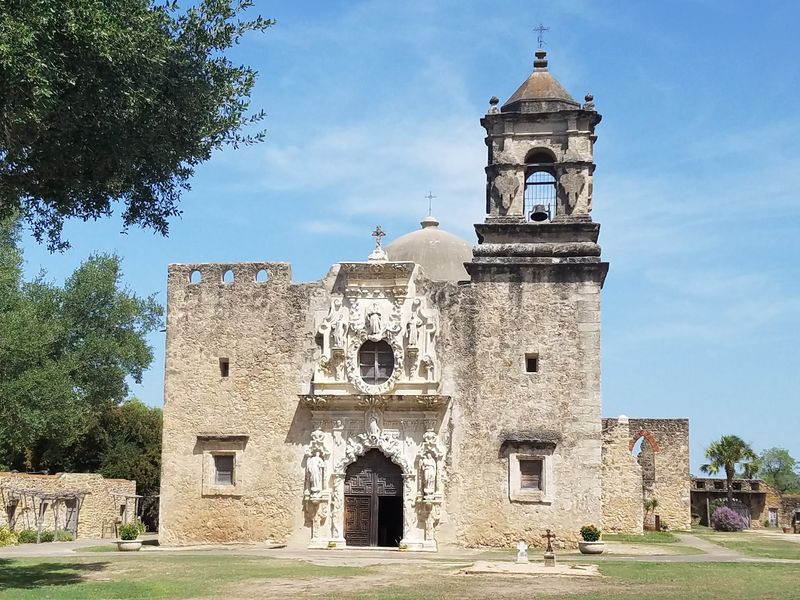
A UNESCO World Heritage Site that charges nothing feels almost too good to be true. San Antonio Missions National Historical Park protects four Spanish colonial missions – San José, Concepción, San Juan, and Espada – and every single one offers free entry.
Mission San José, often called the Queen of the Missions, anchors the group with its restored church, granary, and surrounding walls.
Ranger-led tours run daily at Mission San José, adding context without adding cost. The visitor center there is open from 9 AM to 5 PM, while the park grounds stay open from sunrise to sunset.
Arriving early gives cooler temperatures and softer light for photographs.
Getting between the missions is easier than expected. The Mission Reach section of the San Antonio River Walk includes walking and biking trails that connect the historic sites, turning transportation into part of the experience.
Travelers who prefer wheels over walking can cover the route by bike, while VIA buses serve the corridor for those who want to skip the miles.
Plan on at least half a day to see two or three missions properly. Attempting all four plus the Alamo in one afternoon usually means rushing past the details that make each site distinct, like the carved facade at Concepción or the working acequia system near Espada.
Pack water and snacks from a grocery stop rather than buying on site. That small habit protects the food budget while keeping energy levels steady through a long outdoor day.
River Walk Wandering, Grottos And All
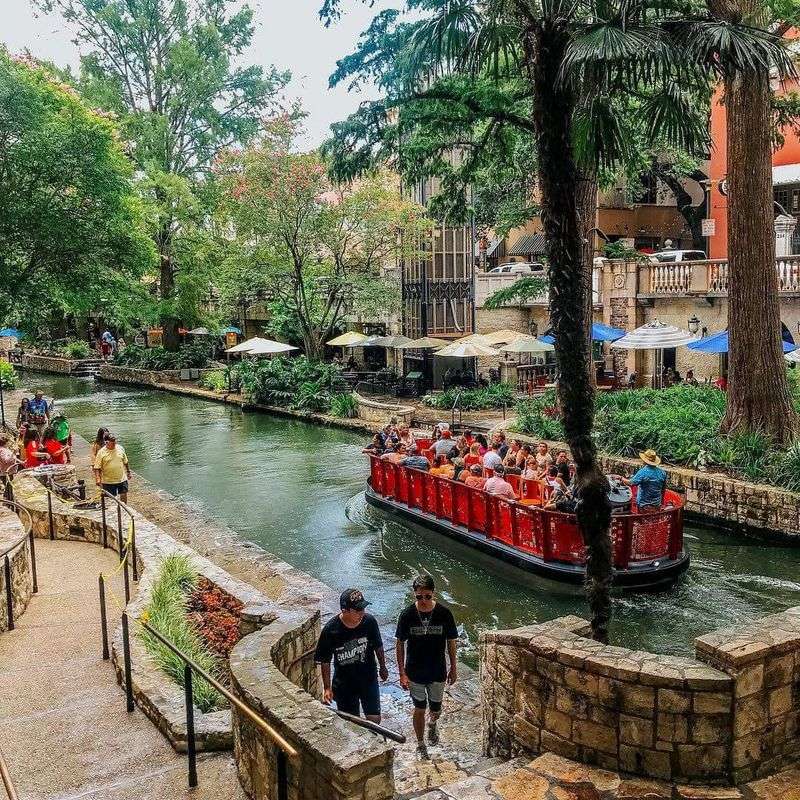
Walking beside the water costs absolutely nothing, and that is the River Walk’s best-kept secret. Boat rides and riverside restaurants carry price tags, but the paved paths below street level are open to anyone with time and comfortable shoes.
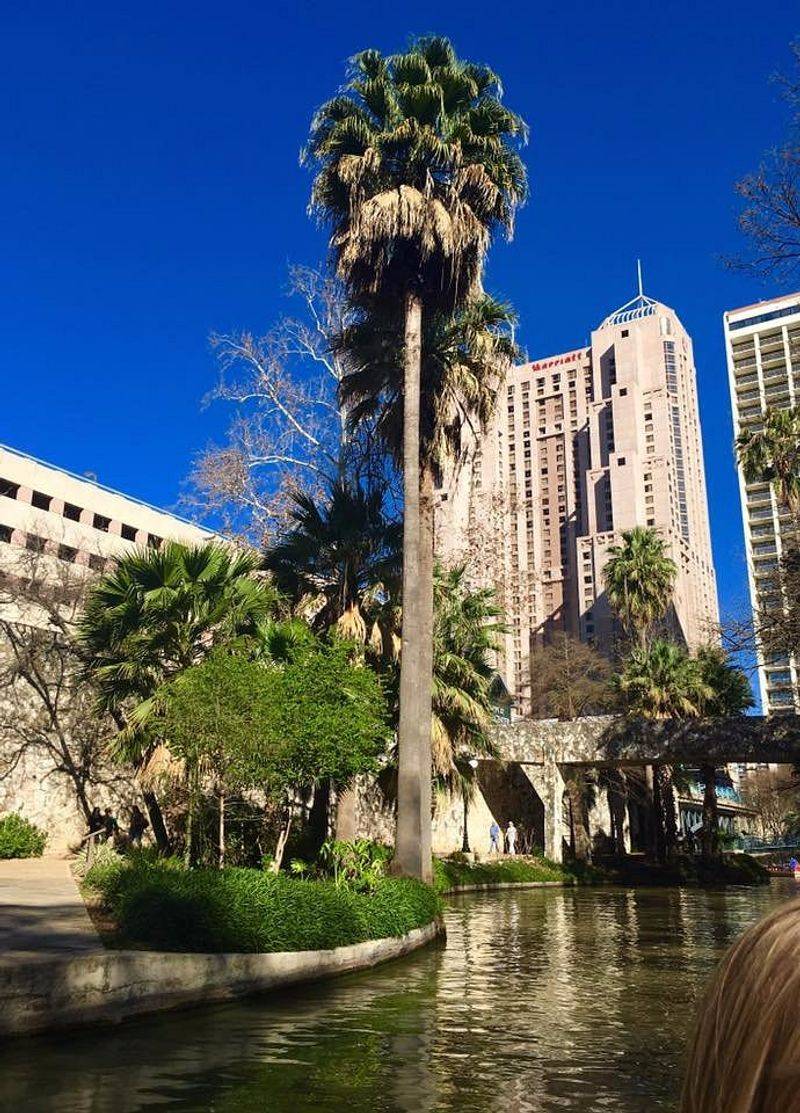
The Downtown stretch delivers the postcard version with stone bridges, arched walkways, and cypress trees leaning over the green water.
Head north and the Museum Reach section changes the mood entirely. Outdoor art installations line the route, including the River Walk Grotto, a man-made cave hidden along the bank that surprises first-time visitors who stumble upon it.
Following the Museum Reach far enough leads toward the Pearl District, making it a free connector between two of the city’s most photographed areas.
South of downtown, the Mission Reach turns the river into a nature corridor with restored habitat, trails, and links to the historic missions. The San Antonio River Authority hosts free summer programming there, including bird watching and bike tours.
Checking their schedule before a trip can add a guided activity to the itinerary at no charge.
Evening transforms the downtown loop as lights reflect off the water and the restaurant patios fill up. Grabbing a cheap meal elsewhere and then strolling afterward gives the same atmosphere for a fraction of the price.
Budget impact for a full day of River Walk exploration across all three sections: zero dollars, plus whatever water and snacks get packed in advance.
Free Galleries, Historic Homes And Weekend Markets
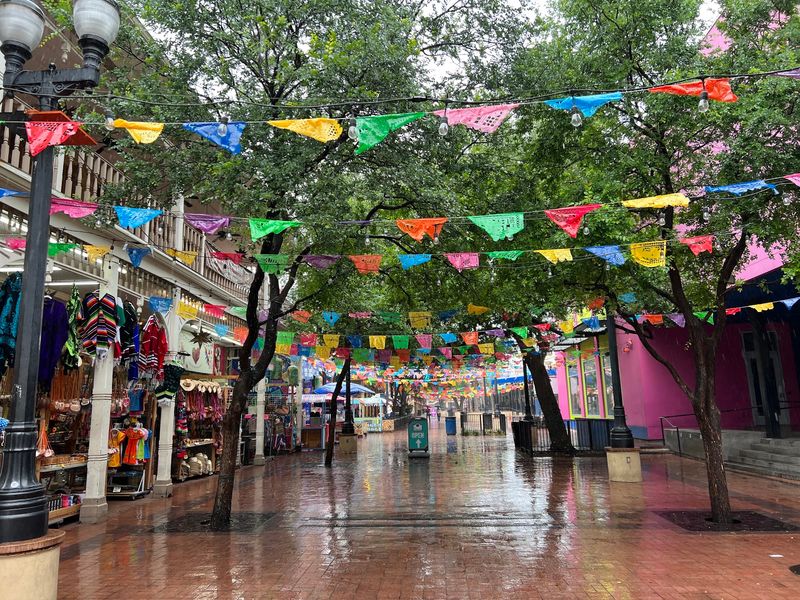
Culture lovers get a genuinely generous deal in San Antonio. Ruby City, a contemporary art center, opens its doors free of charge, as does Artpace, the gallery known for its artist residency program.
The Blue Star Arts Complex holds galleries and working studios, and its First Fridays events fill Southtown with local art, music, and culture.
Smaller institutions round out the list nicely. The San Antonio Art League and Museum focuses on Texas artists, the Instituto Cultural de México offers free admission, and the Central Library provides access to free art galleries inside a building that is itself a bold piece of architecture.
La Villita Historic Arts Village puts local artists and their work inside restored buildings just off the River Walk.
Neighborhood walking counts as sightseeing here too. The King William Historic District rewards a slow stroll past grand nineteenth-century homes with wide porches and detailed woodwork.
Nearby, the Pearl District mixes shops, restaurants, and striking repurposed brewery architecture, and the Pearl Farmer’s Market operates on weekends.
Markets are tricky for budget travelers because temptation lives on every table. Setting a small cash limit before arriving, maybe $10, keeps browsing fun without wrecking the plan.
Stacking three or four of these free stops into one afternoon creates a full cultural day that costs only a bus pass. That is the kind of value that makes a $300 weekend feel less like sacrifice and more like smart planning.
Green Space Breaks: Koi Ponds And Playgrounds
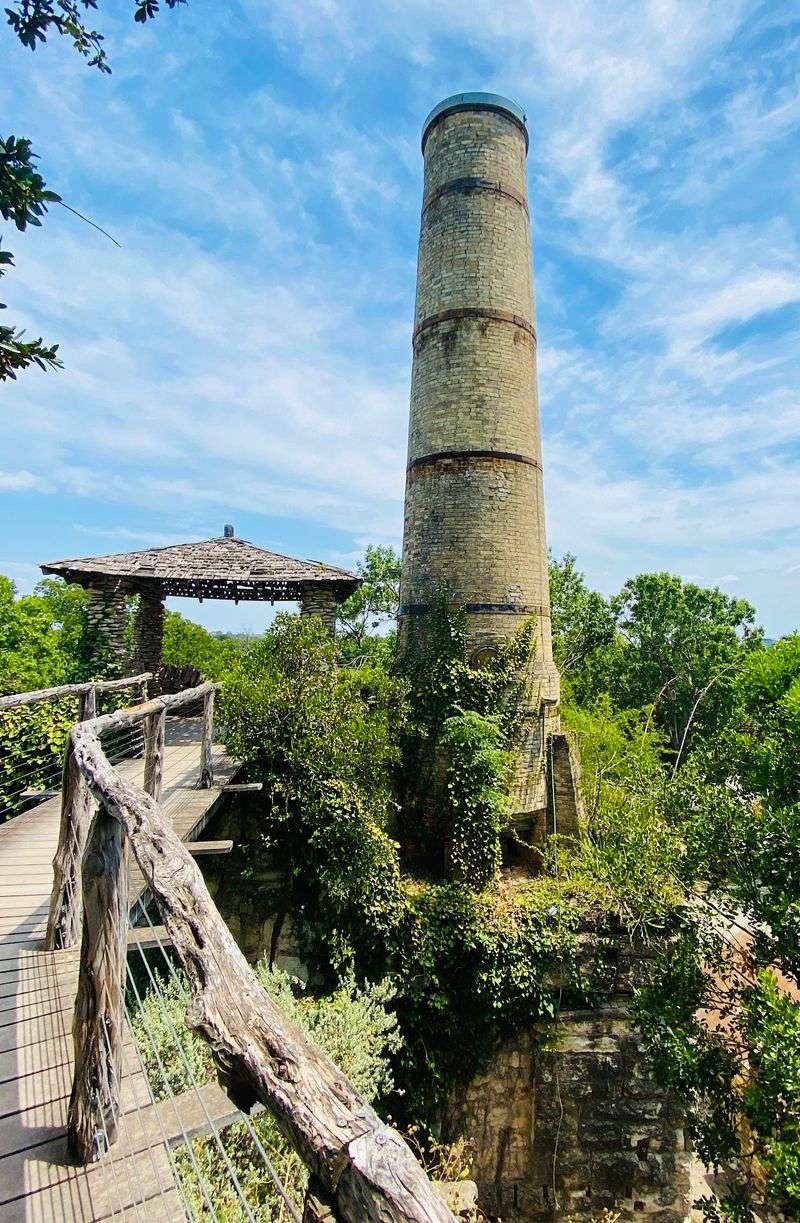
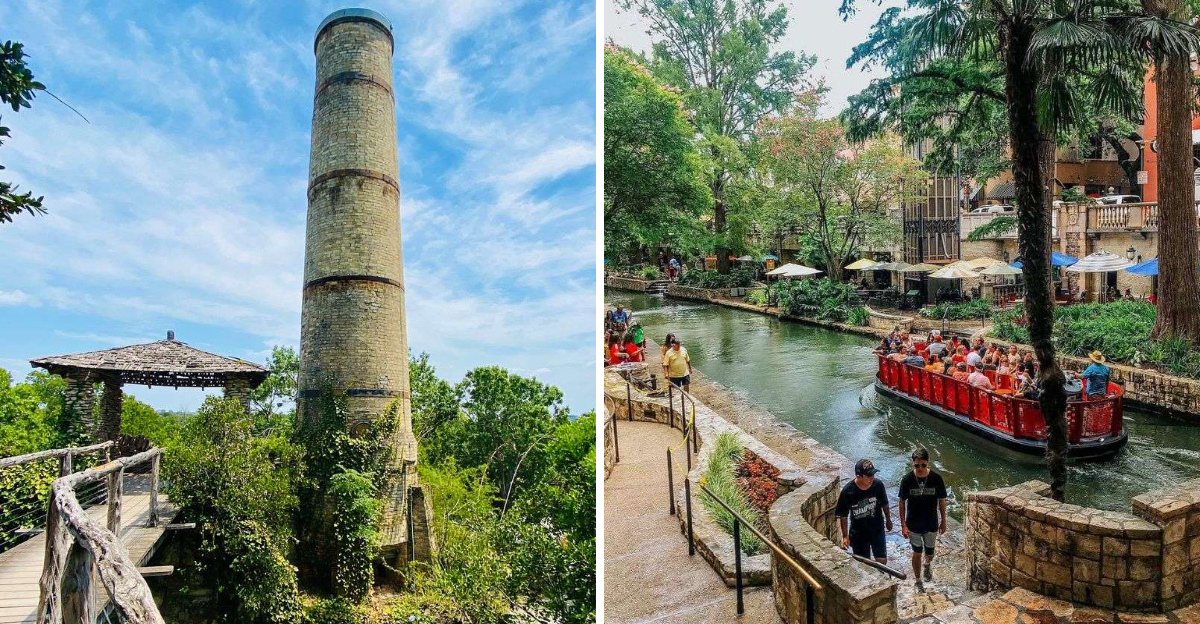
Feet get tired, and San Antonio’s parks solve that problem for free. The Japanese Tea Garden, built inside a former rock quarry, layers koi ponds, waterfalls, stone paths, and thick greenery into a space that feels far removed from the city, and admission costs nothing.
Photographers tend to linger longer than planned.
Over at Hemisfair, Yanaguana Garden brings a playful energy with playgrounds, paved walkways, and landscaped gardens hidden into an urban block. Families with restless kids find it especially useful as a mid-afternoon reset between museums and walking tours.
Brackenridge Park offers a different flavor with picnic tables, tennis courts, and playgrounds spread across a large stretch of shaded ground. Bringing a packed lunch here instead of buying one downtown saves real money while providing a pleasant place to sit.
Grocery store sandwiches, fruit, and a jug of water can feed two people for under $12.
Timing helps. Texas afternoons run hot for much of the year, so scheduling park visits for early morning or late afternoon keeps the experience enjoyable rather than exhausting.
Shade is plentiful in the Tea Garden and Brackenridge, less so in open plazas.
Across an entire weekend, these green spaces contribute hours of activity without touching the wallet. They also break up the history-heavy portions of the itinerary, which keeps the trip from feeling like one long museum tour.
Eating Well On Under $10 A Plate
Food is where San Antonio quietly outperforms every other Texas city on a budget. Full meals under $10 are the norm rather than the exception, and the flavor does not suffer for the price.
Pete’s Tako House serves a cheese enchilada plate for $8.99 and two beef or chicken chalupas for $7.49.
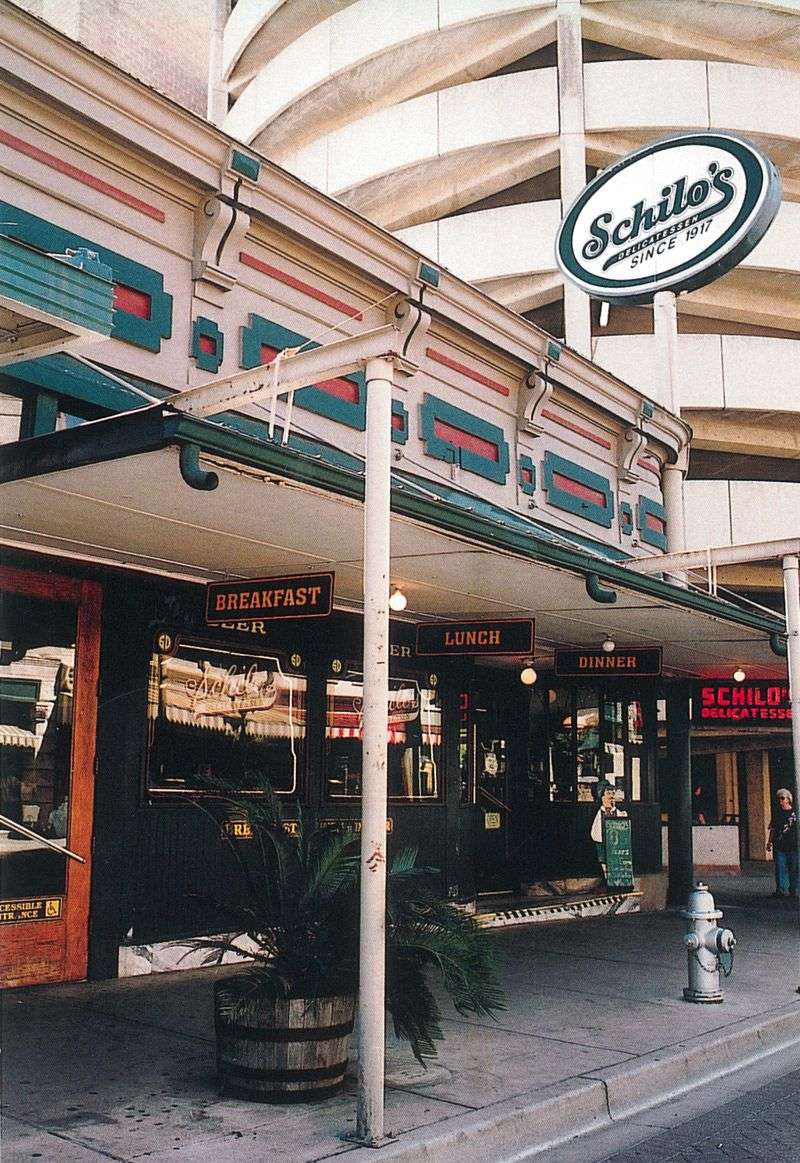
Downtown, Schilo’s handles breakfast for under $10 with french toast, breakfast sandwiches, and potato pancakes, plus a build-your-own half-sandwich deal with chips or fries for $6.
Ray’s Drive Inn puts three cheese enchiladas, rice, beans, and two tortillas on a plate for $6, with enchilada plates at $7.25 and a claim to fame as home of the Original Puffy Taco.
Lunch specials stretch dollars further. Las Palapas runs $9.99 lunch specials Monday through Friday from 11 AM to 4 PM, and Kung Fu Noodle offers an $8.99 lunch special.
El Gallito De Jalisco sells five mini tacos with a soda for $6.50, while Kolache Stop keeps lunch kolaches under $3.
Additional names worth knowing include The Jerk Shack, Pho Kim Long, Pollos Asados Los Norteños, Sichuan House, and Station Cafe.
Budgeting roughly $30 to $48 per person per day covers three meals with room for a snack. Anyone with hotel breakfast included can drop that closer to $25.
Addresses: 502 Brooklyn Ave., San Antonio, TX; 424 E. Commerce St., San Antonio, TX; 10415 Huebner Road, San Antonio, TX; 9226 Wurzbach Road, San Antonio, TX
Nighttime Fun That Does Not Cost A Cent
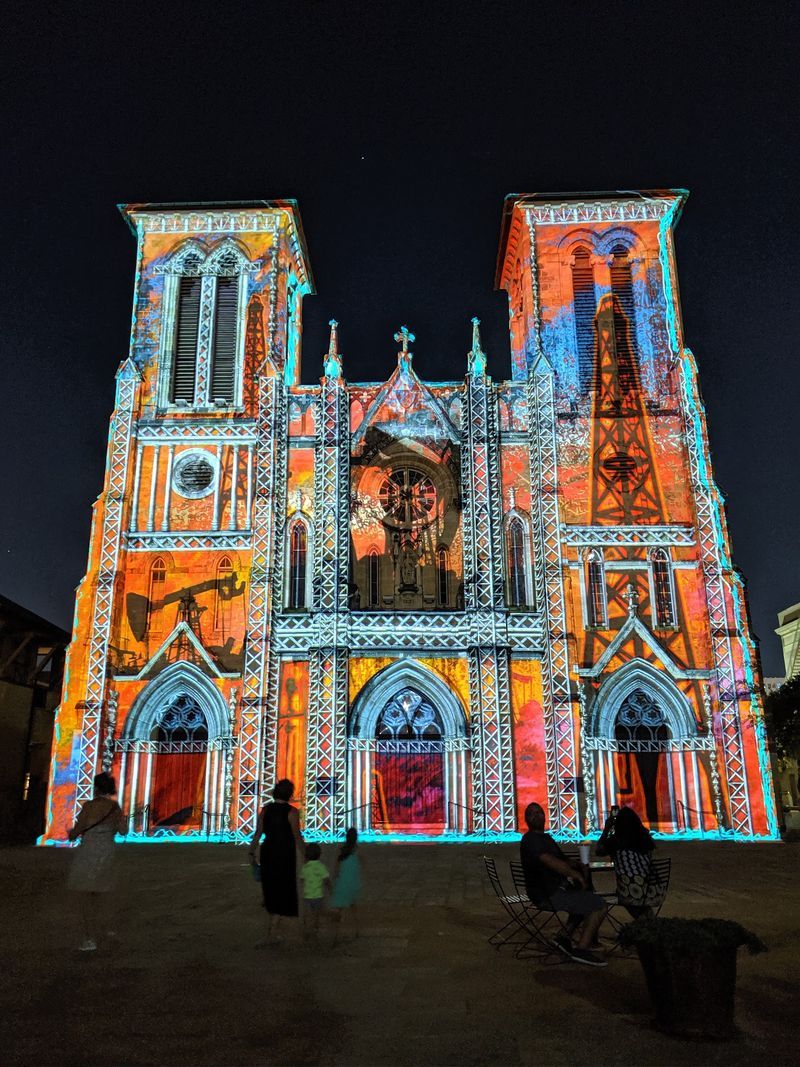
Evenings are usually the budget’s downfall, yet San Antonio hands out free entertainment after dark. The Saga, a video art light show projected onto the facade of San Fernando Cathedral, plays to crowds gathered in the plaza and costs nothing to watch.
The cathedral itself is a major historic landmark, worth seeing in daylight as well.
Once the show ends, the River Walk takes over. Lights strung above the water and reflections off the surface give the downtown loop a completely different personality than it has at noon.
A post-dinner stroll there is one of the best free activities in the entire city.
On the first Friday of the month, Southtown fills up for First Fridays at the Blue Star Arts Complex, where local art, music, and culture spill into the streets. Timing a weekend around that date adds a festival atmosphere without a ticket price.
Free events and performances also pop up occasionally at venues like the Tobin Center for the Performing Arts, so checking event calendars before booking travel dates can pay off.
Tallying the whole weekend: lodging around $120, food near $70 with a hotel breakfast, transit at $5.50, and activities at essentially zero leaves close to $100 for souvenirs, an extra treat, or simply money returned to savings.
Three hundred dollars, it turns out, covers a Texas weekend with room to spare when the itinerary leans on free history and cheap plates.
