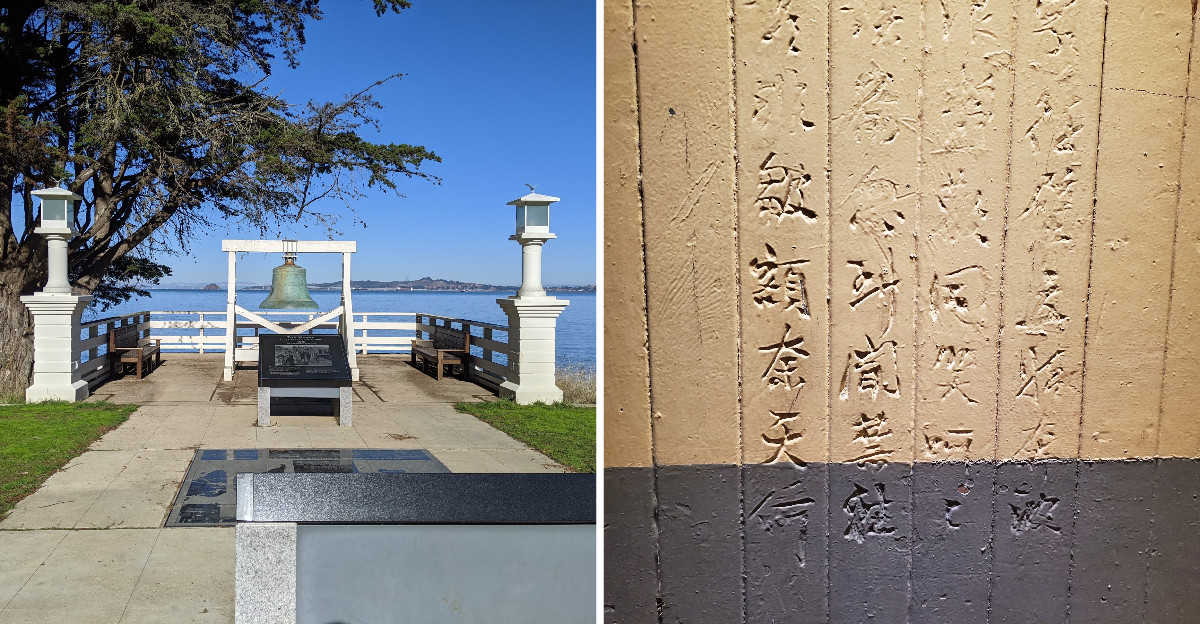
Words carved into old wooden walls are what stayed with me long after the ferry ride and the picnic. A detention barracks on a California island holds hundreds of poems etched by immigrants, most of them Chinese, who were held there between 1910 and 1940.
Weeks turned into months, sometimes years, and many poured their anger, loneliness, and hope into lines of classic verse. Tracing the faint characters with my eyes brought a lump to my throat I did not see coming.
Those poems survived paint, putty, and decades of neglect, and visitors can still see them today. This quiet corner of the state is unforgettable, and planning a visit takes only a little effort.
The stories here do not shout, they are carved into the wood and waiting to be read. A short boat ride leads to a place where history feels close enough to touch.
The walls still hold the voices of people who waited, hoped, and refused to be forgotten.
The Ferry Ride Over Sets the Mood
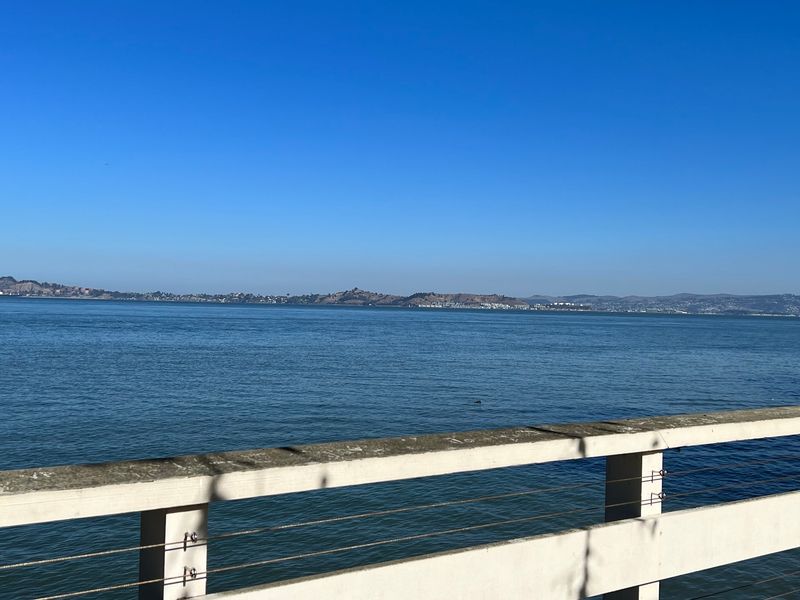
My first glimpse of Angel Island came from the deck of a ferry, with gulls drifting overhead and the city skyline shrinking behind me. The island looked green, calm, and almost too pretty to hold a hard history.
Boats run from San Francisco and from Tiburon, and the trip over is short. From the San Francisco side, you usually do not need tickets far ahead of time.
The Tiburon ferry is a separate service, so checking its schedule before you go saves a lot of guesswork.
I spent most of the crossing thinking about the people who made this same trip between 1910 and 1940. They were not tourists snapping photos of the bay.
Many had sailed for weeks across the Pacific, hoping to start new lives, only to be sent to an island instead of the mainland.
That contrast hit me harder than I expected. The water sparkled, the breeze smelled like salt, and yet this route once led straight to questioning rooms and locked dormitories.
My advice is simple. Put your phone away for a few minutes on the ride and just watch the island get closer, because it helps you imagine what arriving here might have felt like for someone who had no idea how long they would stay.
A Station Built to Keep People Out
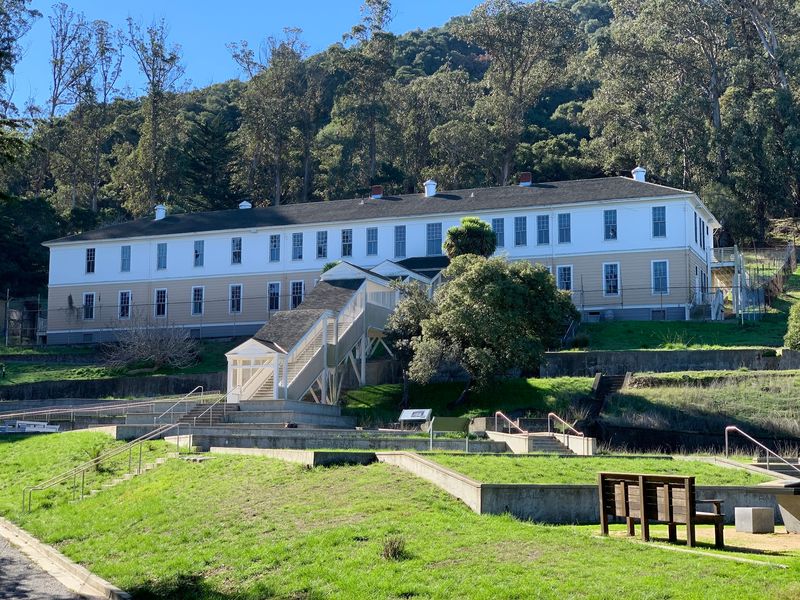
Most people know Ellis Island as a symbol of welcome, so I was surprised to learn how different its West Coast cousin really was. Angel Island Immigration Station operated from 1910 to 1940, and it was the main processing center on the Pacific side of the country.
Its purpose, though, leaned toward keeping people out. The Chinese Exclusion Act of 1882 made it extremely hard for Chinese immigrants to enter the United States, and the station was set up to enforce those rules through questioning, detention, and often rejection.
Officials asked detailed questions about home villages, family members, and even how many steps led to a front door. If answers did not match what relatives had said, a person could be denied entry.
Some waited a few days, while others were held for months or even years.
Detainees were split up by race, gender, and class. Asian immigrants, especially Chinese, faced far longer stays than most other groups passing through.
Knowing this background before you arrive makes a huge difference. I found that reading a little about the exclusion laws turned the quiet wooden buildings into something much more powerful.
A couple of short documentaries watched the night before can prepare you for what you will see and help you understand why the walls matter so much.
Life Inside the Wooden Barracks
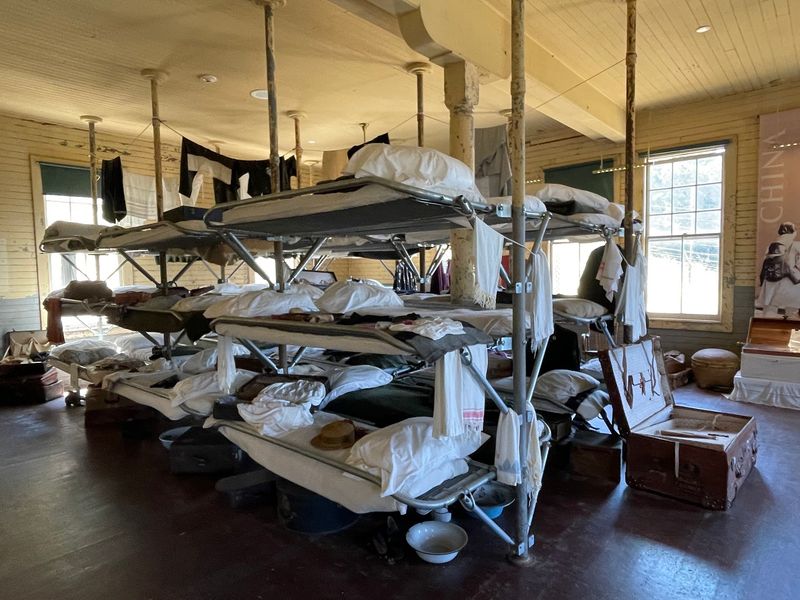
The floorboards creaked under my shoes as soon as I entered the old detention barracks, and I caught myself lowering my voice. Rows of bunks stacked three high filled the rooms, and it did not take much imagination to picture how crowded they must have been.
People held here went through invasive medical exams and long interrogations. Afterward, they returned to these dorm-like rooms and waited.
Days blurred together, broken up by meals, fresh air in a fenced yard, and endless hours of not knowing.
The building itself is two floors, and you can explore at your own pace. Some parts have been carefully restored, while others still show original peeling surfaces and old wood that feel strangely alive with memory.
I liked that mix, because it kept the space honest instead of polished.
Plan on spending anywhere from twenty minutes to an hour inside. I thought I would breeze through, but I kept stopping at small details like worn corners, window views of the bay, and displays of belongings that detainees might have carried.
A guided tour adds so much here. Rangers and volunteers share stories and answer questions, and hearing the history out loud while surrounded by those walls made everything click for me in a way that reading signs alone never could.
Hundreds of Poems Etched in Wood
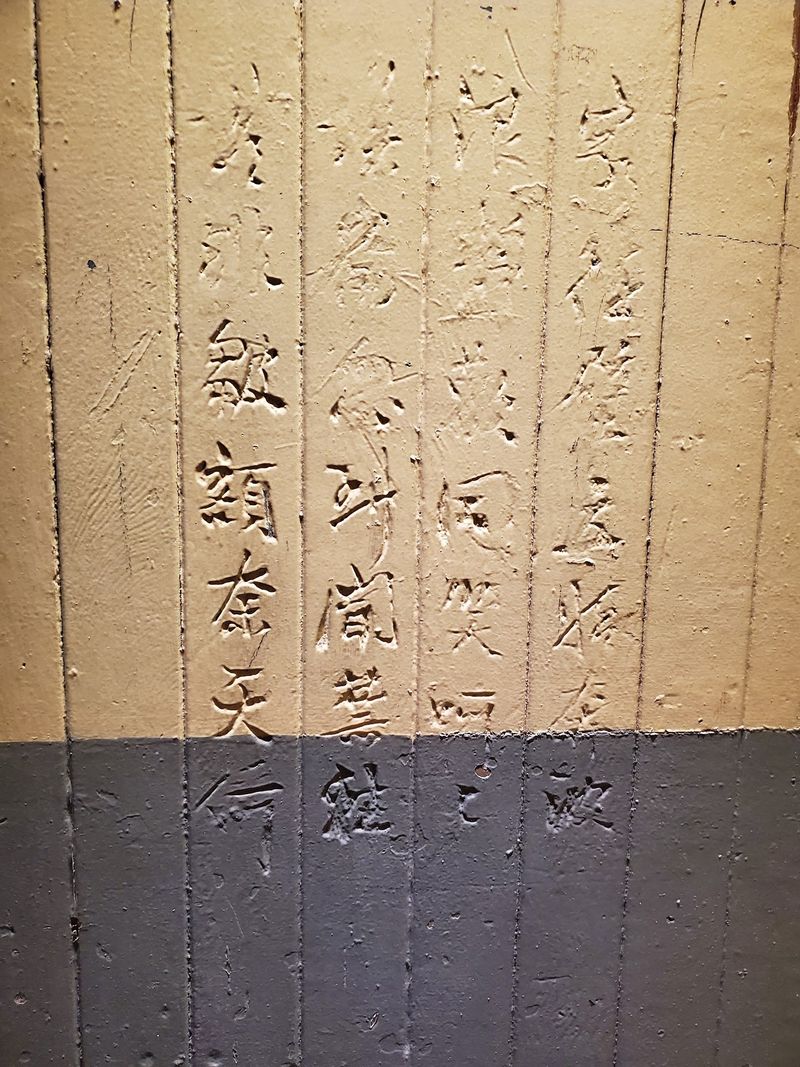
Faint lines of Chinese characters appear on the walls when the light hits just right, and I actually gasped the first time I noticed them. Hundreds of poems were carved into the wood, mostly by Chinese men waiting to learn their fate.
These were not random scribbles. Many followed classical Chinese forms, with four, five, or seven characters in each line, and they rhymed in Cantonese or Toisanese.
Writers often brushed them in ink first and then carved them with slow, patient strokes.
The feelings packed into them range wide. Some poems burn with anger and frustration over unfair treatment, while others ache with homesickness and loneliness.
A few look ahead with stubborn hope, dreaming of a better future once the waiting finally ended.
Nearly all of them are unsigned. Historians believe people stayed anonymous out of fear of punishment, which makes each carving feel even more personal, like a secret shared with whoever came next.
Here is a tip I wish I had known sooner. Keep an eye out for translations in the exhibits, since researchers have translated and published somewhere between 150 and over 200 of these poems.
Reading the English next to the original carving turns a pattern of scratches into a real human voice, and it is hard to walk away unmoved.
Voices in Many Languages
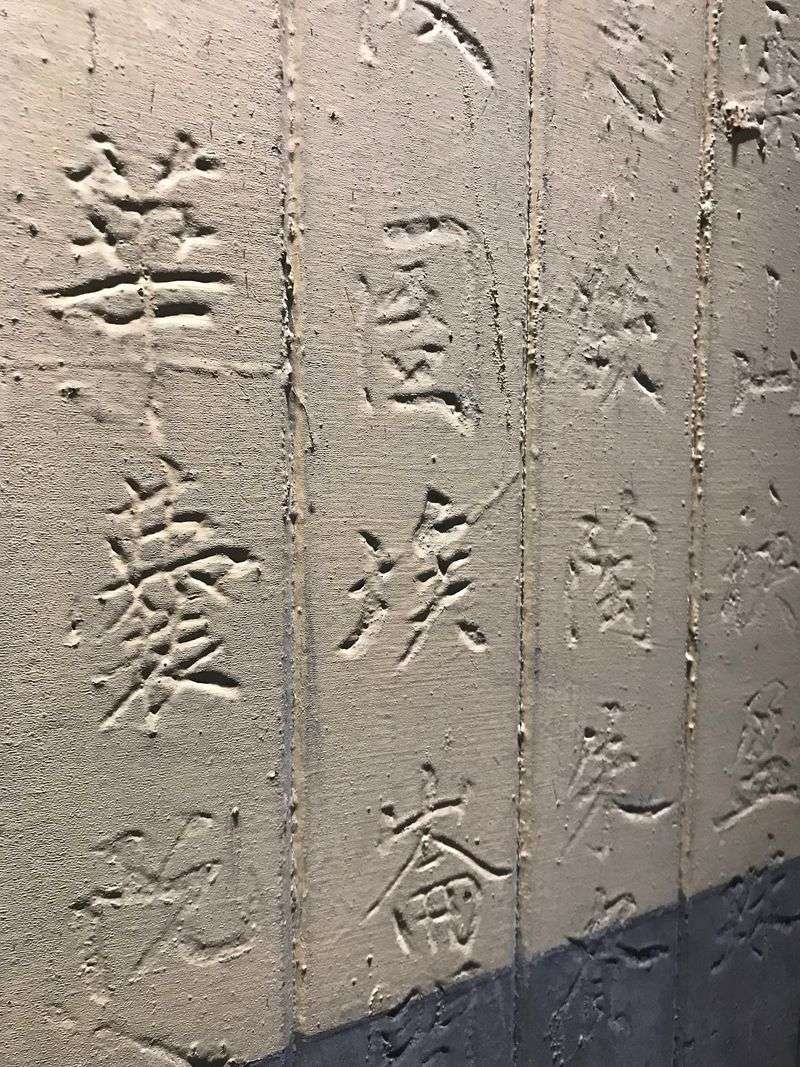
Chinese poetry gets most of the attention, and for good reason, but I was fascinated to learn the walls hold other voices too. Inscriptions in Japanese, Russian, English, and South Asian languages have also been identified inside the barracks.
That detail reminded me how many different paths crossed on this small island. People arrived from all over the Pacific world and beyond, each carrying their own language, worries, and hopes.
When they had no one to talk to, some turned to the walls.
Not every mark is a full poem. Some are names, dates, short notes, or simple drawings, and many are faded or only partly readable today.
Even the tiny ones feel meaningful once you realize someone scratched them while stuck in limbo, unsure if they would ever set foot in California.
For families with kids, this part of the visit makes a great conversation starter. Ask younger travelers what they would write if they had to leave a message for a stranger decades in the future.
You might be surprised by their answers, and it helps them connect personally with history instead of just reading dates.
I left this section thinking about how people everywhere reach for words when life feels out of their control. It is a universal instinct, and the barracks show it in several alphabets at once.
The Paint That Accidentally Saved Everything
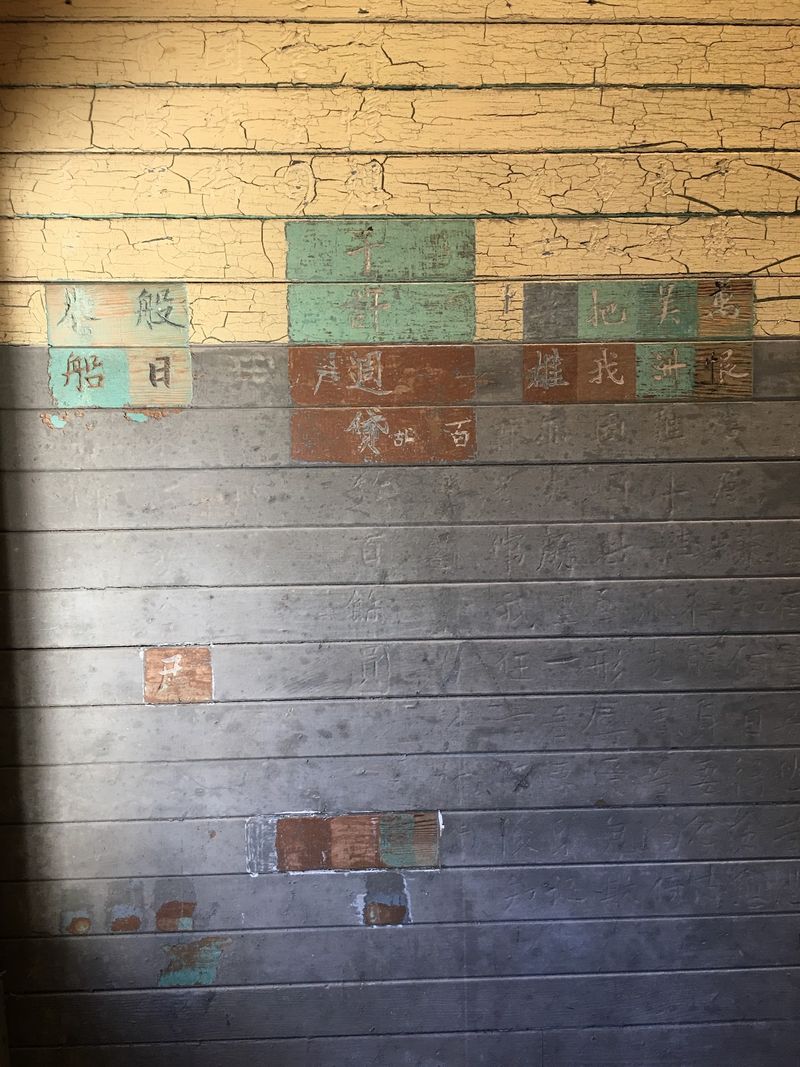
Here is my favorite plot twist of the whole visit. Over the years, maintenance crews filled the carvings with putty and painted over them, trying to cover what they saw as damage.
Ironically, that cover-up acted like a protective shield. The paint helped guard the wood underneath, and as the layers cracked and wore away with time, the poems slowly began to reappear.
It is almost as if the walls refused to stay quiet.
The big turning point came in 1970. State Park Ranger Alexander Weiss noticed the markings and at first thought of them as graffiti, but he recognized they might be important and reached out to others.
His discovery sparked a movement that saved the building from being torn down.
Community members, scholars, and descendants of former detainees pushed hard for preservation. Their efforts turned a forgotten, crumbling structure into a protected historic site, and the work of studying and caring for the carvings continues today.
I find this story oddly hopeful. Something meant to erase these voices ended up protecting them, and one curious observation helped rescue an entire chapter of history.
When you visit, take a moment to spot areas where old paint still clings to the wood, because those patchy surfaces are part of how the poems survived long enough for us to read them.
A Museum Inside the Old Hospital
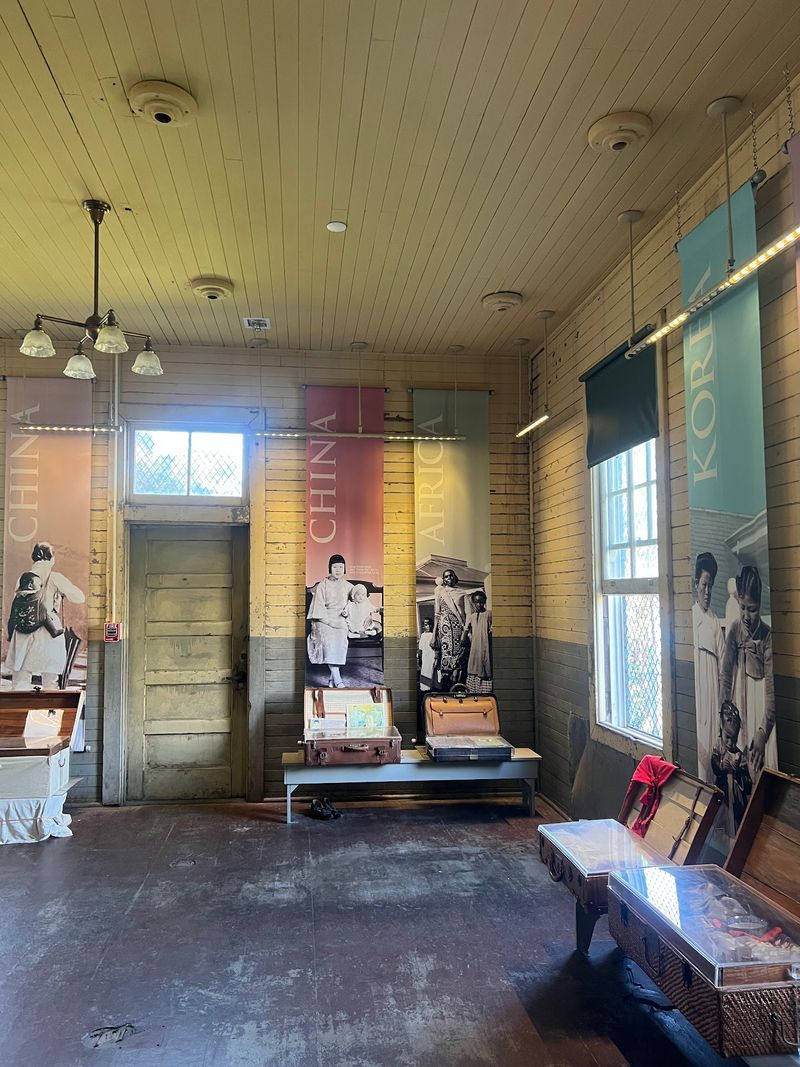
A short stroll from the barracks sits the old hospital building, and I almost skipped it because my legs were tired. That would have been a real mistake.
The Angel Island Immigration Museum opened inside the former hospital in 2022, adding a whole new layer to the visit. Exhibits explore the wider story of immigration through the station, including the medical inspections that so many arrivals had to endure in this very building.
Being in rooms where doctors once examined newcomers gave me an odd chill. The displays are thoughtful and clear, mixing personal stories, photos, and artifacts so the history feels human rather than distant.
What I appreciated most was how the museum connects past and present. It invites visitors to think about how immigration has shaped the country and how those debates still echo today, without feeling preachy or heavy-handed.
If you are short on time, try to see both the barracks and the hospital museum rather than rushing through just one. The two buildings tell complementary halves of the same story, one about waiting and the other about being judged.
Together, they give a fuller picture of what people faced, and you will leave with a much deeper understanding of why this island deserves a spot on your Bay Area list.
Smart Tips Before You Go
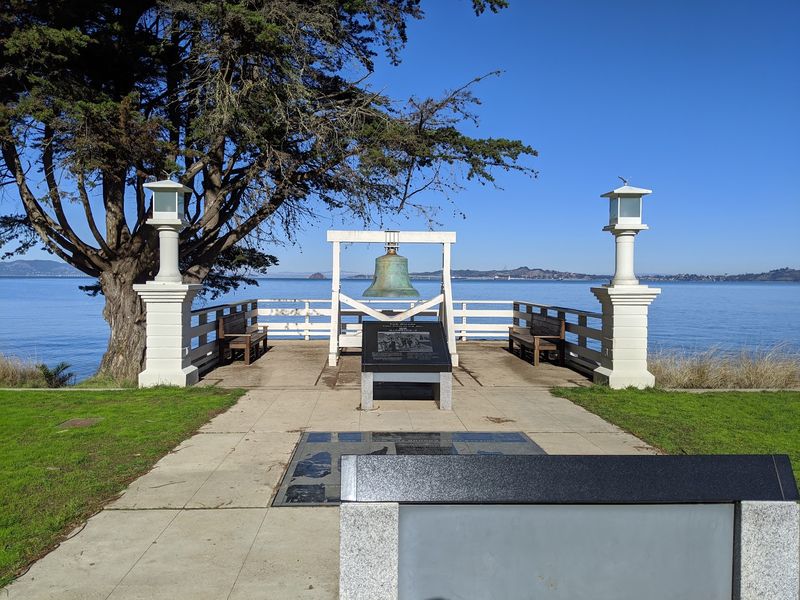
Nobody warned me about the hill, so consider this your friendly heads-up. The road up to the immigration station is steep, and there are stairs once you arrive, so comfy shoes are a must.
If walking is tough for anyone in your group, the island tram or shuttle is a lifesaver. It loops around the park and can drop you close to the sights, though checking times ahead is smart, and reservations may be needed on busy days.
Cyclists should know that bikes must be walked into the museum area.
Hours are shorter on weekdays, roughly 11 AM to 2:30 PM, with later closing around 4 PM on weekends.
Pack a refillable water bottle, since there are a few spots to top it off. The small island cafe does not always open on quiet days, so bringing snacks is wise.
Carrying a bit of cash is also a handy backup for tours.
Give yourself time to linger. The views of the bay are gorgeous, the trails are inviting, and the poems deserve slow, quiet attention.
I left wishing I had planned an extra hour, and I suspect you will too.
Address: VHCF+3C Tiburon Belvedere, Tiburon, California 94920
