The first red leaf causes a problem. Now every weekend looks booked.
One drive for the leaves. Another for a covered bridge.
Another because someone heard the cider is already flowing. This Indiana fall route makes that kind of overplanning completely reasonable, with ten stops spread across landscapes that change dramatically as the season moves south.
Northern trees usually turn first. Southern hills take their time.
That means the calendar can stretch the season instead of ending it after one pretty Saturday. There are dunes.
Canyons. Covered bridges.
Brick streets. Wagon rides.
At some point, the question stops being where to go and becomes how many weekends can be squeezed out of October.
1. Brown County State Park, Nashville
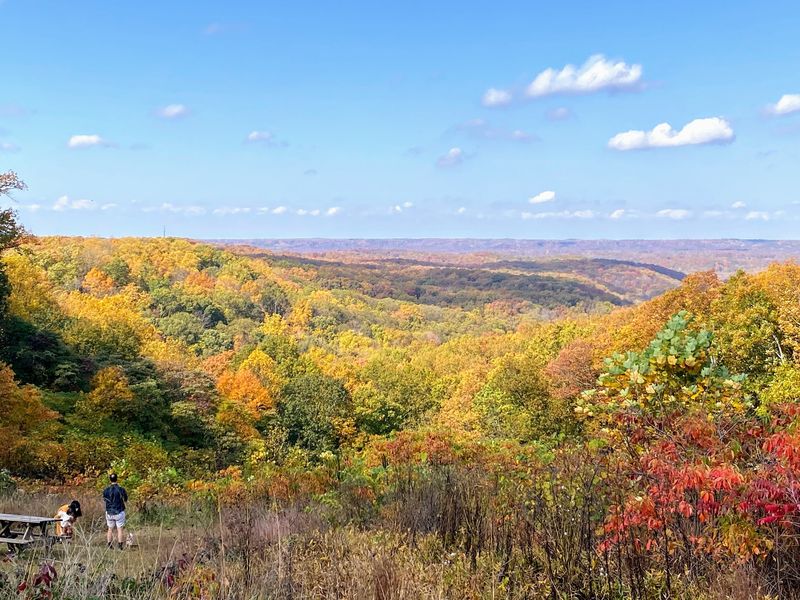
Nicknamed the Autumn Capital of the Midwest, this park earns the title within the first mile of driving. Ridge after ridge of hardwood forest turns fiery, and the road keeps climbing.
Covering close to 16,000 acres, it holds the record as Indiana’s largest state park, with nearly 20 miles of tree-lined driving routes threading through the hills.
Hesitation Point and the West Lookout Tower deliver the widest views, and sunrise there is worth the early alarm when mist pools in the valleys below.
Hikers have plenty of range. Trail 7 circles Ogle Lake at an easy pace, Trail 2 passes stonework built by the Civilian Conservation Corps, and the Aynes Loop and North Gate Trail wander through mature forest without asking too much of tired legs.
Mountain biking and horseback riding fill out the schedule, with rides leaving from the park’s saddle barn. The nature center runs seasonal programs like leaf rubbing and turtle talks, which tend to hook kids faster than any overlook does.
Fall festivals add extra energy on weekends, so arriving early makes the parking situation far less stressful.
A practical tip: color moves through the hills in waves rather than all at once, so a mid-October visit usually catches something spectacular no matter the exact date. Bring layers, since ridgetops run noticeably cooler than the valley floors.
2. Nashville Village Streets and Artisan Shops
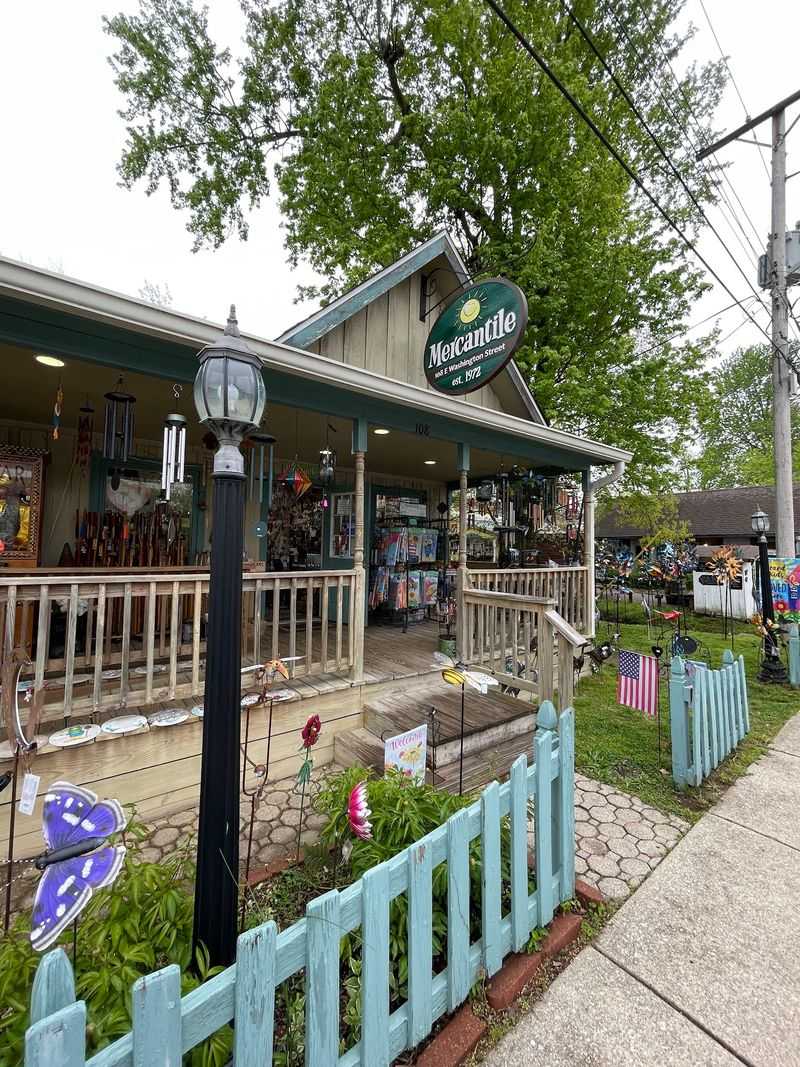
Right outside the park gates, a tiny village hums with visitors carrying shopping bags and cups of cider. The contrast is immediate after a morning spent on quiet trails.
Shops here lean heavily toward handmade goods, and the craft tradition runs deep. Multi-generational woodworkers, potters, and painters keep studios open through the season, with plenty of work clearly inspired by the surrounding hills.
Galleries sit shoulder to shoulder with cafes, so browsing tends to stretch longer than planned. Pumpkin displays spill off porches, and the smell of fresh apple cider drifts down the sidewalks on cool afternoons.
Autumn brings a steady rotation of events, which fills the streets on weekends and gives the whole place a friendly, slightly crowded buzz. Weekday visits feel calmer and make conversations with shopkeepers easier.
Comfortable shoes matter more than expected. The village is walkable, but the little side lanes and hidden courtyards add up quickly once curiosity takes over.
Think of it as the warm, sociable counterweight to the hush of the forest just up the road. One place empties the mind, the other refills it with color, chatter, and the occasional impulse purchase.
Travelers building a Brown County weekend usually split time between both, hiking in the morning and wandering the shops once legs need a break.
3. Parke County and the Covered Bridge Festival
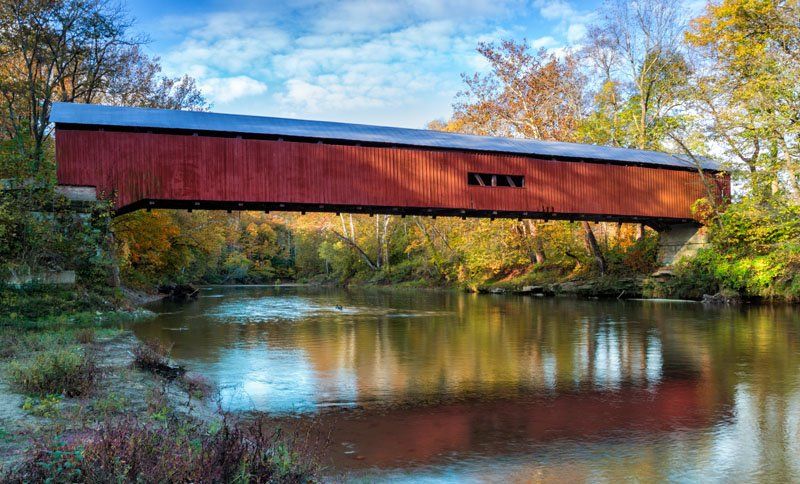
Thirty-one historic covered bridges stand scattered across one county, which explains the bold claim of being the Covered Bridge Capital of the World. Backroad driving here becomes the main event.
The Covered Bridge Festival starts on the second Friday in October and runs ten days, pulling crowds toward craft booths, food stands, and bridge after bridge framed by turning leaves.
Bridgeton anchors much of the action as a designated Historic District. Dr. Crooks’ old office and the Bridgeton Country Store both date to 1868, and the surrounding buildings still look the part.
Billie Creek Village adds three covered bridges of its own plus a cluster of historic structures. Over in Mecca, an 1872 bridge sits near a preserved one-room schoolhouse that puts modern classrooms in perspective.
Tangier draws visitors to its community building for local food and crafts, with five more bridges within easy driving distance.
Festival traffic gets heavy, so early starts and a paper map beat relying on a phone signal in the countryside.
Outside festival dates the county turns peaceful, and the bridges belong to whoever shows up. Driving the gravel roads at a slow crawl, windows cracked, is arguably the better version of the experience for travelers who dislike crowds.
4. Turkey Run State Park, Marshall
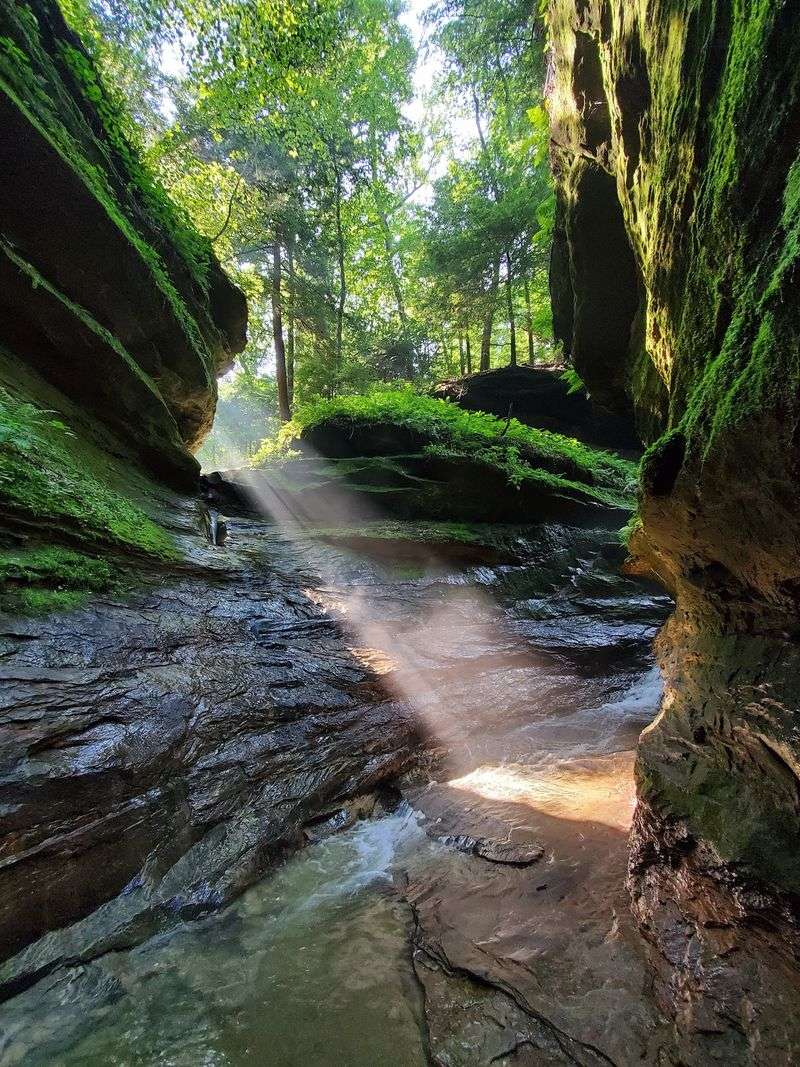
Sandstone walls rise straight out of the creek bed here, and the trails feel less like a stroll and more like an obstacle course. That is exactly the appeal.
Located in Marshall, Indiana, the park owes its shape to Sugar Creek, which carved deep gorges and shadowy ravines over thousands of years. Autumn light filtering into those canyons changes color by the hour.
Trail 3 earns its nickname as the ladders trail. Hikers scramble past rock formations, small cascading waterfalls, and up wooden ladders to climb out of the canyon, which tends to produce either delight or mild panic.
A suspension bridge spans Sugar Creek and offers wide views of the water and forested hillsides, swaying just enough to make crossings memorable.
Beyond hiking, horseback riding, canoeing, kayaking, and fishing all stay on the menu while the weather holds.
The Narrows Covered Bridge sits just minutes away, its deep red paint practically designed for autumn photographs.
Footwear advice is not optional at this park. Wet sandstone gets slick, creek crossings are common, and shoes that can handle getting soaked will save the afternoon.
Compared with Indiana’s gentler parks, this one rewards effort. The geology does the heavy lifting, and fall color simply frames it.
5. Indiana Dunes National Park, Porter
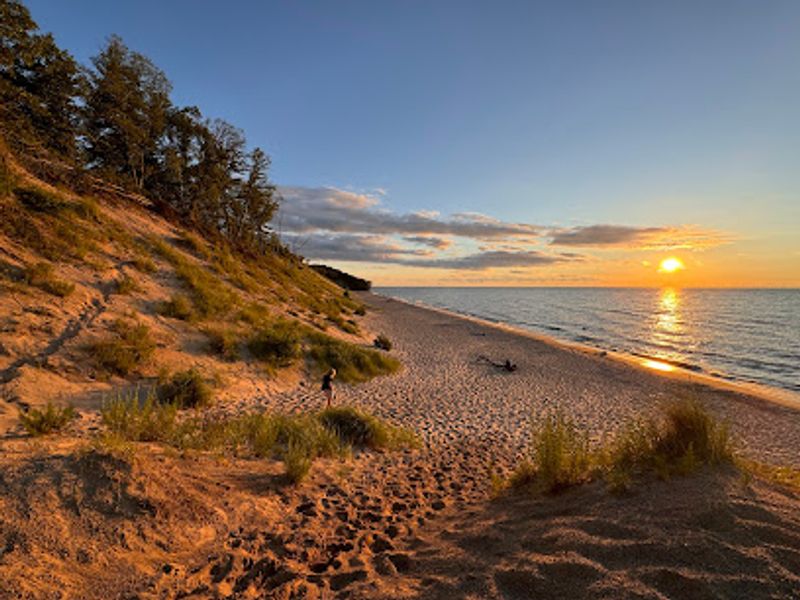
Summer gets the credit, but autumn quietly steals the show along this stretch of Lake Michigan shoreline. Cooler air, thinner crowds, and gold-tipped oaks change the mood completely.
Fifteen distinct hiking trails run through the park, varying in length and difficulty, and they pass through black oak forests, wooded wetlands, and open prairie within a surprisingly short distance.
The Bailly Homestead and Chellberg Farm trails mix history with scenery, while the Little Calumet River and Mnoke Prairie routes attract birdwatchers under maple, beech, basswood, and oak canopies.
Driving Highway 12 delivers color straight through the windshield and connects to beaches and park properties along the way, which helps on days when the wind off the lake gets sharp.
Climbing a dune takes real effort. Loose sand fights every step, but the view across the lake framed by autumn trees settles the argument.
Peak color generally lands around mid-October here, earlier than in southern Indiana.
Seasonal festivals and markets in nearby Chesterton add harvest flavors to the trip, making a lunch stop worth planning.
Wind protection matters more than anyone expects at the shore. A jacket that blocks gusts turns a chilly beach walk into one of the most peaceful hours of the whole season.
6. Clifty Falls State Park, Madison
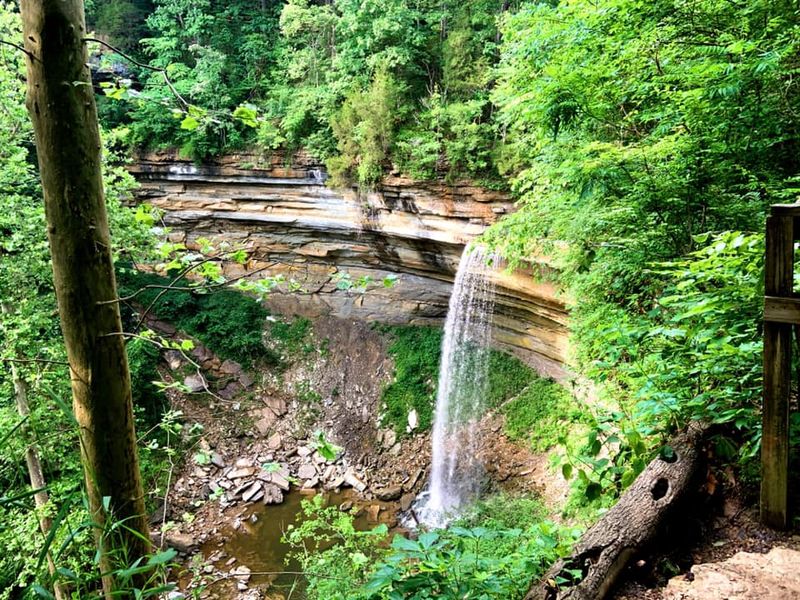
Canyon walls drop sharply here, and the sound of water carries far up the trail even when flow is light. Fall brings a different kind of visit than spring does.
Located near Madison with entrances on State Roads 56 and 62, the park pairs dramatic terrain with quiet autumn hiking. Lower water levels make walking Clifty Creek’s stony bed much easier.
Look down while walking that creek bed. Fossils from a long-vanished marine ecosystem sit embedded in the rock, a reminder that this region once lay beneath a shallow sea.
Ten trails cover nearly 15 miles, ranging from moderate paths to genuinely rugged scrambles. Canyon rim routes offer the easiest views, while ravine trails demand more careful footing.
An observation tower provides a wide look toward the Ohio River, which shines silver on clear afternoons.
History hides in the stonework too. Remains of an abandoned 1852 railroad project now serve as scenic passages for foot trails, complete with impressive cut-stone sections.
Brough’s Tunnel remains closed following a rockslide, so plan routes with that in mind.
Once leaves finish falling, the park’s geological face becomes fully visible, and late-season visits reveal layers of rock that summer greenery keeps hidden. Both versions are worth seeing.
7. Shipshewana and Nappanee Amish Country
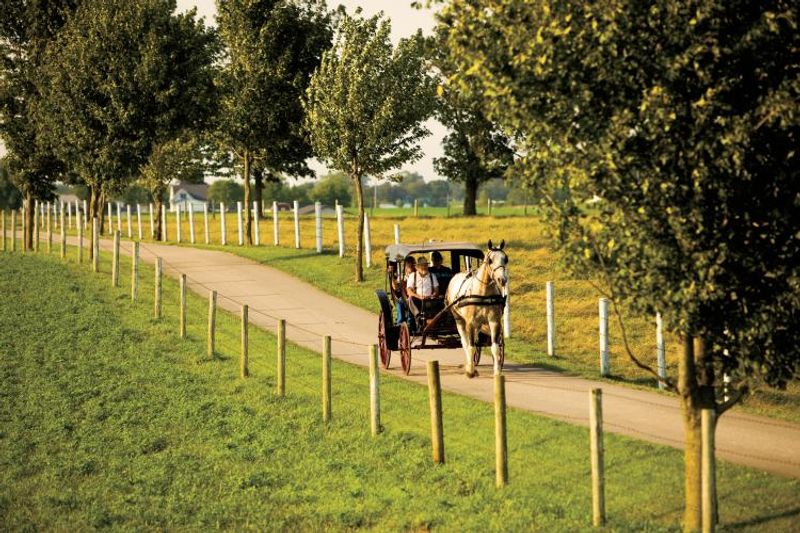
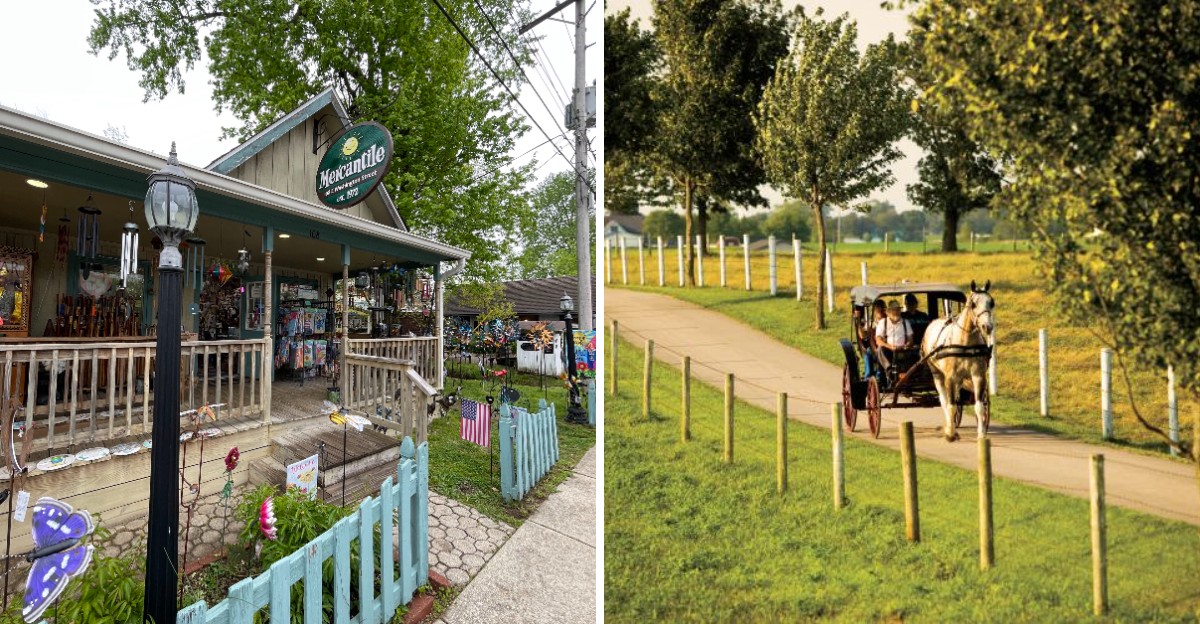
Cinnamon and cider seem to hang permanently in the air around Shipshewana once October arrives. The pace slows down here, and that is entirely the point.
The region leans into an Autumn Adventures theme, headlined by the Straw Bale Art Trail. More than 30 oversized straw bale sculptures, hand-painted by local artists, appear across four communities with designs drawn from Amish heritage and farm life.
Backroads lead to Amish-owned shops selling handmade crafts, traditional quilts, and baked goods still warm from the oven. Apple fried pie deserves serious consideration.
Festivals fill the calendar. The Nappanee Apple Festival features Indiana’s largest seven-foot baked apple pie, while the Shipshewana Fall Crafters Fair fills tables with hand-woven baskets and beeswax candles.
The Barns at Nappanee, formerly Amish Acres, hosts Fall Harvest Days with wagon rides out to a pumpkin patch, apple butter and cider demonstrations, and games that keep younger travelers busy.
Stop first at the Shipshewana Amish Country Visitors Center at 350 S Van Buren St, Shipshewana, where maps make the backroad wandering far less confusing.
Cash is handy at smaller farm stands, and patience behind horse-drawn buggies is simply part of driving here. Slowing down usually improves the trip anyway.
8. Zionsville Brick Streets and Seasonal Events
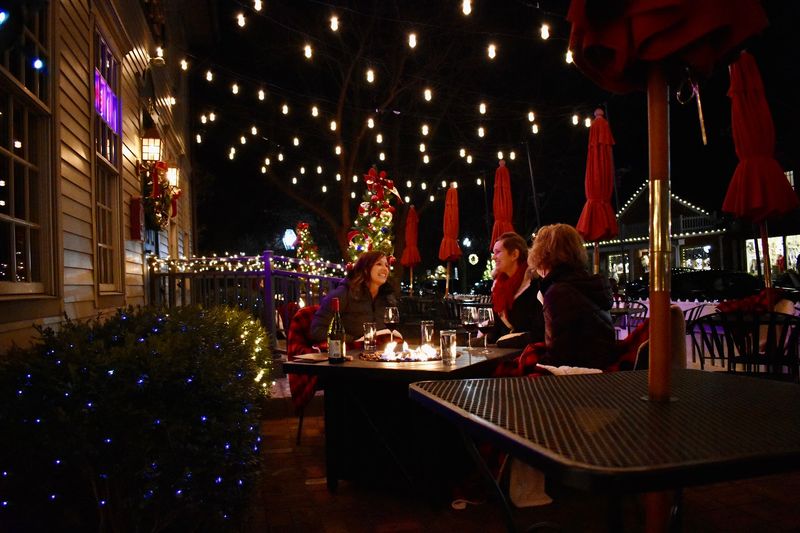
Brick streets, lantern-style lamps, and shopfronts wrapped in cornstalks give this village an almost storybook look each October. Main Street does most of the work.
Boutiques and local eateries line the walkable stretch, and autumn decorations turn ordinary window-shopping into something worth photographing.
Events run steadily across September, October, and November. The Zionsville Autumn Festival brings an arts and crafts bazaar, live music, and food vendors into one busy weekend.
GhostWalk runs in early October, with costumed actors reenacting local ghost stories during guided tours of the historic Village. It leans charming rather than genuinely frightening, which suits most families.
Pumpkinfest handles the younger crowd through pumpkin painting, hayrides to a pumpkin patch, and games, while the Street Dance and Oktoberfest round out the season.
At twilight, the Zionsville Lantern Festival releases thousands of floating lanterns into the evening sky, easily the most photographed moment of the local calendar.
Saturday mornings through September, the farmers market stocks seasonal produce worth carrying home.
Many of the larger gatherings center on Lions Park at 11053 Sycamore St, Zionsville, IN 46077, which serves as a convenient hub.
Parking fills quickly during events, so arriving before mid-afternoon saves circling the neighborhood. Comfortable shoes help, because brick looks great and feels uneven.
9. Potato Creek State Park, North Liberty
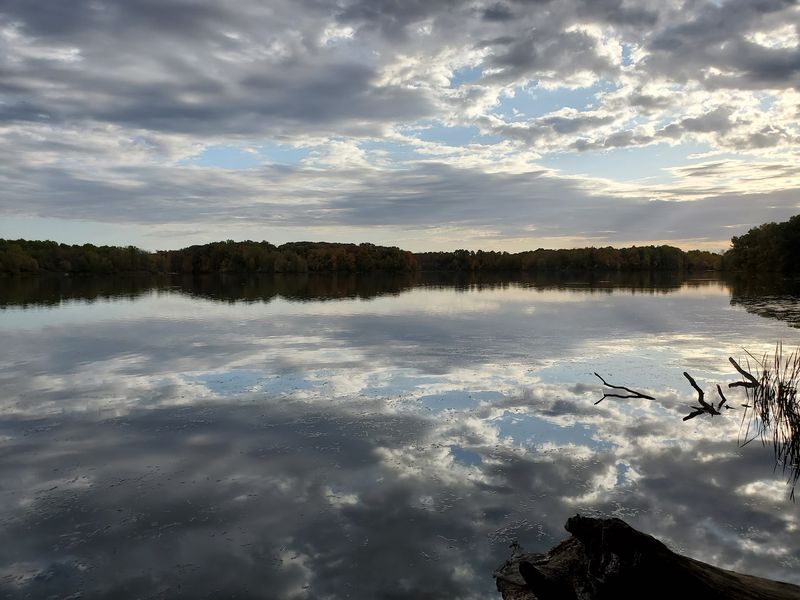
Still water and reflected color define mornings at Worster Lake, where the 327-acre surface mirrors the woods almost perfectly on windless days.
Southwest of South Bend, the park mixes mature woodlands, wetlands, and restored prairie into one quiet package that suits travelers looking to slow the pace.
More than nine miles of hiking trails run from easy to rugged, weaving through old fields, marshy edges, and deeper forest. Trail 4 has a reputation among birdwatchers for warbler sightings.
Cyclists get a 3.3-mile bicycle trail that works beautifully in crisp air, flat enough for casual riders and scenic enough to justify frequent stops.
Fishing improves as the water cools, with bluegill, crappie, largemouth bass, and catfish drawing steady interest. Boating is allowed using electric trolling motors, which keeps the coves peaceful.
The nature center schedules fall-themed crafts like leaf rubbing, a small activity that somehow entertains adults as much as kids.
Weekdays tend to feel almost private, especially in the early hours before the parking areas fill.
Nothing here shouts for attention, and that is precisely the charm. Families settle in easily, photographers get soft northern light, and anyone worn out from festival crowds finds room to breathe beside the water.
10. Historic Metamora and the Whitewater Canal
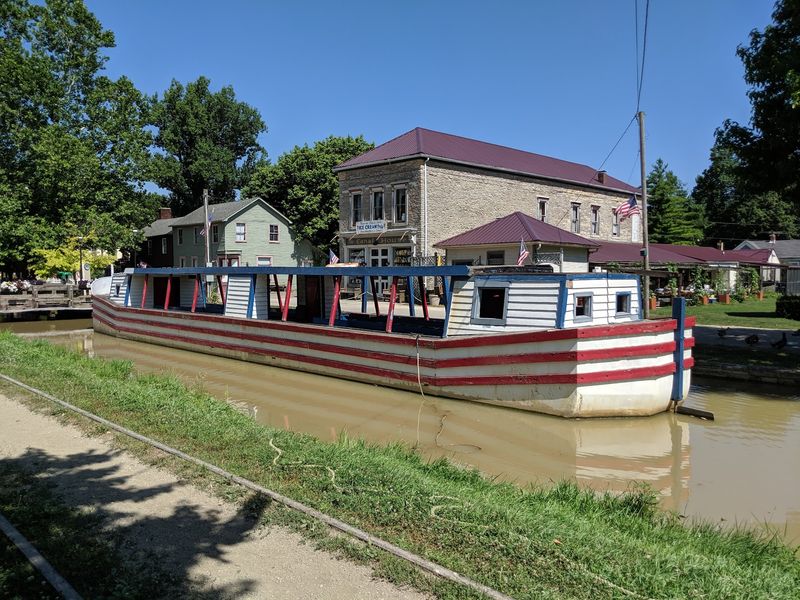
A horse pulling a canal boat along still water is not a common sight in modern Indiana, yet that is the everyday rhythm of this 19th-century village each fall.
Tucked into Franklin County along the scenic Whitewater Canal, Metamora keeps its historic character intact rather than staged.
The Metamora Canal Days Autumn Festival typically kicks off on the first Friday in October and runs three days, filling the village with arts, crafts, antiques, and flea market finds.
The Duck Creek Aqueduct stands out as America’s only existing historic wooden covered aqueduct, an engineering oddity that draws curious stares from anyone who understands what it actually does.
A fully operational grist mill runs grinding demonstrations, and freshly ground cornmeal is available to take home. The smell alone justifies the stop.
Shops throughout the village stock artisan goods, and the walking distances stay short enough for a relaxed afternoon.
For longer legs, the Whitewater Canal Trail follows a 14-mile towpath from Metamora toward Brookville, lined with foliage views along the historic waterway.
Weekday visits outside festival dates are noticeably quieter, with some shops keeping limited hours, so calling ahead prevents disappointment.
History, small-town warmth, and a slow canal current make this a fitting final stop on an Indiana autumn route.
