The building that houses this museum helped inspire the design of the NCAA national championship trophy. That alone made me want to see it.
A famous architect shaped the place, and it now sits beside a canal in a downtown park.
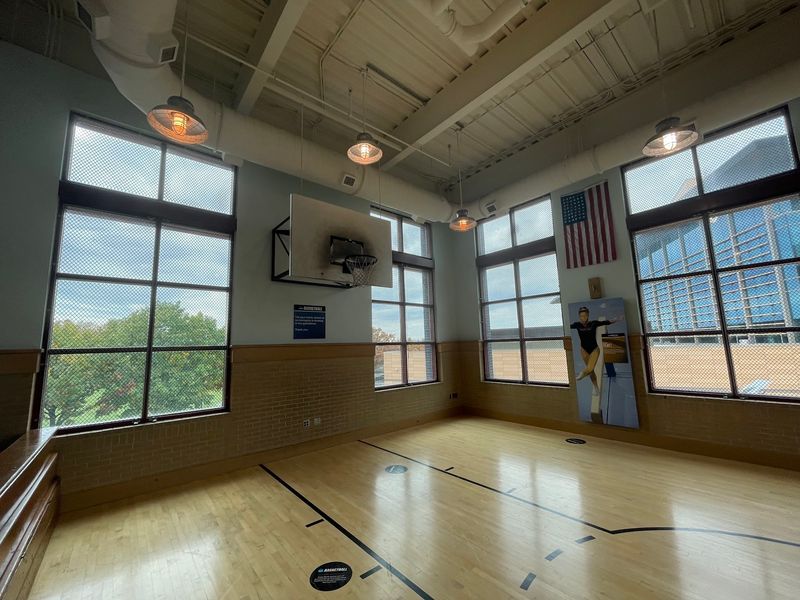
Inside, there’s a 1930s-style gym where you can shoot hoops on a court with floor decals. Those decals mark spots tied to big moments in college basketball history.
I like how that turns a regular jump shot into a tiny history lesson.
Still, not everyone leaves convinced. Some folks call the exhibits too thin, while others call the visit a bargain.
I believe that split makes it worth a closer look.
This spot in Indiana honors student-athletes across dozens of sports. So is it a slam dunk or an airball for your wallet?
Your First Look Explains Why the Building Gets So Much Credit
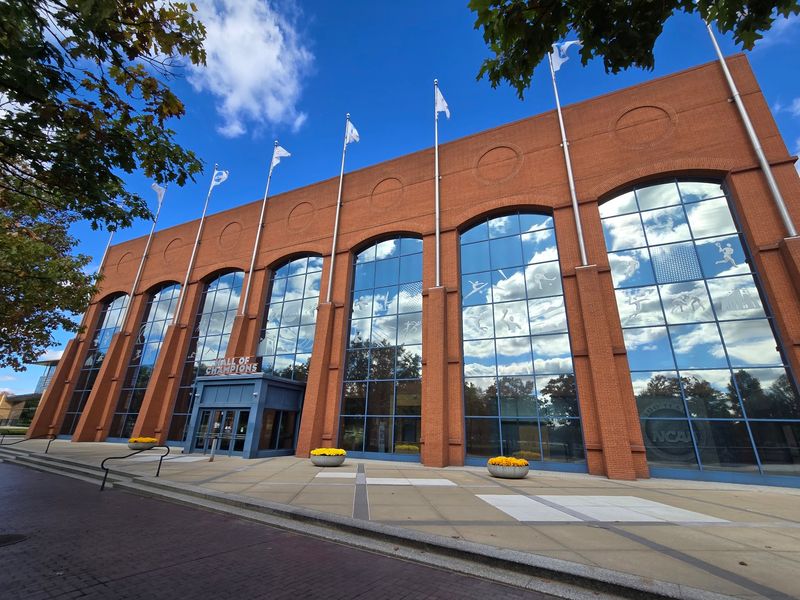
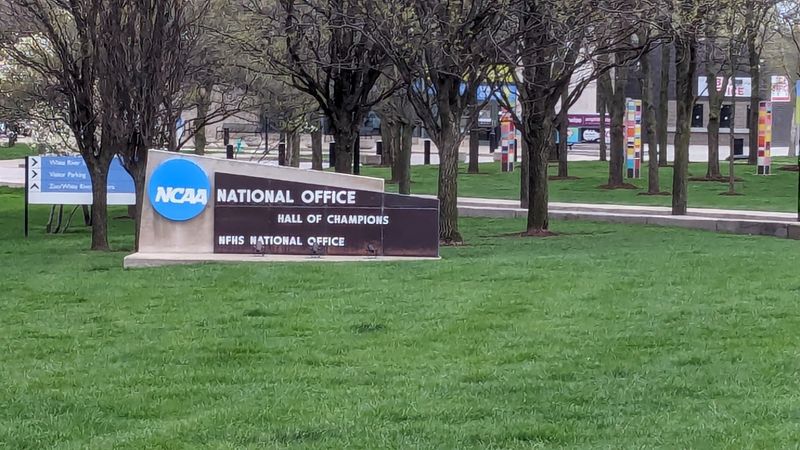
Plenty of museums hide behind plain walls, but this one goes the other way. The NCAA Hall of Champions sits inside a striking complex designed by Michael Graves, a postmodern architect born in Indianapolis.
The complex opened on March 31, 2000. It arrived when the NCAA moved its headquarters from the Kansas City area to Indiana’s capital.
Three buildings make up the campus. One holds the Hall, one holds a conference center, and one holds offices for the NCAA and the National Federation of State High School Associations.
The facade nods to classic college athletic buildings. It has even served as a backdrop for NCAA broadcasts, which is a pretty big compliment for a wall.
Here’s the fun part. The building’s look helped inspire the NCAA national championship trophy.
So when a team hoists that trophy, it’s holding a little piece of this design.
In 2021, an American Institute of Architects panel named it one of the ten most architecturally significant Indianapolis buildings built since World War II. That’s serious praise.
The site was once a brownfield with an industrial power plant. I love that a gritty old lot became a home for champions.
If the exhibits don’t win you over, the architecture might.
Football Got So Rough a President Had to Step In
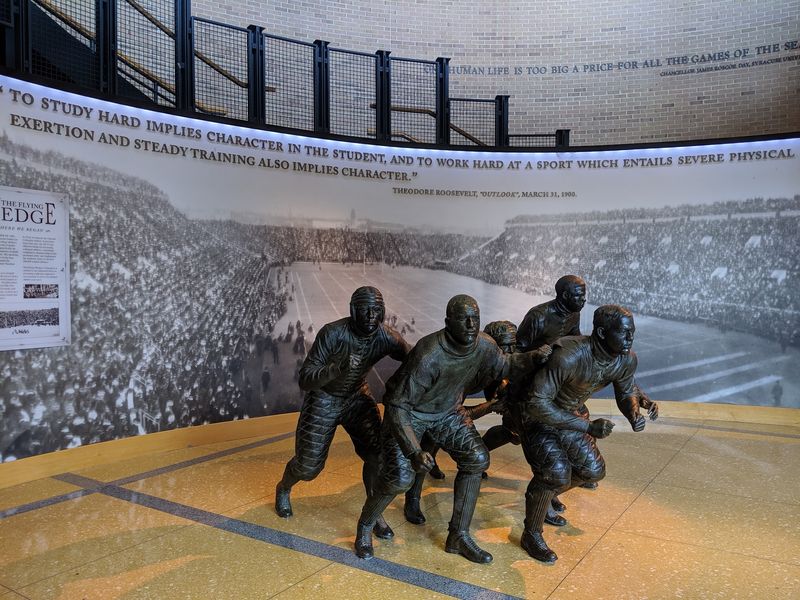
College football in the early 1900s was brutal. Players got hurt so often that President Theodore Roosevelt called college leaders to the White House in 1905.
That meeting pushed big rule changes. Those changes are seen as the birth of the NCAA, and the Hall tells that story right up front.
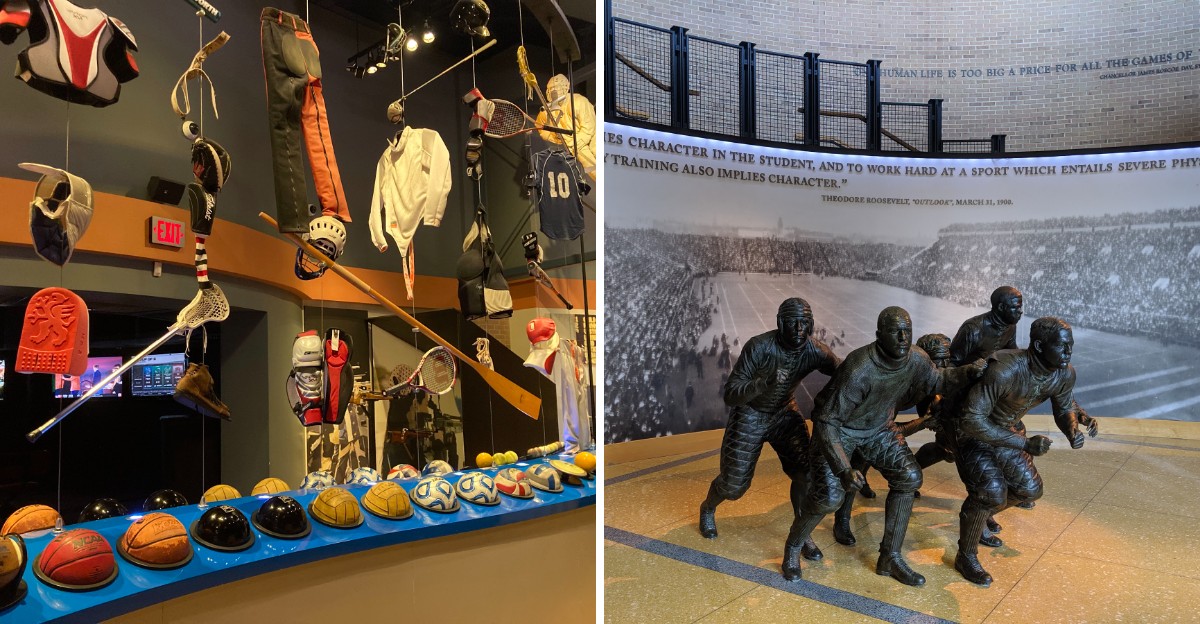
A statue shows the Flying Wedge, a dangerous formation that helped spark the whole fuss. Players locked together and charged forward like a human battering ram.
Ouch is the right word.
The story gets introduced in a 90-seat orientation theater. Think of it as the opening kickoff for your visit, setting the scene before you head into the galleries.
I like that the museum starts with a problem, not a parade of trophies. It shows that college sports had to grow up before anyone could celebrate them.
For history fans, this part may be the most memorable stop. It connects a modern sports giant to a messy, bruising start most people never hear about.
Spend a few extra minutes with the statue. Kids especially tend to have questions about why anyone thought that play was a good idea.
Honestly, adults might too.
Every NCAA Sport Gets a Turn in the Spotlight Downstairs
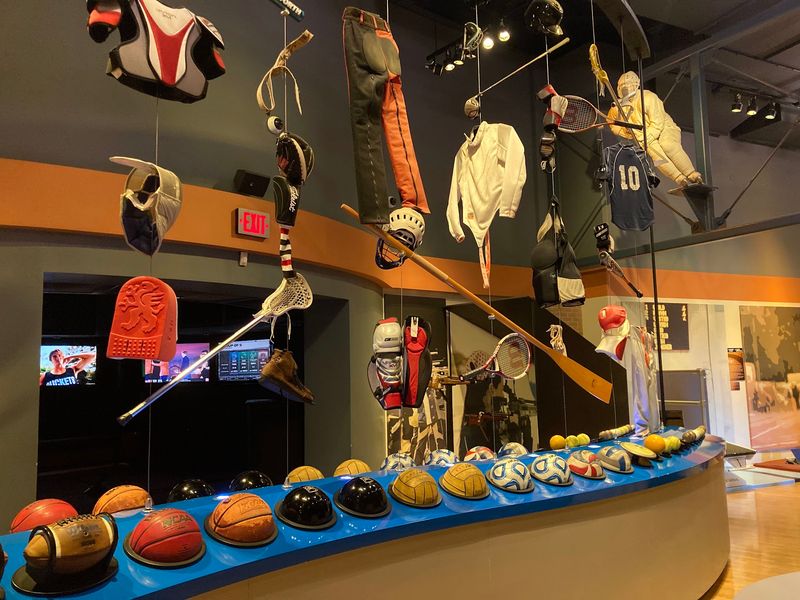
Basketball may rule in Indiana, but it doesn’t hog the first floor. The level called Arena gives each NCAA-sponsored sport its own display, from big names to sports you rarely see on TV.
You’ll find current rankings, video highlights, and real artifacts donated by schools around the country. A display of different balls from each sport makes a fun side-by-side comparison.
Banners honor recent national champions across divisions. There’s also a spot recognizing historically Black colleges and universities that compete in the NCAA.
Trivia screens let you test your college sports smarts. Fair warning, your know-it-all cousin may finally meet a challenge.
Now for the honest part. Some exhibits are fairly compact, and fans of deep history may wish for more.
A century of football on one panel can feel a little squeezed.
My advice is to treat this floor as a sampler platter. You’ll learn something about every sport, even if you won’t get the full story of each.
Slow down at the sports you know least. That’s where the surprises are hiding, and where this floor feels most rewarding for curious visitors.
Bring Tissues for the March Madness Moments
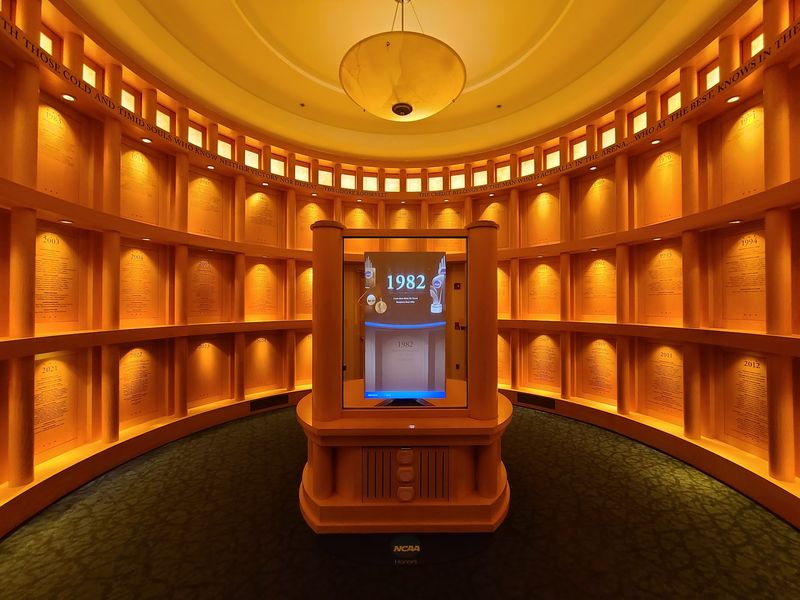
Few songs hit sports fans like One Shining Moment. A small theater at the Hall plays the famous NCAA tournament video on a loop, so goosebumps are basically included with admission.
Several other theaters dig into the athlete experience. The Champions Theater shows what it takes to win at the college level through stories of real student-athletes.
The March Madness Theater covers both the men’s and women’s tournaments. It’s a fitting stop in Indiana, where hoops is close to a second language.
Over in the Locker Room Theater, championship coaches and student-athletes share their views. It’s a peek at the pressure, practice, and teamwork behind the highlights.
These screens give the museum heart. Trophies are shiny, but personal stories stick with you on the ride home.
Plan for time here, since sitting through the videos adds up. Rushing past them is one reason a visit can feel shorter and thinner than it should.
If you have a young athlete in your group, these films might mean the most. Seeing the hard work behind a title is a lesson no scoreboard can teach.
A Title IX Timeline Shows How Far Women’s Sports Have Come
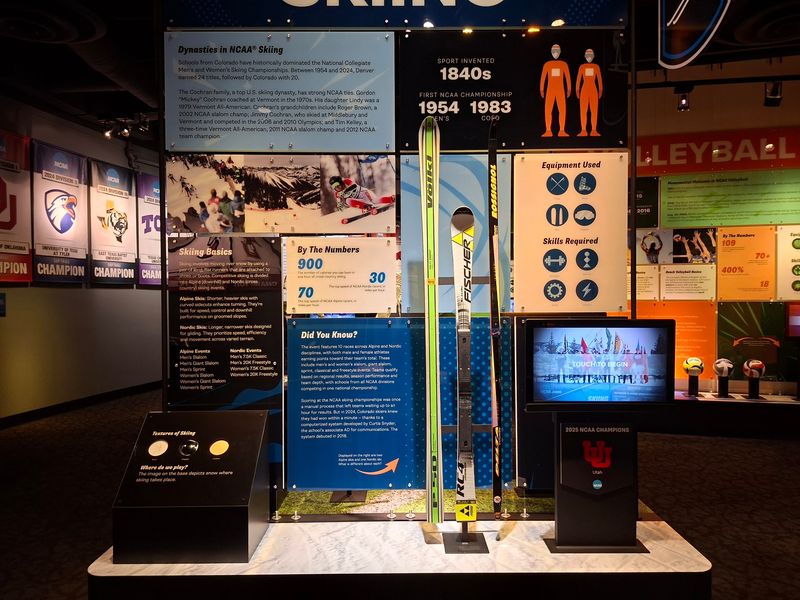
Back in the day, many college women had few chances to compete. The Title IX exhibit at the NCAA Hall of Champions traces how that changed over time.
A historical timeline walks you through key moments for women in college athletics. It’s an easy way to see progress laid out year by year.
Title IX is a 1972 federal law banning sex discrimination in education programs. It opened doors for countless female athletes, and its impact still shapes campuses today.
I believe this exhibit matters more than it might seem at first. Today’s sold-out women’s games didn’t appear by magic.
Parents can use the timeline as a conversation starter. Ask kids which athletes they admire, then show them the long road that made those careers possible.
It also pairs nicely with the March Madness Theater, which covers the women’s tournament too. Together, they show both the history and the excitement now.
This section won’t take long to read. Still, it adds real depth to a visit, and it’s one of the spots that answers the question of value with something meaningful.
Upstairs Is Where Everyone Starts Showing Off
Sneakers recommended. The second floor, called Play, swaps reading for moving, and it’s the part many families talk about most.
The star is a 1930s-style retro gymnasium with a basketball court. Decals on the floor mark spots tied to famous moments in college basketball history.
So yes, you can stand where a legend once made magic and take your own shot. Whether it goes in is between you and gravity.
Simulators let you try other sports, including a ski simulator. Virtual baseball and football games also give kids a chance to test their skills.
One catch is worth knowing. Interactive gear doesn’t always work perfectly, and a broken station can sour the fun for some guests.
Head up here earlier rather than later if you have kids. Their energy will thank you, and you can enjoy the quieter galleries afterward.
For many guests, this floor is what tips the scale toward worth it. It turns the museum from look-and-learn into play-and-learn, which is exactly what young sports fans crave.
So, Is the Ticket Worth It? Here’s the Honest Scorecard
Admission is modest compared to many big-city attractions. Adults, seniors, and youth have separate rates, and children 5 and under get in free.
The Hall is cashless, so bring a card. Paying for the museum can also get your parking validated, which helps the math.
Free days pop up on select holidays, such as Martin Luther King Jr. Day, Presidents Day, and Juneteenth. That’s a smart way to test the waters.
Expect around 90 minutes for a full visit. Speedy guests may finish in under an hour, especially if they skip the videos and games.
The debate usually comes down to expectations. Hoping for a giant hall of fame packed with star athletes?
You may feel shortchanged.
Wanting a fun, hands-on look at every NCAA sport? You’ll likely leave happy, especially with kids who love to shoot hoops.
My take is simple. Treat it as a great add-on to a downtown Indianapolis day rather than the main event.
With that mindset, the price feels fair, and the trophy-inspiring building is a nice bonus.
Your Canal Stroll Can Lead Right to the Front Door
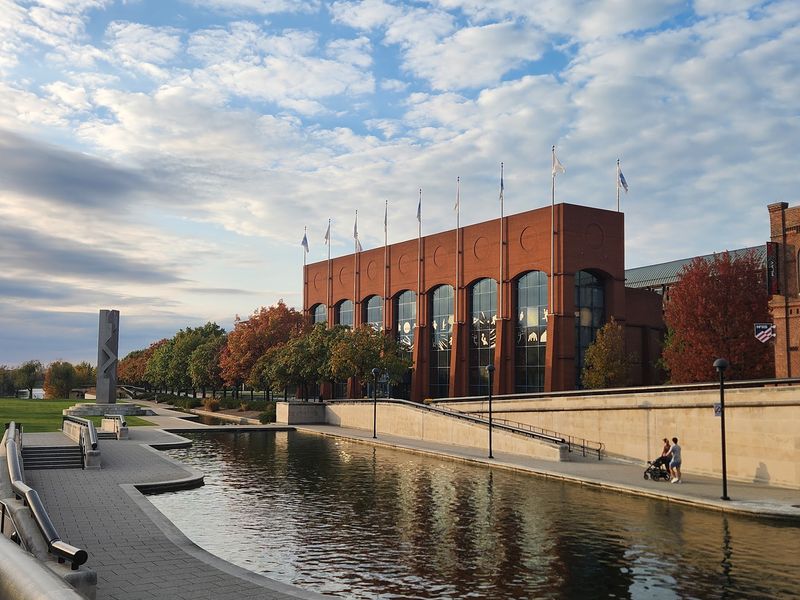
Location is a big win here. The NCAA Hall of Champions sits at 700 W Washington St, Indianapolis, IN 46204, inside White River State Park.
It’s right along the Central Canal and near the Indianapolis Cultural Trail. That makes it easy to fold into a walk, bike ride, or sunny afternoon outside.
Neighbors include the Indiana State Museum, the Eiteljorg Museum, and the Indianapolis Zoo. Stacking a couple of stops makes for a full, easy day.
Parking is in an underground garage shared with the Indiana State Museum and the Eiteljorg. A footbridge then carries you over the canal to the Hall.
Hours run Wednesday through Saturday from 10 a.m. to 5 p.m. and Sunday from noon to 5 p.m. Mondays and Tuesdays are closed.
One tip matters a lot. The venue also hosts private events, so a quick call before a long drive can save heartache.
The canal itself adds charm, with paddle boats sometimes gliding by. Even if the exhibits don’t thrill everyone, the setting gives your visit a pleasant bonus round.
Weddings, Meetings, and a Gift Shop You Can Browse for Free
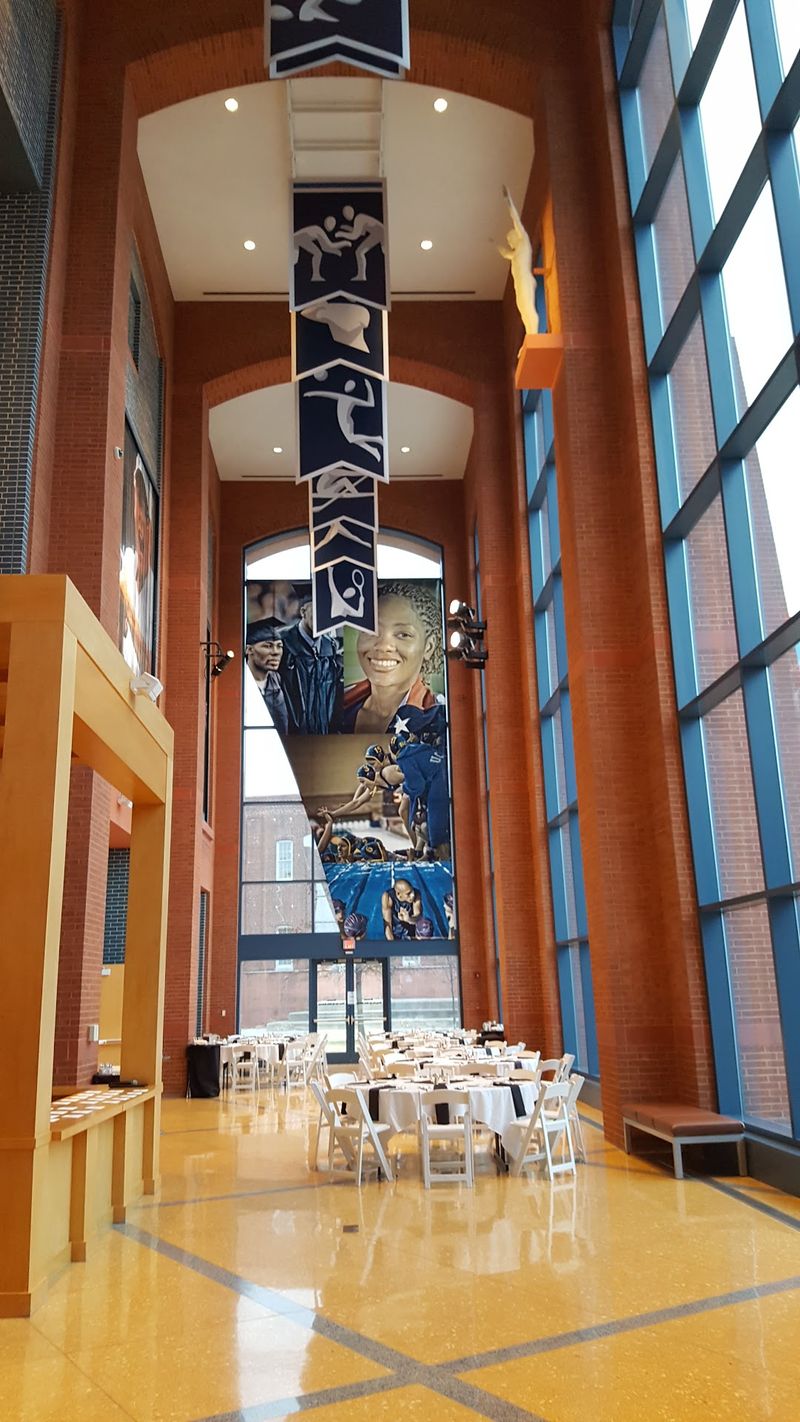
Here’s a twist most visitors miss. The Hall doubles as a conference center that hosts business meetings, parties, and even weddings.
The Christine Grant Ballroom is the showpiece. Floor-to-ceiling windows look out over White River State Park, giving events a bright, open backdrop.
Groups can also use the museum spaces for gatherings. Imagine a company outing where coworkers settle debates on the basketball court.
Bragging rights optional.
The building is wheelchair accessible, with restrooms on site. That makes it easier for families and groups with different needs to enjoy the visit.
A small gift shop sells souvenirs and memorabilia. Better yet, you can browse it without buying an exhibit ticket.
That’s handy if you’re short on time. Grab a keepsake for the college sports fan back home, then keep exploring downtown.
It also says something about the place. The NCAA Hall of Champions is part museum, part gathering spot, and part tribute in a state that loves its teams.
For a few hours in Indiana, that mix might be just the right play.
