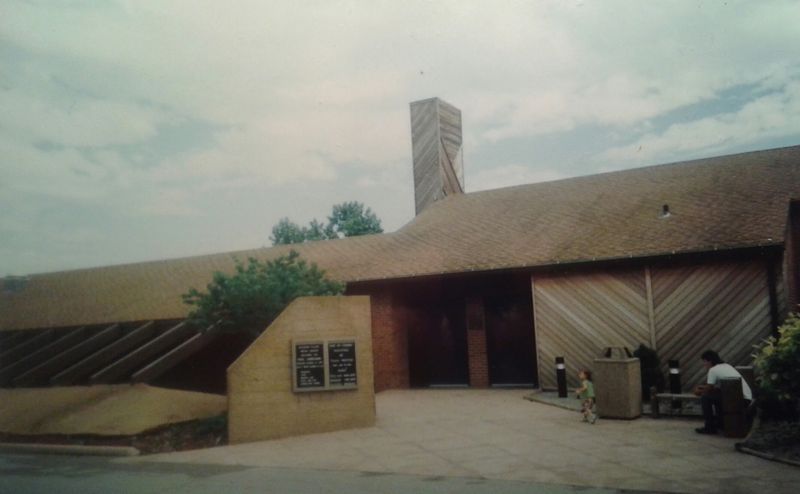
I almost drove right past it, a low and quiet building that looked more like a government office than a place full of color and craft. Then I stepped inside and found beadwork so fine it made me lean closer to the glass, along with stories from tribes who still call southwest Oklahoma home.
Admission costs nothing, the rooms stay calm, and the people at the front desk seem genuinely happy you showed up. If you like road trips that end with a surprise, this one belongs on your list.
A Modest Building With Big Stories
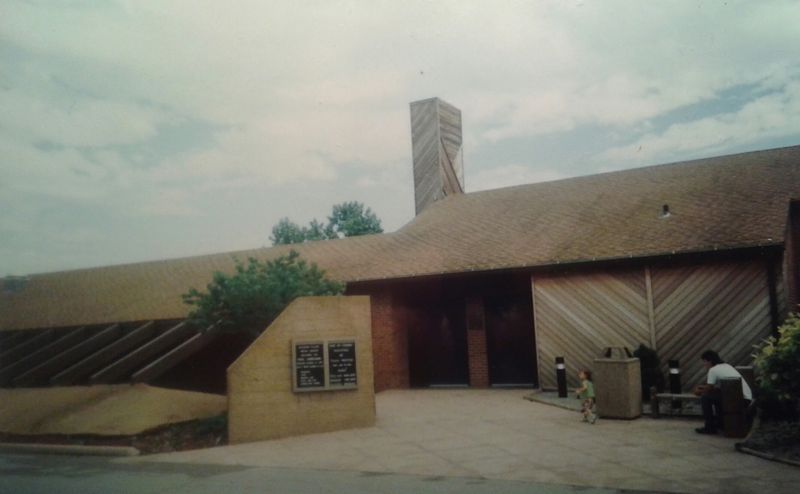
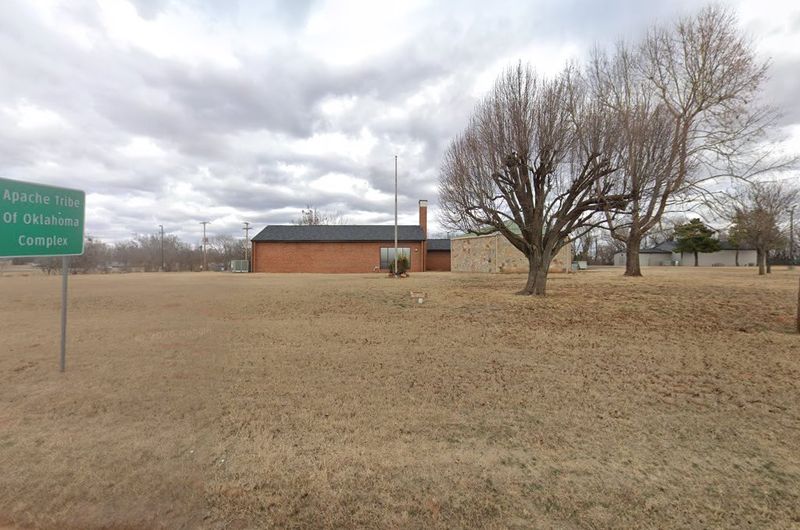
From the street, nothing shouts for attention. The building is low, tidy, and plain, the kind of place you might mistake for a county office on a quick drive through southwest Oklahoma.
Walk through the doors, though, and the mood shifts fast. Glass cases glow with beaded moccasins, painted shields, and dance regalia, and the walls carry art from Native artists of the Southern Plains.
It is a museum built to share the cultural and artistic work of tribes who still live in this region today.
Visitors often say they were glad they found it, almost as if they stumbled into it by luck. That reaction makes sense.
The outside gives you no hint of how much skill and history sits a few steps away.
What makes the place feel special is its focus. Instead of trying to cover every tribe in America, it zeroes in on the nations of the southern plains and lets their own work do the talking.
Beadwork, quillwork, silver, pottery, and textiles fill the rooms with careful detail.
Keep reading, because the location, the story, and the practical tips all come together below. For now, just know this: plain on the outside, rich on the inside.
Roots Reaching Back to 1948
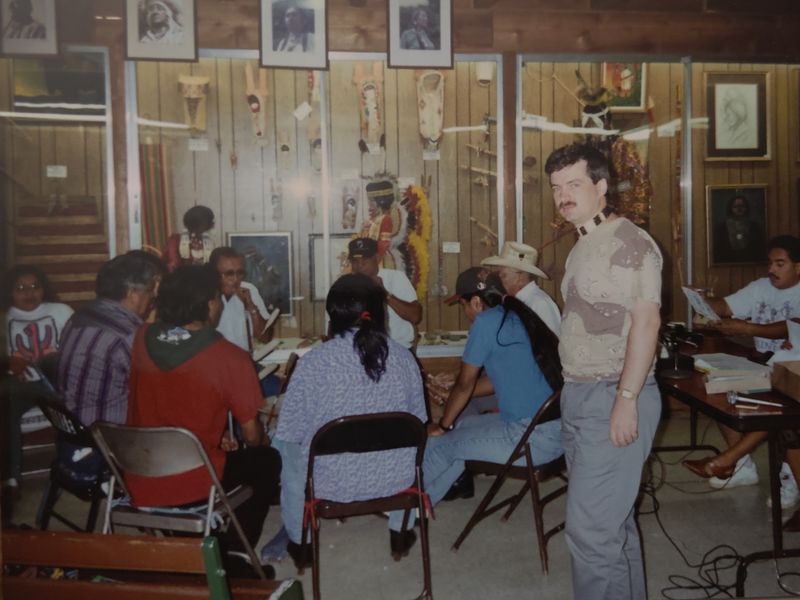
Back in 1948, while much of the country was busy rebuilding after a long war, a small cultural project opened its doors in Oklahoma. The museum came to life through a team effort between the United States Department of the Interior and the Oklahoma state government.
That partnership still shapes the place. Today it operates under the Indian Arts and Crafts Board, part of the Department of the Interior, which helps explain its steady mission of supporting Native artists and their work.
Growth came in stages. An extensive upgrade arrived in 1977, giving the exhibit spaces a fresh look.
Then in 2001 the Rosemary Ellison Gallery was added, creating a dedicated home for contemporary Indigenous art.
Here is a fun bit of history to share in the car: the museum has spent more than 75 years doing two jobs at once. It preserves traditional cultural items while also showing what Native artists are creating right now.
That balance matters. Many museums treat tribal culture like something frozen in a dusty past.
This one has always treated it as living, changing, and very much present, which is exactly how the tribes themselves see it.
Anadarko, Where the Map Finally Points
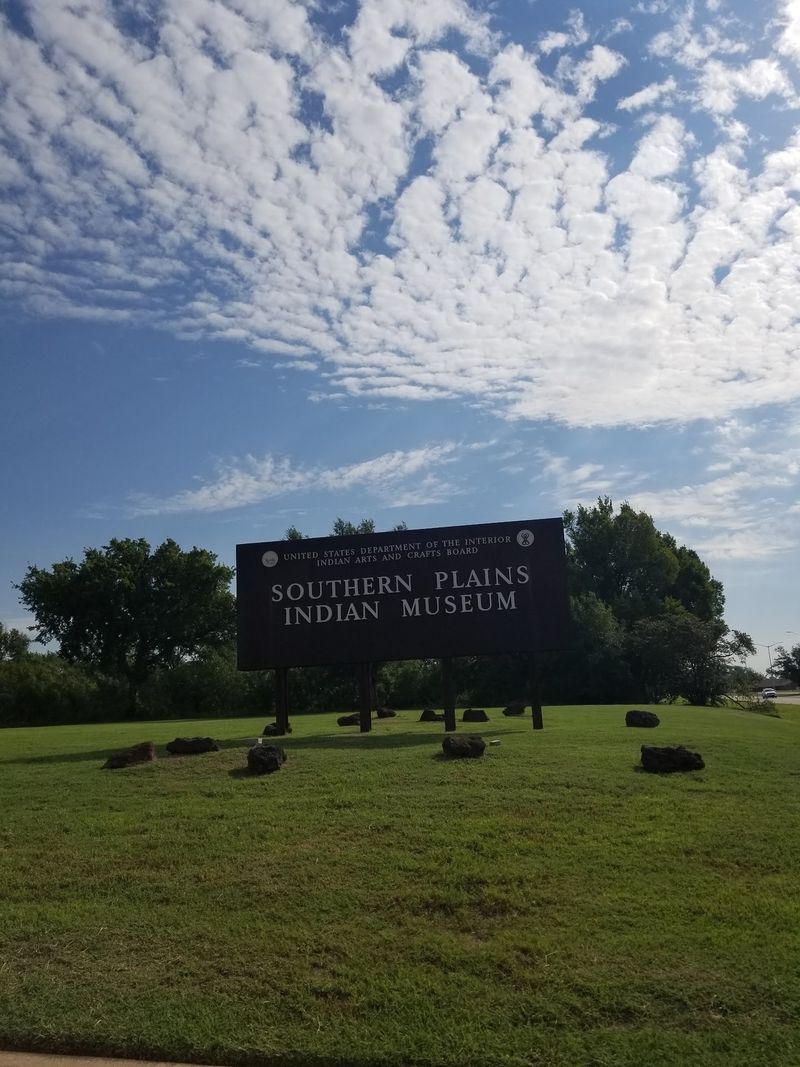
Okay, time for the reveal. The museum sits at 801 East Central Boulevard in Anadarko, a small town in Caddo County that many locals proudly call the Indian Capital of the Nation.
That nickname is not just a slogan. Anadarko has deep ties to several tribal nations, and the town hosts gatherings like the American Indian Expo that draw families from across the region.
Setting a museum like this here feels natural, almost obvious.
Getting there is easy for most Oklahomans. From Oklahoma City, the drive runs roughly an hour southwest, which puts it firmly in easy day-trip territory.
Folks from Lawton and Chickasha can get there even faster.
Tulsa families will face a longer haul, closer to three hours, so pairing the museum with other stops around southwest Oklahoma makes the trip feel worth it.
The building sits right along the main road through town, so you will not need to wind through back streets to find it. Parking is straightforward, and there is even room for buses and motorcoaches.
One visitor review summed up the setting simply: a very special place in the heart of tribal country. Pull in, stretch your legs, and head inside.
Nine Nations Under One Roof
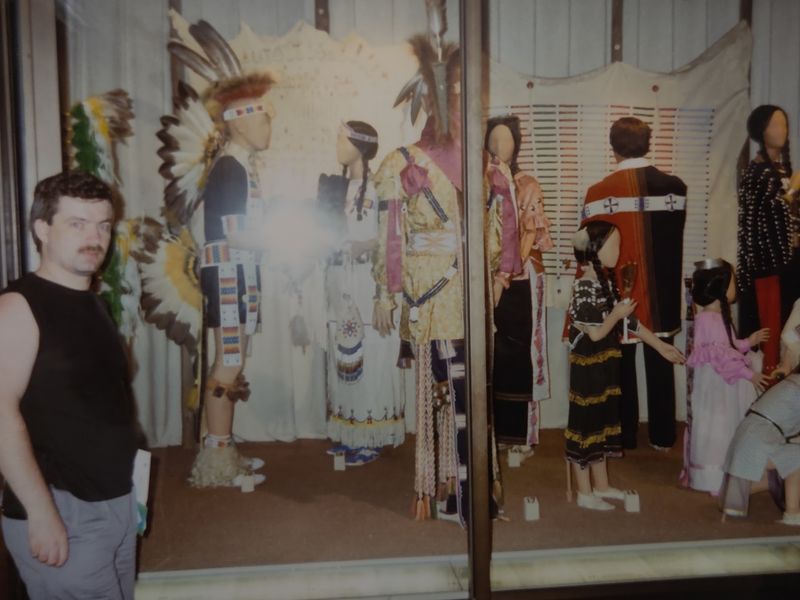
Count them up and you get a remarkable list. The museum highlights the Caddo, Chiricahua Apache, Comanche, Delaware Nation, Kiowa, Plains Apache, Southern Arapaho, Southern Cheyenne, and Wichita peoples.
Each nation has its own language, history, and artistic style. Seeing their work side by side helps you notice the differences, like the way one beading pattern leans toward bold shapes while another favors delicate floral lines.
For Oklahomans, this is close-to-home learning. Many of these nations are neighbors, coworkers, and classmates, and their tribal headquarters sit within a short drive of the museum.
The exhibits make that connection feel personal rather than distant.
Visitors frequently mention how much they learned about different tribes during a single stop. One said the museum helps you understand the local history of the Native nations in the area, which is exactly the point.
Treat the visit as an introduction rather than a final word. Every nation represented here has a much bigger story, and the museum gives you a respectful first glimpse.
If a piece catches your eye, read the label carefully. Knowing which nation created it adds real meaning to what you are seeing.
Beadwork That Stops You in Your Tracks
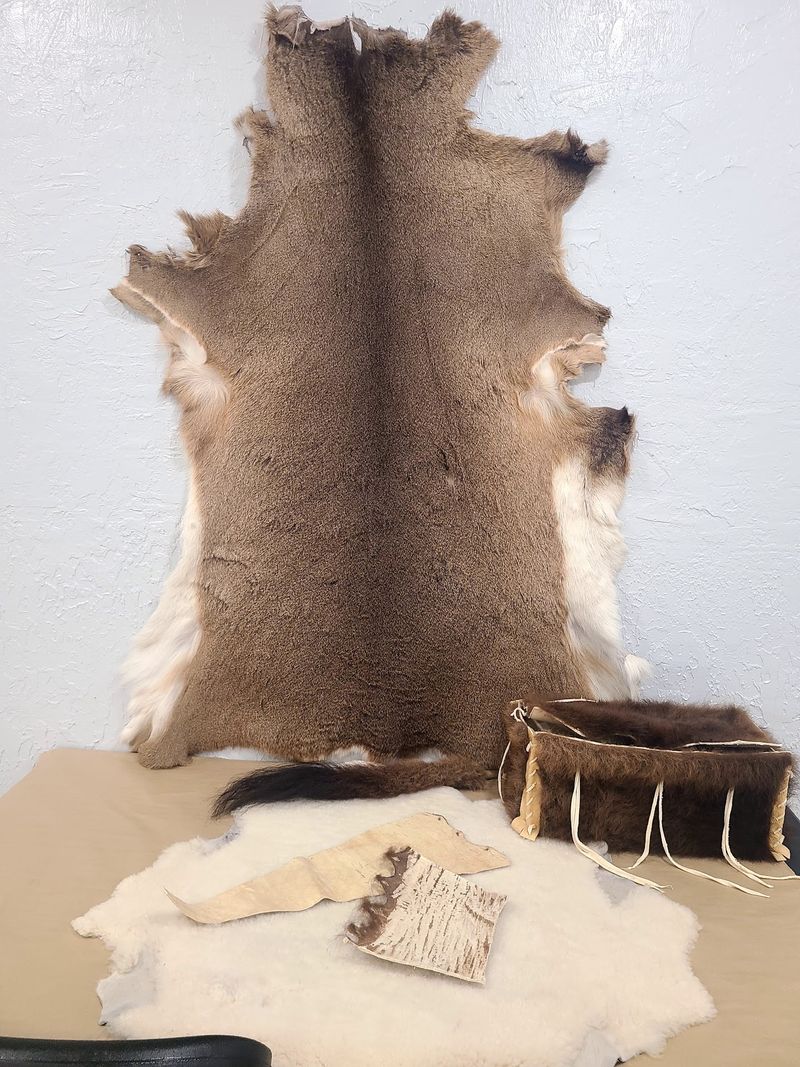
Lean in close. Thousands of tiny glass beads, each one stitched by hand, form patterns so even they almost look printed.
They are not.
Beadwork is one of the true stars here. You will see it on moccasins, bags, cradleboards, and dance regalia, with colors and designs that often carry family or tribal meaning.
Some pieces are historic, while others come from contemporary artists keeping the craft alive.
One visitor wrote that they wished they could learn even more about beadwork after seeing the displays. That curiosity is a common side effect.
Once you notice how much patience a single strip of beading takes, you start looking at every piece differently.
Quillwork deserves a look too. Before glass beads arrived through trade, many Plains artists decorated clothing with dyed porcupine quills, flattened and folded into tight designs.
Spotting the difference between the two techniques makes a great game for older kids.
Take your time in front of these cases. Notice the edges, the color choices, and the way the pattern wraps around a curved surface.
You may walk out wanting to try beading yourself. Honestly, that is a pretty good outcome for a free museum visit.
Regalia, Shields, and Cradleboards
Picture a parent on the open prairie, baby safely strapped into a beautifully decorated cradleboard. That everyday scene comes alive in the historic collection.
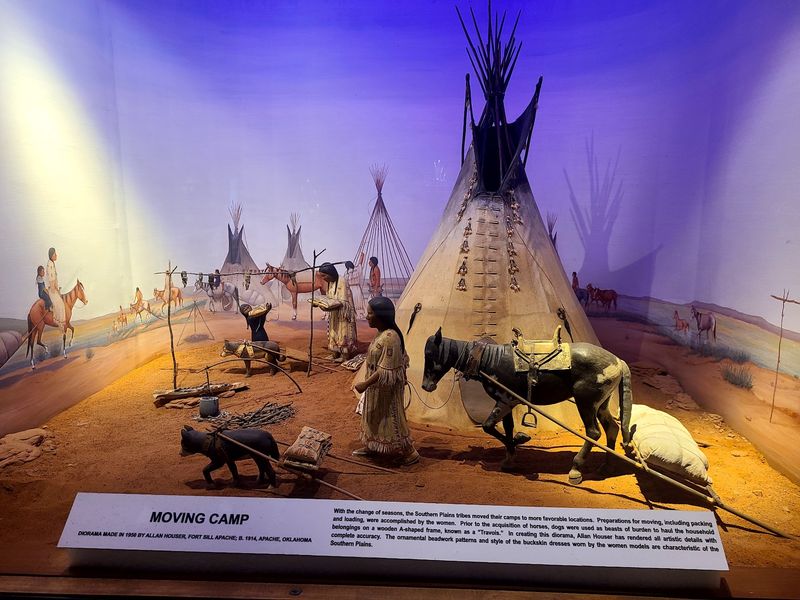
The permanent holdings include historic clothing, dance regalia, jewelry, household objects, shields, cradleboards, and dolls. Together they tell a fuller story of daily life, ceremony, and family across the southern plains.
Dance regalia tends to draw the biggest reactions. Fringe, feathers, and bright beading show the pride and care that go into powwow clothing, a tradition still going strong across Oklahoma today.
Painted shields carry a different energy. Their designs were often personal and meaningful to their owners, and seeing them up close gives you a sense of how art and identity were woven together.
Kids usually gravitate toward the dolls and cradleboards. They are relatable, small, and full of detail, and they spark easy questions about how children grew up long ago.
Household objects round out the picture. Bowls, bags, and tools remind you that artistry was not saved only for special occasions.
Even practical items got thoughtful decoration.
Move slowly through these cases. The quiet details reward anyone willing to pause.
Masters Like Allan Houser and T. C. Cannon
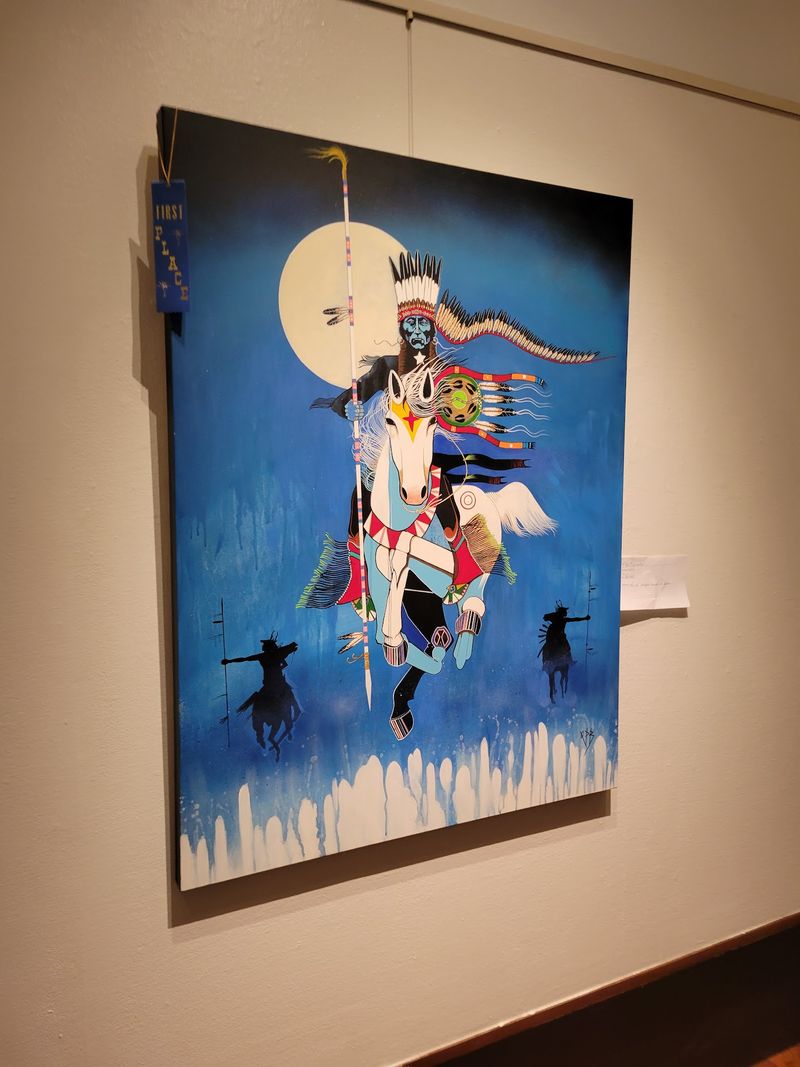
Art fans, perk up. Two of the biggest names in Native American art have work in this permanent collection.
Allan Houser, a Chiricahua Apache artist, became famous for sculpture with smooth, flowing forms and a powerful sense of calm. His pieces appear in major museums and public spaces across the country, so finding his work in a small-town Oklahoma museum feels like a happy surprise.
T. C.
Cannon, of Kiowa and Caddo heritage, brought a bold, colorful, and sometimes playful style to painting. His work mixed traditional subjects with modern art ideas, and it helped change how people thought about Native art in the 1960s and 1970s.
Both artists have strong Oklahoma connections. Houser was born near Apache, not far from Anadarko, and Cannon grew up in the area as well.
Seeing their work this close to home adds a nice sense of local pride.
A few visitors have described the place as feeling more like an art gallery than a traditional museum. Depending on your taste, that might be the best part.
Either way, the quality of the art earns steady praise. Give these pieces a few extra minutes.
The Rosemary Ellison Gallery
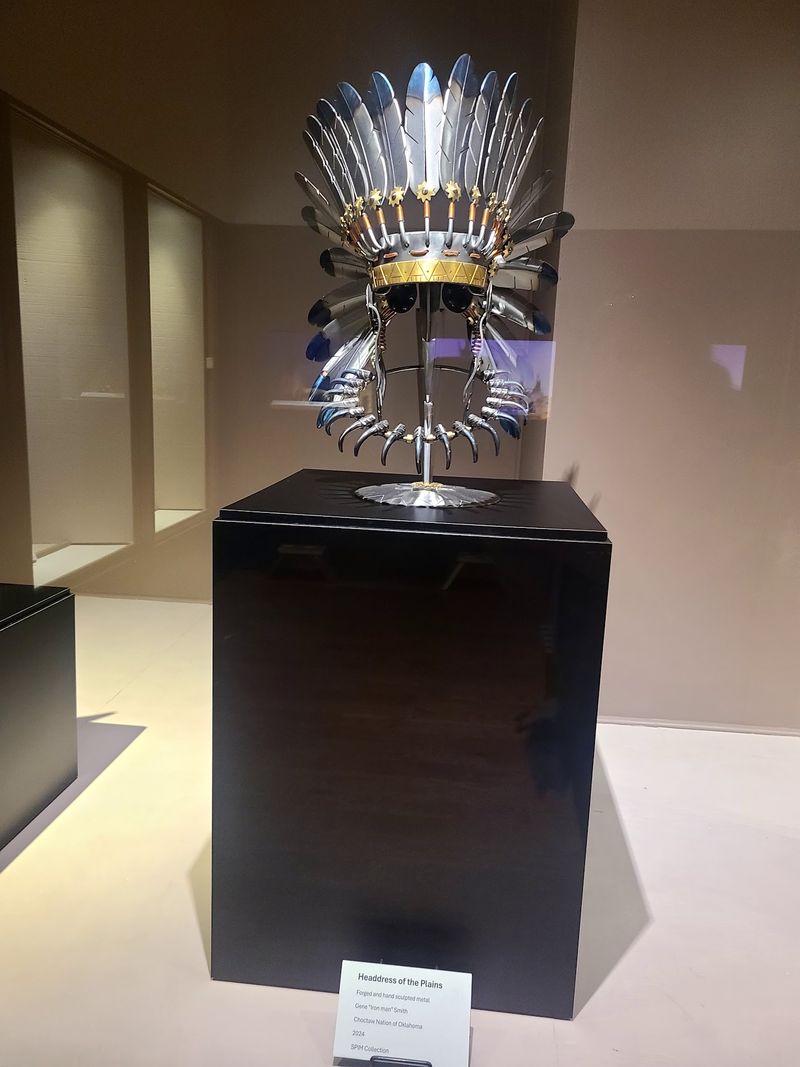
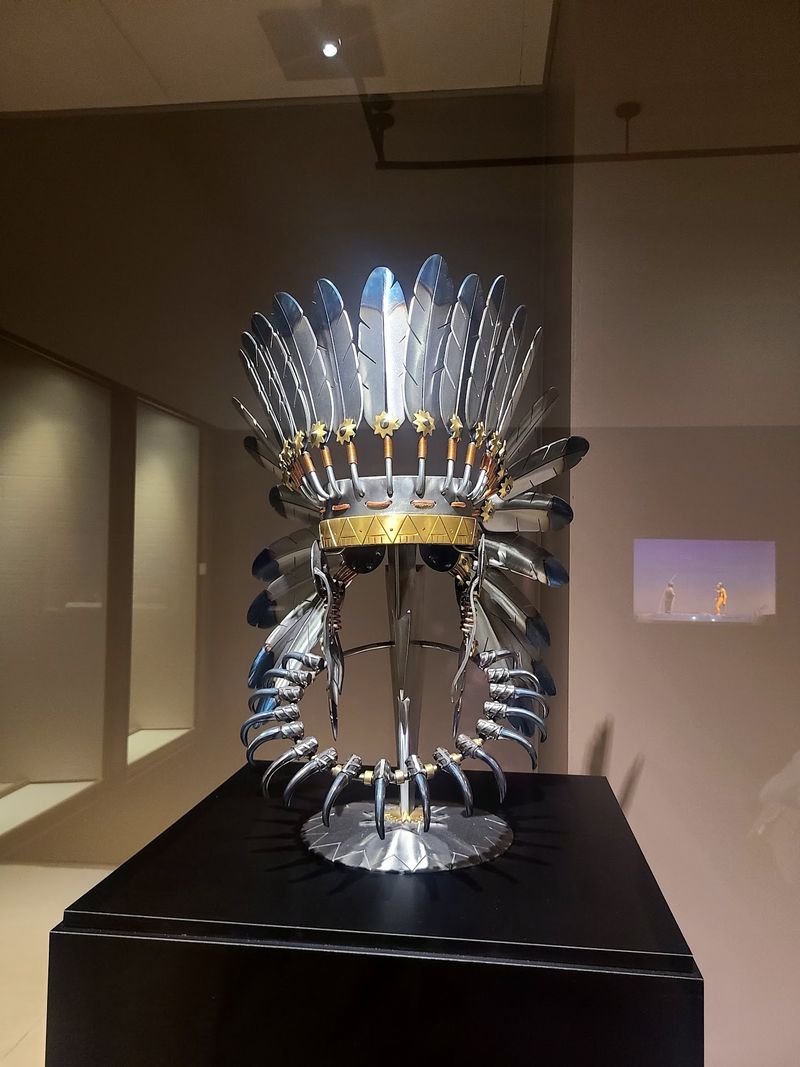
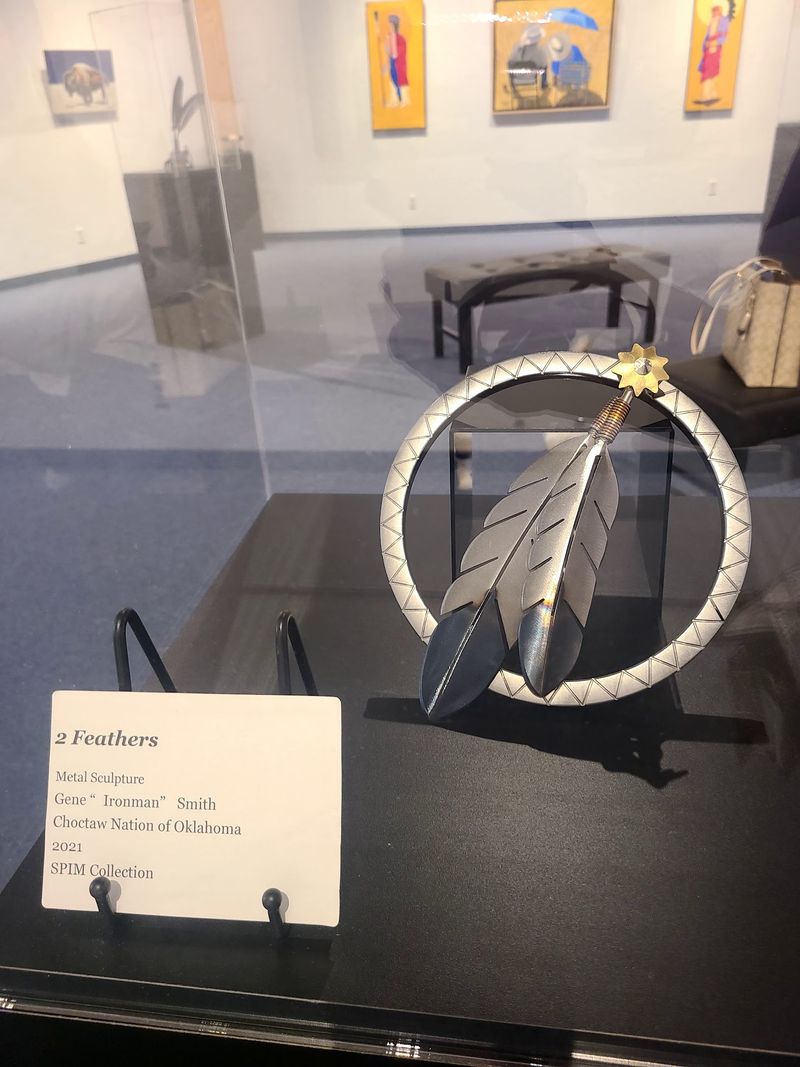
Added in 2001, the Rosemary Ellison Gallery gives today’s Native artists a spotlight of their own. Think of it as the museum’s front-row seat for what is happening in Indigenous art right now.
Exhibits here focus on contemporary work, which can include paintings, sculpture, beadwork, pottery, silverwork, and textiles. The pieces often blend old techniques with fresh ideas, so you might see a traditional pattern reimagined in a surprising way.
Rotating exhibitions keep things interesting. A family visitor once praised the rolling exhibitions specifically, which means a return trip may show you something brand new.
That is great news for locals who like to swing by more than once.
The gallery’s name honors Rosemary Ellison, who worked for years to support Native artists through the museum. Her influence shows in how much attention living artists receive here.
Visitors mention there are three galleries in total, and this one tends to feel the most modern. Clean walls and good lighting let each piece breathe.
If you only think of Native art as something from the past, this room will gently change your mind. The creativity on display is current, confident, and deeply rooted.
Handmade Treasures at the Arts and Crafts Cooperative
Souvenir shopping usually means keychains and refrigerator magnets. Not here.
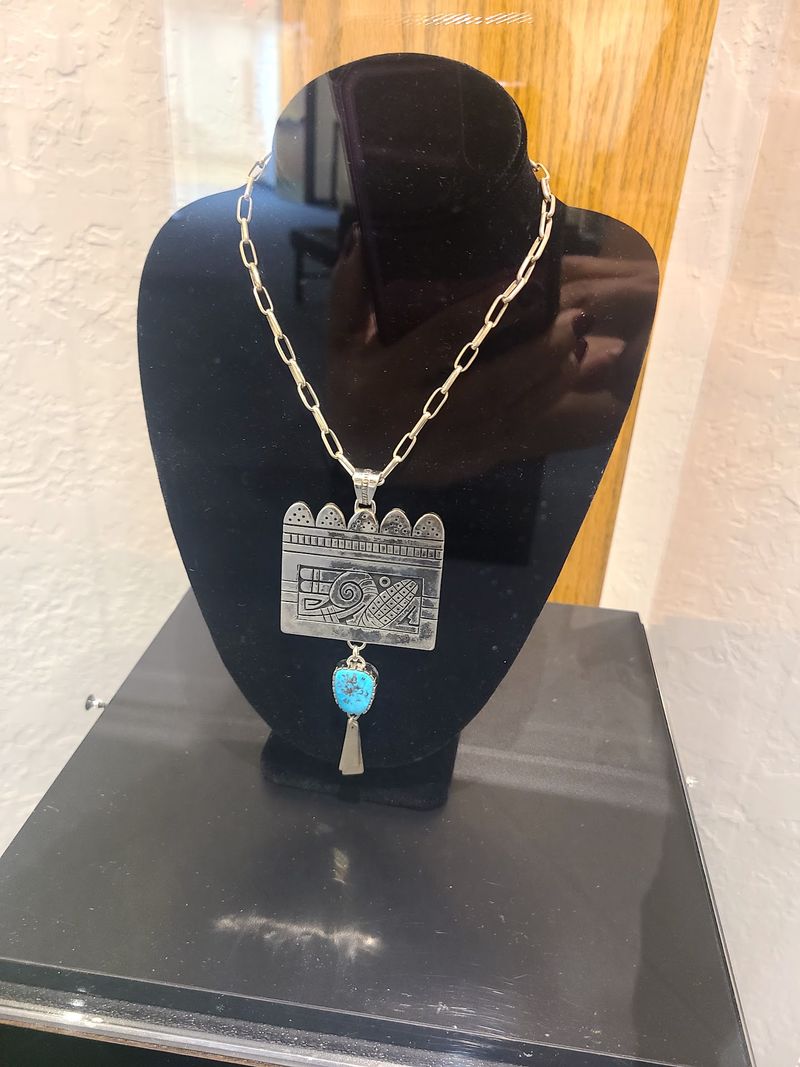
The Oklahoma Indian Arts and Crafts Cooperative operates on-site, offering handcrafted items made by local Native artists. Instead of mass-produced trinkets, you can find work that came from real hands and real skill.
Buying from a cooperative like this supports artists directly, which makes your purchase feel good in more ways than one. A pair of beaded earrings or a small piece of silverwork can become a keepsake with an actual story behind it.
Prices vary depending on the item and the artist, so it helps to browse first and decide what fits your budget. Small pieces may be more affordable than you expect, while larger works naturally cost more because of the hours involved.
Here is a handy tip: the cooperative can sometimes be open even when the main museum is closed. That is not guaranteed, but it may save a trip if the galleries happen to be shut for the day.
Ask questions while you shop. Learning which nation an artist belongs to, or how long a piece took, turns a simple purchase into a meaningful memory you will want to share.
Bronze Faces Next Door
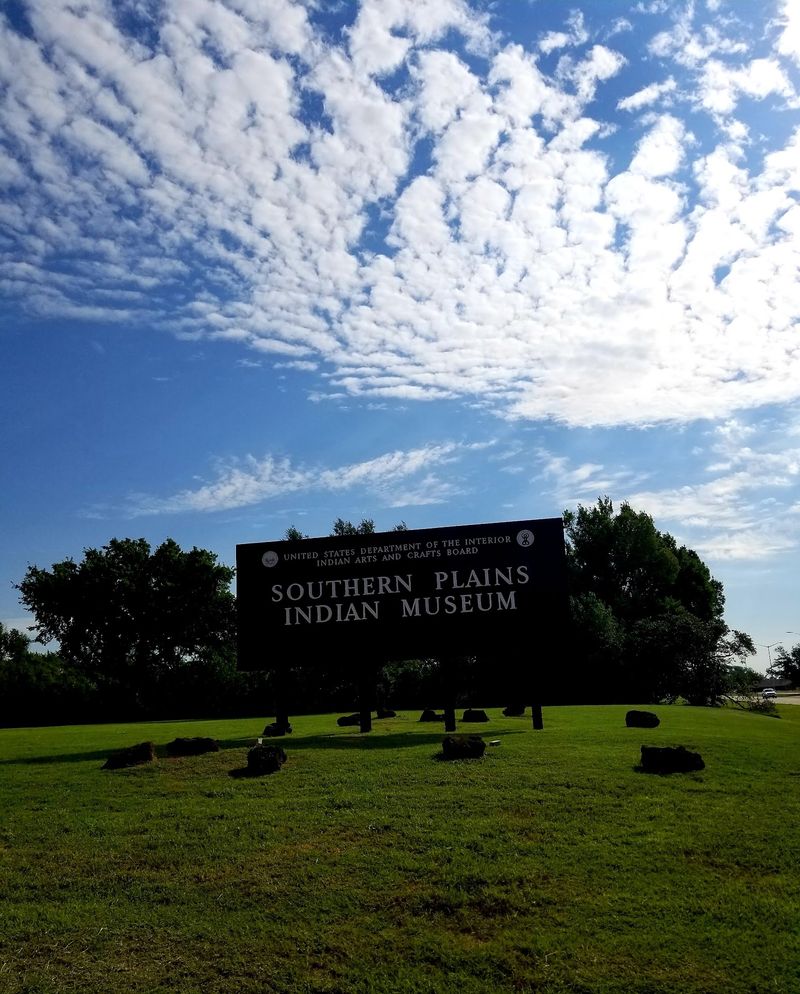
Step back outside and keep walking. Right next to the museum sits the National Hall of Fame for Famous American Indians, a roughly ten-acre park filled with sculpted busts.
Each bust honors a noted Native American figure, and strolling among them feels like a quiet outdoor history lesson. Names you may have heard in school stand alongside leaders you might be meeting for the first time.
Pairing the two stops makes a lot of sense. The museum gives you art and cultural objects, while the park offers faces and names, so together they create a fuller picture.
Kids who get restless indoors may appreciate the open space. Letting them read a plaque or two, then run to the next bust, keeps the learning moving without anyone feeling stuck.
Oklahoma weather plays a real role here. Summer afternoons can get hot and windy, so bring water and hats, and consider visiting the park first thing in the morning before heading into the cool galleries.
Spring and fall tend to be the sweet spots for walking around. Storm season can bring sudden changes, so check the forecast before you go.
Quiet Rooms and Friendly Faces
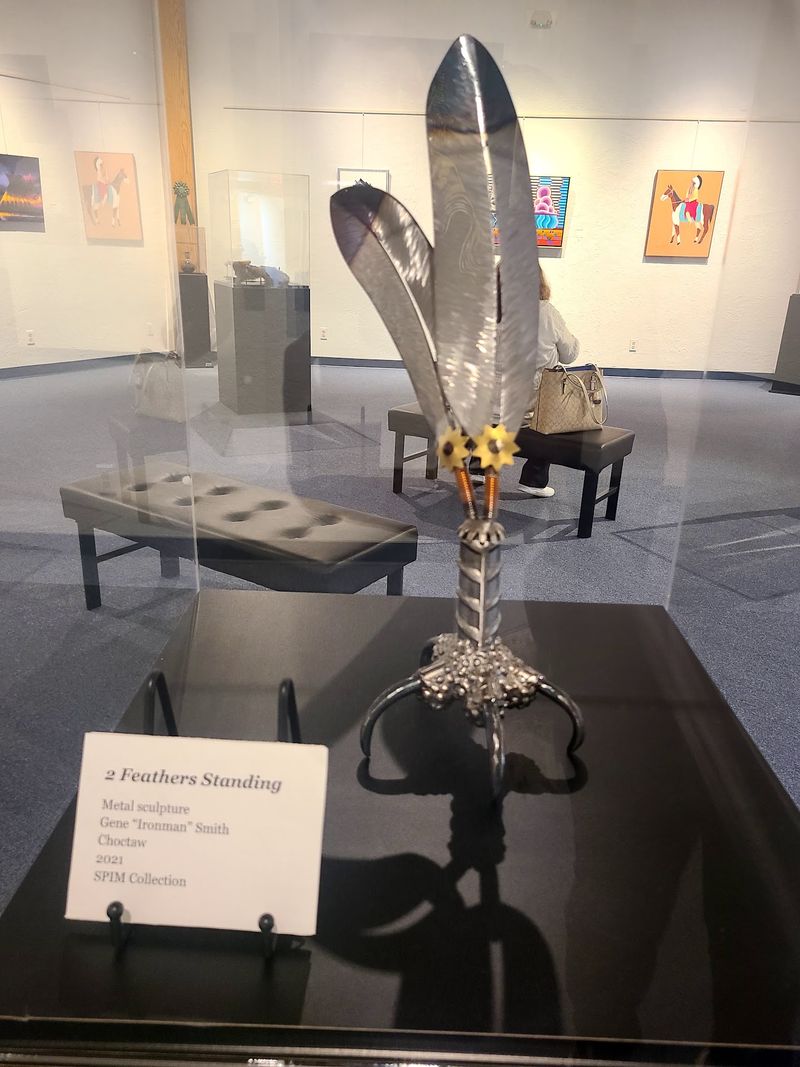
Small, quiet, and neat. That is how one longtime visitor described the feel of the place, and it still fits.
The atmosphere leans calm rather than crowded. You will not fight for space in front of a display case or shout over noisy tour groups, which makes it easier to actually look and think.
Staff come up again and again in visitor comments. People describe the women at the front desk as sweet, friendly, and genuinely informative, the kind of hosts who are happy to answer questions and point you toward a favorite piece.
That personal touch matters in a smaller museum. A quick chat at the desk can help you understand what you are about to see and which gallery to start with.
Be ready for an honest reality check, too. Some visitors have found it smaller than they hoped, and a few wanted more exhibits overall.
Going in with modest expectations helps you enjoy what is there.
For many folks, the size is part of the charm. You can see everything without feeling rushed, then leave with energy to spare for lunch somewhere in town.
Built for Families, Students, and Curious Grandparents
Got kids in the back seat asking if you are there yet? Good news, this is an easy win.
Families have long praised the museum as a great spot for children, with one parent mentioning a kids area and another saying adults will learn something new right alongside the little ones. The manageable size helps short attention spans stay engaged.
Grandparents who enjoy slower outings will appreciate the calm rooms and the chance to talk through what they are seeing with the grandkids. It works well as a gentle, low-cost afternoon together.
Teachers, take note. The museum has partnered with Oklahoma schools to offer free educational tours for student groups interested in Plains cultures.
Guided tours are available, and bus and motorcoach parking makes field trips simpler.
Accessibility is covered as well. The building is ADA compliant, so visitors using wheelchairs or walkers can move through the galleries comfortably.
History buffs and art lovers both find something to enjoy, though those hoping for a huge, sprawling museum may want to pair this with other stops. As a learning experience, though, visitors consistently say it delivers.
Hours, Cost, and the Call-Ahead Rule
Free. That single word covers admission, which makes this one of the friendliest-priced outings in southwest Oklahoma.
Current listed hours run Tuesday through Friday, from 10 a.m. to about 4:30 p.m., though some sources list a 4 p.m. close. The museum is closed Saturday, Sunday, and Monday, so weekend road-trippers will need to plan around that.
Now for the most important tip in this whole article: call before you go. The phone number is 405-247-6221.
Several visitors have arrived to find the doors shut, including one group that traveled by bus from out of town. The museum has closed for renovations at times, and one visitor even found the building boarded up with storage containers in the lot during a closure period.
The good news is that it reopened in September 2025 with a new exhibition after renovation work. Still, schedules can shift, so a quick call can save you real disappointment.
The Department of the Interior website for the Indian Arts and Crafts Board may also post updates. Since admission is free, consider spending a few dollars on lunch in Anadarko or a handmade piece from the cooperative.
A Small Detour Worth Making
Some places win you over with size and spectacle. This one wins with sincerity.
The Southern Plains Indian Museum will not take all day, and it does not try to. What it offers is a focused, respectful look at the art and history of nine Southern Plains nations, shared in a calm setting with friendly people and no admission fee.
For Oklahomans, that combination hits home. You get world-class names like Allan Houser and T.
C. Cannon, beadwork that rewards close attention, a handmade-goods cooperative, and a sculpture park next door, all within about an hour of Oklahoma City.
Is it perfect? Not quite.
The collection feels small to some visitors, and unexpected closures have frustrated others, so that phone call before leaving is a must.
Still, the people who go tend to leave with something lasting: a new appreciation for the tribal nations who call this state home, and maybe a little inspiration to learn more.
Pack some snacks, grab the grandkids or a curious friend, and point the car toward Anadarko on a weekday. The plain building is waiting, and what is inside may stay with you far longer than you expect.
