Some of the best road trip stops in Oklahoma look like nothing special from the parking lot. You pull over expecting a quick stretch, maybe ten minutes of polite looking around, and suddenly two hours have slipped away.
One old stone building in the south-central part of the state does exactly that, mixing tribal history, pioneer life, and rows of hard-working machines under one roof. Best of all, walking in typically costs you nothing at all.
A Free Museum Just Off I-35
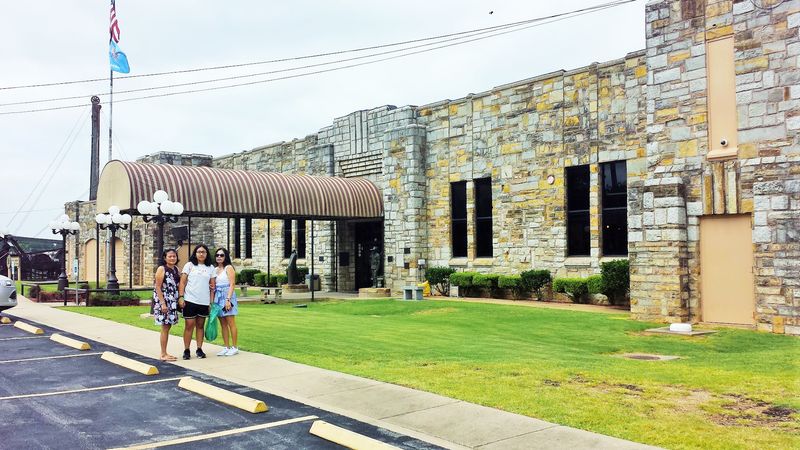
Halfway between Dallas and Oklahoma City sits a stop many drivers zoom right past. The Greater Southwest Historical Museum is located at 35 Sunset Dr SW in Ardmore, Oklahoma, only a short hop from Interstate 35.
Its mission is simple and big at the same time. The museum collects, preserves, and shares the social, cultural, and economic story of south-central Oklahoma, with special focus on Ardmore and Carter County.
That covers early Native American history from the mid-1800s, pioneer living, the oil and gas boom, railroads, and the growth of towns.
Here is the part that makes budget-minded travelers smile. Admission is typically free, and donations help with upkeep.
Visitors often mention being surprised that a place this full of artifacts does not charge at the door.
Several travelers describe it as a perfect break on a long highway drive. One family said they were so glad they pulled in on the way north from Texas, and others call it a must if you are anywhere nearby.
For anyone who measures trips by drive time from Oklahoma City, it sits roughly 90 minutes south, which makes it an easy day trip or a smart lunch-break detour.
Walls Built by the WPA
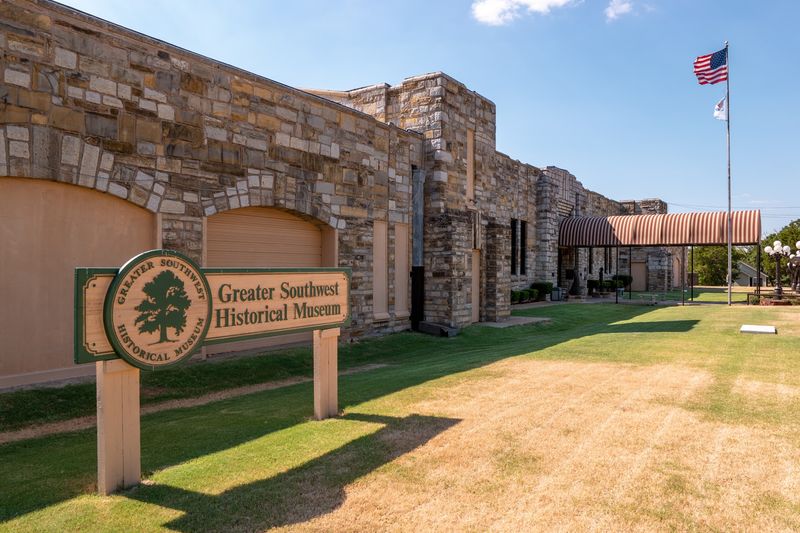
Back in 1936, during the hard years of the Great Depression, Works Progress Administration crews put up a sturdy building in Ardmore. It served the community as the local National Guard Armory long before it ever held a single display case.
Knowing that history changes how you see the place. The building is an artifact in its own right, a reminder of a time when federal programs put local workers back on the job and left behind structures meant to last for generations.
From the outside, it looks modest. Plenty of visitors say the same thing after their first visit: it is way bigger inside than it appears from the street.
One guest simply summed it up as huge, bigger than it looks, and full of information.
That gap between first impression and reality is half the fun. You walk through the front door thinking you will finish quickly, then discover wing after wing of galleries spreading out in different directions.
Fun fact for history fans: WPA projects shaped countless courthouses, schools, and armories across Oklahoma. Spotting the craftsmanship here gives you a quick lesson in how the Depression era quietly built much of the state you drive through today.
Chickasaw Country Roots
Long before oil derricks and rail lines, this corner of Oklahoma was home to Native peoples, including the Chickasaw Nation. Ardmore sits within the Chickasaw Nation’s lands, and the museum’s story of the region begins with those early inhabitants.
Exhibits trace Native American history and culture from the mid-1800s forward. It is a helpful starting point, because everything else in the building, from pioneer homesteads to booming towns, unfolded on land the Chickasaw people already knew well.
Treating that history as a living story matters. The Chickasaw Nation remains active and thriving in south-central Oklahoma today, and the exhibits offer visitors a chance to understand how the past connects to the present community around them.
If you enjoy heritage travel, consider making this stop part of a wider Chickasaw Country loop. The region holds several cultural sites, and pairing them gives a fuller picture of the nation’s story than any single gallery could.
Take your time in this section. Read the panels, look closely at the objects, and let the timeline settle in before moving on.
Everything you see later in the museum makes more sense once you understand who was here first and how they shaped this place.
Sam Noble Hall’s Little Pioneer Town
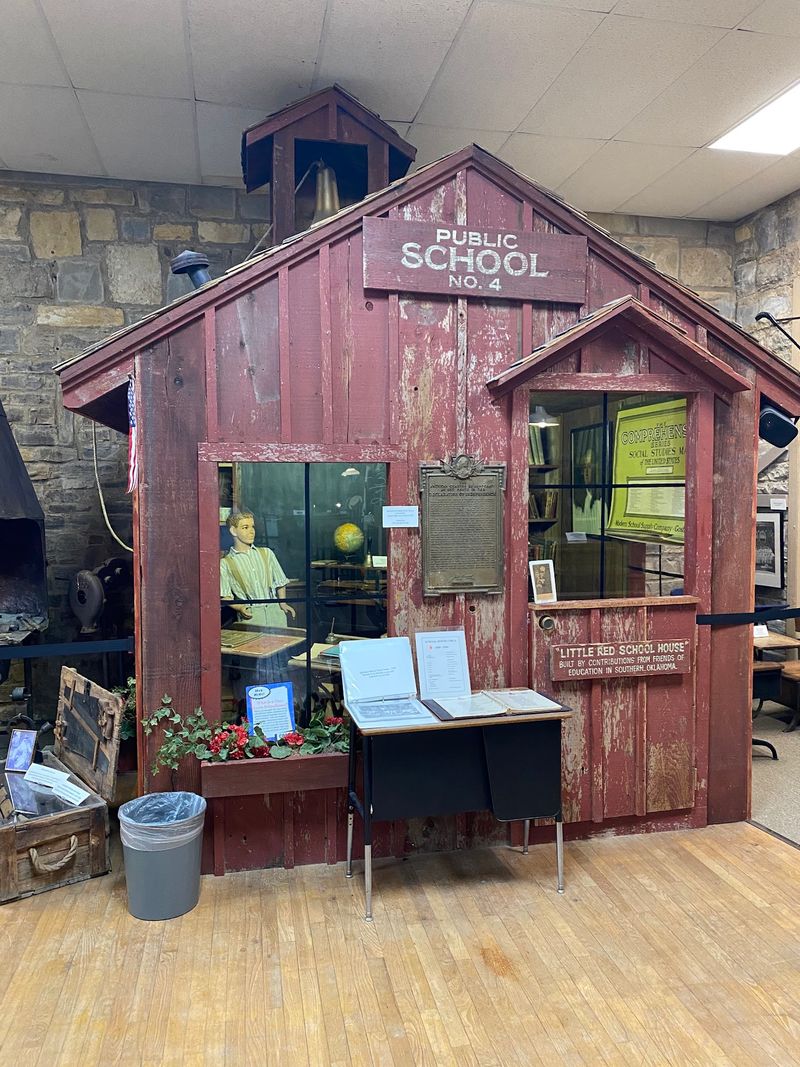
Picture stepping off a dusty street into a general store stocked with goods your great-grandparents might have bought. That is the feeling in Sam Noble Hall, the central gallery of the museum.
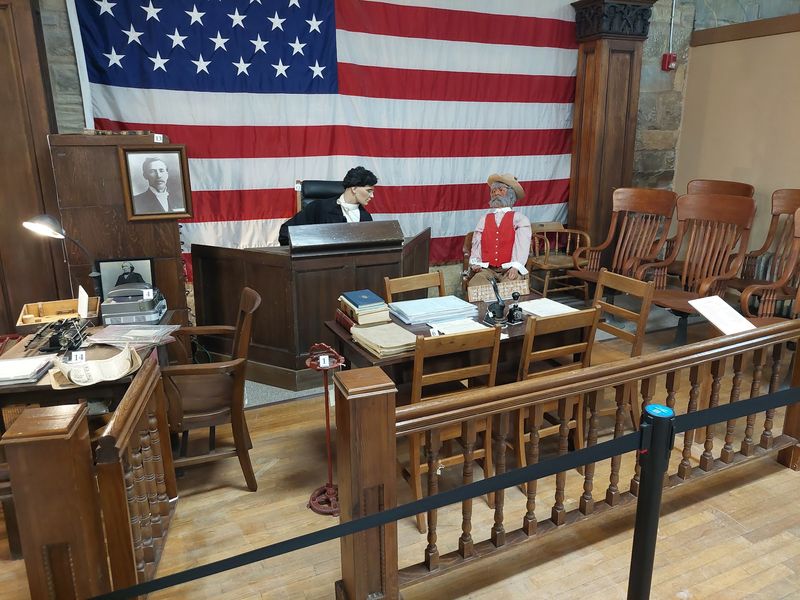
Inside, you will find replicas of 19th-century town buildings, including a general store, a drug store, and a schoolhouse. Displays are grouped to look like real rooms, so you might peek into what seems like an old office or a doctor’s examination room.
Visitors love this arrangement. It turns a pile of artifacts into scenes you can actually picture people living in, which makes the history easier to absorb for every age.
Grown-ups often find themselves pointing and saying they remember that. One guest shared that her mother recognized household products from her own childhood home, and the whole visit turned into a trip down memory lane.
Kids tend to enjoy comparing the old schoolhouse to their own classrooms. A grandparent who brought six grandchildren admitted a few came along unwillingly, yet they all ended up having a great time.
Bring your questions here. Staff and volunteers are known for happily explaining how pioneer families cooked, shopped, and learned.
Wheels, Rails, and the North Wing
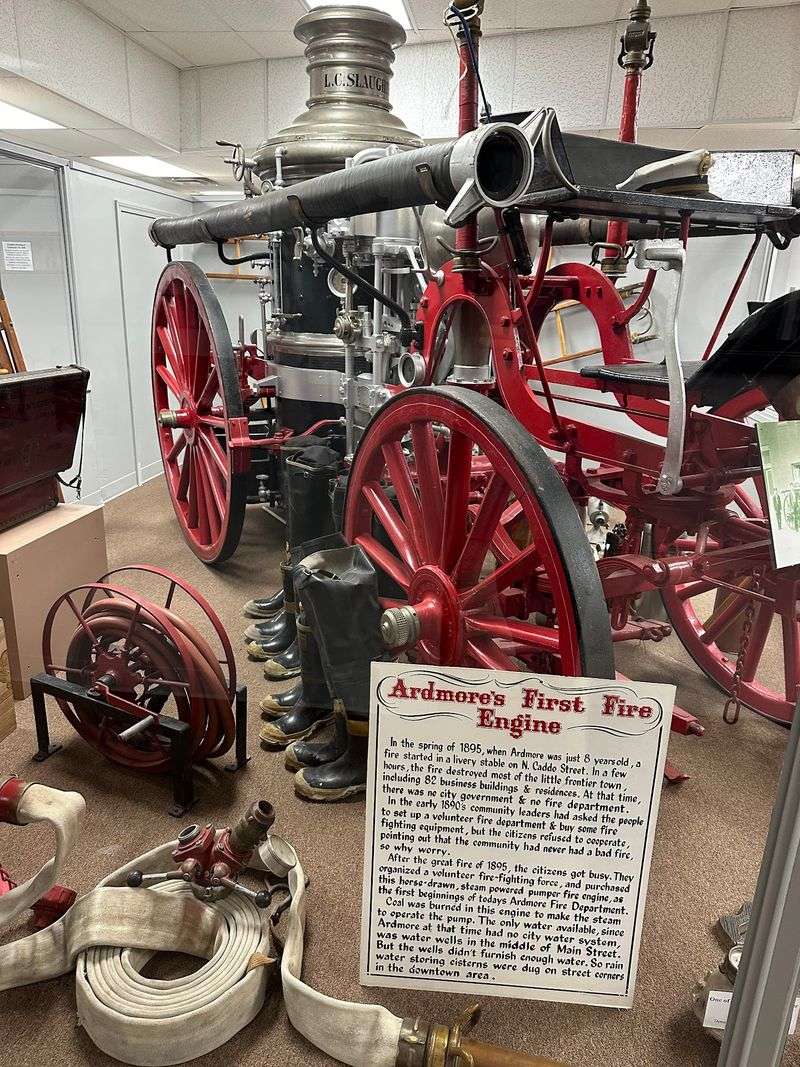
Gearheads, this one is for you. The North Wing, called the Transportation and Industry Gallery, shows how new machines changed the way Oklahomans traveled, worked, and lived.
Start with the horse-powered era. Antique carriages and saddles remind you how slow and bumpy getting around once was, especially across wide prairie miles.
Then the story speeds up. Among the standouts is an early electric car, a surprising sight for anyone who thinks electric vehicles are a brand new idea.
Nearby, a steam-pumper fire engine shows off the polished brass and serious engineering of early firefighting.
Rail history gets its spotlight too. Exhibits explain how the railroad transformed Ardmore and the surrounding towns, bringing people, goods, and growth to places that had been isolated.
Working models of oil field equipment round out the gallery. Watching how they operate helps explain why the oil and gas boom reshaped south-central Oklahoma so quickly.
Tip for families with curious engineers at home: let them guess what each machine did before reading the label. It turns the walk into a game and sparks plenty of conversation on the drive home.
Tractors in Green and Red
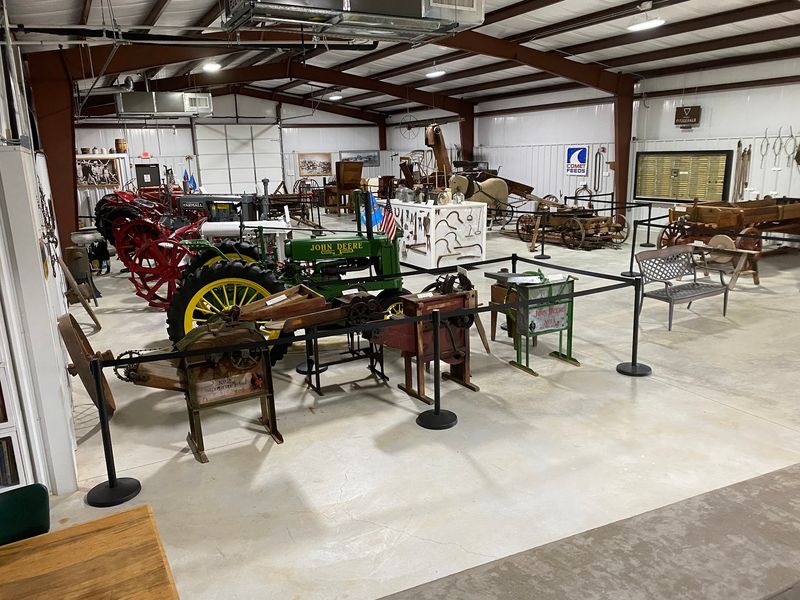
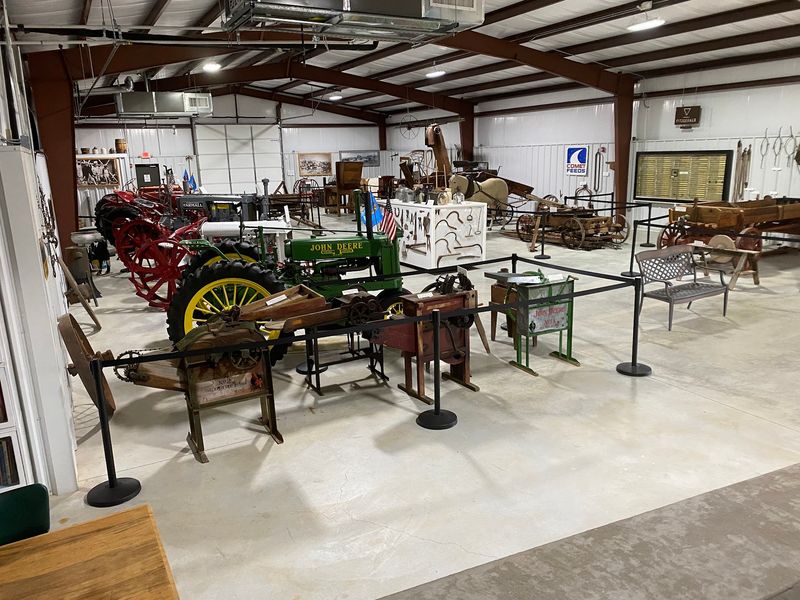
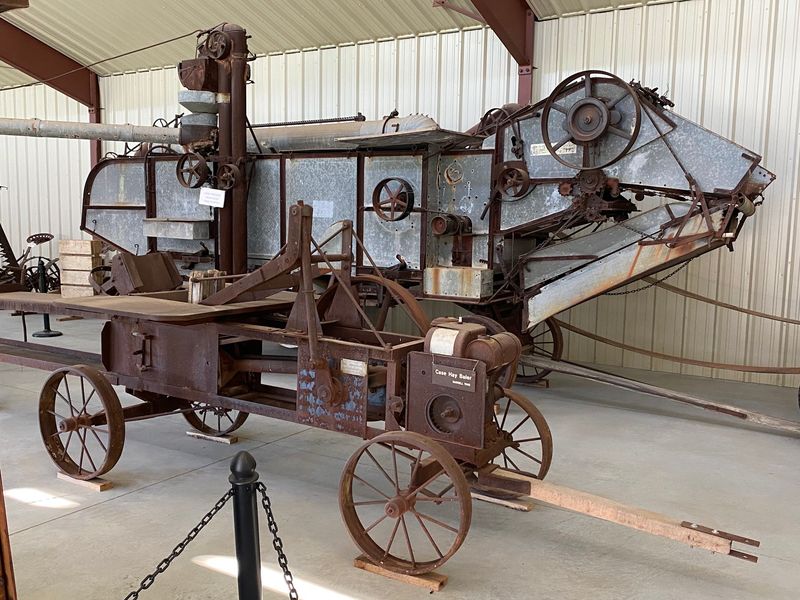
Few things stir up farm-family pride like a row of old tractors. The exhibit called Tools of Our Land celebrates the farming and ranching history that fed this region for generations.
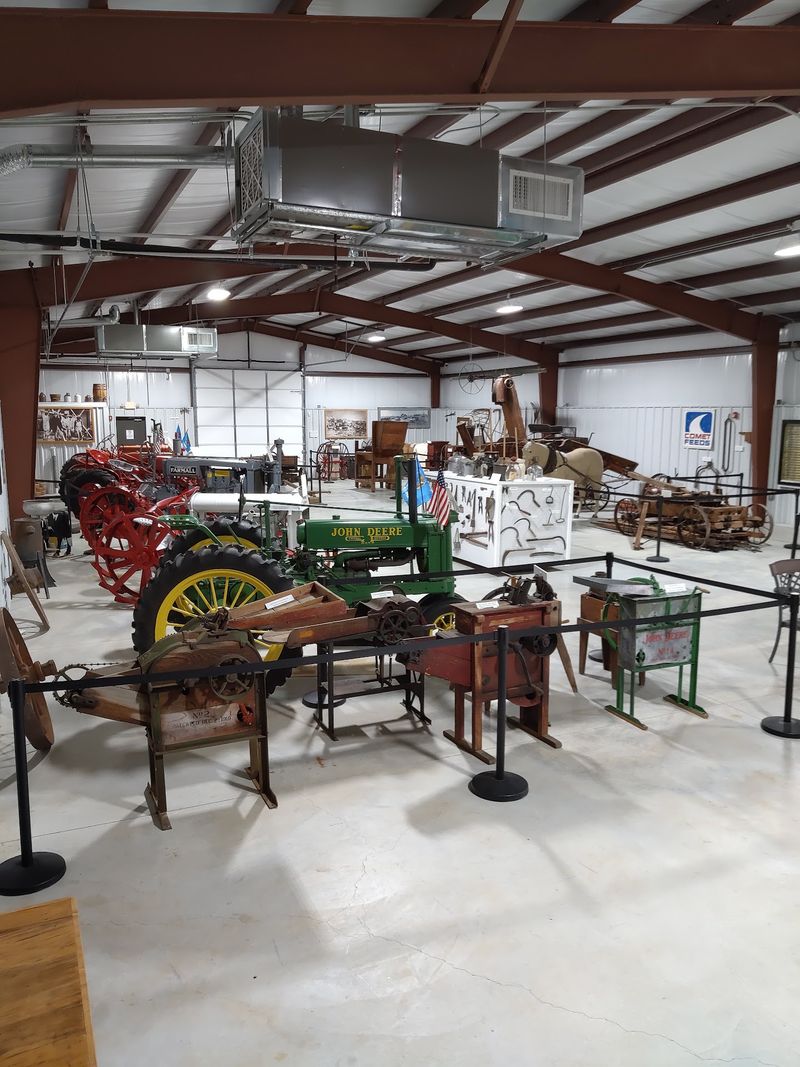
You can spot classic machines here, including a green John Deere and a red McCormick Farmall. Folks raised in the country sometimes have strong opinions about which color is better, so expect some friendly debate in your group.
Plows and other implements show how back-breaking fieldwork slowly got easier. A large grain mill adds a sense of scale, helping visitors understand how crops went from field to flour.
The farming story spills outdoors too. Visitors mention an outside barn full of farm implements, which is worth a look when the weather is pleasant.
Oklahoma summers can be scorching and the wind rarely takes a day off, so plan the outdoor portion for morning if you visit in July or August.
Grandparents often shine in this section. Many grew up around equipment just like this and can share stories no placard could ever match.
Let them lead the way, and you may learn more about your own family than about tractors.
The 1915 Ardmore Explosion Exhibit
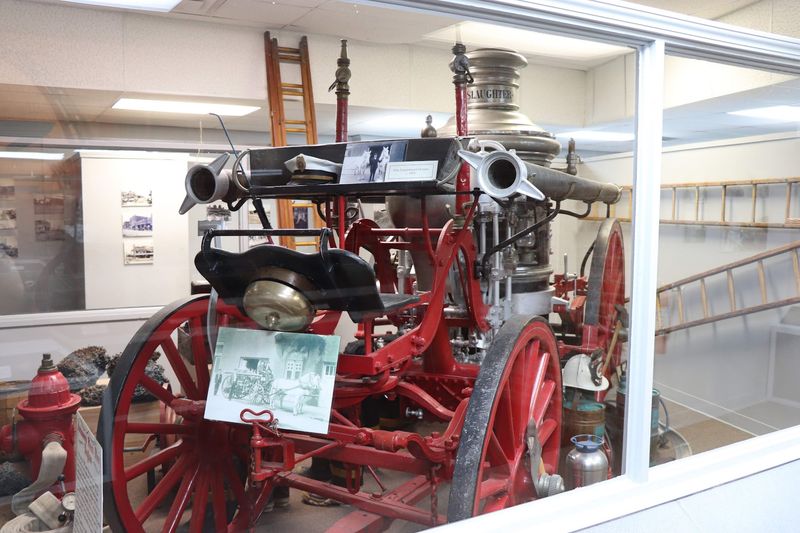
September 1915 brought one of the hardest days in Ardmore’s history. A railroad tank car carrying gasoline exploded near downtown, causing widespread damage and loss across the young town.
The museum gives the event its own room. Visitors describe a display connected to the old train and a painting downtown, along with plenty of written information and pieces of historic firefighting equipment.
Expect a more serious mood here. One guest noted there are some sad stories in the town’s history, and this exhibit is likely part of what they meant.
It is handled with care and offers context rather than shock.
Parents of younger kids may want to preview the room first and decide how to talk about it. Older children often find it meaningful, especially when they learn how the community responded and rebuilt.
The firefighting gear ties neatly back to the steam pumper in the North Wing. Together, they paint a picture of how early fire crews worked with limited tools.
Give yourself a few quiet minutes in this space. It adds depth to everything else you see and reminds visitors that local history includes resilience as well as progress.
Military Memorial Museum Next Door
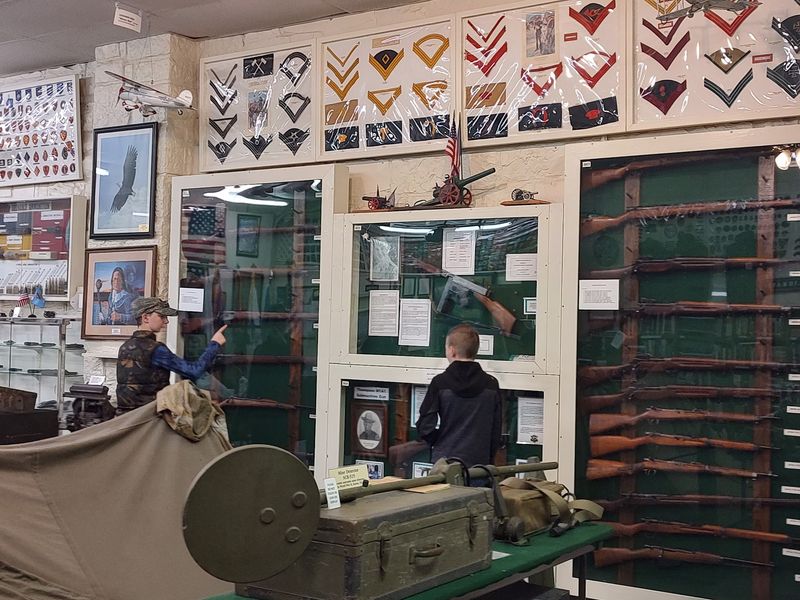
Veterans and history buffs, save some energy for the west wing. The Military Memorial Museum honors service from the American Revolution through more recent conflicts.
Displays include uniforms, models, and a wide range of artifacts. Visitors repeatedly call this area a highlight, with one family saying it was packed with interesting items that kept everyone engaged.
Some guests describe it as a museum next door on the same property, so plan to visit both while you are there. They work together as a single outing, and the combination gives you far more to see than most small-town stops.
The collection tells personal stories as much as national ones. Many pieces connect to people from the region, giving faces and names to the long timeline of American service.
If you are traveling with a veteran, this section often sparks memorable conversations. Grandkids may hear stories they never knew, and older visitors frequently appreciate the respectful presentation.
Plan for extra time. Several guests say the military wing alone could hold their attention for a good while, and rushing through it means missing the small details that make each display feel personal.
The Cabin Across the Street
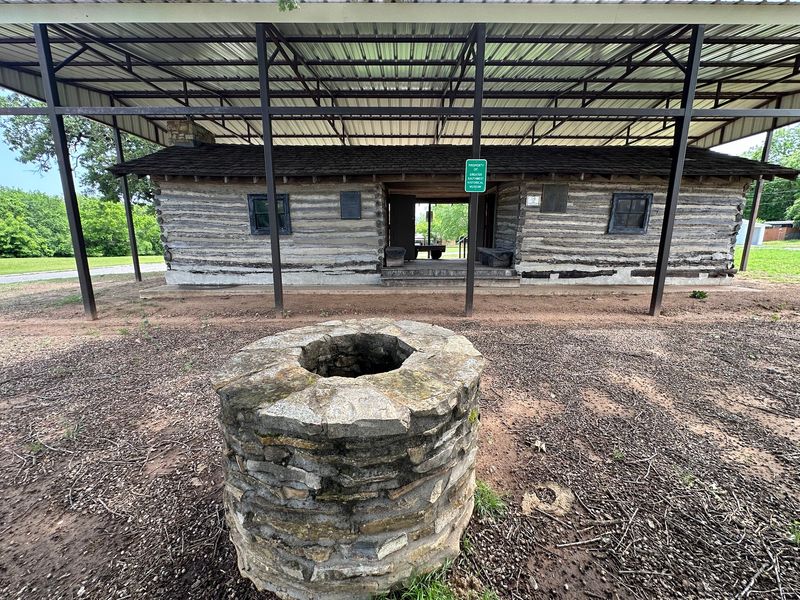
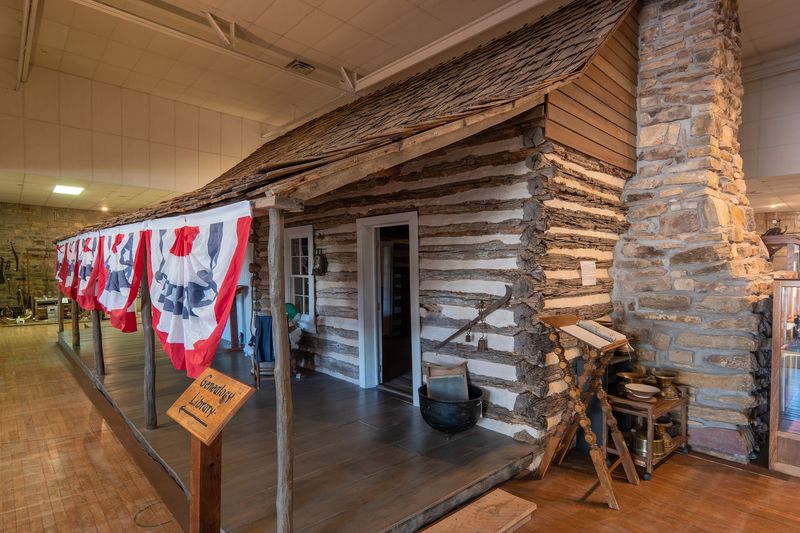
Don’t head for the car just yet. One visitor’s best tip was simple: do not forget the cabin across the street, because it is pretty cool to see.
After walking through replica storefronts and pioneer displays indoors, stepping into a real cabin setting makes the frontier story feel more personal. You get a sense of how tight and simple living spaces once were for settler families in this part of Oklahoma.
Details on hours for the cabin are not always clear, so ask the friendly staff at the front desk before heading over. They can usually point you in the right direction and share a bit of background.
Bring comfortable shoes for this short stroll. Combined with the outdoor barn of farm implements, the cabin turns a museum visit into a small walking tour of the grounds.
Photographers will like it too. The rustic wood and open sky make for great snapshots, especially in the softer light of morning or late afternoon.
It is easy to miss if you leave in a hurry. Treat it as the final chapter of the pioneer story you started inside, and the whole visit feels complete.
Friendly Volunteers and a Thrifty Gift Shop
Ask almost anyone who has been, and the staff comes up fast. Visitors describe the team as friendly, knowledgeable, welcoming, and willing to go above and beyond answering questions.
Much of that warmth comes from volunteers. Their pride in local history shows, and many guests credit them with making the visit feel personal rather than like a quiet walk past glass cases.
One grandparent shared that staff made a group of grandchildren feel especially welcome. That kind of attention is a big deal when you are herding a crowd of kids through a museum.
Before you leave, stop by the gift shop. Guests say prices are low and the shelves hold a few unique items you will not spot everywhere.
Shopping there does double duty. Since admission is typically free, buying a souvenir or dropping money in the donation box helps keep exhibits maintained and programs running.
Cleanliness earns praise too. Many visitors mention a well-kept, tidy building, something parents and grandparents notice right away.
A clean, organized space makes it easier to relax and enjoy each gallery without distraction.
Hours, Parking, and Planning Your Time
Good news for weekend road trippers: Saturday is on the schedule. The museum typically opens Tuesday through Saturday from 10 a.m. to 5 p.m., and it is usually closed Sundays, Mondays, and major holidays.
Admission is generally free, though donations are gratefully accepted. Hours can shift, so calling ahead at 580-226-3857 or checking gshm.org before you go is a smart move.
How long should you stay? Plenty of visitors suggest about an hour for a quick look, but many say they spent two hours and still did not see everything.
One guest has been twice and still has more to explore.
The address is 35 Sunset Dr SW in Ardmore. From I-35, it is a short drive into town, which makes it an easy add-on for anyone traveling between Dallas and Oklahoma City.
Because most exhibits are indoors, the museum works year-round. It is a great escape from summer heat, spring storms, or chilly winter wind.
Consider pairing your visit with a lunch stop in downtown Ardmore. Arriving right at opening gives you a relaxed pace before the day’s driving continues.
Worth the Detour
Small-town museums can be hit or miss. This one lands firmly on the hit side, and visitors keep saying it compares with museums in much larger cities.
What makes it work is the range. In one building, you can trace Chickasaw Country history, wander a pioneer town, admire tractors and an early electric car, learn about the 1915 explosion, and honor generations of military service.
It suits a wide crowd. Retirees enjoy the nostalgia, history fans appreciate the depth, veterans connect with the military wing, and children as young as eight have reportedly loved it.
Budget travelers get a real bonus. A free admission policy means a family can spend a full morning learning without spending much at all, aside from a gift shop treat or a donation.
If you live in Oklahoma or just across the Texas line, it is the kind of place that proves your home region holds stories worth the drive. It also makes a strong rest stop for anyone cruising I-35.
Plan a Friday or Saturday visit, bring curiosity, and leave room in your schedule. Chances are you will stay longer than you expected, and maybe plan a return trip.
