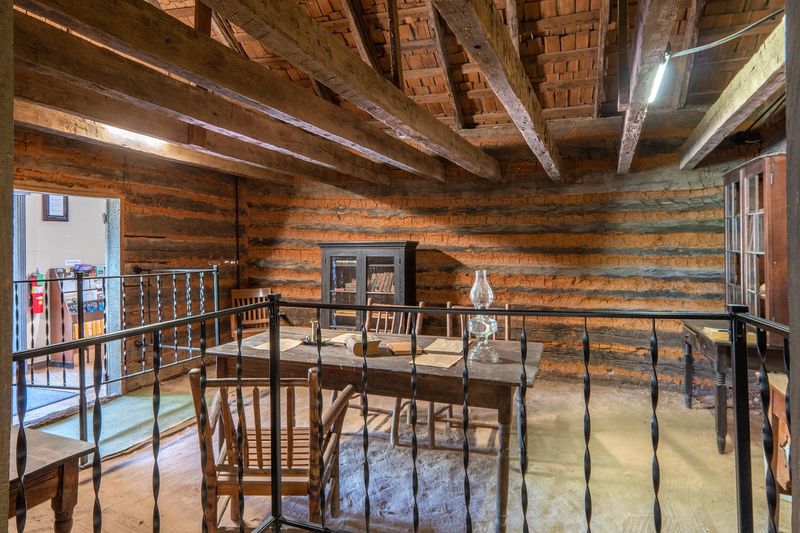
Some of the best road trip stops in Oklahoma look like nothing special from the parking lot. I pulled in expecting a quick look around and walked out an hour later still thinking about a small log cabin and the big idea born inside it.
The place tells the story of a nation that wrote its own rules, kept its own voice, and never stopped governing itself. Admission costs nothing, and the story it holds is worth every mile of the drive.
A Log Cabin Inside a Museum
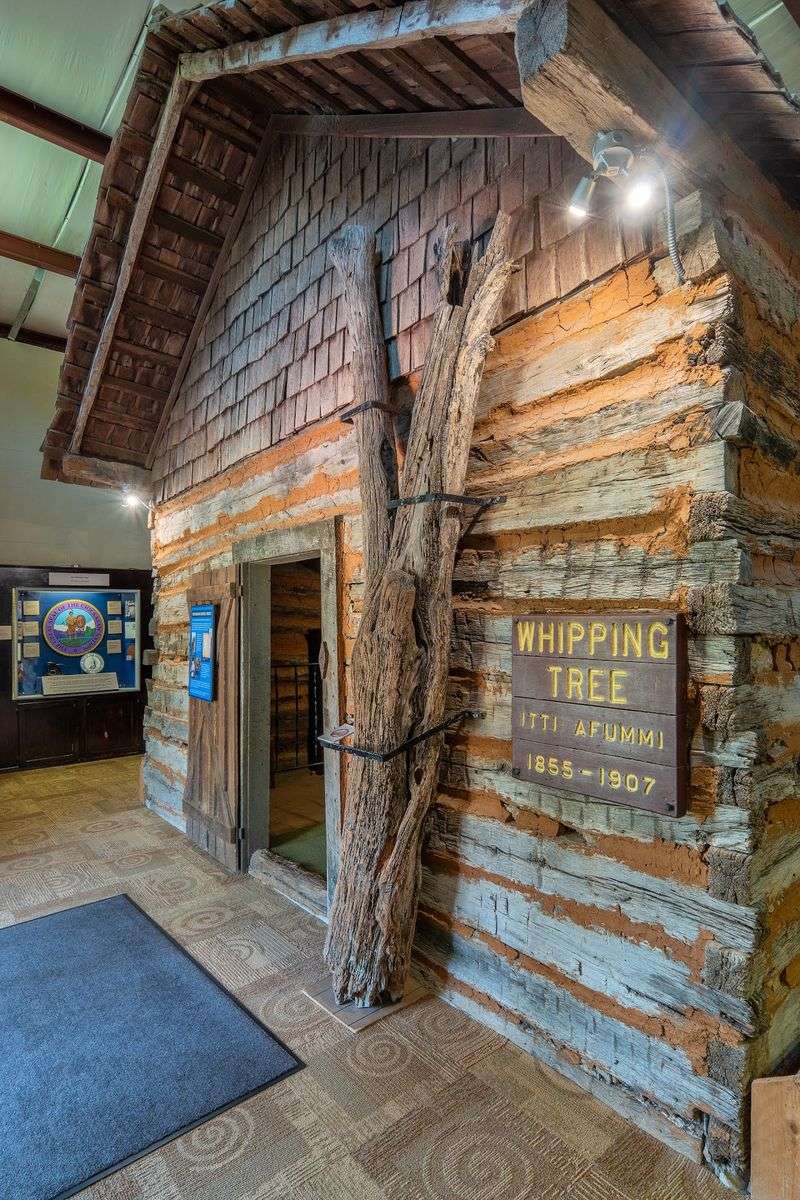
Picture a humble log cabin, the kind a pioneer family might have called home, sitting safely indoors under museum lights. That cabin is the heart of the Chickasaw Council House Museum, and it holds far more history than its size suggests.
Built in 1855, the structure served as the very first Chickasaw council house in Indian Territory. Leaders and citizens gathered here to shape the government of a brand new nation.
Rather than letting weather and time wear it away, the Chickasaw Nation built the museum around it, so visitors can stand just a few feet from the logs themselves.
The museum sits on the Chickasaw Capitol grounds in southern Oklahoma, a place that still matters to the Chickasaw people today. It is not a dusty relic tucked in a corner.
The Nation runs it as a living place of learning, telling its story in its own words.
Visitors often describe the experience as informative and welcoming. Admission is free, which makes it an easy pick for families watching a travel budget.
For anyone curious about how a people rebuilt their government after great upheaval, the cabin is the perfect place to start the conversation.
From Removal to a Nation of Their Own
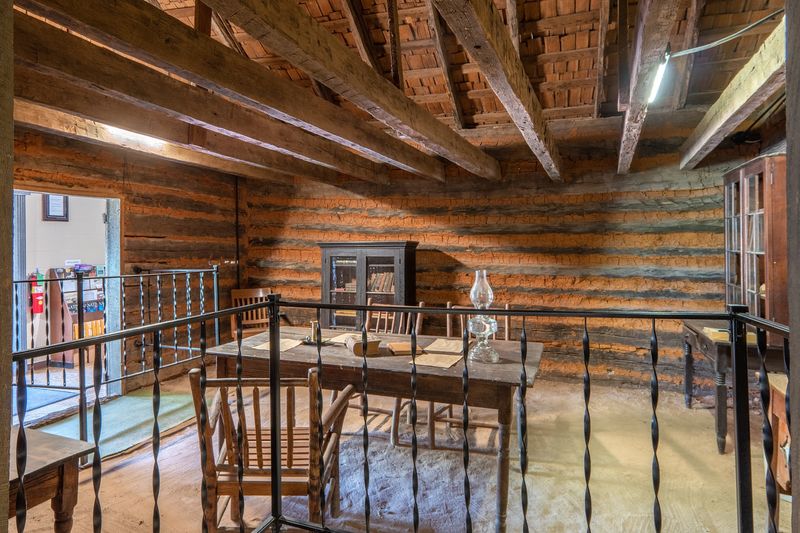
Long before Oklahoma became a state, the Chickasaw people faced a painful chapter. They were forced to leave their ancestral homelands in the Southeast and travel west on what history remembers as the Trail of Tears.
When they arrived, the Chickasaws first settled inside the Choctaw Nation’s territory. Living under another nation’s government, even a friendly one, meant they lacked direct control over their own affairs.
So they pushed for change.
In 1855, a treaty formally separated the two nations. With that agreement, the Chickasaws gained the freedom to form their own government and choose their own capital.
They picked the spot that became Tishomingo, and that small log council house became their first seat of government.
Museum exhibits trace this journey with care, showing both hardship and resilience side by side. You come away understanding that the cabin was not just a meeting room.
It stood for a promise that the Chickasaw people would speak for themselves again.
Plenty of visitors mention how much they learned about what the Nation endured and what it reclaimed. Even travelers with no tribal ties say the story is worth knowing, and it is hard to disagree.
The 1856 Constitution and Its Three Branches
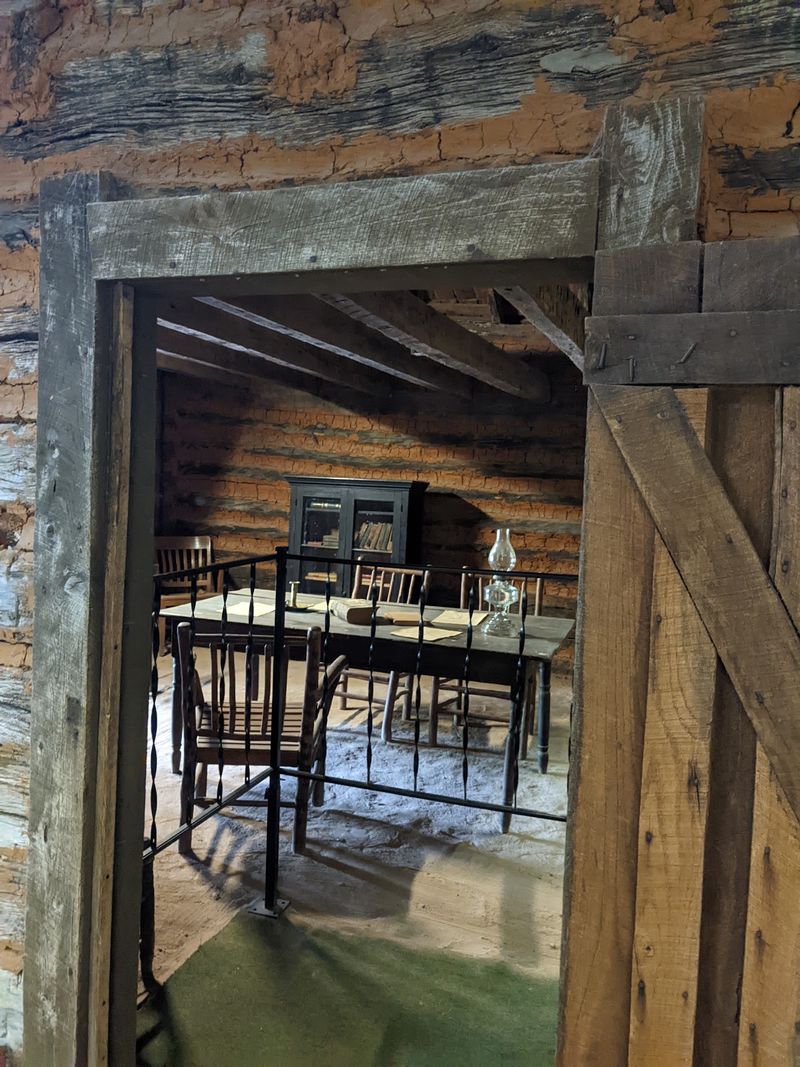
Here is a fun fact to share at the dinner table: a committee sitting inside that little log cabin drafted a full constitution. The 1856 Chickasaw Constitution was ratified and formally established an independent Chickasaw government.
The document created a three-department system. There was an executive branch, a legislative branch, and a judicial branch, each with its own job.
If that sounds familiar from social studies class, it should, since the idea of balancing power across branches was right at the center of Chickasaw planning.
Kids who have studied the United States Constitution often light up when they realize another nation in Oklahoma built something similar. It turns an abstract civics lesson into something you can actually stand beside.
The cabin only served as the seat of government for a short while. By 1858, a larger brick capitol was built to handle the growing work of running a nation.
Still, the founding happened here, and that is what makes the spot so special.
Walking around the structure, it is easy to imagine leaders debating late into the evening, weighing every word. The museum helps fill in those details without getting too heavy for younger readers.
Unconquered and Unconquerable
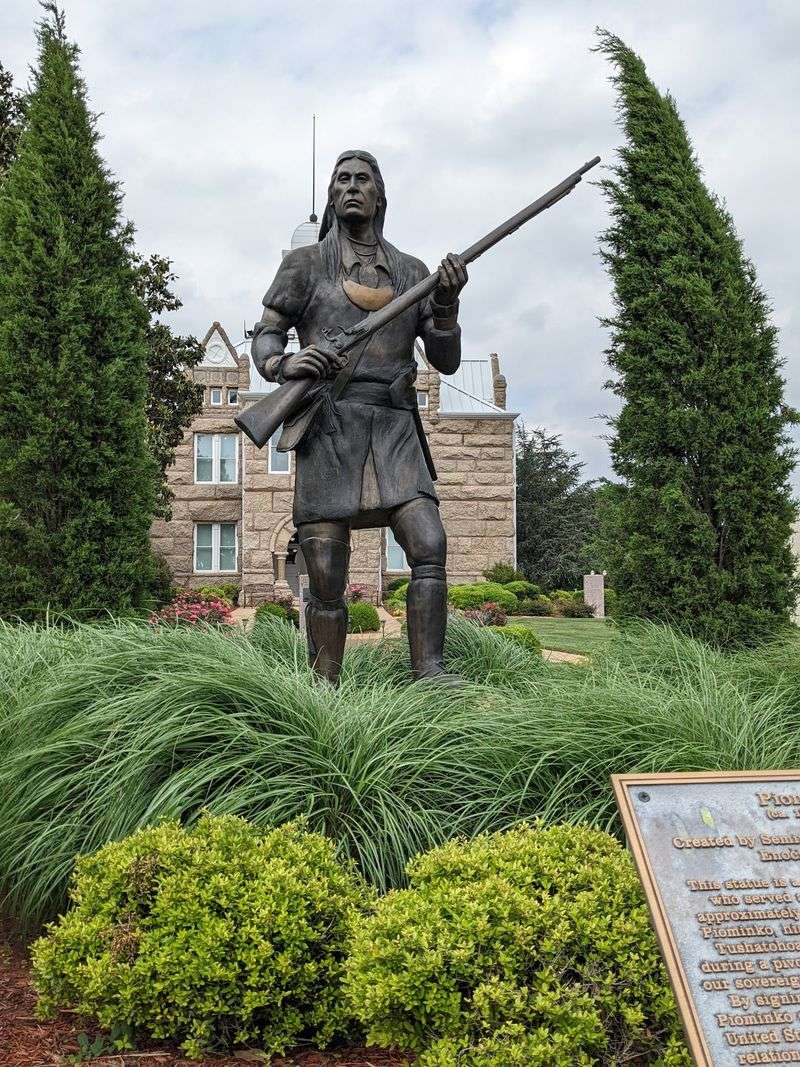
Few nicknames carry as much pride as the one the Chickasaw Nation wears: Unconquered and Unconquerable. The museum explains exactly where that spirit comes from.
After Oklahoma statehood in 1907, federal policies aimed to shrink tribal self-government. For decades, the Chickasaw people had to fight quietly and persistently to keep their identity and their right to lead themselves.
The exhibits do not rush past these years, which gives the story its weight.
Things began to turn in 1971, when tribal elections were reestablished. Then in 1983, the Nation adopted a new constitution, reasserting its inherent right to self-governance.
Seeing those dates lined up against the 1856 founding makes the whole arc click.
What stands out is the tone. The history is told by the Chickasaw Nation itself, so it feels personal rather than distant.
It is a story about staying power, not just about the past.
Visitors often mention leaving with a better sense of the Nation’s past, present, and future. That last word matters.
The Chickasaw Nation is very much a living, working government today, and the museum makes sure guests understand that before they head back to the car.
Artifacts, Artwork, and a Hall of Fame
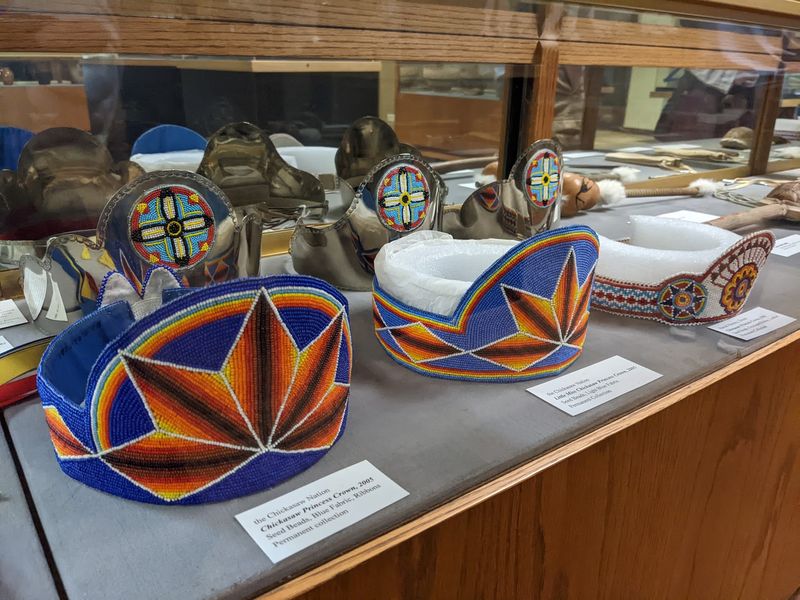
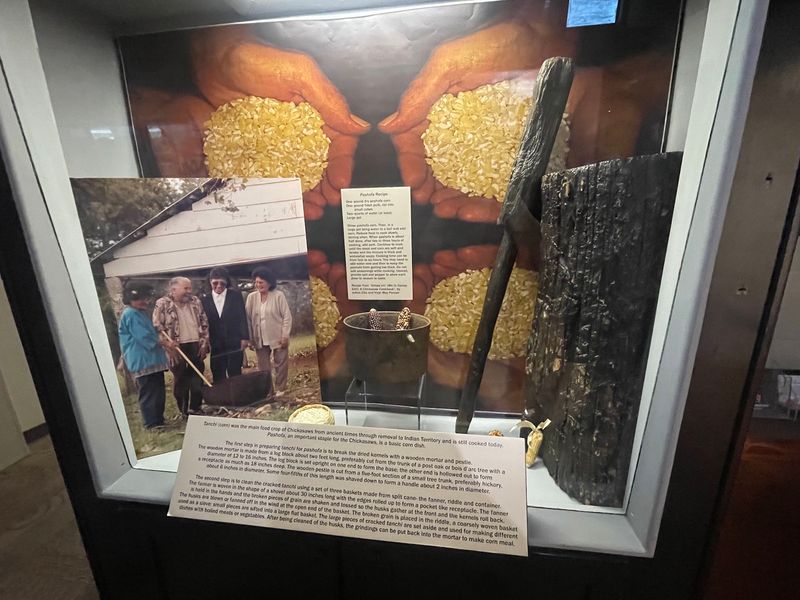
Glass cases line the galleries, and each one rewards a slow look. The collection mixes Chickasaw artifacts, contemporary Chickasaw artwork, and archival materials that trace the culture across generations.
Some objects were used, loaned, or passed down through families, and visitors describe them as authentic and priceless. They help explain how everyday tools and crafts actually worked back in the day.
One recent guest was especially thrilled to spot items connected to their own family and friends.
Beyond the older pieces, you will find beautiful examples of modern Chickasaw art. That balance is a nice reminder that the culture is still creating, not just remembering.
There is also a Hall of Fame honoring notable Chickasaw people. Many guests enjoy reading those stories, since they connect the big history to real individuals.
Fair warning for parents of very young children: there is a lot of reading here. One visitor noted it may not suit kids who cannot read yet, simply because so much is behind glass with text panels.
Older kids and grown-ups who enjoy lingering will likely find the pace just right. The remodeled space feels cozy and sleek, and the displays are arranged to be easy on the eyes.
Genealogy Help and the Indian Rolls
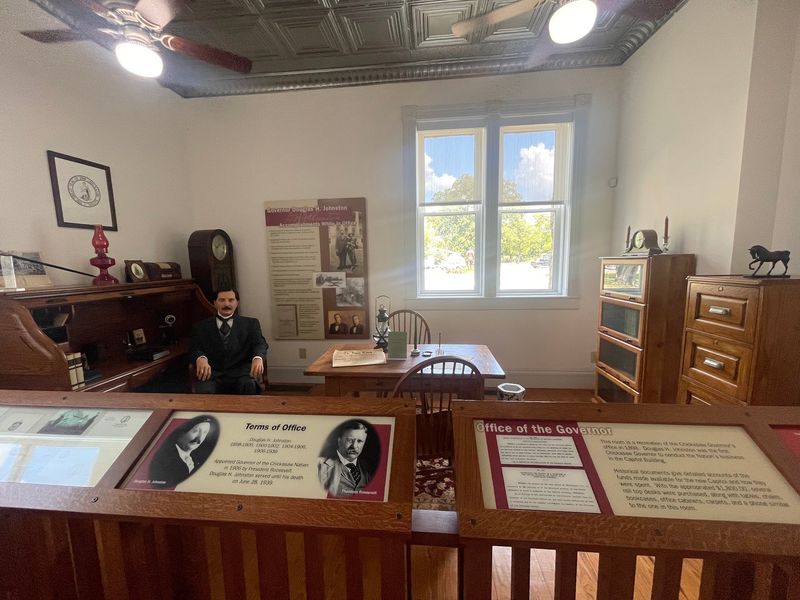
Ever wondered whether a great-grandparent’s name shows up in old tribal records? Plenty of Oklahoma families have, and this museum can help.
The complex includes a genealogy research center for anyone tracing connections to Chickasaw heritage. Guests also mention the Indian Rolls for all Five Civilized Tribes, which makes the stop useful even if your family roots lead to a neighboring nation.
Docents have earned warm praise for going the extra mile. One grandmother shared that staff happily helped look up potential family members and even made copies of information and pictures for her to take home.
That kind of personal attention is rare and memorable.
If you plan to research, it may help to bring whatever names, dates, and places your family already knows. The more details you have, the easier it can be to follow a trail through the records.
Research sessions can take time, so consider arriving earlier in the day since the museum closes at 4 p.m. Calling ahead at 580-371-3351 is a smart move if you have specific questions.
Even a short visit can turn up surprising leads, and several guests describe the experience of learning about their own people as deeply meaningful.
Gift Shop Treasures by Chickasaw Artists
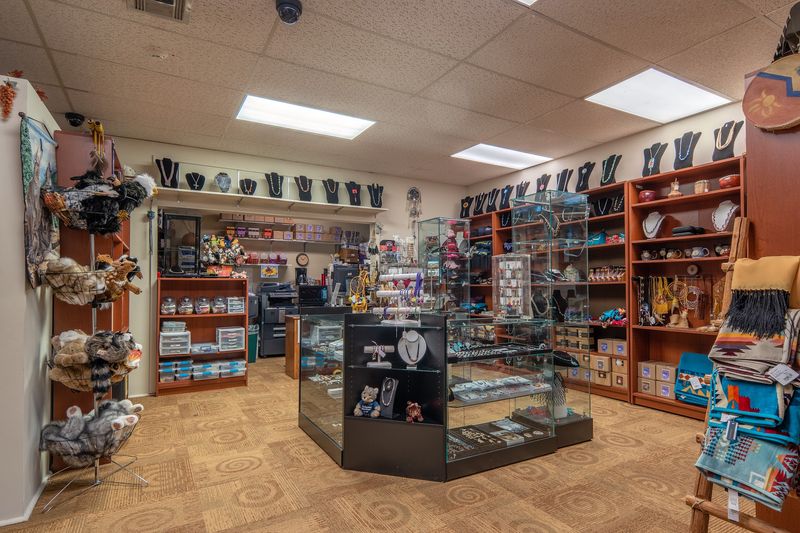
Save a few minutes, and maybe a few dollars, for the gift shop. Regulars rave about it, and one visitor even called it a favorite place to find beads, jewelry, and Native-made products.
Shelves hold souvenirs, books, music, and Chickasaw language materials. The real standouts are the handmade pieces, including pottery, jewelry, beadwork, and artwork by Chickasaw artists.
Guests often remark on the skill and care that goes into each item.
Buying here means supporting artists whose work keeps traditions moving forward. A pair of beaded earrings or a small pottery piece makes a thoughtful keepsake that carries a real story.
Families with little ones should know about a sweet touch. One grandmother shared that the gift shop worker gave her five-year-old granddaughter a goodie bag full of treasures.
By the end of the day, the little girl was coloring and learning Chickasaw words.
Language books and coloring materials can be a great way to keep the learning going at home. Another visitor mentioned a book about little people, a figure from Chickasaw tradition, which could spark some fun bedtime conversations.
Prices vary by item, so browse before deciding.
Friendly Docents and a Peaceful Mood
Kindness is the word that comes up again and again when people talk about this place. Staff members are described as generous, welcoming, and genuinely happy to share.
One traveler wrote about feeling right at home, noting that everyone was friendly and helpful. The team even offered suggestions for other area stops and a list of places to grab a bite to eat.
That local tip alone can save a hungry family some wandering.
Individual docents leave a lasting impression too. Visitors have praised knowledgeable guides who explain Chickasaw history with warmth and patience, turning a simple walk-through into a real conversation.
The overall mood feels calm. Guests use words like peaceful and interesting, which fits a museum where you can take your time without crowds rushing you along.
So who will enjoy it most? History buffs, genealogy seekers, and road-tripping grandparents are natural fits.
Teachers and homeschool families will find plenty of civics and culture to talk about afterward. Curious travelers with no tribal connection often say they left moved by what they learned.
The museum is also ADA accessible, so guests with mobility needs can explore comfortably.
Hours, Tours, and Finding 209 N Fisher St
Good news for budget travelers: admission is free for everyone. That makes this one of the easiest yeses on any southern Oklahoma road trip.
The museum sits at 209 N Fisher St in Tishomingo, on the Chickasaw Capitol grounds. Hours are Tuesday through Saturday, 9 a.m. to 4 p.m.
It is closed Sunday, Monday, and federal holidays, so plan around long weekends. Hours can shift, so a quick call to 580-371-3351 before you leave home is wise.
Daily tours are available and suit all ages. Larger groups need reservations, and tours are limited to 14 people each.
Church groups, scout troops, and class trips should book ahead.
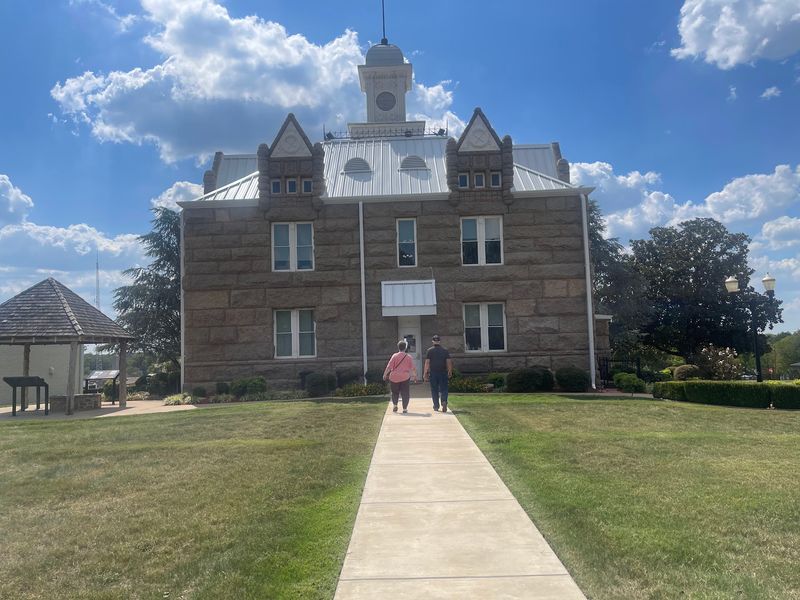
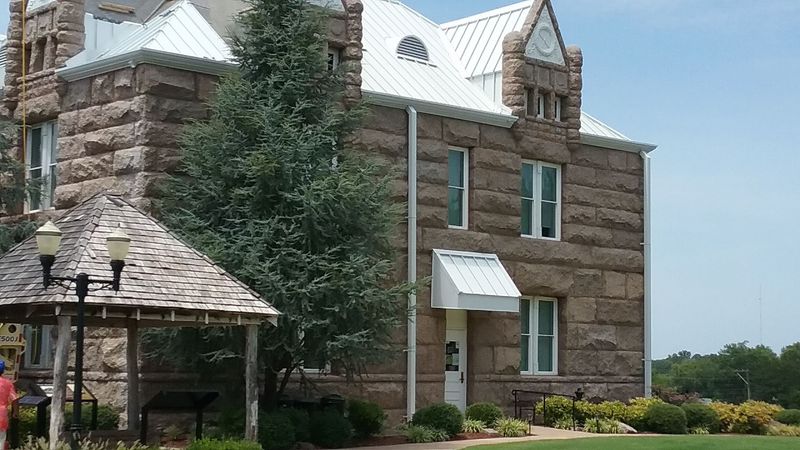
Make the most of the stop by walking next door to the Chickasaw Nation Historic Capitol Building. The striking granite capitol dates to 1898 and also houses exhibits about early tribal government.
Seeing the humble log cabin and the grand stone capitol on the same visit shows just how far the Nation grew.
The Chickasaw Nation Information Center in town can point you toward more sights. Southern Oklahoma summers run hot, so an indoor museum like this makes a comfortable midday break.
Why the Small Cabin Leaves a Big Impression
Some places shout for attention. This one simply waits for you to walk in and listen, and that quiet confidence is a big part of its charm.
In one modest building, you get the founding of a nation, the story of a people who kept their government alive through hard decades, and a living culture still creating art today. Add free admission, friendly docents, and a gift shop full of handmade work, and the value is tough to beat.
It is not a flashy stop. There are no rides or loud screens, and very young children may get restless with all the reading.
But visitors who enjoy history, family research, or simply learning something new tend to leave impressed.
Pair it with the granite capitol next door and a meal somewhere the staff recommends, and you have a satisfying half day. It works well year-round, whether you are escaping summer heat or looking for a cozy winter outing.
Most of all, the museum lets the Chickasaw Nation tell its own story in its own voice. Standing beside that 1855 cabin, you feel the weight of it.
For many Oklahomans, that feeling is reason enough to make the drive.
