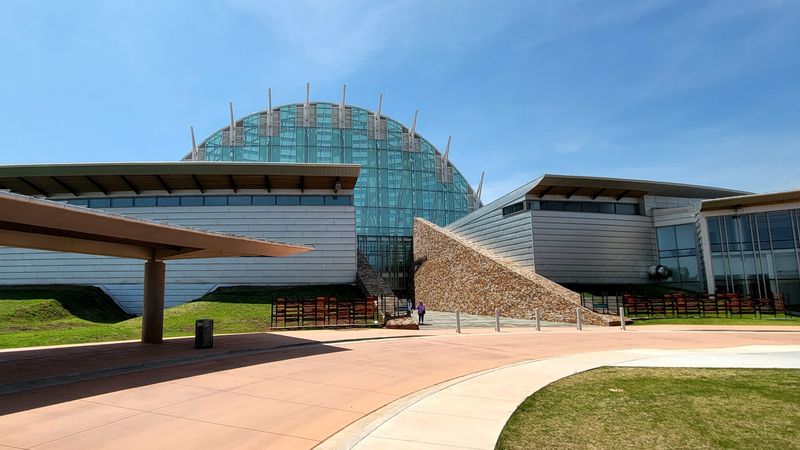
You can drive past it on I-40 in Oklahoma and mistake the earthen mound for a landscaping choice, which is exactly what makes the first walk inside so surprising. What looks like a quiet curve of grass and glass turns out to hold the stories of 39 tribal nations, told by those nations themselves.
There is art, there are voices, there are hands-on rooms where kids climb through treetop tunnels, and there is a restaurant serving Indigenous-inspired plates. Give it three hours and you will still leave wanting another trip.
A Curved Landmark on the South Bank of the Oklahoma River
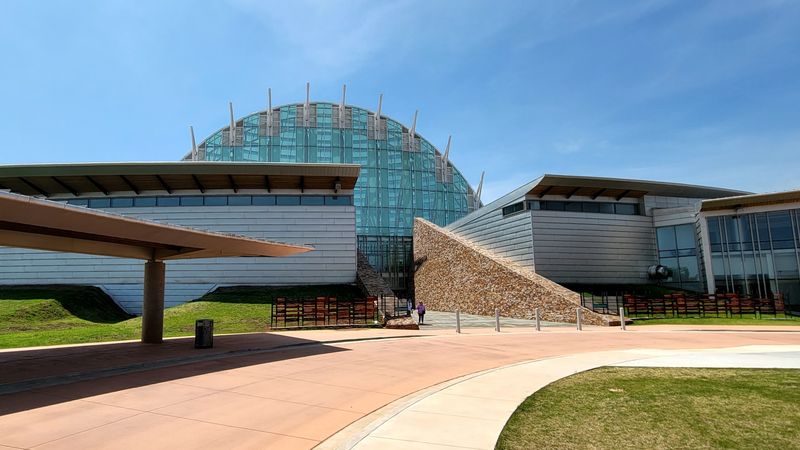
Just off I-40 on the south side of the Oklahoma River sits the First Americans Museum, at 659 First Americans Blvd in Oklahoma City. From the highway it reads as a sweep of curved metal wrapped around a grassy mound, and plenty of drivers have wondered aloud what it is.
The answer: a 175,000-square-foot museum built to share the collective histories, cultures and contributions of all 39 distinct First American Nations now headquartered in Oklahoma. It opened September 18, 2021, after decades of planning.
What sets it apart from a standard history museum is the point of view. The narrative is shaped through the perspectives of Native people, not written about them from a distance.
Visitors regularly mention how easy the place is to reach, with a straight shot off the interstate and free on-site parking that rarely fills up. Several note that the ticket office can validate a parking ticket when needed.
The name Oklahoma itself comes from two Choctaw words meaning Red People, which makes this building feel less like a visitor attraction and more like a homecoming point for the state’s own story.
Thirty-Nine Nations, One Shared Table
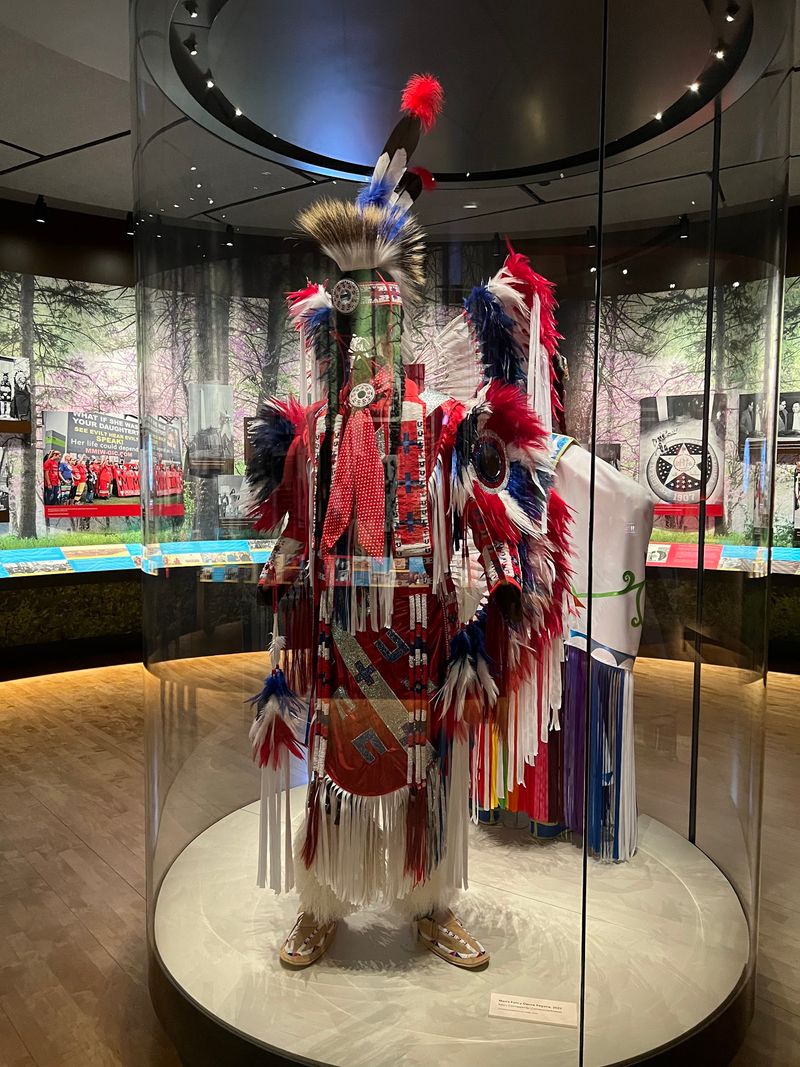
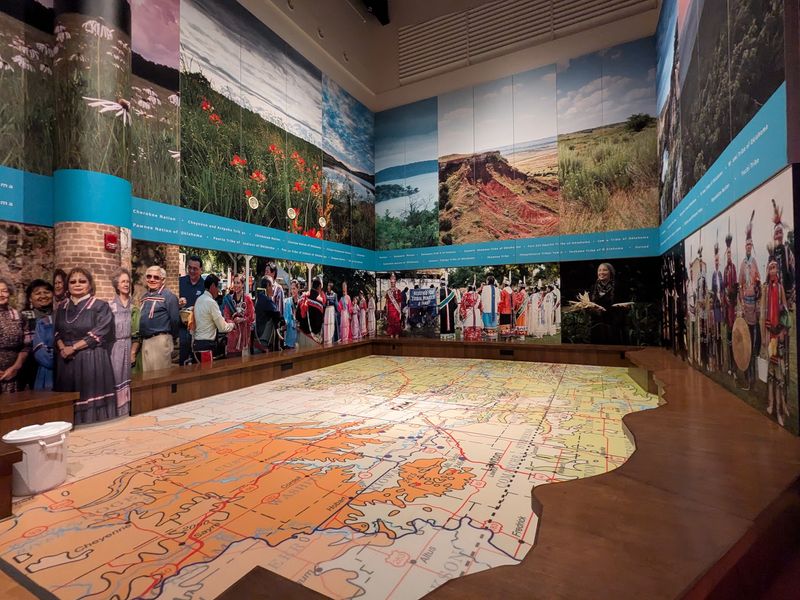
Getting 39 sovereign nations to agree on how a shared story gets told is no small thing, and that cooperation is the quiet miracle of this place. Each nation contributed to how it is represented, so the seals, the languages and the histories on display are not filtered through an outsider’s summary.
Some of those nations have called this land home for centuries. Many others arrived through forced removal, including the routes remembered as the Trail of Tears, which comes up often among guests describing what moved them most.
The effect is cumulative. You start noticing that Oklahoma is not one Native story but dozens, each with different languages, foodways, clothing traditions and governments still operating today.
Guests frequently say they walked out realizing how much of what they learned in school was incomplete or simply wrong. That reaction seems to be part of the design rather than an accident.
Treating these nations as living, working communities rather than closed chapters is the throughline here, and it is what keeps the galleries from feeling like a dusty timeline.
OKLA HOMMA and the 500-Year Story
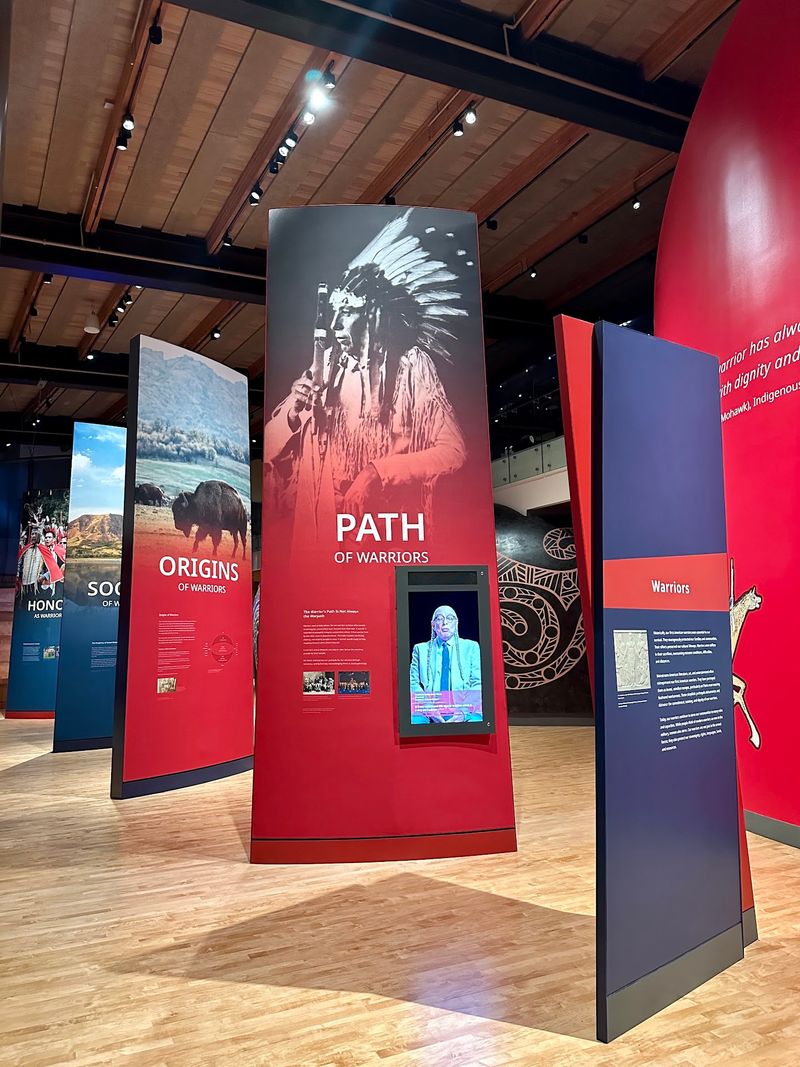
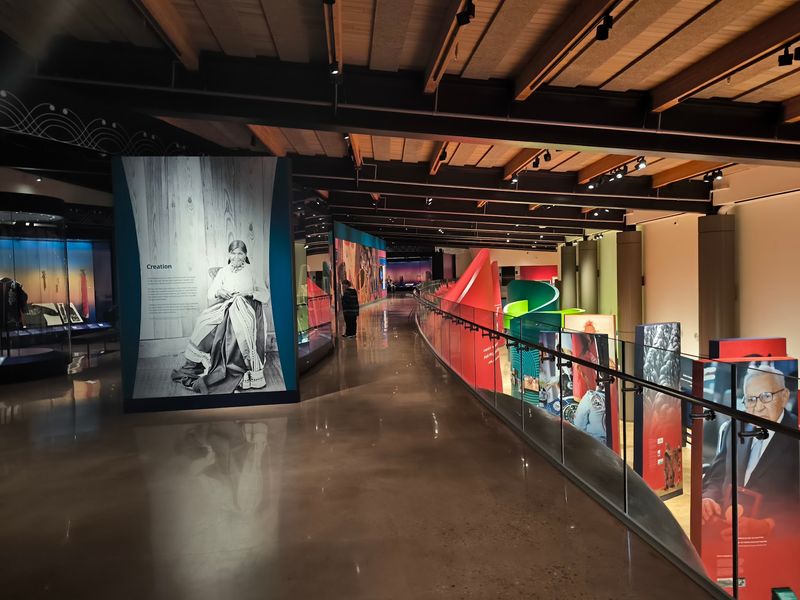
Five centuries compressed into one gallery could easily turn into a wall of text, but OKLA HOMMA takes a different route. The exhibition is interactive and mixed-media, moving through the experiences of tribal peoples across the region now called Oklahoma over roughly a 500-year span.
Projection, audio, objects and personal accounts share the space. Several visitors point out that the videos on storytelling are among the most memorable pieces, in part because the voices belong to tribal citizens rather than narrators.
Pacing matters here. Folks who planned on a quick hour often report staying three or four because each section pulls them further in.
Fair warning: portions of the history covered are heavy. Removal, boarding schools and broken agreements are addressed directly, and some guests describe the experience as heartbreaking even while calling it important.
Balancing that weight, the gallery also spends real time on resilience, adaptation and everyday life, from craftsmanship to modern tribal government.
If you tend to read every panel, budget accordingly. Three hours is the number frequent visitors suggest most often.
WINIKO and the Objects That Came Home
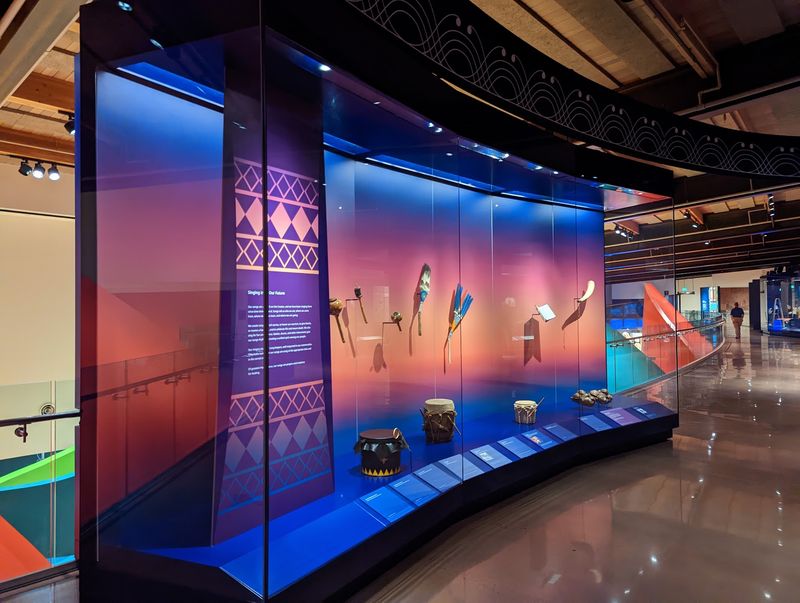
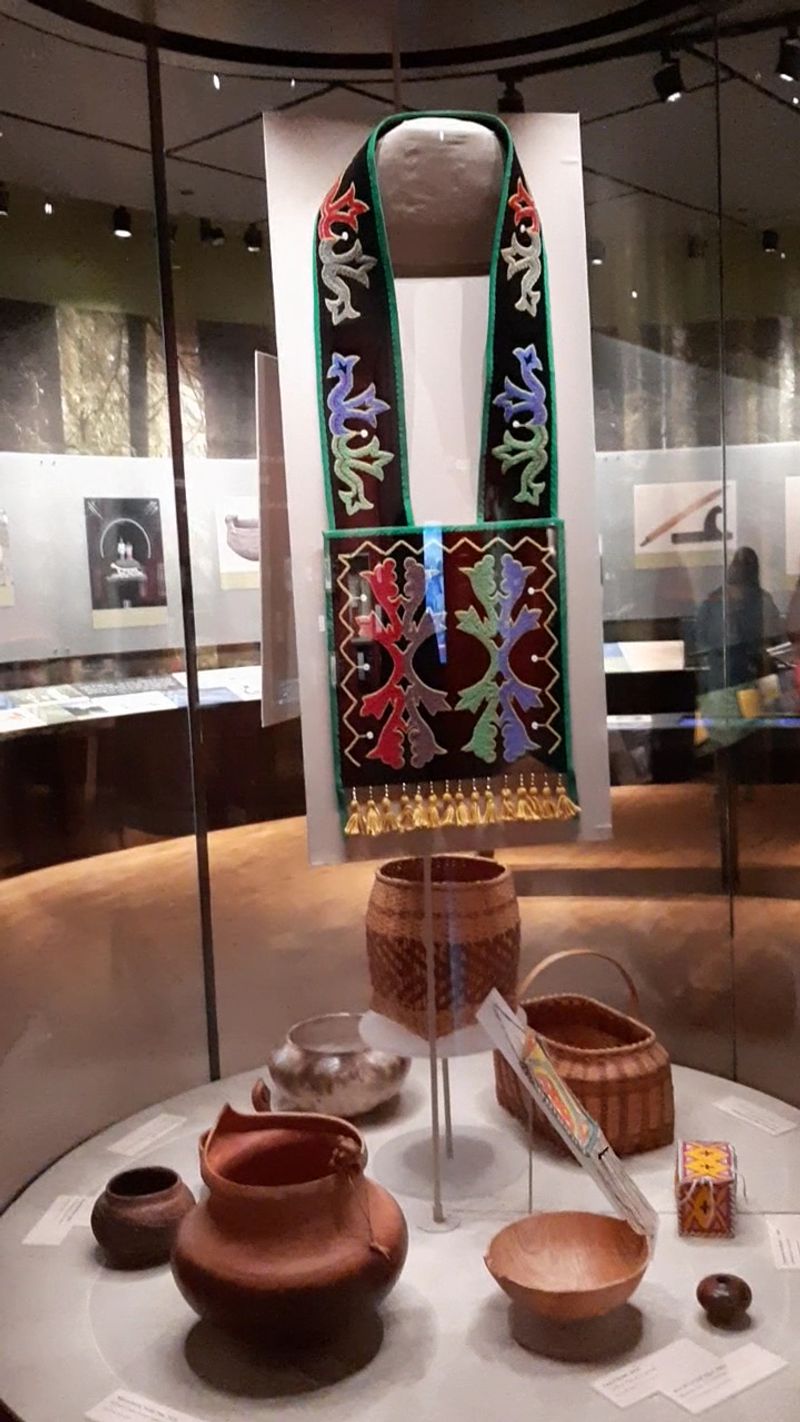
Upstairs, the mood shifts from narrative to artistry. WINIKO: Life of an Object gathers everyday cultural items, many on loan from the Smithsonian’s National Museum of the American Indian, and presents them as belongings with biographies rather than specimens under glass.
A cradleboard, a pair of moccasins, a basket: each carries the mark of the hands that made it and the family that used it. The framing invites you to think about where an object has traveled and who has been separated from it.
Artifacts come up more than any other topic among guests, with dozens specifically calling out the craftsmanship on display.
Second-floor galleries lean into art and objects while the first floor handles history and cultural storytelling, which makes the two levels feel like different chapters of the same book.
One practical note worth keeping in mind: upstairs galleries occasionally close for installation work, and at least one visitor arrived to find that floor unavailable. A quick call to 405-594-2100 before driving in may save some disappointment.
The FAMily Discovery Center Where Kids Run the Show
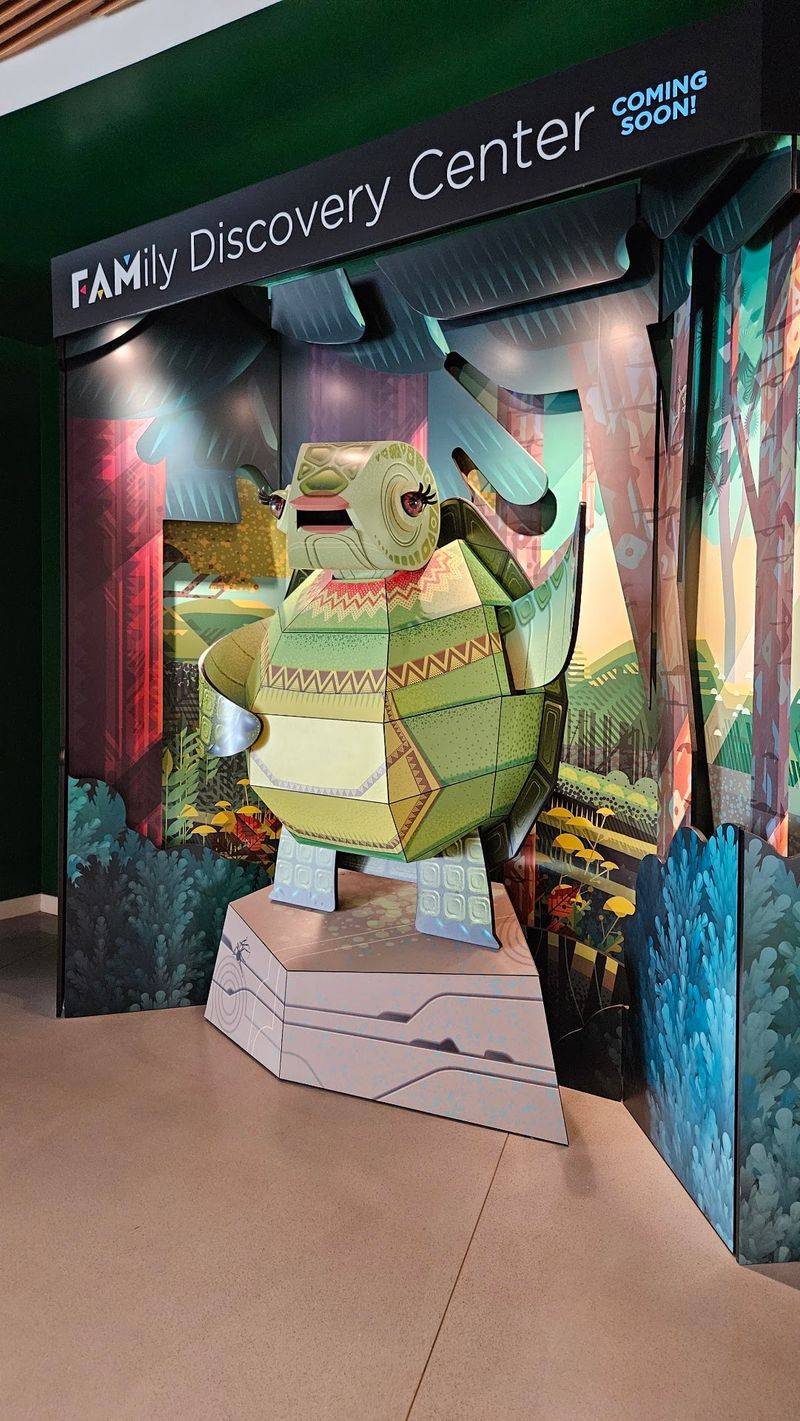
Claudia the coyote has a fan club, and most of its members are under ten. The FAMily Discovery Center is a two-story, pop-up-book-inspired space built for visitors from about age three to 103, and it is where the museum lets loose a little.
Treetop tunnels, hands-on games, storytelling nooks and a coyote den fill the floor. Parents describe kids needing a minute to work up nerve for the tunnels, then refusing to come out.
Themes run through everything: curiosity, the values of First American communities, and relationships with the natural world. Learning happens sideways, which is usually how it sticks with kids.
Timing is the one thing to watch. The Discovery Center closes daily at 4 p.m., an hour before the rest of the museum, so an afternoon arrival can mean a locked door for the little ones.
Staff get warm mentions from families here, described as helpful and patient. If your group includes small children, plan to hit this area first and save the quieter galleries for after.
Climbing the Mound for a Skyline View
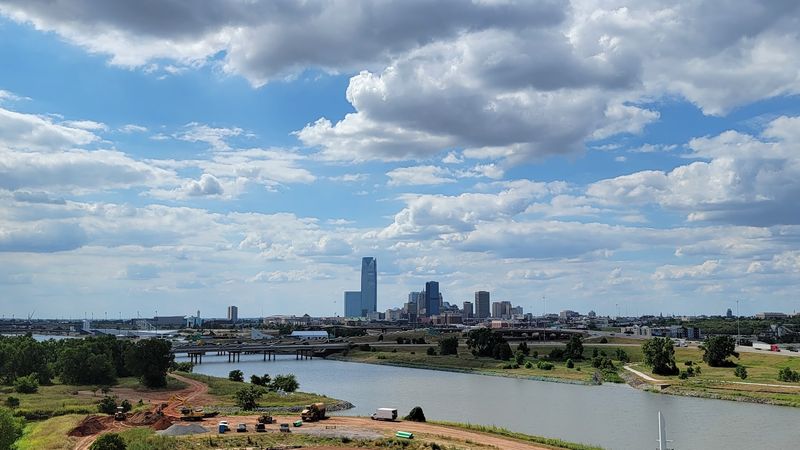
Outside the galleries, a grassy earthwork rises from the grounds with a walking path spiraling to the top. Climb it and downtown Oklahoma City lines up across the horizon in a view most locals have never seen from this angle.
The mound references the monumental earthworks built by ancestral peoples across the eastern woodlands and river valleys, and the path is designed to be walked slowly rather than conquered.
Guests who make the trek call the view from the summit one of the highlights of the whole visit, and it costs nothing extra.
Heat is the honest caveat. Oklahoma summers can turn an open grass slope into a genuine workout, and at least one visitor skipped it on a hot afternoon.
Spring and fall are kinder. Morning or late afternoon light also flatters the skyline if anyone in your group carries a camera.
Wear shoes you can walk in, bring water, and treat it as a ten or fifteen minute detour rather than a quick photo stop.
Architecture That Does Half the Storytelling
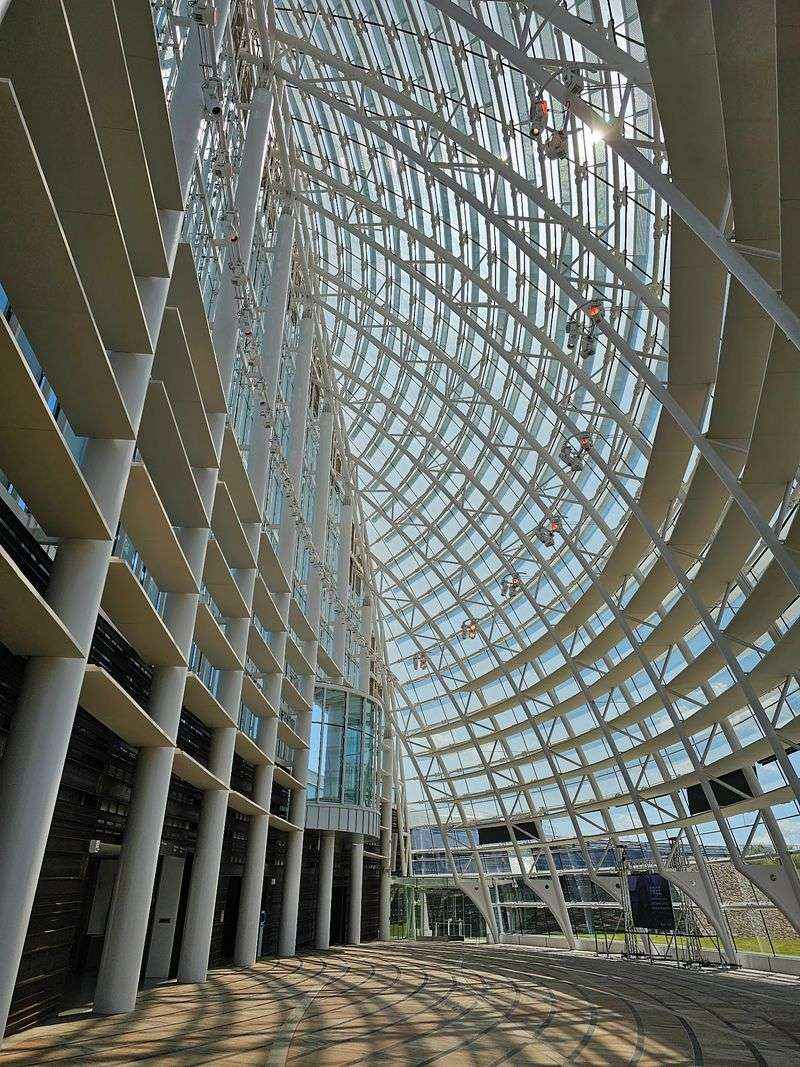
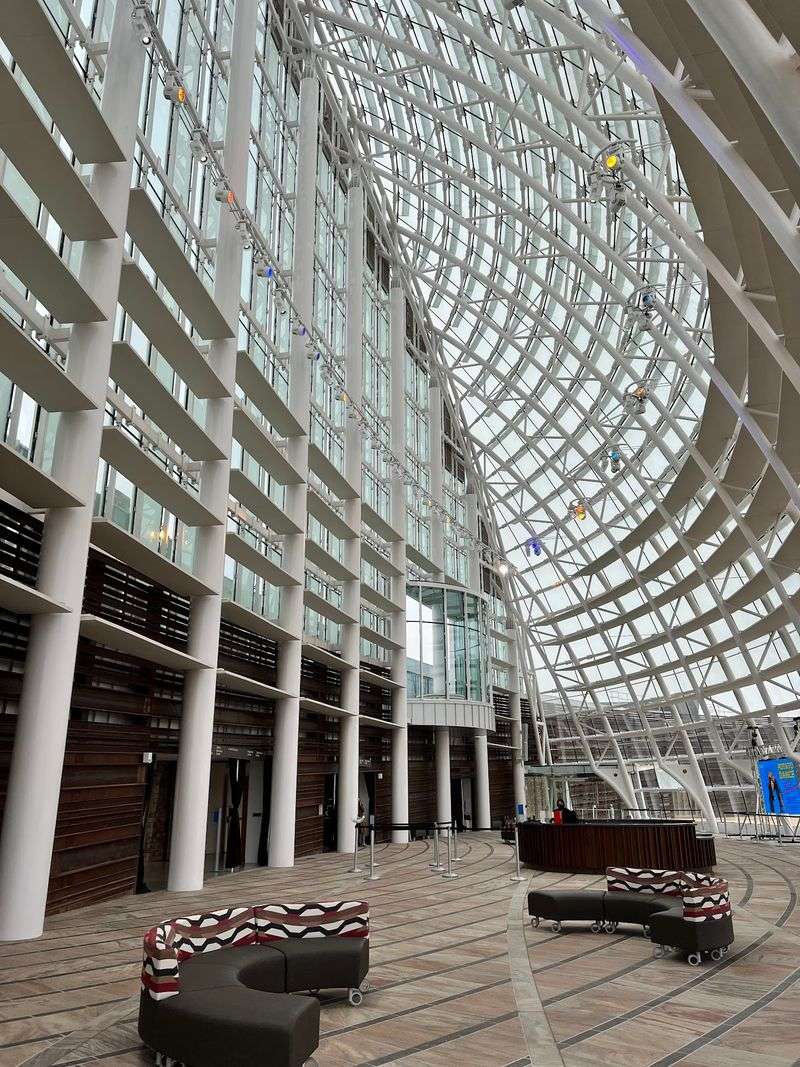
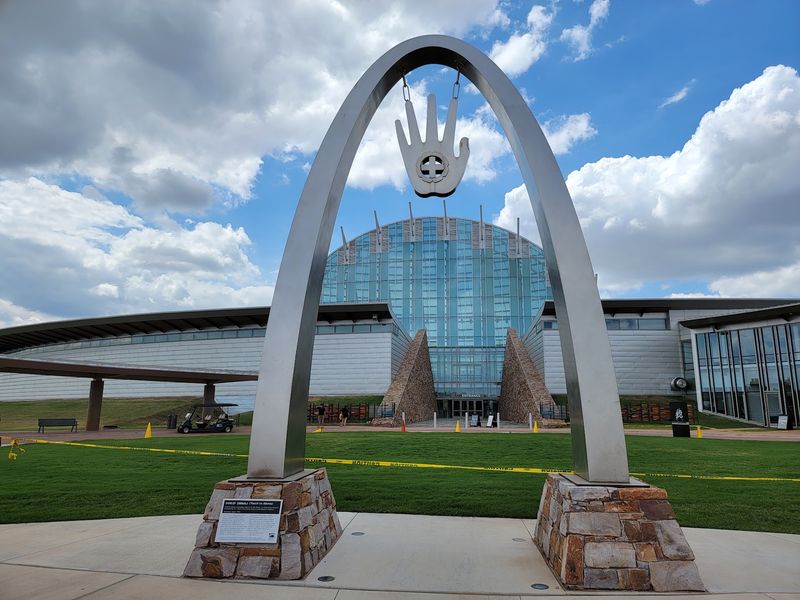
Architecture gets mentioned by name more than two dozen times among visitor comments, which is unusual for any building that is not itself the exhibit. Sweeping curves, a dramatic circular hall and tall glass that floods the interior with natural light set the tone before you read a single panel.
Every element points somewhere on purpose. Orientation, sightlines and the relationship between the building and the mound outside all carry meaning tied to First American design principles.
The effect indoors is calming. Even on a busy weekend, the ceilings and open sightlines keep the place from feeling cramped.
Photographers should know the light changes dramatically through the day, and late afternoon tends to be the most flattering inside the main hall.
Repeat visitors describe a kind of pause that happens when they walk in, a beat where you stop and look up before moving on.
Worth noting for planners: the facility also hosts weddings and events, and couples who have used it praise the events and facilities teams for being attentive and flexible.
Guided Tours Worth Signing Up For
Free with admission and easy to overlook, the daily guided tours run about 45 to 60 minutes and can be added when you buy your ticket. Skipping them is a common mistake.
Guides connect the galleries in ways the signage alone cannot, filling in context, pointing out details you would walk right past, and answering the questions people are sometimes shy about asking.
Visitors consistently describe staff knowledge as excellent, with several saying the tour is what brought the whole museum to life for them.
Timing tip: tours fill up, and weekends draw larger groups. Arriving early in the day tends to mean smaller crowds and more room to linger afterward.
Plan the tour first, then circle back through whichever galleries grabbed you hardest. Most people find they want a second pass through at least one section.
If you would rather roam solo, that works too. Audio and video components throughout the exhibits carry a lot of the storytelling on their own, so self-guided visitors are far from shortchanged.
The Store and Restaurant You Can Visit Without a Ticket
Here is the detail that surprises people: admission is not required to shop the museum store or eat at the restaurant. Both sit inside the building and welcome walk-ins.
Shelves in the store carry authentic handmade work by First American artists, including jewelry, beadwork and pottery. It is one of the most talked-about parts of the building, with the gift shop drawing more than fifty mentions from guests.
Prices there run the range, and some shoppers note that the higher-end pieces command real money. That tends to be the nature of handmade art by working artists.
The full-service restaurant leans on Indigenous-inspired cuisine, pulling from ingredients and traditions rooted in this region. Guests who ate on site speak well of it, and a few build the meal into their visit deliberately.
For anyone dropping a family member at the galleries or passing through town on a tight schedule, a lunch stop plus a browse makes a legitimate outing all by itself.
Worth checking hours by phone, since kitchen service times can differ from museum hours.
Accessibility, Parking and the Little Comforts
Mobility concerns can make museum trips stressful, and this one has clearly thought it through. The building is wheelchair accessible with elevators on every floor, and wheelchairs and motorized scooters are available for free checkout on a first-come, first-served basis.
Free on-site parking covers cars and motorcoaches, with overflow lots and shuttle service when the grounds get busy. Visitors mention the lot being easy and plentiful.
Guests with mobility issues have shared that a free golf cart ride from the lot to the entrance can be requested by calling the number posted on the accessible parking signs.
Family restrooms include adult changing tables, a detail caregivers notice and appreciate.
Cleanliness comes up repeatedly, as does the friendliness of the front-of-house staff.
Getting there is simple: it sits just off I-40 southeast of downtown, roughly a ten minute drive from Bricktown and about ninety minutes from Tulsa on the turnpike. For most Oklahomans, that makes it a comfortable day trip rather than an overnight commitment.
Hours, Ticket Prices and Ways to Trim the Cost
Budgeting for a family visit takes a minute of math, so here are the numbers. General admission runs $20 for adults 18 and up, $5 for children ages 4 to 12, and free for kids 3 and under.
Discounted tickets at $15 apply to tribal citizens, seniors 62 and up, military, students 13 and older, certified educators and first responders.
Doors open Monday, Wednesday, Thursday and Friday from 10 a.m. to 5 p.m., with Saturday and Sunday running 11 a.m. to 5 p.m. Tuesdays are closed, so double-check before loading the car.
Library card holders should pay attention here. Families have used experience passes from Oklahoma library systems to get in, with a quick waiver at the desk covering everyone in the group.
Not everyone finds the price a bargain, and a few visitors felt $20 was steep for what they saw. Others counter that three or four hours of exhibits, a guided tour and the mound walk make it reasonable.
Hours and pricing shift, so confirming at 405-594-2100 is smart.
Who Should Make the Drive
Grandparents bringing grandkids seem to get the most out of this place, based on how often that pairing shows up in visitor stories. One described walking the galleries with a ten-year-old and valuing the historical accuracy they could share together.
History readers, art lovers and anyone curious about the state’s Native nations will find far more than a single afternoon can hold. Families with young children get their money’s worth from the Discovery Center alone, provided they arrive before its 4 p.m. close.
Fair expectations help. Much of the experience involves reading, listening and watching rather than touching, and a portion of the history covered is genuinely somber.
People who want a light, breezy stop may find it heavier than anticipated. People who want to understand Oklahoma more honestly will find it hard to beat.
Skip the rush, pack patience, and give it three hours minimum.
For a museum built by 39 nations telling their own story in their own words, a drive from Tulsa, Lawton or anywhere in between feels like a small ask.
