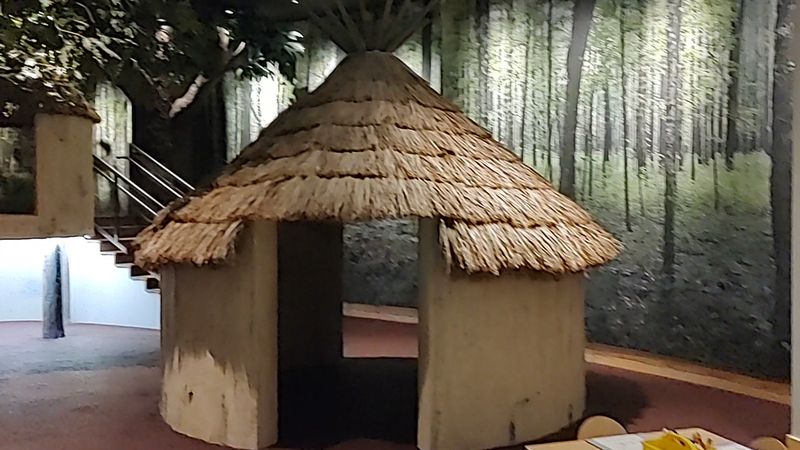
I pulled off a southern Oklahoma highway looking for lunch and a chance to stretch my legs, nothing more. An hour later I was standing in a recreated forest listening to birdsong, holding a stickball stick, and planning a return trip before I had even left the parking lot.
Some places tell history to you, but this one lets a nation tell its own story, in its own words, from the very beginning. If you think you already know Oklahoma, this stop may quietly change your mind.
A Nation’s Own Front Door
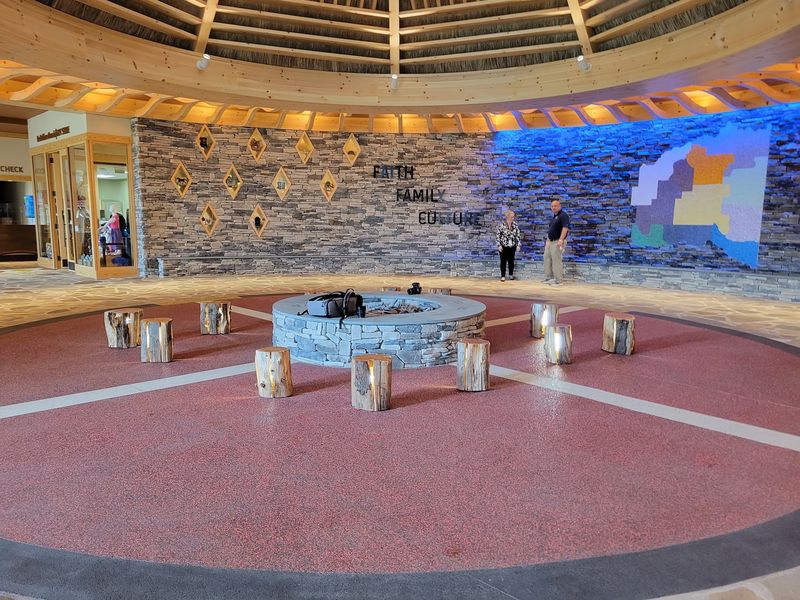
Most museums are built by outsiders looking in. The Choctaw Cultural Center flips that idea around, because here the Choctaw Nation of Oklahoma tells its story through its own eyes, voices, and art.
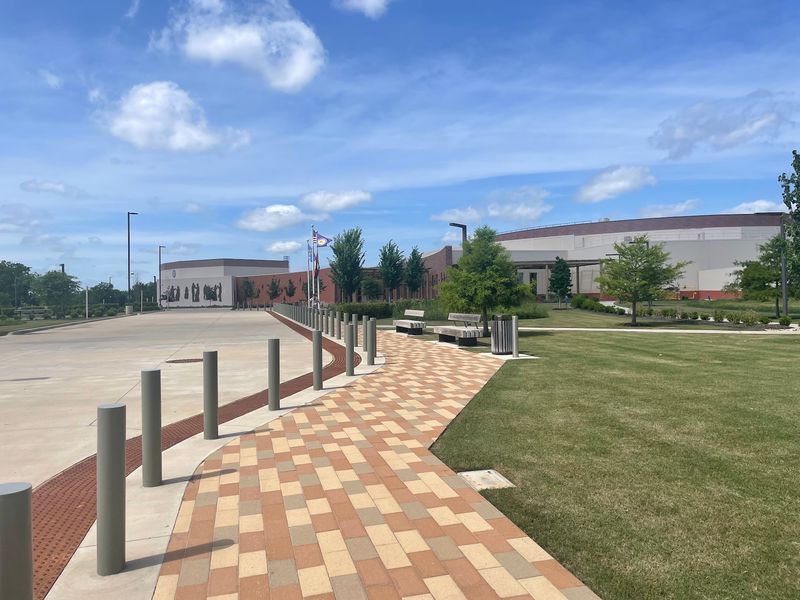
The scale surprises first-time visitors. The complex typically covers more than 100,000 square feet on about 22 acres, with indoor exhibit halls, classrooms, a café, a gift store, and an outdoor village stretched across the grounds.
Guests often mention how clean and modern everything feels, right down to the tidy landscaping outside.
The heart of the place is a journey called Chahta Nowvt Aya, which roughly describes the physical and spiritual path of the Choctaw people. That path covers roughly 14,000 years of history, from ancient homelands in the Southeast to the busy, sovereign nation that thrives in Oklahoma today.
For travelers who grew up hearing bits and pieces of tribal history in school, this is a chance to fill in the gaps properly. You are not reading a textbook summary here.
You are walking through a story shaped by the people who lived it, and that difference shows in every room, every voice recording, and every carefully chosen object along the way.
Roots in the Southeastern Woodlands
Long before Oklahoma had a name, the Choctaw story was already unfolding in the forests of what are now Mississippi and Alabama. The exhibits begin there, in the Southeastern Woodlands, and they take their time.
One name you will hear early is Nanih Waiya, often called the Mother Mound. It holds a sacred place in Choctaw tradition and anchors the origin story that the galleries share with visitors.
Seeing it presented with such care helps explain why land and memory are so deeply tied together for the Choctaw people.
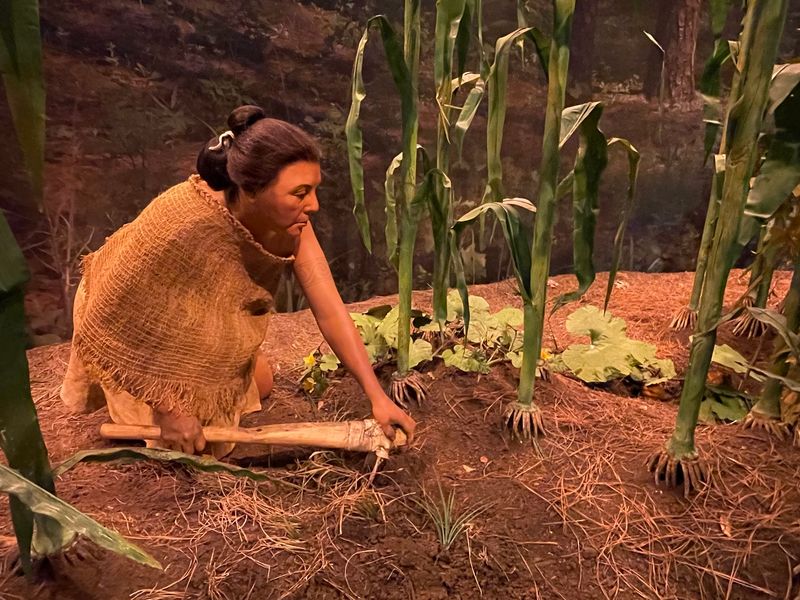
Detailed accounts in this part of the museum stretch back to around the year 1250, painting a picture of towns, farming, trade, and family life. Visitors often describe the dioramas here as so lifelike they forget they are indoors.
Here is a fun bit for history buffs: many Choctaw traditions in farming and food carried forward for centuries, and some of those seeds still grow on the museum grounds today. Keep that in mind, because the story circles back to it later outside.
Give this opening section your full attention. Everything that follows, including the hardest chapters, makes more sense once you understand how rooted this nation was in its first homeland.
Walking the Trail of Tears
Quiet settles over most visitors when they reach this part of the museum. The exhibits invite you to symbolically walk with the Choctaw people on the Trail of Tears, and the experience is designed to be felt, not just read.
The background matters. In 1830, the Treaty of Dancing Rabbit Creek led to the forced removal of the Choctaw from their homelands in Mississippi and Alabama.
They became the first of the so-called Five Civilized Tribes to be relocated to Indian Territory, enduring hunger, harsh weather, and heartbreaking hardship on the way.
Nothing here feels sensational. The storytelling is respectful and steady, letting the facts and the voices carry the weight.
One Choctaw visitor described the feeling of walking in their ancestors’ footsteps from the origin story through removal and on to today.
Parents traveling with older kids may want to talk about this section ahead of time. It is handled thoughtfully and suits school-age visitors, though it gives everyone something meaningful to process.
Plan to linger. This is not a hallway to rush through on the way to the café, and most adults find it is the part of the visit they keep thinking about on the drive home.
Rebuilding a Sovereign Nation
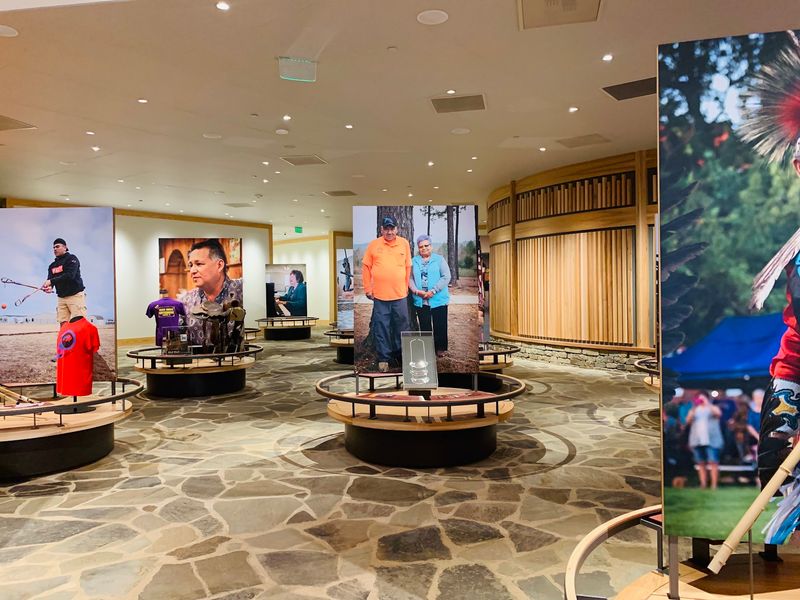
Arrival in Indian Territory was not the end of the story. It was the start of a remarkable comeback, and the museum gives that comeback real room to breathe.
After removal, the Choctaw people worked to reestablish their tribal government, build new communities, and adapt to unfamiliar land. Exhibits trace how schools, churches, farms, and councils took shape, showing a nation determined to keep its identity intact while starting over.
That resilience is the thread tying the whole center together. The title of this article talks about survival and return, and this is where both ideas meet.
The galleries move steadily from hardship toward the vibrant present, ending with a portrait of the Choctaw Nation of Oklahoma as the strong, sovereign community it is now.
Visitors who are not Choctaw often say they learned things they never knew, even after living in Oklahoma their whole lives. One guest raised in Murray County mentioned picking up new facts about the area itself.
Native visitors, meanwhile, frequently describe a sense of pride seeing their history told with such care. That shared response, from very different backgrounds, says a lot about how well this chapter has been put together for everyone who walks through.
Dioramas You Can Almost Hear Breathing
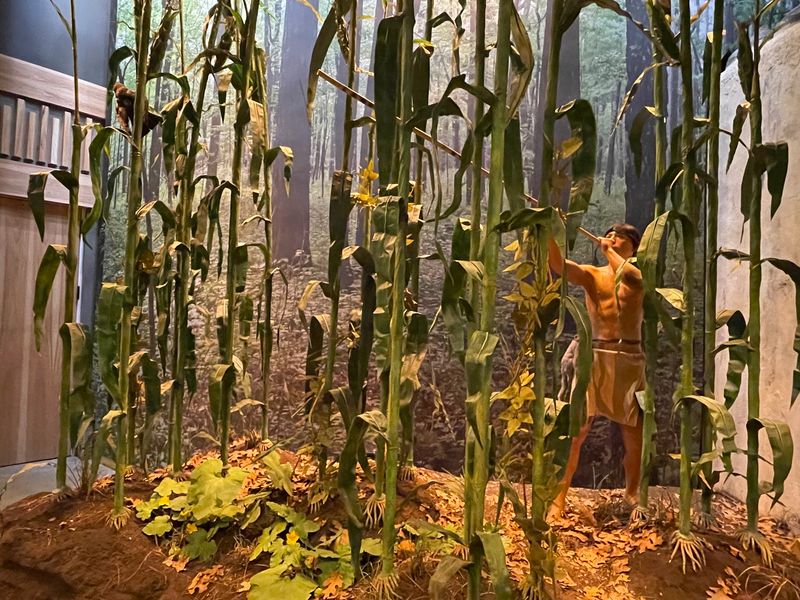
Swat at a mosquito that is not actually there, and you will understand what people mean about these displays. Visitors often say the soundscapes are so convincing you would swear birds and insects were buzzing around the room.
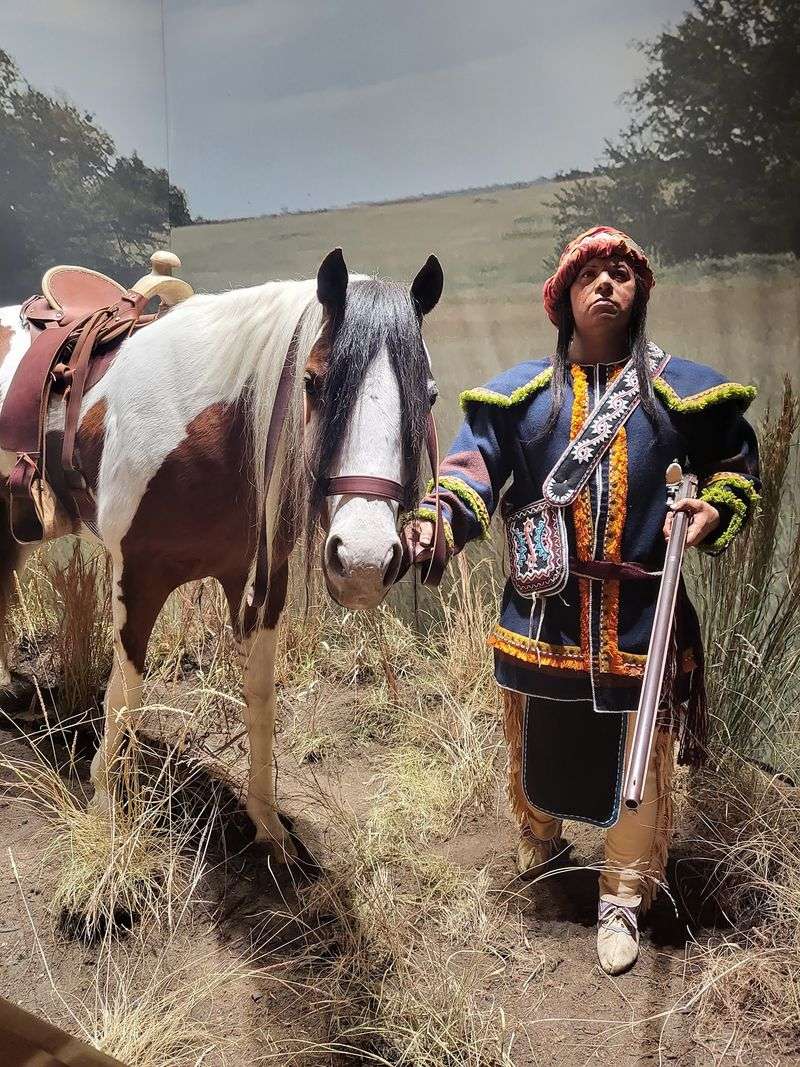
The immersive dioramas are museum-class work. Many of the figures are live casts of real tribal members, which gives the faces a warmth and individuality that mannequins rarely manage.
Little details, from tools to clothing, reward anyone who slows down for a closer look.
There is even a cave structure inside, decorated with striking artwork, and plenty of guests call it a highlight. It feels a bit like stepping off the map for a moment before rejoining the main path.
Here is the honest truth about pacing: this is not a quick stop. Some guests figure on two hours if they read everything, while one Choctaw visitor said it took more than three.
Others admitted they ran out of time and planned a second trip.
So arrive early, wear comfortable shoes, and let the scenes pull you in. The craftsmanship here is the kind that keeps revealing new details, even on a second or third look around the same corner.
Films, Songs and Hands-On Screens
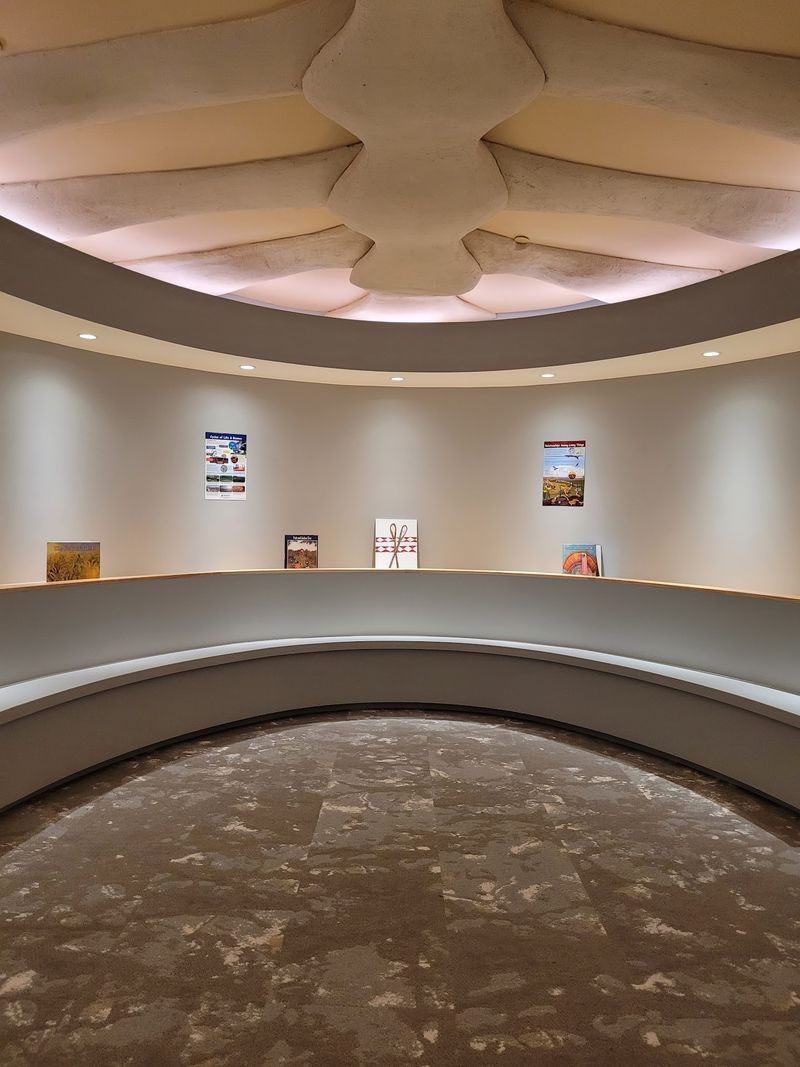
Reading every placard is not the only way to learn here, which is great news for anyone who absorbs stories better by watching and listening.
Short films pop up throughout the exhibit path, each one explaining a different event or era. Guests appreciate the sit-down areas where movies or songs play, giving tired feet a break while the history keeps flowing.
There is also a theater featuring videos about Choctaw arts and the people who keep them alive.
Interactive stations add another layer. Themed rooms with sound and touch-screen choices let you pick which stories to explore, so a curious teen and a history-loving grandparent can each follow their own interests.
Visitors often call these exhibits state of the art and genuinely informative rather than gimmicky.
A quick tip from regulars: if you watch every film, your visit will stretch considerably. That is not a complaint, just planning advice.
Many say the films were among the most moving parts of the day.
The mix of formats also makes the center friendly for different ages and learning styles. Nobody gets stuck reading walls of text, and everyone walks away remembering something, whether it was a song, a face, or a story told aloud.
Beadwork, Baskets and Member-Made Art
Look closely at a Choctaw beaded collar and you start counting the hours that went into it. Then you stop counting, because the number gets too big.
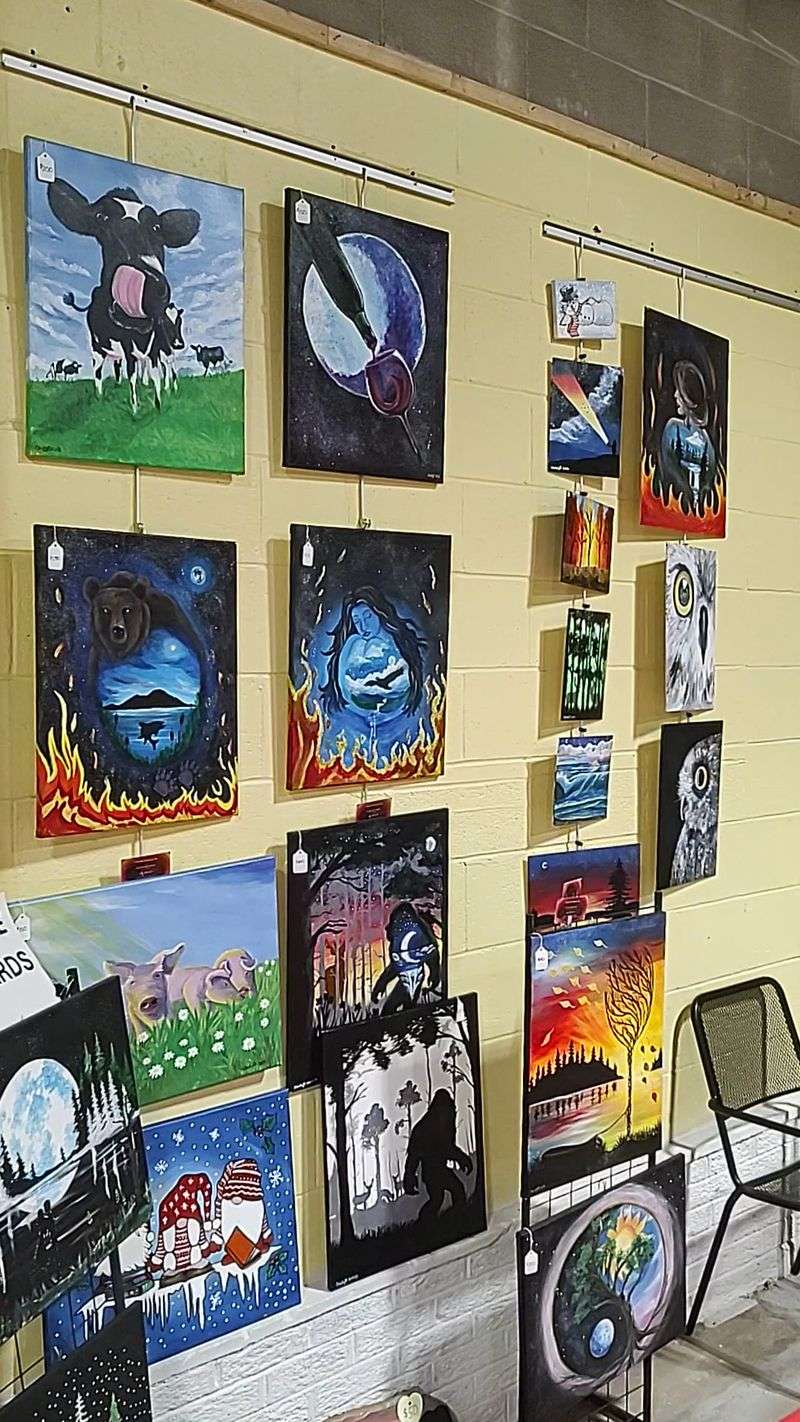
Handmade work fills the permanent exhibit halls. Jewelry, intricately woven baskets, detailed beadwork, and original artwork sit alongside the historical displays, connecting old traditions with makers working today.
Much of the art featured throughout the center is created by tribal members, which gives it an extra sense of belonging.
Craft lovers will find plenty to admire, but even casual visitors tend to pause here. Patterns carry meaning, materials tell you about the land, and the techniques have been passed down through families across generations.
The learning does not stop at looking. The center has classrooms where kids and adults can study cultural arts, and local Elders sometimes come in to teach classes on various topics.
One guest recalled a pottery class running during their first visit, along with a weekly special in the café.
Offerings change from week to week, so it is smart to call ahead if a particular craft or class interests you. Catching a live session can turn a nice museum visit into a genuinely personal memory.
The Living Village Out Back
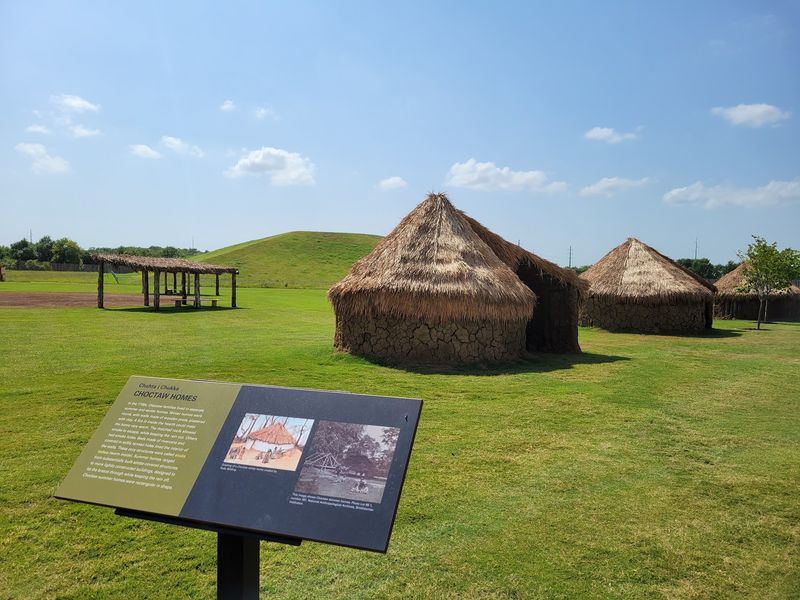
Step outside and the story keeps going, just under open sky. A sprawling Living Village sits behind the main building, and it adds a whole new dimension to the visit.
Highlights include a replica of a traditional Choctaw mound, traditional houses, and fields of heirloom crops. Visitors say the garden illustrates traditional growing methods, using seeds carried here along the Trail of Tears.
Standing among those plants, the earlier exhibits suddenly feel very close.
Then there are the bison. Guests often spot them hanging out along the fence line, curious about the people watching them, and you might even catch them taking a swim in the pond.
Please admire from a respectful distance, since they are large wild animals.
The mound area sometimes hosts dancing, though schedules depend on staffing. One family mentioned a dance demonstration that did not happen on their visit, so calling ahead is wise.
Weather matters here. Rainy days may keep you from exploring the village, and Oklahoma summers can be hot and windy, so bring water, sunscreen, and hats from roughly May through September.
Spring and fall tend to offer the most comfortable strolling for adults and kids alike.
Ishtaboli on the Stickball Field
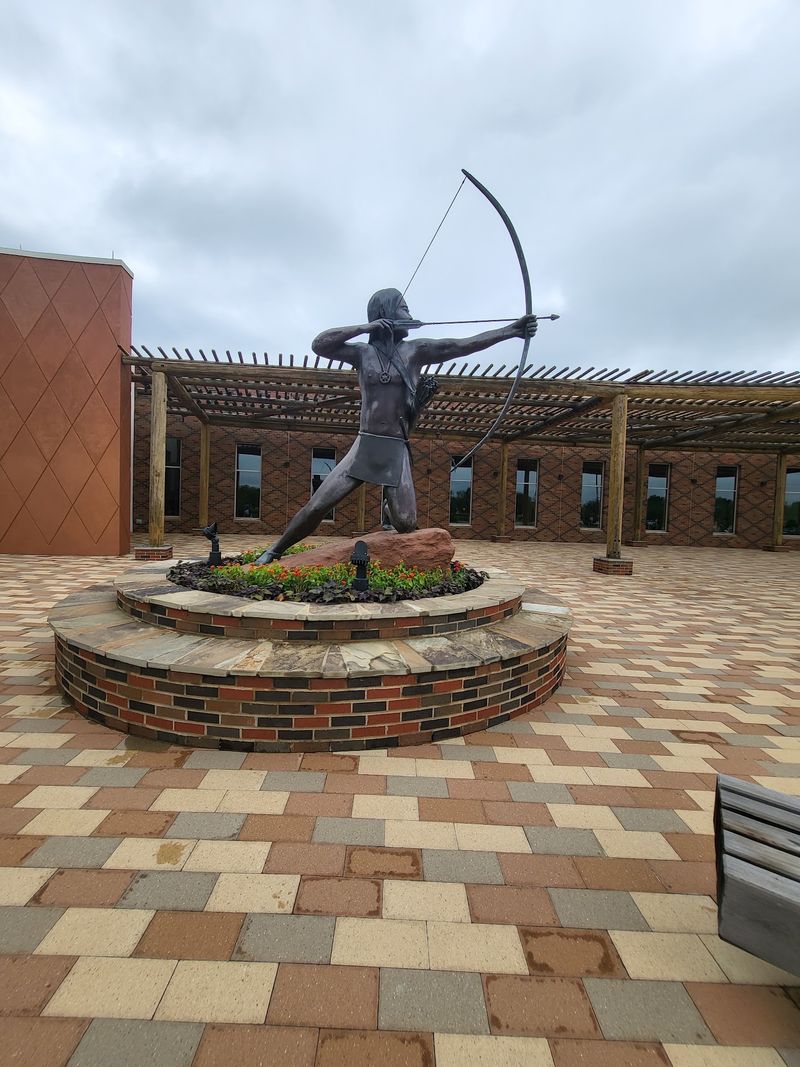
Picture a sport so intense it was nicknamed the little brother of war. That is stickball, known in Choctaw as Ishtaboli, and the center has a full field dedicated to it.
Played with handmade wooden sticks and a small ball, the game has deep roots in Choctaw life and is still played competitively today. Demonstrations at the cultural center explain the rules, the equipment, and the traditions surrounding the game, often with plenty of humor mixed in.
The best part might be getting your own turn. One family visiting on a quiet day found themselves the only guests at the demonstration, and staff let them practice with the sticks.
Their kids loved it, and frankly the grown-ups sounded pretty thrilled too.
Timing is everything, though. Demonstration schedules can vary, so regulars recommend calling ahead to find out when the stickball exhibition is running before you set out.
Bonus trivia for summer travelers: the stickball field is said to be a fun spot to watch Fourth of July fireworks launched from the nearby casino. It is the kind of local tip you rarely find on a brochure, and it turns an ordinary patch of grass into a holiday hangout.
Luksi Activity Center for Little Explorers
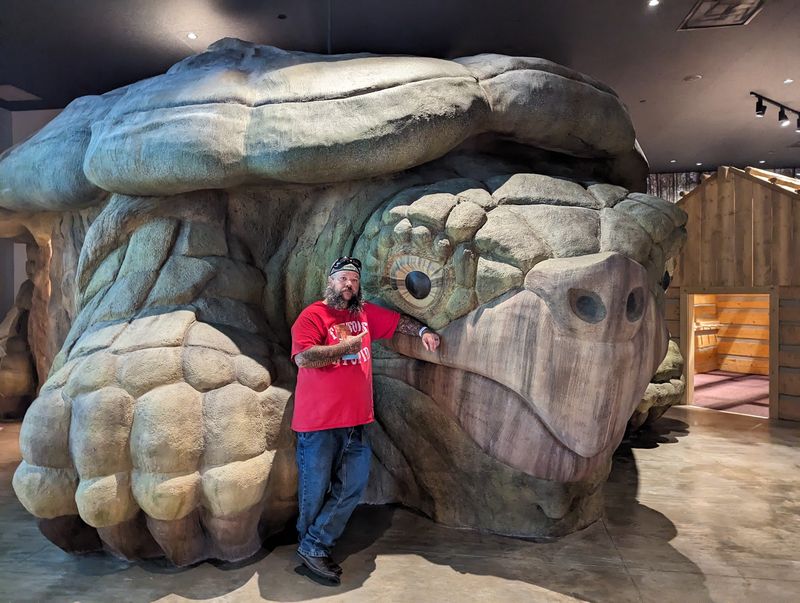
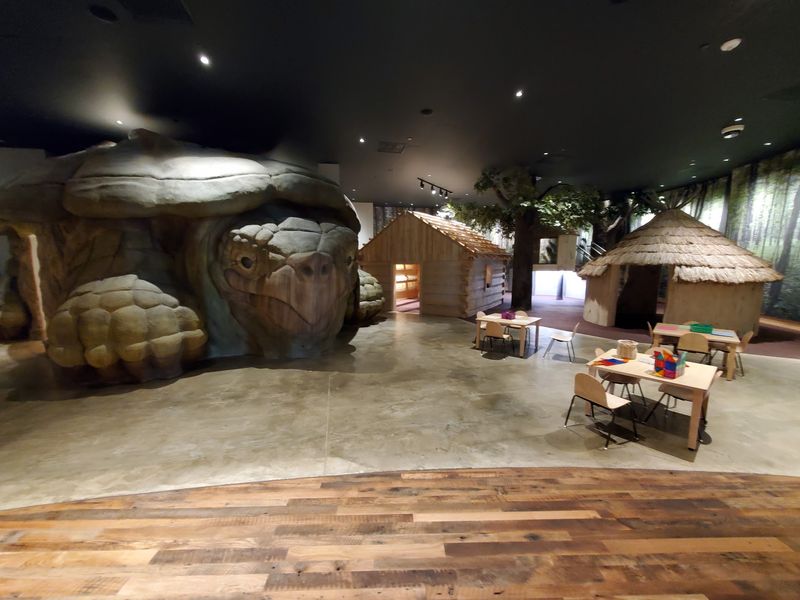
Luksi means turtle in Choctaw, and a giant one greets young visitors inside this cheerful activity space. It is a smart addition for families, especially when attention spans start running low.
Kids can crawl through traditional Choctaw houses, wander a mini forest, zoom down a slide, and play an interactive projected game designed around educational fun. There is also a cozy reading area and a coloring station for quieter moments.
For parents, the real benefit is breathing room. While the little ones burn off energy, adults can take a short break, compare notes on the exhibits, and maybe plan which section to revisit.
Several guests called it one of the nicest kid areas they had seen in a museum.
A playground area near the entrance gives children another outlet, which helps on longer visits. Since a full walkthrough can stretch past two hours, having these stops built in keeps the day pleasant for everyone.
One detail worth appreciating: the play space still teaches. Turtles, homes, forests, and games all connect back to stories told in the main galleries.
Kids may not realize they are learning, but they often leave repeating Choctaw words or asking questions on the drive home.
Frybread Tacos at Champuli Café
Hungry travelers, this is your reward. Champuli Café is one of the most talked-about parts of the center, and the Indian taco gets mentioned again and again.
The menu blends traditional Choctaw dishes with familiar favorites. Expect frybread tacos and grape dumplings alongside contemporary options, plus comforting bowls like hominy and pork soup.
One guest raved about the fries, while another recommended the lavender lemonade, calling it just as delightful as it sounds.
Weekly specials keep things interesting. A past example was honey pepper chicken with mac and cheese, so it pays to check what is new when you walk in.
Budget-minded families will appreciate this one: visitors describe tasty food without the inflated prices often found at attraction cafés. Exact costs may vary, but most guests treat lunch here as a reasonable splurge rather than a wallet buster.
Staff keep the dining area spotless, with one visitor noting tables were constantly being cleaned. The café also offers wifi, handy for road-trippers checking the next stop on the map.
For many first-timers, this is their introduction to Native American cuisine, and it tends to leave a lasting, delicious impression.
Souvenirs With Meaning at Hvshi Gift Store
Skip the generic keychains. Hvshi Gift Store stocks items with real roots, including many pieces handmade by Choctaw artists.
Shelves hold jewelry, local art, books, hats, stickers, and t-shirts whose designs draw from the Choctaw language and cultural values. Buying here means bringing home something that connects directly to what you just learned, and often supports the makers behind it.
Visitors frequently praise the people working the counter as much as the merchandise. Staff are described as warm, patient, and happy to help shoppers find the right hat or gift.
A couple of employees earned so much praise that one guest jokingly suggested they deserved a raise.
A fair heads-up from one shopper: the adult t-shirt selection felt limited in colors and designs compared to the larger, livelier kids section. If apparel is your goal, browse the jewelry and art too, since those tend to be the standout finds.
Quick language lesson before you check out. Halito means hello, and Yakoke means thank you.
Using them at the register is a small, friendly way to show respect, and staff usually light up when visitors give it a try.
Hours, Directions and Money-Saving Notes
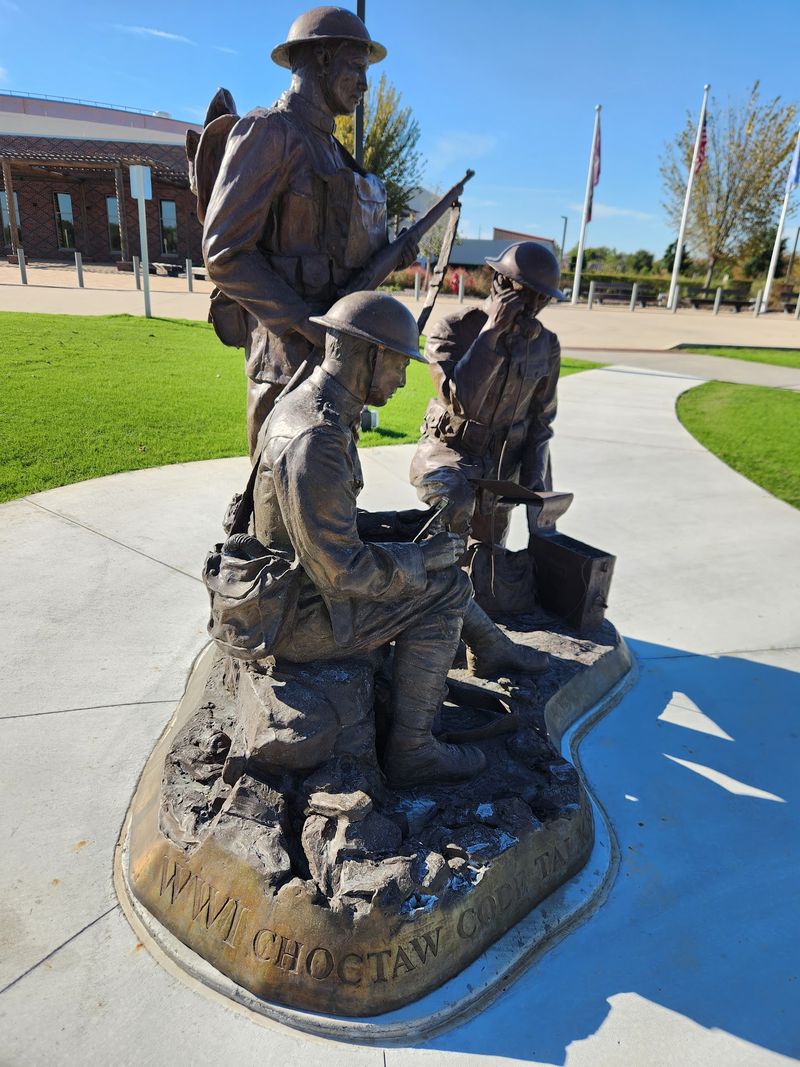
Ready to map it out? The center sits at 1919 Hina Hanta Way in Calera, just off Highway 75 near Durant in southeastern Oklahoma.
From Oklahoma City, plan on roughly two and a half hours of driving, and from Tulsa, a bit longer.
Hours typically run Tuesday through Saturday from 10:30 a.m. to 4:30 p.m., with Sundays and Mondays closed. Schedules may shift, so calling 833-708-9582 before a long drive is a good habit, especially if you hope to catch a demonstration.
Admission fees generally apply, but there are real savings available. Choctaw Nation of Oklahoma tribal members typically get in free, and reduced rates are often offered for children, veterans and military, seniors, and college students.
Check current pricing before you go.
Bringing the family dog? Pets are not allowed inside, though one couple found a nice outdoor space and took turns touring.
Another visitor brought service animals in a stroller without trouble.
Arrive right at opening if you want to see everything without rushing. Weekdays can be very quiet, which may mean more personal attention from staff and roomier galleries for slow, thoughtful browsing.
Worth Every Mile of the Drive
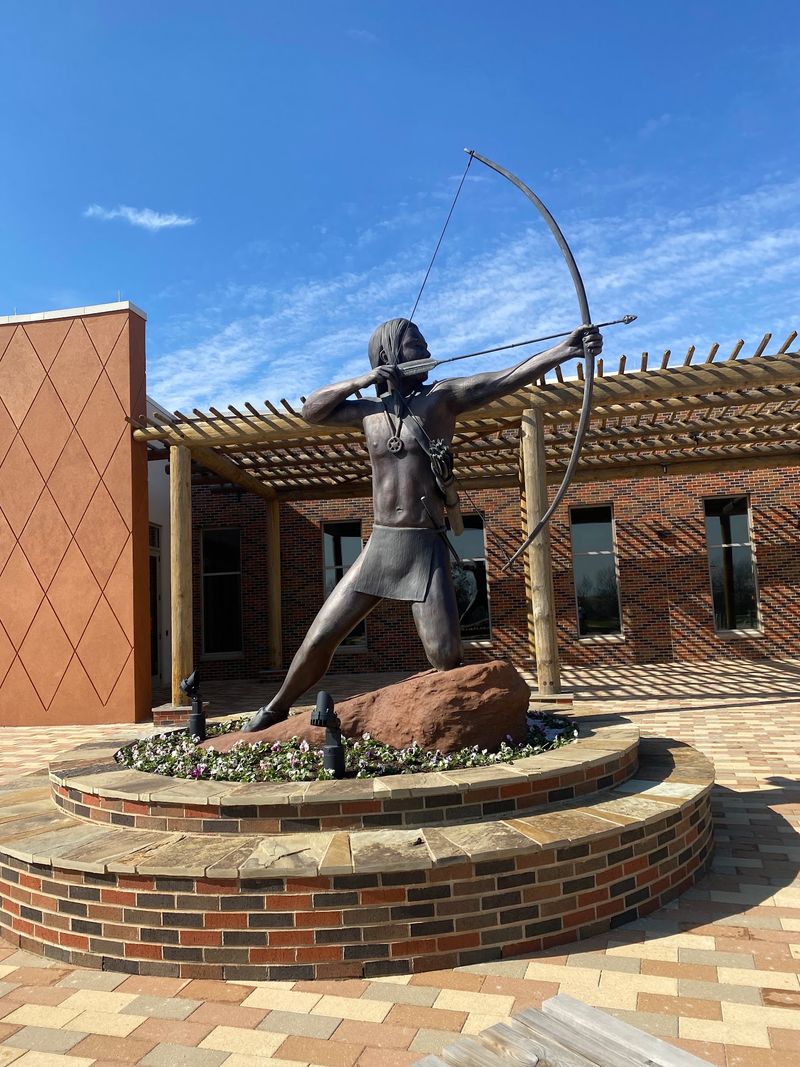
Plenty of museums are pleasant. Few leave visitors already scheduling a return trip, and that is exactly what keeps happening here.
The Choctaw Cultural Center works on several levels at once. History lovers get deep, carefully told storytelling.
Food fans get frybread tacos and homey soups. Families get a play area, a stickball field, and bison by the pond.
And everyone gets a rare chance to hear a nation describe its own journey of hardship, endurance, and return.
The staff deserve a special mention. Friendly, knowledgeable people are stationed throughout the exhibits, ready to answer questions or share recommendations for exploring the surrounding area.
Many guests say those conversations became a favorite memory.
Who will love it most? Curious adults, grandparents sharing stories with grandkids, road-trippers wanting something meaningful between stops, and Oklahomans eager to understand their own backyard a little better.
Weekend travelers staying at the nearby casino often fold it into their plans too.
Give yourself a full afternoon, bring an appetite, and leave room in the trunk for a handmade souvenir. You will likely drive away with more questions than you arrived with, and that is a very good sign.
