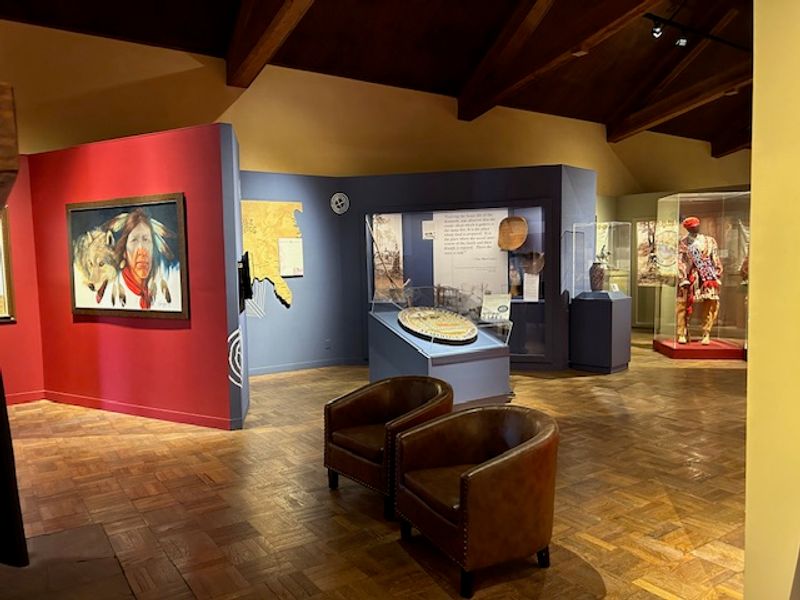
I pulled over expecting a quick stretch of the legs and maybe a postcard. Instead, a modest stone building in a quiet Oklahoma town held me for nearly two hours with stories I had never heard in school.
The art was bright, the history was honest, and nobody even asked me for a ticket. Some of the best road trip stops in Oklahoma look like nothing special from the curb, and this is one of them.
A Stone Building With a Big Job
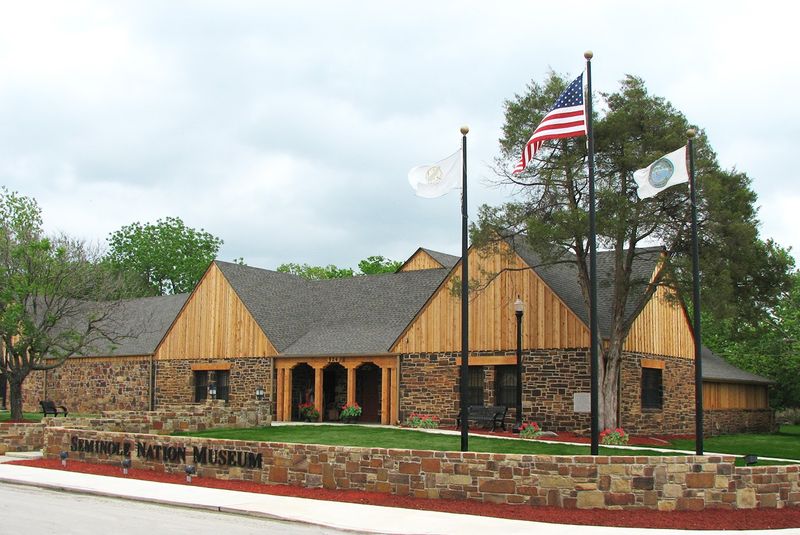
Picture a small-town main drag in central Oklahoma, then add a building made of natural stone topped with a cedar-gabled roofline. That design traces back to an idea from the 1930s Works Progress Administration, and it still gives the place a sturdy, handmade look.
Inside sits the Seminole Nation Museum, a spot dedicated to preserving the history of the Seminole Nation, its capital city, and the surrounding area. The mission is clear and steady.
The museum documents and interprets the culture of the Seminole Nation of Oklahoma, along with the people and events that shaped the community since its creation after the Civil War.
Space adds up faster than you might guess. Nearly 4,000 square feet of display area share the building with a research library, an expanded arts and crafts center, and an art gallery.
Visitors often describe it as a small building with a surprising amount packed inside, and that matches the experience well.
For Oklahomans who love a good drive, it sits about an hour from Oklahoma City, according to folks who have made the trip. That puts it firmly in easy-yes territory for a Saturday outing, a grandparents day, or a detour on the way somewhere else entirely.
Who Keeps the Doors Open
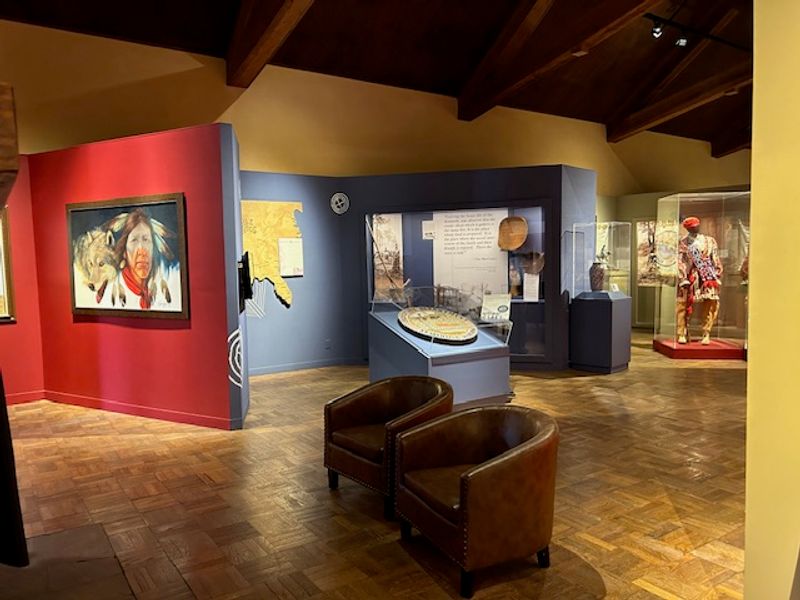
Here is a detail that surprises a lot of first-timers. The museum receives no state, federal, or tribal operational funding.
It runs on private contributions and memberships through the Seminole Nation Historical Society, Inc., a 501(c)(3) nonprofit that owns and manages the whole operation.
One longtime visitor pointed out that it is an independent organization, not part of the tribal government of the Seminole Nation of Oklahoma. That independence shapes the feel of the place.
Exhibits are built through community effort, careful curation, and a lot of local pride rather than big agency budgets.
So what does that mean for you? Mostly, it means admission is free, and a donation box near the entrance quietly does the heavy lifting.
Plenty of guests mention dropping in a few dollars on the way out, and it is an easy way to say thanks.
Memberships are another option for people who want to support the work over the long haul. Families with ties to the area sometimes treat it as a way of protecting their own story.
Either way, every bill tucked into that box helps keep the lights on, the displays fresh, and the history available to the next carload of curious travelers.
From the Everglades to Indian Territory
Florida swamps and Oklahoma prairie could hardly look more different, yet both belong to the same story here. The 2,400-square-foot Seminole Nation Exhibit is the heart of the museum, and it walks you from early days in the Florida Everglades all the way to the Seminole people building a nation in Indian Territory.
Themes unfold in chapters. You move through Prehistory and Removal, The Seminole Wars, Into the West, and Statehood and Beyond, with a section on the journey some Seminoles made to Mexico.
Maps, documents, and photographs help the timeline click, even for younger readers.
A piece titled An Everlasting Fire focuses on resilience and determination. It frames the Seminole story as one of people who kept going, held onto their identity, and rebuilt.
That message lands especially well with kids, who tend to latch onto the idea of a fire that never goes out.
Fair warning, though. Some of the history of forced removal is hard to read, and one traveler admitted leaving a little heavy-hearted.
That reaction is honest and understandable. Give yourself time with these panels, because the payoff is a much deeper respect for a nation that still calls this place home.
Clan, Leadership, and Daily Life
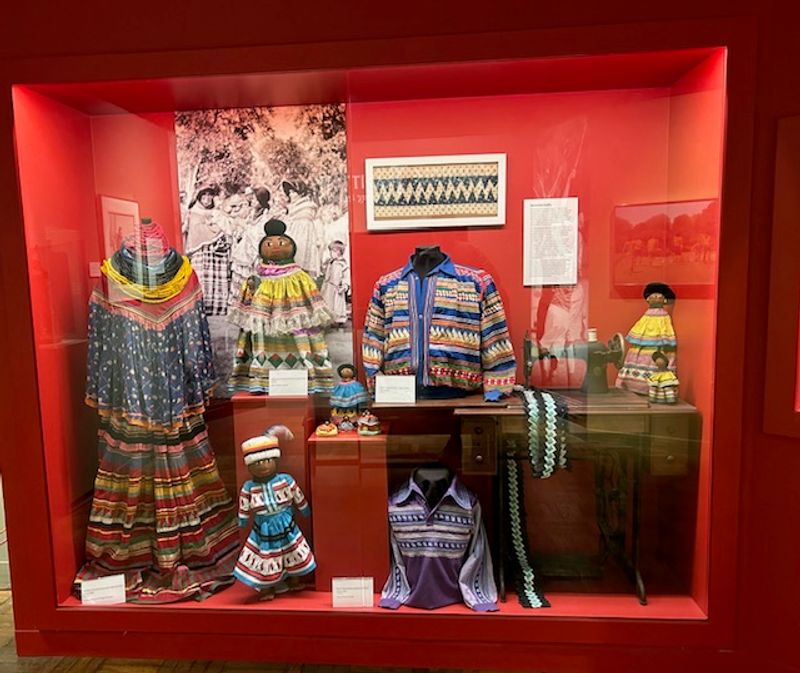
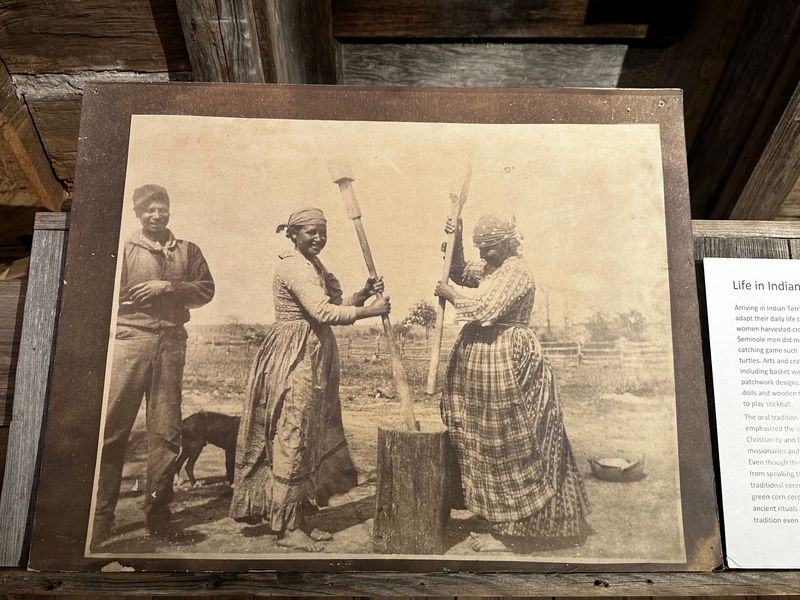
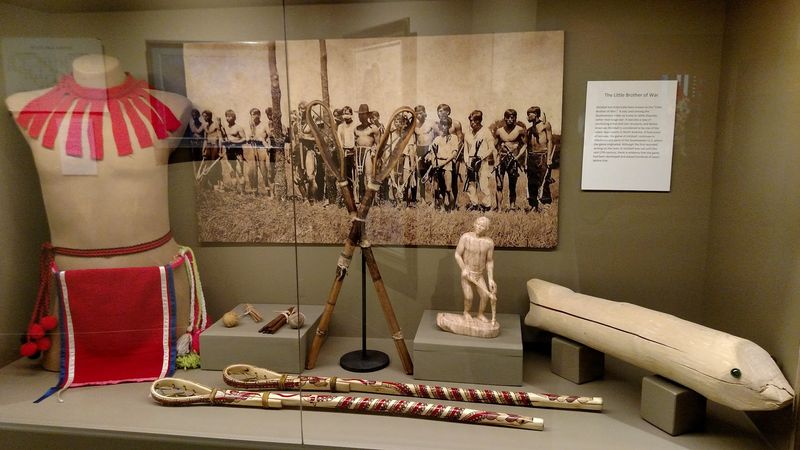
History books love big dates, but everyday life is where a culture really shows itself. Select artifacts, historical photographs, documents, and maps at the museum illustrate how Seminole families lived, how clans were structured, and how leadership worked.
Clan systems can feel abstract until you see them laid out clearly. Displays here help connect family ties, community roles, and decision-making in a way that makes sense quickly.
Visitors frequently call the museum informative and educational, and these panels are a big reason why.
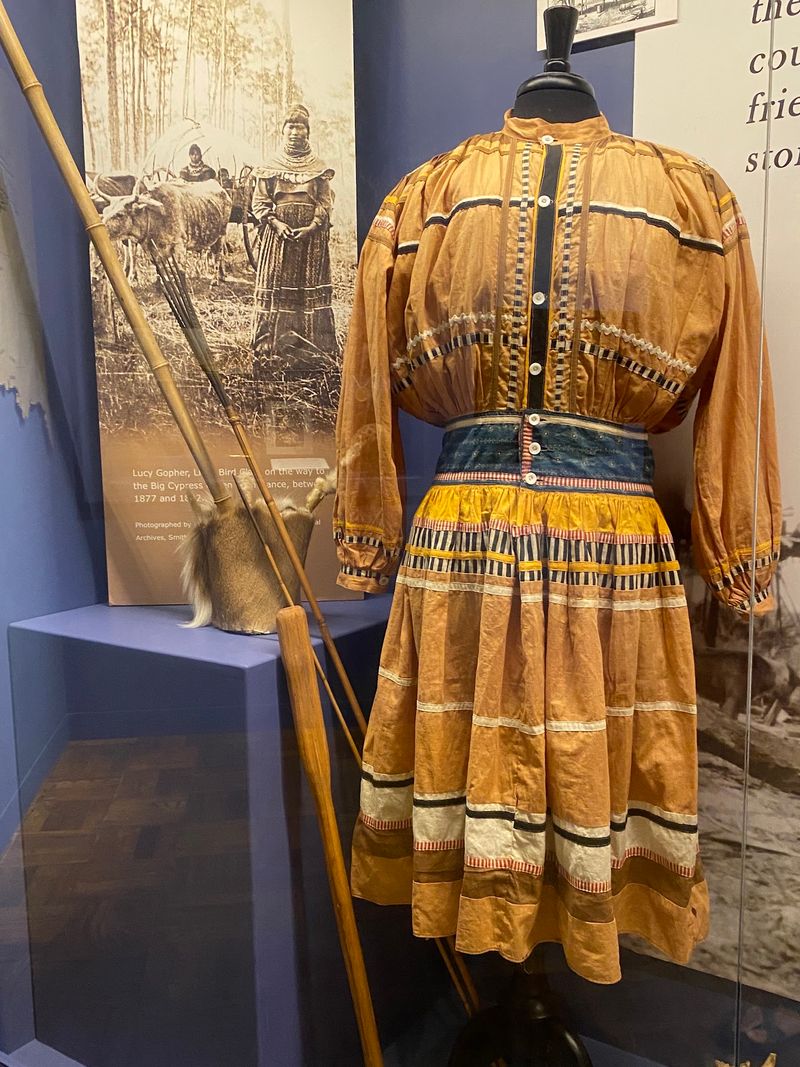
Traditional clothing deserves a long look. Seminole women’s patchwork textiles are known for bold color and precise piecing, with bands of tiny shapes stitched into striking patterns.
Up close, you start to appreciate the patience behind every row.
Several guests also mention video additions that bring certain stories to life, which is handy if your crew includes kids who would rather watch than read. One returning visitor, who had not stopped in for nine years, was pleased to find new exhibits and videos since the last trip.
Bring questions. Staff members who know the history often help fill in gaps, and one guest even mentioned sitting down with the chief during a visit, a memorable bonus.
Main Street Wewoka, Rebuilt Indoors
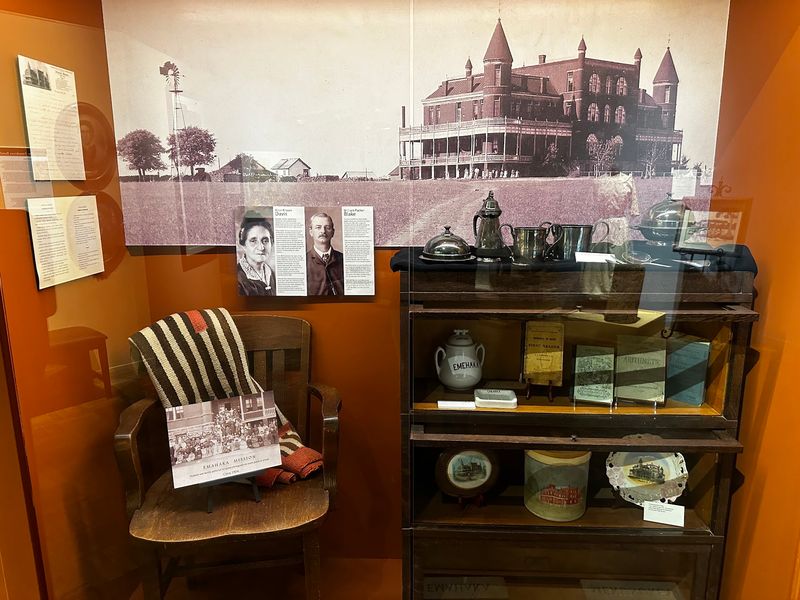
Walking into the Wewoka Community Exhibit feels a bit like stepping onto a tiny street from another era. The display is designed to evoke a small main street, complete with a home, a school, a lawyer’s office, and other local businesses.
Wewoka ranks among Oklahoma’s oldest and most historically significant communities, and this section tells that story through the people who lived it. You get a sense of how families worked, learned, and gathered over the decades.
The Oil Boom of the 1920s and 1930s gets special attention. Those years brought rapid change, new money, and a flood of newcomers to the area, and the exhibit captures that whirlwind energy.
School history stands out too. One visitor praised an in-depth exhibit on one of the older schools established for Native children, calling the museum small but big on information.
Families on reunion trips have found this part especially meaningful, with one guest noting they heard old family stories while exploring. Grandparents tend to point things out, and kids get to imagine what shopping and schooling looked like long before phones.
It is local history with a hometown heartbeat, and the kind of exhibit that sparks dinner-table conversation afterward.
Honoring Those Who Served
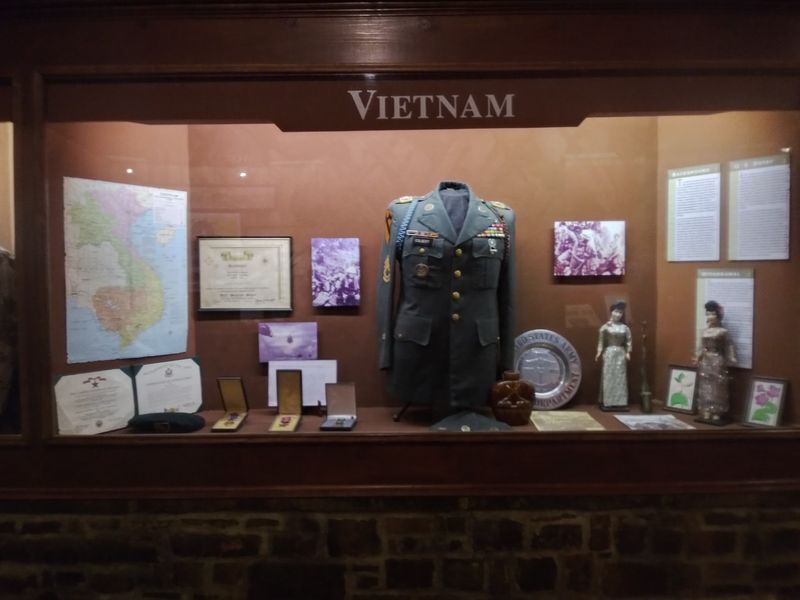
Service runs deep in Oklahoma, and the Major General Franklin A. Nichols Military Exhibit makes sure local men and women get the recognition they earned.
It honors people from the area who served in the armed forces across many years.
Among the highlights are the Seminole Code Talkers from World War II. Their language skills helped protect communications, a contribution that many visitors have never heard about before walking in.
Seeing it presented in their home community gives the story extra weight.
Fans of Oklahoma history will also want to look for material on the 45th Division Thunderbirds. One visitor called that display excellent, and it pairs naturally with the broader story of local service.
Veterans in your group may find this section especially moving. It is a good place to slow down, read names, and talk with younger family members about what service looked like for people from small Oklahoma towns.
The exhibit keeps its focus on people rather than battles. Photographs, uniforms, and personal stories put faces to history, and that human angle fits right in with the rest of the museum.
Plan a few quiet minutes here, because many guests find themselves lingering longer than expected.
Color on the Walls: The Margaret Jane Norman Gallery
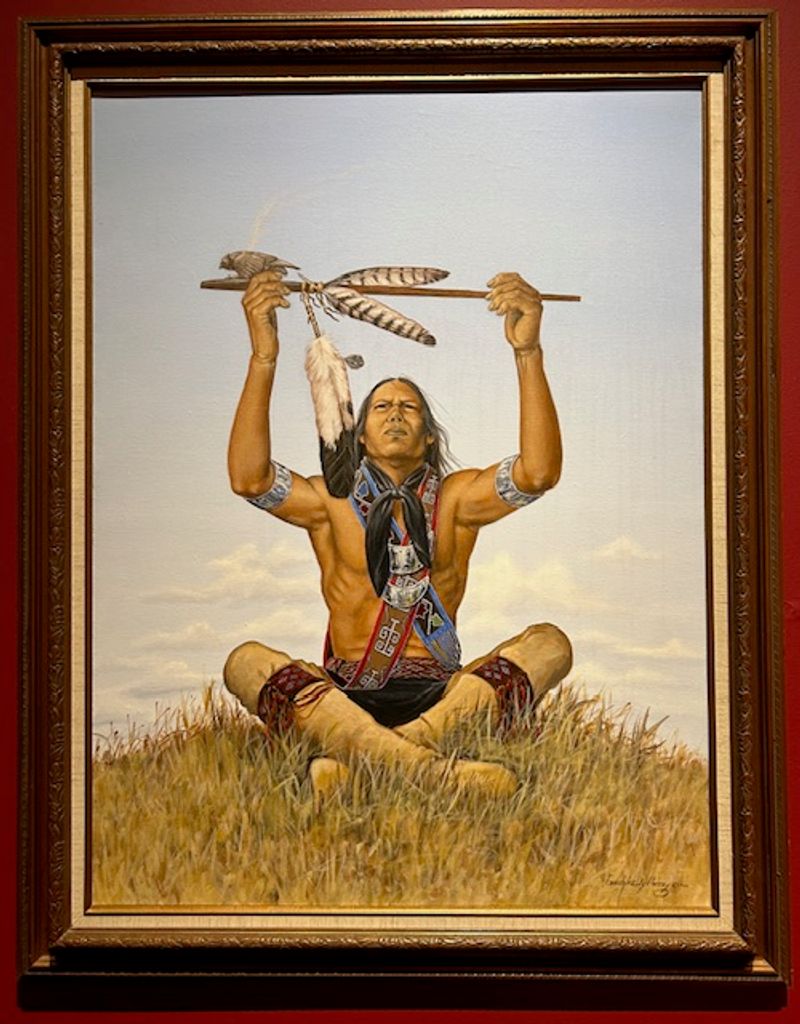
Bright, meticulous, and stunning are the kinds of words visitors reach for after stepping into this gallery. Named for the museum’s original curator and co-founder, the Margaret Jane Norman Gallery showcases paintings, sculptures, bronzes, and sketches.
One guest described it as a well-maintained, expertly designed small gallery filled with colorful Native American art. Another said the museum in the middle of America felt just as beautiful as anything found in a big city.
Pretty high praise for a stop with no admission fee.
Exhibits rotate, too. A regular mentioned that displays change a few times a year, which gives locals a solid reason to return.
The gallery also hosts traveling exhibitions and educational events, so the walls rarely stay the same for long.
Art lovers will appreciate how the pieces connect back to the history rooms. Themes of identity, family, and land often echo what you just read in the timeline.
Little ones usually enjoy this space because the colors grab attention quickly. Try a simple game, like asking each kid to pick a favorite piece and explain why.
It turns a quick art stroll into a fun conversation.
The Trepp Gift and a Research Surprise
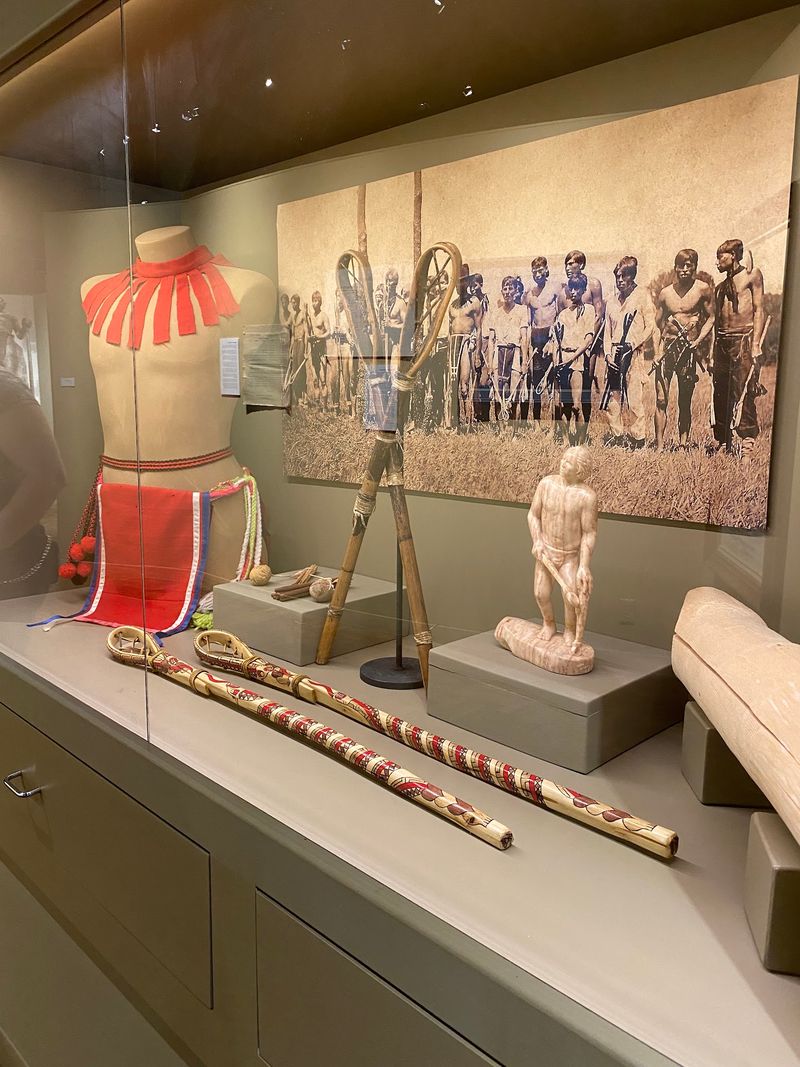
Six hundred pieces is a lot to fit into one donation. The Robert W.
Trepp Collection, the largest gift in the museum’s 50-year history, holds more than 600 artworks and historical artifacts from a range of Native American tribes.
That breadth matters. One visitor noted the museum does not cover only Seminole history, and the Trepp gift helps widen the lens to other nations as well.
Another guest said there is history here you simply will not find in other museums.
Then there is the research library, a quieter corner with big potential. One new Oklahoma homeowner asked staff about the original owners of their land.
The museum looked into it and identified who the property was first allotted to, a discovery that guest clearly treasured.
Genealogy fans and history buffs should take note. If you have family roots in the Seminole Nation or the Wewoka area, the library may help you trace connections.
Calling ahead at (405) 257-5580 is a smart move so staff can prepare.
Not every museum offers this kind of personal help. Here, research can turn a casual visit into a moment where history suddenly feels like your own backyard story.
Gift Shop Finds Worth Packing Home
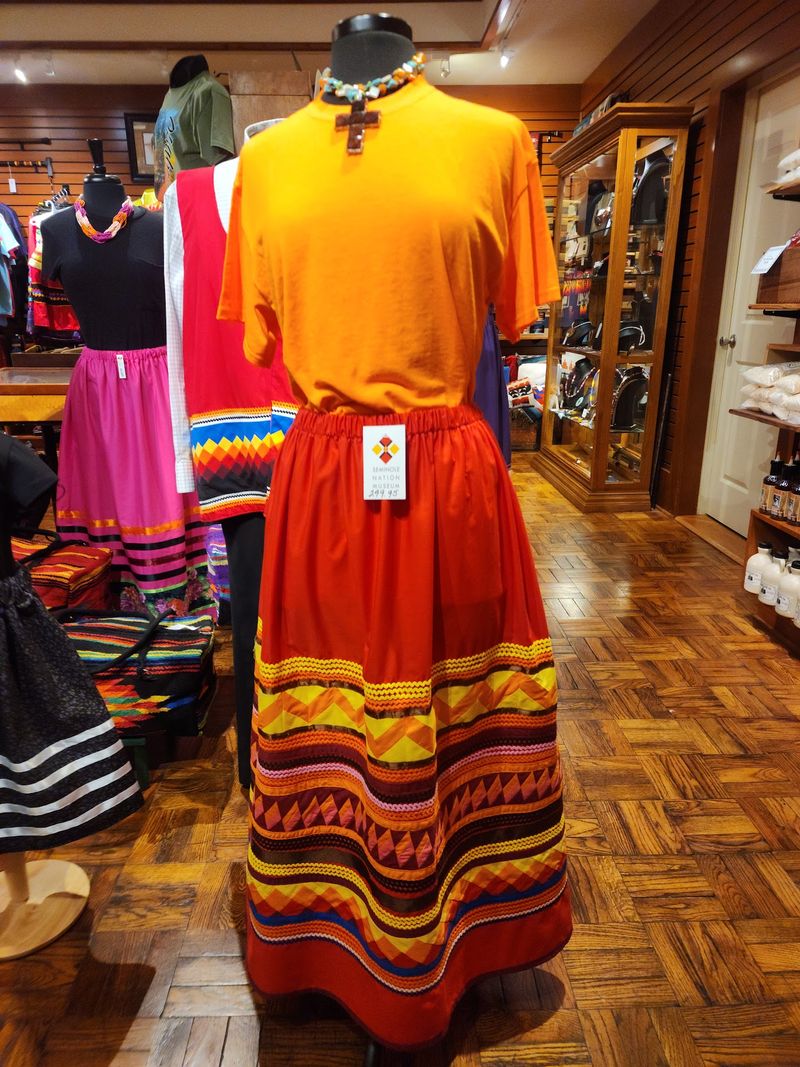
Of all the things people mention after a visit, the gift shop comes up again and again. Guests describe it as authentic, full of handmade items, and a great place to support Seminole artists directly.
Ribbon skirts are a favorite. One traveler called them and the ribbon baby outfits a must-buy, made by a local artist who sews the clothing herself.
These pieces carry tradition in every stitch, so they make meaningful gifts for family members.
Sorghum has its own fan club too. A visitor once stopped in specifically to buy some for a sister, then found herself wowed by the whole building on the way through.
Sweet souvenirs like that tend to disappear quickly once they get home.
Prices are not posted online, so bring a little flexibility in your budget. Small crafts can fit almost any wallet, while handmade clothing understandably costs more for the time involved.
Shopping here also keeps money circulating in the community. Since the museum relies on private support rather than government funding, a purchase helps in more ways than one.
Leave a few minutes at the end of your visit to browse, because rushing past these shelves is a common regret.
Festival Days and the Cheese Apple Tradition
Autumn turns this quiet town into a crowd magnet. The museum co-sponsors Wewoka’s award-winning Sorghum Festival, a fall event that can draw up to 30,000 visitors for historical demonstrations, re-enactments, and arts programming.
For families, that means plenty to watch and learn in one day. Pair the festival with a museum stop and you get both the big outdoor energy and the indoor history in a single trip.
Fall weather in Oklahoma often cooperates, though wind can pick up, so a light jacket is handy.
Winter brings a cozier tradition. The annual Holiday Bazaar has been a local staple since 1974, featuring handmade crafts, baked goods, a silent auction, and the famous cheese apples.
Curious? Plenty of people are, which is part of the fun.
Hungry shoppers can usually grab a homemade lunch for about $12. That is a hometown deal that fits right in with the unpretentious spirit of the place.
Event dates and details can shift from year to year, so check the museum website before planning around either one. Showing up on a festival weekend, though, gives you a lively look at how the community celebrates its heritage together.
Hours, Parking, and Planning Your Trip
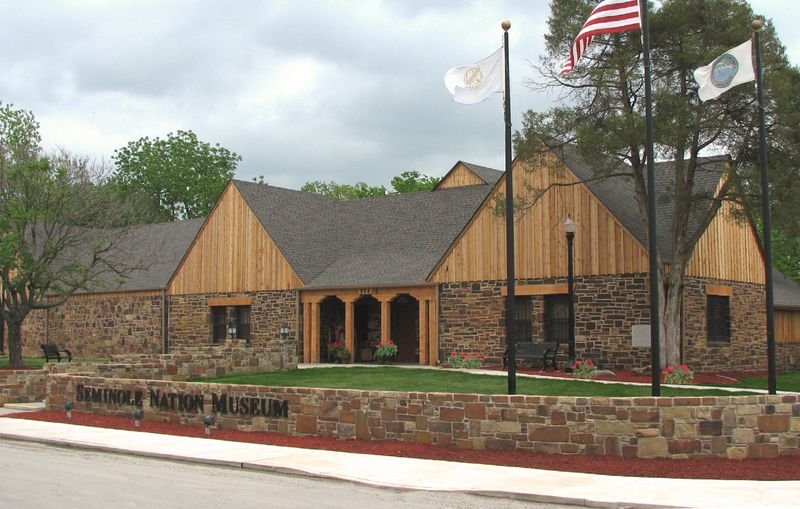
Good news first: admission is free, with donations gladly accepted. You will find the museum at 524 S Wewoka Ave in Wewoka, the capital of the Seminole Nation of Oklahoma.
Doors open Monday through Saturday from 10 a.m. to 5 p.m. It stays closed on Sundays and all federal holidays, so double-check the calendar around long weekends.
Group tours are welcome by appointment, which works well for schools, churches, and reunion crowds.
Timing your visit depends on your style. The museum suggests allowing one to two hours, while one quick-moving guest said 30 minutes was plenty.
Another claimed you could spend all day. Most families land somewhere in the middle.
Parking is simple but informal. There is no dedicated lot, so visitors typically park along the street out front.
Arrive a bit early on busy event days.
All areas and facilities are wheelchair accessible, a real plus for grandparents and anyone using mobility aids. One visitor did note that part of the museum was closed during their trip, so calling (405) 257-5580 ahead of time can help avoid surprises.
Hours and exhibits may change, and a quick phone check rarely hurts.
A Small-Town Stop That Earns the Drive
Mvto, a word of thanks, is how one visitor opened their memories of this place, after traveling all the way from Washington state to share it with their eldest son. That sense of gratitude sums up why so many people keep coming back.
Experiences can vary, of course. Most guests describe friendly, knowledgeable staff and a warm welcome, though at least one visitor felt less at ease during a stop.
Another felt certain local stories deserved more attention. Honest perspectives like these are part of any living community conversation.
Still, the overall picture is hard to argue with. You get free admission, thoughtful history, bright art, a military tribute, a recreated main street, and a gift shop full of handmade treasures, all in a building with real character.
Who will enjoy it most? Road-tripping families, history-minded retirees, genealogy researchers, art fans, and anyone curious about Oklahoma’s tribal nations as living cultures rather than chapters in a textbook.
Roughly an hour from Oklahoma City, it makes an easy half-day adventure. Toss a few dollars in the donation box, pick up some sorghum, and head home knowing a little more about the people who shaped this corner of the state.
