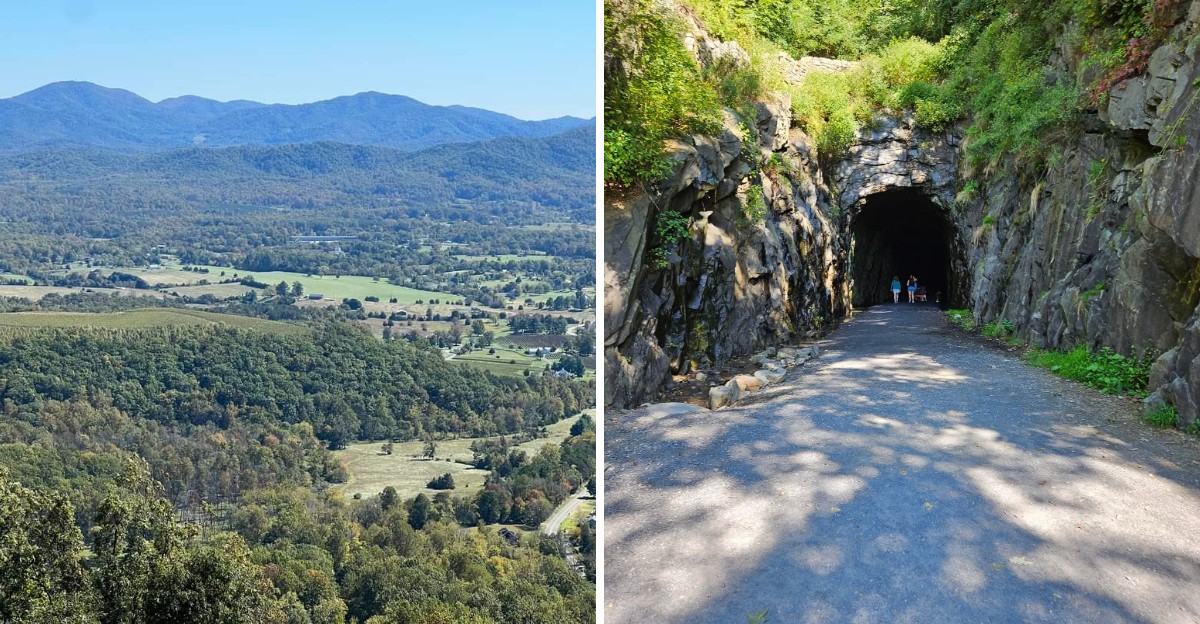
Workers dug more than 4,200 feet through solid mountain rock without modern tunneling machinery. That’s an astonishing engineering achievement, especially considering the difficult conditions and equipment available during the 1850s.
The Virginia tunnel was constructed primarily by Irish immigrant laborers, with enslaved African Americans also contributing to the work. Crews worked from opposite sides of the mountain, eventually meeting with remarkable accuracy.
The railroad passage opened in 1858 and remained in use for decades.
Today, a recreational trail allows visitors to experience the historic passage on foot. The interior stays dark and cool, so carrying a flashlight and wearing appropriate footwear are important.
I find the combination of engineering history and outdoor exploration fascinating. Knowing how much human effort went into carving the passage gives this unusual mountain walk a much deeper significance.
A Frenchman Dreamed It, And Irish Hands Made It Real
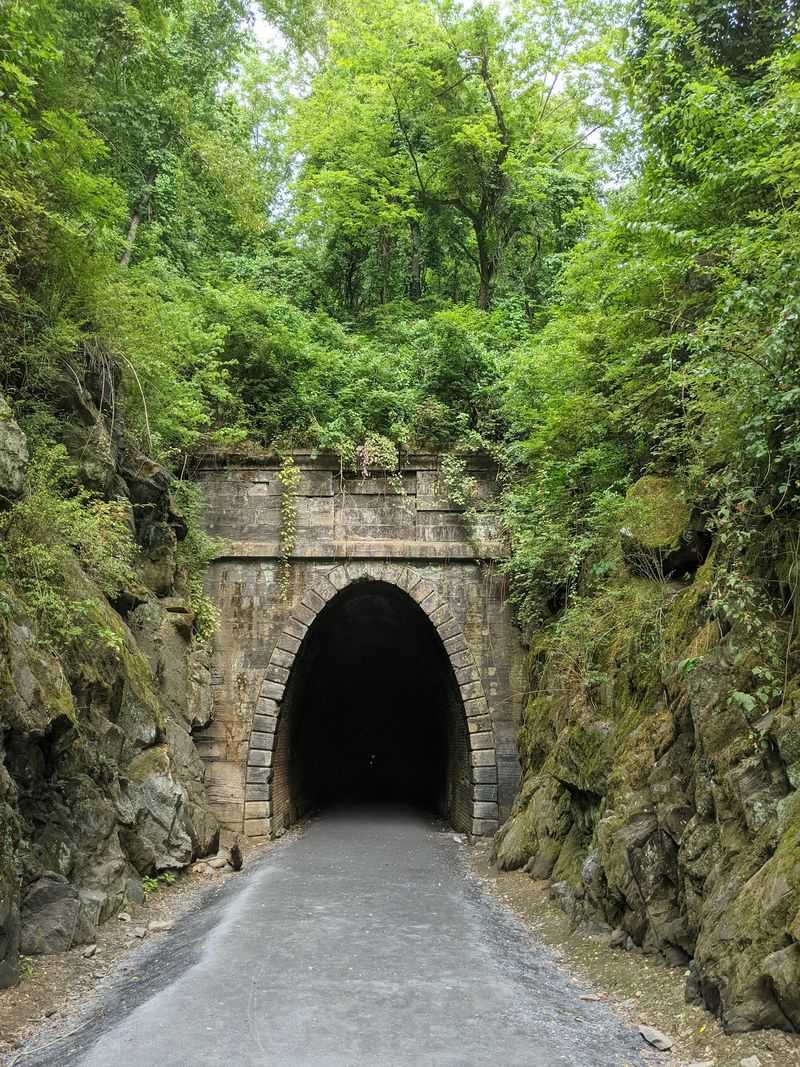
Back in 1850, a bold plan took shape at Rockfish Gap. The Blue Ridge Tunnel would punch a railroad straight through the mountain instead of climbing over it.
The man behind the design was Claudius Crozet, a French-born engineer. He studied at the famous Ecole Polytechnique in Paris and later taught engineering at West Point.
Crozet also helped found the Virginia Military Institute. Clearly, this guy did not believe in slow weekends.
His plan had a clever twist. Crews dug from both sides of the mountain, aiming to meet somewhere in the middle.
Doing that without modern tools took serious math and nerve. When the two crews connected, the line matched up remarkably well.
The first train passed through in 1858. Work officially wrapped up around 1860, giving the project roughly a decade of labor.
At 4,273 feet, it became the longest railroad tunnel in the United States at the time. Some sources even call it the longest in North America.
Today, the American Society of Civil Engineers lists it as a National Historic Civil Engineering Landmark. That honor came in 1976.
It puts this mountain passage in pretty fancy company for a hole in the rock.
The Workers Who Swapped Ireland For A Mountain
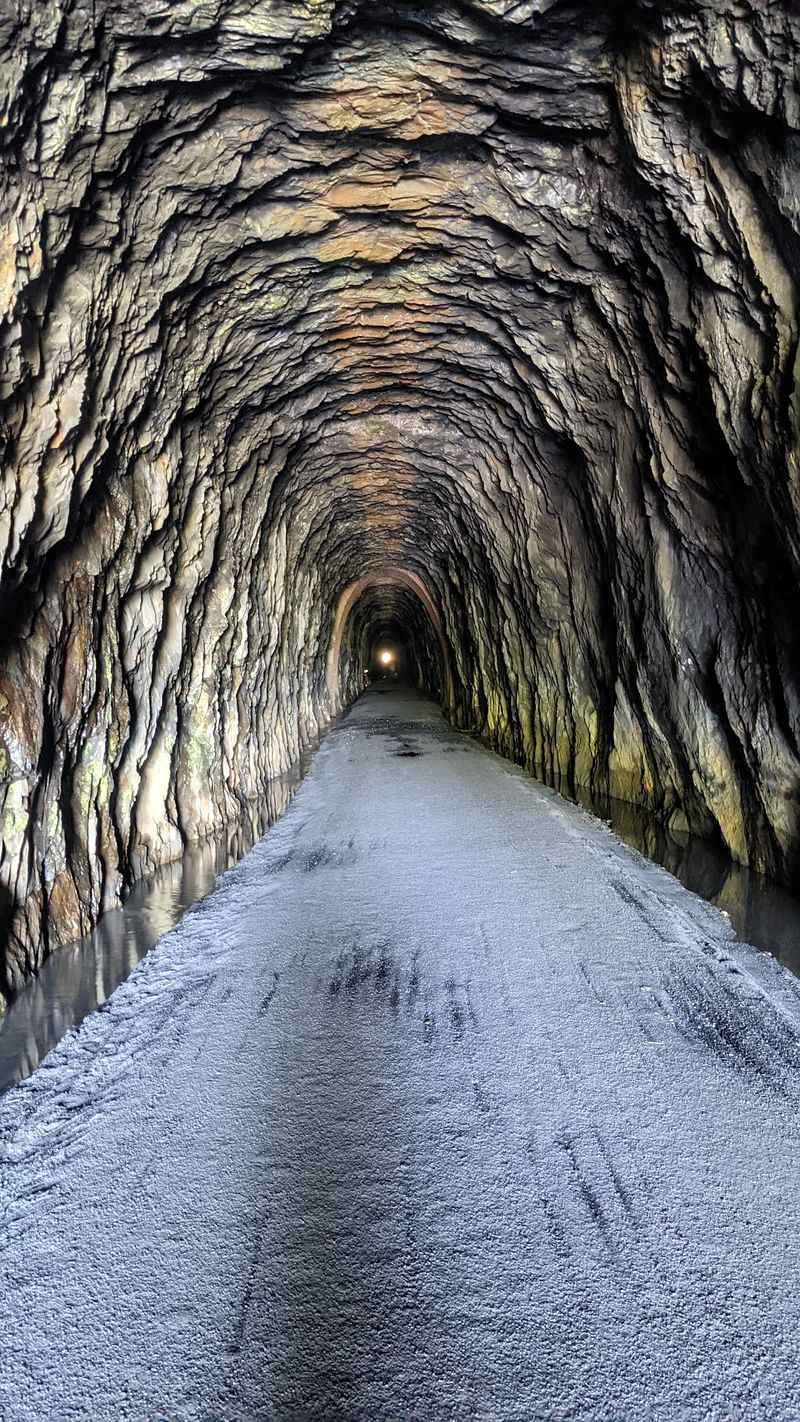
County Cork sits more than 3,000 miles from Virginia. Even so, many of the men who built this tunnel came from there.
They crossed the ocean during the Great Hunger, when food shortages crushed families across Ireland. A steady job in America, even a rough one, offered real hope.
The work itself was brutal. Crews used hand drills, black powder, and pickaxes to break through hard granite and greenstone.
Progress crawled along at about 26 feet per month. That’s roughly the length of a school bus, earned through weeks of sweat.
Families lived in small shantytowns near the work site. Life there was crowded, and a cholera outbreak brought heavy loss to the camps.
Enslaved African American laborers also worked on the project. Their part of the story deserves to be remembered alongside the Irish crews.
Historical markers along the trail share many of these stories. I think reading them before you enter makes the tunnel feel completely different.
You start seeing every rough wall as someone’s handiwork. Suddenly, a simple walk turns into a quiet thank-you to people who never got to see the trail you’re enjoying.
A Strike That Earned A Raise In 1853
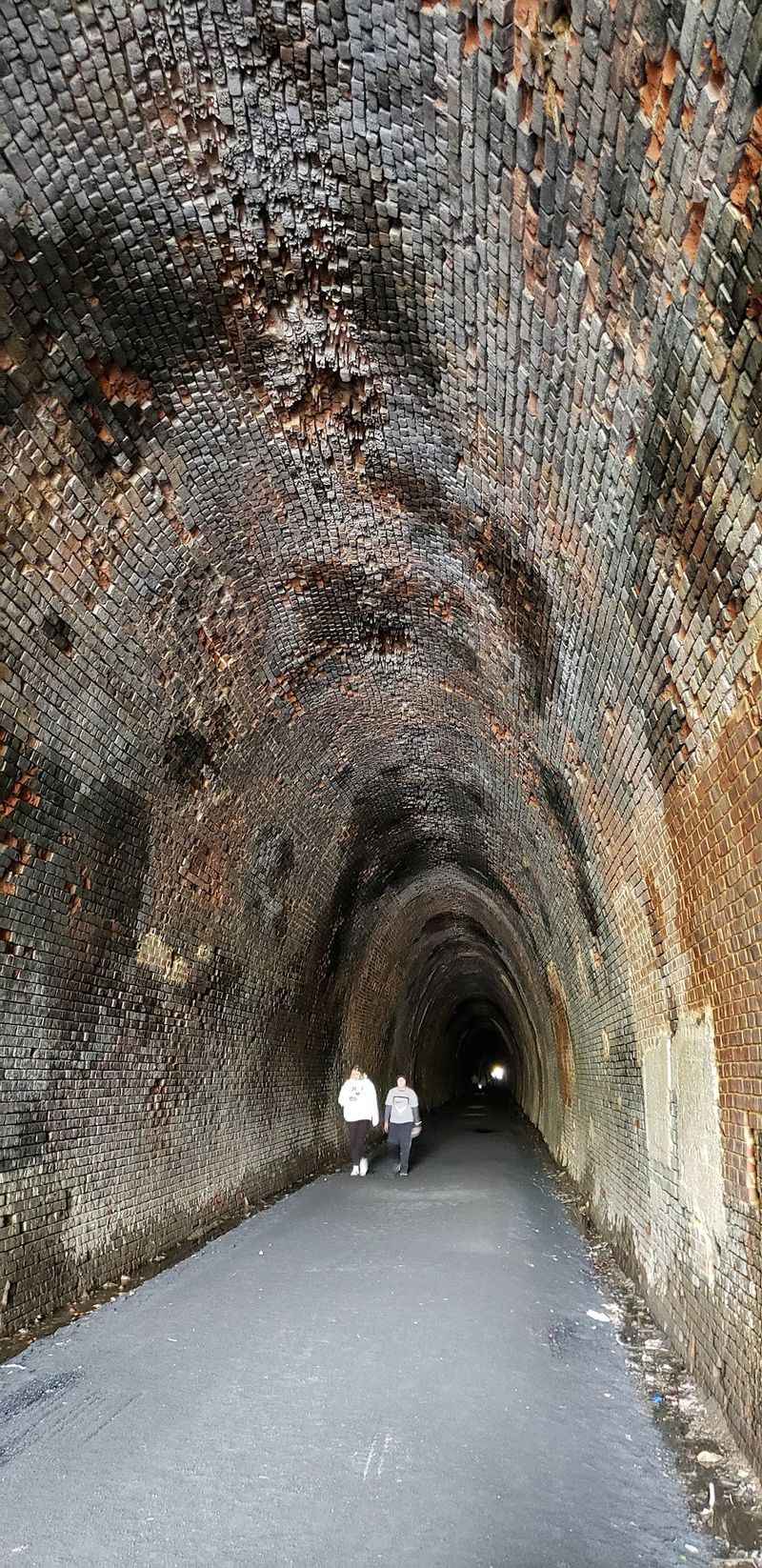
Thirteen cents might not sound like much. In 1853, it was worth walking off the job for three whole weeks.
Irish workers on the Blue Ridge Tunnel organized a strike that year. They protested harsh working conditions and rough living arrangements in the camps.
Their effort paid off. Daily wages rose from about a dollar twelve to a dollar twenty-five, a real win for the time.
Labor history like this rarely shows up on a hiking map. Here, it’s carved right into the stone around you.
Life on the project wasn’t always peaceful among the workers, either. In 1850, a clash called the Fisherville Rebellion broke out between groups from County Cork and County Connaught.
Crozet had to manage all of this while keeping an engineering marvel on track. Picture running a group project where everyone has dynamite.
After the strike, Crozet reportedly brought in 33 enslaved men to work on the tunnel. They were kept away from blasting duties.
These stories add depth to every step. The tunnel isn’t just about rock and rails.
It’s about people pushing for fair treatment while doing some of the hardest work imaginable.
Bring A Flashlight, Because It Gets Seriously Dark
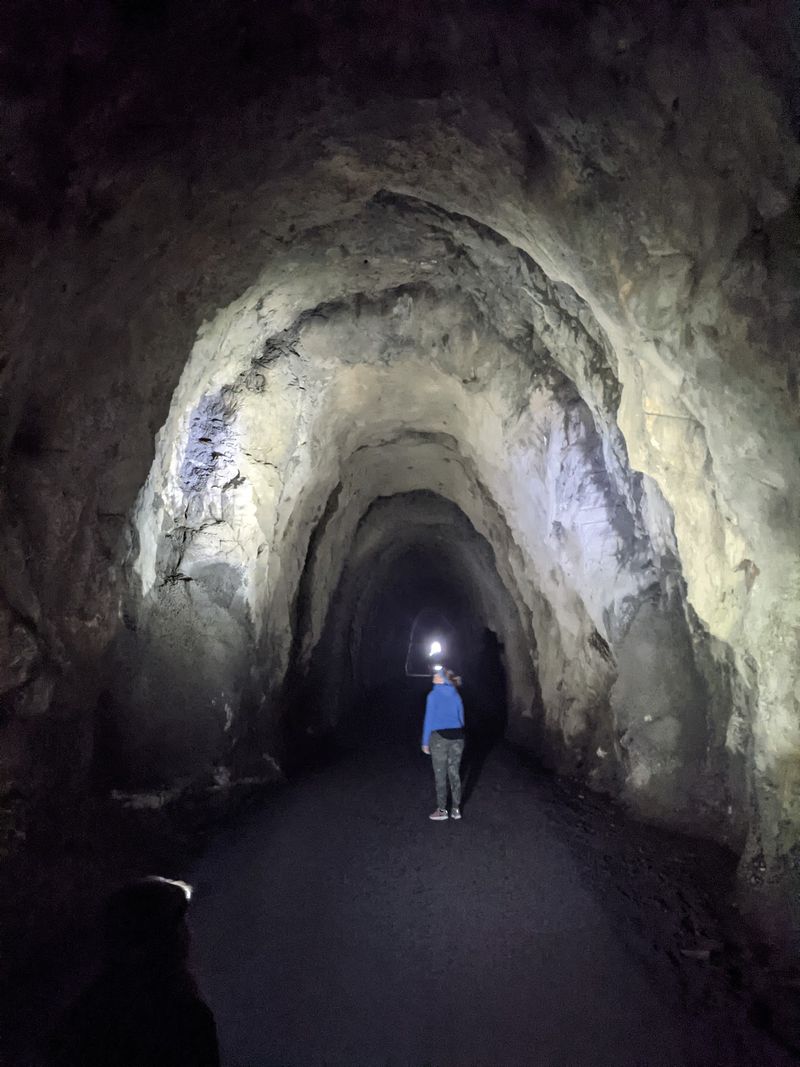
No lights. None at all.
Once you’re a little way inside, the tunnel turns properly dark.
That’s why a flashlight or headlamp belongs at the top of your packing list. Your phone light can help, but a real light makes the trip far easier.
The tunnel runs nearly a mile long. It measures about 16 feet wide and roughly 20 feet high, so it feels roomy rather than cramped.
Here’s a fun bonus. You can often spot a tiny glow from the far opening, which makes for a literal light at the end of the tunnel.
Water drips from the ceiling in places. Puddles form along the floor, so sturdy shoes beat fancy sneakers every time.
Take a moment to point your beam at the walls. You can see the rough, hand-cut rock up close, chiseled more than 160 years ago.
Some folks love pausing in the middle to enjoy the hush. It’s quiet enough to hear your own footsteps echo.
Kids usually treat the whole thing like a grand adventure. Honestly, grown-ups do too, once their eyes adjust and the history starts sinking in.
Nature’s Air Conditioning Runs All Year
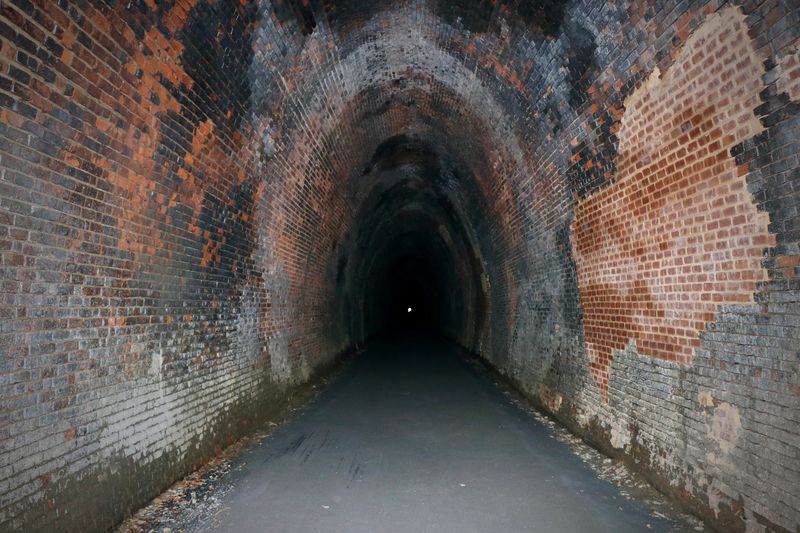
Summer in Virginia can feel like walking through warm soup. Step inside this tunnel, though, and the temperature drops fast.
The interior stays cool all year, usually somewhere between 55 and 65 degrees. On a sticky July afternoon, that feels like a gift.
Winter flips the script a bit. The tunnel may actually feel milder than the chilly air outside, which is a nice surprise.
Air can move through the passage, too. A light jacket with a hood helps if the breeze picks up on your way back.
Layers are your best friend here. You’ll warm up on the trail, cool off inside, then warm up again on the walk out.
Moisture is part of the deal. Dripping water and damp walls keep things a little slick, so watch your step around the wet spots.
That steady chill made the tunnel a natural escape long before it became a trail. Now it’s one of the best reasons to plan a hike here on a hot day.
Think of it as a free cooling station, carved by hand and powered by a whole mountain.
Pick Your Trailhead Wisely
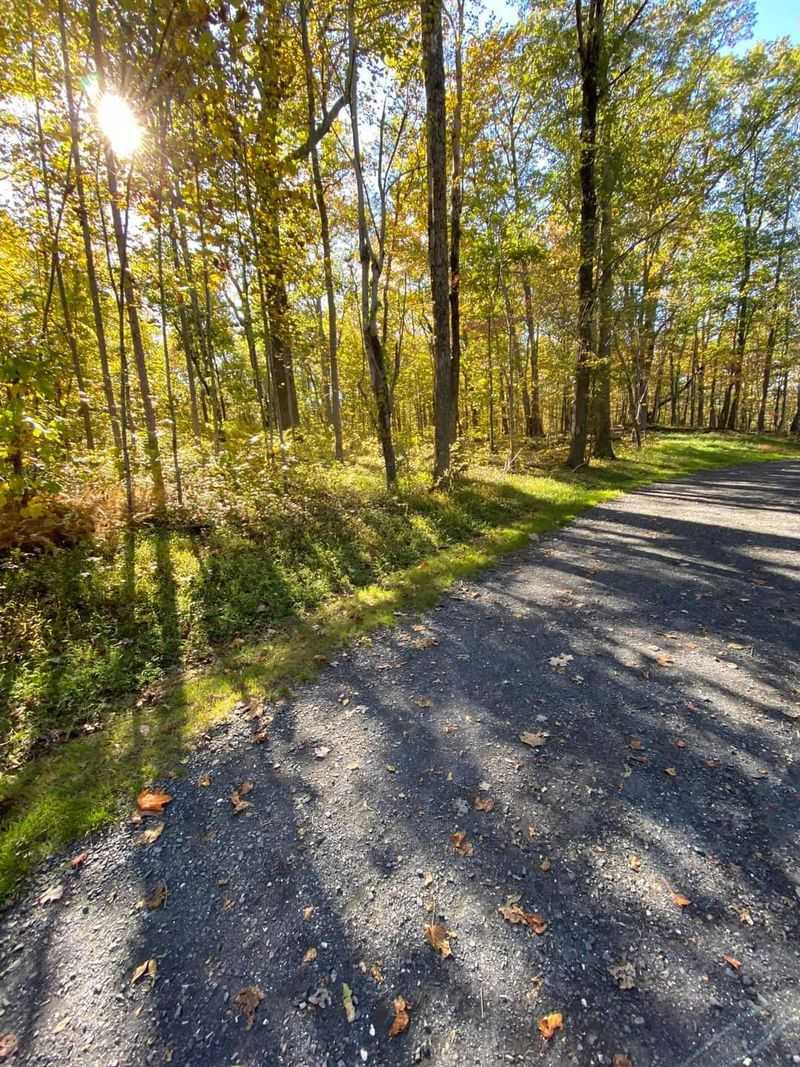
Two starting points, two very different moods. Choosing the right one can shape your whole day.
The East Trailhead sits at 215 Afton Depot Lane, Afton, VA 22920. From there, it’s about 0.63 miles to the tunnel on a gentle, nearly flat path.
That side follows active rail tracks for part of the way. Train fans may get lucky and see one rumble by.
The West Trailhead sits in Waynesboro, at 483 Three Notched Mountain Hwy. Its path to the tunnel runs about 1.62 miles.
Fair warning, the west side climbs. Some grades top 5 percent, and one stretch hits around 19 percent, so your legs will notice.
Going all the way from one trailhead to the other covers about 2.25 miles. A full round trip clocks in near 4.5 miles.
Families with little ones often find the east route easier. Just remember that what feels like a breezy downhill going out becomes an uphill coming back.
Portable restrooms wait at both parking areas, but none appear along the trail. Plan accordingly, pack water, and you’ll be set for a smooth outing.
Stonework That Still Shows Off
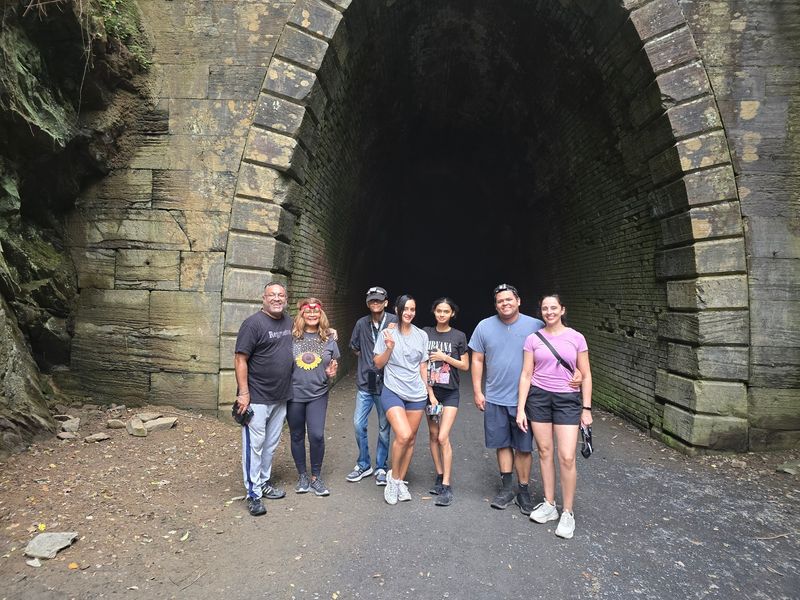
Craftsmanship from the 1850s still stands proudly at the western entrance. Irish stonemasons built a graceful elliptical stone arch there, and it looks fantastic.
The curved shape frames the dark opening like a giant doorway. Photographers tend to linger here, and it’s easy to see why.
The eastern entrance feels different. It’s rockier and more rugged, closer to the raw mountain the crews blasted through.
Seeing both ends gives you a full picture of the project. One side shows careful artistry, while the other reveals the sheer force of the work.
I love how the arch has survived so long. Trains stopped using the tunnel in 1944, yet the stones still hold their shape.
Look closely at how the blocks fit together. No modern machines placed them, just skilled hands and plenty of patience.
That arch also makes a great turnaround spot if you’re hiking from the west. Snap a photo, catch your breath, and admire some seriously stubborn masonry.
It’s proof that the builders cared about beauty, not just function. Even a railroad tunnel deserved a handsome front door in their eyes.
Almost 70 Years Of Silence, Then A Grand Comeback
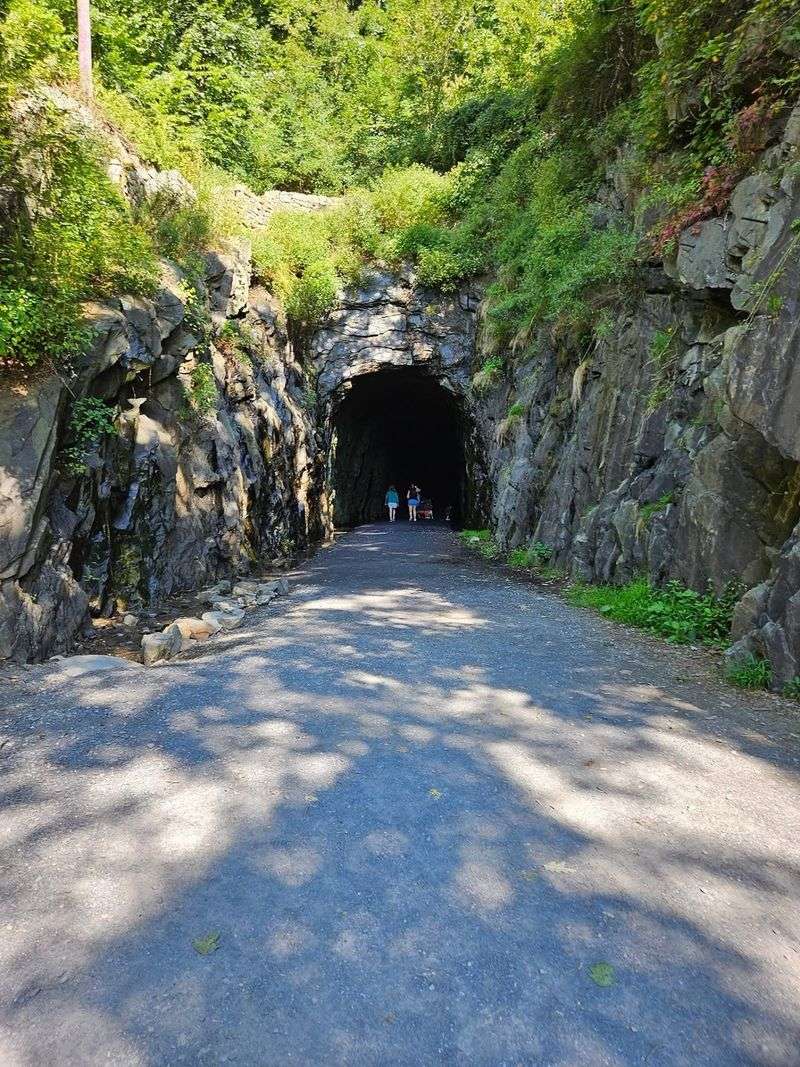
By 1944, trains had simply outgrown the old passage. Bigger locomotives and heavy wartime traffic called for a larger tunnel, so crews bored a new one nearby.
The original Blue Ridge Tunnel was then left behind. It sat empty for nearly 70 years, quietly dripping in the dark.
Plenty of old structures fade away forever. This one got a second chance thanks to people who refused to let it be forgotten.
Restoration work began in 2001. In 2007, Nelson County received the tunnel from CSX Transportation, which helped push the project forward.
All told, the effort stretched about 18 years. The tunnel and its trail finally reopened to the public in November 2020.
Today the trail is open daily from sunrise to sunset. The surface is mostly crushed gravel, friendly for walkers and bikers alike.
Cyclists are welcome, though walking your bike inside the tunnel is the smart move. Uneven ground and fellow hikers make slow and steady the way to go.
A 35-minute documentary called The Tunnel tells the story in more detail. Watching it beforehand adds extra meaning to every step underground.
Stretch Your Day Across The Blue Ridge
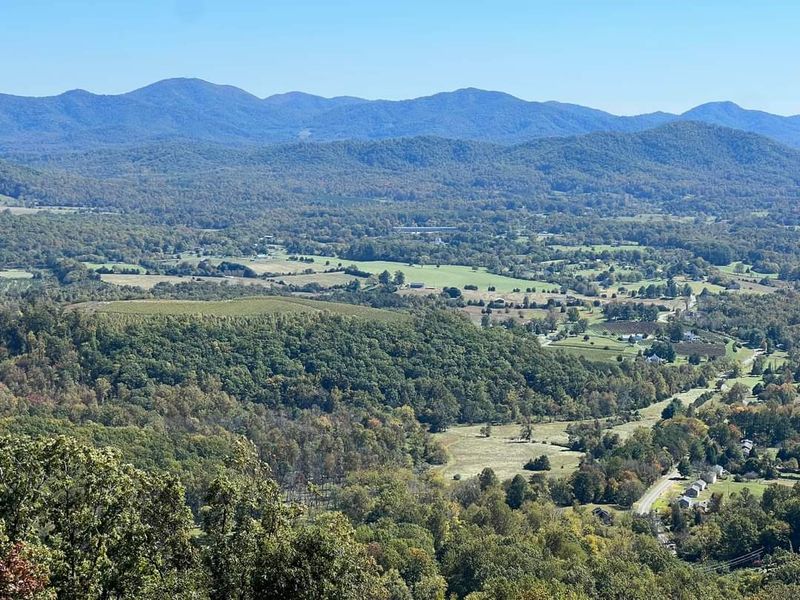
Location matters, and this tunnel nailed it. It sits at Rockfish Gap, right on the line between Nelson and Augusta counties in Virginia.
Above your head, the Appalachian Trail actually crosses over the tunnel. So you could technically walk under one of the most famous footpaths in America.
The Blue Ridge Parkway begins close by. Skyline Drive in Shenandoah National Park starts near here too, which makes road trippers very happy.
That means a tunnel hike can easily become a full mountain day. Pair it with scenic overlooks, longer hikes, or a slow drive along the ridgeline.
Fall brings especially colorful views along the approach trails. Spring and summer offer lush green woods, and winter strips things down to dramatic views.
Accessibility gets thoughtful attention as well. Nelson County Parks and Recreation offers track chair tunnel tours, opening the experience to more visitors.
History lovers, hikers, and families all find something to enjoy. Few places let you walk through the 1850s and then admire mountain scenery minutes later.
Pack your light, grab some water, and head for the gap. This Virginia landmark proves the best adventures sometimes start in total darkness.
