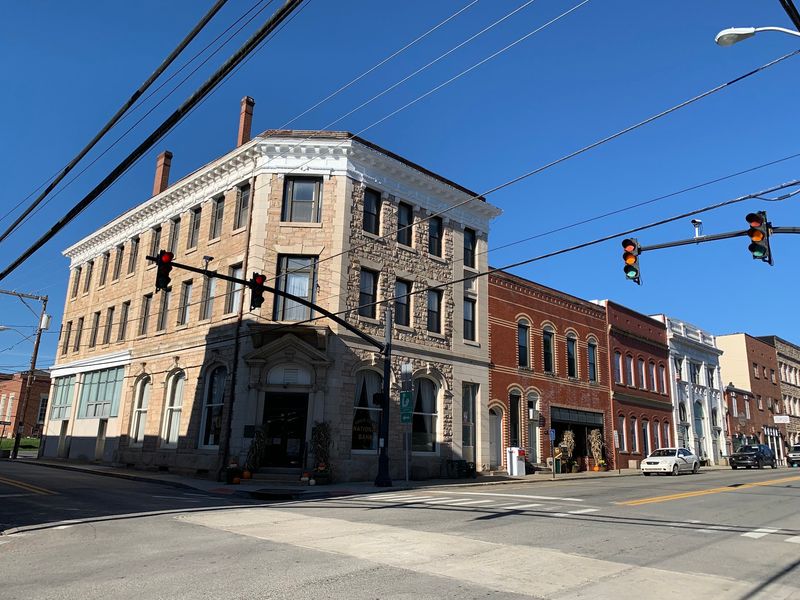
Some places in West Virginia look like a quick stop on the map until you park the car and realize you never want to leave. You come for a cup of coffee and a stretch of the legs, and suddenly you are planning a whole weekend around one little town.
The smell of breakfast drifts from old brick storefronts, and the mountains seem close enough to touch. Folks across the country have started paying attention, and the people who live here will tell you the praise was a long time coming.
A Mountain Town Perched Near the Gorge
Picture a ridge in southern West Virginia where green hills fold into one another like a rumpled quilt. Tucked onto that high ground sits a small town of roughly 2,887 people, according to the 2020 census, and it happens to be the county seat for its corner of the state.
What makes the spot special is its neighbor. The town lies right beside the New River Gorge National Park and Preserve, a protected area that stretches across more than 70,000 acres.
Step a few minutes outside the town limits and you are standing among sandstone cliffs, rushing water, and trails that wind through thick hardwood forest.
Locals tend to describe the place as both sleepy and lively at the same time. Mornings are quiet, with neighbors waving from porches and shop owners sweeping their sidewalks.
By afternoon, the streets fill with rafters, hikers, and climbers swapping stories about their day on the river or the rock.
Many West Virginians grew up driving past this area on the way to somewhere else. Lately, more of them are turning off the highway on purpose.
Before we reveal exactly which town we mean, let’s look at why the whole country started talking about it.
National Praise That Turned Heads
Big magazines do not usually come knocking on the doors of tiny Appalachian towns. So when Smithsonian Magazine placed this little community at number two on its 2021 list of the 15 best small towns to visit in America, plenty of West Virginians felt a burst of hometown pride.
That was not a one-time fluke, either. USA Today readers reportedly named it the Best Small Town for Adventure in 2020.
Budget Travel Magazine called it the Coolest Small Town, and Blue Ridge Outdoors Magazine crowned it the Best River Town.
Awards like these can feel like marketing fluff, but the people who live here often shrug and say the honors simply caught up with what they already knew. They point to the friendly faces, the walkable streets, and the wild scenery just beyond the last stoplight.
Still, a fair question hangs in the air. Can a town with fewer than 3,000 residents really stand shoulder to shoulder with famous destinations across the nation?
The answer, as you will see, depends on what you value. If you love history, fresh air, good food, and neighbors who remember your name, the case gets pretty convincing.
From Vandalia to a New Name
Long before the rafting outfitters and coffee shops, a settler named Abraham Vandal put down roots on this high ground in the early 1800s. The little settlement was first called Vandalia in his honor, a name that may surprise even some longtime residents.
In 1873, the town took on the name most people know today. It honored the Marquis de Lafayette, the young French nobleman who helped the American colonies win their independence.
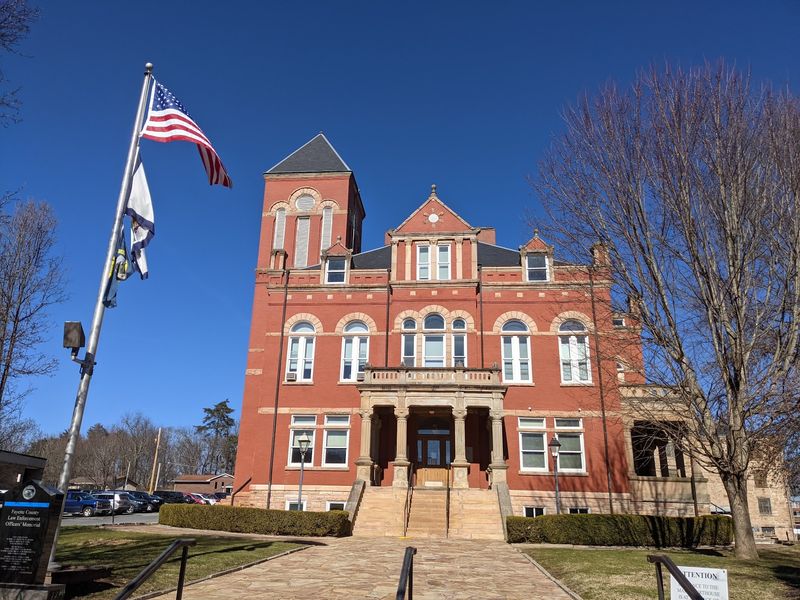
Walk past the county courthouse lawn and you can still see a statue of Lafayette standing proudly, keeping watch over the square.
Here is a fun bit of trivia to share at your next family supper. The name change linked a rugged mountain town to one of the most celebrated heroes of the American Revolution, even though Lafayette himself never lived in these hills.
Old-timers like to say the town’s story is written right into its street layout. The courthouse square served as the beating heart of community life, where farmers came to settle business and families gathered for news.
That pattern still holds today, and strolling around the square feels a bit like stepping back into those good old days.
Civil War Echoes on the Courthouse Square
History buffs, pull up a chair. During the Civil War, this ridge-top town held real strategic value, and it reportedly changed hands several times between Union and Confederate forces.
The high ground and nearby river routes made it an important spot for both sides. Soldiers marched through these same streets where visitors now stroll with ice cream cones on summer evenings.
Imagining that contrast gives a walk around town a whole new layer of meaning.
One detail stands out above the rest. A historic marker at the courthouse square notes the town as the site of the first use of indirect fire during a battle, a military technique where artillery is aimed at targets the crew cannot see directly.
For a community this small, that is quite a claim to fame.
Many West Virginia families have ancestors who lived through those hard years, and the stories still get passed down at reunions and porch gatherings. The town treats that past with care, offering markers and walking tours rather than flashy attractions.
If you visit, take a moment to read the marker slowly. Then look up at the quiet square and think about how much has changed, and how much of that steady mountain spirit has stayed the same.
Coal, Rails, and Red Brick Prosperity
Underneath these hills lay a treasure that changed everything. In the late 1800s, the town sat above extensive fields of high-quality coal, and the mining boom brought jobs, money, and new families pouring into the area.
The Chesapeake and Ohio Railway helped fuel that growth. Trains hauled coal out of the gorge and carried goods and people back in.
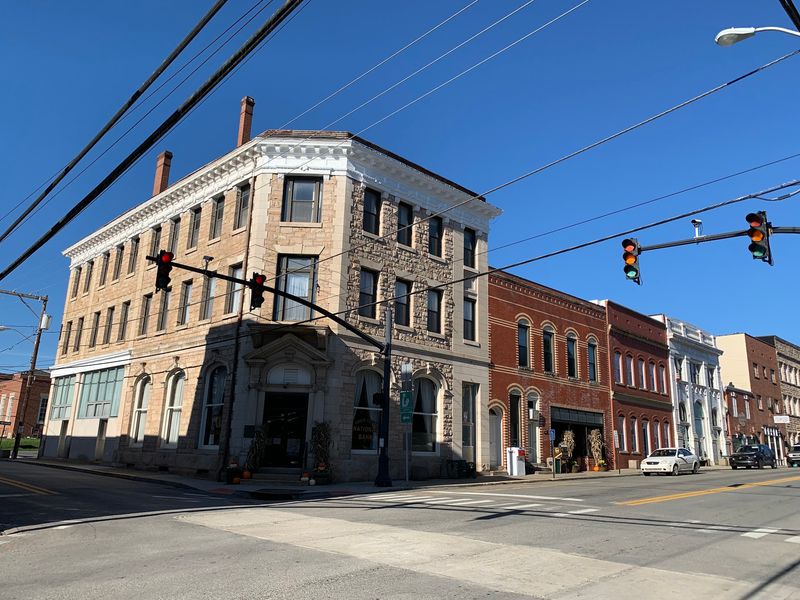
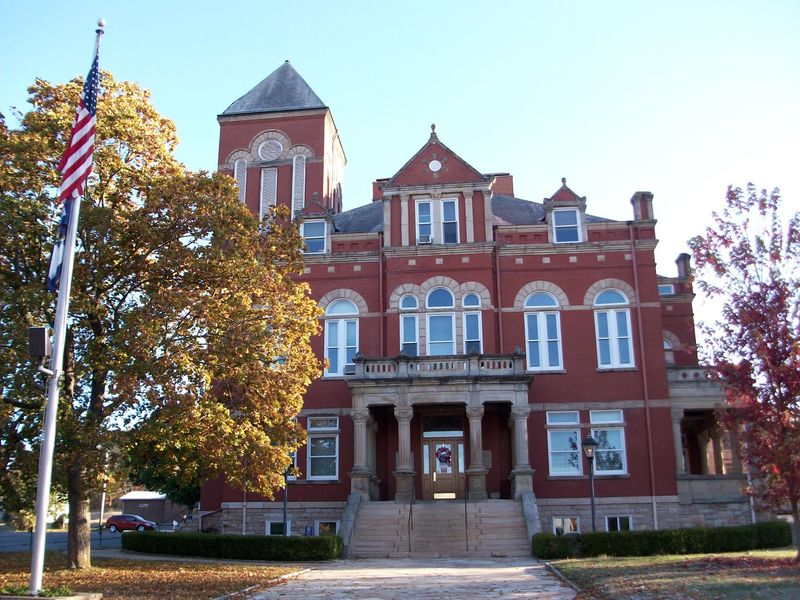
With prosperity came handsome Victorian homes and sturdy red-brick buildings, many of which still line the streets today.
Like so many West Virginia towns, the coal years eventually faded. Mines closed, and some neighbors moved away looking for work elsewhere.
Yet unlike places that never recovered, this community found a second act by embracing the wild land that once surrounded the mines.
Walk down a side street and you can almost read the boom years in the architecture. Tall windows, decorative trim, and wide porches speak to a time when business was good and families wanted homes that showed it.
For many older visitors, these buildings stir memories of their own hometowns, places shaped by coal and rail. There is something comforting about seeing that heritage preserved instead of torn down, standing proud for a new generation to admire.
Fayetteville and Its Historic District
So here is the reveal you have been waiting for. The town we have been describing is Fayetteville, West Virginia, the county seat of Fayette County, sitting directly south of the famous New River Gorge Bridge.
The Fayetteville Historic District features about 75 historic homes and buildings, and walking tours are available for anyone curious about the past. Guides and self-guided routes can uncover stories of founding families, Civil War battles, and reportedly even an old speakeasy tucked into the town’s colorful history.
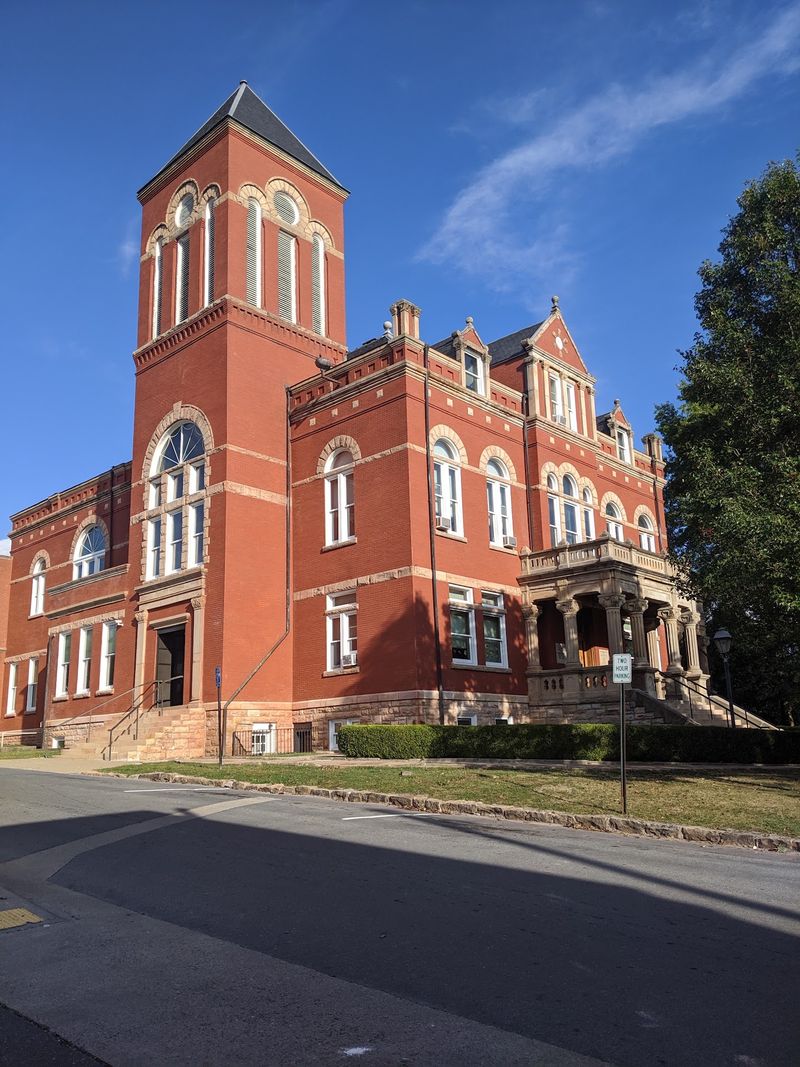
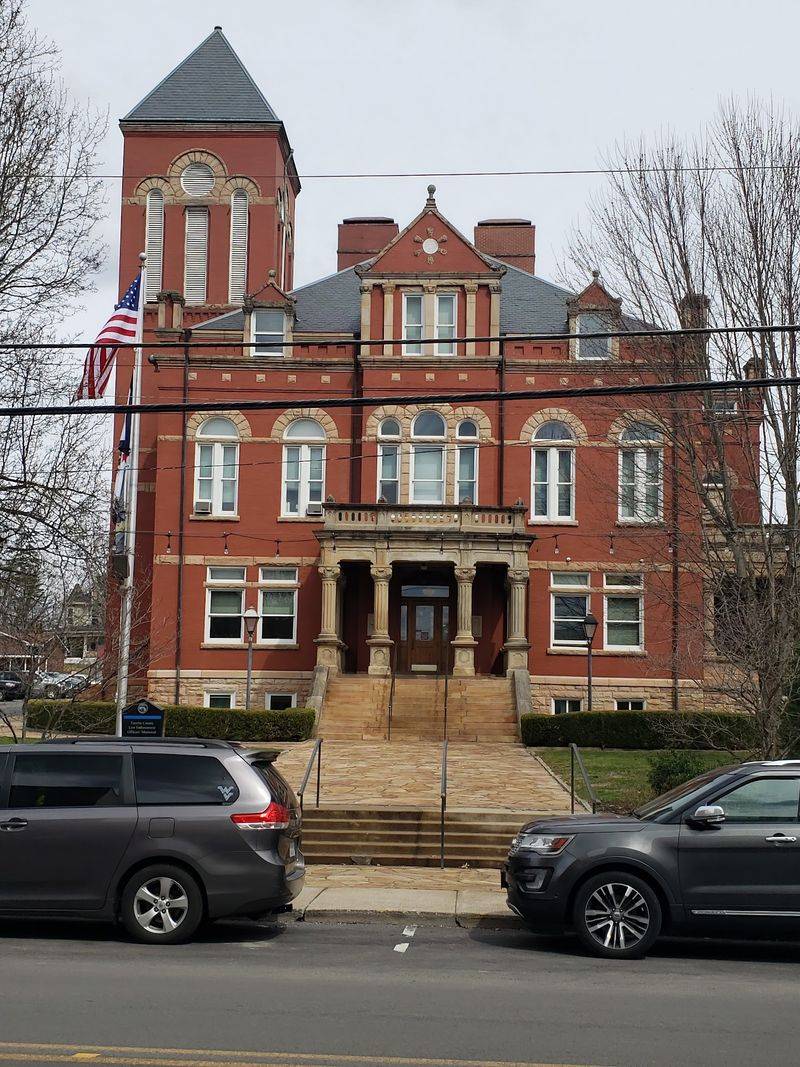
The crown jewel is the Fayette County Courthouse, completed in the 1890s. It is considered the second-oldest courthouse in West Virginia, and its stately design anchors the downtown square.
Nearby, the Historic Fayette Theatre hosts community performances that bring neighbors together throughout the year.
Locals often say they can feel the past lingering in the quiet mornings, before the outfitters open and the visitors arrive. Grab a coffee, take a slow lap around the square, and you might understand exactly what they mean.
It is the kind of place where an hour-long stroll easily turns into an afternoon of reading plaques, peeking into shops, and chatting with folks who seem happy to share a story.
The Bridge Everyone Comes to See
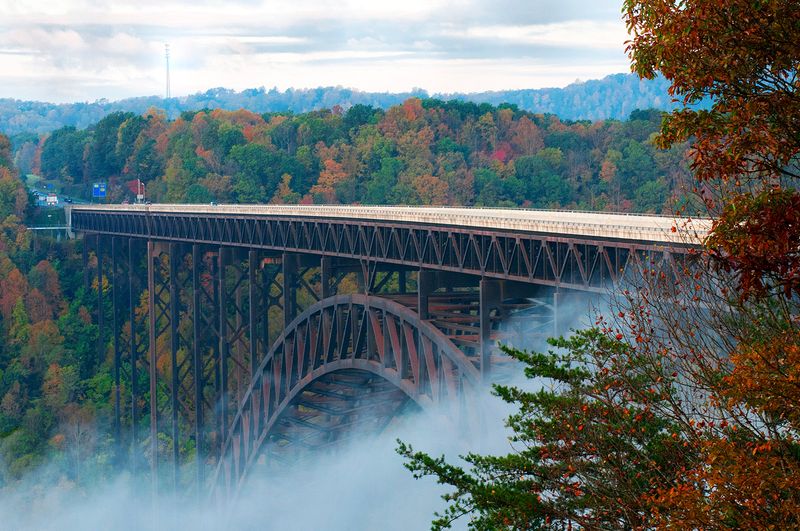
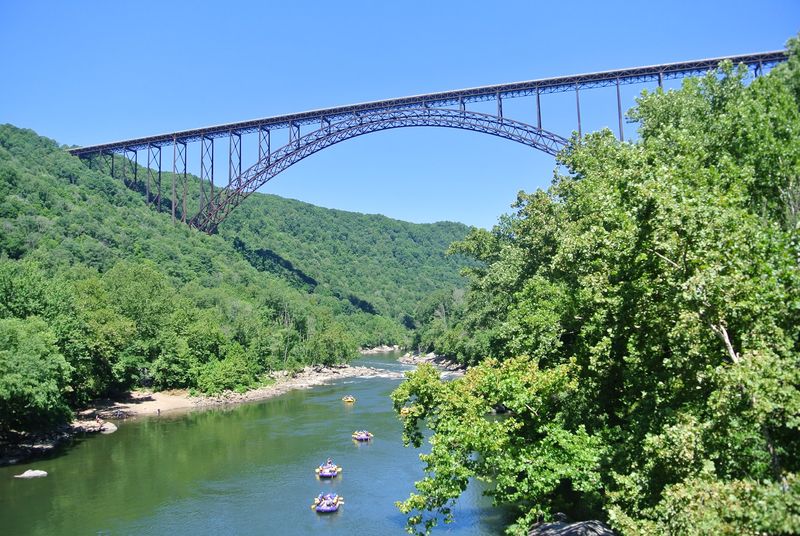
Ask anyone in West Virginia to name an iconic landmark, and the New River Gorge Bridge will likely top the list. Completed in the late 1970s, this steel giant is the longest single-span arch bridge in the Western Hemisphere.
Fayetteville sits just south of it, which means the bridge practically serves as the town’s front door. Drivers crossing it get a dizzying peek at the river far below, but the best views come from the overlooks and trails around it.
For the brave of heart, guided Bridge Walks let visitors travel along a catwalk underneath the span. Participants are secured with safety gear the whole way, and many describe the experience as both thrilling and peaceful, with hawks drifting through the gorge beneath their feet.
Then there is Bridge Day, held every third Saturday in October. The bridge closes to traffic, BASE jumpers leap into the gorge, and crowds enjoy vendors, artisans, live music, and a chili cook-off.
For many West Virginia families, it has become a beloved fall tradition worth planning around.
Whether you walk under it, stand beside it, or simply admire it from below, the bridge leaves an impression that sticks with you.
Whitewater Thrills on Ancient Rivers
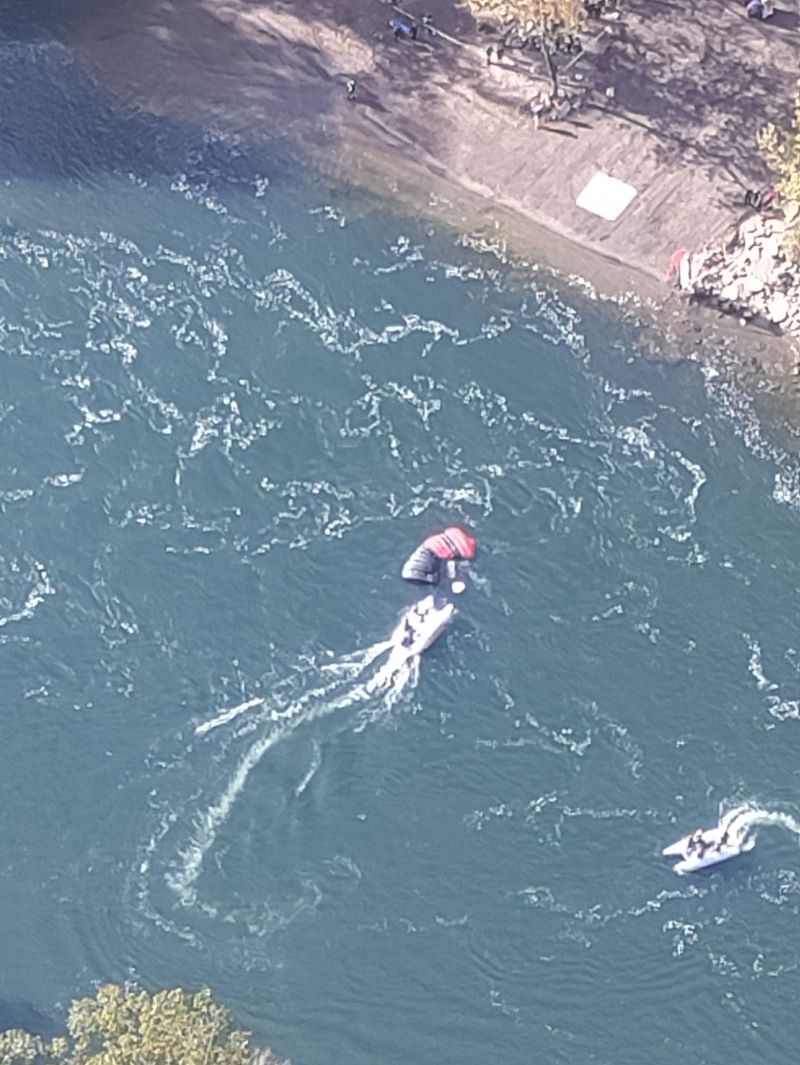
Splash! That is the sound of summer in Fayetteville.
The New River, considered one of the oldest rivers in the world, carves through the gorge just beyond town, and it offers some of the best whitewater rafting in the country.
Nearby, the Gauley River brings its own legendary rapids. Between the two, there are trips suited for nearly every comfort level, from calm family floats to heart-pounding runs that challenge seasoned paddlers.
Local outfitters handle the gear, the guides, and the safety instructions. Many of those same outfitters double as community gathering spots, where bulletin boards fill up with event flyers and locals stop in to swap news.
Not into rapids? The river also welcomes fishing and canoeing on gentler stretches.
Plenty of retirees enjoy a quiet morning casting a line while the mist lifts off the water, a peaceful contrast to the shouting rafters downstream.
There is something humbling about floating on a river older than the mountains around it. Guides love sharing that detail, and it often turns a fun trip into a moment of genuine wonder.
You climb out soaked, smiling, and probably already planning your next visit.
Cliffs, Trails, and Endless Views
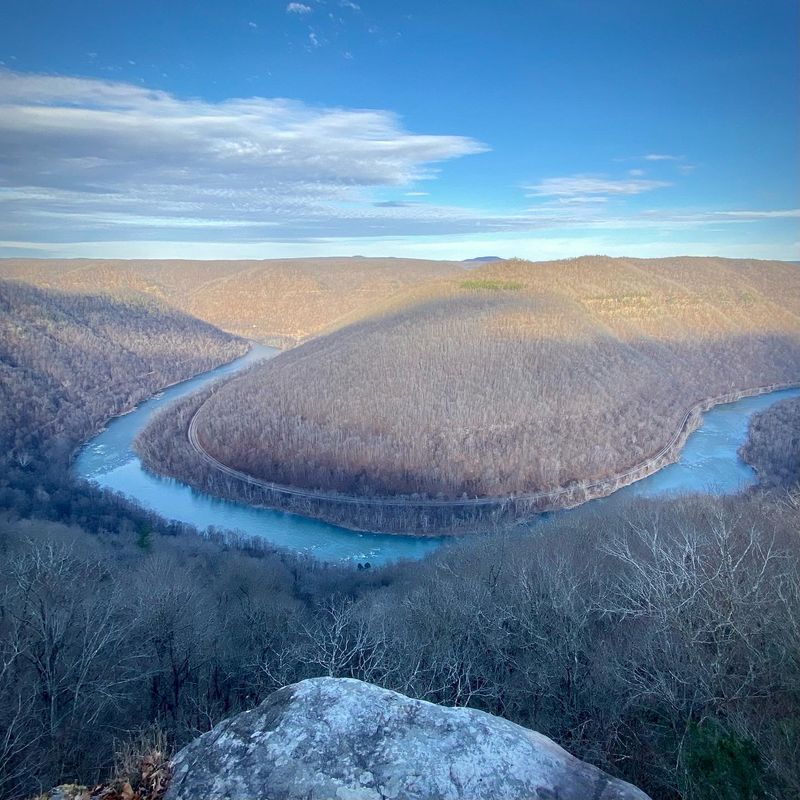
Lace up your boots, because the trails around Fayetteville deliver views that stop people in their tracks. The Long Point Trail leads to a rocky overlook with a picture-perfect look at the gorge and the famous bridge.
Then there is the Endless Wall Trail, which has been voted one of America’s best hikes. It follows the rim of the gorge, with peeks over sandstone cliffs and long stretches of rhododendron tunnels that bloom beautifully in early summer.
Speaking of cliffs, rock climbing is a big deal here. The gorge’s hard sandstone walls have drawn climbers since the 1980s, when routes were first mapped, and thousands of climbs now crisscross the rock faces.
Mountain bikers have plenty to love too. Trail systems inside the national park and at the Summit Bechtel Reserve offer miles of dirt to explore, from easy loops to technical rides.
Ziplining adds yet another way to see the forest canopy.
You do not have to be an athlete to enjoy any of it. Many trails are manageable for casual walkers, and a slow pace often means you notice more, like wildflowers, birdsong, and the distant hum of the river below.
Comfort Food With a Creative Twist
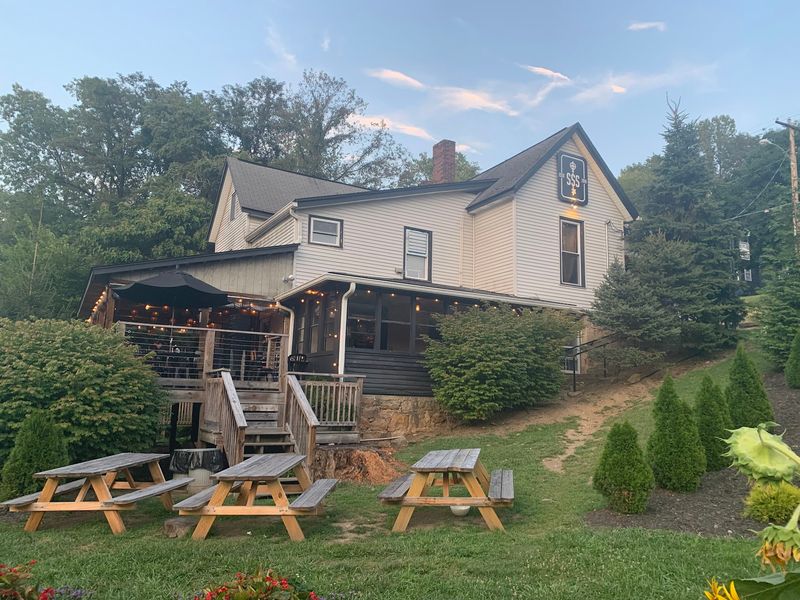
Hungry yet? After a day outdoors, Fayetteville’s food scene feels like a warm hug.
Locals sometimes call the town a foodie’s paradise, which is impressive for a place this size.
Many restaurants are locally owned, and the menus cover a surprising range. You can find homemade comfort food, hearty breakfasts, Southern classics, barbecue, Latin flavors, and cozy cafes, all within a short walk of each other.
One favorite stop is a cafe housed in a former church. Visitors talk about its unique atmosphere and its legendary carrot cake, along with breakfast and lunch specialties that keep people coming back.
Other spots lean playful. Some are known for inventive pizzas topped with unexpected combinations, while others serve craft sandwiches named after historical figures, a fitting nod to a town so proud of its past.
For West Virginians raised on church suppers and Sunday dinners, the food here strikes a sweet balance. It honors the hearty home cooking we grew up with while sprinkling in a little creativity.
Whether you want a quick bite between hikes or a long, lazy breakfast, there is a table waiting with your name on it.
Affordable Living for Retirees and Families
Let’s talk dollars and cents, a topic close to the heart of many West Virginia retirees. Fayetteville is often described as an affordable place to live, with costs for housing, utilities, and everyday essentials generally lower than in larger cities.
The median home price has reportedly hovered around $141,200, well below the national median. For folks living on a fixed income, that difference can mean more breathing room in the monthly budget.
West Virginia as a whole has also been ranked among the most affordable states for retirees.
Of course, numbers only tell part of the story. The town is known for low crime rates and active community policing, which can help residents feel safe taking evening walks or leaving porch lights on for neighbors.
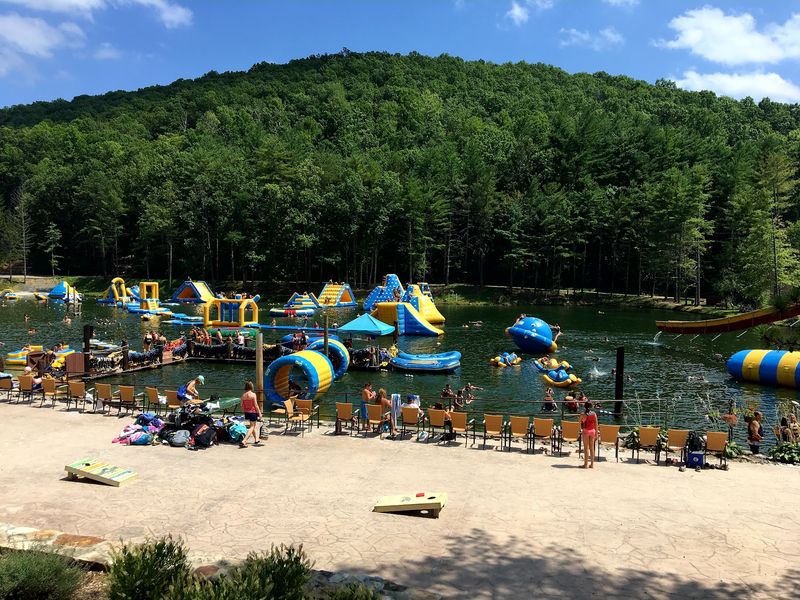
Families find plenty to love as well. Fayetteville Town Park offers ball fields, a skate park, a splashpad, and a paved pump track.
Churches, health trails, and playgrounds round out a lifestyle built around community.
For anyone dreaming of a quieter chapter with mountain views and friendly faces, this little town may be worth a serious look. Just be prepared to fall for it quickly.
Murals, Shops, and a Laid-Back Spirit
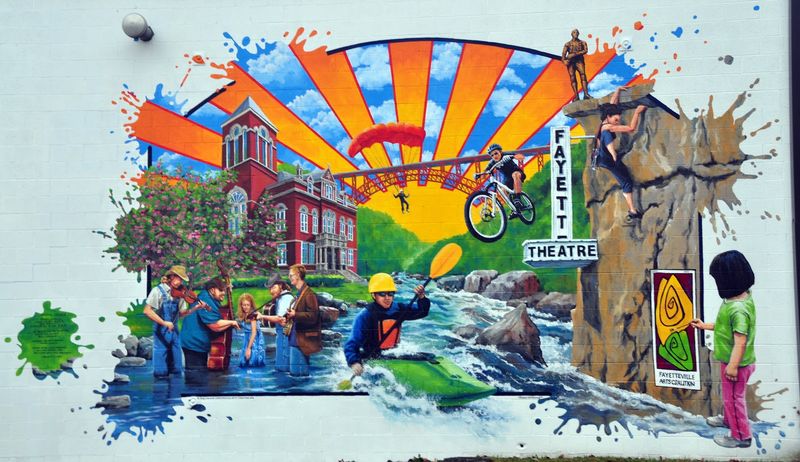
Turn a corner downtown and you might come face to face with a giant painted mural. Public art pops up on walls all around Fayetteville, adding bright splashes of color to the historic brick.
Independent businesses give the streets their personality. You will find unique shops selling local crafts, outdoor gear, books, and gifts, often run by owners who are happy to chat about the town and recommend their favorite trail.
The vibe is relaxed but passionate. Residents are often described as laid-back yet fiercely proud of their home and the wild land around it.
It is a mix of longtime families, younger newcomers drawn by adventure, and retirees who simply wanted a slower pace.
Who will love it most? Outdoor fans, of course, but also history lovers, art browsers, and anyone who enjoys a town where people still say good morning.
Couples looking for a weekend getaway and families wanting a safe, walkable stop will feel right at home.
Do you remember when your own hometown felt this lively? For many visitors, a stroll here brings back those memories while showing how a small Appalachian community can thrive in fresh ways.
Planning Your Visit and the Final Verdict
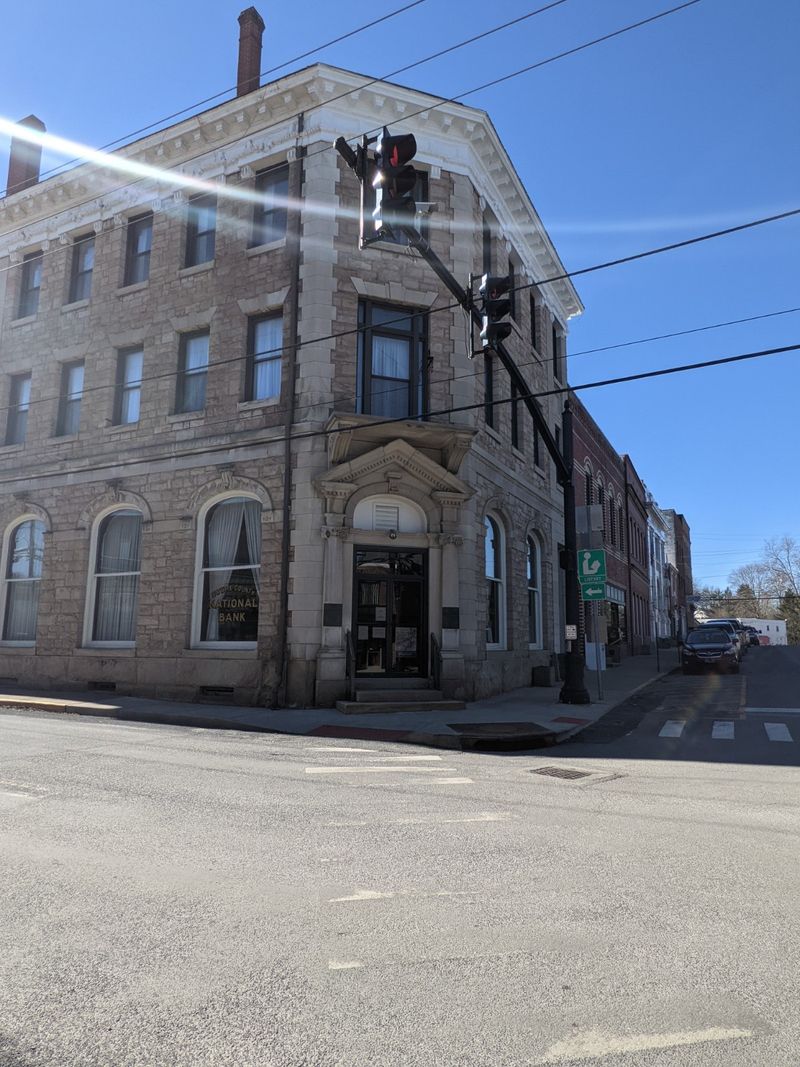
Ready to see it for yourself? Fayetteville sits just south of the New River Gorge Bridge in Fayette County, making it easy to reach for anyone traveling through southern West Virginia.
A good starting point is the Fayette County Courthouse at 100 N. Court St., Fayetteville, WV 25840.
Hours and prices vary by business, outfitter, and tour, so checking ahead is smart. Summer brings the busiest rafting season, while October draws big crowds for Bridge Day.
Fall foliage and quieter spring weekends can be lovely for those who prefer a gentler pace.
Wear comfortable shoes, since the downtown is best explored on foot. Bring layers too, because mountain weather can shift quickly, especially near the gorge.
So, does Fayetteville really deserve a spot among America’s best small towns? Based on its history, scenery, food, and welcoming spirit, the locals may be onto something.
It may not have big-city glitz, but it offers something many people miss more, a genuine sense of belonging.
Visit once and you might find yourself agreeing with the folks who call it home. We would love to hear your own Fayetteville memories, too.
