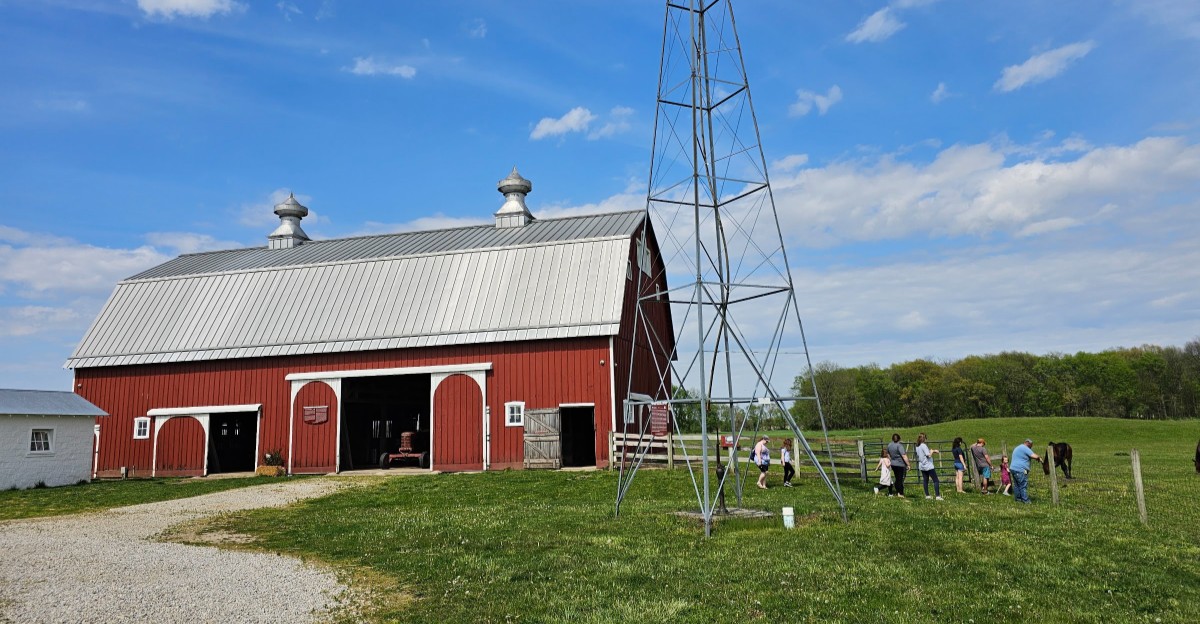
Two of the houses on this farm were ordered from a Sears, Roebuck catalog. Yes, people once picked out a whole home like a pair of shoes, and it showed up in pieces.
That detail alone tells you how different the 1920s were. This working farm in Indiana keeps that decade alive with heritage animals, heirloom gardens, and a blacksmith shop that still gets used.
I’m a fan of places where history isn’t just something you read about on a sign. Kids can meet Berkshire hogs, Hereford cattle, and chickens from rare breeds.
Some days, they can even help with barn chores.
I’d love to see how a screen-loving kid reacts to a day spent feeding animals and getting their hands dirty. Farm life a century ago meant hard work, clever tools, and a lot of mud.
So how would your family hold up?
A Whole Decade Lives Here, And It Smells Like Hay
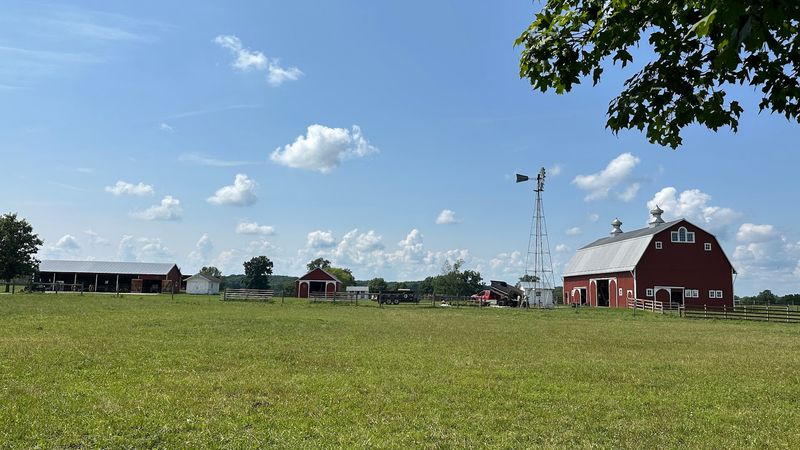
Time travel is real, at least in one corner of Indiana. The Farm at Prophetstown is a living history farm that shows how rural families lived in the 1920s.
That decade matters more than you might guess. Farmers were switching from horse power to tractors, and daily life was changing fast.
The Farm captures that in-between moment. You’ll see old methods and newer tools sharing the same fields and buildings.
It runs as a non-profit on roughly 100 to 125 acres. The land is leased inside Prophetstown State Park, which gives it plenty of breathing room.
Nothing here is just for show. Crops get planted and harvested, animals get fed, and household chores still happen the old way.
That’s what makes it click for kids. A textbook can say farmers worked hard, but watching real work makes the point stick.
Plan to wander at your own pace. The buildings, animals, and signs let you piece together the story like a giant puzzle.
Bring curious questions and comfortable shoes. A working farm rewards people who look closely, and it’s never quite the same twice.
Someone Really Ordered These Houses From A Catalog
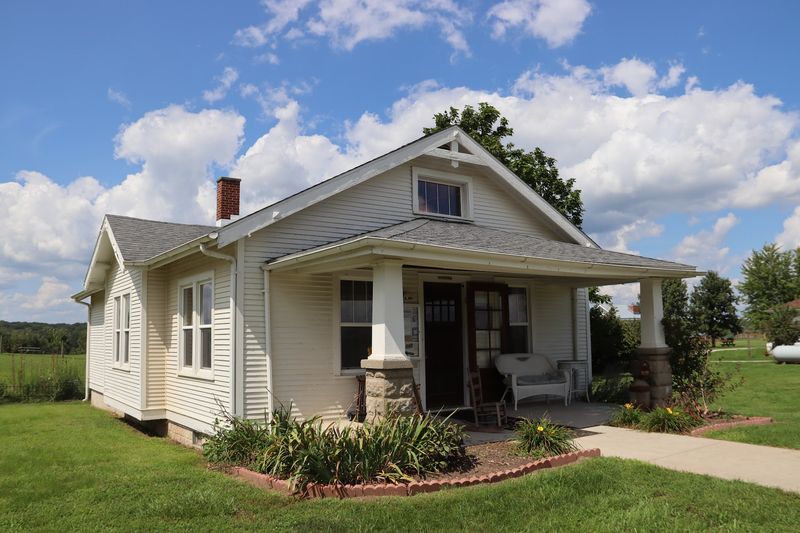
Online shopping has nothing on the 1920s. Back then, families could flip through a Sears, Roebuck and Co. catalog and order an entire house.
The Farm has two of these catalog homes. The I.
Floyd Garrott Tenant House is an authentic Hampton model kit home from the 1920s.
It was moved to the farm in 2004. The house shows how farmhands and hired staff lived during that era.
Then there’s the Gibson Farmhouse. It’s a replica of the Sears Hillrose model, built in 2000 and filled with period furnishings.
Kids can compare the two homes side by side. One belonged to the workers, and the other to the farm family, so the differences tell a story.
Notice the kitchens, the furniture, and the lack of anything with a charging cord. Ask your kids where they’d plug in a game console.
The Gibson Farmhouse also has an elevator added for accessibility. That’s one modern touch that makes sure more visitors can explore every room.
Fun fact for the ride home: kit houses arrived as numbered pieces. Families basically built them like a giant, very serious set of building blocks.
Meet The Hogs, Horses, And Very Opinionated Chickens
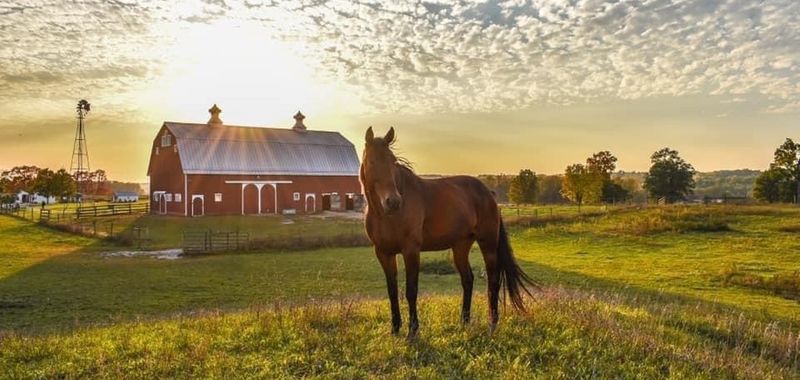
Berkshire hogs are the stars for some kids. Others fall hard for the Hereford cattle, the donkeys, or the miniature horses.
Every animal at The Farm at Prophetstown is a heritage breed. These are the kinds of animals you’d find on farms about a century ago.
The lineup also includes Standardbred horses and Oxford and Suffolk cross sheep. There are heritage and endangered chicken breeds, plus ducks and turkeys.
That endangered part is worth sharing with kids. Raising rare breeds helps keep them around for future farmers and families.
The Farm also gives a home to rescue horses from the Indiana Horse Rescue. So some of those friendly faces in the barn have a second-chance story.
Talk with your kids about why farms kept so many kinds of animals. Each one had a job, from pulling equipment to laying breakfast.
Keep hands to yourself unless staff say otherwise. Farm animals are working animals, not stuffed toys, even when they look adorable.
Animals may get tucked in before closing time. If seeing them is the main goal, arrive earlier in the day rather than racing in late.
Your Kids Might Actually Ask To Do Chores Here
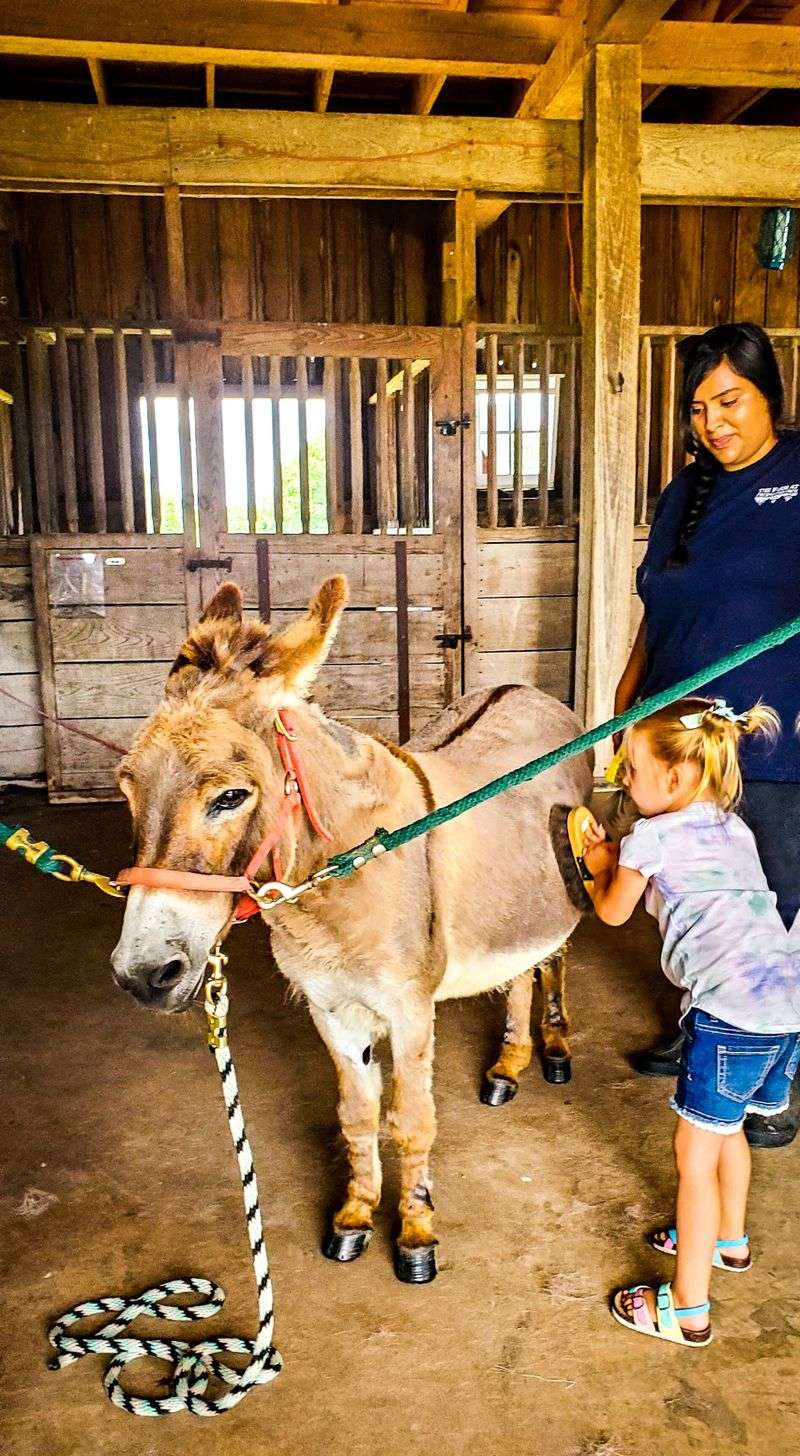
Getting a kid to clean their room is tough. Getting them to feed livestock at a historic farm?
Surprisingly easy.
Guests are often invited to join daily barn chores. These usually happen around 8 AM and 3 PM.
Tasks can include feeding the animals and collecting eggs. That’s a big moment for kids who think eggs grow in cardboard cartons.
Here’s a smart move. Check the schedule before you go, since farm routines can shift with the season and the weather.
Dress for it, too. Closed-toe shoes and clothes that can handle dirt will save you some stress.
Chores also open the door to good conversations. Ask kids how they’d feel doing this every single day before school.
On a 1920s farm, children helped constantly. Gathering eggs or carrying feed was simply part of growing up.
That comparison usually lands. Suddenly, unloading the dishwasher at home doesn’t sound so terrible after all.
The best part is how hands-on it feels. Kids aren’t just watching history happen, they’re helping it run for a few minutes.
Even shy kids tend to warm up once they’re holding a feed scoop. Responsibility looks good on them.
Sparks Fly In The Blacksmith Shop, Literally
Clang, clang, hiss. A working blacksmith shop is one of the most memorable stops on the property.
Demonstrations happen here, showing how farmers repaired and made metal tools. On a 1920s farm, you couldn’t just order a new part and wait two days.
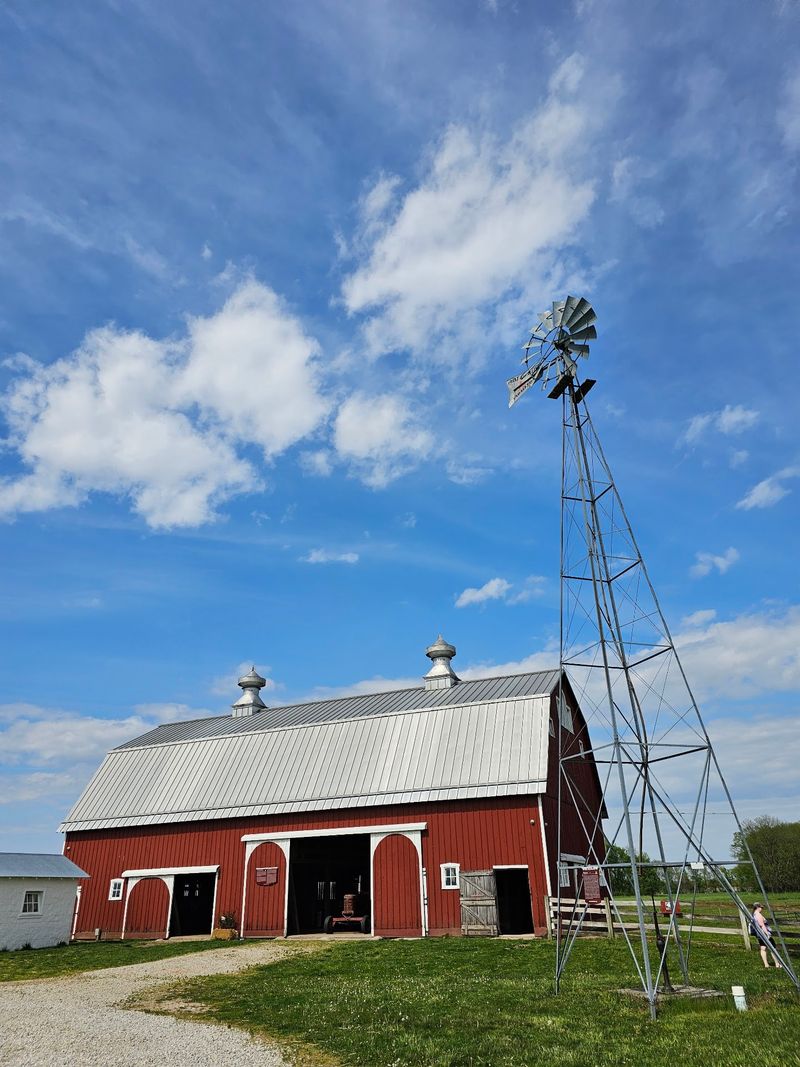
The shop sits among a full set of farm buildings. There’s a big barn, a corn crib, a milk house, chicken coops, a machine shed, and a windmill.
Each one had a purpose. Together, they show how farms tried to handle almost everything on their own.
Turn it into a scavenger game. Have kids guess what each building did before reading the signs.
The corn crib usually stumps people. It stored ears of corn while letting air flow through to keep them dry.
The windmill is another winner. It used wind to pump water, which beat hauling every bucket by hand.
Point out how connected everything was. Water, feed, tools, and animals all depended on each other.
Kids who love building things often light up in this area. It’s engineering, just with more hay and fewer screens.
Keep a safe distance during any demonstration. Hot metal deserves plenty of respect.
Old Seeds, Fresh Veggies, And Dinner On Antique China
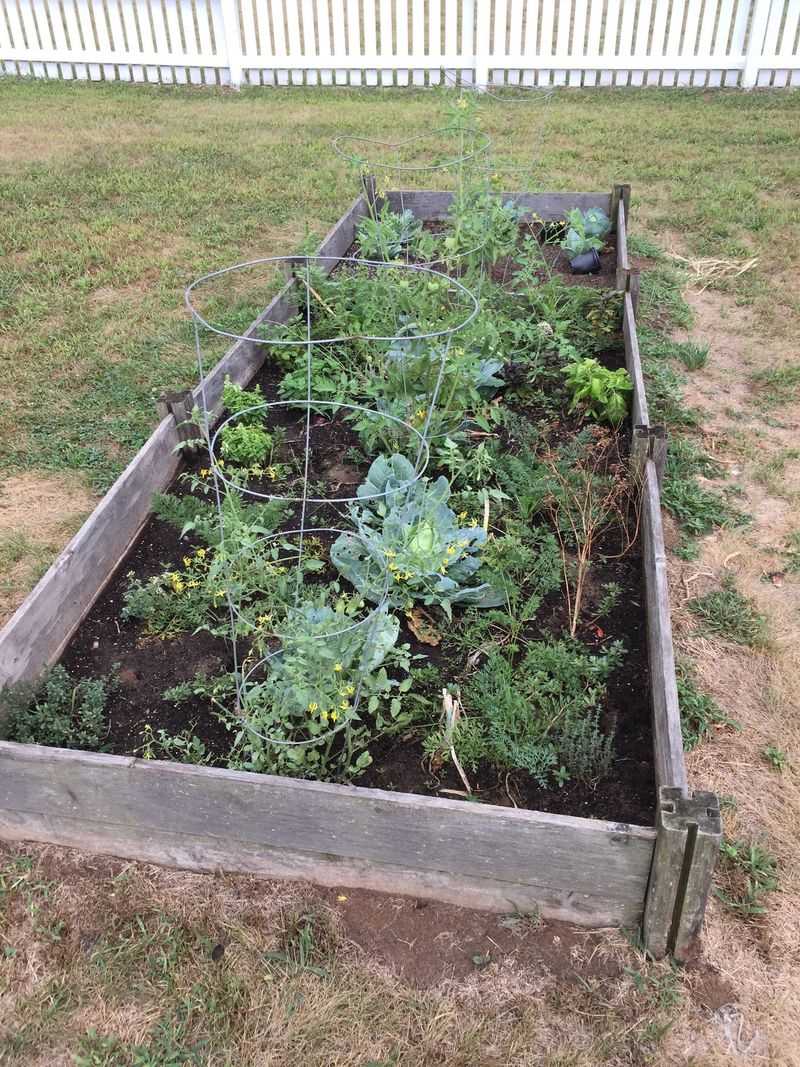
Heirloom tomatoes taste like a history lesson you can eat. The Farm grows heirloom vegetables and herbs in its gardens.
These gardens tie right into the farm’s focus on sustainable agriculture and homesteading. Seasonal fresh produce is available to buy, so your trip can end with something for supper.
The Farm also hosts heirloom plant sales. That’s a great chance to start an old-fashioned garden in your own backyard.
Got a kid who refuses vegetables? Letting them pick a plant to grow at home might change their mind.
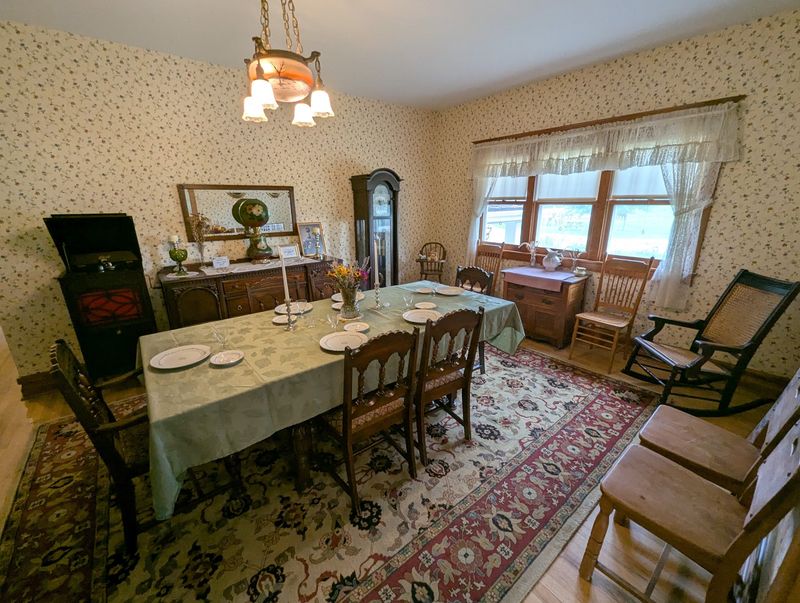
Then there are the farm-to-table dinners. These popular multi-course meals are served inside the Gibson Farmhouse on antique china.
Ingredients come from the farm itself or from other local producers. The meals highlight flavors and cooking practices from the early 1900s.
Picture eating in a Sears catalog house with dishes older than your grandparents. Fancy and folksy at the same time.
These dinners are special events, so plan ahead. Check the farm’s calendar for dates before getting your heart set on one.
Either way, the lesson is clear. Food once traveled steps, not miles, from the garden to the table.
Canning, Quilting, And Other Skills Grandma Could Teach
Learning used to happen at the kitchen table. The Farm at Prophetstown keeps that tradition going as a training center for old-time skills.
Programs and classes cover baking, blacksmithing, gardening, and canning. There’s also animal care, crafts, sewing, and quilting.
Even 1920s-style entertainment gets a turn. Because fun before television still counted as fun.
Experts help lead these offerings. Beekeepers, master gardeners, and home economics specialists all share what they know.
These classes are great for teens and adults. They’re also a nice way for families to learn something new together.
Think about what fits your crew. A kid who loves cooking might enjoy baking, while a crafty one could try sewing or quilting.
These skills are useful, too. Canning your own peaches or patching a pair of jeans never really goes out of style.
Watch the farm’s calendar for upcoming classes. Topics change through the year, often following the seasons.
There’s something empowering about making things yourself. It turns a fun day trip into knowledge you carry home.
Grandma would approve, and she might even ask what you learned.
Trick-Or-Treating With Animals Beats Ringing Doorbells
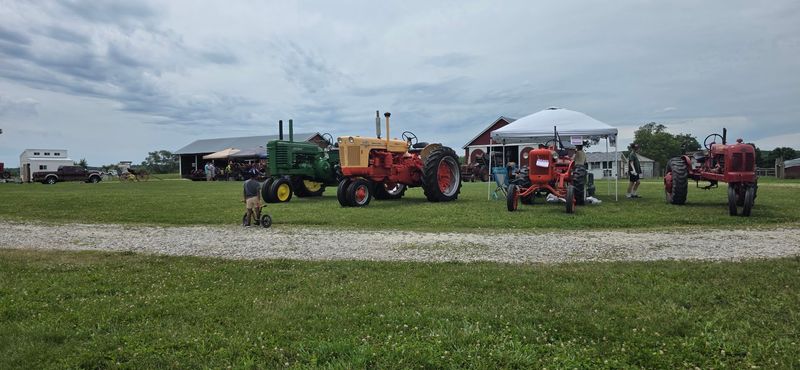
Halloween with a hog for a neighbor? At The Farm, Trick-or-Treating with the Animals makes that happen.
It’s one of many seasonal events on the calendar. Others include Family Day, Homesteaders’ Weekend, and a Turkey Trot 5K.
Winter brings its own cozy lineup. Breakfast with Santa and Christmas on The Farm help families celebrate in old-fashioned style.
Then there are the Concert and Barn Dance events. Few things feel more classic than music drifting out of a barn.
Popular events can draw a crowd. Plan to arrive with patience, snacks, and maybe a jacket.
Each event gives returning families a reason to come back. The farm looks and feels different in every season.
Spring means growth and new life. Fall brings harvest colors, and winter turns everything quiet and festive.
The Turkey Trot is a fun one for active families. Running off some energy before Thanksgiving dinner sounds smart.
Check the official event calendar before you go. Dates and details shift from year to year.
Kids remember holidays more than ordinary days. Tying those memories to a real farm makes history feel personal and pretty magical.
Plan Smart Because Your GPS Might Steer You Wrong
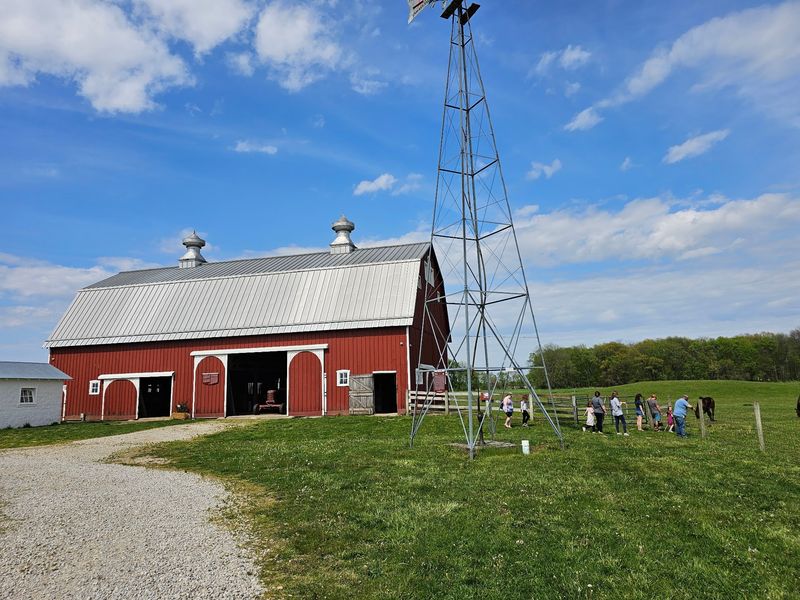
Mapping apps don’t always get this one right. Many send drivers the wrong way to Prophetstown State Park.
The park suggests using Exit 178 and State Road 43 north of Lafayette, not State Road 225. That small tip could save you a frustrating detour.
You’ll find The Farm at 3534 Prophetstown Road, Battle Ground, IN 47920. It sits inside the state park, near where the Tippecanoe River meets the Wabash.
Admission to The Farm is free once you pay the state park entrance fee. Out-of-state vehicles pay a bit more than Indiana plates.
Hours run 10 AM to 5 PM daily from April through October. From November through March, it’s open 10 AM to 4 PM Fridays, Saturdays, and Sundays.
Make a full day of it. Prophetstown State Park, dedicated in 2004, also has a Woodland Indian settlement.
There are hiking and biking trails, camping facilities, and an aquatic center. Tired kids sleep great after all that.
Pack water, sunscreen, and sturdy shoes. Pastures and paths can get muddy fast.
By the end, your kids will know where eggs come from and how houses once arrived by catalog. Not bad for one Indiana afternoon.
