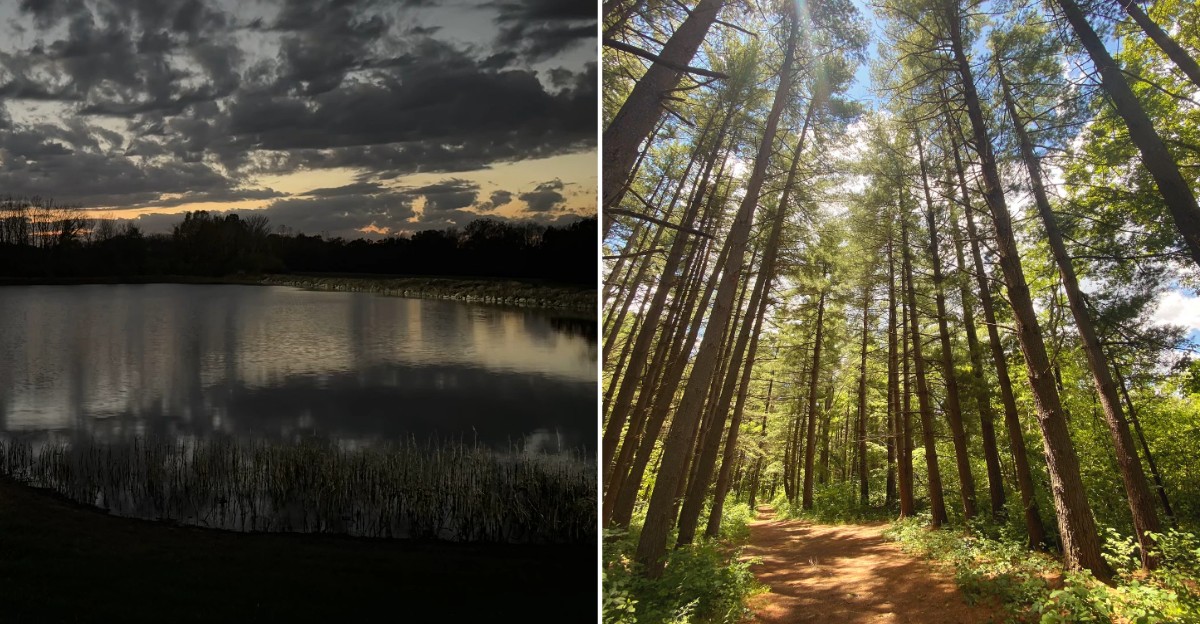
You can come here to fish and end up staring at a World War II bunker instead. This Missouri conservation area mixes 28 lakes and ponds with woods, trails, wetlands, and a surprisingly unusual past.
During the 1940s, part of the property was used for TNT production, and about one hundred old storage bunkers are still scattered across the land. Today, the area feels much calmer.
People come to fish, hike, watch wildlife, or drive the auto tour and see what they stumble across. The bunkers add a strange little twist to an otherwise peaceful outdoor stop.
You might spend one part of the day beside the water and the next wondering how much history is hiding just beyond the trees.
So Many Lakes You Could Fish A New Spot Every Trip
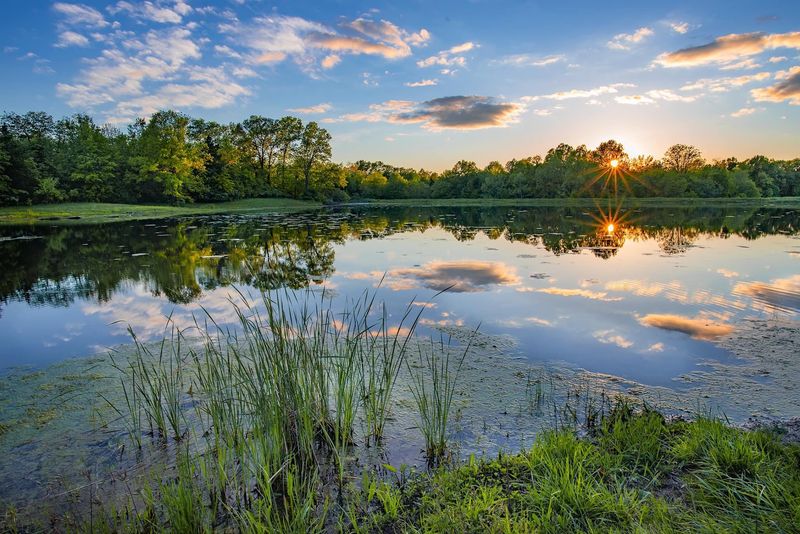
Honestly, the water is the first thing you should know about, because this conservation area is packed with lakes and ponds that are open for fishing. Some of them are big enough to spend a whole morning drifting around, while others are small, quiet ponds tucked back where you might have the bank almost to yourself.
Folks come here for catfish, crappie, bass, and bluegill, and some of the lakes even get stocked with trout during the cooler part of the year. Each lake can have its own rules about what you can keep and how you can fish, so it pays to read the signs posted at the water before you cast.
You will also want a valid Missouri fishing permit tucked in your pocket if you are old enough to need one.
My advice is to pick just a few lakes for your early visits instead of trying to hit them all, and then come back later to try a different spot with fresh eyes. The Missouri Department of Conservation posts maps and lake details online, which makes planning a lot easier than guessing once you arrive.
Bring a folding chair and some sunscreen, because the best part of fishing here is how calm and green everything feels around you.
Getting Out To St. Charles Without Any Fuss
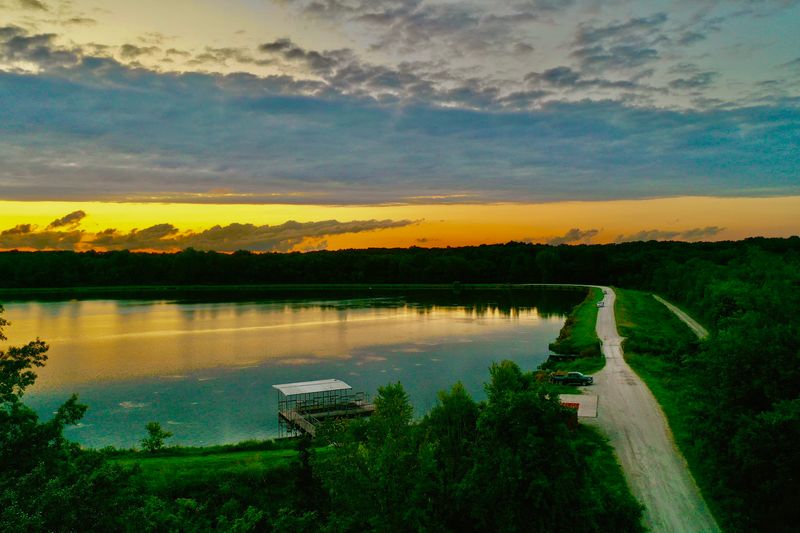
You will find the main entrance at 2360 Highway D, St. Charles, MO 63304, which puts you out in St. Charles County, just west of the busy St. Louis area. Once you turn in, the city noise fades pretty quickly, and it starts to feel like you drove a lot farther than you actually did.
The whole area is managed by the Missouri Department of Conservation, and you can tell the land is looked after with real care. Roads wind through the property and connect the lakes, trails, and parking spots, so you can drive between the different sections instead of hiking everywhere.
That is really handy if you are carrying fishing gear, a cooler full of sandwiches, or a sleepy kid in the back seat.
Before you head out, pull up a map on your phone or grab a paper map once you arrive, because the property is big and the roads can loop around in ways that might surprise you on the way back. Having a rough plan keeps you from wasting daylight trying to figure out where you parked.
I would also suggest making the Visitor Center your starting point on your early trips. The displays and the helpful folks there can point you toward whatever you are in the mood for, whether that is fishing, walking, or just looking for birds.
Concrete Bunkers That Once Held TNT
Picture walking along a quiet road through the trees and spotting a grassy mound with a heavy concrete front poking out of the hillside. That is an old TNT storage bunker, and there are a whole lot of them scattered across this land.
During wartime, this area was part of the Weldon Spring Ordnance Works, a huge plant that made explosives for the war effort. Workers needed safe places to store all that TNT, so they built these sturdy bunkers spread far apart from each other in case anything went wrong.
Many of them are still standing today, looking a little mysterious and a lot like something out of an adventure movie.
Seeing them up close is a strange mix of creepy and fascinating, and it really makes you think about how different this peaceful place used to be. Kids especially tend to get curious about them, which makes for some great history conversations on the ride home.
Just remember that the bunkers are part of the landscape to look at, so stay respectful and follow any posted signs about where you can and cannot go. Treat them like the historic pieces they are, and take your photos without climbing on top of them or trying to get inside.
Fallen Oak Trail And Other Easy Walks
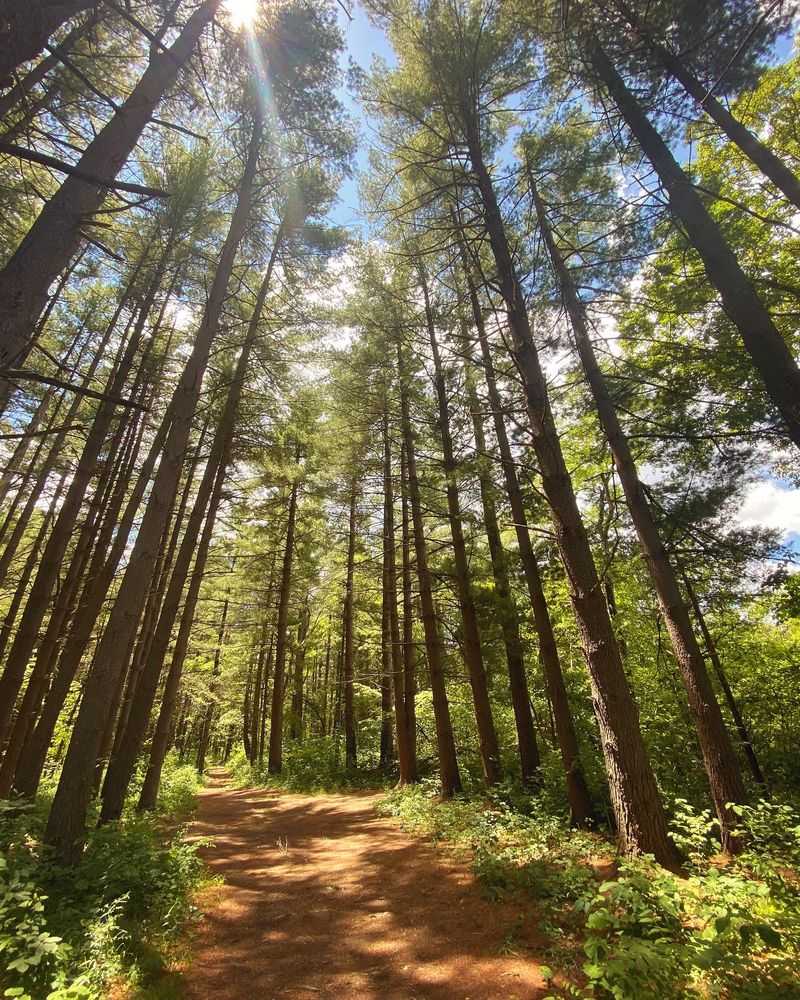
If you like a walk where you can actually chat without huffing and puffing, the Fallen Oak Trail is going to make you happy. It is a short, paved loop that starts right behind the Visitor Center, so you do not have to go searching for a trailhead.
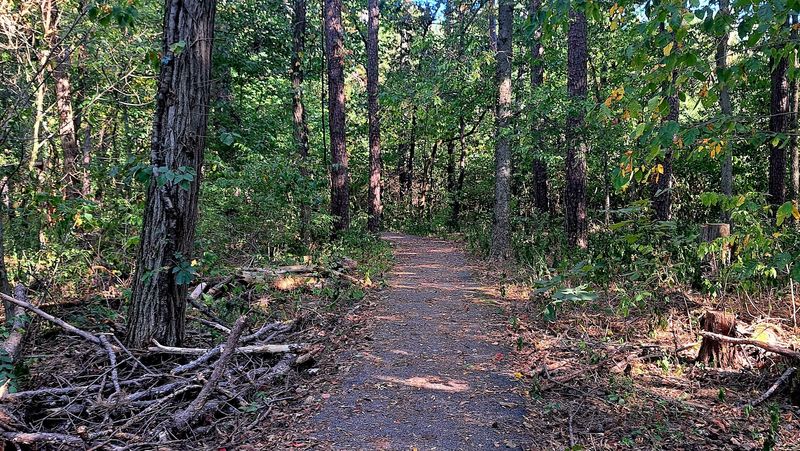
Because it is paved, the trail works nicely for strollers and for anyone who wants a smooth, easy surface under their feet. The path winds through the trees, and it is a nice way to slow down and notice the birds, the leaves, and the little sounds of the woods around you.
For folks who want a bit more of a workout, the conservation area has other hiking trails spread across the property. Some of those trails are open to bikes too, which gives you a fun way to cover more ground and see more of the landscape.
Just check the trail signs and maps so you know which paths allow bikes and which ones are for walking only.
Toss a water bottle and some bug spray in your bag, especially in the warmer months when the woods get buzzy. Wear comfy shoes too, since the longer trails can get muddy after a good rain.
Archery And Firearms Ranges For Target Practice
Here is something you might not expect at a place full of lakes and walking trails, and that is a spot to practice your aim. The conservation area has both an archery range and a staffed shooting range, which makes it a popular stop for hunters and target shooters in the area.
Having staff on hand at the firearms range is a big deal, because they help keep things organized and safe for everyone using it. If you are new to shooting sports, that kind of setup can make the whole experience feel a lot less intimidating.
The archery range is a fun option if you want to try something a little quieter and more old-fashioned. It can be a relaxed place to get comfortable with a bow in a safe, open space, and it is a nice change of pace from fishing or hiking.
Before you go, check the Missouri Department of Conservation website for current range hours, rules, and any requirements like safety glasses or ear protection. Hours for the ranges can be different from the rest of the area, so a quick look ahead of time saves you from showing up when things are closed.
Bring your own gear, pack some water, and plan on having a focused, satisfying afternoon.
A Driving Tour Made For Spotting Wildlife
Some days you just want to roll the windows down, go slow, and let the animals come to you. The auto tour route here winds past lakes, fields, and special viewing areas, so you can look for wildlife without ever leaving your seat.
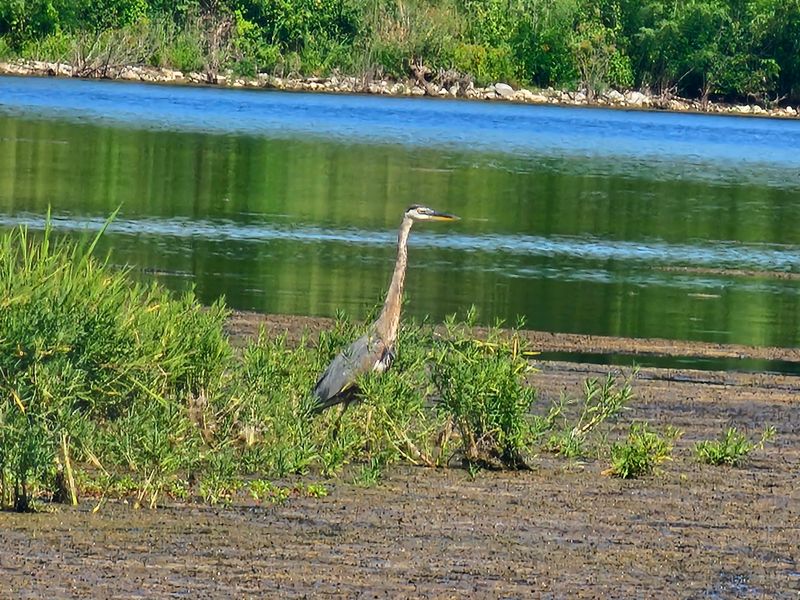
Because the land mixes forests, prairies, and wetlands, it attracts a wide range of creatures throughout the year. You might spot deer grazing near the edge of the woods, turkeys strutting across a field, or herons standing perfectly still in shallow water.
Ducks and geese show up on the lakes too, especially when the seasons change and birds are passing through Missouri.
Early mornings and evenings tend to be the best times for seeing animals, since that is when a lot of them are out moving around and looking for food. Pull over only in safe spots, turn off your engine if you are stopping for a while, and keep your voices low so you do not scare anything away.
Pack some binoculars and maybe a field guide, because it is really fun to figure out exactly what you are looking at. A camera with a good zoom is great too if you want to take home some shots of the wildlife.
The Visitor Center Is Worth A Quick Stop
Think of the Visitor Center as the friendly front porch of the whole conservation area, the place where everything starts to make sense. It has educational displays about the local fish and wildlife, so you can learn what lives in those lakes before you try to catch any of it.
Among the neatest features is the birdwatching station, which comes with binoculars you can use while looking out at the feeders and the habitat nearby. It is a relaxing way to spend some time, and it is surprisingly easy to lose track of how long you have been watching.
The displays are also a nice way to understand how the land changed over time, from its busy wartime days to the peaceful spot it is now. If you are the type who likes to know the backstory before exploring, this is where you should begin your day.
You can also pick up maps and ask questions about fishing rules, trails, or what is happening around the property.
Restrooms are available there too, which, let’s be honest, is a very important detail when you are planning a long day outdoors. Check the Visitor Center hours online before you go, since they are often shorter than the hours for the rest of the area.
Early Starts, Late Finishes, And Smart Planning
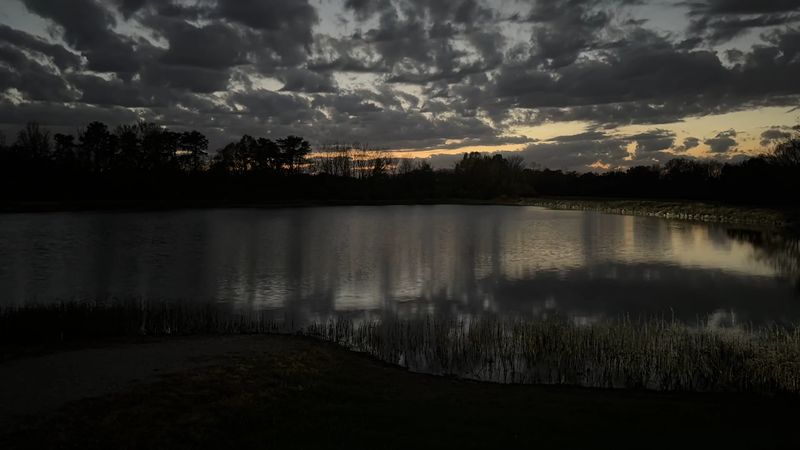
Something I really love about this place is how early it opens and how late it stays open, which gives you so much room to plan your day. You could show up before sunrise to fish in the quiet morning light and still have time for an evening walk before the gates close.
That long window means you do not have to squeeze everything into a rushed afternoon. Some people like to split their visit into chunks, like fishing in the morning, a picnic lunch, a drive along the tour route, and a slow walk as the sun goes down.
Keep in mind that this is a conservation area, so the goal is protecting the land and the wildlife that live here. Pack out your trash, stick to marked trails and roads, and leave the plants and animals just the way you found them.
Hunting seasons happen here too, so it is smart to check the rules and wear something bright during those times.
Before any trip, look at the Missouri Department of Conservation page for current hours, closures, and special events. That quick check will help you make the most of your visit to this surprising slice of the state, and it keeps your day running smoothly from start to finish.
