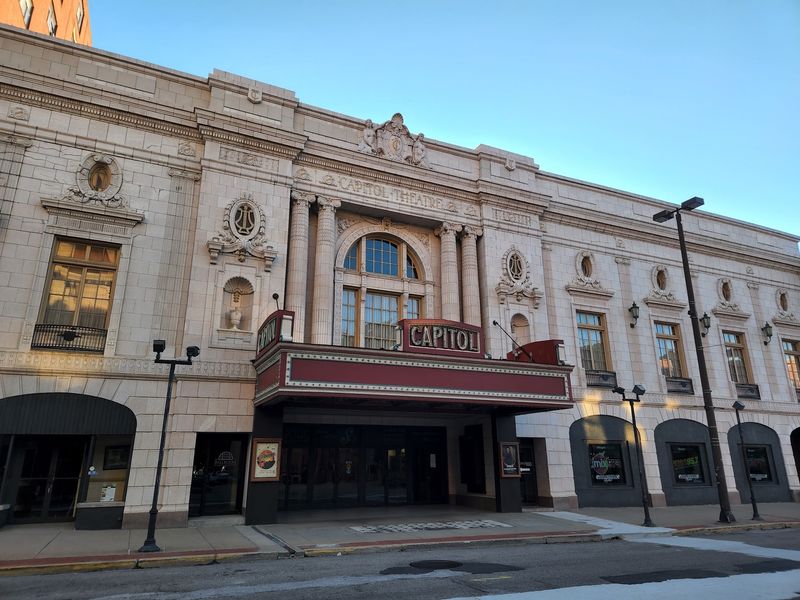
A church icon in West Virginia reportedly fell twenty-five feet during a 1932 fire and came out without a scratch. The parishioners took that as a sign.
The very next year, they started cooking to raise money for a new building.
They never really stopped. More than ninety summers later, that fundraiser still fills plates with kibbee, grape leaves, spinach pies, and baklava.
I like how a recovery plan turned into one of the longest-running food traditions in the state.
The cooks are volunteers. Many of the recipes reportedly travel from grandmother to grandchild, the way good family secrets should.
Add live Middle Eastern music and dabke dancers, and you get a party with real roots.
So how did a small immigrant parish end up feeding an entire river city every August? The answer starts more than a century ago.
1. A River City With A Lebanese Heartbeat You Might Not Expect
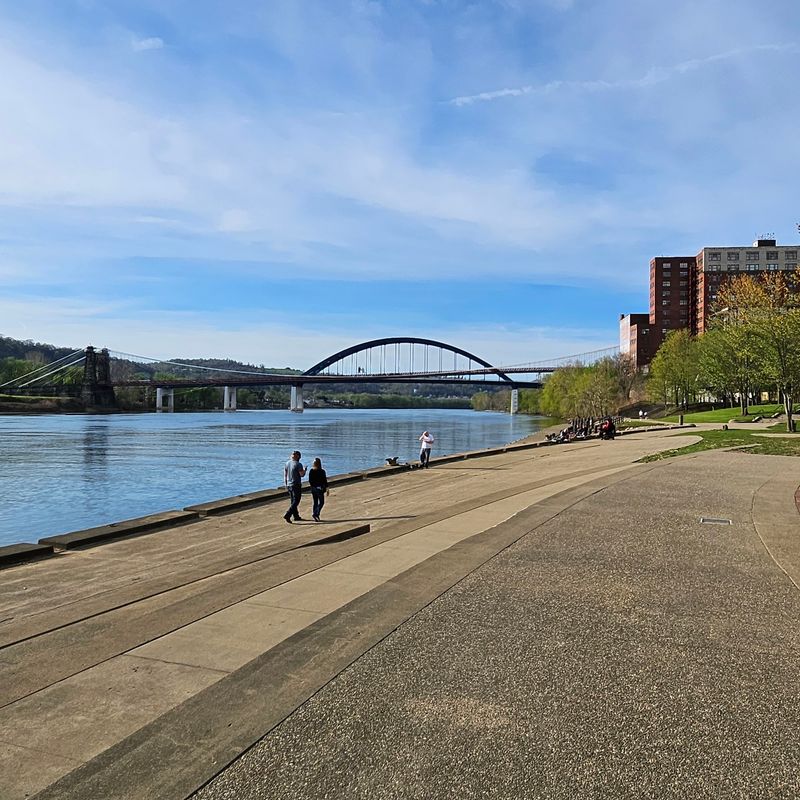
Wheeling sits along the Ohio River in the foothills of the Appalachian Mountains. It serves as the county seat of Ohio County and stretches into Marshall County in West Virginia’s northern panhandle.
Most folks know the city for its riverfront, its old brick neighborhoods, and its long industrial story. Fewer realize how deeply Lebanese families helped shape it.
That influence shows up most clearly at Our Lady of Lebanon Maronite Catholic Church. The parish is often described as the only Maronite Catholic church in West Virginia.
For Lebanese Americans across the state, that makes it a spiritual and cultural anchor. Weddings, baptisms, and family gatherings have tied generations to this one parish.
Then there’s the food. Every summer, the church hosts the Mahrajan Lebanese Festival, a celebration that has reportedly run since 1933.
The word mahrajan roughly means festival in Arabic, which feels pleasantly honest. Nobody needed a fancy marketing name when the kibbee speaks for itself.
What makes the story land is how ordinary it started. A congregation needed money, so they did what generations of West Virginia church folks have always done, and they cooked.
The difference is what ended up on the plates. Pepperoni rolls have serious competition here.
2. Peddlers, Shopkeepers, And A Long Road From The Cedars
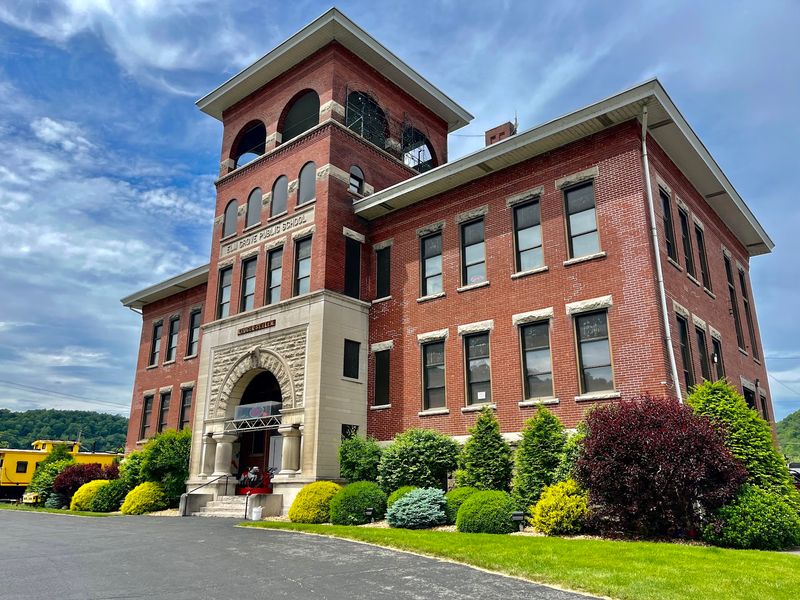
Long before the festival, there was the journey. Lebanese immigrants began arriving in West Virginia in the late 1800s and early 1900s, according to the West Virginia Encyclopedia.
Many were Maronite Christians leaving behind hard times under Ottoman rule. Wheeling became one of the cities where a number of these families put down roots.
Plenty of newcomers reportedly started out as peddlers. They carried goods from town to town, building trust one doorstep at a time.
Over time, many of those peddlers became shop owners. Their businesses helped fill storefronts and feed local commerce across the region.
I can’t imagine the grit that took. These families arrived with a new language to learn and a whole new landscape of hills and hollows to figure out.
Faith held them together through all of it. In 1906, the community established the parish that would become Our Lady of Lebanon.
That date matters because it shows how quickly a church became the priority. Before many families had much of anything, they wanted a place to worship together.
Small-town West Virginia pride often grows from exactly this kind of story. Folks who came with little built something lasting, and their grandkids still show up to keep it going.
3. The Icon That Survived A 1932 Blaze And Sparked Everything
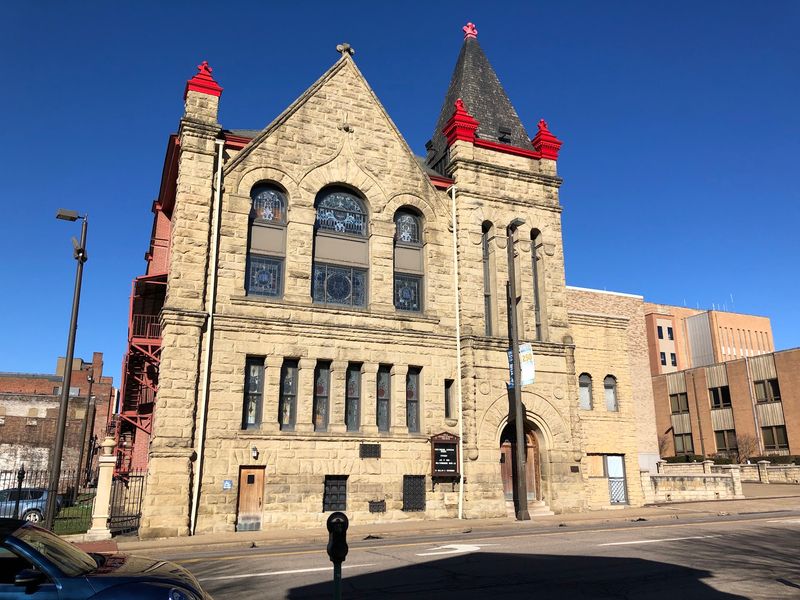
December 19, 1932, was a rough night for the parish. The church building on Eoff Street, built in 1922, was destroyed by fire.
Here’s the detail that gets people. A large framed icon of Our Lady of Lebanon, roughly four by six feet, reportedly survived completely unharmed.
Church history says it even fell about twenty-five feet during the blaze. Somehow it came through intact while the building around it was lost.
For the parishioners, that felt like far more than luck. They saw it as encouragement to rebuild, and they got to work.
Remember, this happened during the Great Depression. Money was scarce for nearly every family in the country, let alone a small immigrant congregation.
So they turned to what they had in abundance. Recipes, family labor, and a deep stubborn faith became their fundraising plan.
In 1933, the first Mahrajan was held to help pay for a new church. Few could have guessed that one fundraiser would still be running nine decades later.
I believe that’s why the festival feels different from a typical summer fair. Every plate quietly carries a bit of that 1932 story, whether you know it or not.
4. Kibbee, Grape Leaves, And A Menu Worth Planning Your Day Around
Kibbee leads the lineup, and for good reason. The festival describes it as a savory blend of ground meat and wheat, a true Lebanese classic.
Stuffed grape leaves come next on many wish lists. They’re the kind of food that takes patience to roll, which tells you something about the volunteers.
Spinach pies and meat pies round out the handheld options. Tabbouleh adds a bright, fresh salad to the mix.
Then there’s hummus and warm za’atar flatbread. That herby, tangy topping is reason enough to grab extra napkins.
Hungrier folks can look for chicken shawarma and lamb shish kabob. Both have been listed among the festival’s heartier choices.
What I like most is the homemade angle. Parish volunteers prepare the food using recipes handed down through generations of Wheeling families.
That’s a big deal in a world full of frozen shortcuts. Church supper cooking in West Virginia has always meant real hands in real dough.
Menus can shift a little from year to year, so check the festival’s official announcements before you go. Either way, pacing yourself is smart, because dessert is waiting.
5. Save Room, Because The Pastry Table Plays Dirty
Baklava gets the headlines. Those flaky layers of pastry and nuts are a familiar favorite for good reason.
But the festival’s sweets table goes deeper than that. Namoura, a semolina cake, and date rolls have both appeared among the offerings.
Fair warning for anyone with willpower goals. Lebanese pastries tend to be small, which makes it dangerously easy to justify just one more.
Many families reportedly pick up extra treats to take home. That’s a pretty clever move if you want the festival to last into the next morning.
Baking at this scale takes real coordination. Volunteers from Our Lady of Lebanon Maronite Catholic Church handle the preparation, often long before festival day arrives.
Picture rows of trays, careful hands, and recipes that have outlived several generations of bakers. Okay, I can’t actually show you that, but the effort shows on the table.
For parents, this part feels like a small personal reward. You came for the culture and the history, and you leave with something sweet in a box.
Honestly, that’s a fair trade. History lessons rarely come with namoura.
6. Live Music And Dabke Dancers Keep The Shelter Buzzing
Food may draw the crowd, but music sets the mood. The Mahrajan features live Middle Eastern music, often from groups like the David Hakim Ensemble of Cleveland.
That sound gives the whole pavilion a different energy. It’s lively, rhythmic, and hard to sit still through.
Then come the dabke dancers. Dabke is a traditional Lebanese line dance known for linked arms and strong, stomping steps.
Troupe Bint il Nahar, led by Tiffani Ahdia, has performed at the festival. Their shows help turn a meal into a full cultural celebration.
I like that the dancing isn’t just a stage act. It’s a living expression of heritage, carried by people who grew up with it.
Watching a tradition like that can be a great conversation starter with kids. It’s also simply fun for grown-ups who enjoy a good beat with dinner.
Performers can change from year to year, so check current listings from the parish before heading out. Whoever takes the stage, the spirit stays the same.
Is there a better way to digest kibbee than tapping your foot? I’m not convinced there is.
7. Oglebay Park Gives The Feast A Green, Roomy Backdrop
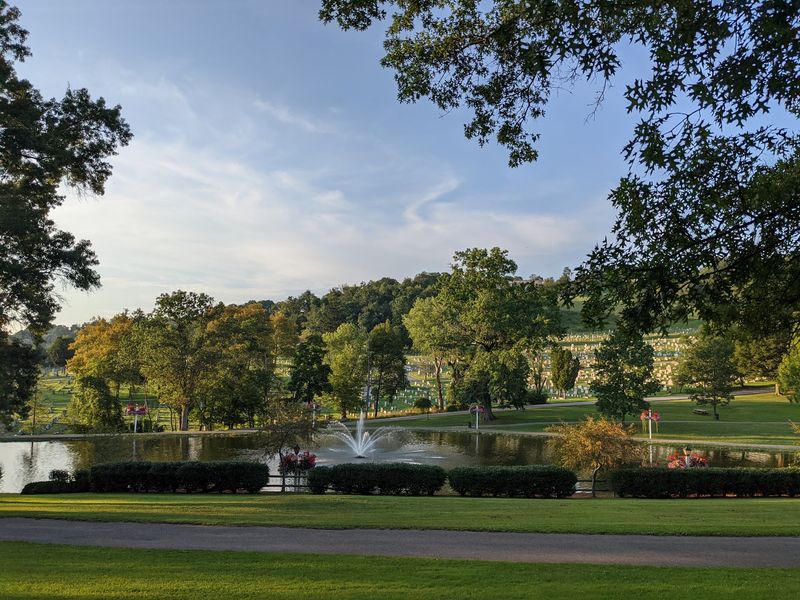
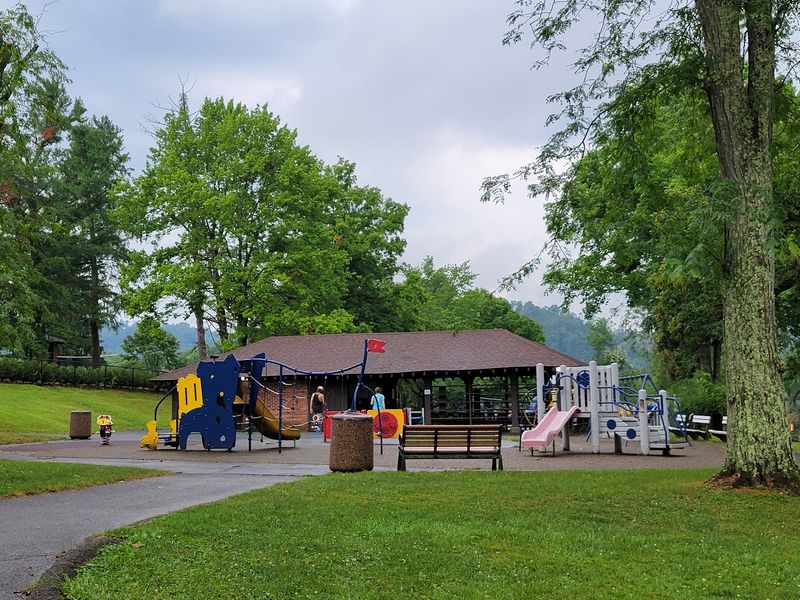
Location matters for an outdoor feast, and this one picked well. The Mahrajan Lebanese Festival is held at the Levenson Shelter, Site #1, in Oglebay Park.
Oglebay is one of Wheeling’s best-loved spots. Its rolling grounds give the festival a relaxed, picnic-style feel.
A covered shelter is a practical choice in West Virginia summers. Organizers have described the event as running rain or shine.
That’s reassuring if you’ve ever watched mountain weather change its mind by the hour. A sudden shower won’t cancel your grape leaves.
Families with little ones get some extras too. The festival has included inflatable amusements for children.
That lets parents linger over a second plate while the kids burn off energy nearby. Everybody wins, especially the adults.
The park setting also makes the day easy to stretch out. You could arrive hungry, eat well, and then wander the grounds afterward.
Shelter assignments and layouts can change, so confirm the site with the parish before you go. Most years, though, Oglebay has been the festival’s familiar summer home.
8. Families Drive In From Far Beyond The Northern Panhandle
Some festivals draw neighbors. The Mahrajan reportedly draws Lebanese Americans from many corners of the country.
For those families, it works a lot like a reunion. Cousins reconnect, grandparents catch up, and kids meet relatives they rarely see.
That gives the event a warm, homecoming kind of feeling. It’s the kind of tradition West Virginians understand deep in their bones.
Think about the church suppers, county fairs, and family gatherings so many of us grew up with. This festival carries that same spirit, just with a Lebanese accent.
Faith, family, and love sit at the center of it. The parish has framed the festival as a testament to all three.
You don’t need Lebanese roots to feel welcome, either. The festival has long opened its doors to the wider Wheeling community and visitors.
I believe that’s part of its staying power. A celebration that shares itself tends to keep finding new friends.
Maybe you have your own memory of a church festival from childhood. If so, this one might feel surprisingly familiar, even if the menu is brand new to you.
9. Recipes Handed Down Like Family Heirlooms
Grandmothers have probably taught more cooking than any culinary school ever will. At Our Lady of Lebanon, that teaching reportedly happens every festival season.
Volunteers prepare the traditional foods by hand. Younger parishioners often learn the recipes and techniques by working alongside older cooks.
That matters far beyond the menu. Culture, language, and values tend to travel along with a good recipe.
Rolling grape leaves side by side gives families time to talk. Stories get shared, and the old ways stay alive.
The festival’s purpose has grown well past its 1933 fundraising roots. Today it helps make sure Lebanese heritage doesn’t fade from West Virginia.
I find that genuinely moving. A church that once needed rebuilding now helps rebuild memory, one batch of kibbee at a time.
There’s also something very Appalachian about it. Our region treasures handed-down cast iron, quilts, and recipe cards stained with years of use.
The Lebanese families of Wheeling simply added their own heirlooms to that tradition. Their legacy just happens to come wrapped in pastry dough.
10. Eoff Street Is Where The Story Lives Year-Round
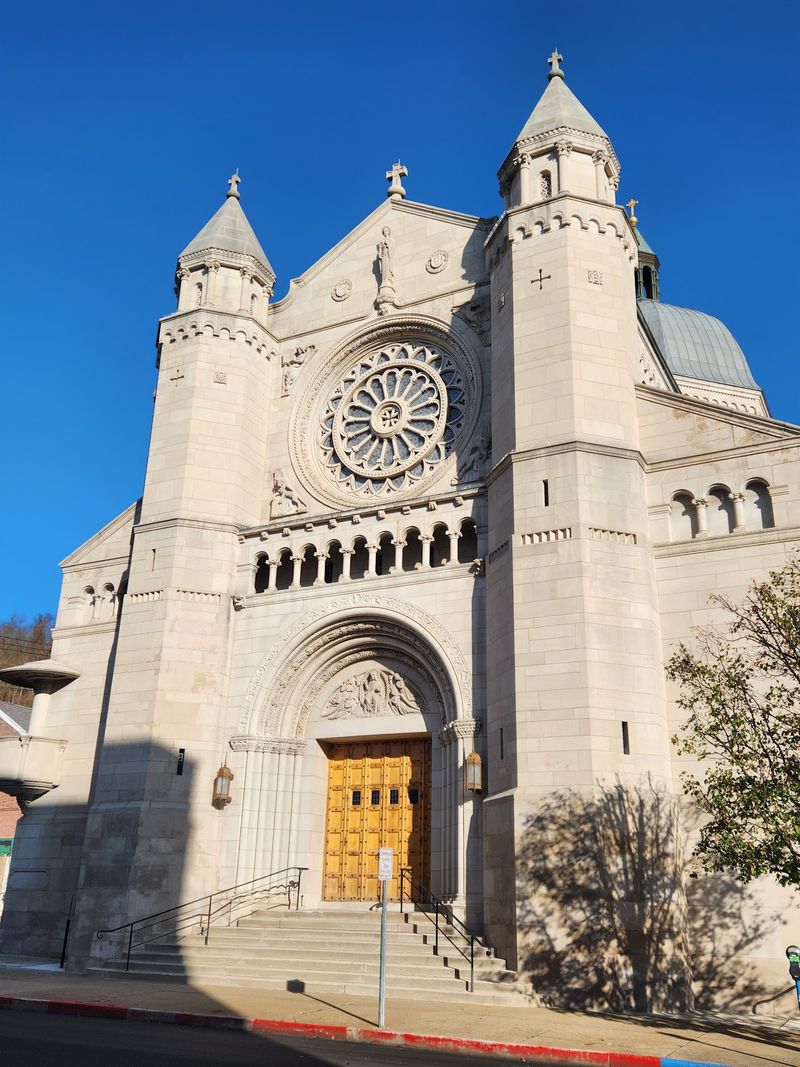
August gets the spotlight, but the parish never takes the rest of the year off. Our Lady of Lebanon Maronite Catholic Church sits at 2216 Eoff Street, Wheeling, WV 26003.
It continues to hold regular Divine Liturgies for its congregation. That’s the heartbeat behind every festival plate.
The Maronite tradition is an Eastern Catholic church with roots in Lebanon. Its liturgy and customs give the parish a character all its own in West Virginia.
For local Lebanese families, the church remains a center of faith and identity. It’s where milestones happen and where community ties stay strong.
Visitors interested in the history may enjoy simply seeing the street where the story played out. The original building on Eoff Street was the one lost in 1932.
Out of that loss came a festival that has outlasted generations. Few church fundraisers can claim that kind of track record.
If you plan to attend a service, check the parish schedule ahead of time. Times can change, and the parish shares updates through its own channels.
Either way, it’s worth knowing the address. Every Mahrajan bite traces back here.
11. Why This August Tradition Deserves A Spot On Your Calendar
Ninety-plus years is a long run for anything. For a church fundraiser born from a Depression-era fire, it’s downright remarkable.
The Mahrajan Lebanese Festival delivers more than a good meal. It offers a real chapter of Wheeling history you can actually taste.
Plan for a summer visit, typically in August. Dates, hours, and menu details are announced each year by Our Lady of Lebanon, so confirm before you drive.
Bring cash-friendly flexibility and an open appetite. Oglebay Park makes it easy to turn the festival into a full afternoon out.
Parents get a cultural outing that doesn’t feel like homework. Kids get music, dancing, and those inflatables, while adults get the pastry table.
History buffs will appreciate the backstory most of all. Few West Virginia events can point to a surviving icon as their origin.
I can’t think of a better way to honor immigrant grit than showing up hungry. Every plate supports a parish that has served this city for more than a century.
So when August rolls around, think about heading to Wheeling. The kibbee has been waiting since 1933.
