You have probably noticed the changes. New faces in town, new businesses opening, old ones closing.
The housing market is shifting, and the prices are climbing. Locals across New Hampshire are starting to talk about something that has been happening quietly.
Investors are buying up properties in small towns. I have been watching this trend for a while, and I have spoken to people who have lived in these towns for decades.
They are worried. The character of their communities is changing.
The affordable housing is disappearing. The local businesses are struggling to compete.
I talked to a woman whose family has owned a home in one of these towns for three generations. She told me she cannot afford to stay.
That is the thing about these New Hampshire towns. They are being reshaped from the outside, and the people who built them are being pushed out.
1. Lincoln, NH
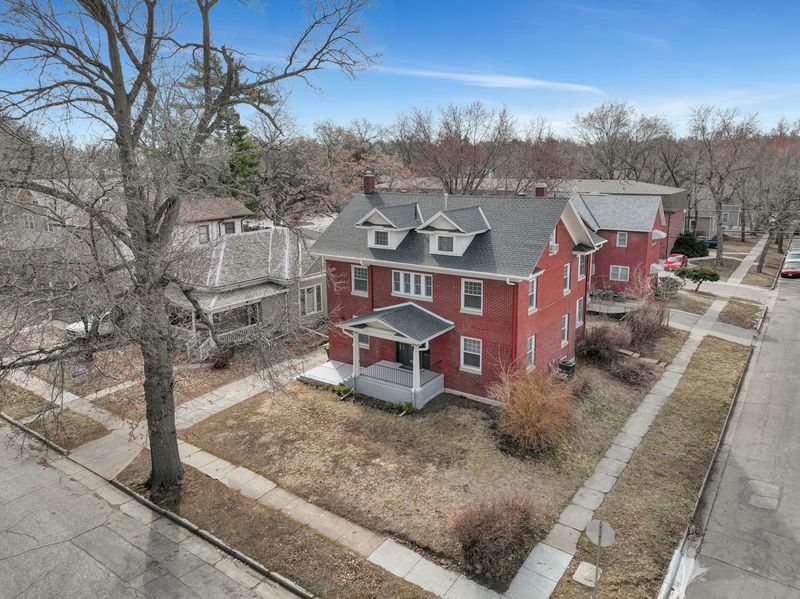
Tucked inside the White Mountains, Lincoln has always felt like a place where the peaks do the talking. Lately, though, a different kind of conversation is happening at town hall meetings, and it centers on short-term rental acquisitions reshaping the neighborhood fabric.
Investors have zeroed in on Lincoln because of its year-round appeal. Franconia Notch State Park sits practically at the town’s doorstep, pulling in hikers, leaf-peepers, and winter adventurers who need somewhere to stay.
That steady stream of visitors makes every single-family home look like a potential income property to an out-of-state buyer with a spreadsheet.
I walked through some of Lincoln’s older residential streets recently and noticed a striking pattern. Houses that once belonged to multigenerational families now carry professional property management signs and keypad door locks.
The porches are swept clean, the landscaping is tidy, and the neighbors have no idea who actually owns the place anymore.
Local workers in the hospitality and outdoor recreation sectors feel the squeeze most acutely. Affordable rentals have dried up, and the workforce that keeps Lincoln’s restaurants and ski operations running is commuting from farther and farther away.
That’s a slow leak that can quietly deflate a mountain town’s community spirit.
Lincoln sits along the Kancamagus Highway corridor, one of New Hampshire’s most photographed drives. That scenic cachet makes it irresistible to platform-listed rental operators.
The town is genuinely stunning, but the character locals built over decades deserves protection just as much as the mountain views do.
2. Conway, NH
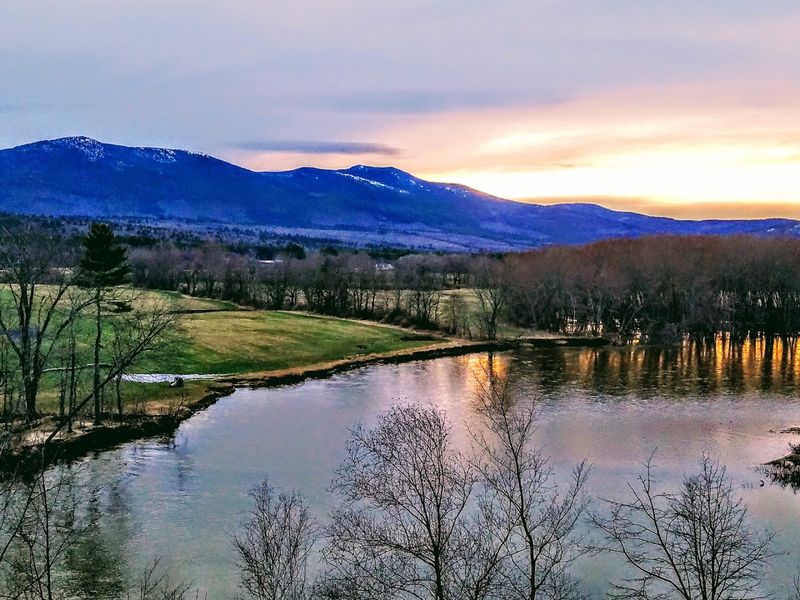
Conway wears its scenic credentials like a badge of honor. The White Mountains loom magnificently to the north, the Saco River winds through town, and the Conway Scenic Railroad adds a storybook quality that photographers and weekend escapers absolutely adore.
All of that natural charm has made it a prime target for vacation property investors.
The investment activity here feels different from a typical market uptick. I’ve spoken with people who grew up in Conway and watched their childhood neighborhoods transform into clusters of vacation rentals almost overnight.
Homes that families once passed down through generations are now listed on short-term platforms within weeks of changing hands.
What makes Conway particularly interesting is its dual identity. North Conway, the commercial hub, already has a well-established tourist infrastructure with outlet shopping and mountain access.
Investors see the quieter residential pockets of Conway proper as the next frontier, places where prices are still relatively accessible but appreciation potential is enormous.
Echo Lake State Park and Cathedral Ledge draw rock climbers and sightseers from across New England. That consistent foot traffic is exactly the kind of demand signal that fuels vacation property speculation.
Every trailhead parking lot full of out-of-state license plates tells an investor that the rental calendar will stay booked.
Long-term residents of this New Hampshire town worry that the community’s authenticity is being commodified. The quirky local shops, the school fundraisers, the volunteer fire department cookouts, those things depend on people who actually live there year-round, not properties that sit empty between bookings.
3. Jackson, NH
Few towns in New England nail the postcard aesthetic quite like Jackson. The red covered bridge arching over the Ellis River greets every arriving visitor like a welcoming handshake, and the surrounding White Mountain scenery is genuinely jaw-dropping in every season.
That irresistible charm is precisely why tourism-driven buying has accelerated here so dramatically.
Jackson’s appeal is rooted in its four-season versatility. Pinkham Notch and Mount Washington are practically neighbors, drawing serious hikers in summer, leaf-peepers in fall, and skiers in winter.
Wildcat Mountain Ski Area sits just up the road, and the Jackson Ski Touring Foundation maintains an extensive cross-country trail network that winds right through the village. Investors read that kind of year-round demand as a very reliable revenue stream.
Walking through Jackson’s village center, I notice that many of the charming inns and historic homes have quietly changed ownership in recent years. Some have been converted into professionally managed vacation rentals that operate with impressive efficiency but very little connection to the local community.
The warm, innkeeper-knows-your-name culture that made Jackson famous is slowly being replaced by check-in codes and automated messaging.
Story Land, the beloved family theme park just down the road in Glen, adds another layer of tourist magnetism that investors find hard to ignore. Families traveling with children need accommodation nearby, and that demand keeps short-term rental occupancy rates enviably high throughout the summer months.
Jackson, New Hampshire has always been a destination worth celebrating. The challenge now is making sure that the people who love it most can still afford to call it home.
4. Hampton, NH
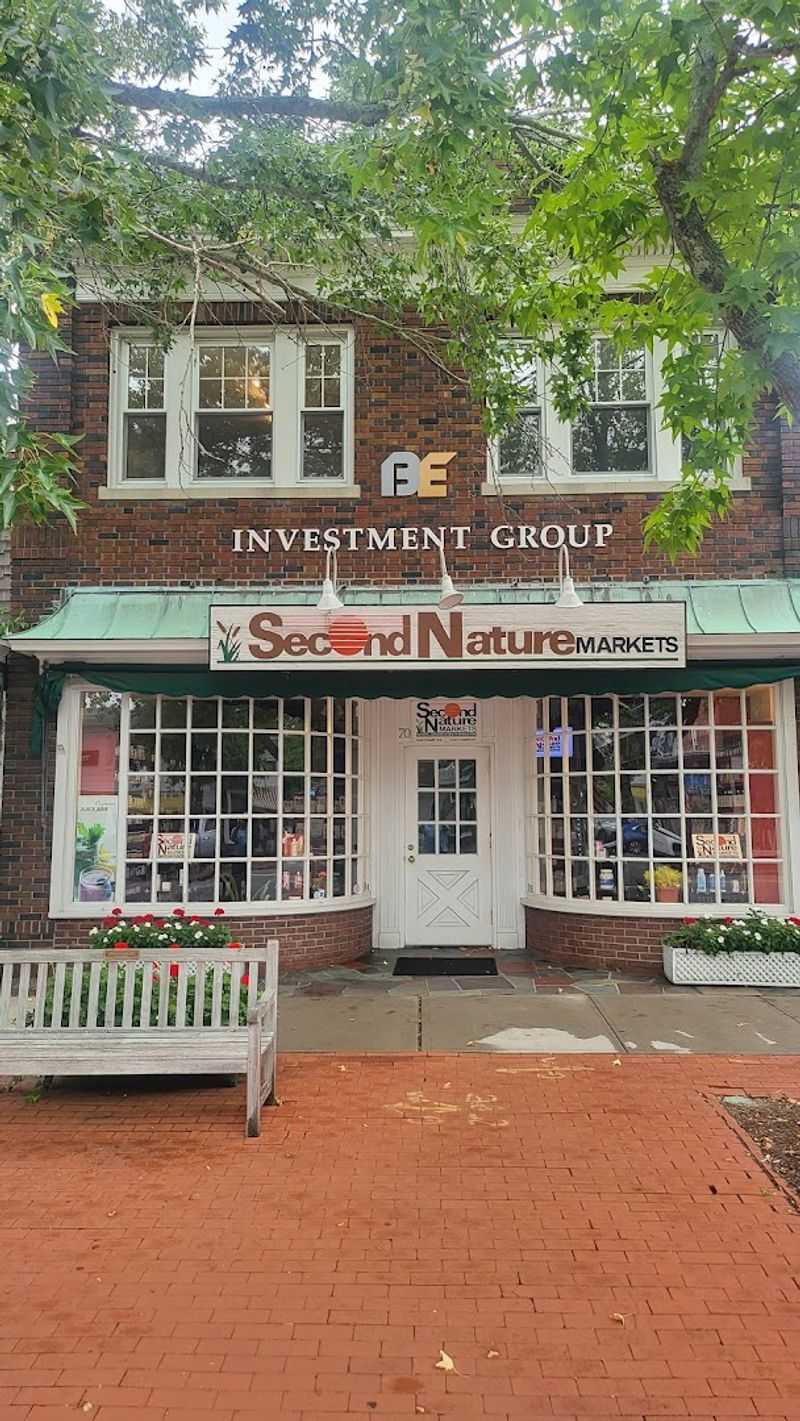
Hampton Beach has always had that electric, end-of-summer-road-trip energy. The Atlantic stretches out endlessly, the seagulls are perpetually ambitious, and the boardwalk hums with the kind of cheerful chaos that families drive hours to experience.
That magnetic coastal energy has not gone unnoticed by investors hunting for high-yield opportunities.
Coastal properties in this corner of New Hampshire carry a premium that has only grown steeper in recent years. Investors from Massachusetts, Connecticut, and beyond have identified Hampton as one of the most accessible and profitable beach markets in the northeast.
The short drive from Boston makes it incredibly easy to fill a rental calendar from Memorial Day straight through Labor Day.
I find it fascinating how quickly the property ownership landscape has shifted here. Longtime cottages that families rented informally for decades have been purchased, renovated with investor-grade finishes, and relisted at rates that price out the very families who once considered them annual traditions.
The informal generational relationships between owners and renters have largely evaporated.
Hampton Beach State Park remains one of New Hampshire’s most visited natural assets, drawing enormous crowds to its expansive sandy shoreline and fascinating tide pool ecosystems. That guaranteed foot traffic is precisely the kind of demand data that makes coastal investors confident about their return projections.
Fuller Gardens in neighboring North Hampton adds a quieter, more refined dimension to the area’s appeal, attracting visitors who appreciate manicured rose gardens and serene Japanese landscape design. Even that gentler tourism contributes to the investment pressure that Hampton locals navigate every single day.
5. Portsmouth, , NH
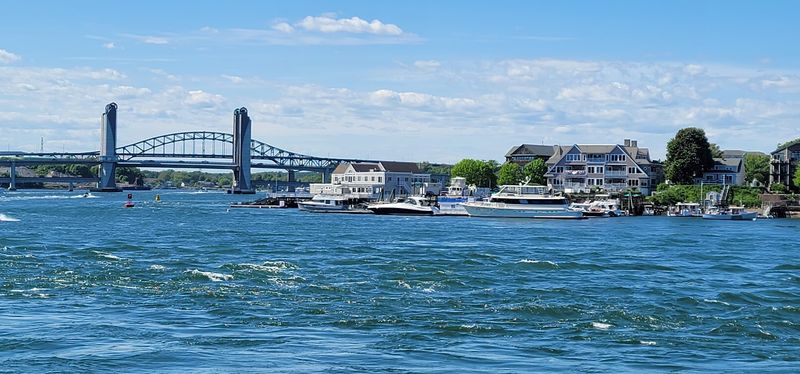
Portsmouth is one of those cities that seems to get more irresistible with every passing year. The colonial architecture along the waterfront is impeccably preserved, the restaurant and arts scene punches well above the city’s modest size, and the Piscataqua River provides a dramatic tidal backdrop that makes even a Tuesday afternoon feel cinematic.
All of that sophistication has made Portsmouth ground zero for premium coastal market pressure.
Institutional buyers and high-net-worth individuals have been circling Portsmouth for years. The Strawbery Banke Museum neighborhood, with its beautifully restored historic homes, has become particularly attractive to buyers who understand that scarcity drives value.
There are only so many authentic colonial-era streetscapes left in America, and Portsmouth has one of the finest.
I love wandering through Prescott Park in the early morning, when the gardens along the river are quiet and the light hits the water just right. It’s easy to see why people fall in love with Portsmouth and decide they want a piece of it permanently.
The trouble is that institutional buying compresses the market in ways that push ordinary residents and young families completely out of reach.
The USS Albacore Museum and the historic Market Square district contribute to a tourism economy that keeps demand for short-term rentals consistently strong. That demand gives investors confidence that premium acquisition prices will be justified by rental income over time.
Portsmouth’s charm is undeniable, but the community character that makes it special requires actual residents, not just rotating weekend guests occupying beautifully staged properties.
6. Bartlett, NH
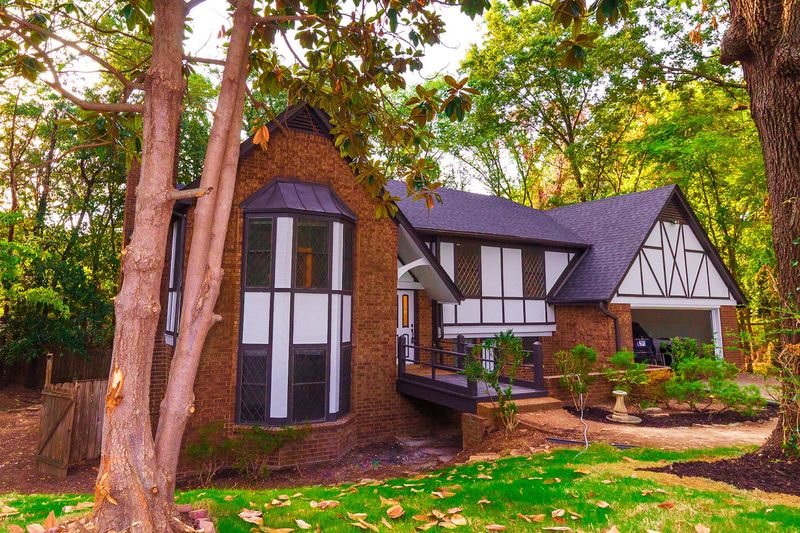
Bartlett sits in a sweet spot that corporate ski-property investors have clearly identified. Attitash Mountain Resort anchors the town’s winter economy with reliable snowfall and a loyal base of New England skiers who make the trek season after season.
That predictable winter demand, combined with the town’s genuine four-season outdoor appeal, makes Bartlett a compelling acquisition target for real estate portfolios built around mountain recreation.
Corporate buyers have been systematically acquiring ski chalets, condominiums, and single-family homes near Attitash and along the Bear Notch Road corridor. The strategy is straightforward.
Purchase properties at current market values, and list them on premium vacation platforms. Capture the revenue generated by skiers, hikers, and leaf-peepers who need comfortable accommodation close to the mountain.
Diana’s Baths, the gorgeous series of cascading waterfalls near North Conway, draws significant summer crowds to the greater Bartlett area. I’ve hiked that trail multiple times.
I always encounter visitors from far beyond New England, which tells me the region’s summer appeal is every bit as strong as its winter reputation.
Corporate investors have clearly done that same math.
The Saco River running through Bartlett adds recreational value that extends the rental season even further. Fishing, swimming, and quiet paddling keep the property occupied well into September, and the Kancamagus Highway’s legendary foliage season fills October almost completely.
Long-term Bartlett residents describe feeling like observers in their own town. Corporate ownership changes the social texture of a mountain community in ways that go far beyond property values and rental rates.
7. Windham, NH

Windham has a quiet confidence about it. Cobbett’s Pond shimmers at the center of town life, Griffin Park offers genuinely lovely walking trails.
The overall atmosphere feels like someone carefully curated the best parts of New England living and assembled them in one convenient location.
That carefully curated quality has made Windham a magnet for out-of-state commuter buyers, particularly those working in the greater Boston metro area.
The math is compelling for remote and hybrid workers from Massachusetts. Windham sits close to the state line.
Property prices have historically been more accessible than comparable Boston suburbs, and New Hampshire’s tax structure offers meaningful financial advantages.
Buyers from out of state have been streaming across the border, often paying above asking price and contributing to a market that local first-time buyers find increasingly difficult to enter.
I walked the Windham Rail Trail on a weekday morning and found it busier than I expected. Conversations with people along the path revealed that many were relatively recent arrivals, drawn by exactly the combination of factors I described.
They love the town genuinely, but their arrival en masse has reshaped the housing market in ways that affect longtime residents significantly.
The Town Forest and Deer Leap area, with its high granite cliff overlooking Moekel Pond, represents the kind of preserved natural beauty that makes Windham worth protecting. That scenic quality is part of what drives demand, creating a feedback loop that keeps pushing prices upward.
Out-of-state buying is not inherently negative, but the pace and volume in Windham deserve thoughtful community conversation about affordability and long-term character.
8. Nashua, NH
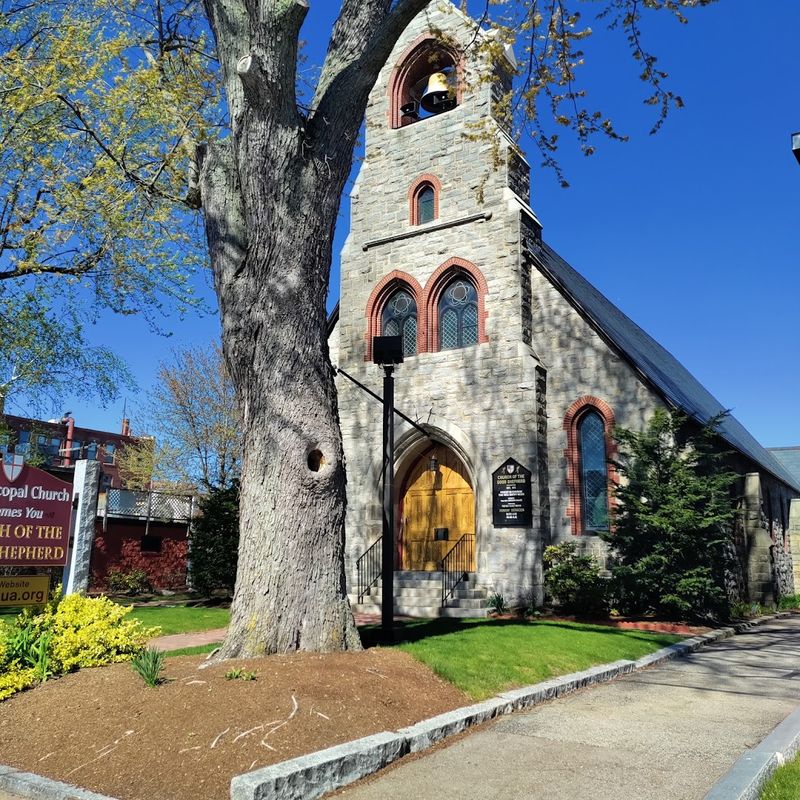
Nashua brings serious urban energy to a state better known for mountains and lake country. Mine Falls Park threads through the city like a green ribbon, downtown pulses with an eclectic mix of independent businesses and historic architecture.
SkyVenture NH adds an unexpected adrenaline dimension that makes the city feel genuinely dynamic.
All of that urban vitality has attracted something that surprises many people: high-value commercial foreign investment.
International investors have identified Nashua as a strategically positioned commercial market. Its location near the Massachusetts border, combined with lower operating costs than comparable New England cities, makes it attractive for commercial real estate acquisitions.
This includes office buildings, mixed-use developments, and retail properties.
Foreign capital has been flowing into Nashua’s commercial sector with increasing regularity and scale.
The Andres Institute of Art reflects the kind of cultural investment that signals a city with genuine civic ambition. I appreciate that dimension of Nashua enormously.
A city confident enough to integrate fine art into its natural spaces is a city that takes its identity seriously.
Greeley Park and its beautifully maintained gardens add a residential quality of life dimension that supports commercial property values throughout the surrounding neighborhoods. When a city invests in parks and public spaces, it signals stability to investors of all kinds.
Foreign commercial investment brings capital and development activity. But, local leaders in New Hampshire’s largest city are watching carefully to ensure that community-serving businesses.
Affordable commercial spaces survive alongside the larger portfolio acquisitions reshaping downtown blocks.
9. Wolfeboro, NH
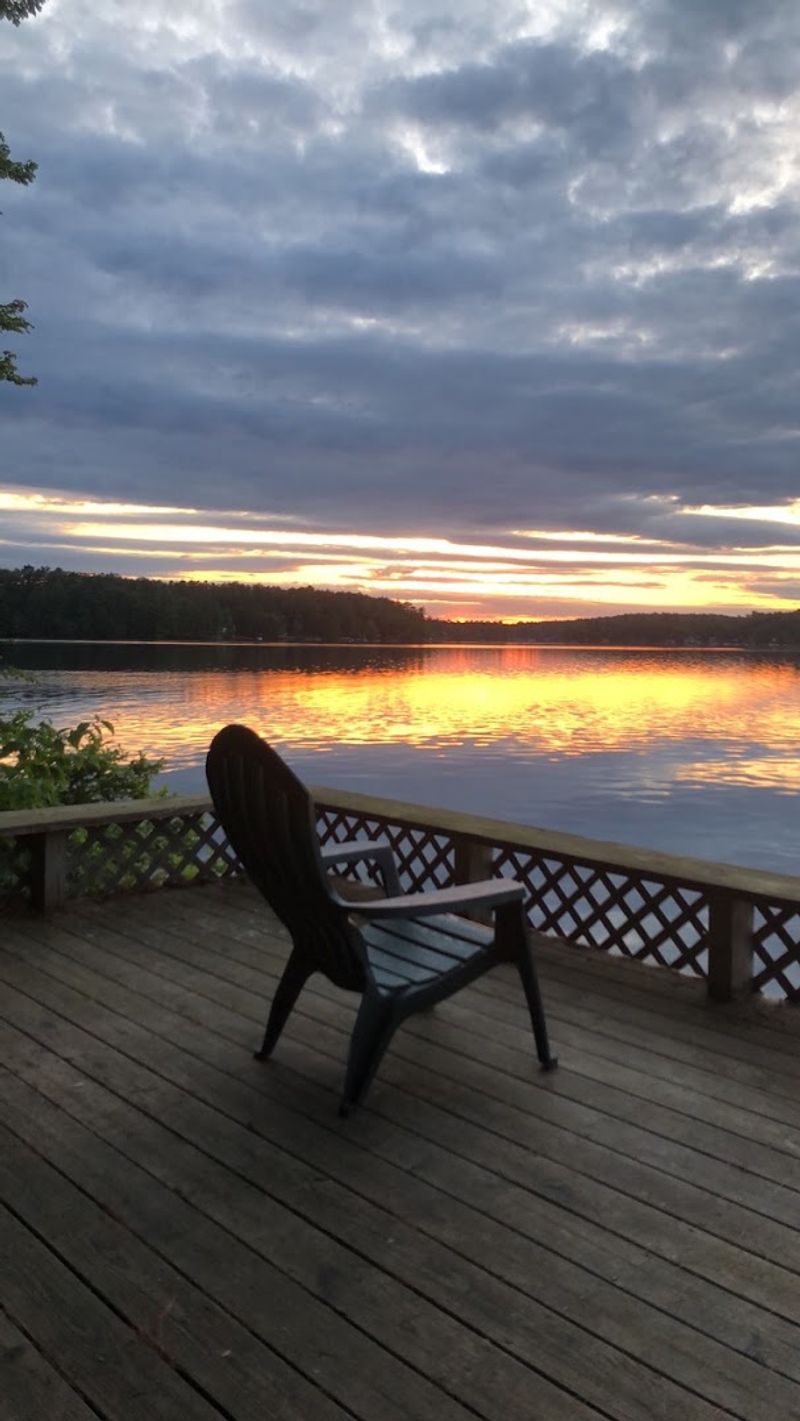
Wolfeboro wears its title as America’s oldest summer resort with justifiable pride. Lake Winnipesaukee stretches out in every direction with that particular blue that only exists in New Hampshire.
The town’s waterfront has an unhurried elegance that feels like a deliberate antidote to modern life’s relentless pace.
That timeless lakeside appeal has made Wolfeboro a prime location for rental conversions that are quietly changing the town’s residential character.
Investors have been purchasing older lakefront cottages and year-round homes throughout Wolfeboro with a clear strategy in mind.
Properties get renovated to vacation-rental standards, listed on premium platforms, and marketed to the substantial audience of Boston-area families willing to pay top dollar for a week on Lake Winnipesaukee.
The conversion from long-term residential to short-term rental happens quickly and often invisibly to casual observers.
Lake Wentworth offers a slightly quieter alternative to the main lake, with Albee Beach providing a lovely spot for kayaking and peaceful waterside relaxation. I’ve paddled both lakes and understand completely why people fall in love with Wolfeboro’s water culture.
That emotional connection to place is exactly what makes rental conversions so commercially appealing and so personally painful for displaced long-term residents.
The NH Boat Museum celebrates the town’s deep relationship with lake recreation. Abenaki Tower rewards hikers with panoramic views that put the entire Winnipesaukee basin into breathtaking perspective. These attractions keep Wolfeboro’s rental calendar full from spring through fall.
The Clark House Museum Complex reminds visitors that Wolfeboro’s story stretches back centuries. Preserving that story requires housing people who actually live it year-round.
