There’s a quiet shift happening across Oregon, beyond the usual headlines about rising home prices. It’s not just individual buyers looking for a better life. Investors are quietly acquiring whole towns and large swaths of land across the state.
In 2018, anonymous buyers purchased nearly the entire town of Tiller, including 23 lots, a school, and over 250 acres. In Sisters, a proposal to develop 58 acres has stirred deep tensions over housing.
Meanwhile, a Chinese billionaire’s firm has controlled nearly 200,000 acres of Oregon timberland since 2015 without much public attention.
It’s not just a rumor. The pattern is real, and it’s shaping the future of Oregon’s smaller communities in ways locals are only beginning to understand. For those who call these towns home, the question isn’t just who’s buying – it’s what happens to the place they love when it’s no longer really theirs.
1. Manzanita, Where Coastal Calm Is Quietly Changing Hands
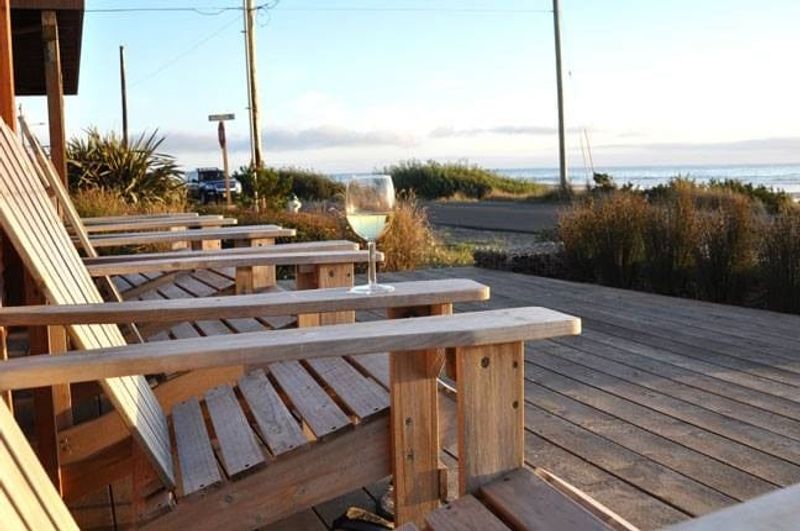
Manzanita has always had that rare quality of feeling like a place that belongs only to the people who already know about it. Tucked between Neahkahnie Mountain and a long stretch of Pacific coastline, the town moves at its own quiet pace. That pace is starting to shift.
Locals have noticed a steady stream of out-of-state buyers picking up vacation rentals and older beach cottages, often paying well above asking price. The result is a neighborhood fabric that feels slightly looser than it used to.
Long-time residents find themselves surrounded by properties that sit empty for most of the year.
What makes Manzanita so appealing to investors is obvious once you spend even a few hours here. The beach is wide and uncrowded, the downtown strip is genuinely walkable, and the surrounding forest gives everything a tucked-away feeling that is increasingly rare on the Oregon coast.
But that reward is getting more expensive to access. Housing prices have climbed noticeably, and renters who have lived here for years are finding fewer affordable options. The community is small enough that these changes feel personal rather than statistical.
People are not just watching a market shift. They are watching their neighborhood change, one sold sign at a time.
2. Cannon Beach, Already Famous But Still Being Bought Up
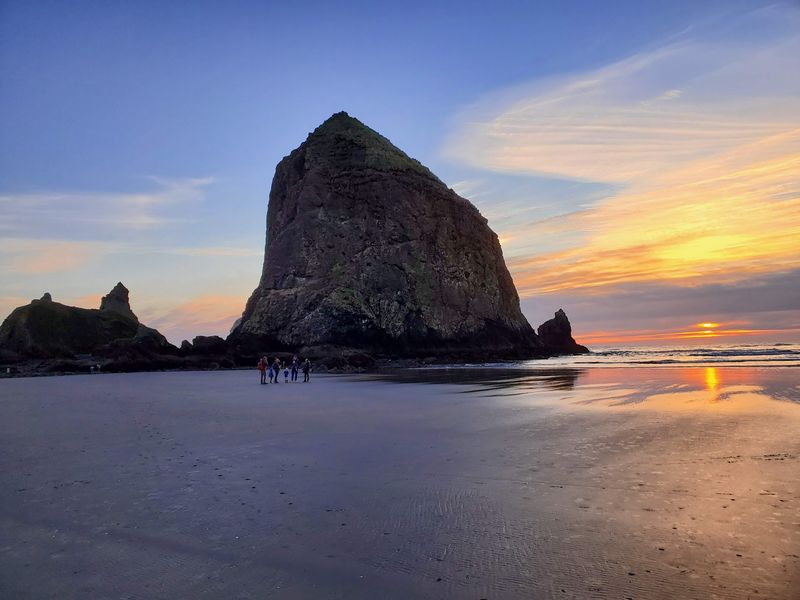
Cannon Beach is not exactly a hidden gem. Haystack Rock is one of the most photographed landmarks in the entire Pacific Northwest, and the town has been a tourist destination for generations.
But even here, even in a place already well known, the nature of who owns what is changing in ways that locals find unsettling.
The shift is less about discovery and more about consolidation. Investment groups are buying up multiple properties at once, converting them into managed vacation rental portfolios.
Individual homeowners and small family-run inns are being replaced by professionally operated short-term rentals that maximize occupancy and minimize community connection. The difference is subtle but real.
Year-round residents, the artists, the shop owners, the families who chose Cannon Beach as home rather than destination, are feeling the squeeze.
Rental prices for long-term housing have climbed sharply, and the supply of available homes for purchase at reasonable prices has tightened considerably. Living here full time is becoming a privilege fewer people can afford.
There is still so much that makes Cannon Beach worth fighting for. The fog rolling in off the ocean, the galleries tucked into side streets, the way the whole town slows down on a rainy Tuesday in February. Those qualities attract visitors and investors alike.
3. Jacksonville, Gold Rush History Meets Modern Real Estate Rush
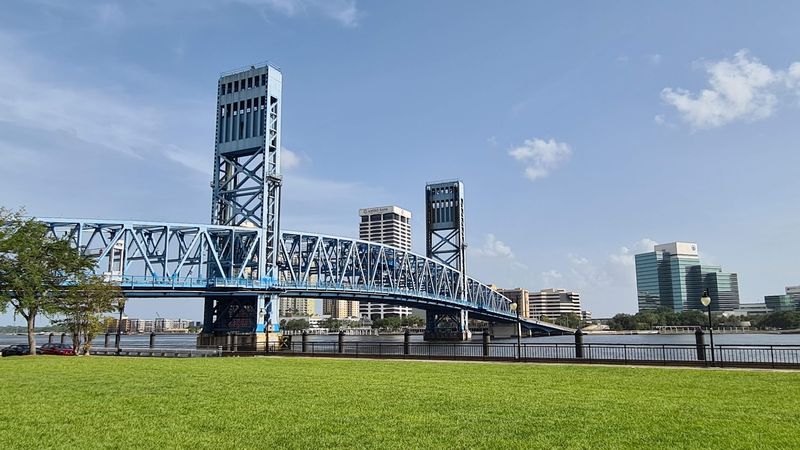
Jacksonville earned its place on the National Register of Historic Places through sheer authenticity. The buildings here are not replicas or reconstructions. They are the real thing, dating back to the 1850s gold rush era that put Southern Oregon on the map.
That historical integrity is a significant part of what makes the town so appealing, and so vulnerable to outside investment pressure.
Tourism has always been part of Jacksonville’s economy, anchored in part by the Britt Festivals, an outdoor music series held every summer in a natural hillside amphitheater. But the audience for Jacksonville has expanded beyond music lovers and history buffs.
Real estate investors have taken note of the town’s charm, its proximity to Medford, and its reputation as a desirable place to own property.
Vacation rental activity has grown substantially. Older homes are being purchased, renovated quickly, and listed on short-term rental platforms rather than being offered to local buyers. For a town with a limited housing stock to begin with, that kind of turnover has an outsized impact.
Long-time Jacksonville families talk about the change with a mix of pride and concern. They are glad people appreciate what they have always known to be special. But appreciation and ownership are different things, and the line between them is getting harder to see with each passing season.
4. Sisters, A Western-Themed Town With a Very Modern Problem
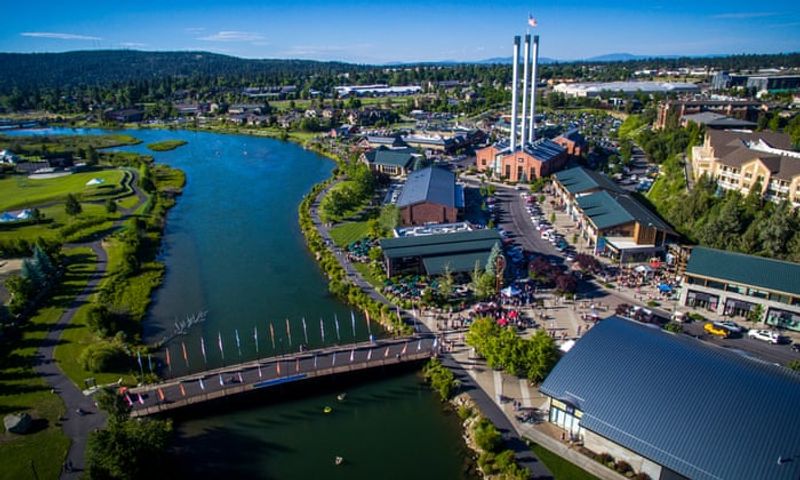
Sisters looks like a movie set version of the American West, complete with wooden storefronts, mountain backdrops, and a main street that feels deliberately timeless. It is charming in a way that is hard to resist, and apparently investors feel the same way.
The town has become one of Central Oregon’s hottest targets for outside real estate money.
Proximity to Bend plays a big role in this. As Bend itself has grown increasingly expensive, buyers and developers have started looking outward, and Sisters sits right in that orbit. Properties that would have been considered remote a decade ago now feel like reasonable commutes or desirable retreats.
The local community has a strong sense of identity built around arts, outdoor recreation, and a genuine appreciation for the high desert landscape.
There is a quilting festival that draws visitors from across the country, a thriving gallery scene, and trails that lead straight into the Three Sisters Wilderness. These are not things you can replicate in a new development.
What worries longtime residents is not change itself, but the speed of it. When properties turn over faster than community bonds can form, something essential gets lost. Sisters is still recognizably itself, but the pressure is real, and locals are watching the for-sale signs.
5. Ashland, A Cultural Hub That Investors Are Circling
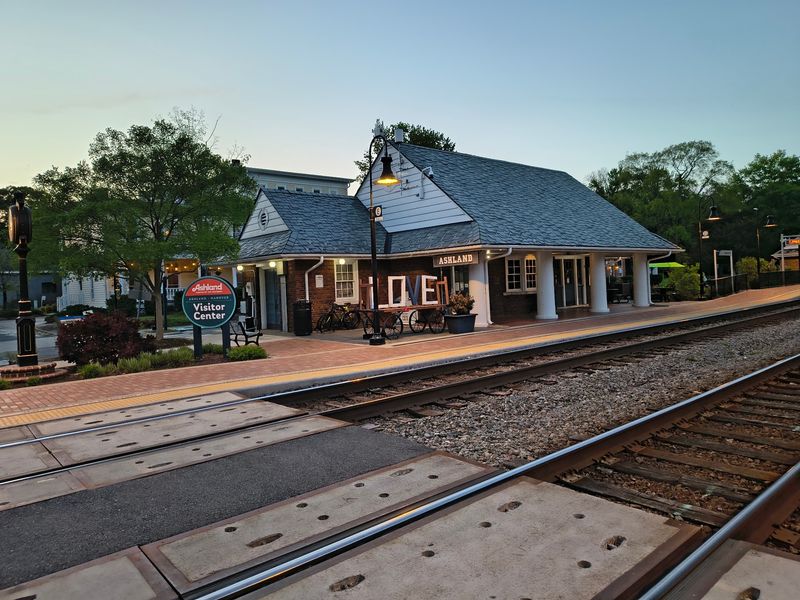
Ashland is the kind of place that makes you wonder why more towns do not try harder. The Oregon Shakespeare Festival, Lithia Park, a walkable downtown full of independent restaurants and bookshops, and a surrounding landscape that shifts from forested mountains to open valleys.
It checks a lot of boxes, which is exactly why investor interest has grown so steadily here.
The town has always attracted a certain kind of visitor, culturally curious, willing to spend, and often drawn back year after year. That loyal visitor base makes Ashland attractive for short-term rental investment in ways that go beyond simple tourism numbers.
Properties here perform reliably, and investors are paying attention to that reliability.
The housing market has tightened considerably over the past few years. Southern Oregon University students and faculty, local artists, and service workers who make the cultural economy run are finding it increasingly difficult to secure affordable housing.
The gap between what the market demands and what working residents can pay is widening at a pace that concerns community advocates.
Ashland’s identity is deeply tied to creativity and community engagement. The city has a history of thoughtful civic conversation. Residents here are not passive observers of their own neighborhood’s transformation.
Whether that engagement translates into meaningful policy changes or simply slows the inevitable is something the town is actively working through right now.
6. Hood River, Wind Sports Capital Turned Investment Magnet
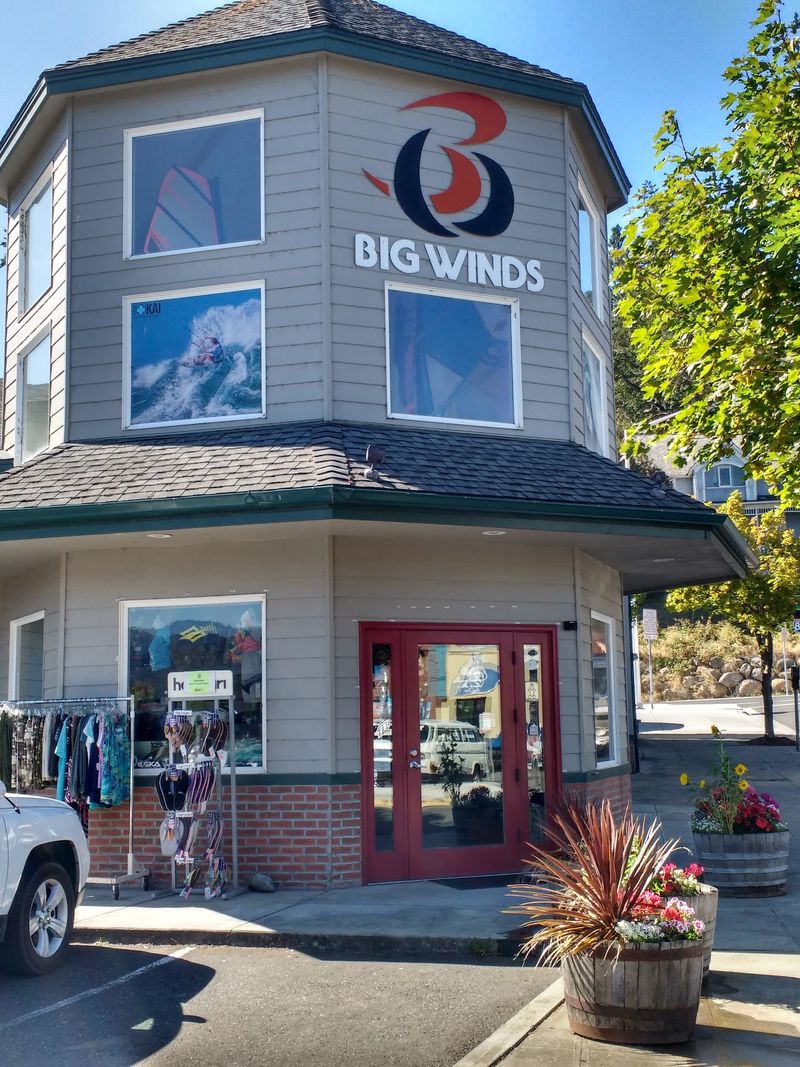
Hood River sits in one of the most visually dramatic settings in the entire state. The Columbia River Gorge stretches out to the east and west, Mount Hood rises to the south, and the town itself is perched on a hillside that catches both the wind and the light in spectacular ways.
It is the kind of place that gets under your skin quickly.
The outdoor recreation scene here is genuinely world-class. Kiteboarding, windsurfing, mountain biking, skiing, and hiking are not just weekend options but the organizing principle of daily life for many residents.
That lifestyle appeal has made Hood River one of Oregon’s most desirable addresses, and one of its most aggressively targeted by investors.
Property values have risen dramatically over the past decade. What was once a working-class fruit-growing town has transformed into a destination community where median home prices put ownership out of reach for many of the people who actually work here.
Orchard workers, restaurant staff, and retail employees are commuting longer distances because they simply cannot afford to live in the town where they work.
The tension between Hood River’s agricultural roots and its recreation-driven present is palpable. Longtime families watch as orchards get subdivided and older homes get flipped for vacation use. The gorge views have not changed.
But the community looking out at them has shifted more than most people outside the area realize.
7. Astoria, A Historic Port Town Catching Investor Attention
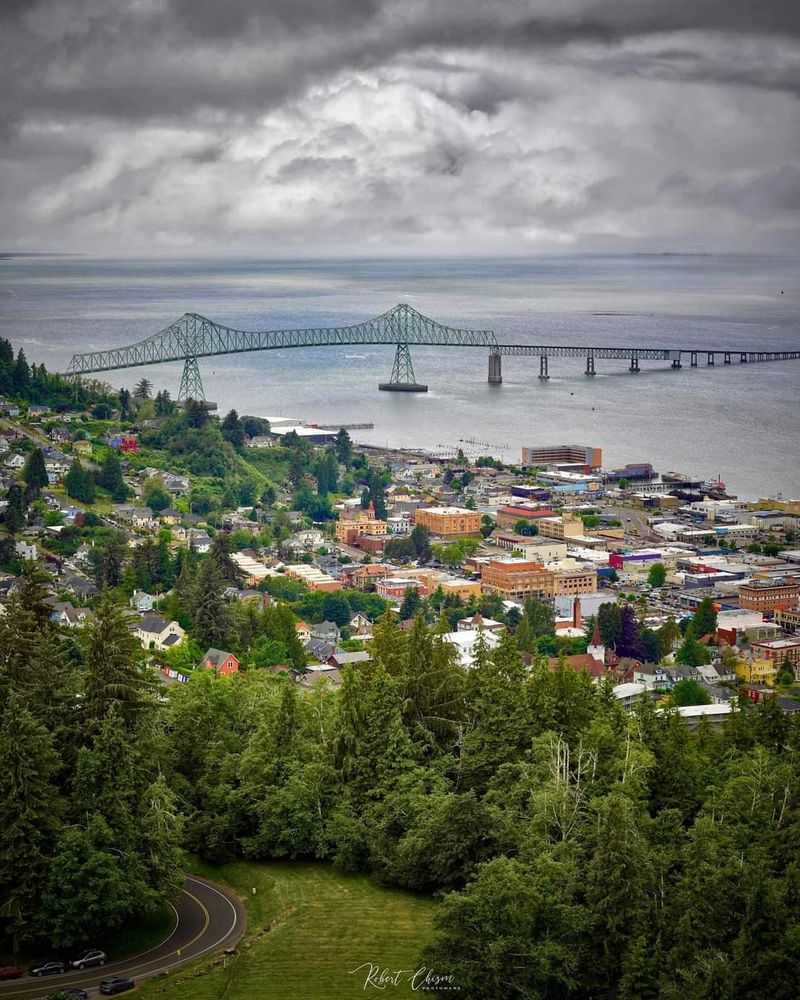
Astoria sits at the mouth of the Columbia River with the kind of layered history that makes every block feel like it has a story. The Victorian homes stacked up the hillsides and the general sense that this place has survived a lot, all of it adds up to a character that is genuinely hard to manufacture.
In recent years, the pace of property acquisitions in Astoria has picked up noticeably. Renovation crews are working on buildings that sat untouched for decades. Some of that is genuinely exciting. Restored storefronts and updated housing stock can breathe new life into a place.
But longtime Astorians are keeping a watchful eye on who benefits and who gets priced out.
The short-term rental market has expanded quickly here, converting homes that once housed working families into rotating guest accommodations. For a city that has always had a strong working-class identity tied to fishing and maritime trade, that shift carries real weight.
The tension between preservation and profit is playing out in real time.
Astoria is resilient, though. The creative community here is vocal, organized, and deeply attached to the city’s identity. Whether that attachment is enough to slow the investor tide remains an open question, but the conversation is loud and very much alive.
8. Grants Pass, Southern Oregon’s Sleeper Hit With Investors
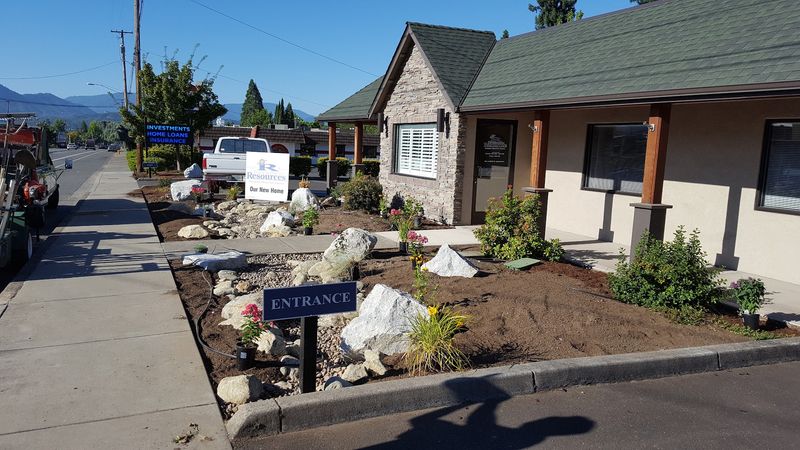
Grants Pass does not have the same name recognition as Ashland or Cannon Beach, and for a long time that worked in its favor. The Rogue River runs right through the area, the climate is warmer and sunnier than much of western Oregon, and the cost of living was, until recently, genuinely reasonable.
That combination made it a quiet favorite among people looking for an affordable Oregon lifestyle.
Word got out. Investors from California and the Pacific Northwest have been buying up properties here at a pace that has surprised even local real estate agents.
The appeal is straightforward: lower entry prices compared to other Oregon markets, strong rental demand, and a location close enough to both Medford and the coast to attract visitors year-round.
The Rogue River itself is a draw that should not be underestimated. Rafting, fishing, and river recreation bring a steady stream of visitors through the area every summer. That seasonal traffic makes short-term rentals particularly attractive to investors looking for reliable income.
The result is a shrinking pool of long-term rental options for local residents.
Grants Pass still has an unpolished, unpretentious energy that I find genuinely refreshing. The murals downtown, the Saturday market, the way people stop to talk on street corners. It feels real.
Whether that realness survives the current investment wave is the question everyone in town seems to be quietly asking.
9. Newberg, Country’s Quiet Town That Is Not So Quiet Anymore
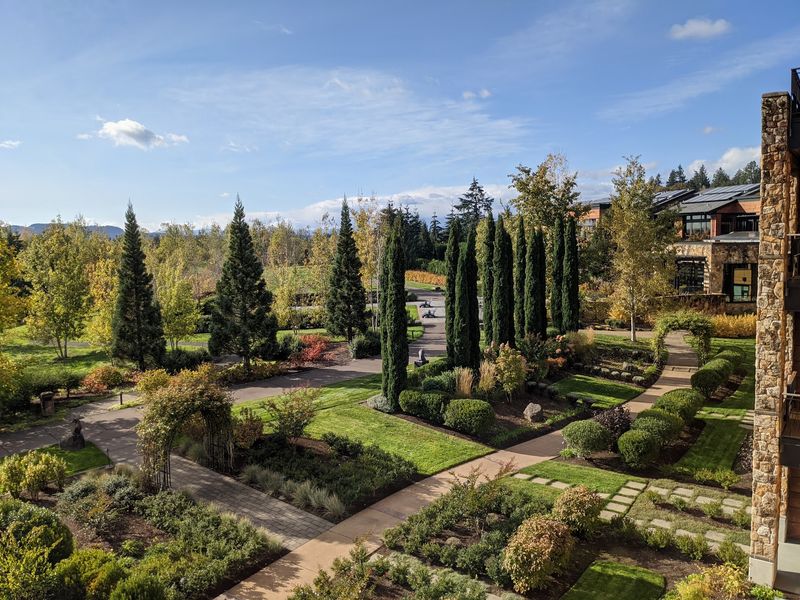
Newberg sits at the northern edge of the Willamette Valley country, surrounded by some of the most celebrated Pinot Noir vineyards in North America.
For years it functioned as a practical hub for the agricultural community, a place where farmers picked up supplies and families put down roots without much fanfare. That quiet utility is now competing with a very different kind of attention.
The growth of tourism in the Willamette Valley has brought Newberg into a spotlight it was not entirely prepared for. Tasting rooms, boutique accommodations, and upscale dining options have multiplied.
With them has come a wave of investment interest that is reshaping what the housing market here looks like and who it serves.
Agricultural land near the town has become increasingly attractive to buyers who see development potential rather than farming heritage. Long-time farming families have faced pressure to sell, and some have.
The landscape is still beautiful, but the ownership patterns underneath it are shifting in ways that do not always make the evening news.
There is a warmth to Newberg that feels genuinely earned rather than curated. The downtown has a human scale that invites lingering. Locals are proud of where they live and vocal about preserving what makes it worth living in.
The investor interest is real, the community response is real, and the outcome is still unwritten. That might be the most honest thing you can say about any of these towns right now.
