A longtime Texas shopkeeper has turned down repeated offers to buy his ranch-supply store, even as tourist businesses reshape the streets around him. He worries that local families are being priced out.
That’s a complicated story behind a freshly painted downtown.
Elsewhere, investors are converting historic buildings, developing vacation rentals, and looking for opportunities in once-quiet commercial districts. New businesses can revive empty storefronts and create jobs.
Rising property costs, though, can make residents wonder who will benefit most.
I keep thinking about the businesses people rely on every week, not just the places visitors photograph. A lively downtown sounds great, but losing the familiar grocery counter or neighborhood gathering place would change how a town feels.
Across Texas, the new storefronts get the attention, while the people who can still afford to stay tell a deeper story.
1. Taylor
Few towns go from cotton fields to computer chips in one big leap. Taylor did exactly that when Samsung picked it for a massive semiconductor plant announced in 2021.
The original price tag was about $17 billion. Later reports pushed Samsung’s planned Texas spending far higher, which made this quiet Williamson County town a global headline.
You can probably guess what happened next. Land values rose, builders showed up, and new housing projects started sprouting on the edges of town.
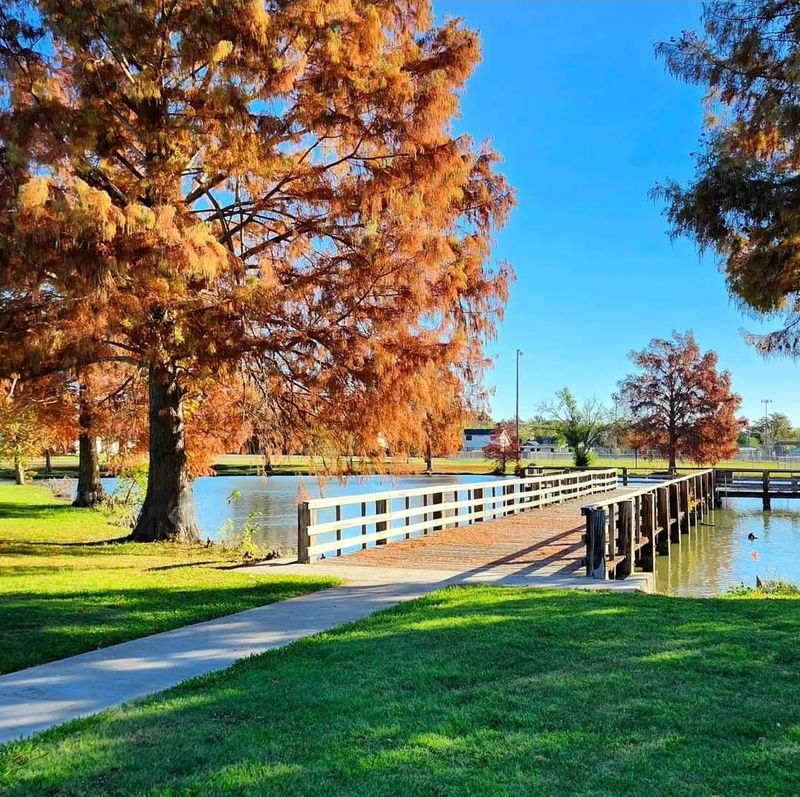
Taylor still keeps its old-school charm downtown. Historic brick buildings line the streets, and the town has deep roots in railroads and farming going back to the 1870s.
Food fans know Taylor for one thing above most others. Louie Mueller Barbecue has served smoked meats here for decades and earned a James Beard America’s Classics award in 2006.
So what does a chip plant mean for a barbecue town? It means more people, more traffic, and more money flowing into local businesses.
Some residents worry about rising rent and losing the small-town feel. Others are excited about thousands of new jobs that could keep young people from moving away.
If you visit, take time to stroll the older blocks near downtown. That’s where you can see Taylor’s past and future sitting side by side.
Here’s a fun detail worth knowing. Taylor sits only about 35 miles from Austin, so it’s close enough for a day trip without much planning.
Bring your curiosity and an empty stomach. You’ll leave with a better idea of how fast Texas is changing.
Address: Taylor, TX 76574
2. Bastrop
Rockets and tunnels are not what most folks expect from a river town full of pine trees. Yet Bastrop County has become a base for SpaceX and The Boring Company, two businesses tied to Elon Musk.
SpaceX built a Starlink manufacturing facility in the area. The Boring Company also set up operations nearby, and both moves drew a flood of attention.
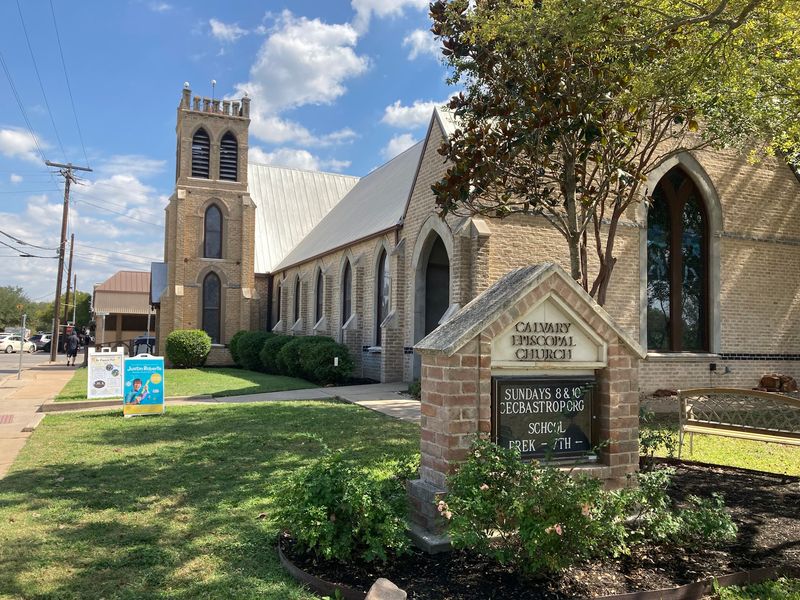
That’s a big shift for a town founded in 1832. Bastrop is one of the oldest towns in Texas, and its downtown has a long list of historic buildings.
The Lost Pines make the setting even more special. These loblolly pines grow far from the rest of their kind, and Bastrop State Park protects a large chunk of them.
Growth here comes from more than tech, too. Austin is only about 30 miles away, so people priced out of the city keep looking east.
New homes and shopping centers have popped up along Highway 71. Meanwhile, downtown still feels like a small river town with local shops and restaurants.
Longtime residents have mixed feelings about the pace. Some love the jobs, while others worry about roads, water, and keeping the pines safe.
Want the best of old Bastrop? Walk along Main Street, then head down to the Colorado River for a breather.
A visit here feels like peeking at two eras at once. You get frontier history in the morning and space-age industry by lunch.
Address: Bastrop, TX 78602
3. Marfa
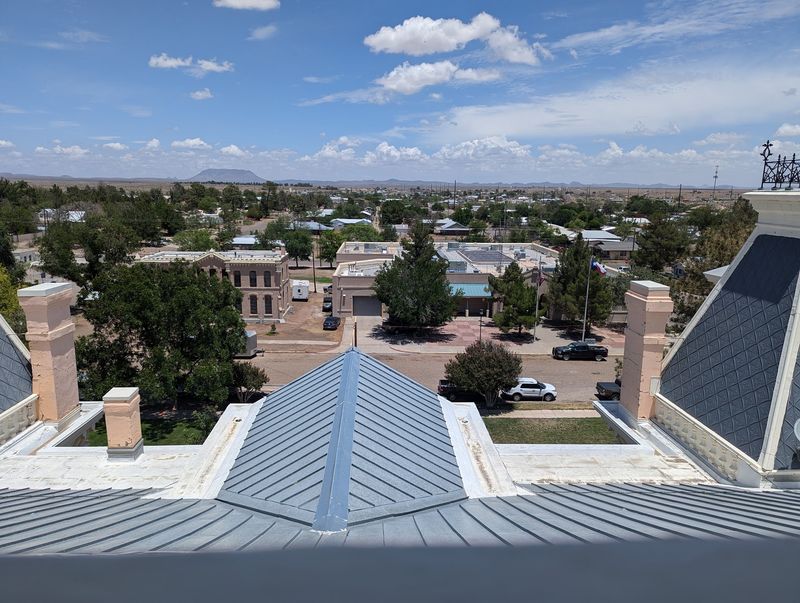
An artist from New York helped turn a tiny ranching town into a world-famous art stop. Donald Judd moved to Marfa in the 1970s and bought large buildings to display art on a grand scale.
His work led to the Chinati Foundation, which opened to the public in 1986. Today it draws visitors from around the globe to a town with fewer than 2,000 residents.
Fame brings buyers, though. Over the years, outside money has poured into homes, hotels, and galleries in this remote corner of West Texas.
Locals have openly talked about the downside. Housing costs climbed, and short-term rentals made it harder for workers to find places to live.
Still, Marfa keeps its quirky spirit. The town is known for the mysterious Marfa Lights, which people have reported seeing east of town for generations.
There’s an official viewing area off Highway 90 for anyone hoping to spot them. Nobody has fully explained the lights, which makes the trip even more fun.
The famous Prada Marfa sculpture sits about 35 miles away near Valentine. It looks like a fancy store dropped into the desert, and yes, people drive out just for photos.
Here’s a smart move for your trip. Check hours ahead of time, because some businesses in Marfa keep limited schedules.
The desert silence here is part of the draw. Pack patience, snacks, and a good camera.
Address: Marfa, TX 79843
4. Fredericksburg
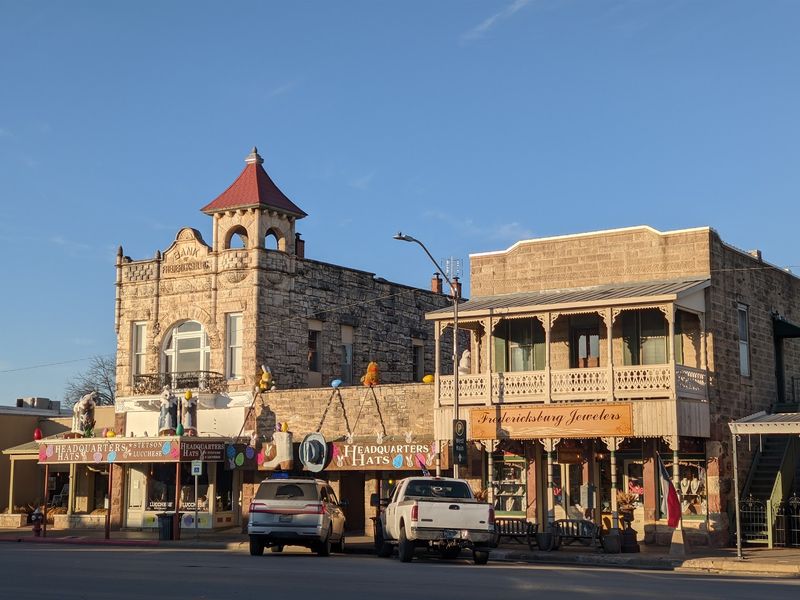
German settlers founded Fredericksburg in 1846, and their limestone buildings still line the streets. Now those streets are packed with visitors and investors who want a slice of Hill Country life.
Tourism has boomed here for years. Millions of visitors come each year to shop, eat, and explore the peach orchards and wildflower fields nearby.
That popularity has a cost. Short-term rentals spread so fast that the city created rules to manage them in residential neighborhoods.
Many locals have spoken up about rising home prices. Teachers, nurses, and service workers often struggle to live in the town where they work.
Even so, Fredericksburg holds onto its history with pride. The Vereins Kirche replica on the Marktplatz honors an early community building from the town’s founding years.
Military history fans have a treat waiting too. The National Museum of the Pacific War sits right in town, near the boyhood home of Admiral Chester Nimitz.
Peach season is another big draw. Stands around Gillespie County sell fresh peaches in summer, and the fruit is a local legend in Texas.
So how do you enjoy this town without adding to the crunch? Visit on a weekday, shop at locally owned stores, and support small family businesses.
You’ll find plenty of German touches on menus and signs. Just leave room for a peach treat before heading home.
Address: Fredericksburg, TX 78624
5. Round Top
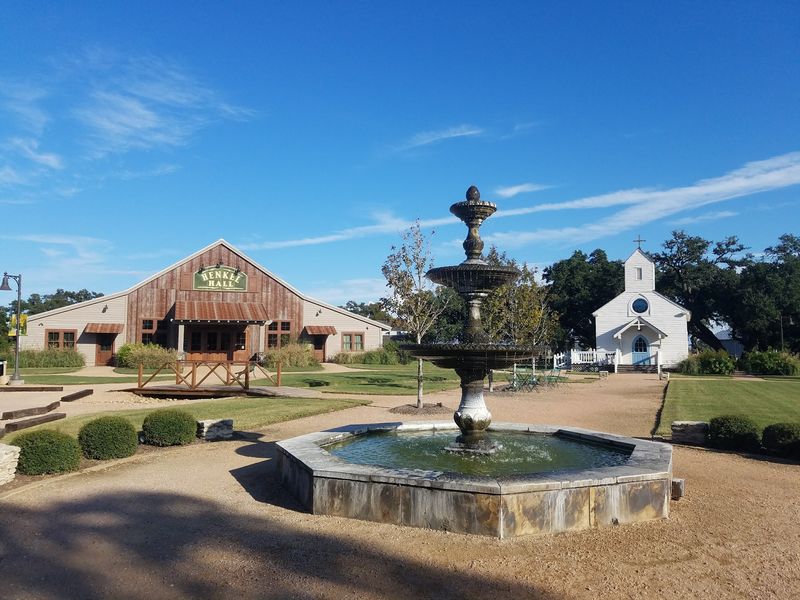
Population under 100, crowds in the tens of thousands. That’s Round Top during its famous antiques shows each spring and fall.
Dealers and shoppers come from across the country to hunt for furniture, art, and vintage finds. Fields along Highway 237 fill with tents, barns, and pop-up shops.
Big money has followed the shoppers. Designers, developers, and buyers from Houston, Dallas, and beyond have snapped up land and restored old buildings.
The result is a tiny town with a surprisingly fancy streak. Boutique shops, stylish inns, and upscale restaurants now sit near pastures and old farmhouses.
Music lovers have another reason to visit. Round Top Festival Institute, founded by pianist James Dick in 1971, hosts concerts on its Festival Hill campus.
The campus itself is worth a look. Historic buildings and gardens give it a storybook feel that matches the town’s old roots.
Some longtime residents miss the sleepy days. Others enjoy the jobs and attention that the antiques boom brings to Fayette County.
Planning a trip? Book a room early during show season, because lodging fills up fast in such a small place.
Comfortable shoes are a must too. Those antiques fields stretch far, and you’ll want energy for one more barn.
Address: Round Top, TX 78954
6. Celina
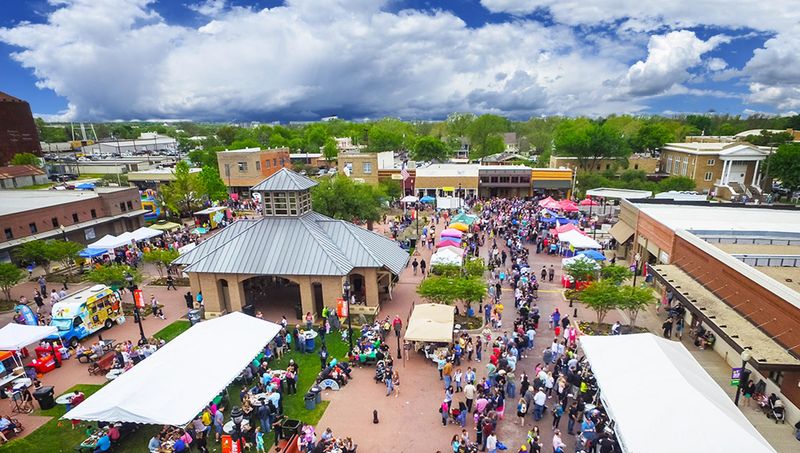
Cows used to outnumber cars around here. Now Celina ranks among the fastest-growing cities in the country, with new neighborhoods spreading across former farmland north of Dallas.
Big developers have bet heavily on this corner of Collin and Denton counties. Master-planned communities with thousands of homes have changed the map in just a few years.
Why Celina? It sits in the path of growth pushing north from Frisco and Prosper, two towns that boomed earlier.
The Dallas North Tollway extension also matters. Better roads make long commutes easier, and that pulls in families looking for newer homes.
Despite the rush, Celina has a charming historic square downtown. Small shops and local restaurants give the town a center that feels personal.
The town has also leaned into its friendly small-town image with community events on the square. Those gatherings help newcomers and longtime residents actually meet each other.
Change this fast brings real challenges. Schools, roads, and water systems have to grow quickly to keep up with the newcomers.
Some residents worry about losing the open land that once surrounded town. Others are thrilled about new parks, trails, and businesses moving in.
If you visit, start at the square and then drive the outskirts. The contrast shows just how quickly North Texas is reshaping itself.
Address: Celina, TX 75009
7. Dripping Springs
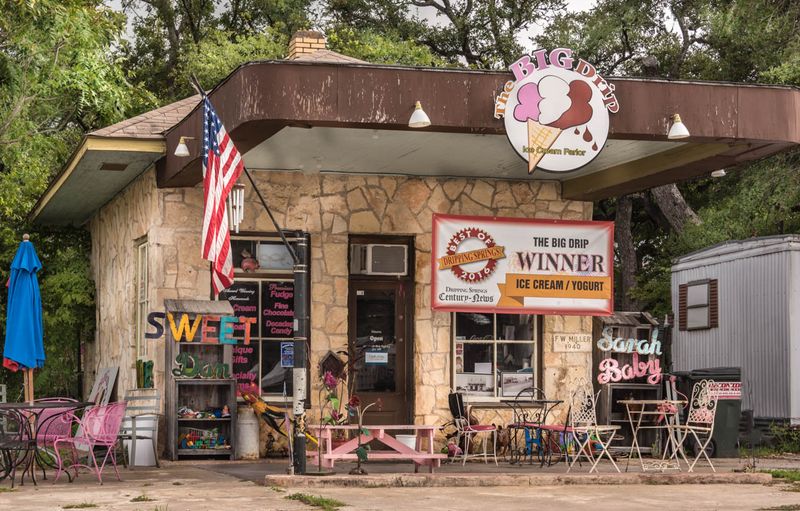
Stars are a big deal in this town. In 2014, Dripping Springs became the first International Dark Sky Community in Texas.
That means the town works to limit bright outdoor lighting. On a clear night, you can see far more stars than you would in nearby Austin.
Keeping skies dark gets trickier as people move in, though. Dripping Springs calls itself the Gateway to the Hill Country, and plenty of newcomers want through that gate.
Developers have built large new neighborhoods around town. Investors have also poured money into event venues, since the area is famous for weddings.
In fact, the Texas Legislature named Dripping Springs the Wedding Capital of Texas. Dozens of venues dot the rolling hills around town.
Historic Mercer Street gives you a peek at the older Dripping Springs. Stone buildings and small shops line the street, and it’s a nice spot for a slow afternoon.
Locals have raised concerns about water supply and traffic on Highway 290. Those worries grow louder as more homes break ground.
Here’s a tip for stargazers. Check the moon phase before you go, since a full moon washes out fainter stars.
Bring a blanket and find a quiet spot outside town. The night sky here is a treat worth protecting.
Address: Dripping Springs, TX 78620
8. Hutto
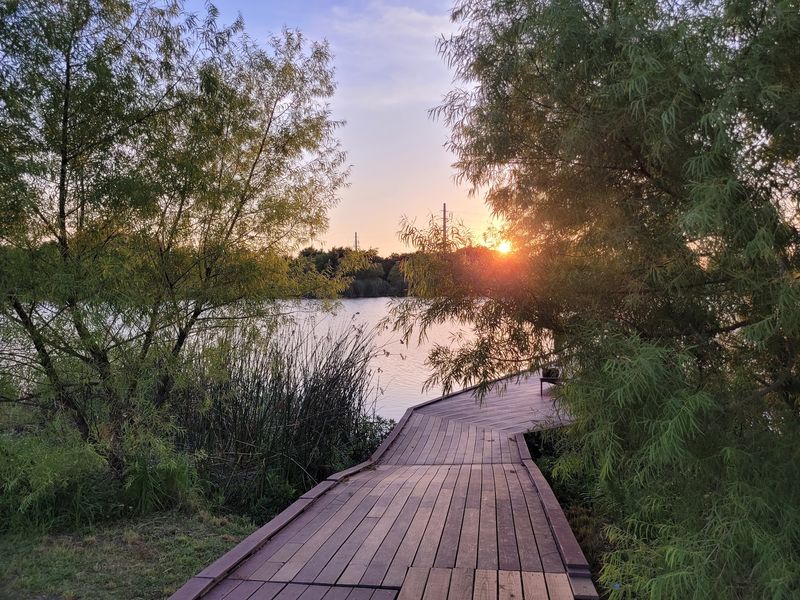
Hippos rule this town, and not the real ones. Hutto is famous for its hippo mascot, with hippo statues placed around the community.
The story goes back to 1915, when a hippo reportedly escaped from a circus train and wandered into a creek. True or not, the town happily ran with it.
Today Hutto is getting attention for something besides quirky statues. It sits right between Austin and Taylor, so the tech boom is pushing growth straight through.
Hutto’s population has grown dramatically since 2000. Rooftops now cover land that was once mostly farm fields.
The city has also worked on bringing in business. The Hutto Megasite was set up to attract large employers and new industry.
Downtown still has historic charm, especially near the old Hutto Co-Op building. City leaders have worked on plans to give the area new life while keeping its character.
For families, the draw is simple. Homes have often cost less here than in Austin or Round Rock.
Of course, rapid growth brings traffic headaches along busy roads. Longtime residents notice how much busier the town feels compared to a decade ago.
A visit makes a fun photo scavenger hunt. See how many hippo statues you can spot before lunch.
Address: Hutto, TX 78634
9. Kyle
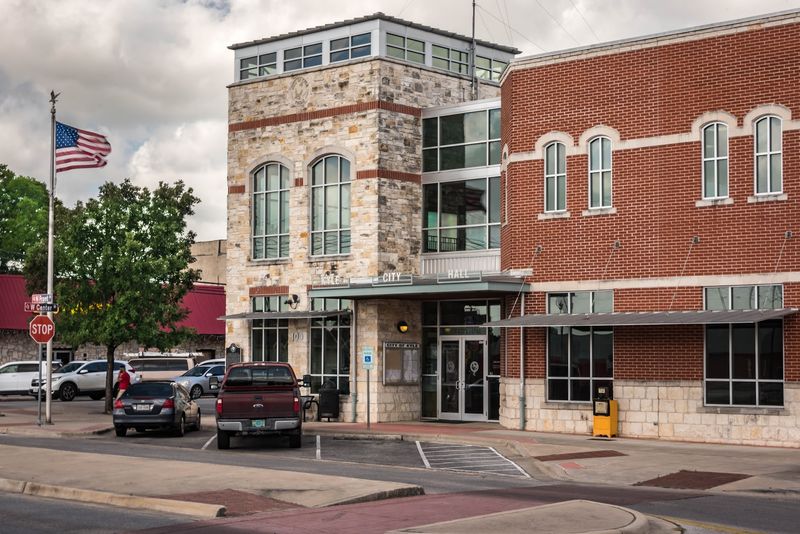
Pie lovers, take note. The Texas Legislature named Kyle the Pie Capital of Texas, which is a pretty sweet title for a town along Interstate 35.
Kyle sits between Austin and San Marcos. That location has turned it into one of the fastest-growing cities in the state.
Back in 2000, Kyle had only a few thousand residents. Now its population has passed 50,000, and new homes keep going up.
Developers and big retailers have followed the people. Shopping centers, apartments, and new businesses now line the highway.
The town still honors its past at the historic downtown square. The old Kyle depot area and older buildings remind visitors that this was once a railroad town.
Author Katherine Anne Porter grew up in Kyle. Her childhood home has been preserved and is now a literary center tied to Texas State University.
Growth this fast creates growing pains, especially with traffic and housing costs. Many longtime residents remember when Kyle felt like a quiet stop on the way to somewhere else.
Now it’s a destination on its own. Parks like Lake Kyle give families space to relax away from the highway noise.
So grab a slice of pie and look around. Kyle shows how a small Texas town can grow up fast and still keep a sweet side.
Address: Kyle, TX 78640
