Change is rarely gentle, and in this corner of the Ozarks, it has arrived with the force of a flash flood. What was once a quiet pocket of the state, known for its rural charm and slow pace, is now a magnet for new residents.
Decades of rapid suburban expansion have transformed the landscape, with new housing developments climbing the hillsides and traffic choking roads that were never designed for such volume.
Locals watch as the familiar views are replaced by strip malls, and the quiet streets they remember are now filled with out-of-state license plates.
They will tell you that the town they grew up in is slipping away, buried under an avalanche of newcomers who were drawn to the same beauty that made it special.
The question on everyone’s mind is whether the town can hold onto its soul as it races to keep up with its own success.
In Missouri, this is a story of progress with a bittersweet edge.
Construction Is Suddenly Everywhere
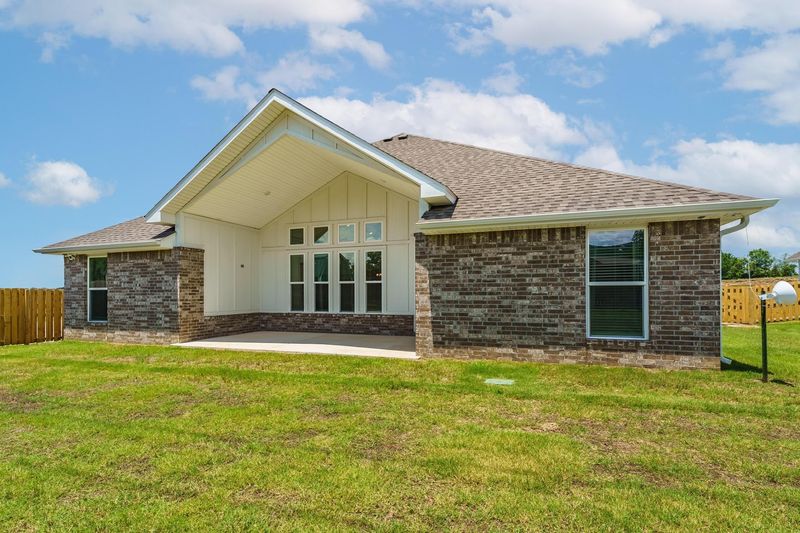
You do not have to look hard to see what locals mean, because new construction seems to pop up around every bend in Ozark, and that steady building changes how the whole town feels from one week to the next. Empty patches that once gave the area breathing room now sit beside framing crews, grading equipment, and roads being stretched farther outward.
For newcomers, all that activity can read like progress, and in some ways it is, since families want homes, businesses want customers, and Christian County keeps drawing people who like the Missouri Ozarks lifestyle. Still, longtime residents often talk less about excitement and more about speed, because growth feels easier to welcome when it arrives in small pieces instead of all at once.
If you visit, slow down and notice the edges of town as much as the center, because that is where the biggest shift shows itself most clearly. Watching how fast neighborhoods expand helps explain why people here keep having the same conversation, which is not really about change alone, but about whether Ozark can absorb all of it without losing the calmer pace that made people love it first.
Finley Farms Feels Like The Towns Tug Of War
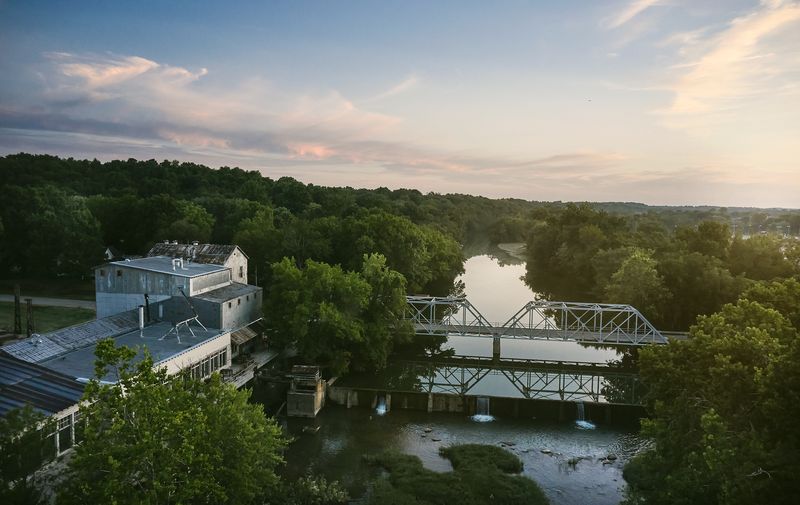
The funny thing about Finley Farms is that it shows both sides of Ozark at once, because it feels rooted in local history while also proving how polished and busy the town is becoming. You will find it at 802 Finley Farms Lane, Ozark, MO 65721, and the setting beside the Finley River gives the whole place a calm look that softens all the growth talk for a minute.
Walking around here, you can see why visitors love it, since the old mill, river views, and thoughtful design make the property feel memorable without trying too hard. At the same time, locals sometimes point to spots like this as proof that Ozark is changing from a quiet pass-through town into a destination, which sounds exciting until traffic, packed parking, and bigger crowds start tagging along.
My advice is to take your time and really look around instead of rushing through, because the details tell a bigger story about Missouri and where Ozark is headed. Finley Farms is beautiful, no question, but it also captures that townwide tension between keeping a sense of place and making room for the kind of growth that keeps pulling more people through the door every season.
Longtime Residents Keep Talking About The Vibe
Ask around for a few minutes and you will hear it, because people who have lived in Ozark a long time are not always upset about change itself, but they do worry about what gets lost when a town grows faster than its habits can keep up. The phrase small-town feel comes up again and again, and even when people say it differently, they are usually talking about the same thing.
They mean knowing familiar faces at the store, leaving the house without planning around heavy traffic, and feeling like new buildings still fit the shape of the place instead of overpowering it. When that balance starts slipping, residents notice it in ordinary ways, like busier intersections, crowded school drop-offs, and neighborhoods that seem to appear almost overnight where fields once sat open.
If you are visiting Ozark, listen for that local chatter instead of brushing it off as simple nostalgia, because it explains a lot about why the mood can feel mixed. Growth often sounds great on paper, yet daily life is where people decide whether a town still feels like home, and right now many folks in this part of Missouri are honestly trying to figure that out.
Finley River Park Still Gives People Room To Breathe
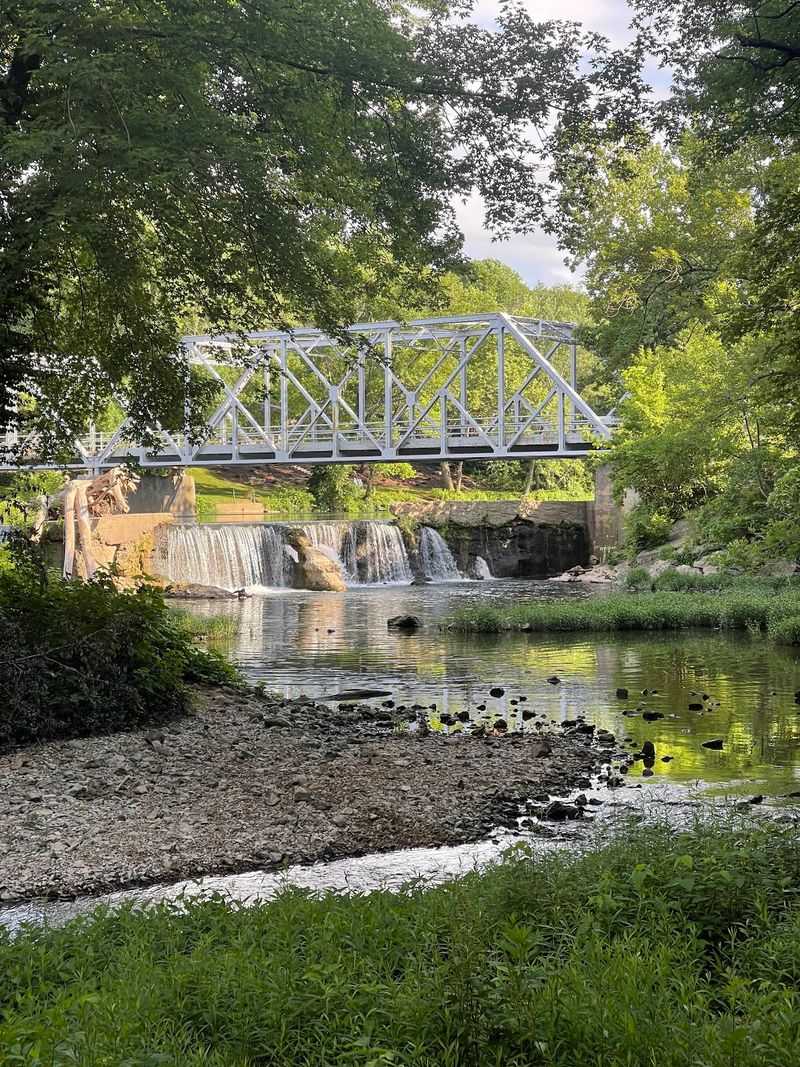
When the roads start feeling busy, Finley River Park is the kind of place that reminds you why people wanted to move to Ozark in the first place, because the river, trees, and walking space still carry that easy Ozarks calm. It does not erase the pressure of growth, but it gives the town a needed pause, and that matters more than people sometimes admit.
Locals use the park in all kinds of everyday ways, which is part of what makes it feel important instead of decorative. Some head there for a walk after work, some bring kids to burn energy, and others just want a quiet patch of green where they can hear water moving and forget for a little while that the rest of town seems to be speeding up.
If you stop by, go with enough time to wander instead of treating it like a quick checkbox, because the park works best when you let it slow you down. In a fast-growing Missouri community, public spaces like this do more than look nice, since they help protect a shared rhythm and give residents one more reason to believe Ozark can still hold onto itself.
Cafe B-29 Still Feels Comfortably Grounded
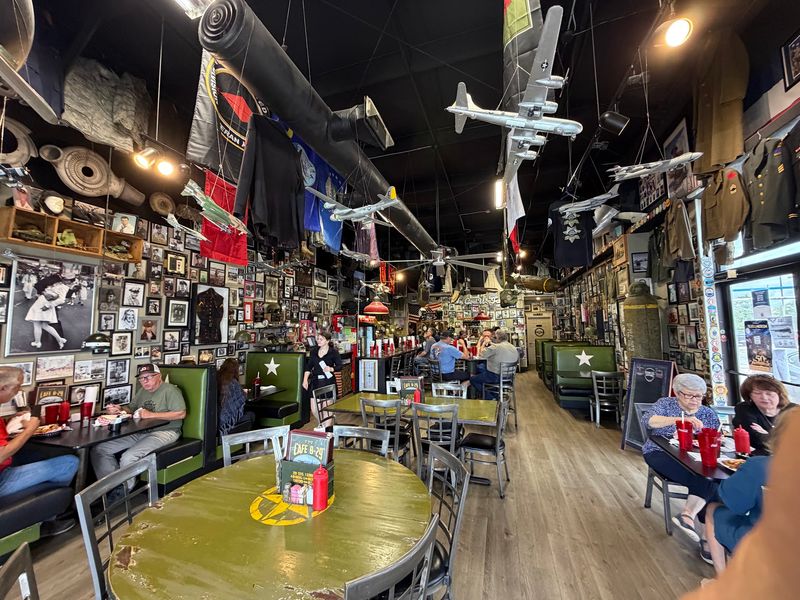
Some places tell you more about a town than any meeting or headline ever could, and Cafe B-29 is one of those spots in Ozark because it feels familiar, grounded, and tied to the people who have been here awhile. The room has that casual diner energy where conversations stretch a bit, regulars seem comfortable, and nobody looks like they are trying too hard.
That matters in a growing town, since familiar gathering places can steady the mood when everything else feels like it is shifting around them. Visitors might first notice the warm atmosphere and classic menu, but locals often read a little more into it, because places like this help preserve everyday community life while newer development keeps changing where people shop, drive, and spend their time.
If you go, pay attention to how the place feels as much as what you order, because the real value is in the sense of continuity. Ozark does not only need new businesses to serve a bigger population, it also needs room for older rhythms and local memory, and that balance becomes harder to keep when a town starts growing so fast that familiarity begins to feel like a fragile thing.
Neal Grubaugh Park Shows What Growth Should Protect
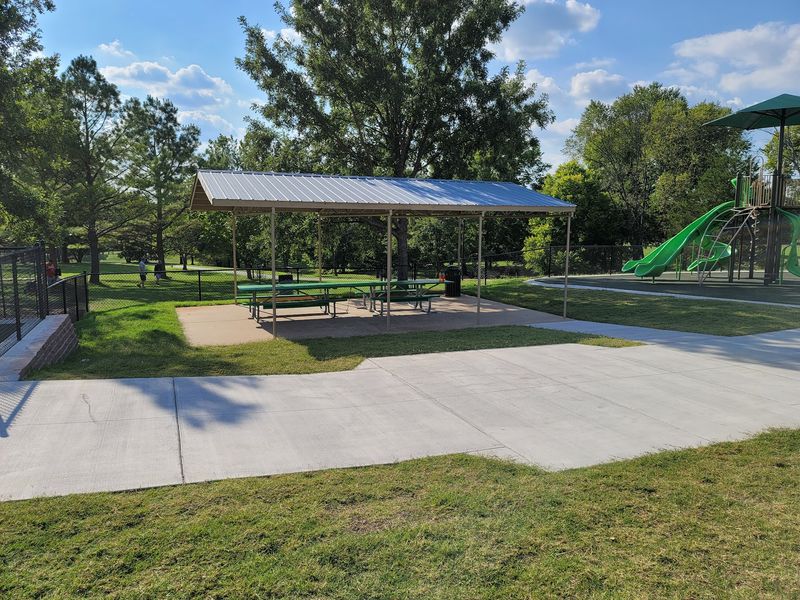
Honestly, Neal Grubaugh Park says a lot about what people want Ozark to keep, because it is not flashy in the way new retail can be flashy, yet it gives families something much more lasting. The inclusive playground, open areas, and active community feel turn the park into a daily-use place, not just a scenic extra that looks nice on a brochure.
That difference matters when towns grow quickly, since residents start asking whether development is improving ordinary life or simply filling available land. Parks like this answer that question in a practical way, because they create room for kids to play, neighbors to cross paths, and parents to feel like there is still a little breathing space left in the week.
If you are trying to understand why crowding worries people, spend a little time watching how a place like this gets used and how valuable open public space becomes as nearby neighborhoods multiply. Ozark can add houses, stores, and traffic signals all day long, but if it does not also protect shared places where people can gather easily, then growth starts feeling less like community progress and more like simple accumulation.
The Food Scene Is Growing Right Along With Everything Else
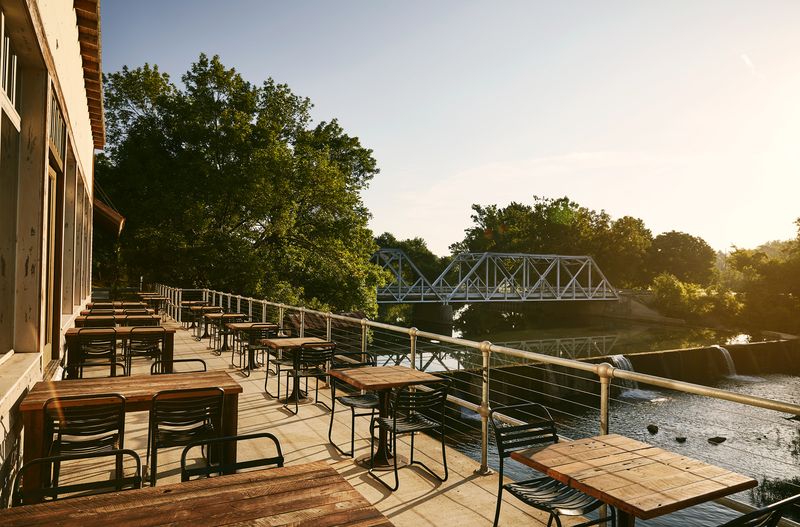
You can track a town’s growth by its restaurant scene almost as easily as by its rooftops, and Ozark makes that pretty obvious once you start noticing how many dining options people mention now. Along with Finley Farms, locals talk about places like Mundos Latin Kitchen and Rosie Jo’s Cafe, which gives the town a broader food personality than some visitors expect.
On one hand, that change is genuinely nice, because more choices make everyday life easier and help a growing population feel served close to home. On the other hand, a busier food scene usually arrives with busier roads, fuller parking lots, and a town center that starts operating with more hurry than old-timers remember from years when evenings felt simpler and a little less scheduled.
My take is that the dining growth is one of the clearest signs Ozark is no longer just orbiting Springfield but building more of its own identity in Missouri. That can be exciting without being uncomplicated, and if you eat around town with your eyes open, you will notice the same pattern everywhere, which is local charm trying to hold steady while the pace around it keeps climbing.
Downtown Ozark Is Caught Between Old And New
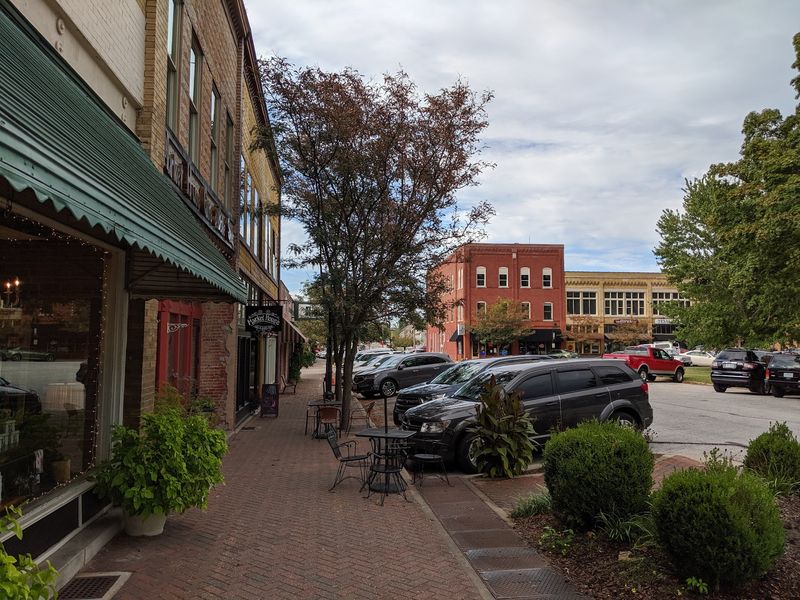
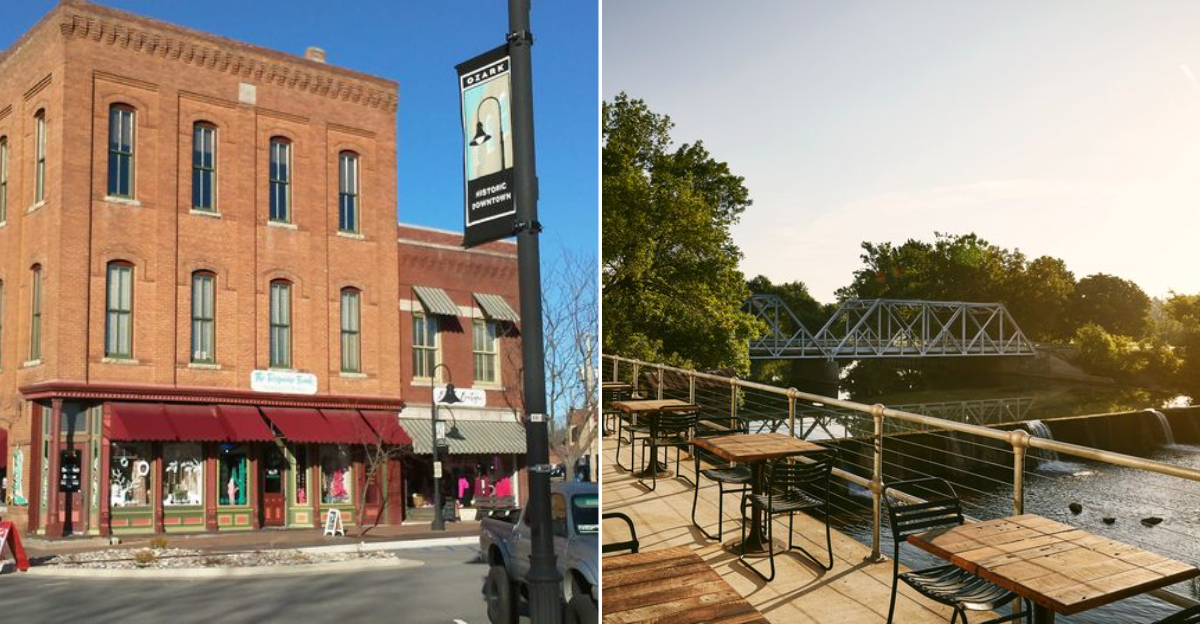
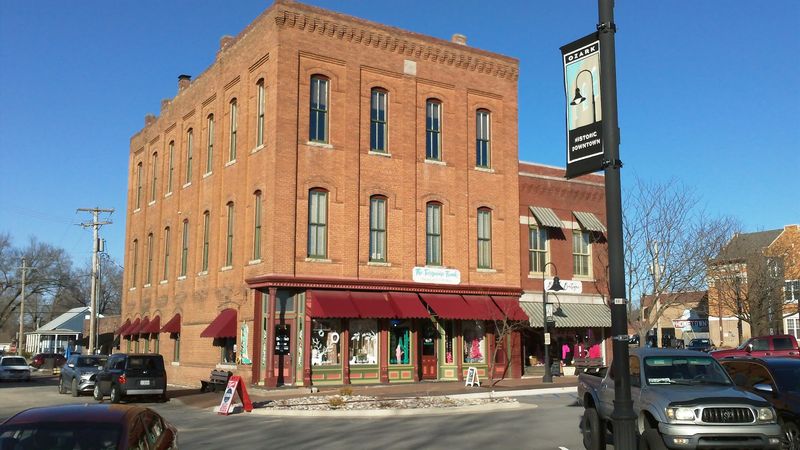
Walk through downtown Ozark and you can almost feel the town negotiating with itself, because some corners still carry that older, slower main street feeling while other parts hint at a busier future pushing in. It is not a dramatic clash, and that is what makes it interesting, since change often shows up first in the small details people barely notice at the start.
Storefront updates, shifting traffic, fresh investment, and the steady pull of nearby growth all shape the downtown mood in ways that feel gradual until suddenly they do not. What used to blend into a quiet local pattern begins acting more like a place under pressure, where every improvement raises a harder question about how much modernization can happen before the character underneath it gets thinned out.
If you spend time there, look past the surface charm and pay attention to movement, because that tells the story better than any postcard angle could. Downtown is where Ozark’s identity gets tested in public, and as the wider Missouri Ozarks region keeps attracting more residents and money, this central area will probably keep showing whether the town can evolve without feeling overfilled or overdone.
