The scent of fresh cardamom bread drifts through the air, and wooden churches rise against the northern sky. These towns, built by Scandinavian settlers, feel more like the old country than the American Midwest, with colorful folk traditions still alive today.
You can climb a iconic coffee pot water tower and embrace the tradition of “fika” with a flaky pastry and strong coffee. Nearby, a museum preserves the state’s first Scandinavian settlement with historic log cabins and a church from the 1850s, offering a glimpse into pioneer life.
Minnesota has woven these Nordic roots into daily life. You can enjoy a traditional sauna or wander quiet streets where carved gnomes peek from doorways as a nod to old folklore. The old-world charm is everywhere, from the architecture to the warm hospitality.
This is magic alive and well in the heart of the Midwest.
1. Scandinavian Heart of New Ulm
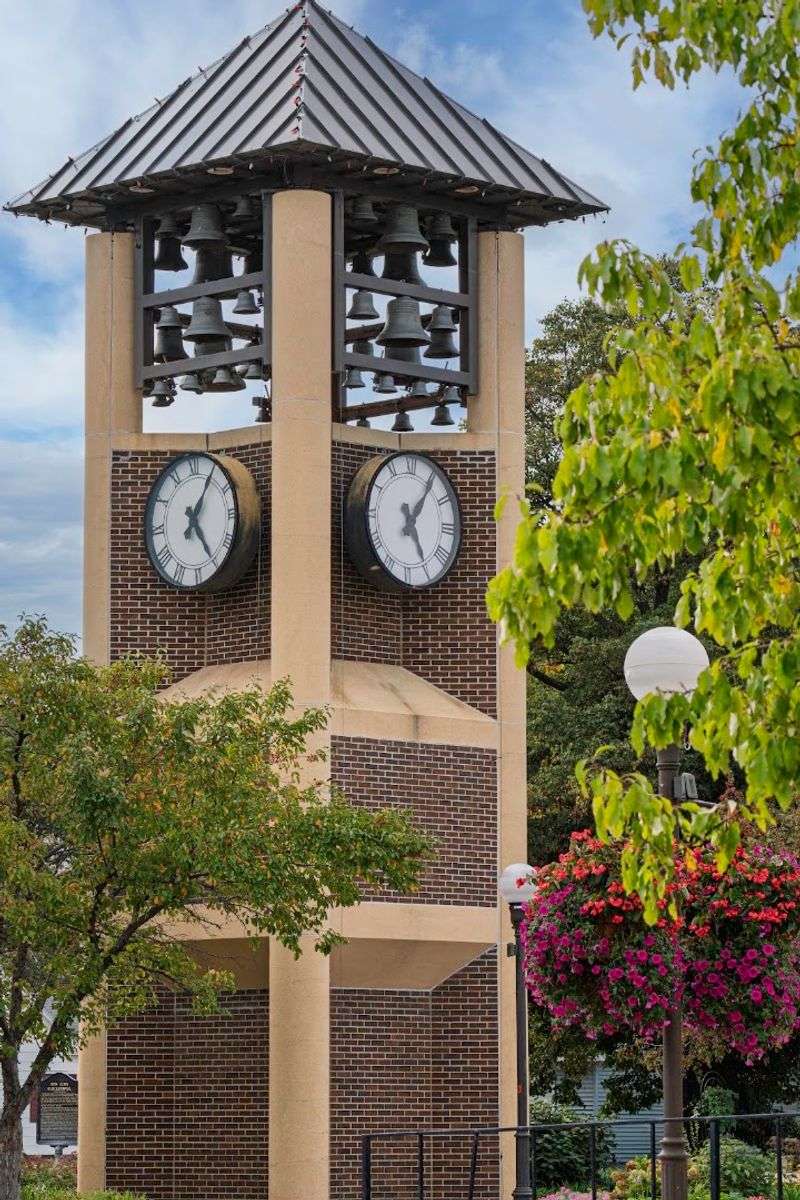
New Ulm carries itself with a certain old-country confidence that hits you the moment you pull into town. The streets are wide, the buildings are ornate, and the whole place feels like it was assembled with serious civic pride. It is one of the most distinctly European-feeling towns in the entire Midwest.
German immigrants founded New Ulm in the 1850s. A strong Scandinavian community grew alongside them and added cultural texture over the decades. The Hermann Monument towers over the bluffs like something transplanted from central Europe.
The Glockenspiel clock on the main square draws a small crowd every time it performs.These are not tourist gimmicks. They are genuine expressions of a community that never forgot where it came from.
The town’s downtown is wonderfully walkable, lined with locally owned shops and bakeries. They have been around long enough to feel like institutions. Murals and painted facades tell the story of settlement and survival.
Visiting in winter adds another layer entirely. That is when the cold air and quiet streets make everything feel even more authentically Scandinavian and northern European in character.
2. Lindstrom, the Swedish Capital of America
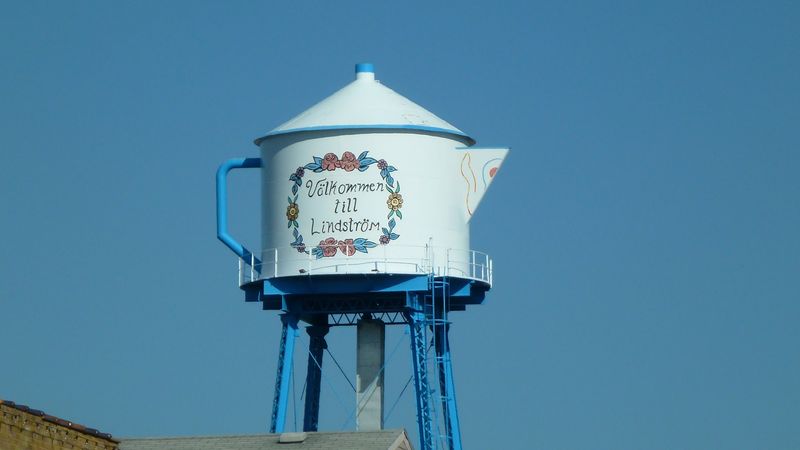
There is a giant Dala horse in Lindstrom. That tells you almost everything you need to know about this town. Lindstrom wears its Swedish identity openly and without apology. That makes it one of the most charming stops in the entire Chisago Lakes area.
The town was settled heavily by Swedish immigrants in the mid-1800s, and it has never really stopped celebrating that fact. The name itself comes from Daniel Lindstrom, one of the earliest Swedish settlers in the region.
Streets carry Swedish names and local events lean into Scandinavian traditions. The community actively preserves the cultural memory of its founders in a way that feels sincere rather than performative.
What makes Lindstrom special is how unpretentious it all is. This is a small town that simply knows who it is. The lake nearby adds a quiet, almost meditative quality to the whole experience. In summer the area feels like a postcard from the Swedish countryside.
I found myself slowing down here in a way that felt completely natural. There is something about the pace and the setting that encourages you to just stay a little longer than you planned.
3. Stately Stillwater and Its Nordic Soul
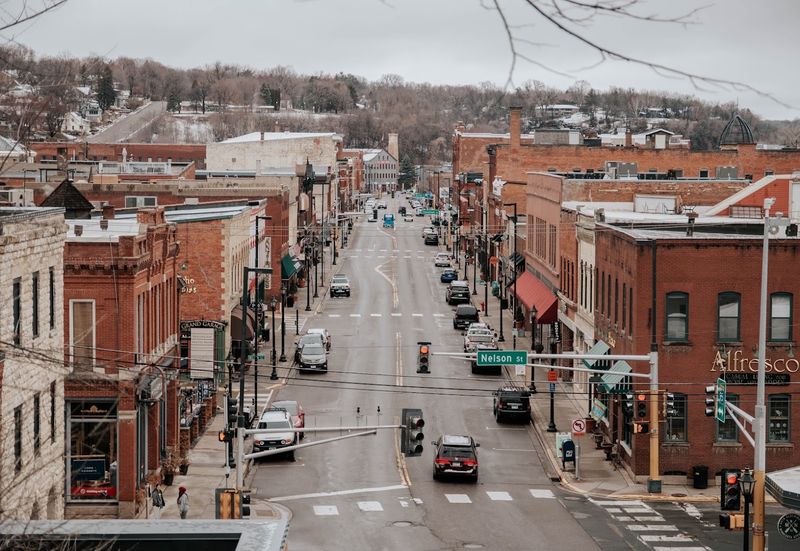
Stillwater sits along the St. Croix River like it has been there forever, because it basically has. As one of Minnesota’s oldest towns, it carries a deep historical weight that you can feel just walking its steep, brick-paved streets.
The Scandinavian influence here is woven into the architecture and the community DNA in subtle but persistent ways.
Norwegian and Swedish settlers arrived early in Stillwater’s history, drawn by the lumber industry and the promise of work along the river. Their presence shaped neighborhoods, built churches, and established the kind of community values that still feel present today.
The town has evolved into a destination for antique lovers and history buffs. But it has never lost that underlying sense of old-world rootedness.
The bluffs above the river offer sweeping views that feel almost cinematic in autumn. That is when the trees ignite in orange and gold. Bookstores, art galleries, and small cafes fill the historic storefronts. It is easy to spend a full day without covering much ground.
I kept stopping to look up at the old buildings, reading the dates carved into the stone and wondering about all the hands that built them. Stillwater rewards slow, curious travelers.
4. Duluth, Where the North Begins
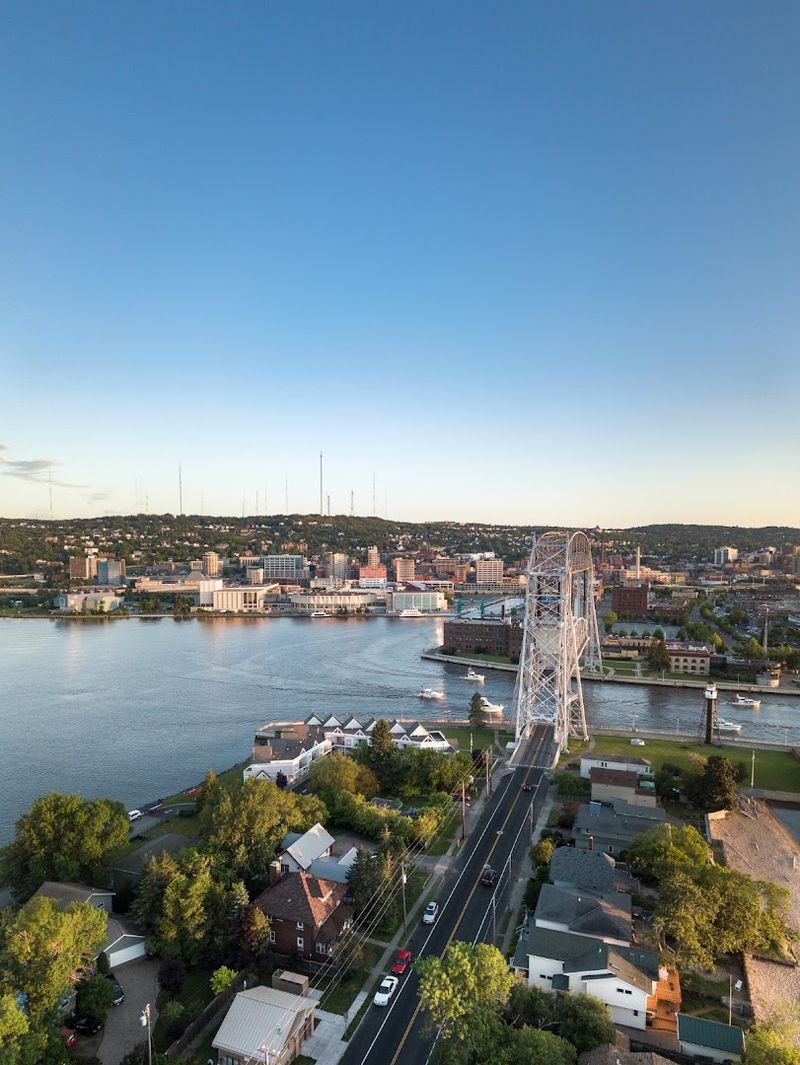
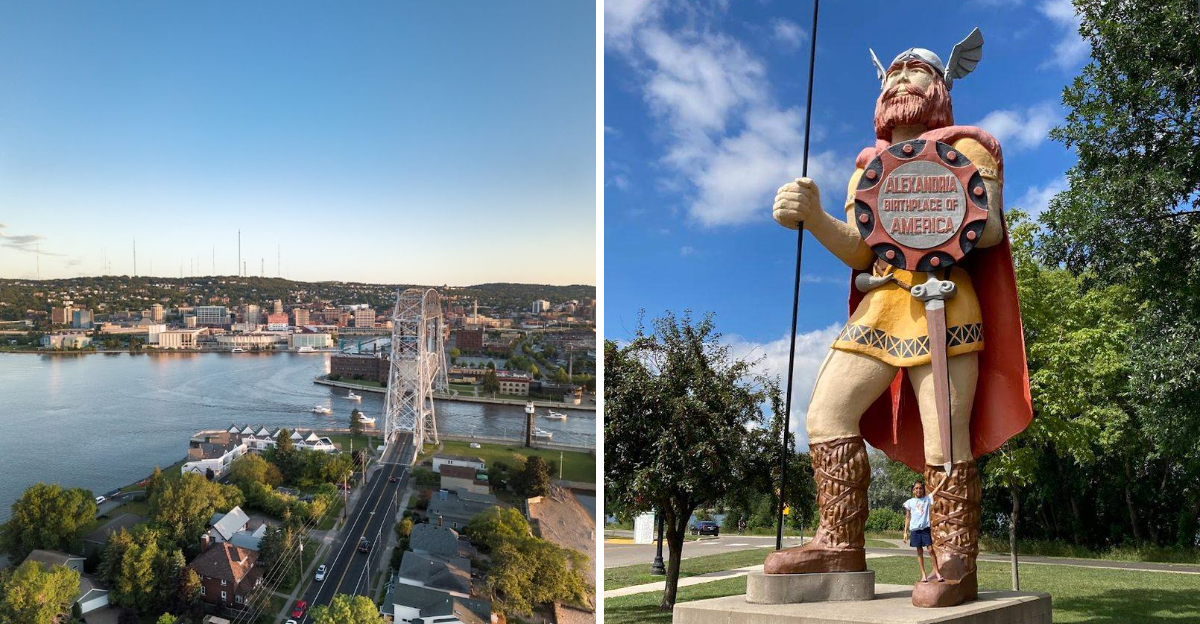
Duluth is not a quiet town by any measure, but it has a northern soul that resonates deeply with anyone who appreciates Scandinavian culture. Perched on the rocky cliffs above Lake Superior, it feels more like a port city from the Norwegian coast than a typical American Midwest destination.
The scale of the lake alone is enough to make you feel very small and very alive at the same time. Scandinavian immigrants, particularly Norwegians and Finns, arrived in large numbers to work the docks, the mines, and the forests surrounding the city.
Their cultural fingerprints are visible in neighborhood names, church architecture, and the stoic, hardworking character that Duluth still projects. The city has a gritty elegance that comes from a long history of honest labor and harsh winters.
Canal Park and the famous Aerial Lift Bridge are the obvious starting points. The real Duluth reveals itself in the residential hillside neighborhoods and the older commercial blocks further from the waterfront.
The food scene has grown impressively without losing its working-class roots. On a foggy morning, with the lake barely visible through the mist, Duluth feels genuinely mythic. It is the kind of place that stays with you long after you have driven back south.
5. Taylor’s Falls and the St. Croix Borderlands
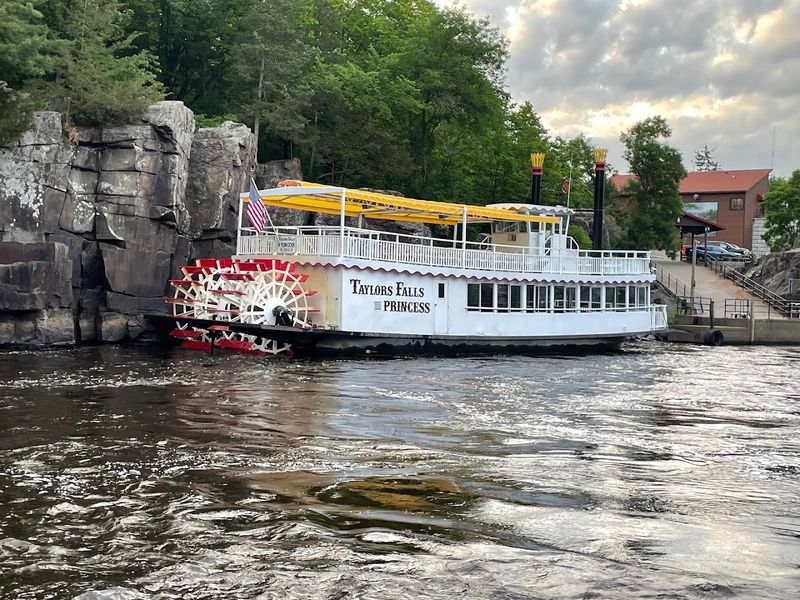
Taylor’s Falls is the kind of place that sneaks up on you. The drive in along the St. Croix River is already spectacular, but then the town itself appears, perched above dramatic basalt cliffs with a quiet self-assurance that feels earned.
It is small, genuinely historic, and refreshingly unpolished in the best possible way.
Scandinavian settlers, particularly from Norway and Sweden, found this area familiar in its rugged topography. The dense forests and rocky riverbanks probably reminded them of home in a way that flat prairie land never could.
Their legacy is visible in the early architecture and the Lutheran churches that still anchor the town’s older neighborhoods. The Pioneer Town walking tour is a wonderful way to absorb the layered history without rushing.
Interstate State Park, right on the edge of town, preserves some of the most dramatic geology in Minnesota. The potholes carved by glacial rivers are genuinely stunning, and hiking the trails gives you a physical sense of just how ancient and powerful the landscape is.
I spent an afternoon scrambling around the rocks near the river and came away feeling surprisingly humbled. Taylor’s Falls does not try to impress you. It just does.
6. Ely, Gateway to the Boundary Waters Wilderness
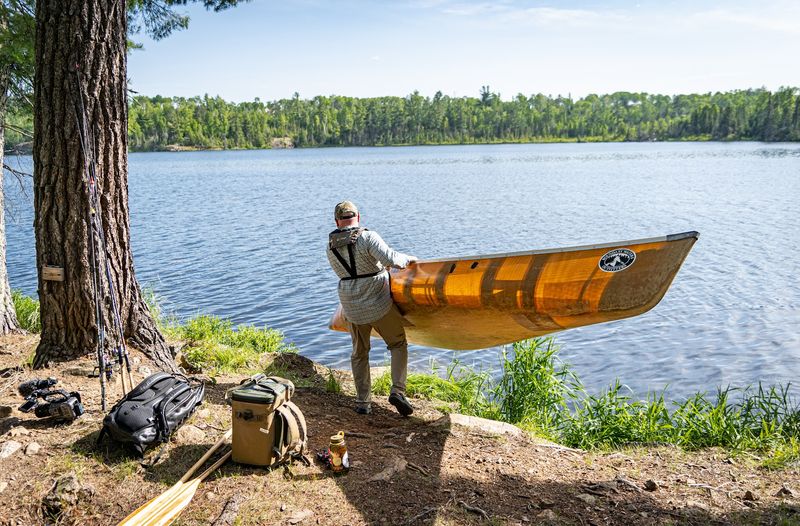
Ely occupies a very specific place in the imagination of anyone who has ever dreamed about true wilderness. It sits at the edge of the Boundary Waters Canoe Area Wilderness, and the whole town seems to exist in service of that vast, silent landscape just beyond its borders.
The Finnish and Scandinavian settlers who built this community understood the north in a bone-deep way.
Finnish immigrants in particular left a strong mark on Ely and the surrounding Iron Range. The sauna culture, the love of the forest, the self-reliant character of the residents; all of it traces back to those early arrivals who found the Minnesota north woods both challenging and comforting.
Main Street in Ely is modest but full of personality, with outfitters, local diners, and shops that cater to canoeists and nature lovers rather than casual tourists. The International Wolf Center add an educational dimension that makes Ely worth visiting even if you are not planning a paddling trip.
There is a clarity to the air here that you notice immediately. Everything feels a little sharper, a little more honest, and a little more alive.
7. Northfield, a Town Built on Grit and Grace
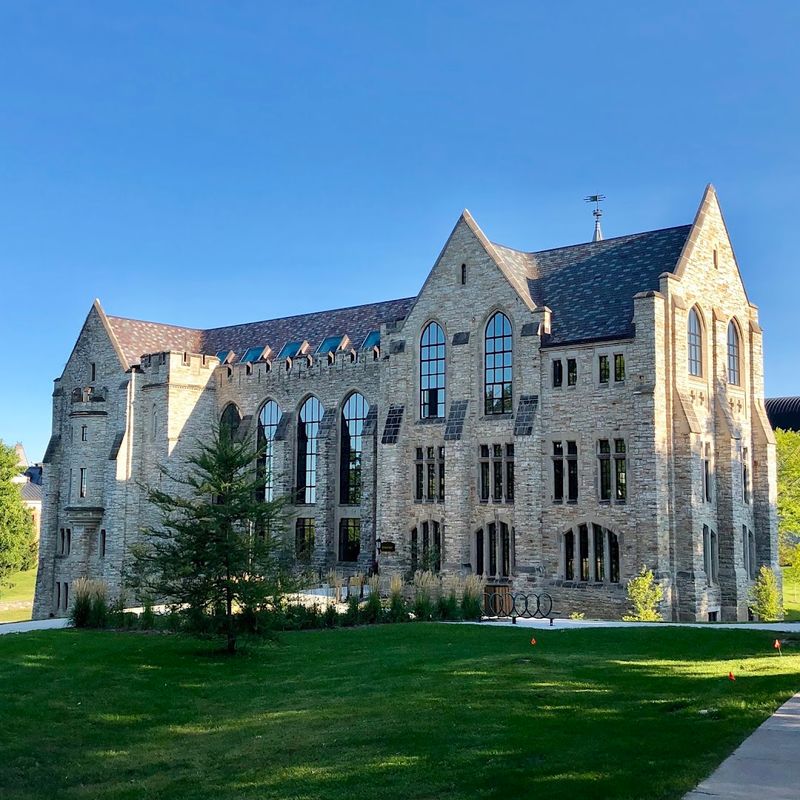
Northfield has a dual identity that makes it one of the more fascinating small cities in southern Minnesota. It is home to two liberal arts colleges, Carleton and St. Olaf, and St. Olaf in particular carries a proud Norwegian Lutheran heritage that shapes the entire atmosphere of the town.
The campus sits on a hill above the Cannon River like something from a Scandinavian postcard. Norwegian immigrants founded St. Olaf College in 1874, and the institution has maintained its cultural and religious roots in a way that continues to influence Northfield’s character.
The annual St. Olaf Christmas Festival is nationally known and reflects a choral tradition deeply tied to Scandinavian worship culture. Walking the campus in autumn, surrounded by old stone buildings and golden trees, is a genuinely moving experience.
Downtown Northfield is lively and walkable, with independent bookstores, coffee shops, and local restaurants filling the historic brick buildings along Division Street. The Cannon River adds a natural beauty to the setting that softens the academic seriousness of the place.
There is a warmth here that comes from generations of community investment and cultural pride. Northfield feels like a town that takes itself seriously without ever becoming stiff or unwelcoming.
8. Fergus Falls and the Otter Tail Prairie Heritage
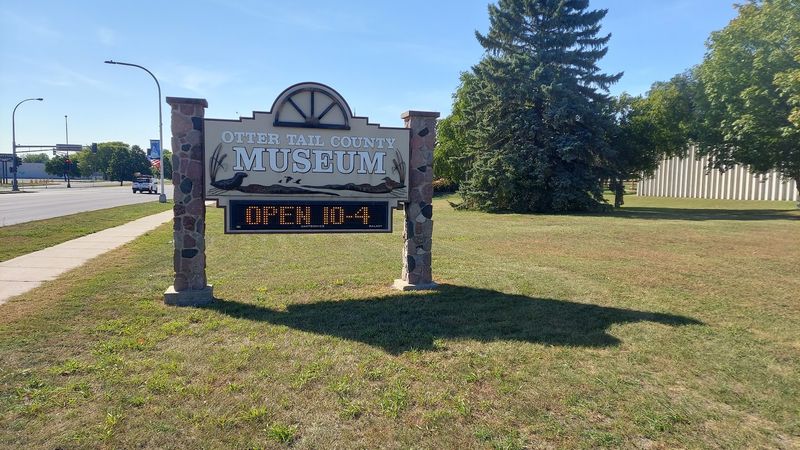
Out in the rolling prairie country of west-central Minnesota, Fergus Falls carries a Scandinavian heritage so deeply embedded that it practically hums beneath the surface of everyday life.
Norwegian and Swedish immigrants flooded this region in the late 1800s, drawn by the promise of farmland and a familiar northern climate. The community they built has a sturdy, unhurried quality that feels timeless.
The Otter Tail River runs right through town, adding a graceful natural element to what might otherwise feel like a purely agricultural community. The riverfront area has been thoughtfully developed with walking paths and green spaces that invite you to slow down and take it all in.
Historic downtown Fergus Falls has several well-preserved blocks of late-nineteenth-century commercial architecture that reward a leisurely stroll.
The surrounding Otter Tail County is dotted with small lakes and Lutheran churches. Scandinavian congregations built many of them. They have been worshipping in the same buildings for well over a century.
I found the landscape here unexpectedly beautiful, especially in the long light of a summer evening when the prairie grasses glow and the lakes catch the last of the sun. Fergus Falls is not flashy. It is simply, quietly, deeply itself.
9. Decorah Road Neighbor, Spring Grove
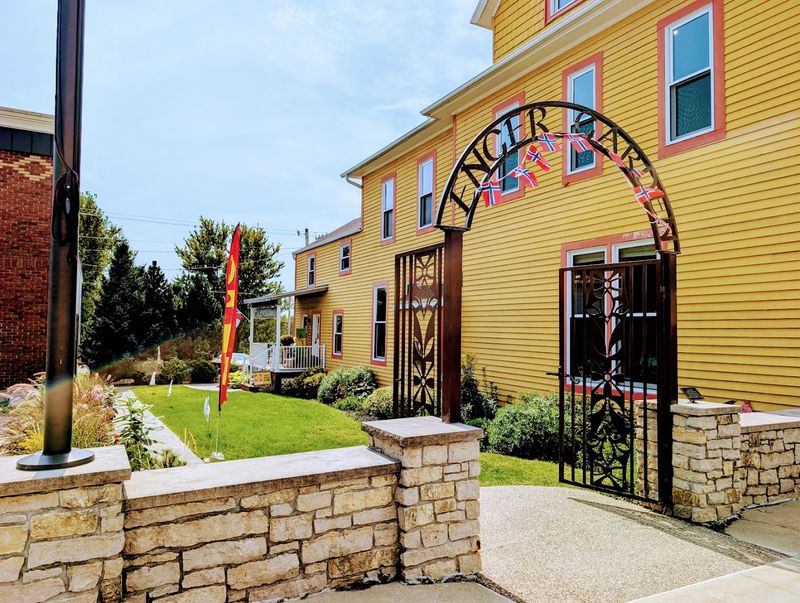
Spring Grove holds a quiet but remarkable distinction. It is the first Norwegian settlement in Minnesota, established in 1851 by immigrants who traveled west from the Fox River settlement in Illinois.
That founding story gives the whole town a sense of historical weight that you feel even before you know the details. It is a place that understands its own significance without needing to shout about it.
The Norwegian influence in Spring Grove is visible in the local museum, the historic church buildings, and the community’s ongoing effort to preserve and celebrate its cultural roots.
The town sits in the driftless area of southeastern Minnesota, a landscape of dramatic bluffs and spring-fed streams that has a striking resemblance to parts of rural Norway. It is easy to understand why those early settlers chose this particular valley.
Spring Grove is small, genuinely small, but it has a personality that punches well above its size. Local events tied to Norwegian heritage draw visitors from across the region, and the surrounding countryside is ideal for driving or cycling through on a clear day.
The bluffs, the farms, the old church steeples rising above the treeline; all of it adds up to something that feels quietly extraordinary. This is Minnesota history at its most personal and most rooted.
10. Alexandria, the Viking Heartland of the Lakes
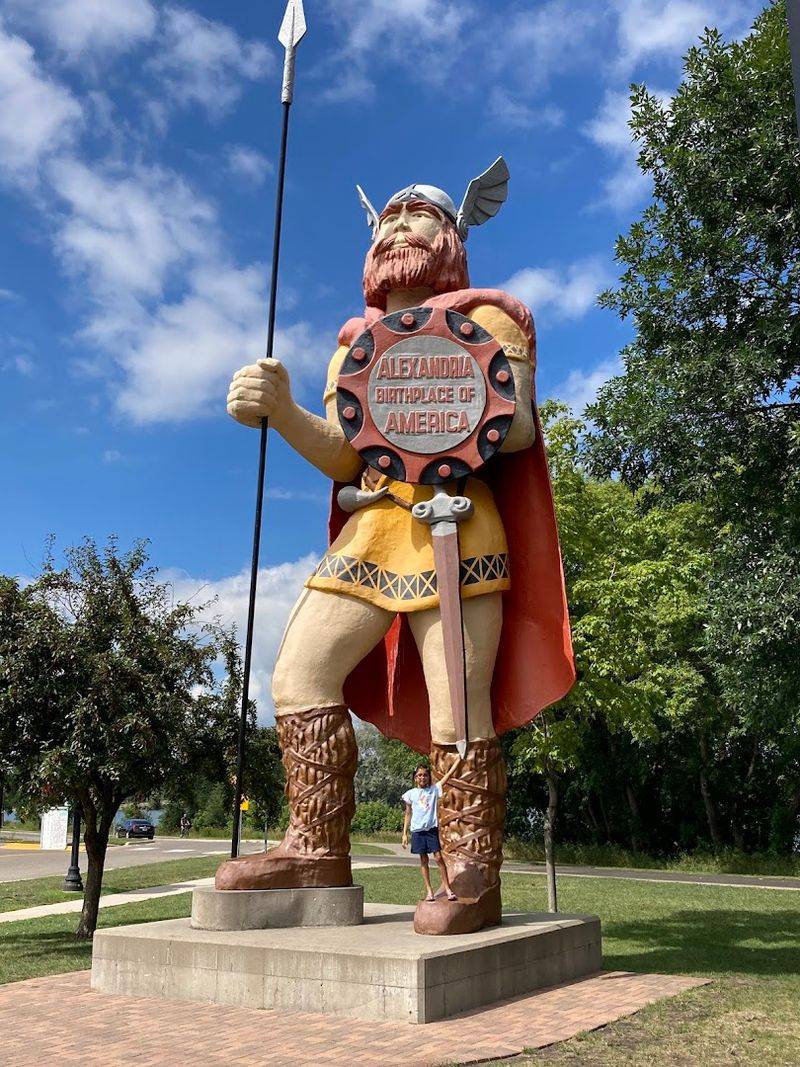
Alexandria greets you with a twenty-eight-foot Viking statue named Big Ole, and from that moment forward the town’s Scandinavian identity is never in question.
The statue was originally built for the 1965 World’s Fair and has stood in Alexandria ever since, serving as both a landmark and a statement of cultural pride. It is impossible not to smile at it.
Scandinavian immigrants settled heavily around Alexandria, particularly Norwegians and Swedes. They found the lake-studded landscape deeply familiar. Today the area contains more than four hundred lakes.
The community culture reflects both that natural abundance and its northern European heritage. The Runestone Museum in town tells the story of the controversial Kensington Runestone. Norse explorers allegedly left this carved stone in the fourteenth century.
Whether or not you believe the runestone is authentic, the museum is genuinely engaging and raises fascinating questions about early exploration and cultural memory. Alexandria itself is a pleasant, well-maintained town with a lively downtown and a strong sense of community.
Summer here is spectacular, with the lakes shimmering and the whole place buzzing with a relaxed, northern energy. It is exactly the kind of town that makes you want to rent a cabin and stay for a week rather than just a day.
