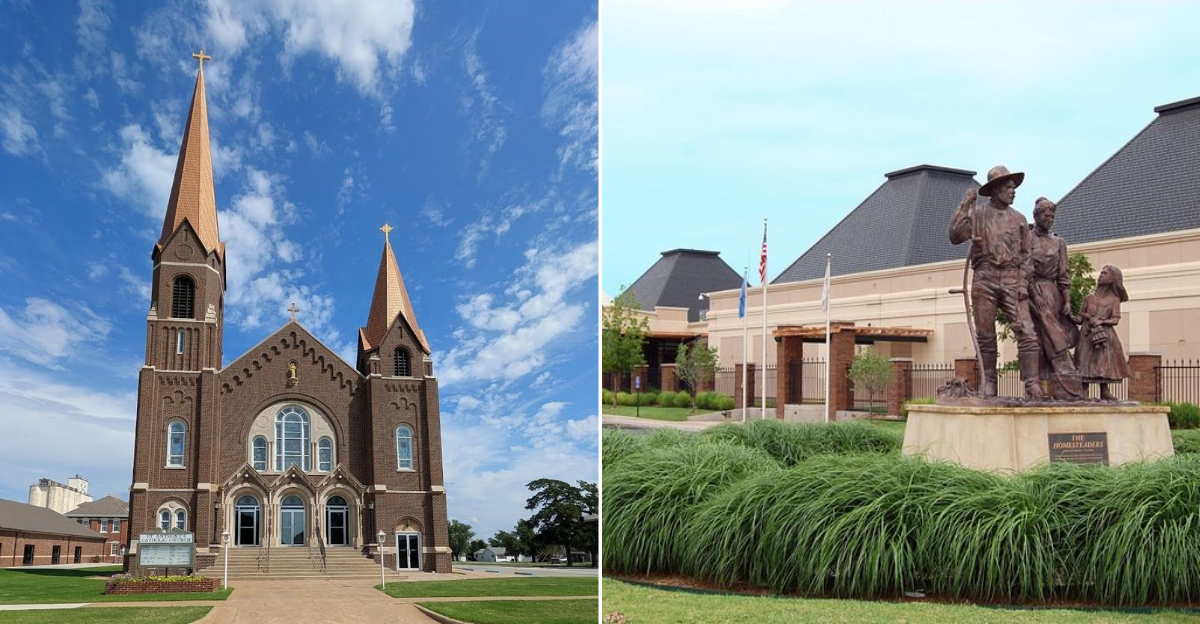
What if a drive through Oklahoma could feel like a trip to Bavaria? Scattered across the state, nine small towns have quietly preserved a German heritage that still shapes their streets and tables.
Volga German immigrants arrived in the late eighteen hundreds, bringing old-world recipes, sturdy churches, and a deep sense of community.
The architecture echoes the old country, and annual Oktoberfest celebrations fill the air with polka and the smell of fresh pretzels.
Some bakeries still turn out strudel that rivals anything from the old country. The pace is unhurried, and the past feels close enough to touch.
A drive through these towns is a journey into a forgotten chapter of Oklahoma’s immigrant story, one that still lingers in the windmill museums, the church steeples, and the friendly faces along Main Street.
1. Where A Bavarian Church Steals The Skyline In Okarche
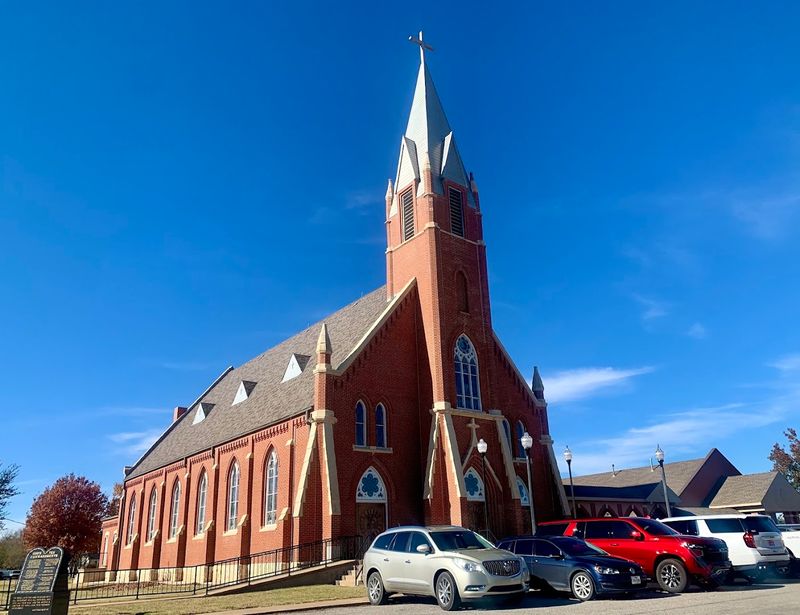
Nothing prepares you for the sight of Holy Trinity Catholic Church rising above the flat land, because it looks much more like Bavaria than the middle of Oklahoma. The pointed lines, stonework, and careful details give Okarche a storybook feeling before you even park the car.
Step inside when it is open, and the woodwork immediately adds warmth, depth, and a sense that many hands built this place with pride.
German and Czech families left their mark here in ways that feel lived in, not staged, and that is what makes the town so memorable. You notice it in the church, in the rhythm of local gatherings, and in the way older buildings still anchor the streets.
Give yourself time to walk around slowly, look up often, and pay attention to small design touches that many travelers would easily miss.
Morning light makes the church exterior especially beautiful, so that is a smart time for photos if you want the old-world details to stand out. Okarche works best for travelers who enjoy history that feels personal rather than flashy, because the charm comes from real community life.
By the time you leave, the town feels less like a quick stop and more like a lesson in how heritage stays visible.
2. Windmills, Prairie Memory, And Volga Roots In Shattuck
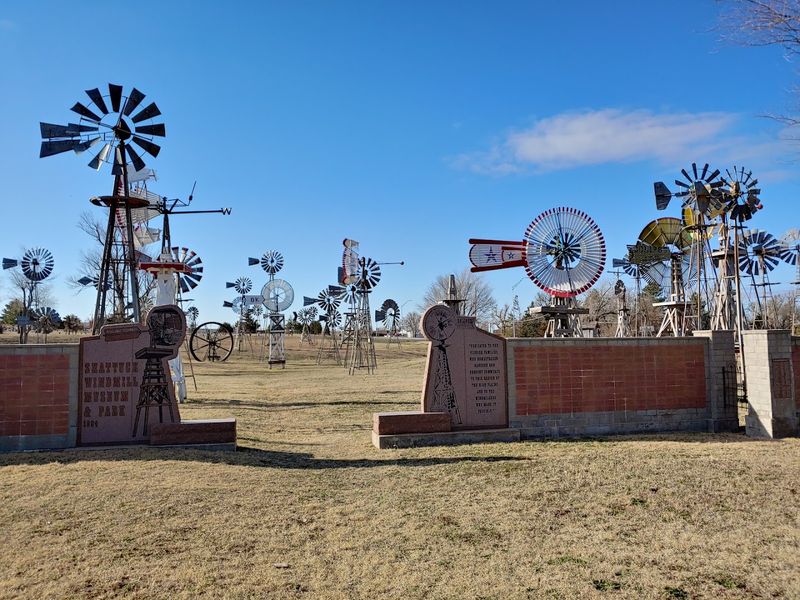
Out on the wide plains, Shattuck feels like the kind of place that keeps its history in plain sight instead of locking it away behind glass. Families of Volga German background helped shape the town, and you can still feel that influence in community traditions and everyday pride.
The annual Oktoberfest brings people together with music, conversation, and a sense that local heritage is something to share, not remember quietly.
Then there is the windmill museum, which sounds quirky at first and turns out to be one of the most interesting stops in this part of Oklahoma. Seeing so many restored windmills lined up under the sky gives you a real feel for how settlers worked with wind, weather, and distance.
The grounds also help tell the prairie story in a way that feels practical, visual, and easy to imagine.
If you visit, give yourself room to wander rather than rushing through, because Shattuck reveals itself best when you let details sink in. The town has a sturdy, unshowy personality, and that actually fits its German heritage beautifully.
You come away remembering the wind, the open land, and the communities who built meaningful lives here without losing the customs that once traveled with them across the plains into western Oklahoma.
3. Historic Streets And Deep Roots Around Kingfisher
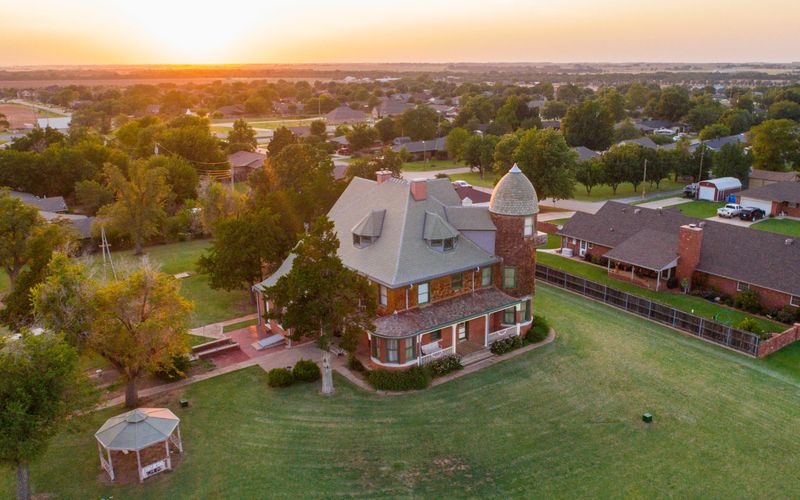
Some towns make their history feel distant, but Kingfisher wears it right on the street in a way that is easy to notice and easy to enjoy. German immigrants helped make this area a settlement center, and their legacy still shows up in churches, schools, and long-standing neighborhood patterns.
Walk through town, and you will see homes with character that rewards looking closely and following your curiosity for yourself.
The restored historic post office is one of those buildings that can change your whole impression of a place, because it feels grand without losing warmth. Its exterior and interior details speak to an earlier era when civic spaces were built to last and to be admired.
That same feeling carries into the churches and schools that German families helped establish, many of which still matter deeply to the community.
What I like most here is that the town does not have to explain itself too hard, because the history is already built into the surroundings. Spend a little time at the local museum scene if you can, then circle back downtown and notice how old and new sit together.
Kingfisher shows how Oklahoma heritage can feel grounded, graceful, and completely tied to the people who stayed and kept building.
4. Quiet Landmarks Tell The Strongest Stories In Okeene
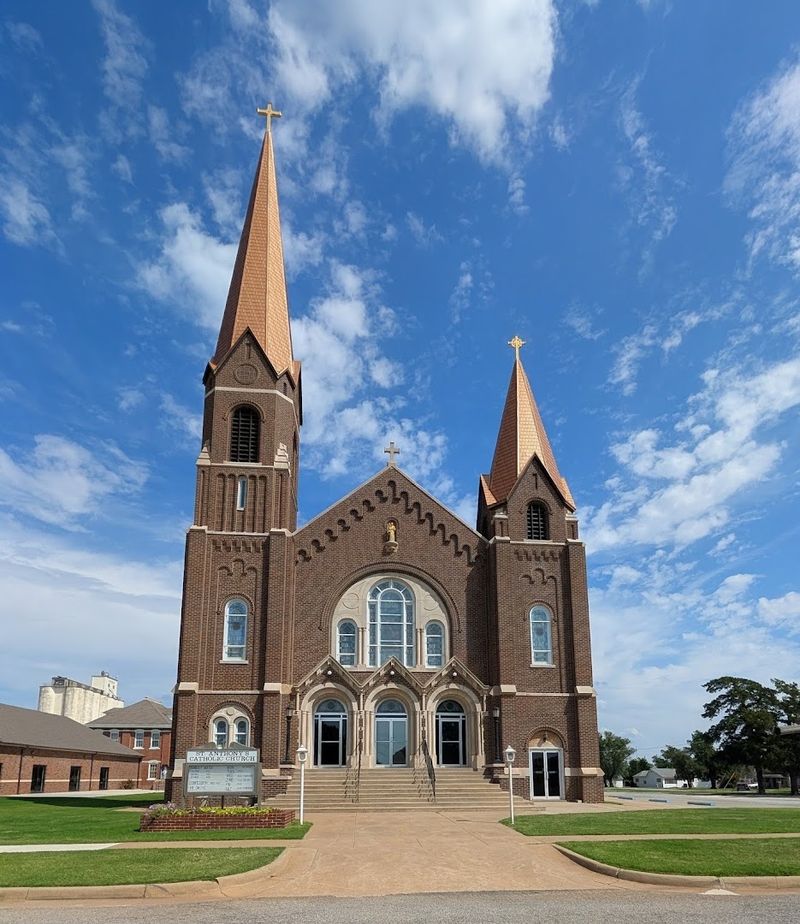
You can tell a lot about Okeene by looking at what people chose to build and preserve, because the town still carries the marks of determined German settlers. Churches and schools remain some of the most meaningful landmarks here, and they give the community a sense of continuity that feels strong.
Instead of flashy attractions, you get something quieter and better, a place where history is part of the backdrop.
St. Anthony of Padua Church is the standout many travelers remember, since its scale and presence feel almost startling against the open Oklahoma landscape. Zion Baptist Church also reflects that early heritage, and together they help show how faith communities anchored family life on the plains.
If you enjoy architecture that tells a human story, Okeene gives you plenty to notice without ever feeling crowded or overly explained at all.
Bring your patient road-trip mood here, because Okeene is the kind of town that reveals itself through details rather than big announcements. Look at brickwork, steeples, and school grounds, then imagine the effort it took to create lasting institutions so far from Europe.
That old-world feeling comes less from imitation and more from devotion, which is why the place stays with you after the drive is over for quite awhile.
5. A Museum-Town Rhythm Keeps Fairview’s Past Close
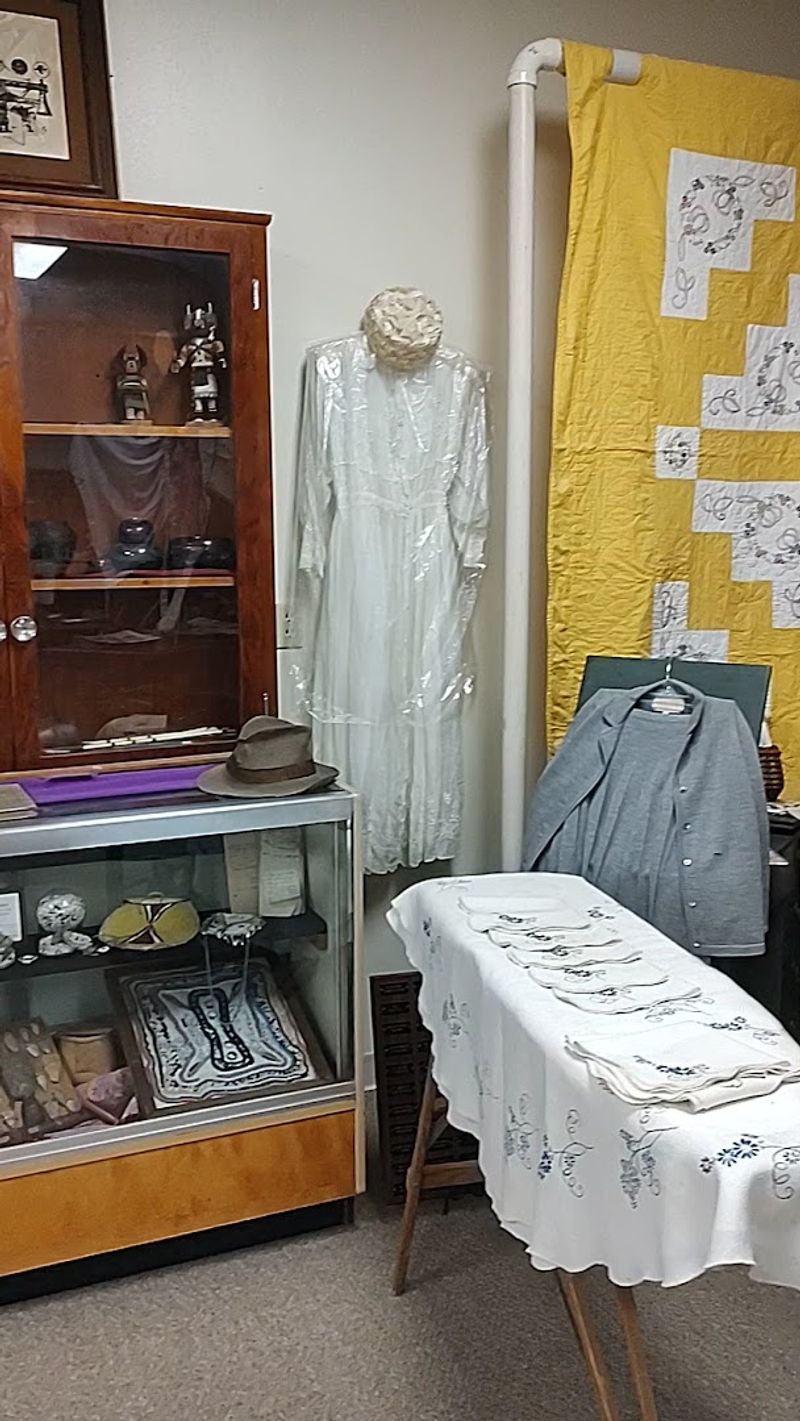
Fairview has a calm, settled feel that makes its immigrant story easier to sense, especially if you pay attention to churches, schools, and local memory. German influence runs deep here, not as decoration, but as part of how the community took shape and held together.
The history feels clear when you spend time around the museum collections, where preserved buildings help turn old settlement stories into something you can picture.
What stands out in Fairview is how faith and education seem woven into the same local fabric, which says a lot about the families who planted roots here. Historic churches and school spaces reflect those immigrant beginnings in a direct way, and they make the past feel close instead of abstract.
You are not hearing about German heritage in Oklahoma here, you are seeing the structures that carried it forward.
If you like places that feel sincere rather than polished, Fairview is easy to appreciate, because it lets its history speak through ordinary surroundings. Walk slowly, ask questions at local history spots, and notice how much care went into preserving pieces of community life.
By the end, the town leaves you with a sense of how immigrant traditions in Oklahoma lasted through worship, schooling, and the decision to stay connected.
6. A Bigger City With Surprisingly Strong German Echoes In Enid
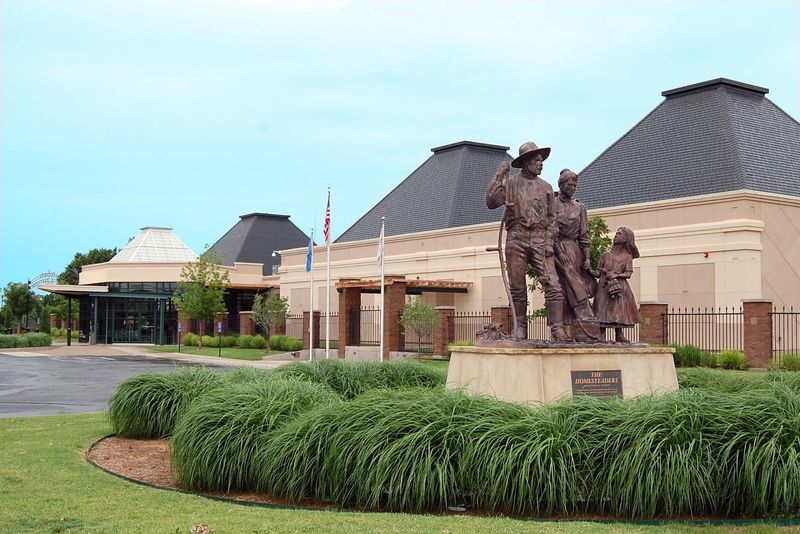
Because Enid is bigger, you might expect its old German connections to get lost in the shuffle, but they still show up if you know where to look. German-American settlers helped shape important institutions here, and their influence became part of the wider regional story, not just one neighborhood.
Downtown is a good place to start, since historic buildings give the city an older backbone beneath all the present-day movement.
The Cherokee Strip Regional Heritage Center helps put the area in context, which makes Enid especially useful if you want the bigger picture along with local detail. Museums, churches, and civic buildings together show how immigrant communities organized themselves and helped shape northwest Oklahoma over time.
Even when the city feels busy, there are corners where the older story comes through clearly and gives the place a lot more depth.
Here is the nice surprise, Enid does not feel like one note, so you can explore heritage without giving up the energy of a larger town. Spend part of your time indoors with exhibits, then head back outside and compare the scale of public buildings and older streets.
Enid shows that German roots in Oklahoma were not only rural, but also deeply tied to growing regional centers for many families.
7. A Name Change Says Everything In Corn
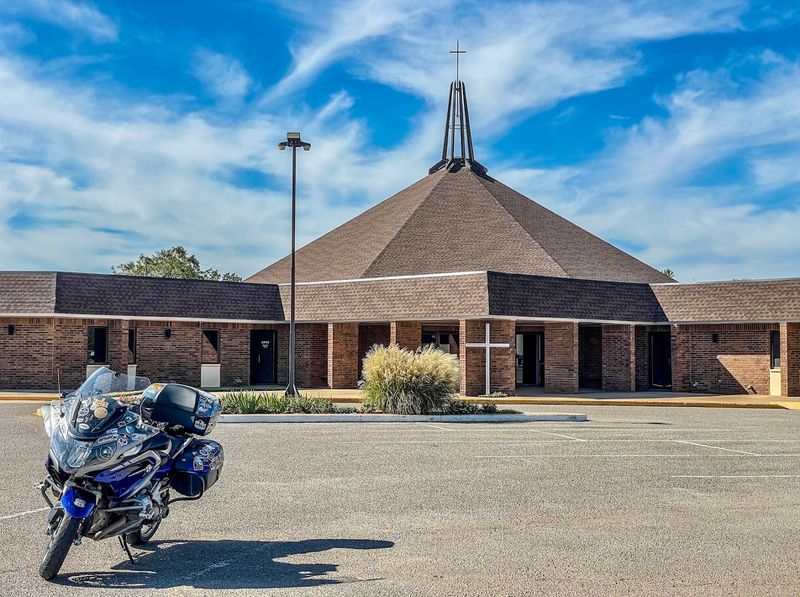
A town name can hold a whole argument with history, and Corn proves that in a way you do not forget once you hear the story. The community began as Korn, a name chosen by German-Russian Mennonite settlers, and later the spelling changed during a period of anti-German feeling in the United States.
Even so, the older identity never disappeared, because local memory kept it alive beneath the newer letters.
That tension between old heritage and American belonging gives the town a personality that feels thoughtful rather than theatrical. The annual German Feast and Auction still pulls community history into the present, not just as nostalgia, but as a living act of connection.
If you are curious about how culture survives change, Corn offers one of the clearest examples anywhere in Oklahoma for travelers who like stories with staying power.
Spend a little time around town and let the name sink in, because it says something important about pressure, adaptation, and memory. Mennonite roots still matter here, and the community carries them with a steady, grounded kind of pride.
Corn may look quiet at first glance, but its German background gives it one of the richest identity stories on any small-town drive through western Oklahoma you are likely to take.
8. Strong Ancestry Still Shapes The Feeling Of Goltry
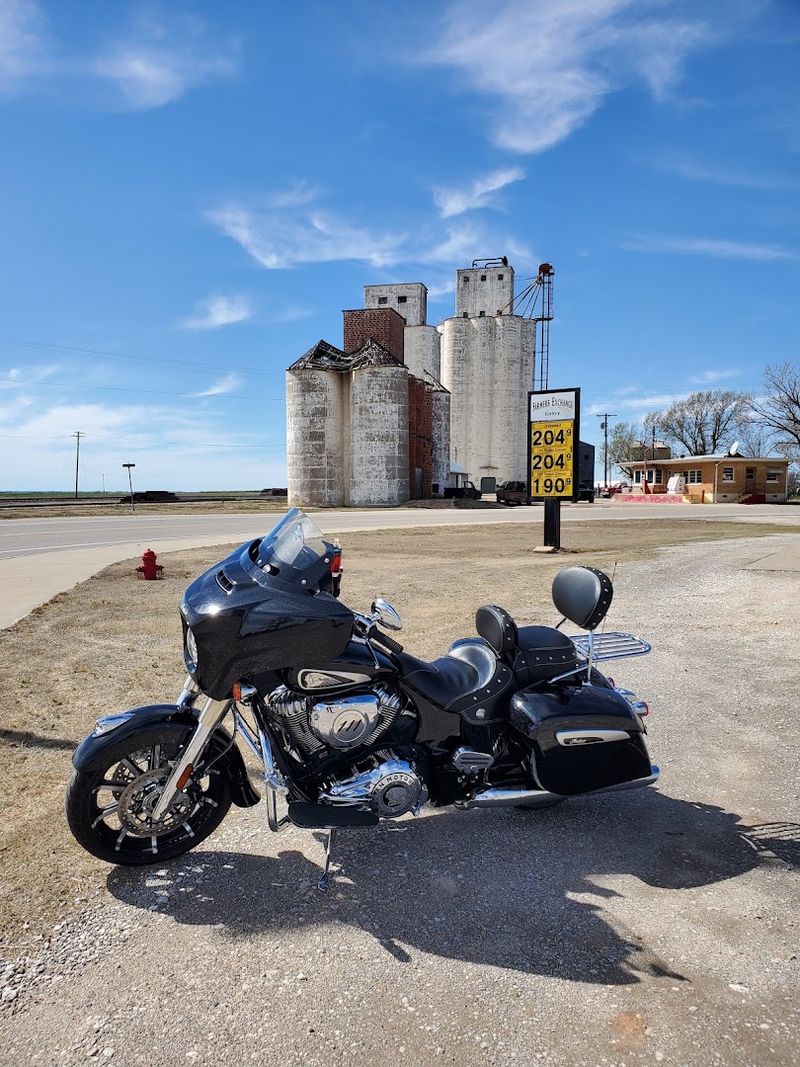
Goltry is one of those places where ancestry still feels close enough to touch, which is unusual and honestly kind of moving. German immigrants settled here around the turn of the last century, and their presence remained visible through church life, family ties, and everyday community patterns.
Even now, the town is known for a remarkably strong connection to German background, which gives the whole place a sense of continuity.
What gives Goltry its old-world feel is not one dramatic landmark, but the way heritage seems folded into ordinary life. Mennonite congregations played a major role in that story, and local church history still helps explain how the settlement took root on the Oklahoma plains.
Travelers who enjoy quieter places will appreciate how the town suggests its past through atmosphere rather than through constant explanation and that can feel refreshing.
If you are tracing German heritage across Oklahoma, do not skip Goltry just because it looks modest from the road. Small towns sometimes hold the strongest cultural echoes, and this is a very good example of that truth.
A slow drive, a look at the church landscape, and a little reading beforehand will help the town open up in a memorable way for folks who like stories that whisper softly.
9. The Old Name Still Whispers Beneath Loyal
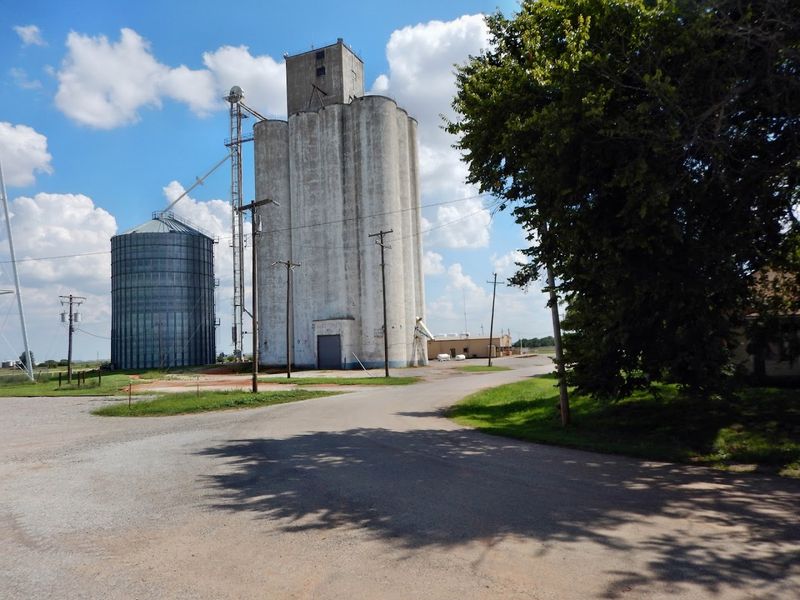
Loyal carries one of the clearest name-change stories in this whole stretch of Oklahoma, and it says a lot about belonging and pressure. The town was first called Kiel by its German founder, then later renamed during wartime patriotism that reached deep into rural communities.
Even after the new name stuck, German ancestry remained an important part of local identity and continued shaping the area around town for many families.
I always find places like this fascinating, because a new name can hide an old story while never quite erasing it. Loyal grew from a community with strong German roots, and that background showed up in church life, settlement patterns, and the family networks that held people together.
When you visit, think about how much history can sit quietly behind a simple town sign along a road that seems ordinary.
Do not expect grand displays here, because Loyal tells its story in a more reserved and very human way. The landscape feels open, the town feels grounded, and the German connection comes through once you know what changed and what stayed.
It is a thoughtful stop for travelers who enjoy places where identity is layered, resilient, and still visible beneath everyday life in this quiet corner of central Oklahoma today.
