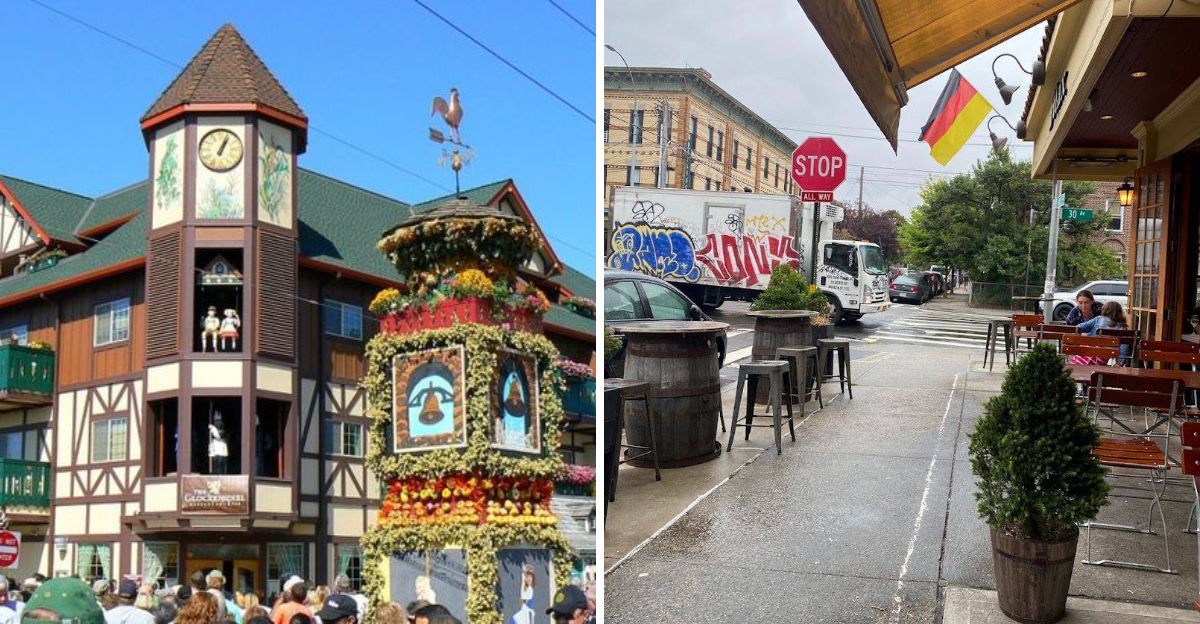
Some towns in Oregon feel like a postcard from the Old Country, with a rich German heritage woven into every cobblestone and storefront. You can step into these little villages and be surrounded by half-timbered buildings and the warm scent of bratwurst and pretzels.
One of the best-known of these magical towns is a place where the spirit of Bavaria meets the Pacific Northwest. You can browse shops filled with cuckoo clocks and nutcrackers, enjoy live polka music, and sip on a stein of beer while locals in lederhosen stroll by.
The old-world vibes are strong here, making it the perfect weekend getaway. Oregon has a way of surprising you, and these towns are proof that you do not need to cross an ocean to find a little piece of Europe.
1. Leavenworth, Washington, Nearby Influence on Oregon’s Cascade Towns
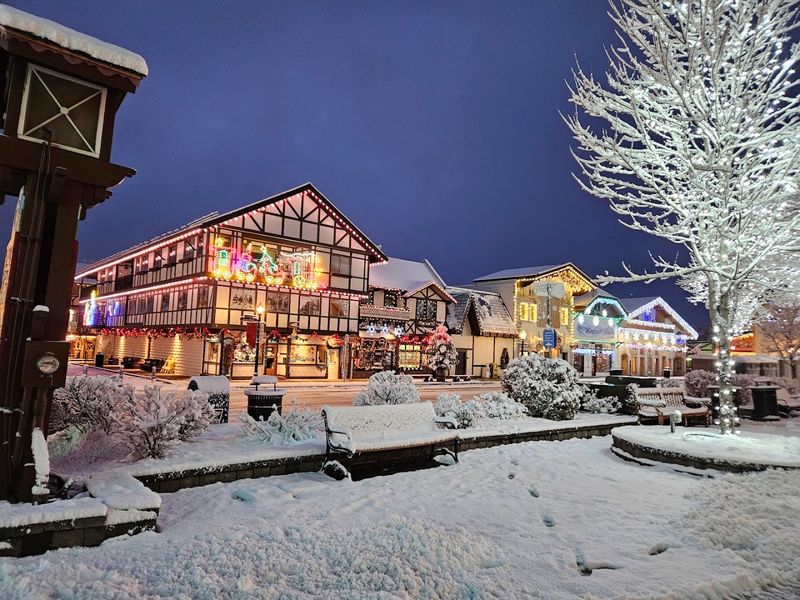
Leavenworth technically sits across the state line. Its magnetic pull on Oregon travelers is impossible to ignore when talking about German heritage in this part of the country.
Its influence has shaped how communities along the Cascades think about cultural identity and tourism built around European roots. Many Oregonians make the drive regularly. The experience feeds back into appreciation for similar pockets of heritage closer to home.
The Bavarian transformation of Leavenworth in the 1960s was a deliberate effort to revive a struggling economy. It worked spectacularly. Buildings were redesigned with steep gabled roofs, painted murals, and carved wooden details that mirror the alpine villages of Bavaria.
The effect is theatrical but also genuinely charming. Especially when the mountains are dusted with snow and the whole town glows with warm light.
For Oregon travelers, the takeaway is not just the spectacle of Leavenworth itself. It’s the reminder that German heritage communities thrive when they commit fully to preserving and celebrating their roots.
That lesson resonates in towns like Joseph and Sisters. They have their own quieter nods to European craftsmanship and community pride. The cross-border connection enriches the broader story of German influence in the Pacific Northwest.
This is a thread worth pulling when planning a road trip that honors old-world culture. It is woven into mountain landscapes and small-town warmth that feels genuinely welcoming rather than commercially constructed.
2. Silverton
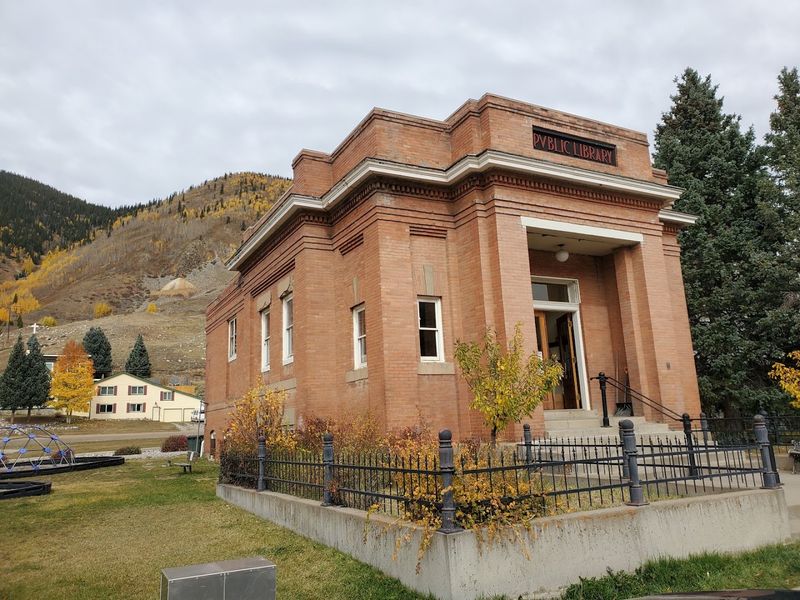
Silverton is the kind of town that sneaks up on you. It is modest at first glance, a compact historic downtown with brick storefronts and wide sidewalks. The longer you stay, the more character reveals itself.
The town has a strong connection to its German and Scandinavian settler roots. That heritage is celebrated through its murals, its community events, and the general pride residents take in their shared history.
The Silverton Mural Project is one of the most visible expressions of local identity. Painted across building exteriors throughout downtown, these large-scale artworks depict scenes from the town’s past. Including images that honor the immigrant communities who helped build it.
Some murals reference German farming traditions and the agricultural rhythms. That defined life in the Willamette Valley for generations of newcomers who put down roots here.
Oregon Garden, located just outside town, is a stunning botanical space that feels like a European estate garden. It’s reimagined in a Pacific Northwest setting.
The structured design, with its formal hedgerows and water features, echoes the gardening traditions that German and other European settlers brought with them.
Silverton also sits close to Silver Falls State Park. Towering waterfalls and old-growth forest provide a dramatic natural counterpoint to the town’s cultivated charm. This is a place that balances heritage and nature effortlessly. It never feels like it is trying too hard to impress anyone.
3. Mount Angel
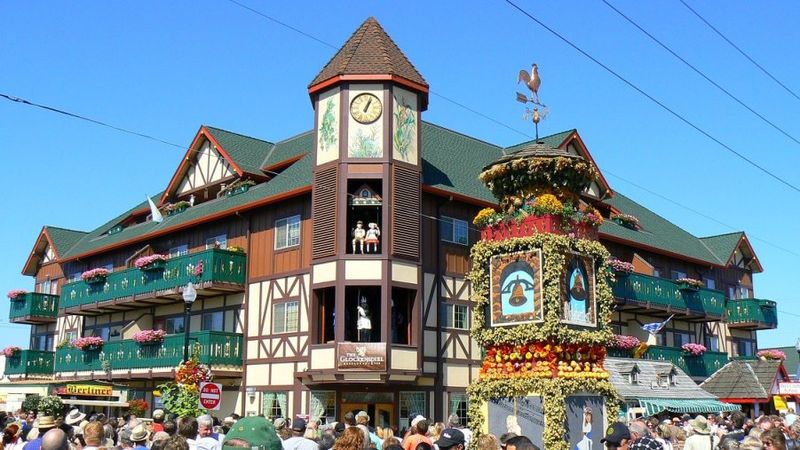
Mount Angel has a way of making you feel like you have crossed into a different country without ever leaving Oregon. From the moment you round the curve on Highway 214 and see the hilltop abbey come into view, the shift in atmosphere is almost tangible.
The town sits quietly in the Willamette Valley. Bavarian-inspired storefronts, ornate window boxes spilling over with bright flowers, and the looming Benedictine abbey on the hill all contribute to the setting. It feels genuinely transported from central Europe.
The Mount Angel Abbey is the real anchor here. Founded by German-speaking Swiss Benedictine monks in 1882, it has shaped the town’s identity in ways that go far beyond architecture. The abbey library is a striking contrast of modernism against all that old-world texture.
Every September, the town hosts Oktoberfest, one of the largest and most beloved festivals in the Pacific Northwest. The streets fill with traditional music, folk dancers in lederhosen and dirndls, and food stalls serving bratwurst and pretzels.
It is genuinely festive in a way that feels rooted rather than performed. Beyond the festival, the town is a pleasant place to wander year-round. Small shops carry German imports, and the bakeries do not disappoint.
Mount Angel is the kind of place where the heritage feels lived-in and real. Not just staged for tourists passing through on a weekend road trip.
4. Jacksonville
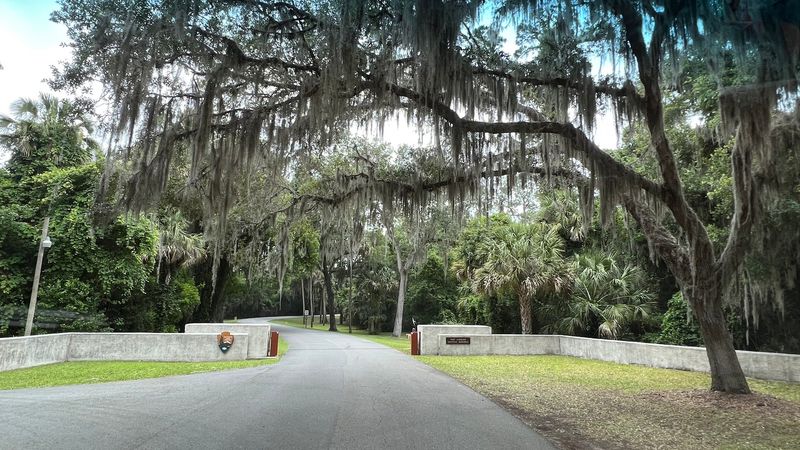
Jacksonville is a town that gold built. The diversity of people who arrived during the Southern Oregon gold rush of the 1850s left a cultural imprint that is still visible today. German Jewish merchants were among the earliest and most influential settlers.
They established businesses along California Street that formed the commercial backbone. That became one of Oregon’s most prosperous frontier towns.
The Beekman House and the C.C. Beekman Bank are among the preserved landmarks that speak to this era. Beekman himself was a figure of considerable influence, and the German-American business community.
He was part of shaped the town’s early economy and social life in ways that extended well beyond simple commerce. Walking through Jacksonville’s historic district, which is a National Historic Landmark, feels like a genuine encounter with the 19th century.
The town has done an admirable job of preservation without turning itself into a museum piece. Restaurants, galleries, and small inns now occupy buildings that have stood for over a hundred and fifty years, giving the place a layered quality that rewards curious visitors.
The Britt Festivals bring music and community together each summer. They take place outdoors against a hillside backdrop. The setting feels organically connected to the town’s long history of cultural ambition.
Jacksonville is small but deeply storied. It wears its heritage with the easy confidence of a place that has never needed to shout about how interesting it is.
5. Astoria
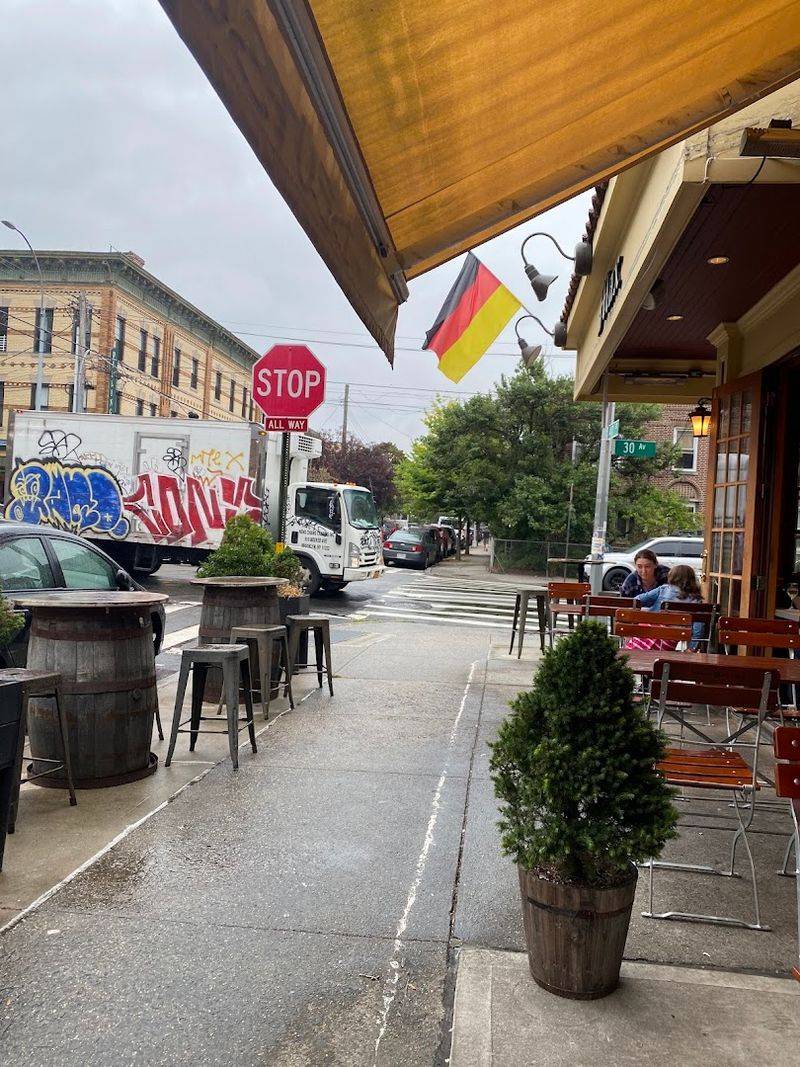
Astoria carries its history openly, almost proudly, in the way old river towns often do.
It was one of the first American settlements west of the Rockies. Its early population included many Finnish and German immigrants. They came to work in the canneries and fishing industry during the late 1800s.
The German influence here is quieter than in Mount Angel, woven into the fabric of the town rather than announced through signage or festivals. You see it in the craftsmanship of the Victorian homes climbing the hillsides.
Some were built by German tradespeople who brought their construction traditions with them across the Atlantic. The Flavel House Museum offers a window into the prosperous households of that era, where European aesthetics shaped interior design and domestic life.
Astoria has a moody, literary quality that suits its foggy climate. The Columbia River stretches wide and grey beneath overcast skies. The town feels like it is always slightly mid-sentence. It is caught between its storied past and its evolving present.
Locally owned cafes, bookshops, and art galleries now fill the kinds of storefronts that once housed immigrant-run businesses. The heritage is present if you know how to look for it.
Astoria rewards slow travelers who enjoy reading a place like a book, layer by layer, without rushing toward the obvious highlights.
6. Joseph
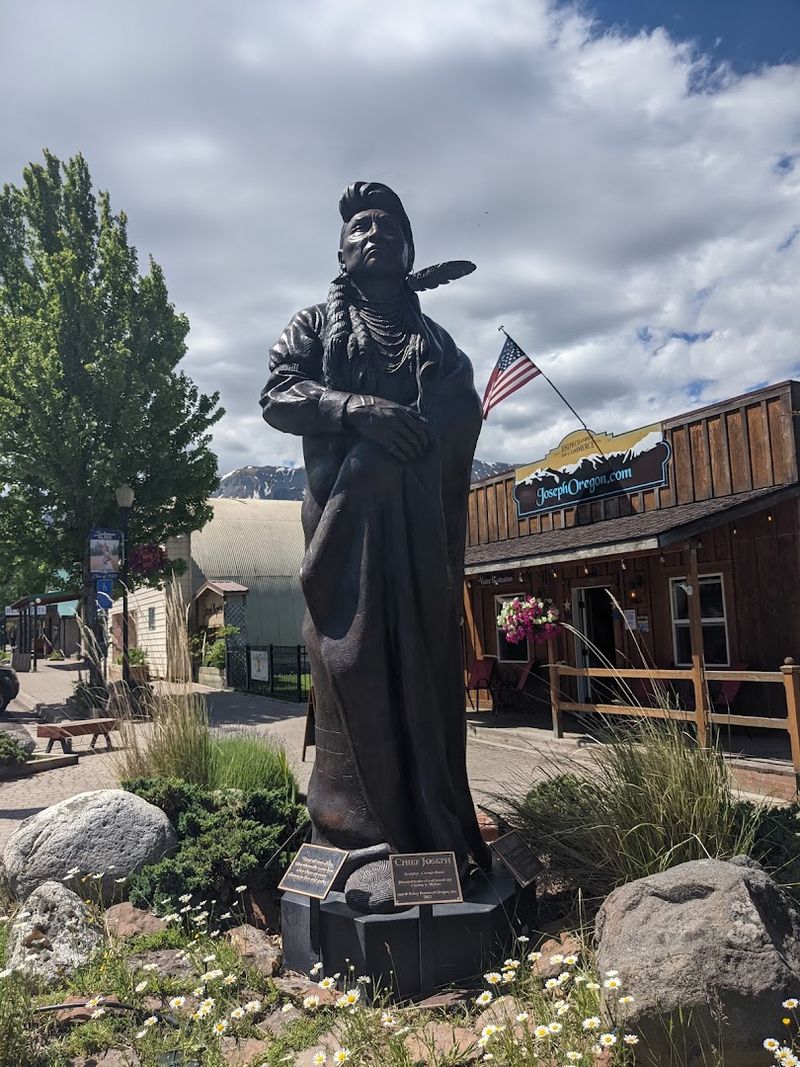
Joseph sits at the foot of the Wallowa Mountains in northeastern Oregon, and the landscape alone is enough to stop you mid-breath. The town is best known today as an arts destination. Famous for its bronze foundries and the quality of sculpture produced here.
Its early settler history includes German-speaking homesteaders who came to farm the fertile valley and raise cattle in one of Oregon’s most remote and spectacular corners.
The Wallowa Valley attracted immigrants from across Europe in the late 1800s, and German families were part of that wave. They brought with them a work ethic and a relationship to land and community that shaped the valley’s culture for generations.
That spirit of careful craftsmanship and community investment feels alive in Joseph today, even if the town’s identity has evolved considerably since those early homesteading years.
Bronze sculptures line the main street, spilling out of galleries and onto sidewalks in a way that makes the whole town feel like an open-air museum. Valley Bronze of Oregon, one of the premier fine art foundries in the country, offers tours that let visitors see the casting process up close.
It is genuinely fascinating. The surrounding landscape, with Eagle Cap Wilderness accessible by foot or horseback, gives Joseph a grandeur that few small towns can match. It feels like a place where the past and present are in active, respectful conversation with each other every single day.
7. Newberg
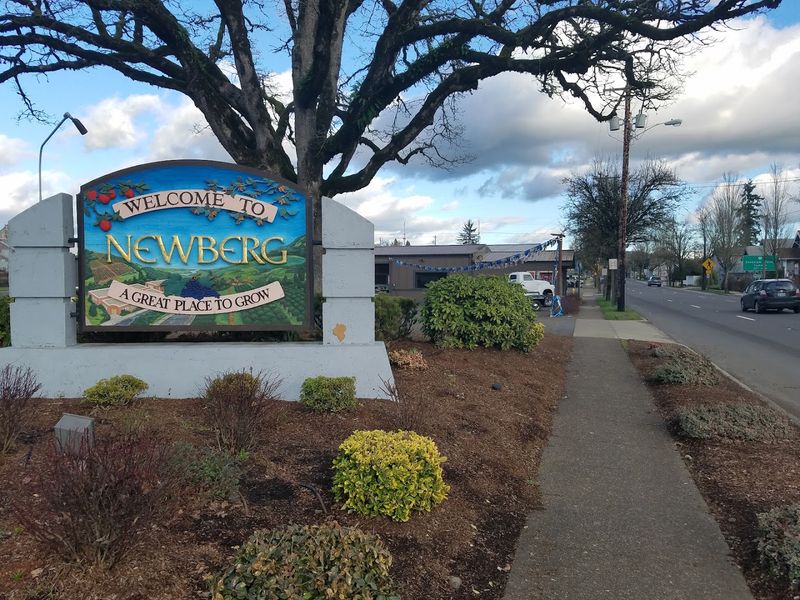
Newberg is probably better known for its wine country connections than for its German heritage, but there is a quieter story here that deserves attention. The town was founded largely by Quakers in the 1880s.
German immigrant families settled in the surrounding Chehalem Valley and contributed significantly to the agricultural development. That made this region one of Oregon’s most productive farming areas.
The German-speaking settlers who came here brought expertise in fruit cultivation, grain farming, and the kind of disciplined land stewardship. That transformed the Chehalem Valley into the fertile landscape it remains today.
Their influence is embedded in the soil itself, in the orchards and fields that predate the wine industry by several generations. That agricultural legacy is easy to overlook but worth understanding when you are exploring the broader story of who built this part of Oregon.
Newberg’s downtown has a comfortable, unhurried quality. Independent shops and locally owned restaurants fill a compact historic core. The surrounding countryside offers scenic drives through farmland and forested hills.
The Hoover-Minthorn House, a National Historic Site where Herbert Hoover spent part of his childhood, adds a layer of unexpected history to the town’s identity. Newberg is not a place that performs its heritage loudly.
It holds its history with a kind of quiet dignity that becomes more apparent the more time you spend wandering its streets and talking to the people who have chosen to make it home.
8. Grants Pass
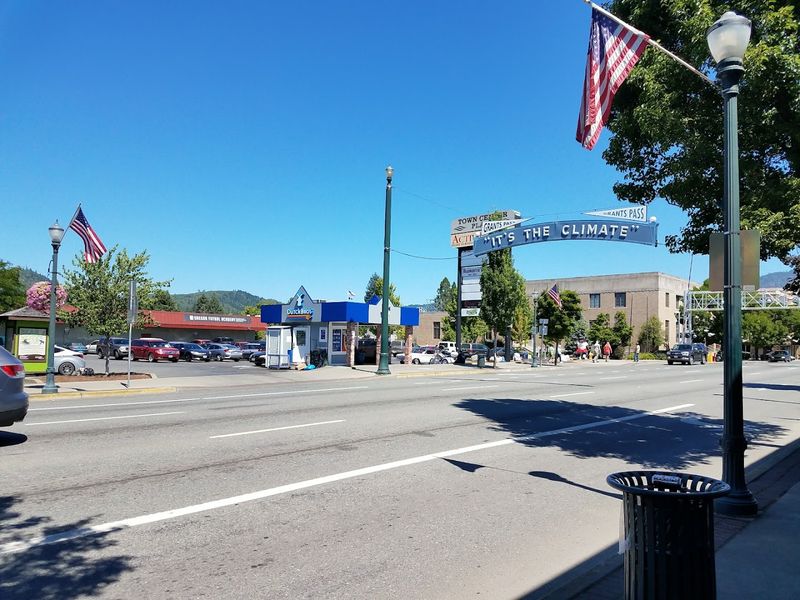
Grants Pass has a rugged, river-town energy that sets it apart from the more polished communities further north.
The town sits along the Rogue River in southwestern Oregon. It grew rapidly in the late 19th century as a railroad and agricultural hub. It drew immigrants from across Europe, including a notable number of German families who settled in the surrounding valleys and foothills.
The German immigrant presence contributed to the region’s early farming culture. This was especially true in hop and fruit cultivation. Hops were a major crop in southern Oregon during the late 1800s. German farmers brought agricultural knowledge and cultural familiarity with the crop.
That history is not loudly commemorated, but it lives in the land and in the family names that appear on older property records and local histories.
Downtown Grants Pass today has a lively, unpretentious character. The Saturday market draws vendors and visitors from across the region, and the Rogue River provides a natural backdrop for outdoor activities ranging from rafting to riverside walks.
The Redwood Highway connects Grants Pass to some of the most dramatic scenery in the Pacific Northwest. There is a warmth to this town that is hard to pin down but easy to feel. It is the kind of place where history and everyday life overlap naturally, without anyone making a fuss about it.
