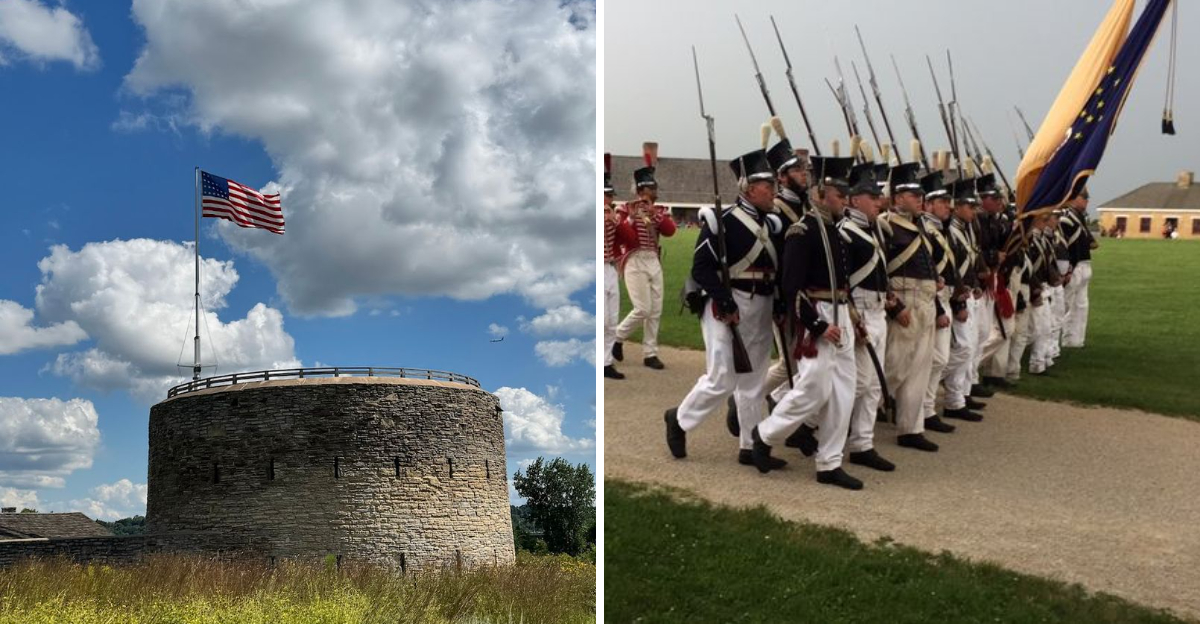
The sound of drums and tramping boots echoes off the old stone walls, and you cannot help but stand a little taller. Costumed soldiers march across the parade ground, rifles gleaming, their movements sharp and practiced like it is still 1860.
The air fills with the crack of musket fire and the low rumble of artillery demonstrations that startle even the birds. You can wander through the barracks, peer into the infirmary, and imagine the daily grit of frontier life far from modern comforts.
Costumed interpreters stoke fires, tend gardens, and chat with visitors as if they have known you for years. The river views are breathtaking, offering a perspective that has barely shifted since the fur trade era.
Kids love watching the cannon blasts, their faces lighting up with each thunderous boom that shakes the ground. The museum inside is packed with uniforms, weapons, and personal artifacts that tell real human stories.
Minnesota has a knack for bringing history to life, and this fort does it with stunning authenticity. It is the kind of place that makes you grateful for the past, even the noisy parts.
Civil War History Brought to Life
Fort Snelling played a significant role during the American Civil War, and the museum does not shy away from telling that full story. Minnesota was the first state to offer troops to President Lincoln after the attack on Fort Sumter in 1861.
That fact alone gives the place a particular kind of pride.
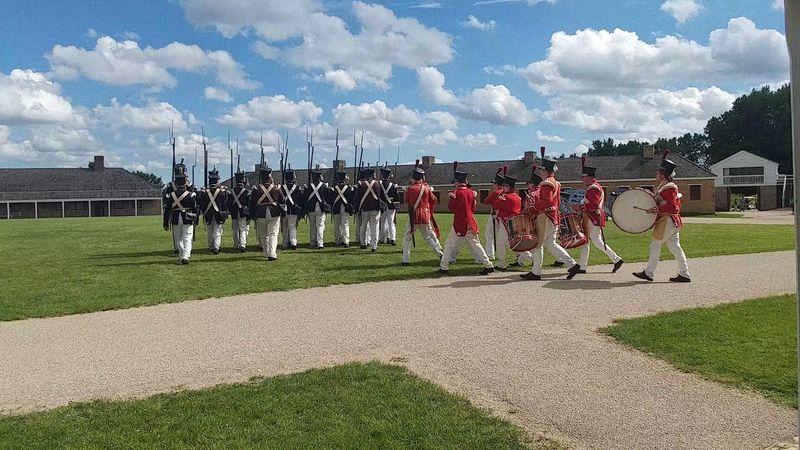
The infantry demonstrations are among the most popular programming events at the fort. Reenactors in Union uniforms walk visitors through musket loading procedures and military drills.
The cannon firing demonstration draws crowds every single time it happens.
Inside the museum spaces, exhibits trace the arc of the Civil War from Minnesota’s perspective. Personal stories of soldiers who trained and departed from this very ground are featured prominently.
Reading those accounts, you realize these were real people with families and fears, not just historical footnotes.
The interpretive staff members are deeply knowledgeable and clearly passionate about what they share. Asking them questions opens up conversations that no exhibit panel could fully replicate.
The Dred Scott Story and Its Lasting Impact
One of the most powerful moments at Fort Snelling is learning that Dred Scott once lived here. Scott, an enslaved man, resided at the fort with his enslaver during the 1830s.
His time in this northern territory would eventually become central to one of the most consequential legal cases in American history.
The fort sits in what was then considered free territory, where slavery was legally prohibited. Scott later sued for his freedom on the grounds that living here made him a free man.
The Supreme Court’s ruling in that case helped accelerate the national crisis that led to the Civil War.
His room at the fort is open to visitors, and standing in that small space is genuinely moving. The exhibits around his story are thoughtful and unflinching.
They do not soften the complicated truths about slavery existing in a region that considered itself free.
Harriet Scott’s story is told alongside Dred’s, giving the narrative a fuller human dimension. Their lives together add emotional depth to what could otherwise feel like dry legal history.
Dakota History and the Land’s Deeper Story
Long before U.S. soldiers arrived to build Fort Snelling, the Dakota people called this land home. The confluence of the Mississippi and Minnesota Rivers held deep spiritual significance for the Dakota.
That history is woven throughout the museum’s programming and exhibits.
The renovated visitor center dedicates significant space to telling the Dakota story honestly. The exhibits do not present the fort’s construction as a simple triumph of civilization.
They acknowledge the displacement and suffering that followed the U.S. Army’s arrival in the region.
A 16-minute film shown upstairs in the visitor center covers this history with care and depth. Watching it gives important context before exploring the fort grounds themselves.
Many visitors say it reframes everything they see afterward in a meaningful way.
The Minnesota Historical Society has worked to incorporate Native perspectives throughout the site’s interpretation. That effort makes Fort Snelling a more complete and honest place to learn.
The Visitor Center and Museum Experience
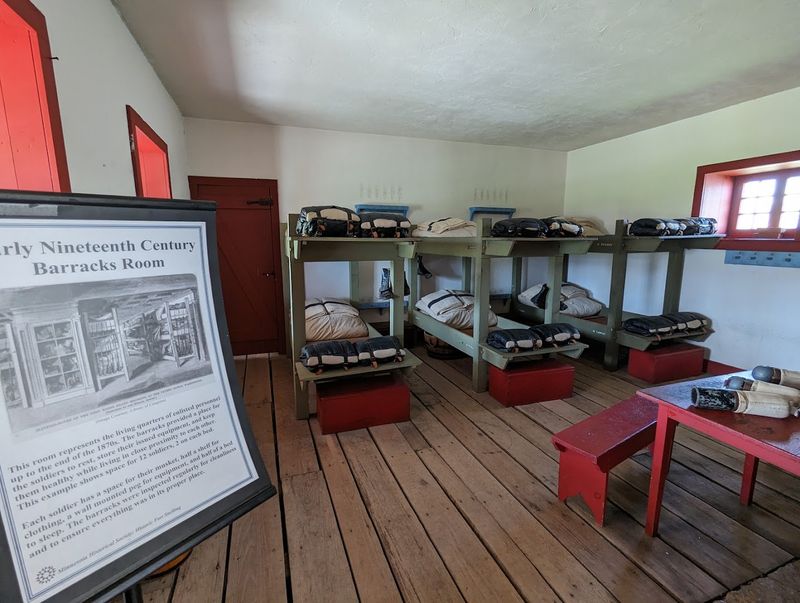
The visitor center at Fort Snelling is the ideal place to start your time here. It was renovated in recent years, and the upgrade shows in every detail.
Clean, well-organized exhibits greet you with context before you ever step foot on the fort grounds.
The museum covers an impressive range of history, from the Revolutionary War era through more recent military history. Equipment displays show how soldier gear evolved dramatically over two centuries.
There are places to sit and watch short presentations, which is a welcome option on warm days.
The upstairs level features the short film about Dakota history and the broader story of the region. It is worth every minute of its 16-minute runtime.
Staff members are positioned throughout the building to answer questions and point out highlights you might otherwise miss.
Veterans receive free admission, which is a detail worth knowing before you plan your visit. The gift shop carries books, reproduction items, and locally made goods related to Minnesota history.
Drum Corps Performances That Echo Through Time
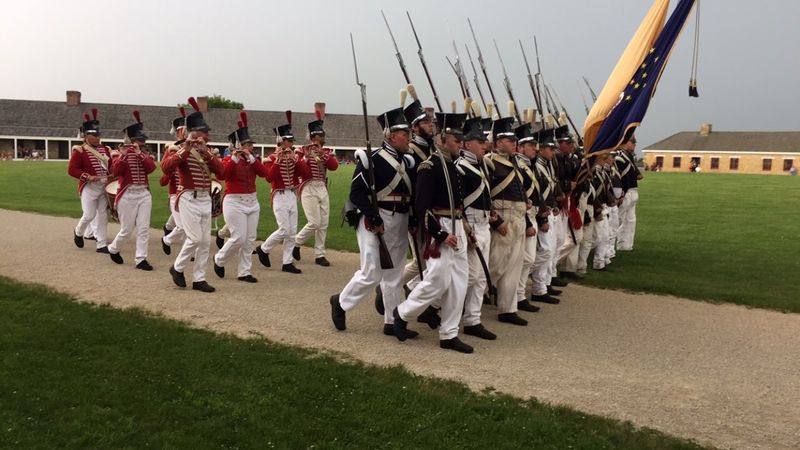
The sound of marching drums inside Fort Snelling is something you genuinely cannot prepare for. It rolls off the stone walls and fills the courtyard with a rhythm that feels older than the trees.
Hearing it live is a completely different experience from reading about it.
The drum corps demonstrations bring Civil War military life into sharp, immediate focus. Performers wear period-accurate uniforms and carry authentic-style instruments.
Their precision is impressive, and their enthusiasm for the craft is obvious from the first beat.
Drum corps were essential to 19th-century military communication. Different rhythms signaled different commands to soldiers on the field.
Watching a demonstration, you start to understand how an army could coordinate without radios or phones.
The performances happen at scheduled intervals throughout the day, so checking the schedule when you arrive is a smart move. Kids tend to gravitate toward the front of the crowd during these shows.
Adults often stand just as wide-eyed, caught off guard by how stirring the whole thing feels.
The Stone Fort That Started It All
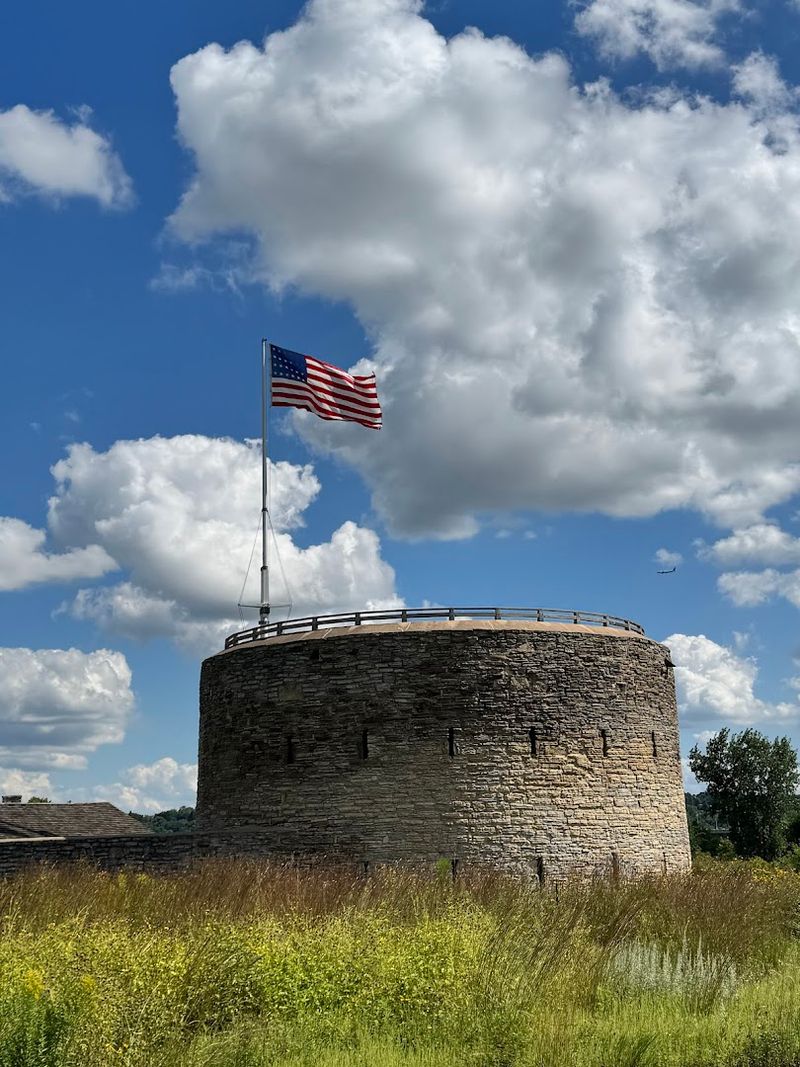
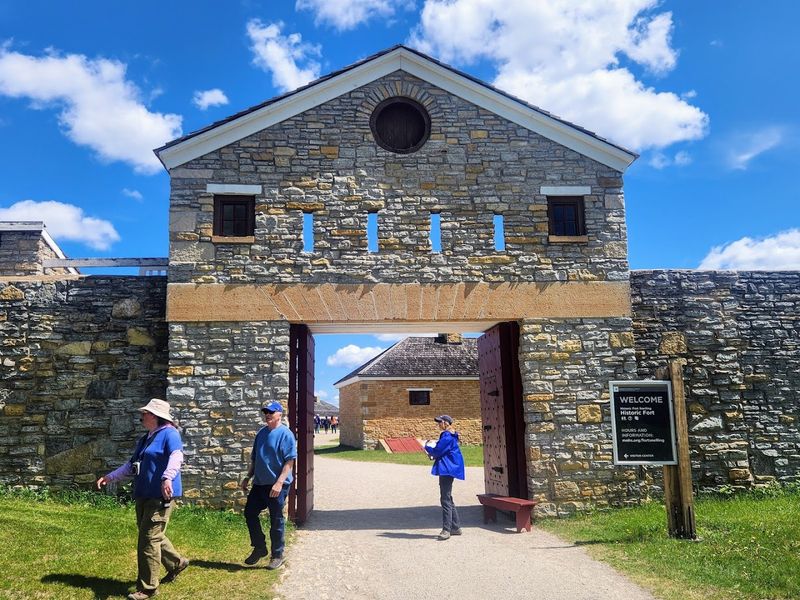
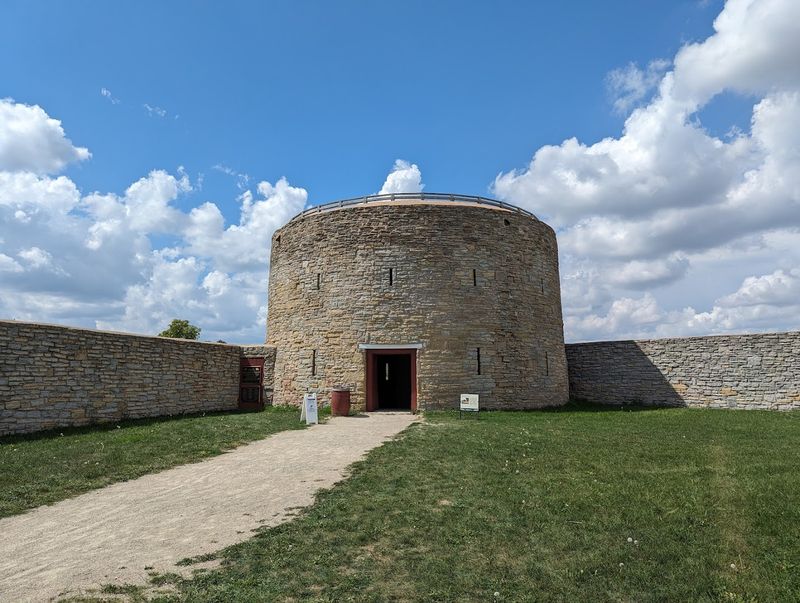
Walking up to the limestone walls of Historic Fort Snelling for the first time, the sheer age of the place hits you immediately. These stones were laid in the 1820s by U.S.
Army soldiers. The round tower and thick defensive walls have stood through nearly two centuries of Minnesota history.
The fort sits on a dramatic bluff above the junction of the Mississippi and Minnesota Rivers. That location was no accident.
Military planners chose this high ground to control river traffic and establish a U.S. presence on the frontier.
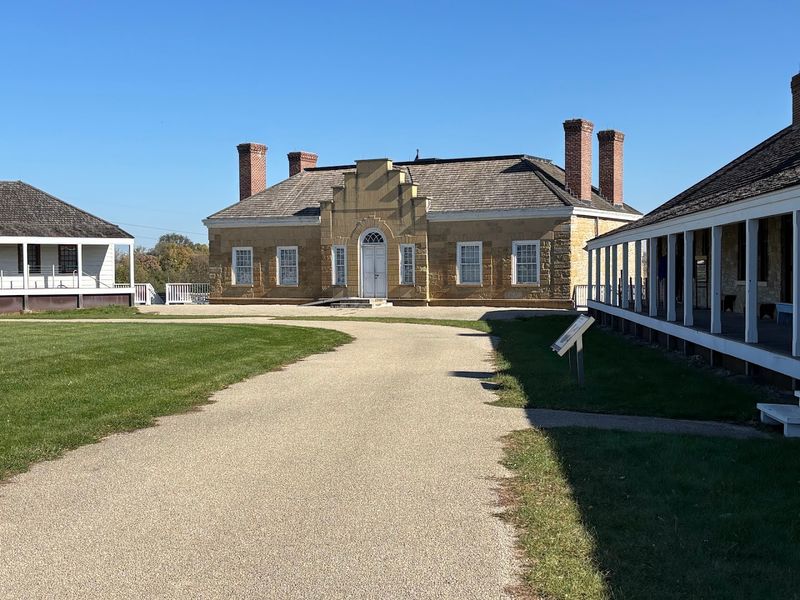
Four original buildings still survive from the 1820s construction period. Other structures have been carefully reconstructed to match their 19th-century appearance.
The stone chapel is a particular standout, drawing admiring glances from nearly every visitor who passes through.
Placards throughout the grounds explain what each building was used for. Staff members stationed at key spots add personal context to the history.
The whole place feels less like a museum and more like a living, breathing community frozen in time.
Living History Demonstrations Across the Grounds
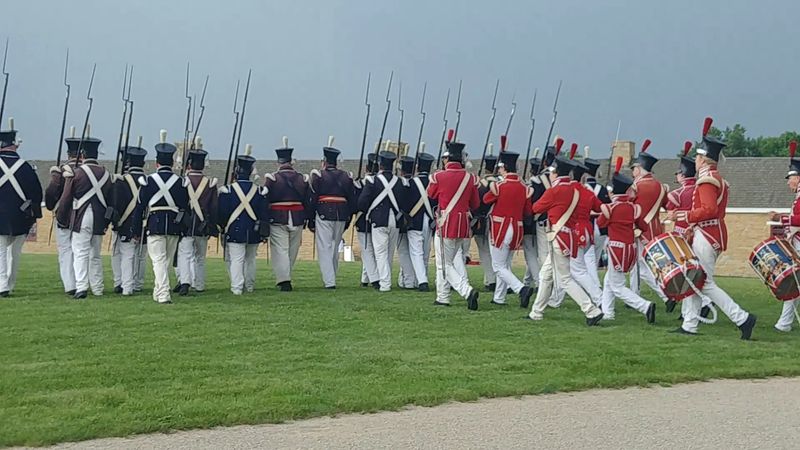
One of the best things about visiting Fort Snelling is that the history does not stay behind glass. Costumed interpreters work throughout the fort in roles that reflect actual 19th-century fort life.
Seeing someone actively blacksmithing or preparing a meal in the cook’s quarters makes the past feel remarkably close.
The cook’s quarters are a highlight that many visitors mention specifically. It is a part of the fort experience that few other historical sites offer.
Watching someone work in that space gives you a real sense of the daily rhythms of fort life beyond the military drills.
Demonstrations run throughout the day on a rotating schedule. Arriving early and grabbing a program helps you plan which ones to prioritize.
The rifle and cannon demonstrations tend to draw the largest crowds and are genuinely thrilling to watch up close.
The interpreters are well-trained and happy to answer questions mid-demonstration. Their knowledge goes well beyond their scripted roles.
Stunning River Views and Fort Snelling State Park Trails
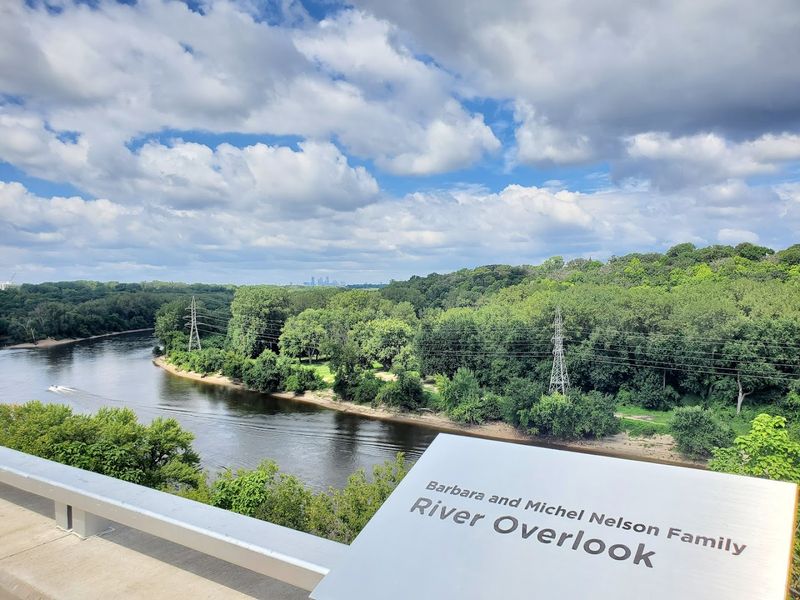
The views from the fort’s bluff are genuinely breathtaking, and no photograph really does them justice. Standing at the edge of the grounds, you look out over the place where the Mississippi and Minnesota Rivers meet.
The sight is expansive, quiet, and a little bit humbling.
Fort Snelling State Park surrounds the historic site and offers miles of walking and biking trails. The trails wind through wooded areas and along the riverbanks below the bluff.
Wildlife sightings are common, and the landscape shifts beautifully with the seasons.
There is a fishing pier on the Minnesota River side of the park, along with picnic areas and a boat launch. The park makes it easy to turn a history visit into a full outdoor day.
Families with restless kids especially appreciate having that extra space to roam after touring the fort.
Bringing water is strongly recommended, particularly during summer months. Shade is limited on some of the paths between the visitor center and the fort itself.
Planning Your Visit and Getting There
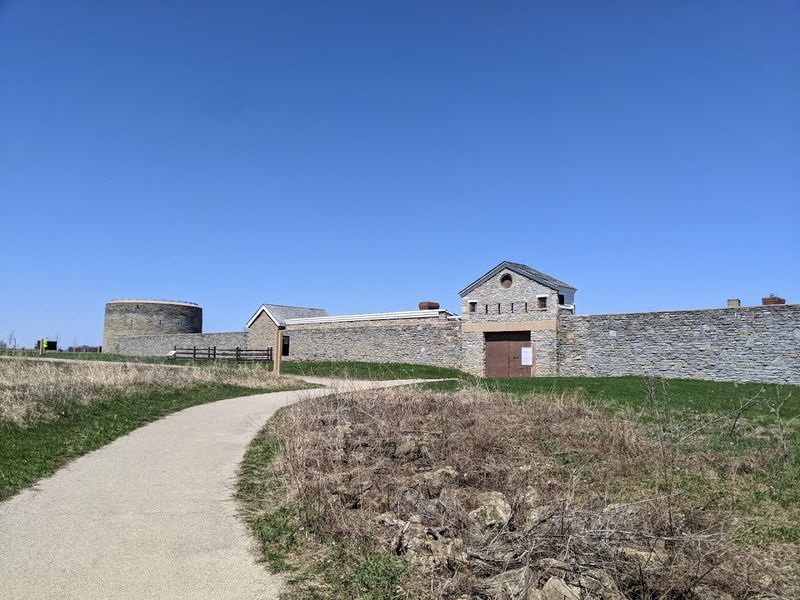
Getting to Historic Fort Snelling is straightforward, which makes it an easy addition to any Twin Cities itinerary. The fort is located near the Minneapolis-St. Paul International Airport, making it a genuinely convenient stop before or after a flight.
Light rail service connects the area, with the fort just a few stops from the Mall of America and the airport station.
The site is open Wednesday through Sunday from 10 AM to 4 PM. It is closed on Mondays and Tuesdays, so planning around those days is important.
Checking the website before your visit is always a good idea since special events sometimes adjust the regular schedule.
A golf cart shuttle runs between the visitor center and the historic fort buildings. That service is especially helpful on hot days or for visitors with mobility concerns.
Gravel walkways throughout the grounds are worth noting if you have accessibility needs to consider.
Parking is available on site for a small fee.
Why Fort Snelling Stays With You Long After You Leave
Some places leave you with a comfortable feeling of having seen something nice. Fort Snelling leaves you with something harder to shake.
The combination of military history, civil rights history, and Indigenous history packed into one site creates a layered experience that most attractions simply cannot match.
Returning visitors consistently say the place hits differently as an adult than it did on childhood school field trips. The details you notice change when you bring more life experience to the visit.
Stories that once seemed distant suddenly feel personal and immediate.
The staff’s genuine passion for the material is something visitors mention repeatedly. You can tell that the people working here care deeply about what they are sharing.
That energy is contagious and makes every interaction feel worthwhile rather than transactional.
Fort Snelling is the kind of place that prompts real conversations on the drive home. Kids ask questions that parents have to think carefully about.
