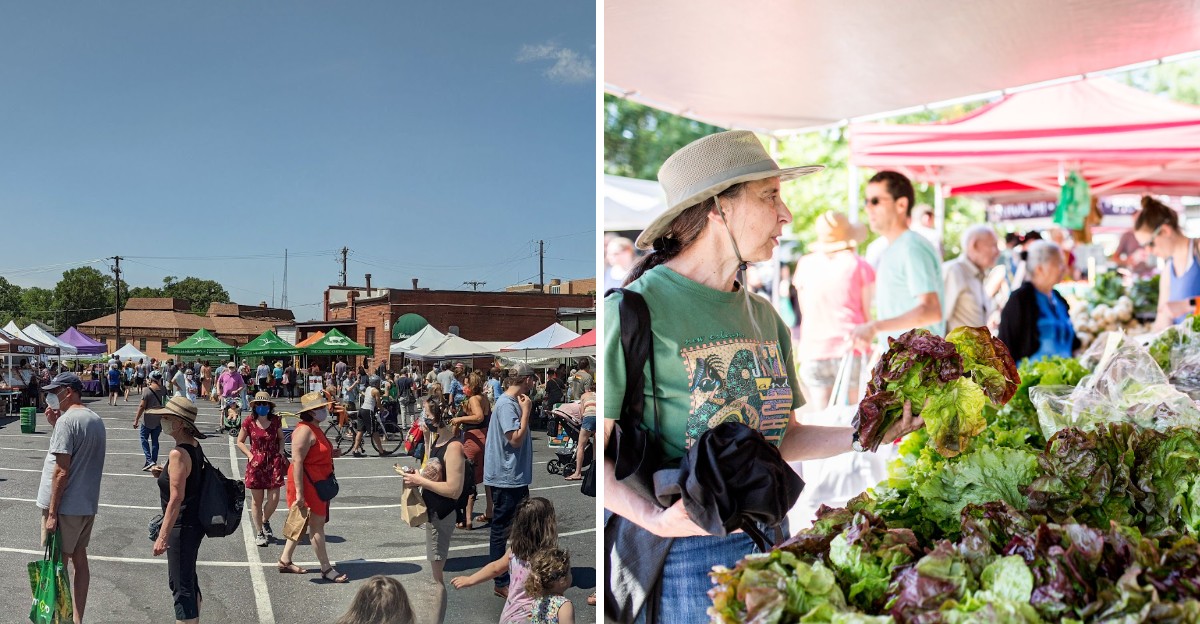
Waking up early on a weekend usually feels like a mistake. But some places make the alarm worth it.
This Maryland farmers market is one of them. The stalls are filled with peak season produce, homemade baked goods, fresh flowers, and local goods you will not find at a grocery store.
The vendors are friendly and happy to talk about what they grow and make. You can sample as you go, fill your bags with things you did not plan on buying, and still make it home before lunch.
The atmosphere is lively without being chaotic, and there is a genuine sense of community in the air. A reminder that some weekend mornings are worth sacrificing sleep for.
The kind of market that turns an early start into a small tradition.
A Sunday That Starts Behind the Shops
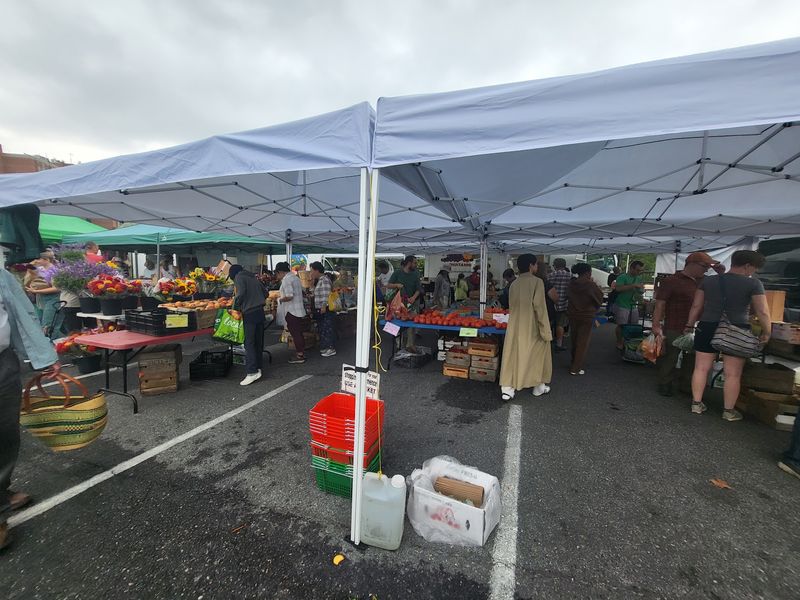
Hidden behind the row of storefronts on Laurel Avenue, the market does not announce itself with big signs or fanfare. You turn a corner, and suddenly there are tents, tables, and a crowd already deep in conversation about squash.
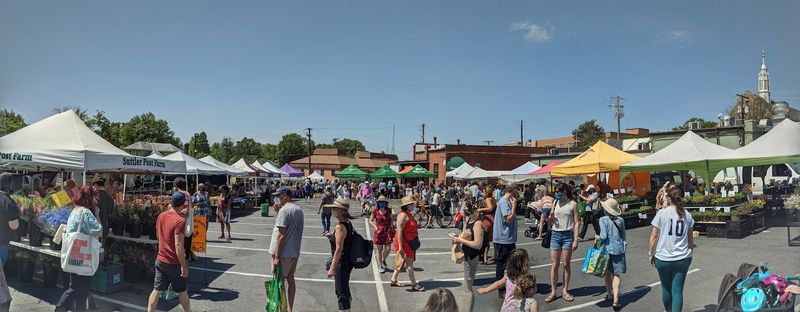
The parking lot setting gives it more breathing room than many markets squeezed onto narrow sidewalks. Aisles are wide enough for strollers, shopping carts, and the occasional person carrying a flat of tomatoes with both arms.
Doors open Sunday mornings at 9 AM and things wrap up by 1 PM, which is a tighter window than it sounds once browsing begins. Arriving in the first hour means the best pick of whatever came off the truck in limited quantities.
By late morning, the energy shifts. Lines stretch a little longer, the bread tables thin out, and regulars start circling back for the items they walked past the first time.
Something about the layout encourages wandering rather than sprinting. Most shoppers do one full loop to survey the options, then a second loop with actual money in hand.
Seasoned visitors treat that first loop as reconnaissance. It saves the regret of buying peaches at the entrance only to find better ones three tents down.
Bring reusable bags, and bring more than you think you need. Produce here does not travel well in flimsy plastic, and the haul tends to grow faster than expected once the sampling starts.
Producers Only, and That Rule Changes Everything
Here is the detail that separates this market from a lot of others: every single thing on the tables was grown, raised, or made by the person selling it. No resellers, no crates trucked in from a wholesale warehouse.
That policy has been in place since the market launched in 1983, making it one of the earliest producers-only markets in the Washington region. Farms generally come from within roughly 125 miles of Takoma Park.
The practical result is that questions actually get answered. Ask how the beans were grown, when the eggs were collected, or why the apples look different than last month, and you get a real answer from someone who was standing in that field.
Conversations like that are hard to come by in a grocery aisle. There is no customer service desk that can tell you about soil conditions or a rough frost in April.
Vendors also tend to remember faces. Show up a few weeks in a row and someone will start setting aside the herbs you always ask about.
For anyone curious about seasonal eating, this is a free education. Watching the tables shift from asparagus to berries to winter squash teaches more about growing seasons than any chart could.
It also builds trust. When the person handing over the change is the same person who planted the crop, the whole transaction feels a little more grounded.
Produce Tables That Change With the Calendar
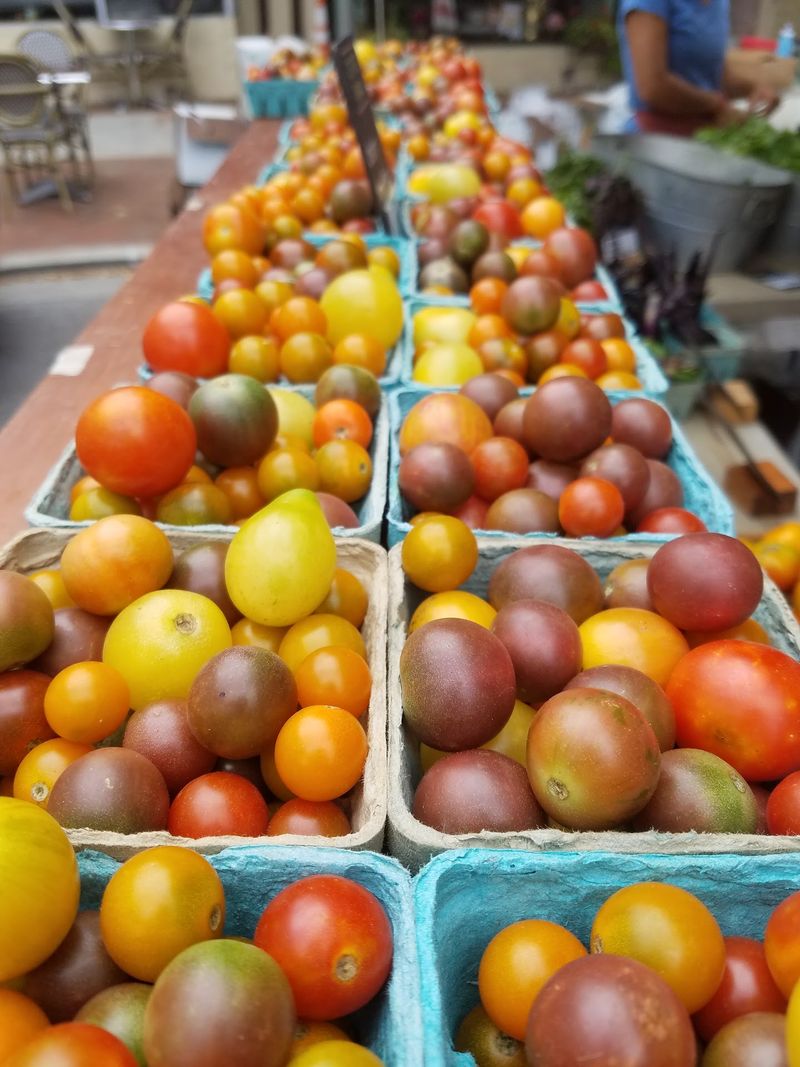
Tomato season is a spectacle. Piles of them in colors that look almost unreal, from deep purple to pale yellow stripes, spread across multiple stands at once.
Come back in November and those same tables hold potatoes, cabbage, sweet potatoes, and greens that shrug off cold weather. The market runs year-round, so the inventory tells you exactly what month it is.
Spring means asparagus, tender lettuces, spring onions, and the first strawberries that disappear fast. Summer piles on corn, peppers, melons, peaches, and beans by the bushel.
Autumn belongs to apples. Multiple orchards show up with varieties most stores never bother stocking, and free samples make comparison shopping genuinely fun.
One stand has been known to carry pawpaw, a native fruit with a custard texture that most people have never tried. Its season is short and unpredictable, which makes finding it feel like winning something.
Mushroom vendors deserve a mention too. Oyster, shiitake, and stranger varieties show up in baskets that look more like a nature exhibit than groceries.
Quality holds up well across the board, and the produce tends to last longer at home than supermarket equivalents. Picked days earlier, not weeks.
A simple strategy works best: shop for what looks good, then figure out dinner afterward. Planning a menu in advance usually just leads to disappointment when the ingredient you wanted is out of season.
Bread, Pastries, and the Smell That Pulls You In
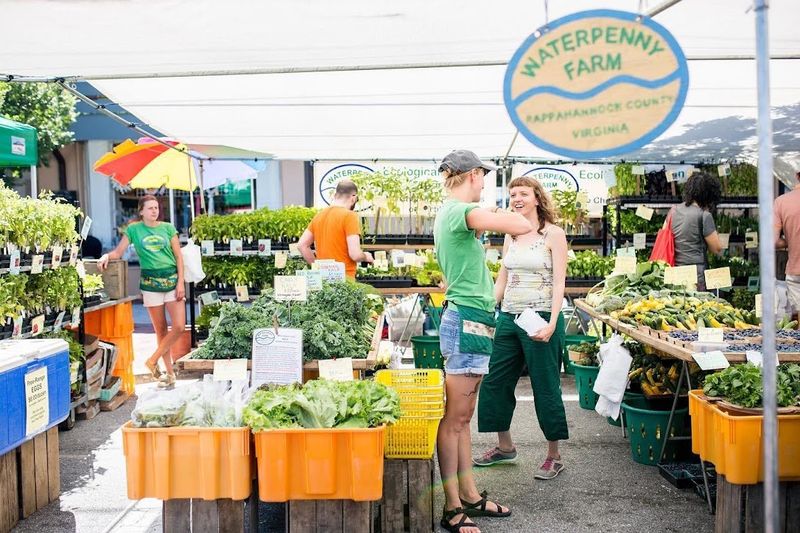
Follow your nose and it will lead you to the bakery tents. Crusty sourdough rounds, baguettes, bagels, pound cakes, and cookies stacked in baskets that empty out faster than anything else at the market.
Bread here has weight to it. The kind of loaf that makes a satisfying thud when set on a kitchen counter and holds up to being sliced thick.
Sweet options cover plenty of ground as well, with pastries and cakes that pair suspiciously well with a cup of coffee carried around the aisles. Plenty of people treat this as breakfast and shop later.
Prepared foods add another layer. Empanadas, breakfast sandwiches, and hot griddled items have built loyal followings, and short lines usually form around whichever stand is cooking.
Seating is not really a thing inside the market itself, which surprises some first-timers. The nearby Takoma Streetery, a closed-off stretch adjacent to the market, offers tables and sometimes live music or a street performer.
Pickled items also count as a market specialty. Pickled mushrooms in particular have a small cult following among regulars.
A practical tip: buy the bread early. Popular loaves sell out well before closing, and showing up at noon often means picking from what is left rather than what you wanted.
Then eat one pastry immediately. Waiting until you get home is a rookie mistake.
Dairy, Eggs, and Meat Worth the Cooler Bag
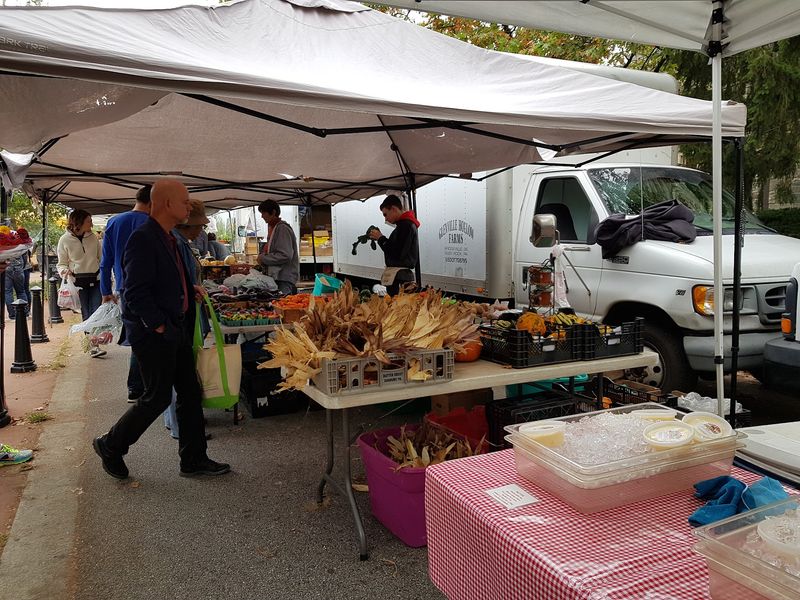
Chocolate milk from the dairy vendors near the entrance has developed a reputation of its own. Families grab a bottle almost ritually before doing any actual shopping.
Beyond that, the dairy selection runs deep. Fresh milk, butter, yogurt, and artisan cheeses including goat cheese varieties that rotate depending on what the herd is producing.
Egg cartons here contain yolks with a color that looks almost orange next to supermarket eggs. Once you cook with them, the difference is hard to unsee.
Meat vendors bring pasture-raised and grass-fed cuts, from everyday ground beef to steaks and specialty preparations. Butchers at these stands are usually happy to suggest cooking methods for cuts you have never handled before.
Oysters make an appearance on some Sundays, which feels like a fun surprise for a landlocked parking lot.
Quality comes at a real price, and nobody pretends otherwise. Many shoppers balance it out by buying less meat overall and treating it as the centerpiece rather than a default.
Practical advice: bring an insulated bag or a small cooler, especially in summer. Dairy and meat sitting in a hot car for the rest of the morning is a sad way to end a good shopping trip.
Card payments are widely accepted across vendors, so there is no scramble for an ATM. Still, small bills speed up the line considerably.
Flowers, Plants, and the Non-Edible Haul
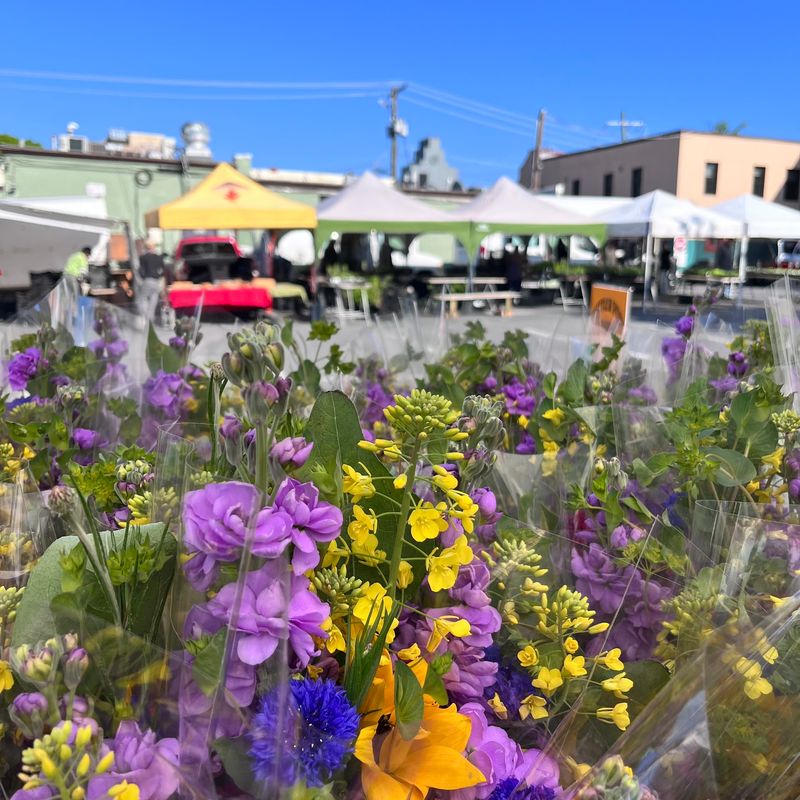
Some people come strictly for the flowers. Buckets of zinnias, sunflowers, dahlias, and mixed bouquets line the tables, and the color alone is worth the walk.
Wrapping paper crinkles, stems drip, and half the crowd ends up carrying blooms around like trophies for the rest of the morning.
Potted plants and herbs share the space too. Basil, rosemary, thyme, and starter vegetables show up in spring for anyone with a garden bed or a sunny windowsill.
Microgreens have become a staple here as well, sold in trays or clamshells by growers who can explain how to keep them alive longer than three days.
Wreaths and seasonal decorations appear when the weather turns cold, adding a different kind of color to the winter market.
Honey is another favorite, with flavor that shifts depending on what the bees were visiting. Comparing jars from different producers is a small pleasure worth indulging.
Specialty grains and flours round things out, including heritage varieties that give home bakers something new to experiment with. Fermented vegetables and preserved goods fill in the pantry side of the shopping list.
The lesson from all this is simple. A trip here rarely stays limited to groceries.
Budget an extra few dollars and an extra free hand, because the flowers tend to happen whether they were planned or not.
Getting There Without Losing Your Mind
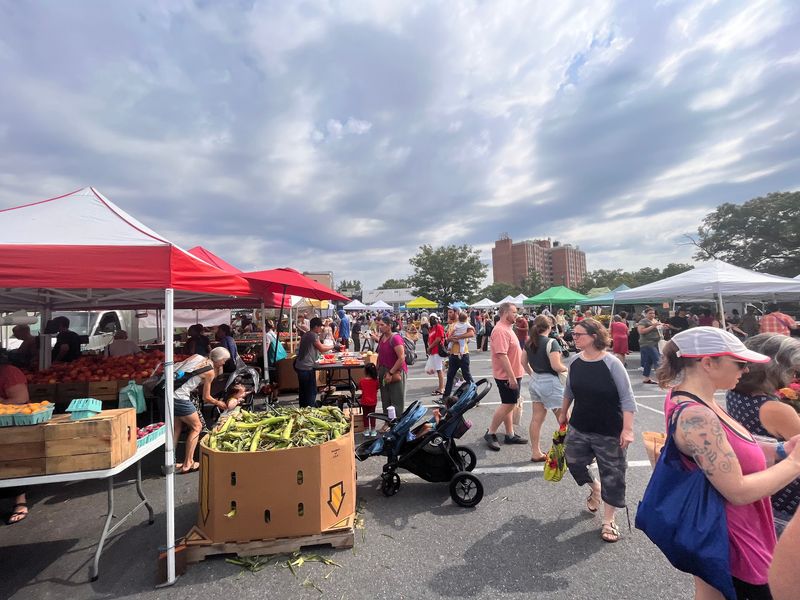
Parking is the one genuine hurdle. The market occupies a parking lot at 6931 Laurel Ave, Takoma Park, MD 20912, which means the obvious spaces are already spoken for by tents and tables.
Street parking on surrounding residential blocks fills up quickly once the morning gets going. A paid lot near the pizza restaurant offers a backup, though it fills too.
Walking solves most of the problem. Takoma Station on the Metro Red Line sits roughly ten to fifteen minutes away on foot, and the route passes through a pleasant stretch of the neighborhood.
Cycling works well here, and plenty of shoppers arrive with panniers or baskets already mounted. Rideshare drop-off is another low-stress option that skips the parking hunt entirely.
Timing matters as much as transportation. Arriving close to opening means calmer aisles and easier movement, while the last hour can get shoulder-to-shoulder busy.
Families with strollers generally find early arrival more comfortable, since the crowd thickens considerably by late morning.
The market operates every Sunday throughout the year, including cold months when the tent count shrinks but the regulars still show. Winter shopping has its own charm, with steam rising off coffee cups and shorter lines.
Dress for standing outside rather than for a quick errand. Comfortable shoes and a jacket you can shed make the whole experience considerably more pleasant.
Why the Whole Neighborhood Shows Up
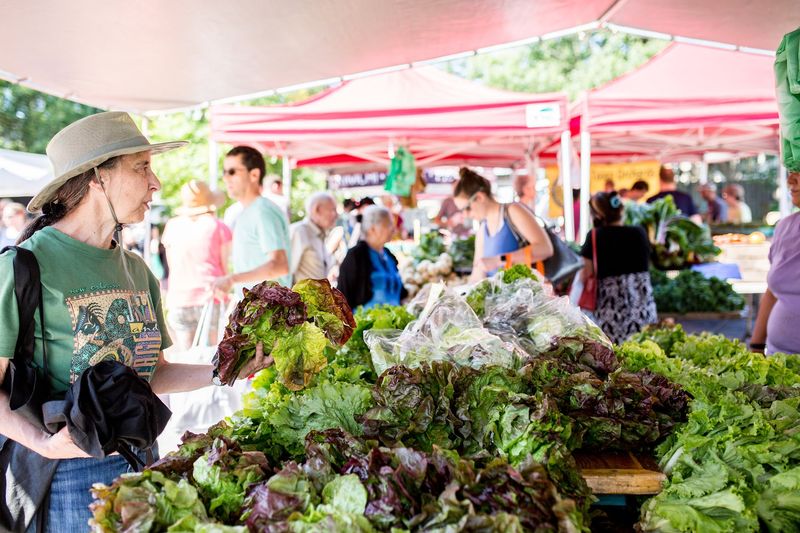
Four decades in, the market functions as much like a weekly reunion as a shopping trip. Neighbors bump into each other mid-aisle and stand talking long enough to block the flow of traffic, which nobody seems to mind.
Musicians and performers sometimes set up near the adjacent closed street, adding a soundtrack to the whole morning.
The market also works hard on access. Federal nutrition benefits including SNAP and EBT are accepted, and programs like Maryland Market Money can stretch those benefits further so more families can shop the same tables.
That commitment matters. A market that only serves one slice of a community misses the point of being a community market.
Economically, the arrangement supports small farms directly. Money handed across a table goes straight to the person who grew the food, with no distributor taking a cut in between.
Visitors from outside Takoma Park often pair the trip with a stroll through the surrounding downtown, where independent shops and restaurants keep the morning going.
It is worth checking current policies on bringing pets before arriving, since guidance around dogs has shifted over the years and signage at the entrance is the most reliable source.
What really keeps people coming back is harder to put on a list. The place has a pulse, and Sunday mornings in this corner of Maryland feel noticeably better because of it.
