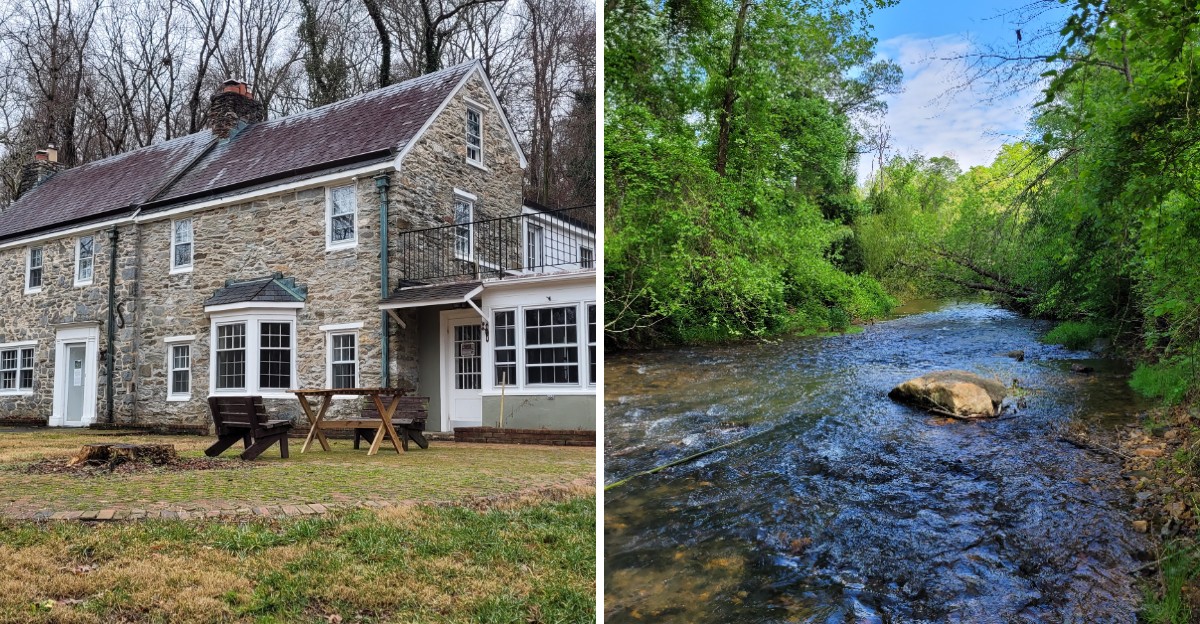
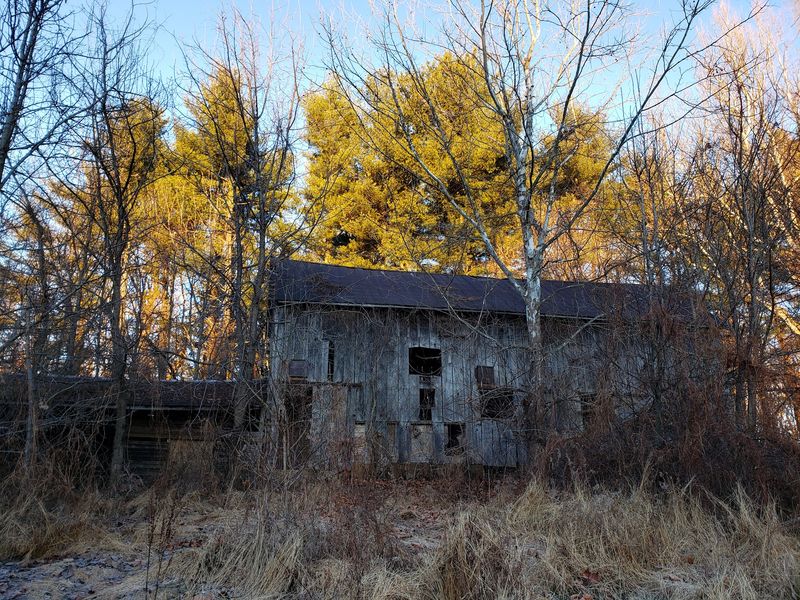
A roofless stone house stands in the woods at a newly dedicated Maryland state park, near a family cemetery and another home built around 1870. These aren’t abandoned movie sets.
They’re pieces of a family story that almost disappeared from public view.
The park covers more than 1,000 acres once farmed by Enoch George and Harriet Howard and their descendants. After overcoming enslavement, the family became landowners and community leaders.
You can follow trails past the ruins of their former home, see a surviving house now being restored, and visit the cemetery where generations are buried.
What stays with me is how much history can hide in an ordinary patch of woodland. The park is still being developed, so this isn’t a polished attraction with exhibits around every bend.
Those weathered walls already have plenty to say.
Meet the Family Who Bought Back Their Own Story
Enoch George Howard was born enslaved in 1814. By 1851, he had purchased his own freedom, which alone would make him remarkable.
He didn’t stop there. He went on to buy freedom for his wife, Harriet, and their four eldest children.
Picture saving for that kind of goal, one family member at a time.
Then came the jaw-dropper. In 1862, during the Civil War, Enoch bought the Locust Villa plantation property.
That was the same land where his family had once been enslaved.
The Howards didn’t just survive there. They lived on the land for generations and became a prosperous, influential family in the area.
Talk about rewriting the ending.
Knowing this before you arrive changes everything you see. A stone wall stops being just a stone wall.
An old field becomes evidence of hard work, careful planning, and stubborn hope.
Enoch and Harriet Howard sit at the heart of the park’s purpose. Their names come up again and again across the grounds.
By the end of your walk, they’ll feel less like history book figures and more like neighbors you wish you’d met.
A Park Named for Freedom Itself
Every park name tells you something, and this one tells you a lot. Freedman’s State Park gets its name from the word freedman, a person emancipated from enslavement.
The Maryland General Assembly created the park in 2022. Its official dedication took place on May 15, 2026, making it the newest state park in Maryland.
The land wasn’t brand new to the public, though. It used to be part of Patuxent River State Park before earning its own identity.
That change matters because the story now gets top billing instead of a footnote.
The park celebrates African American history and the strength of people who claimed their freedom. It also honors Black leadership that grew from this very soil.
Few parks carry a mission that clear.
So what does that mean for your visit? It means every trail has context.
You aren’t just counting steps or chasing a view, although you can do both happily.
You’re moving through a landscape shaped by one family’s courage. That gives an ordinary walk in the woods a different weight.
Bring curiosity along with your water bottle, because you’ll want answers to questions you didn’t expect to ask.
Ruins of Locust Villa Stand Right Along the Path
Forgotten ruins sound like something from an adventure movie. At this park, they’re real, and they come with a powerful backstory.
Locust Villa was the original plantation home, dating to the 1790s. It’s the house Enoch George Howard purchased in 1862.
Today it’s largely in ruins, but you can still view what remains.
Standing near those old walls hits differently once you know the history. The building once represented bondage for the Howard family.
Then it became property they owned outright.
Planning documents for the park also list a Locust Villa spring house among its historic structures. Spring houses kept food cool long before refrigerators existed.
Little details like that make the past feel practical and close.
A tip for your visit: treat the ruins with care. Old stone and brick can be fragile, so admire from a respectful distance.
Your photos will still look great, and the site stays intact for the next visitor.
Bring a camera with a decent zoom if you have one. Ruins framed by trees and fields make for moody, striking shots.
Just don’t be surprised if you find yourself lingering longer than planned.
A Son’s 1870 House Is Getting a Second Life
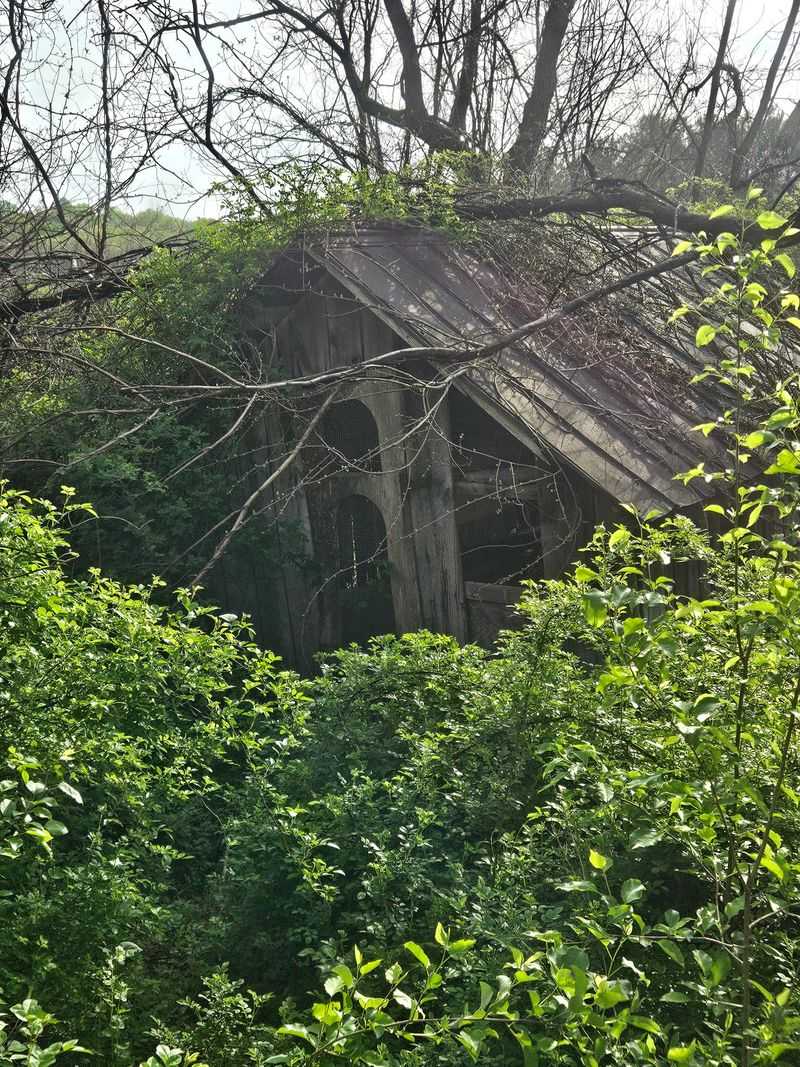
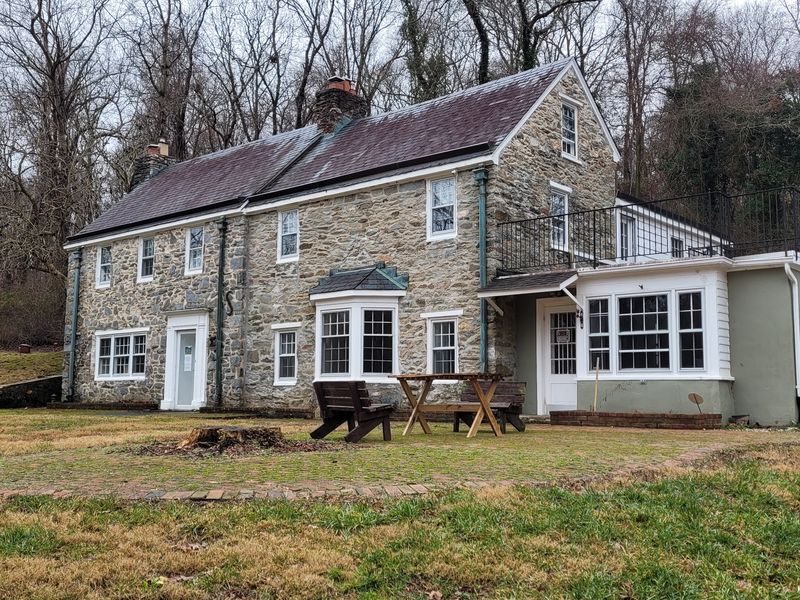
Greenbury Howard was Enoch’s son, and he left his own mark on the land. Around 1870, he built a home that still stands within the park today.
The Greenbury Howard House is currently undergoing restoration. That means you’re catching it during an exciting in-between chapter.
Few people get to watch history being carefully brought back.
Planning documents also mention a Greenbury Howard barn and spring house. Together, these structures help show how the family actually lived and worked.
A house tells you about home life, while barns tell you about the daily grind.
I love that the next generation built something lasting here. It shows the family wasn’t just holding on.
They were growing roots and planning for the future on land they owned.
Keep your expectations realistic during restoration work. Areas may be fenced or limited for safety, and that’s a good thing.
Workers need room to do the job right.
Check back over the coming years, too. Restoration projects tend to reveal more as they move forward.
Each visit could show you something new, which is a pretty good excuse to return again and again.
Trails That Swap Shady Woods for Open Farmland
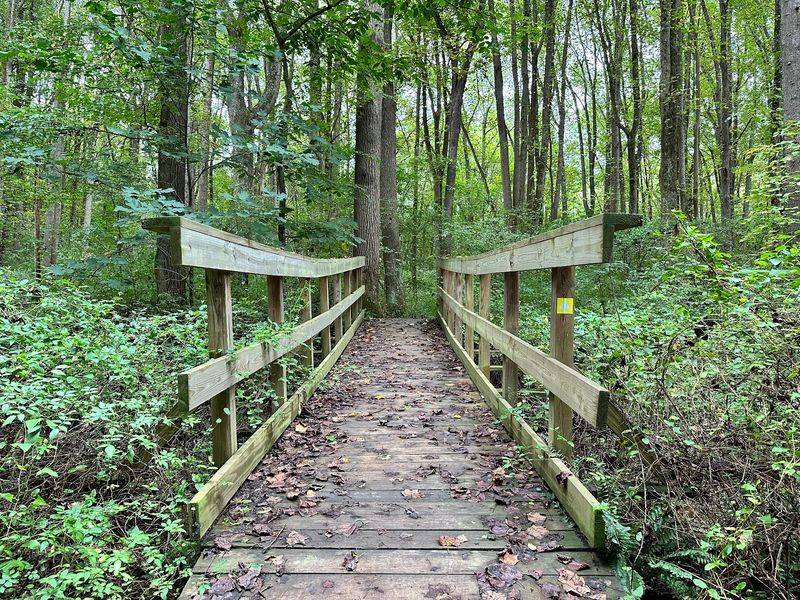
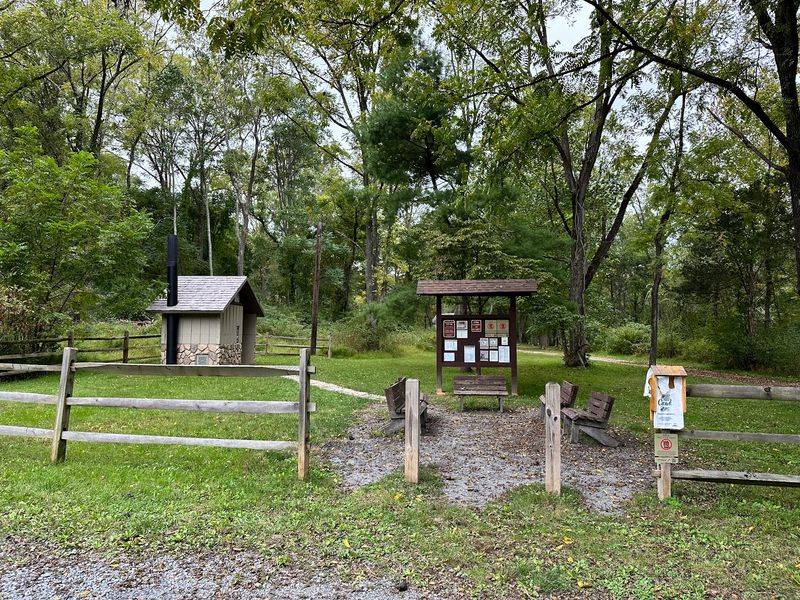
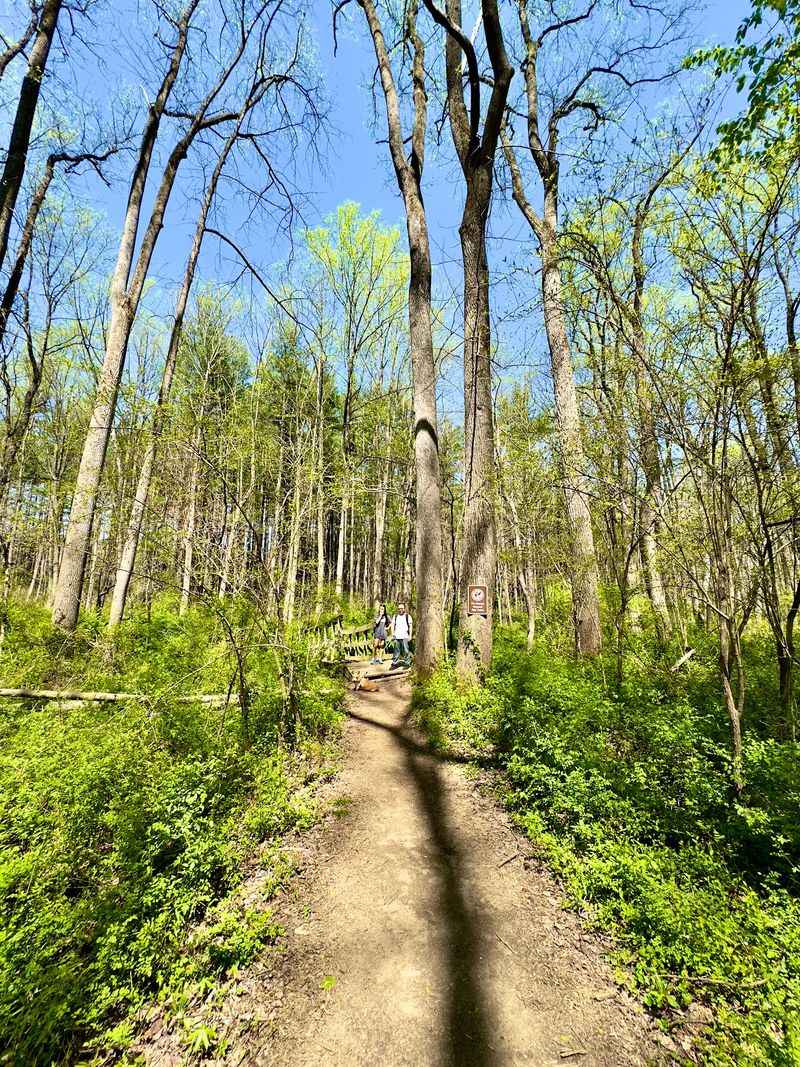
Lace up, because these trails earn their place on any weekend list. The network winds through heavily wooded areas and across agricultural land once farmed by the Howards.
Hikers and bikers can both enjoy the recreational trails. That makes Freedman’s State Park a solid pick for mixed groups.
One friend can pedal while another prefers a steady walk.
The best part is the variety. One stretch feels cool and shaded under the trees.
Then the path opens up to wide fields that remind you this was a working farm.
You’re literally walking in the family’s footsteps. That idea sticks with you as the miles add up.
Every bend could lead to another historic site woven right into the route.
Some practical advice helps here. Portions of the trail may close temporarily for maintenance, so stay flexible.
Sturdy shoes are smart since rural trails can get muddy after rain.
Pack water, snacks, and bug spray during warmer months. A simple trail map on your phone can help, too.
Then just enjoy the rare mix of exercise and storytelling that few parks in Maryland can match.
More Ruins Are Hiding Out There Than You Think
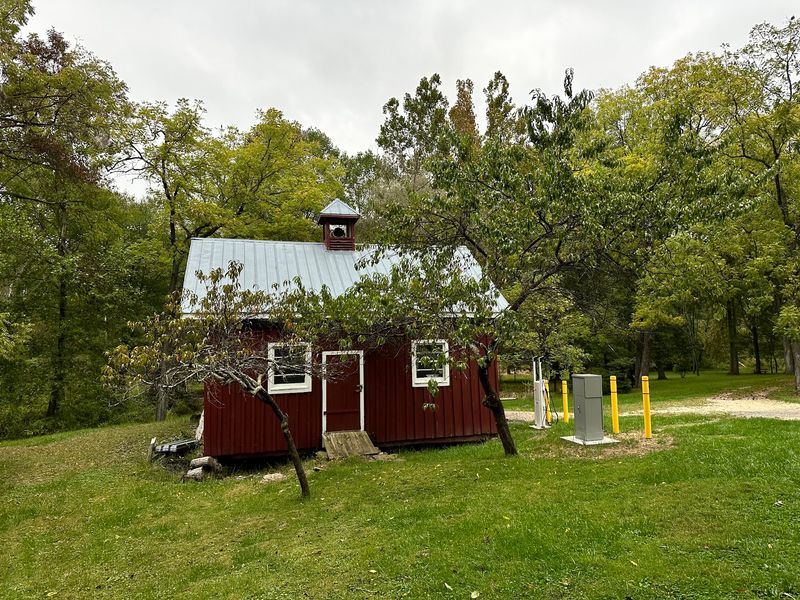
Locust Villa grabs the spotlight, but it’s far from the only old structure on the property. Park planning documents list an impressive lineup of historic buildings and remains.
The list includes the King Barns, the Ramsey House ruins, and schoolhouse ruins. Each one hints at a different part of rural life in this corner of Montgomery County.
That schoolhouse detail really caught my attention. Education was a big deal for families building new lives after enslavement.
Even ruins can say a lot about what a community valued.
Not every site may be easy to reach or fully interpreted yet. The park is still young, and its long-term plans are still taking shape.
Think of it as an early look at something growing.
Here’s a fun way to approach your visit. Treat it like a scavenger hunt for history, but follow posted rules and stay on marked paths.
Kids especially love spotting old foundations and guessing their purpose.
Just remember that ruins are fragile and irreplaceable. Look, learn, snap a photo, and leave everything exactly where it sits.
Future visitors deserve the same sense of discovery you get today.
How Land Money Helped Power a Newspaper
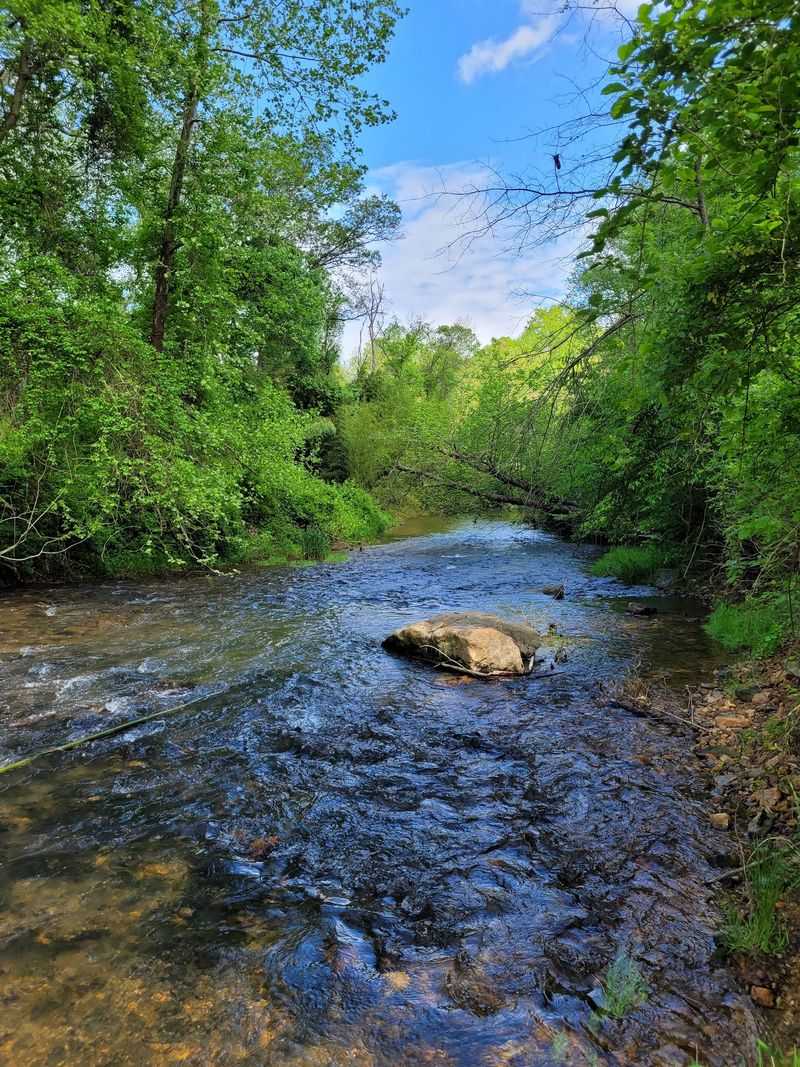
Here’s a connection most people never see coming. Part of this farmland’s story leads straight to one of the country’s best-known Black newspapers.
Martha Elizabeth Howard Murphy was a descendant of the Howard family. She sold her share of the land and used the proceeds to help purchase the Baltimore Afro-American newspaper.
That paper became a leading voice in the struggle for civil rights. So the fields you hike past helped fuel reporting that pushed for change.
That’s a ripple effect worth thinking about.
Howard descendants played a significant role in the Civil Rights Movement in Maryland. The family’s influence didn’t end at the property line.
It spread into cities, newsrooms, and public life.
I find this part of the story incredibly inspiring. It shows how one generation’s hard work can open doors for the next.
Enoch bought land, and later family members turned it into a voice.
Share this detail with anyone who visits with you. It usually sparks great conversations on the drive home.
Teens especially may enjoy connecting a quiet country trail to a newspaper that helped shape history.
Free Admission Makes Planning Your Trip Easy
Good news for your wallet first. Freedman’s State Park charges no entry fee at all.
The park sits at 23222 Georgia Ave, Brookeville, MD 20833, in Montgomery County near the town of Sunshine. Its land reaches around Brookeville, Olney, Sandy Spring, and Laytonsville.
Hours are simple to remember. The park opens daily from sunrise to sunset and closes only on Christmas Day.
Early birds and evening walkers both get a fair shot.
The Alf Brown House serves as the visitor center. It’s open by appointment only, so plan ahead if you want that stop included.
A little scheduling can add a lot of context to your day.
The future looks promising, too. A Cultural Landscape Report wrapped up in 2025, and a Master Plan is being developed.
They’ll guide conservation, recreation, and historical interpretation for years to come.
Since the park keeps evolving, expect changes between visits. Some trails may close for maintenance now and then.
Still, few places in Maryland offer this much history, nature, and meaning for exactly zero dollars, and that’s a deal worth grabbing soon.
