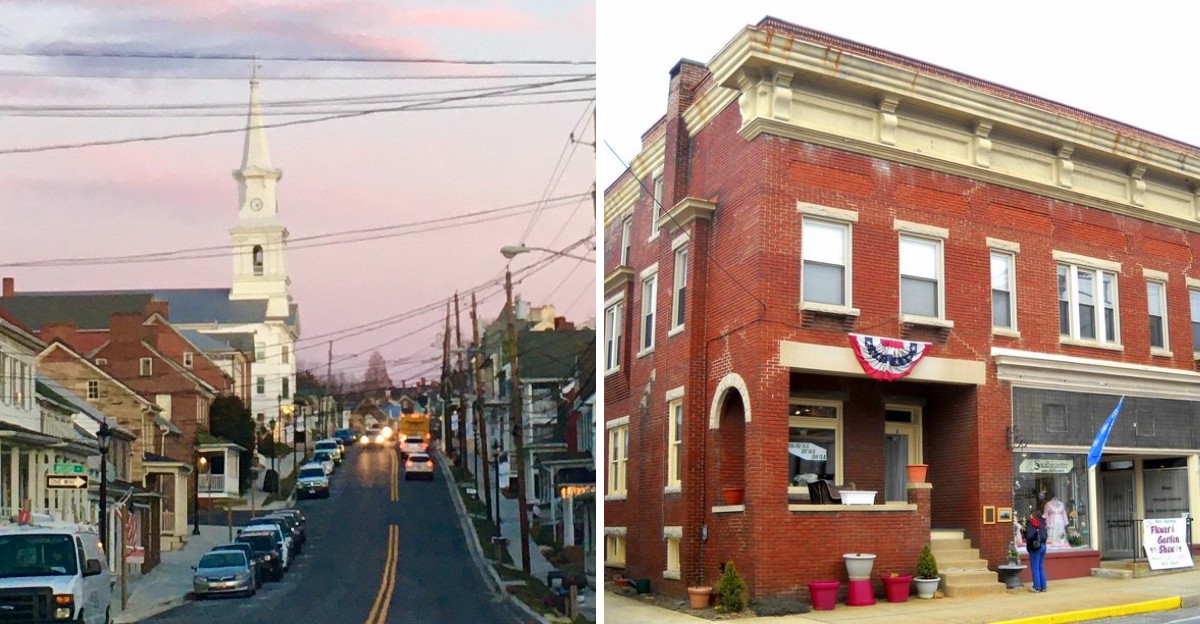
Some day trips require planning. Timed tickets, reservations, a full itinerary.
This Maryland town asks for none of that. It is small, walkable, and packed with history that rewards anyone who shows up curious.
You can wander the streets, read the markers, and step into buildings that have been standing for generations. The pace is slow, the crowds are minimal, and the whole place feels like a step out of the present.
Locals treat it as part of everyday life, while visitors often leave surprised they had never heard of it. A reminder that some of the best history is hiding in plain sight.
The kind of day trip that does not need a plan.
A Valley That Earned Praise From Presidents
Few small towns can say two presidents admired their scenery, yet Middletown can. George Washington, back when he was a young officer, reportedly called this valley one of the most beautiful places he had ever seen.
Andrew Jackson later described it as one of the most favored and delightful spots on earth.
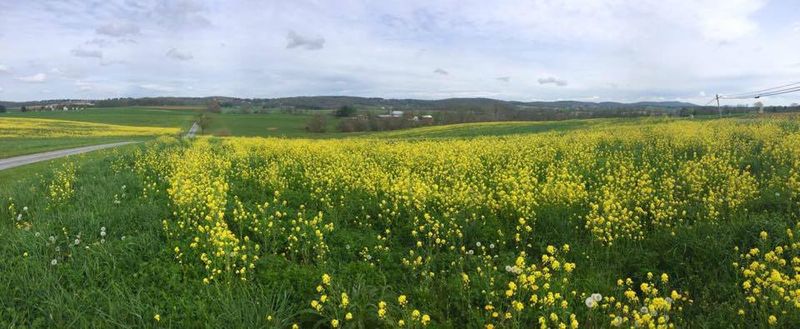
That is quite a review. The valley stretches between the Catoctin Mountains to the east and South Mountain to the west, and the town sits right in the middle.
That location is actually how it got its name.
English and German settlers began farming here in the 1730s and 1740s. The soil was rich, the creeks were steady, and the mountains offered shelter from rough weather.
In 1767, a landowner named Michael Jesserong sold the first lots of his property, officially founding the town.
Today, the farmland still frames Middletown on almost every side. Drive in on the back roads and the views open up with barns, silos, and long fences rolling over gentle hills.
In late spring, the fields glow bright green. Autumn brings orange and gold to the ridges.
A smart move is to arrive a little early and take a slow drive around the outskirts before parking downtown. The valley gives helpful context for everything else in town.
Once the landscape makes sense, it becomes easy to see why settlers stayed, why travelers stopped, and why armies later marched straight through this peaceful bowl of land.
Bring a camera. The mountains do most of the work.
Rolling Down the Old National Road
Long before highways had numbers, there was the National Road. Congress approved it in 1806, and it became the first highway paid for by the federal government.
People often call it America’s Main Street, and Middletown sits right on it.
The road carried thousands of families heading west in covered wagons. Merchants hauled goods, stagecoaches rattled past, and drovers pushed herds of livestock along the dusty route.
Since Middletown sat about halfway between Frederick and Hagerstown, it became a natural place to rest, eat, and fix a broken wheel.
That steady traffic helped the town grow into a busy little trading center during the 1800s. Shops, inns, and blacksmiths popped up along the route.
Many of the buildings standing today trace back to those booming years.
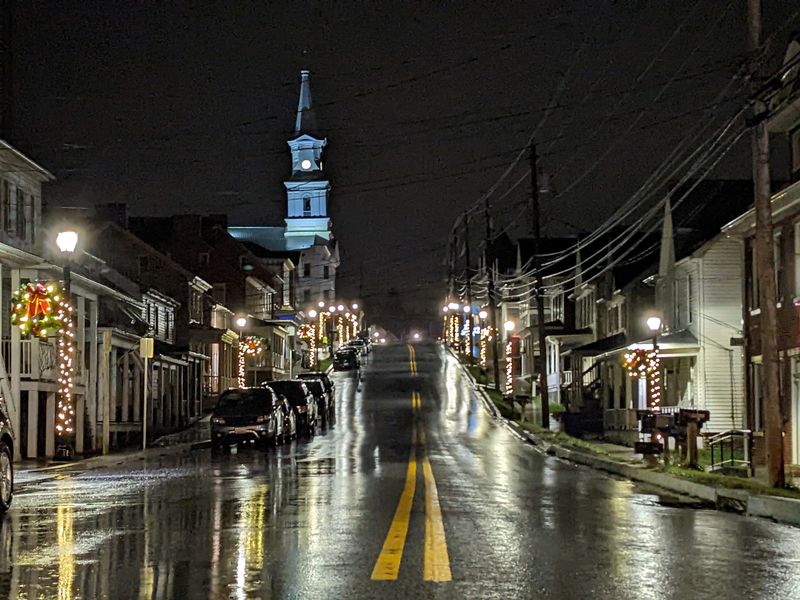
Here is the fun part. The same path now goes by the name US-40 Alternate, and it runs straight through downtown as Main Street.
Driving into town means following the same line that pioneers once followed with their wagons.
For the best experience, park the car and stroll the length of Main Street on foot. Notice how many older homes sit right up against the sidewalk.
That was common in the early 1800s, when buildings faced the road to catch business from travelers.
Look for the gentle curves and slight hills along the way, too. Those changes in the road were shaped by horses and wagons, not bulldozers.
It is a simple detail, but it makes the past feel very close.
Where the Civil War Came to Town
September 1862 changed Middletown forever. Union and Confederate armies both marched down Main Street on their way to major fights at South Mountain and Antietam.
For a few weeks, this calm farm town sat right in the path of history.
After the battles ended, wounded soldiers poured into town. There were far too many for any single building to handle.
So churches, homes, and other spaces quickly became hospitals and headquarters, caring for injured men from both sides.
Local families helped with nursing, food, and supplies. The whole town turned into a major hospital center for the U.S.
Army. That kind of community effort is a big part of why Middletown’s Civil War story feels so personal.
One famous patient was Rutherford B. Hayes.
He was a Union colonel at the time, and he was wounded at the Battle of South Mountain. He recovered in a private home in Middletown and later became the 19th president of the United States.
The war returned in 1864. Confederate General Jubal Early’s troops ransomed the town, demanding money and supplies in exchange for leaving it alone.
Imagine running a small shop and suddenly facing that demand.
Today, small markers and historic buildings hint at these events. Reading up on the 1862 battles before a visit makes a walk through town far more meaningful.
Suddenly an ordinary porch or church door becomes a place where real people faced extraordinary days. Kids especially tend to love the Hayes connection.
Architecture Spotting in the Historic District
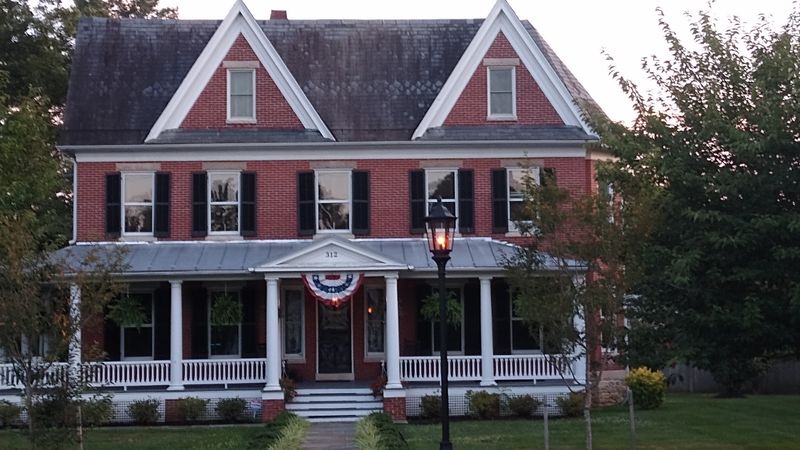
Think of Main Street as an outdoor timeline. The Middletown Historic District covers about 130 acres and joined the National Register of Historic Places in 2003.
It holds homes, shops, and churches built over many decades.
Start in the oldest section to spot Federal-style buildings. These are usually simple brick or log structures with tidy windows and doors, placed close to the sidewalk.
They come from the early 1800s, when the National Road was bringing steady business to town.
Keep walking and the styles change. Greek Revival homes show off clean lines and strong, balanced fronts.
Then come the Late Victorian houses, which are the show-offs of the bunch.
Queen Anne porches wrap around corners. Decorative brackets hang under rooflines like fancy trim on a cake.
Some homes mix colors and textures in ways that feel cheerful and a little dramatic.
Farther east, the town shifts again into an early 1900s streetcar suburb. An electric trolley once ran along this stretch, and families built Craftsman bungalows and boxy American Foursquare homes nearby.
These houses feel cozy and practical, with wide porches made for summer evenings.
A fun game for families is to try naming each style while walking. Give a point for every Queen Anne porch spotted.
Bonus points go to anyone who finds a log structure hiding under siding.
Just remember that most of these buildings are private homes. Admire them from the sidewalk and keep voices friendly.
The neighbors clearly take pride in their streets.
Inside the Old Stone House Museum
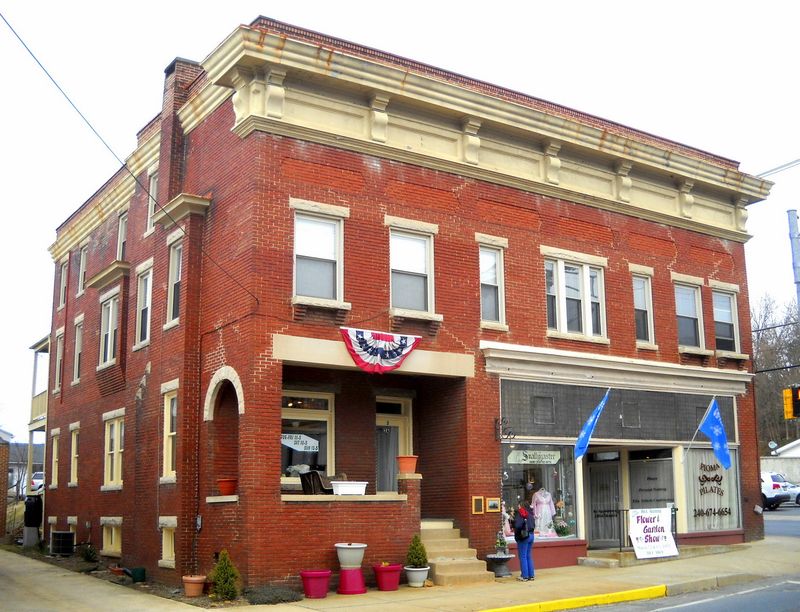
History buffs, this is the stop to circle on the map. The Middletown Valley Historical Society has worked since 1976 to protect the stories of the town and the surrounding valley.
Its headquarters sits at 305 West Main Street, Middletown, MD 21769.
The building itself is part of the attraction. It is a stone house built around 1850, and it stands on one of the original town lots laid out in 1767.
Very few stone-faced buildings remain in Middletown, which makes this one a real treasure.
Inside, rooms have been carefully restored and filled with period furniture. The goal is to show what daily life looked like in early Middletown.
Picture wooden chairs, simple tables, and the kind of household items families used before electricity.
Upstairs, a museum exhibit room shares local artifacts, old documents, and photographs. The displays cover a surprising range of events.
Visitors can learn about local ties to the French and Indian War, the Revolutionary War, the Civil War, and the building of the National Road.
The Society also keeps a research library. People tracing family roots in Frederick County often find helpful records here.
Even casual visitors may enjoy flipping through old maps and town histories.
Opening hours can be limited, since many historical groups rely on volunteers. Check the Society’s website before making the trip.
A quick look ahead saves disappointment and might even reveal a special event or talk happening during the visit.
Steeples, Bells, and a Town Clock
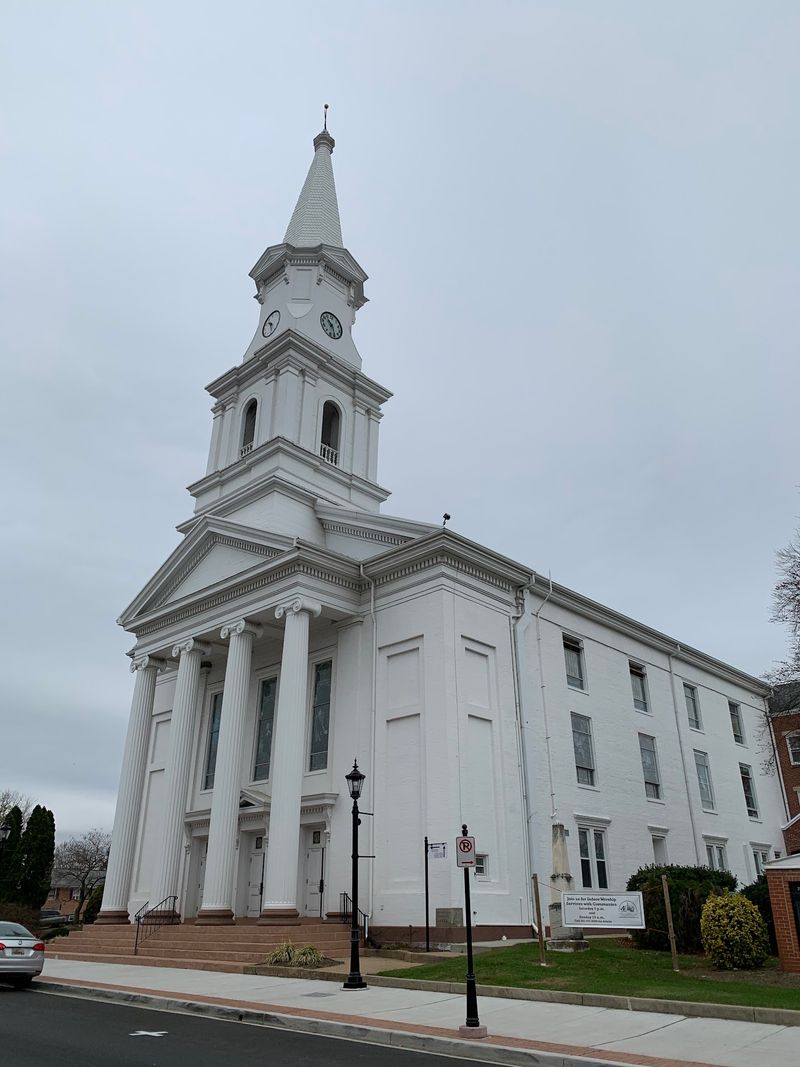
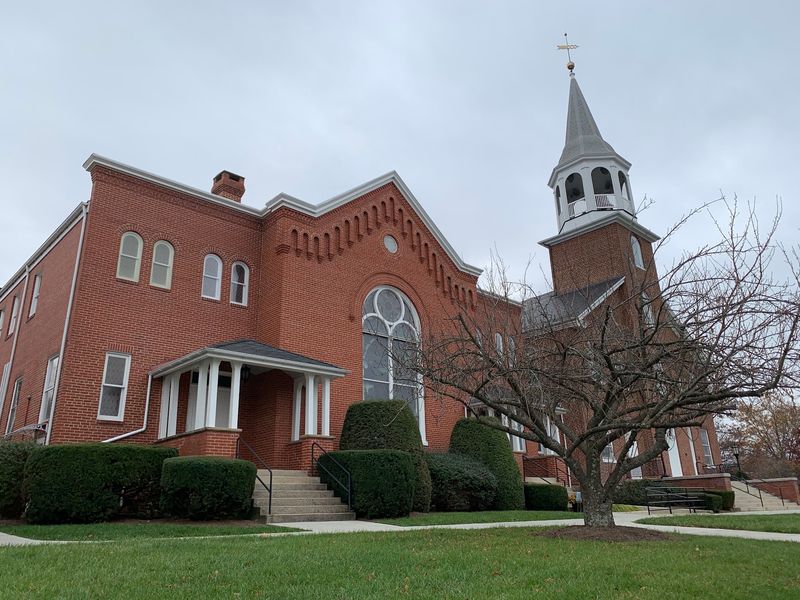
Look up from almost anywhere downtown and a tall steeple will probably catch the eye. That belongs to Zion Evangelical Lutheran Church at 107 West Main Street.
Built between 1859 and 1860, it features a towering spire and a town clock that still keeps watch over Middletown.
The church was barely a few years old when war arrived. After the 1862 battles, it became a makeshift hospital for wounded soldiers.
Pews and floors that once held quiet Sunday crowds suddenly held injured men in desperate need of care.
There is also a well-known local story connected to that steeple. According to tradition, Union General George McClellan watched the Battle of South Mountain from up there.
Nobody can fully prove it, but the view toward the mountain makes the idea easy to imagine.
Just down the street, Christ Reformed Church United Church of Christ adds even more history. Its roots in this building go back to 1818.
It reflects the strong German heritage that shaped so much of the valley.
Both churches remain active congregations. That means visitors should be respectful, especially during services or events.
Admiring the outside is always welcome, and the brickwork alone is worth a few photos.
A nice tip is to time a stroll near the top of the hour. Hearing the town clock ring over Main Street adds a lovely old-fashioned touch.
It is a small moment, but it sticks.
Up the Mountain to South Mountain State Battlefield
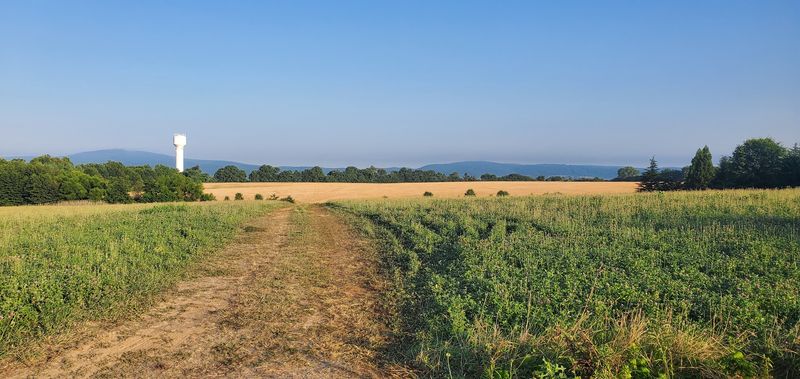
A short drive west climbs from quiet streets to one of the most important hilltops in Maryland. South Mountain State Battlefield sits at 6620 Zittlestown Rd, Middletown, MD 21769.
On September 14, 1862, Union and Confederate forces clashed here in the first major Civil War battle fought on Maryland soil.
That fight set the stage for the Battle of Antietam just three days later. Antietam became the bloodiest single day in American history.
Understanding South Mountain helps explain how the armies ended up there.
The battlefield is part of the larger South Mountain State Park. Visitors can walk the preserved ground where soldiers fought through mountain gaps.
Informational markers explain troop movements and key moments in plain, readable language.
Nature lovers will be happy, too. Hiking trails cross the battlefield, including a piece of the famous Appalachian Trail.
Hikers heading from Georgia to Maine pass right through this historic spot.
The views are wonderful. On a clear day, the valley spreads out below like a patchwork quilt of farms and forests.
It is easy to see why controlling these heights mattered so much to both armies.
Wear sturdy shoes, since paths can be rocky and uneven. Pack water and a snack, especially on warm days.
Plan at least an hour here, longer for anyone who wants to hike.
The quiet up top feels fitting. It gives visitors a peaceful moment to think about the soldiers who once stood on this ground.
Quiet Corners Beyond Main Street
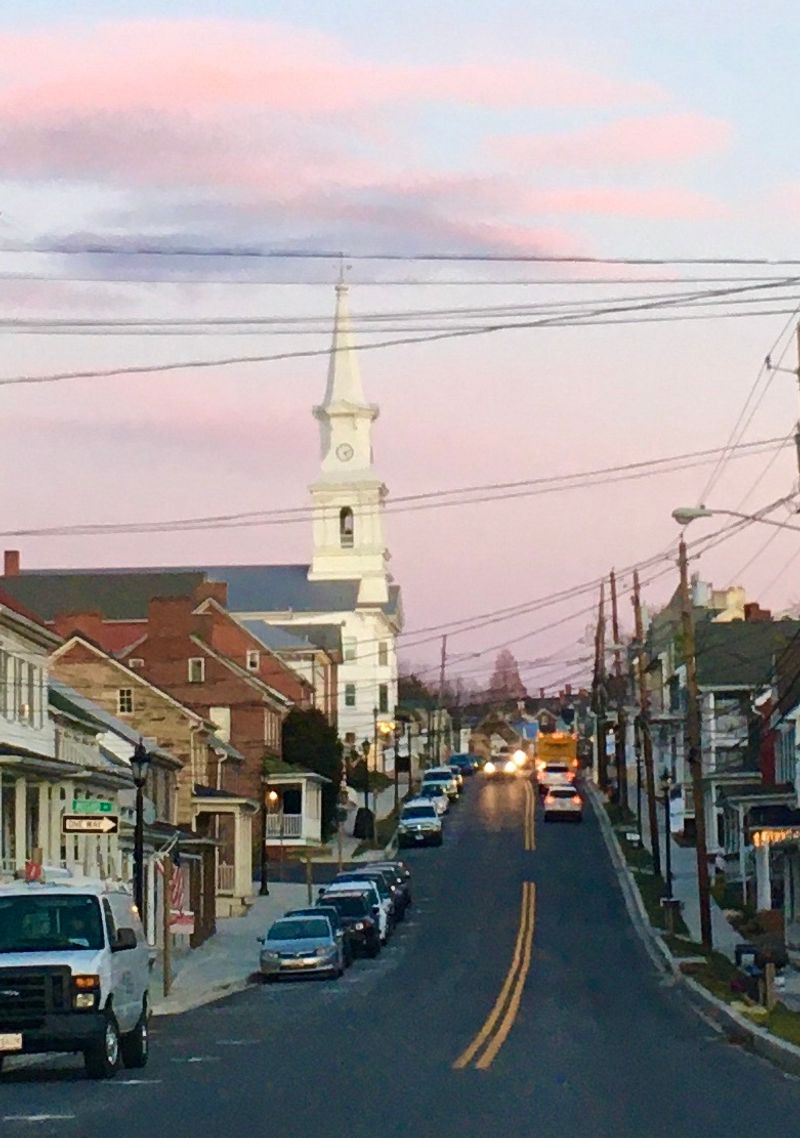
Some of the best moments in Middletown happen off the main path. After covering the big sights, slow down and wander a bit.
The town rewards curiosity.
Begin at the Middletown Welcome Center and grab a brochure for the self-guided heritage walking tours. These maps make it easy to explore at a personal pace.
No tour guide, no schedule, just comfortable shoes and a sense of adventure.
One highlight is the East Main Victorian Historic District. Homes here date from the late 1800s and early 1900s.
Expect a pretty mix of Queen Anne, Gothic Revival, and Colonial Revival designs, with pointed gables and charming trim.
Need a breather? Middletown Heritage Park at 31 West Main Street offers benches, greenery, and a fountain inspired by the town’s past.
It is a lovely spot to rest tired feet, enjoy a snack, or let kids burn off a little energy.
For a small side trip, head up South Mountain to Dahlgren Chapel. The influential Dahlgren family built this stone chapel in the 1880s.
Its setting along the old road feels peaceful and a bit storybook-like.
Before leaving town, stop at a local cafe or bakery on Main Street. Supporting small businesses helps keep historic downtowns alive.
Plus, a warm treat makes the drive home much nicer.
Middletown may be tiny, yet it leaves a big impression. Many visitors start planning a return trip before they even reach the car.
Fall foliage season makes an excellent excuse.
