A church built in 1879 still stands on a hill in Maryland, but the town it served is gone. Its neighbors left, and a 1972 tropical storm swept away most of the empty buildings.
Kind of eerie, right?
That story stopped me cold. I kept wondering how a whole community can vanish while a few stone walls refuse to budge.
Honestly, I love that detail.
So I went looking for more places like it. I found a colonial capital that turned into farmland, a quarry village that gave a famous castle its red color, and an 1800s iron town swallowed by a swamp.
The best part is that you can still visit these spots. You can walk old trails, touch weathered stone, and stand where families once worked and lived.
Some even host blacksmiths and corn roasts. Which one would you explore first?
1. Furnace Town Historic Site (Nassawango Iron Furnace), Snow Hill, MD
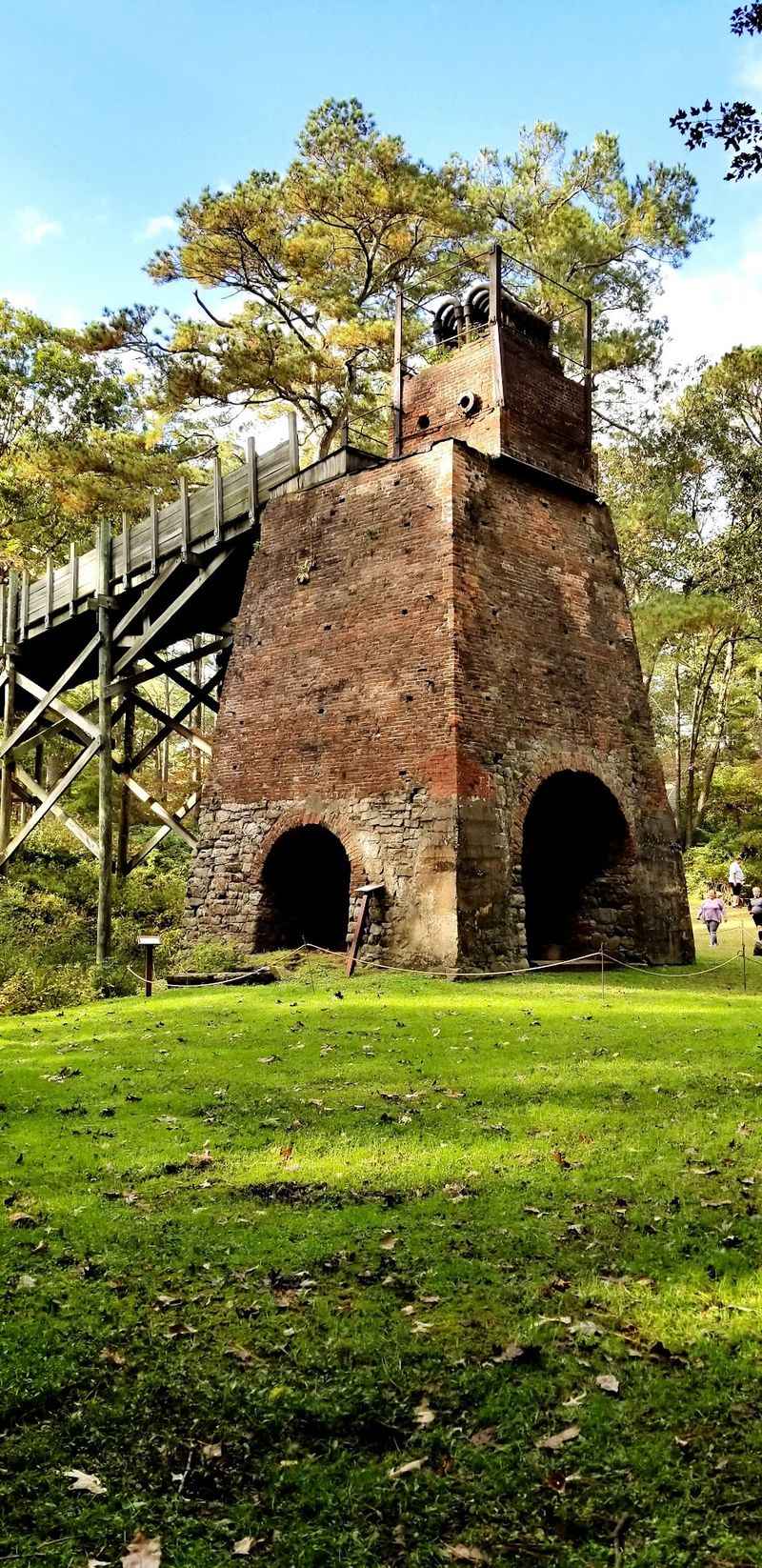
Iron once came out of a swamp in Worcester County, and that sentence alone should earn a road trip. The tall stack of the Nassawango Iron Furnace still rises over the woods near Snow Hill.
A small industrial village grew up around that furnace in the 1800s. Workers and their families lived, shopped, and worked here, tied closely to the ironworks.
When the ironworks shut down in the late 1840s, the village emptied out. The woods and swamp slowly crept back in.
Today, Furnace Town Historic Site brings that lost community back into view. Restored buildings sit around the grounds, giving you a sense of daily life in 1800s Maryland.
The setup is basically a self-guided tour of a small foundry town. You set the pace, wander between buildings, and read up as you go.
The furnace itself steals the show. It’s hard not to stare at a giant that has stood since the days of horse carts.
Nature lovers get a treat too. Walking trails lead through woods and swamp, so you can trade history for tree cover whenever you like.
The site also hosts seasonal festivals throughout the year. Checking the calendar before you go could turn a simple visit into a full-on event.
Families will find it easy to plan around. Changing tables, a gender-neutral restroom, and a free parking lot make the day simpler.
Timing matters here. The site opens Thursday through Sunday from 10 AM to 4 PM and stays closed Monday through Wednesday.
Bug spray is a smart pick for the swamp trails in summer months. Comfortable shoes help too, since you’ll want to see each corner.
It’s a rare chance to stand in a town that technically vanished long ago. The buildings make the story feel real instead of buried in a textbook.
Address: 3816 Old Furnace Rd, Snow Hill, MD 21863
2. Catoctin Furnace, Thurmont, MD
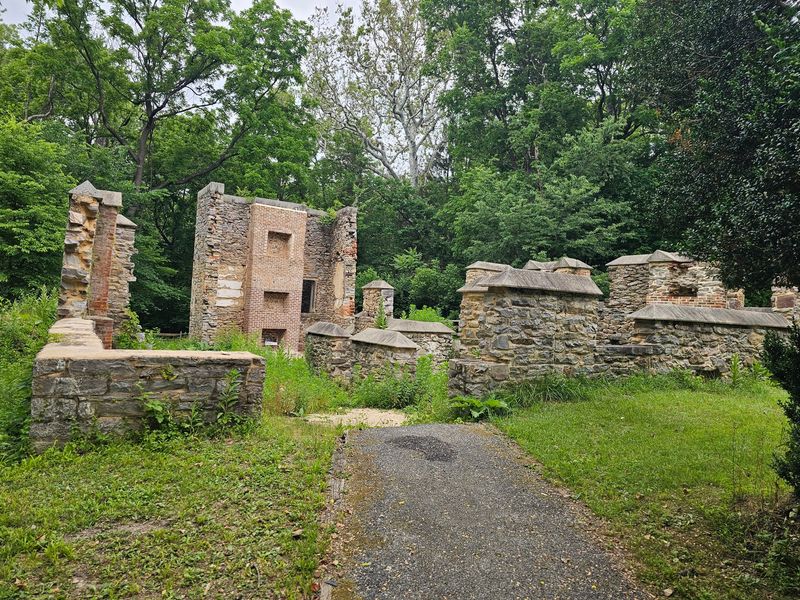
Mountain hikers come for the waterfall, but a quieter story waits nearby in stone. Catoctin Furnace holds the remains of an 18th century iron operation and its owner’s mansion.
An entire working community once lived around this furnace. Enslaved and free workers made it run, and their labor powered early American industry.
When iron making ended, that community faded away. What stayed behind were walls, ruins, and a powerful story about who built this place.
The site sits in the Catoctin Mountains near Cunningham Falls. That means you can pair a history lesson with a 78-foot waterfall.
Not a bad trade, right? A short gravel trail connects the falls and the furnace site, with fun rocks to scramble on along the way.
The building remnants are the real draw for curious minds. Seeing the old furnace walls up close makes the scale of the work easier to grasp.
The history here also highlights the role of African Americans and enslaved people during the Industrial Revolution. It’s a heavy topic, and the site gives it space.
Kids can learn a lot without even noticing. The mix of trail, rocks, and ruins keeps young legs moving and young brains working.
If you want a full day, the park also offers a lake, swimming, hiking, and camping. An aviary adds another stop for animal fans.
Hours run daily from 8 AM to 7 PM, with free parking on site. Saturdays fill up fast, so aim for a weekday if you can.
Bring water and a snack for the walk. The rocks invite climbing, so sneakers beat sandals here.
This corner of Maryland proves a small trail can carry a big story. Come for the falls, and leave thinking about the people behind the iron.
Address: 12698 Catoctin Furnace Rd, Thurmont, MD 21788
3. Daniels Dam
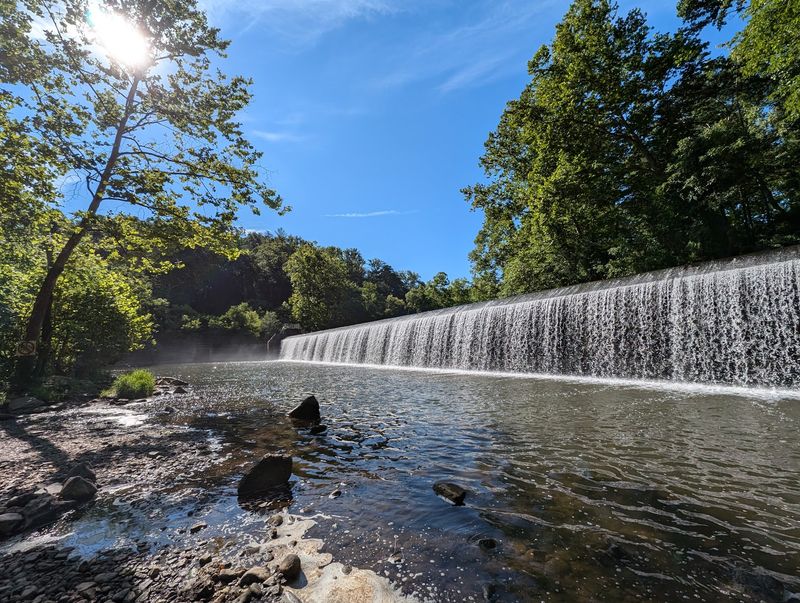
A dam that outlasted its own town deserves a little respect. The stone barrier on the Patapsco River once powered the mills of Daniels, and it still holds back the water today.
The town wore three names over its life. It started around 1810 as Elysville, became Alberton in 1853, and turned into Daniels in 1940.
Mill workers here made denim, sheeting, and heavy duck cloth. By 1965, the company began phasing out worker housing, and families slowly moved away.
Then came Tropical Storm Agnes in June 1972. The flood destroyed most of the empty buildings that were still standing.
So what survived? Look up at the hill across from the dam, where a church from the original town still stands, built in 1879.
You can also spot the roofless stone shell of the old Pentecostal Holiness Church. Low stone walls and scattered remains hint at streets that once buzzed with workers.
History buffs get a bonus here. The Old Main Line Trail follows the original 1831 path of the B&O Railroad through the area.
The dam also turns the river into a calm pool. Paddlers bring canoes and kayaks, and anglers cast lines along the banks.
The site sits inside Patapsco Valley State Park and stays open around the clock. Weekend afternoons draw the biggest crowds, so a weekday morning feels much quieter.
Kids tend to love poking around ruins, and this spot gives them plenty to find. Just keep little explorers off crumbling walls and away from fast water.
Bring sturdy shoes for the uneven ground. A camera helps too, since the stone ruins look great against the trees.
It’s a strange and lovely mix of nature and memory. One minute you’re watching the river, and the next you’re standing where a Maryland mill town used to be.
Address: Ellicott City, MD 21043
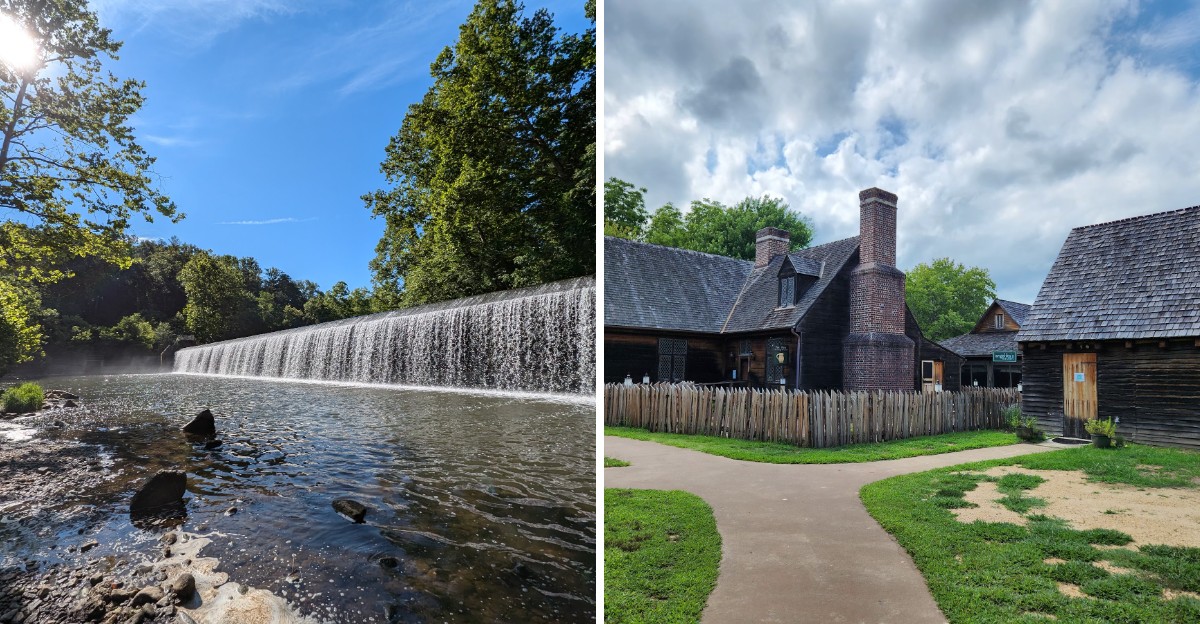
4. Historic St. Mary’s City, St Marys City, MD
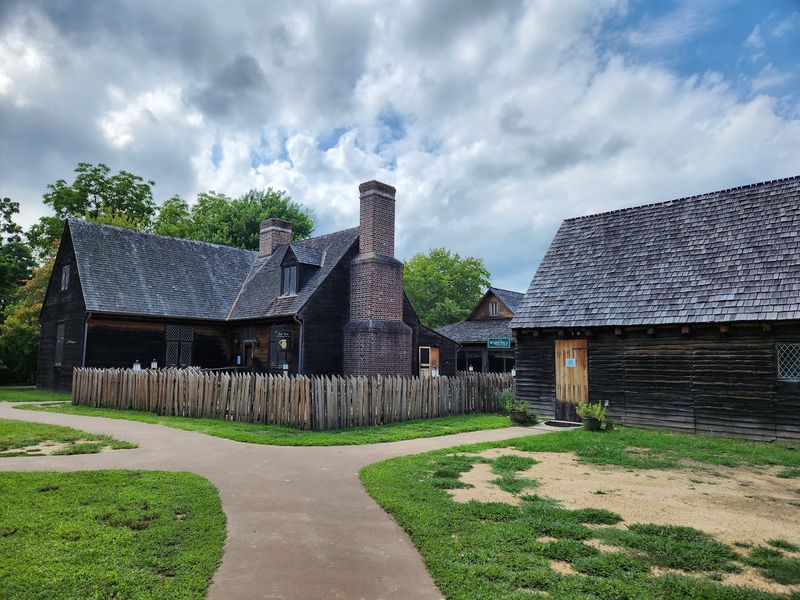
Maryland’s first capital basically packed up and left. When government moved to Annapolis in 1694, the colonial town settled from 1632 slowly gave way to farmland.
That’s a wild fate for a place that ranks among the oldest English colonies in North America. Yet the story didn’t vanish completely.
Historic St. Mary’s City now works as an archaeological museum and living history site. Digging has uncovered what the fields once hid.
Reproduced buildings help fill in the blanks. You can see an inn and an early print shop, which hint at how colonists lived and worked.
People in period clothing answer questions about early colonial life. Ask them anything, and you’ll likely get a detailed answer.
Guided walking tours add even more context. The staff and volunteers know their stuff, which makes the history easy to follow.
Got kids? There’s a ship for them to explore, and that alone may become the highlight of their week.
Live presentations and a theater bring extra energy to the visit. Interactive exhibits keep things moving, so it rarely feels like a dusty lecture.
A gift shop sits on site for souvenirs. There’s no restaurant, though, so packing snacks or planning a meal nearby is smart.
Plan carefully around the schedule. It’s open Tuesday through Saturday from 10 AM to 4 PM and closed Sunday and Monday.
Wear comfy shoes, since the site spreads out across open ground. A hat helps on sunny days too.
Field trips love this place for good reason. The mix of hands-on fun and real archaeology makes the past feel close enough to touch.
It’s a reminder that a whole capital can disappear and still leave clues. You just need patient diggers and a curious visitor like you.
Address: 18751 Hogaboom Ln, St Marys City, MD 20686
5. Seneca Quarry, Poolesville, MD
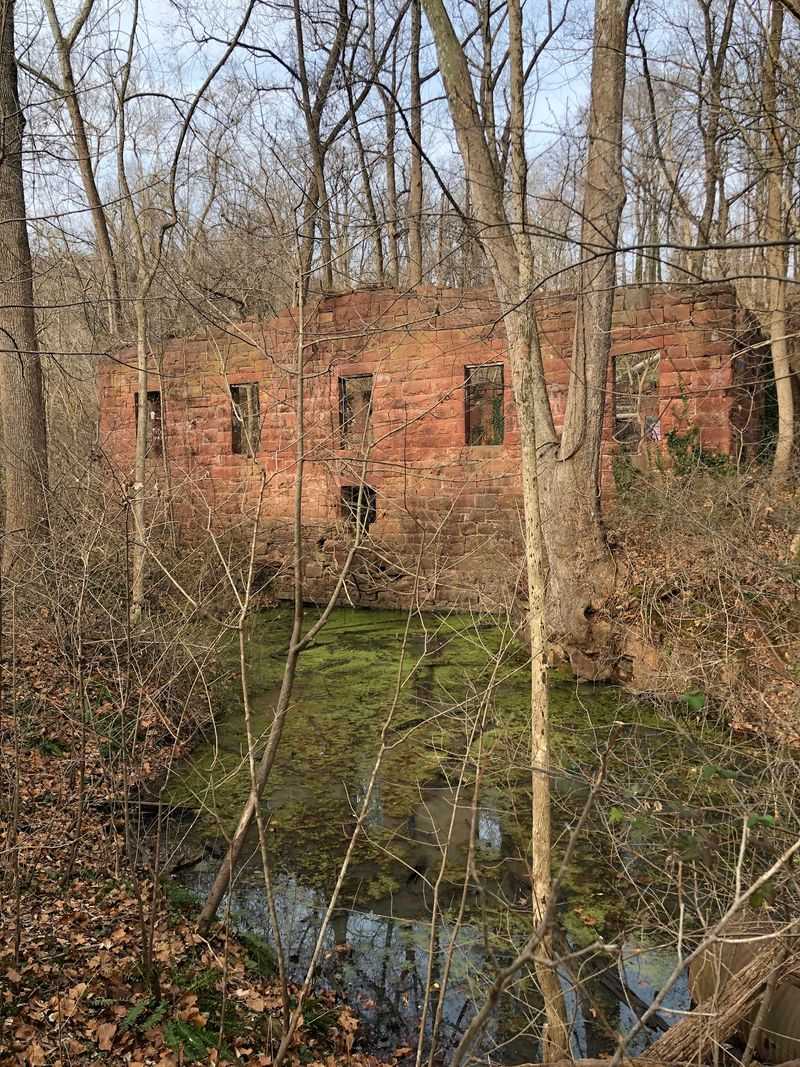
Ever admired the Smithsonian Castle in Washington, DC? Its iconic red sandstone came from a quiet patch of woods near Poolesville.
Seneca Quarry was once a busy 19th-century quarrying and stonecutting community. Workers cut and shaped stone that traveled to famous landmarks in the capital.
Then operations shut down, and the community slipped into the forest. Trees moved in where crews once hauled heavy blocks.
The good news? Stone remains of the Seneca Stone Cutting Mill still stand, like a rough red monument to the people who worked here.
The site connects to the C&O Canal corridor. That link makes sense, since canals were built to move heavy loads.
A nearby aqueduct adds another piece of the puzzle. Stone structures like this one carried the canal over a creek.
The area sits within the C&O Canal National Historical Park grounds and the Seneca Creek Greenway. The quarry marks mile 0 of the greenway trail.
That makes it a great starting point for a walk. You can begin with history and keep going as far as your legs allow.
Bring a sense of imagination here. The ruins are rough and open to the sky, so picturing the busy mill takes a little effort.
Trail shoes are a smart choice for the uneven paths. Carry water too, since services in a wooded park setting can be limited.
Kids who like rocks will be in heaven. Point out the red stone, then tell them it helped build a castle in DC.
Photographers should try a visit in soft morning light. The sandstone looks especially rich when the sun hits it low.
It’s funny how a famous building can have such a humble birthplace. Next time you see that castle, you’ll know where its color started.
Address: 16710 River Rd, Poolesville, MD 20837
6. Jerusalem Mill, Kingsville, MD
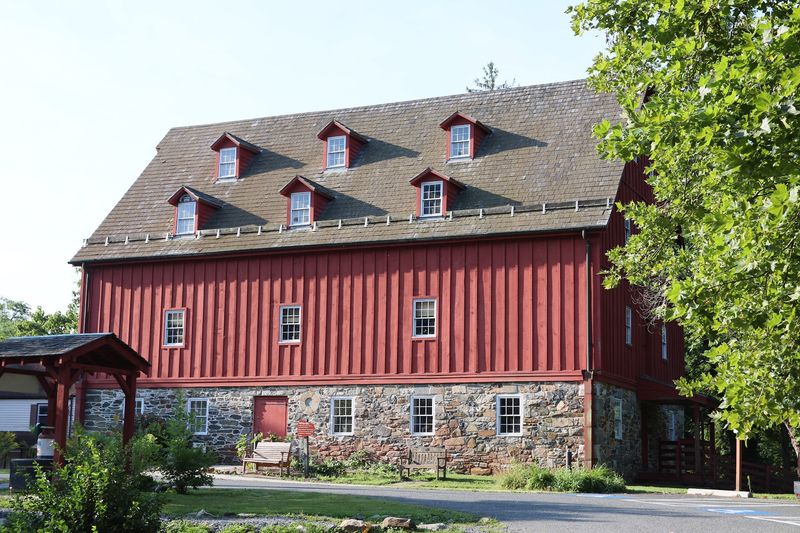
Quakers built a whole working village along the Little Gunpowder, and much of it is still here. Jerusalem Mill is a restored 18th-century Quaker village near Kingsville.
The settlement once hummed with milling, crafts, and trade. As industry shifted elsewhere, the community declined and the busy days faded.
Lucky for us, the buildings stuck around. You’ll find a mill, a blacksmith shop, a stone house, and more along the water.
The old mill now works as a small museum. A museum and gift shop also sit inside an old general store, so shopping counts as history here.
Want sparks? The blacksmith shop still hosts blacksmithing on weekends, which is about as authentic as it gets.
Well-kept trails lead to a covered bridge. Wooded paths wind past the historic buildings, so it’s easy to turn a quick stop into a stroll.
Picnic tables sit near the Little Gunpowder. Pack lunch, grab a table, and let the creek handle the background music.
Photographers love this spot too. The quiet setting and old buildings make it popular for outdoor photo shoots.
Easy trails make it friendly for beginners. You won’t need serious gear, just shoes that don’t mind dirt.
Hours run daily from 7 AM to 7 PM. Sunday evenings tend to be busiest, while Thursday evenings are the quietest.
Parking is free in the lot and on the street. That’s one less thing to stress about on a family outing.
Kids get plenty to explore without needing screens. The bridge, the forge, and the creek compete for attention.
Weekend visits give you the best shot at seeing the forge in action. Plan around that if sparks are on your wish list.
A lost Quaker village rarely looks this inviting. Come for the history, then stay longer because leaving feels like a chore.
Address: 2813 Jerusalem Rd, Kingsville, MD 21087
7. The Union Mills Homestead, Westminster, MD
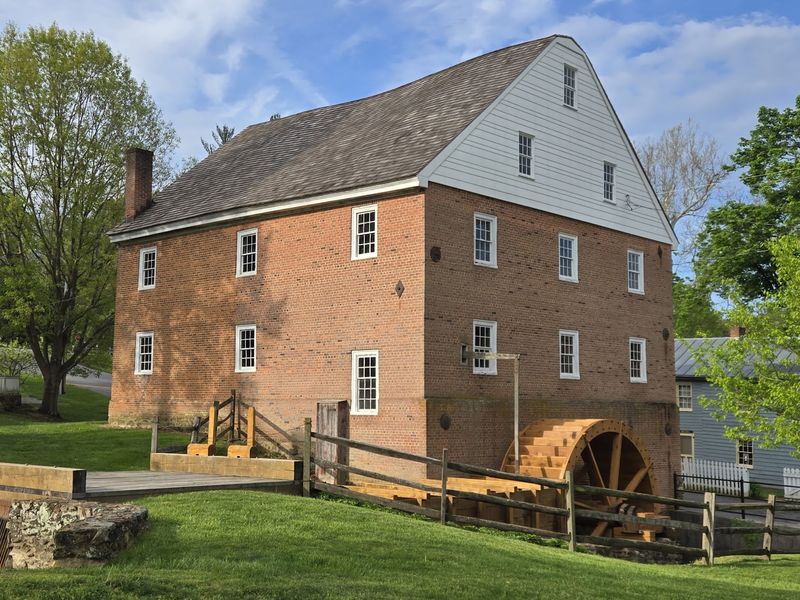
Back in 1797, a mill settlement near Westminster set out to be its own little world. It had a mill, a tannery, a post office, a general store, and worker housing.
It worked like an independent rural hamlet in Carroll County. Community operations ended in the 20th century, and the bustle quieted.
The estate still stands today. Visitors can see a historic home and outbuildings, including the mill, filled with antiques and relics.
Guided tours cover the house and the mill. That’s the best way to understand how one place could supply so much of daily life.
Antique fans should slow down inside. The relics offer small clues about how families here spent their days.
The grounds are pleasant for walking and picnicking. A pond allows fishing, and a stream gives kids a fun place to splash.
Kids love a stream, and this one is part of the charm. Bring a towel and a spare pair of socks, just in case.
Timing your visit matters a lot. The homestead opens Saturday and Sunday from noon to 4 PM and stays closed on weekdays.
Events give this place extra flair. An annual corn roast brings live music, blacksmith demonstrations, and vendors to the grounds.
Corn and history together? That’s a pretty tasty way to spend a weekend in Maryland.
The site also hosts weddings and other events. Its historic look makes a memorable backdrop for big days.
A gift shop offers souvenirs, and restrooms are available. There’s no restaurant, so pack a picnic and grab a spot outside.
Free on-site parking keeps things simple. Families can roll in, tour, and stretch out on the grounds without fuss.
It’s easy to forget how self-sufficient these old settlements had to be. A visit here makes that idea click fast.
Address: 3311 Littlestown Pike, Westminster, MD 21158
