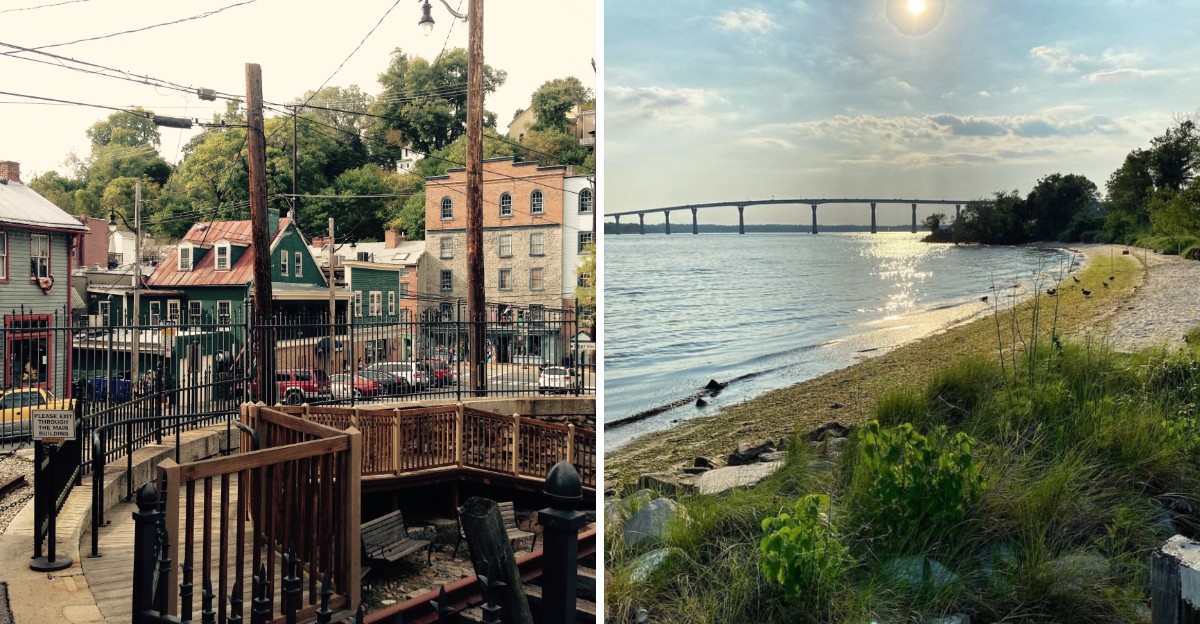
Tourism can be a double edged sword. It brings money and attention, but it also brings crowds, traffic, and a slow erosion of the thing that made a place special to begin with.
This list highlights ten Maryland towns where the influx of visitors has reached a tipping point. The centers are packed, parking is a nightmare, and locals have started avoiding the very streets they once loved.
Some have moved their routines to the edges of town. Others simply stay home on weekends.
The towns are still beautiful, but they feel different. A reminder that popularity has a cost.
The kind of shift that locals notice long before visitors do. The kind of change that makes you wonder where the balance is.
1. St. Michaels

Brick sidewalks and white fences give St. Michaels a tidy first impression, but a sunny weekend can bring steady foot traffic to its small center. Visitors drift between old houses, gardens, and the waterfront, where boats help explain the town’s long shipbuilding story.
Because the streets are compact, even a modest event can make the main blocks feel packed. A resident running an errand may have good reason to choose a quieter route.
Travelers can help by keeping doorways clear and crossing only where it is safe.
The Chesapeake Bay Maritime Museum offers a deeper look at local life on the water, including traditional vessels and a working boatyard. Leave time for the view across the Miles River instead of rushing from one stop to another.
Early mornings often feel less hurried, while event days call for extra patience with traffic and parking. Check museum hours and town notices before setting out, since schedules can change.
A short walk away from the busiest storefronts reveals porches, shade trees, and the softer pace that makes the town appealing. Respect private yards, and let the waterfront be more than a backdrop for photos.
That small courtesy helps keep a crowded visit pleasant for everyone nearby.
2. Annapolis
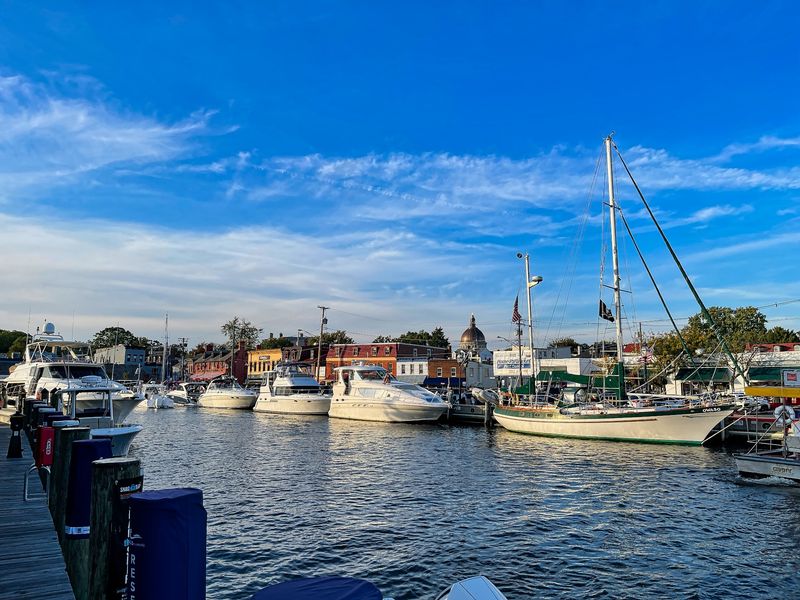
In Annapolis, a sailboat may glide past while a line of pedestrians waits to cross a narrow historic street. The harbor and State House sit close enough to draw many people into the same downtown blocks.
On busy weekends, that mix of sightseers, deliveries, and everyday errands can slow the center down. Give walkers room, follow posted crossing signs, and expect a little extra travel time.
The city is more enjoyable when nobody treats its working streets like a closed outdoor display.
Maryland’s capital has plenty to explore beyond a single harbor view. The State House tells a story of government, while the Banneker-Douglass Museum opens a window onto African American history.
Historic homes and public art add details that reward a slower look. Waterfront access may change during construction, so check current updates rather than counting on a familiar route through City Dock.
Streets near Spa Creek and the Severn River can offer a different angle on the water. If a crowd gathers beside the boats, move along before stopping for photos.
Small choices like that make space for residents, workers, and other visitors. Even a brief detour can turn a hectic afternoon into a calmer, more thoughtful look at the city.
3. Berlin
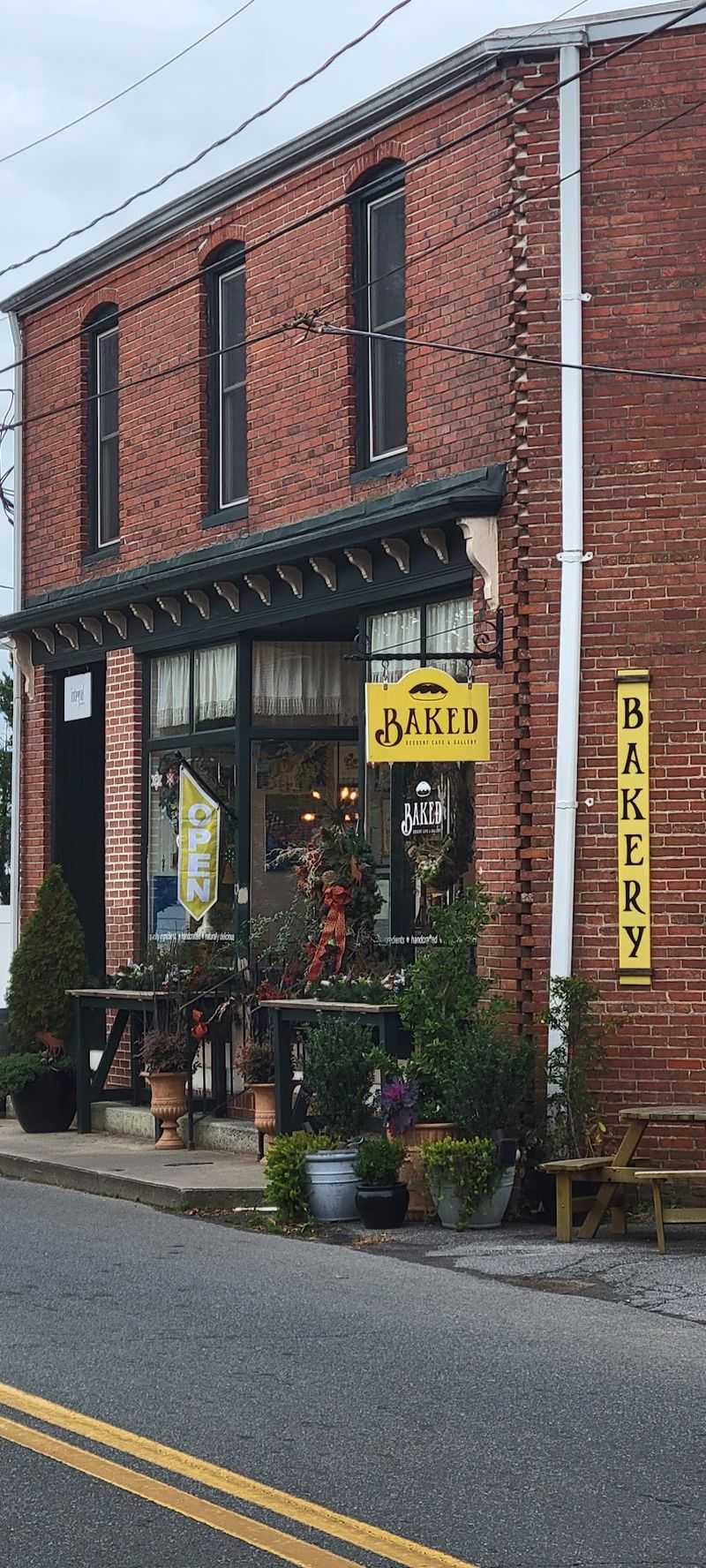
Berlin’s Main Street can seem to have a surprise tucked around every corner. A mural appears beside an alley, and Victorian buildings give the center its bright, storybook look.
Festivals and arts events bring extra visitors into an area that is easy to cover on foot. That energy is fun, though it can make ordinary trips through town less simple for residents.
Read event notices before arriving, and leave driveways and crossings open. The best discoveries rarely require blocking a doorway to take a picture.
Independent storefronts and the Calvin B. Taylor House Museum offer reasons to linger, but the town also has green space when the center grows loud.
Stephen Decatur Park provides a chance to slow down under the trees. Berlin sits near the coast, so some travelers pass through on the way to Assateague; a little planning helps keep that passing traffic from becoming a headache.
Try an earlier visit if a relaxed look at the historic district matters more than festival buzz. Watch for cyclists and families near the main streets, and carry any litter to a bin.
Between public art and older homes, Berlin shows how a small center can hold plenty of character without needing to feel rushed.
4. Chestertown
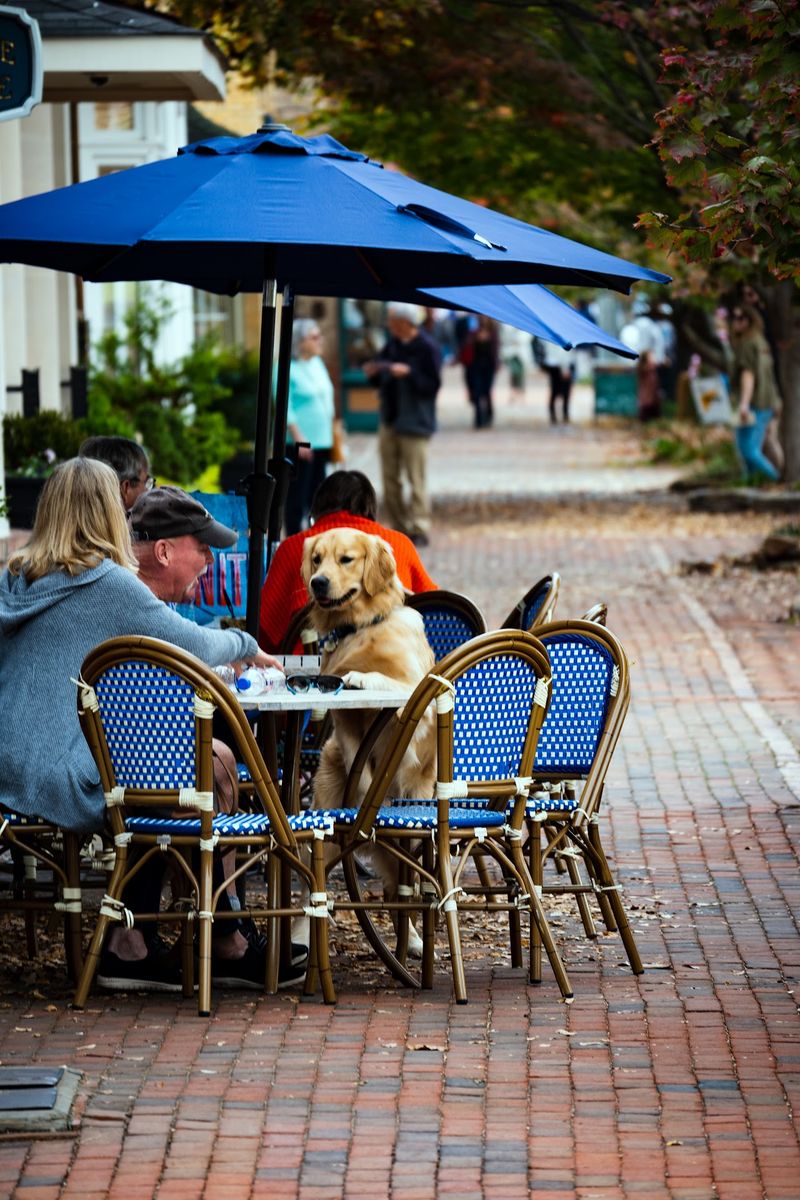
The Chester River gives Chestertown room to breathe, even when its historic center is busy. Market mornings and festival days can fill the brick sidewalks with neighbors and visitors moving at different speeds.
Old buildings, college life, and a lively arts scene all meet within a short walk. When a large event is on, local drivers may prefer streets outside the core.
Travelers should check road notices, cross carefully, and remember that the pretty houses along the way are still people’s homes.
Down by the water, Wilmer Park offers benches and a broad view that feels different from the downtown bustle. Historic boats sometimes appear near the pier, a reminder that the river has always shaped the town.
Washington College brings talks and performances to the wider community, while local history includes stories that reach well beyond its oldest buildings. Look for walking materials that highlight African American heritage as well as the colonial past.
Not every weekend is crowded, so the calendar matters more than the town’s reputation. On a busy day, leaving time between stops makes the whole visit gentler.
Chestertown rewards people who notice both the lively center and the quieter edge where the river begins.
5. Oxford
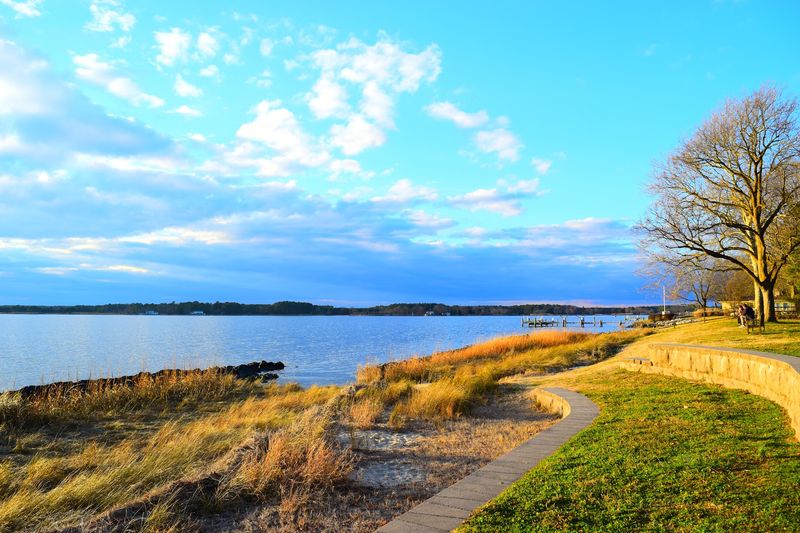
Oxford is quieter than many stops on this route, which makes a sudden cluster of visitors feel especially noticeable. Its narrow peninsula leaves little room to spread traffic, and the ferry landing can become a focus on pleasant days.
Tree-lined lanes, tidy yards, and glimpses of the Tred Avon River are part of its appeal. They are also part of a lived-in town, not a maze of public paths.
Stay on open streets and give ferry traffic time to move safely.
The Oxford-Bellevue Ferry links the town with the opposite shore and offers a close look at the river. Check its operating schedule before building a day around the crossing.
The Oxford Museum and Water’s Edge Museum provide different ways to understand the area’s past, including stories of African American families on the Eastern Shore. For fresh air away from the waterfront lanes, Conservation Park has room for a longer walk and a chance to watch for wildlife.
Cycling can suit the town’s flat streets, but riders should slow down around pedestrians and crossings. Oxford’s charm depends partly on its calm.
A visitor who keeps noise low, respects private property, and allows a little time for waiting will understand that charm far better.
6. Havre de Grace
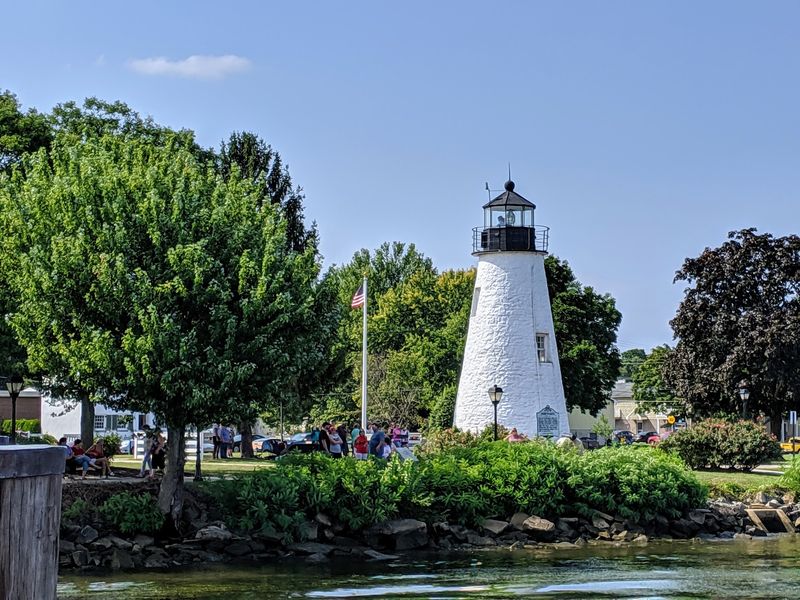
At the meeting of the Susquehanna River and Chesapeake Bay, Havre de Grace has a waterfront that invites an unhurried stroll. Yet a bright weekend can send many walkers toward the same promenade and lighthouse view.
The center is active too, with historic buildings and local arts drawing people away from the shore. Crowds tend to bunch at scenic spots, so keep the path open when pausing for a photograph.
A little space matters to anyone pushing a stroller or simply trying to get home.
Concord Point Lighthouse is a useful landmark for understanding the town’s place on the water. The Promenade offers changing views of birds, boats, and the river’s broad mouth; slow down and notice how the scene shifts with the light.
The maritime museum adds context for the area’s long connection to fishing and boats. Check access hours for individual sites, especially outside the main travel season.
If the waterfront feels full, explore public streets and parks at an easy pace rather than crowding a narrow lookout. Havre de Grace remains a community with daily routines behind its visitor appeal.
Treating sidewalks, lawns, and crossings with care helps those routines continue alongside a busy day of sightseeing.
7. Ellicott City
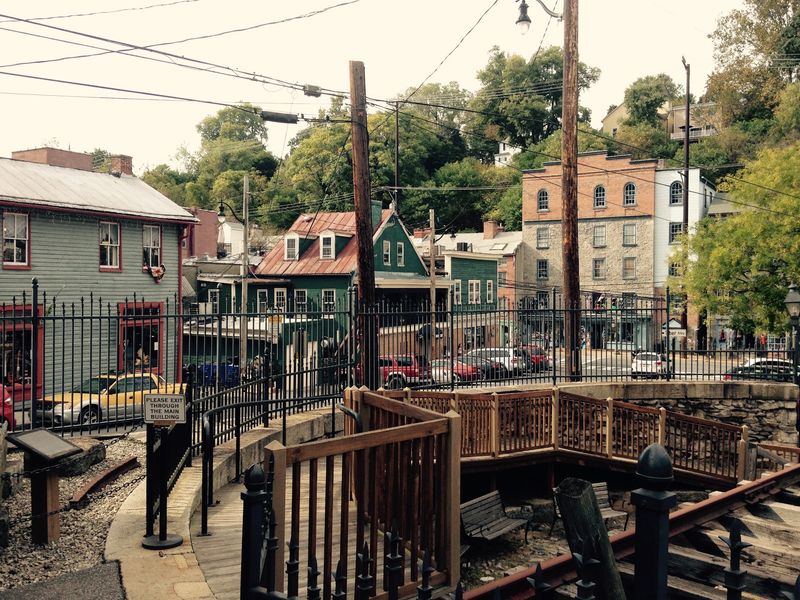
Ellicott City’s Main Street climbs and bends between granite buildings, giving every busy block a slightly different view. On weekends, people stop for windows, murals, and photos while cars work through the same narrow corridor.
That tight layout can make the historic center feel crowded quickly. Plan to walk carefully, use marked crossings, and avoid stopping in the middle of the sidewalk.
Residents need to move through town even when visitors are taking their time. The hillside is beautiful, but it deserves attention underfoot.
The B&O Railroad Station Museum helps explain why this place became an important stop in early American rail travel. Beyond the main stretch, the landscape rises toward quieter residential areas that should be treated with respect, not used as informal parking.
Ellicott City has also faced serious flash flooding. Pay attention to weather alerts, road closures, and local instructions, since heavy rain can change conditions fast near the streams and low streets.
On a clear day, leave room to appreciate the stonework and the town’s steep shape without rushing between stops. A considerate visit supports the lively center while recognizing that its narrow streets and waterways place real limits on how many people can comfortably share it.
8. Cambridge
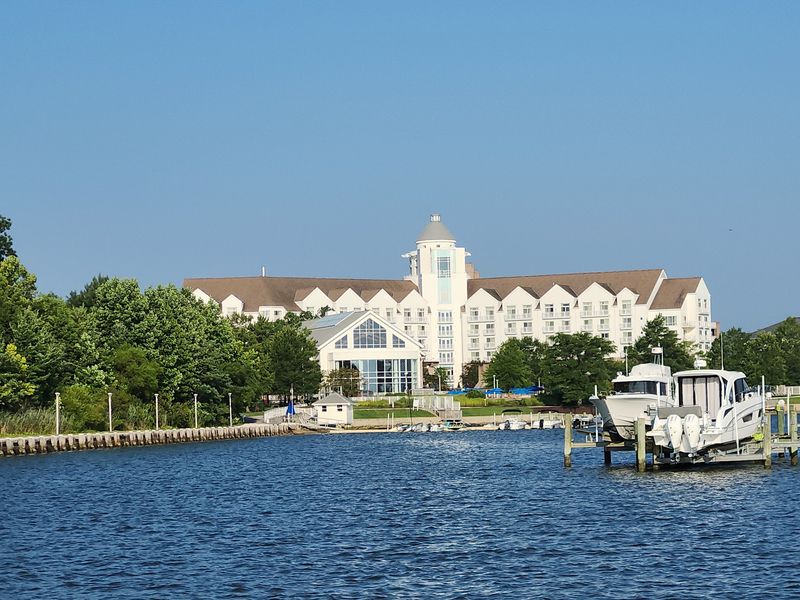
Cambridge spreads its stories across more ground than a tiny waterfront village, so its crowds do not always gather in one place. Still, events and warm afternoons can bring plenty of people into the historic downtown and toward the Choptank River.
Older buildings stand beside signs of change, giving the center a character that feels active rather than frozen in time. Leave extra time when an event is scheduled, and look for posted parking guidance instead of circling the same block.
The streets serve local daily life as well as visitors.
At Long Wharf Park, open sky and river views offer a welcome shift from downtown traffic. The Choptank River Lighthouse replica points back to the area’s boating history, while the wider city holds many layers of Eastern Shore history.
Take time to learn about those layers rather than treating the waterfront as the whole story. Cambridge is not crowded every day, and some blocks may be quiet even when others are lively.
That uneven pace is part of an honest visit. Walk with awareness at intersections, share public space, and check event details before arriving.
A relaxed route between the center and the river gives both places room to speak for themselves.
9. Snow Hill
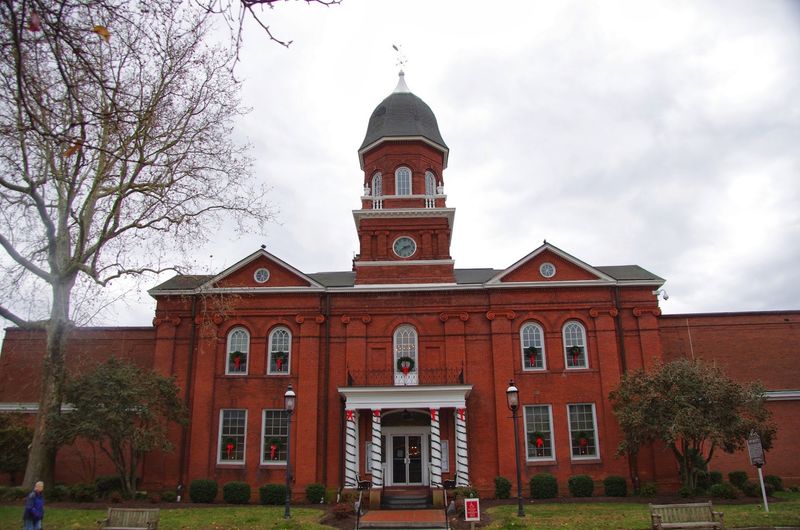
Snow Hill belongs on this route for its river and history, not because its center is packed every weekend. In fact, its quiet streets can be a relief after busier Maryland stops.
A festival or pleasant holiday, though, can concentrate visitors around a few downtown blocks and make the change noticeable. Victorian buildings and the nearby Pocomoke River give people good reasons to linger.
When town events are on, follow signs, leave crossings clear, and remember that a calm place still has residents with errands to finish.
The Julia A. Purnell Museum offers a closer look at local history, while Byrd Park brings the river into view.
Beyond town, the Pocomoke landscape offers trees, trails, and wildlife that feel far removed from a busy street. Check conditions before a walk or paddle, since weather and water levels can affect access.
Snow Hill is best explored without a race from sight to sight. Notice the older homes, then give the waterfront enough time to change the mood of the visit.
Crowds here are more likely to come with a particular event than to define the whole town. Planning around that calendar keeps the visit pleasant and makes its quieter character easier to appreciate.
10. Solomons
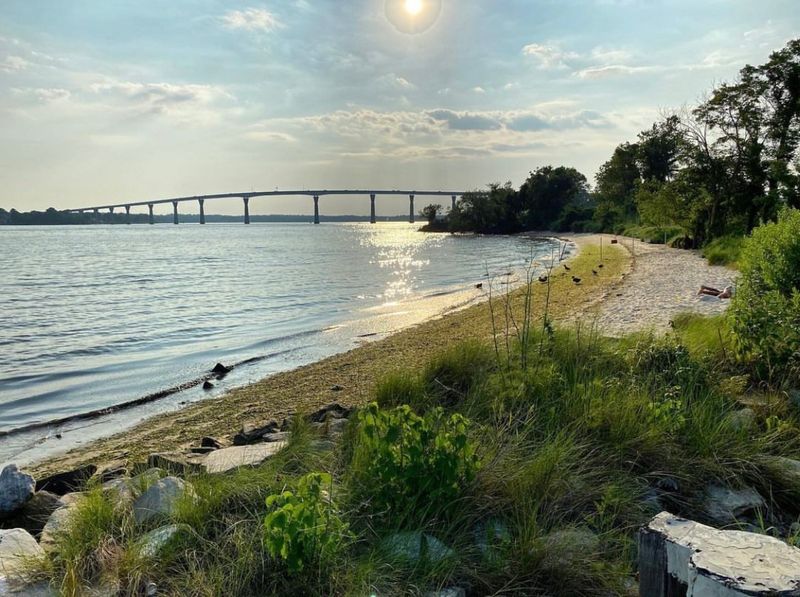
Solomons sits where the Patuxent River reaches the Chesapeake Bay, and water shapes nearly every first impression. Boats cross the view while visitors collect along the waterfront on bright days.
The walkable center is appealing, but its compact streets can feel full when an event brings extra traffic. Watch for people stepping between cars and the shoreline, and leave enough room for others to pass on the boardwalk.
Behind the weekend scene are households and working waterfront routines that need space too. Courtesy travels well here.
The Calvert Marine Museum tells stories of boats, fossils, and the area’s past as a shipbuilding and oyster-packing community. Its Drum Point Lighthouse is a memorable reminder of that history.
Art and nature meet at Annmarie Sculpture Garden, which offers a different kind of outing away from the waterfront center. Check hours and local event plans before visiting, as a busy gathering can change the feel of a small area quickly.
If the shore path is crowded, pause where there is room rather than blocking the flow. Solomons becomes more interesting when the visit includes its history and green spaces, not just the view across the water.
The tides set a slower pace, even on a lively afternoon.
